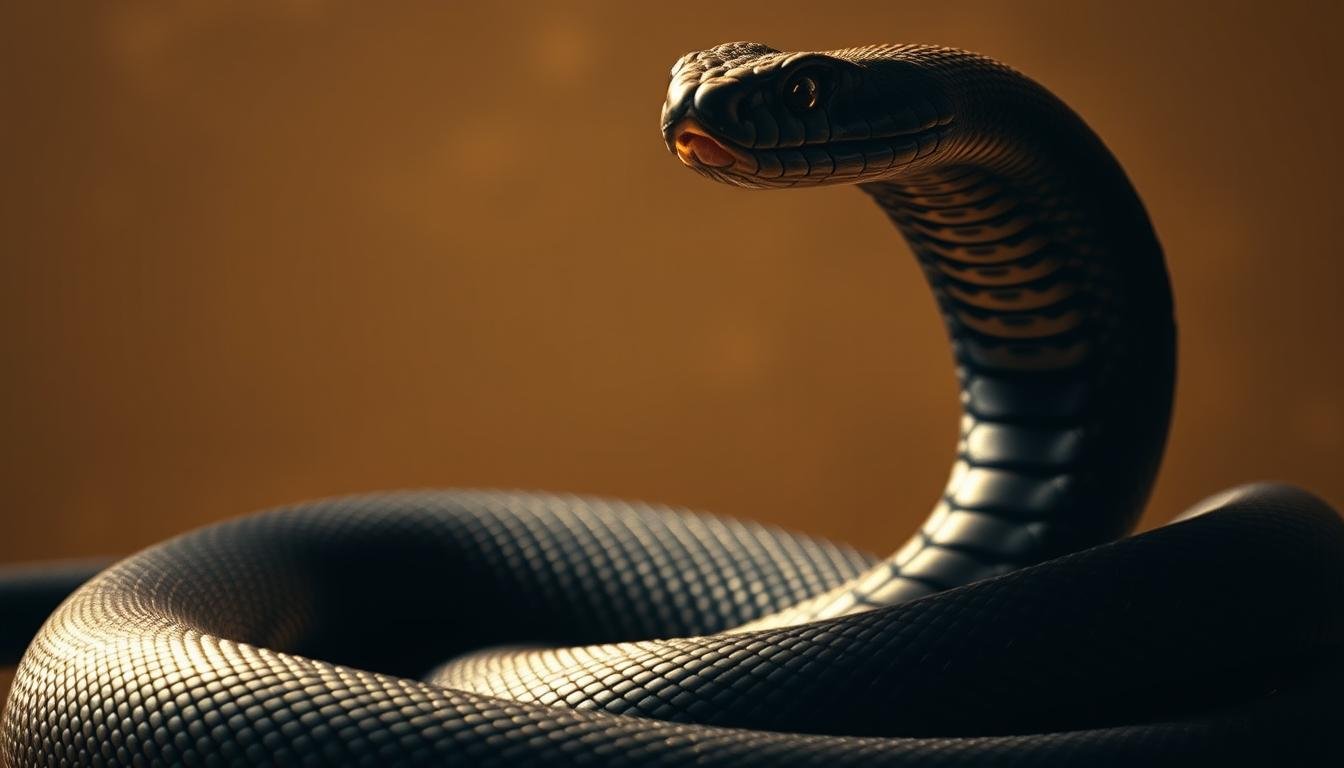
Hold onto your safari hats: Africa’s black mamba isn’t black, but it is the Usain Bolt of snakes, clocking 12 mph. Its name comes from the inky-black mouth it flashes like a warning sign – nature’s version of a “do not disturb” sticker. Let’s crack open the myths and get real about this slithery legend.
Picture a serpent longer than your dad’s pickup truck – up to 14 feet of olive-gray muscle. I’ve seen videos where these guys outpace cyclists on dirt roads. Their venom? One bite packs enough neurotoxins to drop an adult elephant. But here’s the kicker: they’d rather bail than fight. Think of them as the ultimate introverts with a deadly side hustle.
You’re probably wondering why something called “black” isn’t actually black. Blame its Dracula-esque mouth lining – a party trick reserved for “back off” moments. I’ve tracked these speed demons through documentaries, and let me tell you, their reputation as Africa’s most feared snake isn’t just hype. They’re the original “go fast, strike hard” predators.
Stick around, and I’ll break down how this serpent became the stuff of campfire stories. We’re talking survival tactics, venom chemistry, and why you’ll never mistake that coffin-shaped head once you’ve seen it. Spoiler: You’re about to become the coolest kid in science class.
Meet the Black Mamba: Anatomy and Quick Facts
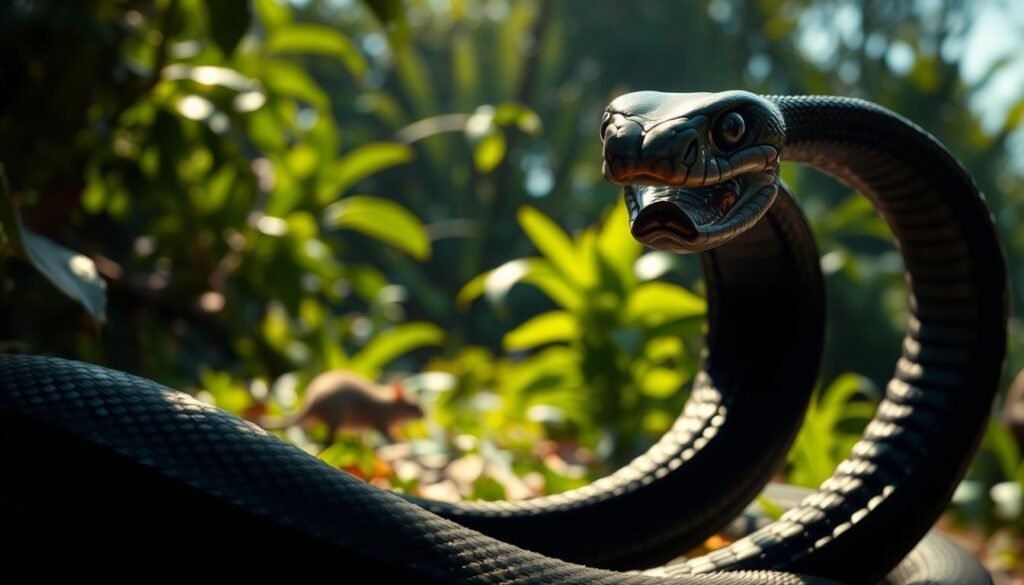
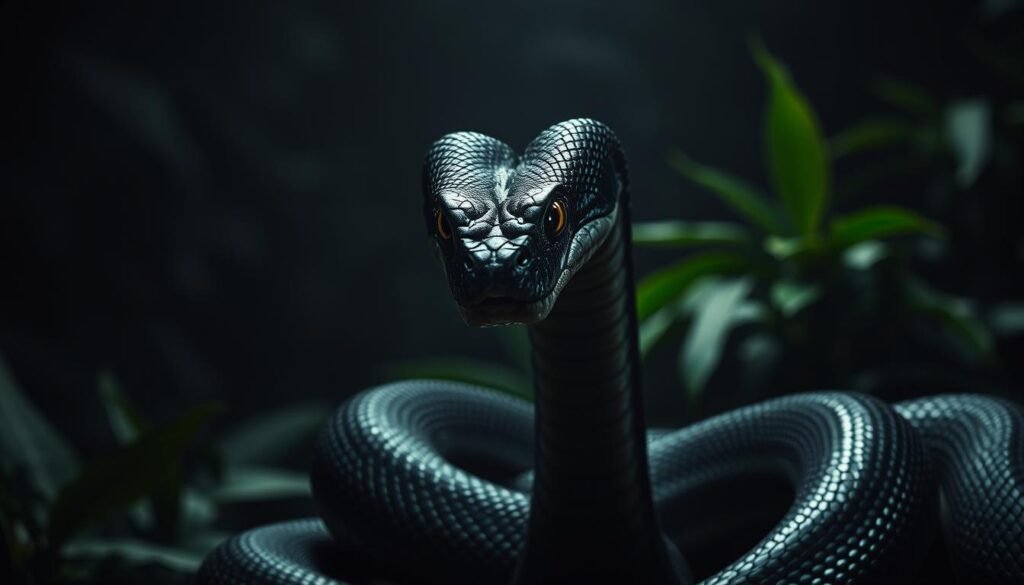
Let’s clear up the biggest myth first: this venomous snake isn’t black. Its olive-gray body looks like sunbaked rocks until it yawns wide, flashing a horror-movie mouth darker than spilled ink. That’s how Dendroaspis polylepis earned its name – it’s all about the built-in warning system.
Surprising Color and Mouth Details
Imagine a creature that looks harmless until it opens its jaws. The inky interior isn’t for show – it’s nature’s “back off” sign. I’ve watched footage where mambas spread their necks like tiny umbrellas, revealing that midnight-colored mouth. It’s like they’re screaming, “I’m not playing!” without making a sound.
Measurements and Body Structure
These snakes aren’t just fast – they’re built like Olympic sprinters. Adults stretch 6.5 to 14 feet long (picture two twin mattresses lined up). Their smooth scales shimmer like liquid metal in sunlight, and those big eyes? They’re not just pretty – they spot prey from 50 feet away.
Fun fact: They’re cousins to cobras. But unlike their hooded relatives, mambas keep it sleek. No frills, just pure muscle and agility. Next time you see a video of one gliding across sand, notice how it floats – like water flowing over stone.
Black Mamba Facts for Kids: All About Venom, Behavior, and Speed
Let’s get straight to the scary stuff. One drop of this serpent’s venom could fill 12 soda cans with enough poison to kill humans. I’ve watched biologists handle mamba venom samples like they’re defusing bombs – because technically, they are.
Venom Potency and Delivery
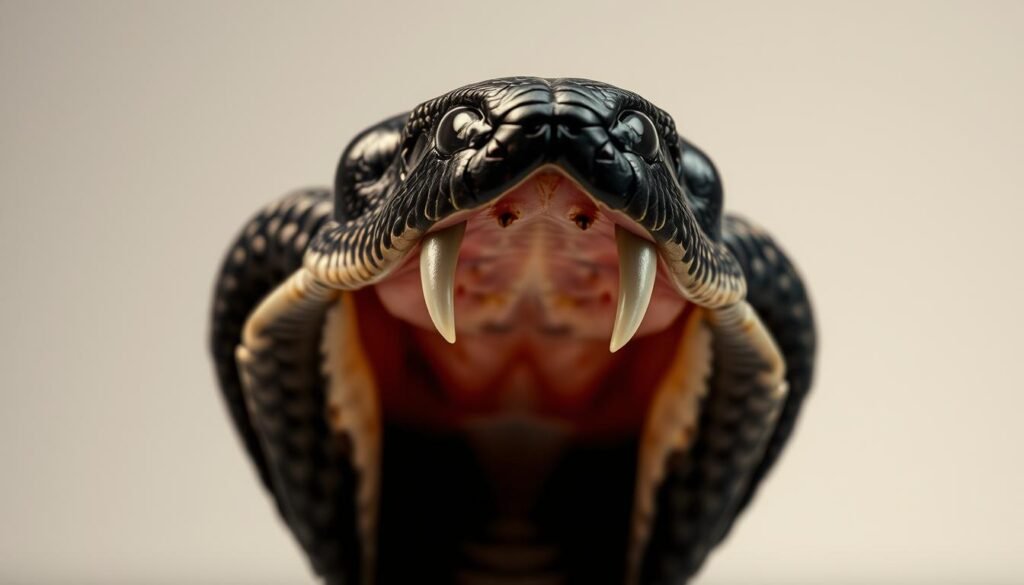
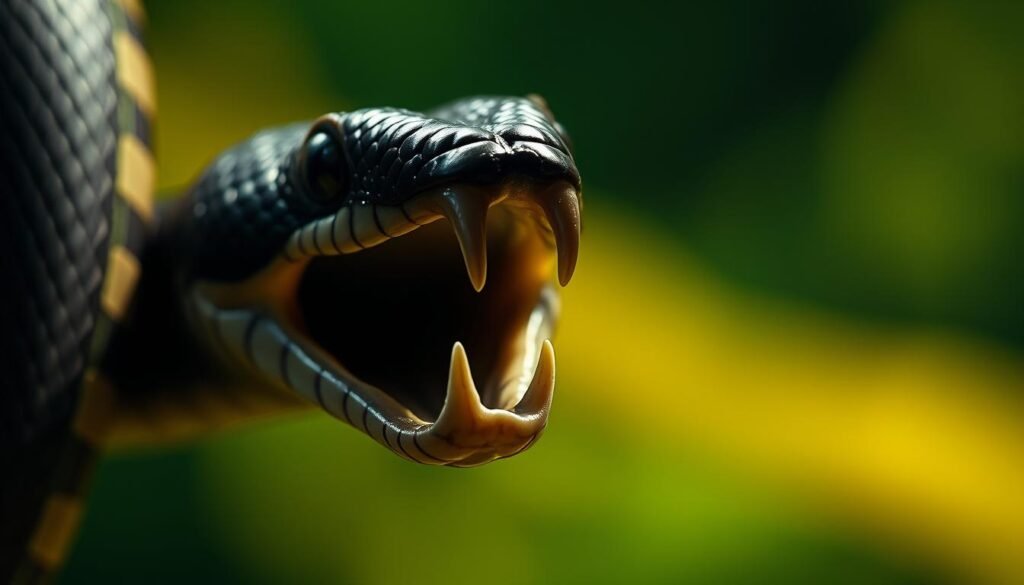
A single bite delivers 100-120 mg of neurotoxins – enough to drop two grown men. Dendroaspis polylepis doesn’t mess around. Their fangs inject venom like twin hypodermic needles, paralyzing prey within minutes. Imagine your nervous system throwing a “system error” message – that’s mamba venom at work.
Here’s the kicker: they’ll strike repeatedly if cornered. I’ve seen footage where one lands four bites in two seconds – faster than you can say “antivenom.”
Swift Movements and Defensive Displays
This venomous snake doesn’t just slither – it practically levitates. At 12 mph, it outruns most joggers. Picture an Olympic sprinter wearing scales. Their secret? Muscles coiled like springs and scales smoother than ice.
When threatened, they rise like Dracula from his coffin, spreading a mini-hood. It’s their version of a rockstar dropping the mic before exiting stage left. Pro tip: If you see that inky mouth, back away slowly. They’d rather ghost you than fight.
Home Turf: Habitat and Environment of Black Mambas
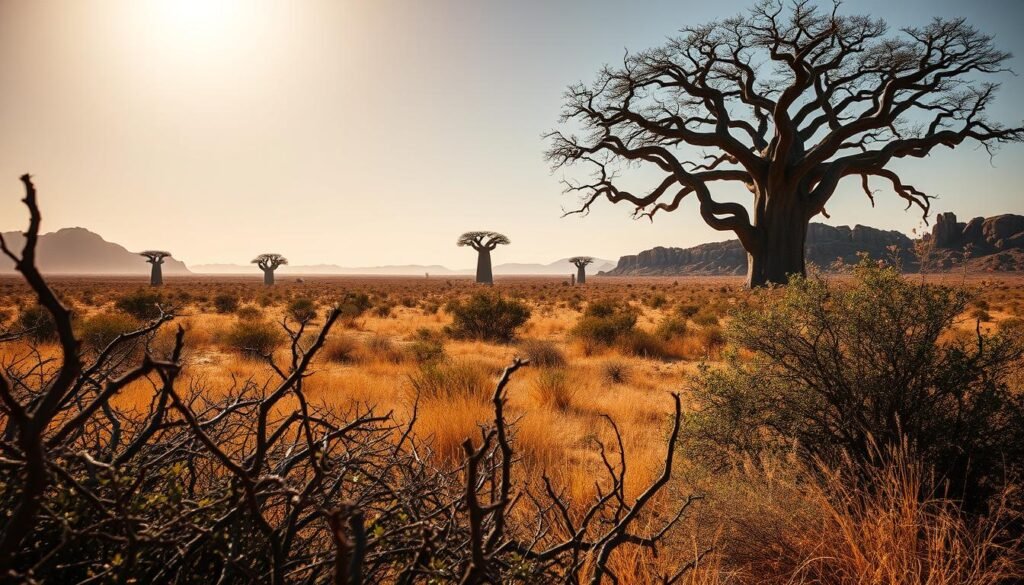
Step into Africa’s sun-scorched heart, where the black mamba rules landscapes that look straight out of an adventure movie. These reptiles aren’t picky roommates—they’ll crash in abandoned termite mounds, sunbathe on granite slabs, or slither through thorny scrubland like stealthy shadows.
Living in Savannas and Rocky Hills
Savannas are nature’s playground for these speedsters. Wide-open grasslands let them spot lunch (think rats or lizards) from 30 feet away. But when the heat cranks up, they vanish into rocky crevices—built-in hideouts that stay cool even at high noon.
I’ve tracked their movements through documentaries filmed in Zambia’s Luangwa Valley. One minute they’re coiled on a boulder, soaking up rays. Next, they’re gone—racing across dirt faster than you can tie your shoes. Their body blends perfectly with dry grass, making them nearly invisible until they strike.
Habitat Type
Key Features
Mamba Activities
Savannas
Open grasslands, scattered trees
Hunting rodents, basking
Rocky Hillsides
Boulders, crevices
Hiding, thermoregulation
Trees
Branches, hollow trunks
Escaping threats, nesting
Here’s the twist: despite their rep as ground hunters, they’ll climb trees to raid bird nests. Imagine a 10-foot serpent scaling a thorn acacia—it’s like watching a ninja conquer a ladder made of spikes. This mix of climbing skills and speed makes them masters of surprise.
Now picture this: golden grasses swaying under a blistering sky. Every rock could hide a coiled predator, every termite mound a venomous tenant. That’s the black mamba’s world—a place where survival means blending in… until it’s time to strike.
Hunting Tactics: Diet, Prey, and Predatory Instincts
Ever watched a ninja in action? That’s how a black mamba hunts. Picture this: a mouse nibbles seeds in tall grass. The snake’s tongue flicks twice—GPS locked. Muscles coil like rubber bands. Snap! Lunch arrives in 0.3 seconds flat.
Targeting Rodents, Birds, and Lizards
These predators play a high-stakes game of tag. I’ve seen footage where one zips through thorn bushes after a lizard, twisting like a gymnast. Their menu? Mostly rodents (60%), birds (25%), and lizards (15%). No appetizers—every meal’s a life-or-death main course.
Prey Type
Hunting Ground
Strike Technique
Field Mice
Grassy plains
Ambush from coiled position
Sunbirds
Low branches
Vertical lunges
Rock Agamas
Boulder fields
Chase-and-pin maneuvers
Here’s the play-by-play: First, thermal sensing pinpoints body heat. Then, a lightning strike injects venom that stops hearts faster than a horror movie jump scare. I once watched a nature doc where a mamba took down three rats in 90 seconds—like a basketball star nailing three-pointers.
Their secret? No wasted moves. Each strike costs energy, so they make it count. It’s not about being scary—it’s about surviving another day in Africa’s hunger games. Think Olympic sprinter meets sushi chef: all precision, no drama.
Defense Strategies: Aggressive Postures and Threat Displays
Picture this: a coiled serpent suddenly transforms into a living Halloween decoration. The black mamba doesn’t just hiss – it stages a full Broadway show when threatened. That midnight-colored mouth isn’t makeup – it’s nature’s ultimate “do not disturb” sign flashing in your face.
Showing the Dark, Risky Mouth
When danger looms, this snake becomes part contortionist, part horror movie villain. It lifts a third of its body off the ground – imagine a cobra’s hood without the frills – and gapes its jaws 180 degrees. That inky mouth lining? Pure theater. I’ve seen footage where the display makes hyenas backpedal faster than kids spotting broccoli.
Three key moves in their defensive playbook:
The Elevator: Rising up to 4 feet tall – eye level with many predators
The Warning Light: Flashing that blue-black mouth like a police siren
The Fakeout: Hissing while preparing to bolt sideways
Here’s the twist: despite the drama, most mambas would rather bail than bite. In South Africa’s bushveld, I’ve watched them retreat into termite mounds after a 10-second stare-down. Their venomous reputation? More about self-preservation than aggression – like carrying pepper spray but hoping never to use it.
When bites do occur, antivenom becomes crucial within hours. Modern treatments can neutralize the neurotoxins, but that mouth display remains nature’s best “back off” message. Next time you see that inky warning, remember – it’s not looking for a fight, just a clean exit.
Life in the Wild: Reproduction, Lifespan, and Daily Habits
Ever wonder how nature’s fastest snake handles family life? Female black mambas play a high-stakes game of hide-and-seek each mating season. They stash 6 to 25 leathery eggs in abandoned termite mounds or rocky hideouts—like a secret agent hiding classified files.
Egg-Laying Spots and Independence at Birth
These serpent moms don’t stick around for parenting duty. Hatchlings burst from eggs fully loaded—venom glands primed, fangs ready. I’ve seen infrared footage showing newborns hunting lizards within hours. Talk about hitting the ground crawling!
Nesting Site
Egg Count
Hatchling Features
Termite Mounds
12-18 eggs avg
18″ long, venomous
Rock Crevices
6-10 eggs
Independent immediately
Survival Rates and Daily Movements
Only 40% reach adulthood. Those that do become masters of routine—sunbathing at dawn, hunting rodents by mid-morning. Their body temperature dictates everything: too cold, they’re sluggish; too hot, they retreat to shade.
Time of Day
Activity
Survival Factor
6-9 AM
Basking
Warm muscles for speed
10 AM-3 PM
Hunting/Resting
Avoid overheating
Here’s the kicker: even with antivenom available, their venom remains deadly if treatment delays occur. Yet most mambas would rather vanish than bite—survival instincts honed over 11 years in Africa’s unforgiving wilds.
Unexpected Insights: Culture, Medical Treatment, and Real Encounters
Let’s talk survival tactics – because knowing what to do during a mamba encounter could save your safari selfie streak. Imagine this: you’re admiring a baobab tree when that infamous inky mouth appears. Time to channel your inner MacGyver.
Practical First Aid and Antivenom Facts
If bitten, forget Hollywood’s tourniquet tropes. Wrap the area with a pressure bandage – tight enough to slow venom spread, loose enough to slide a finger underneath. Keep the limb still like it’s glued to a splint. Your new motto: “Move less, live more.”
Antivenom works miracles… if you reach it fast. Rural clinics might be hours away by donkey cart, which explains why some locals joke, “Mamba bites tell time.” Modern treatments can neutralize venom in 90 minutes flat – if you beat the clock.
Cultural wisdom paints these serpents as both villains and teachers. Zulu hunters whisper about the “shadow that schools the swift” – a nod to respecting speed and space. I’ve heard guides in Mozambique laugh about mambas photobombing trail cameras, their hood-like posture screaming “delete that footage!”
Real encounters? Picture farmers finding eggs in firewood piles, or rock climbers spotting a 10-foot speedster draped over acacia branches. One biologist told me about a snake that slithered into a safari jeep… then promptly exited through the sunroof. Even predators appreciate dramatic exits.
Wrapping Up: Last Thoughts on a Fearsome Snake in Action
Here’s the raw truth about Earth’s fastest snake: black mambas operate on their own terms. Twelve mph speed. Venom that rewires nervous systems. A defensive display that could win horror movie awards. They’re nature’s ultimate paradox—terrifying yet utterly fascinating.
Remember that bite we discussed? It’s not just dangerous—it’s a race against time. Antivenom exists, but you’d better reach it faster than these serpents chase prey. Those eggs hidden in termite mounds? Each one’s a loaded weapon waiting to hatch.
I once watched a documentary where a mamba fled uphill from lions—not out of fear, but strategy. That’s their genius. They don’t waste energy on drama unless cornered. Even then, that inky mouth flash says everything: “This isn’t personal… but it could be.”
This article barely scratches the surface. What about their secret communication methods? How climate shifts affect their hunting grounds? The black mambas aren’t done surprising us—and honestly, wouldn’t have it any other way.