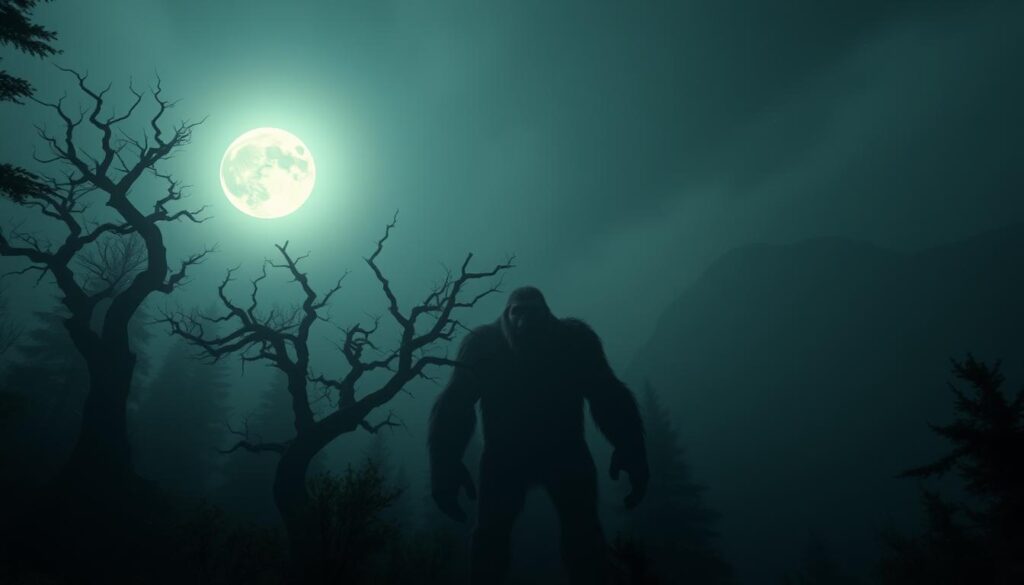
Bigfoot is a legendary creature that sparks wild imagination and curiosity. It is said to roam the dense forests of North America. This leaves behind clues that puzzle researchers and adventure seekers.
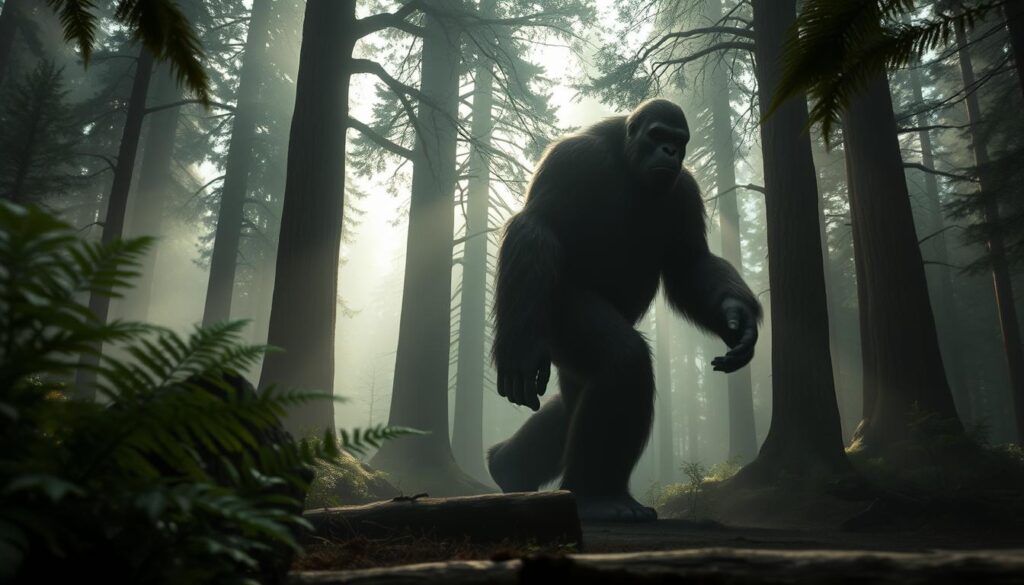
Imagine a massive, furry creature over 8 feet tall, hiding in pine trees. Bigfoot, also known as Sasquatch, has captured the hearts of many. It’s a legend that fascinates kids who love cryptozoology and unexplained mysteries.
The story of Bigfoot isn’t just a simple monster tale. Native American tribes have shared stories about this forest giant for generations. They describe a powerful being that moves silently through wilderness areas. These legends paint Bigfoot as an intelligent creature that knows how to survive in remote, rugged landscapes.
Explorers and researchers have spent decades searching for evidence of this elusive creature. They have found footprint casts, blurry photographs, and eyewitness accounts. Kids who love solving puzzles will find the hunt for proof absolutely thrilling.
While scientists remain skeptical, the legend of Bigfoot continues to inspire curiosity. Whether real or mythical, this hairy giant represents the ultimate wilderness mystery. It keeps people guessing.
What is Bigfoot: Meeting the Legendary Forest Giant
In North America’s misty forests, a mysterious creature has fascinated many for years. Bigfoot, the legendary giant, is a fascinating cryptid in folklore. It has sparked debates and curiosity among people of all ages.
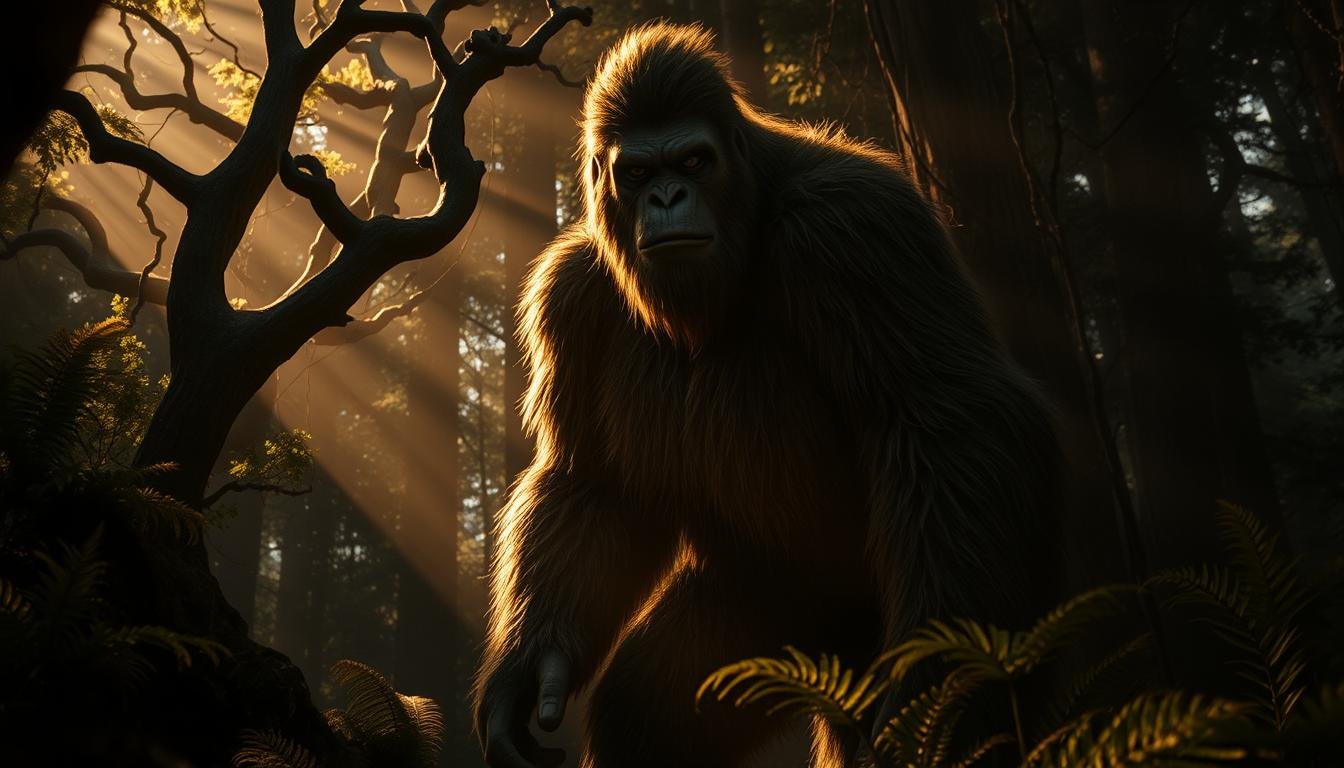
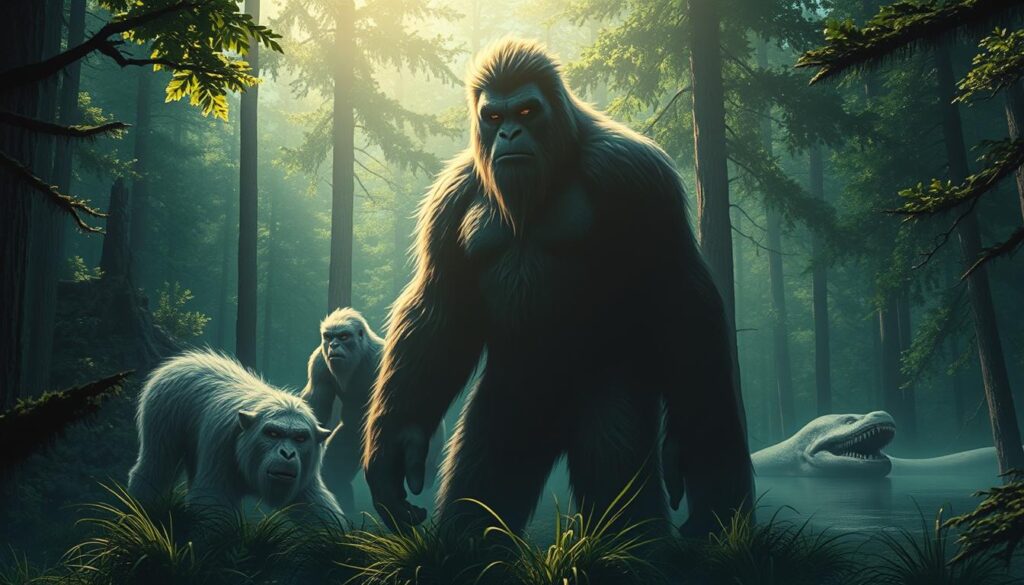
Imagine a huge, furry creature hiding among ancient trees. It’s taller than most basketball players. Bigfoot’s look is as mysterious as its existence. People say it’s a humanoid creature with thick fur, standing 7 to 9 feet tall.
Physical Appearance and Size
The look of Bigfoot is truly amazing. People say it has:
Height between 7-9 feet tall
Massive feet measuring around 13 inches long
Fur colors including brown, black, red, and occasionally white
Muscular build with broad shoulders
Common Behaviors
Bigfoot acts very smart and careful. These forest giants are known for:
Avoiding direct human contact
Moving silently through dense woodland
Displaying remarkable stealth and survival skills
Habitat and Living Areas
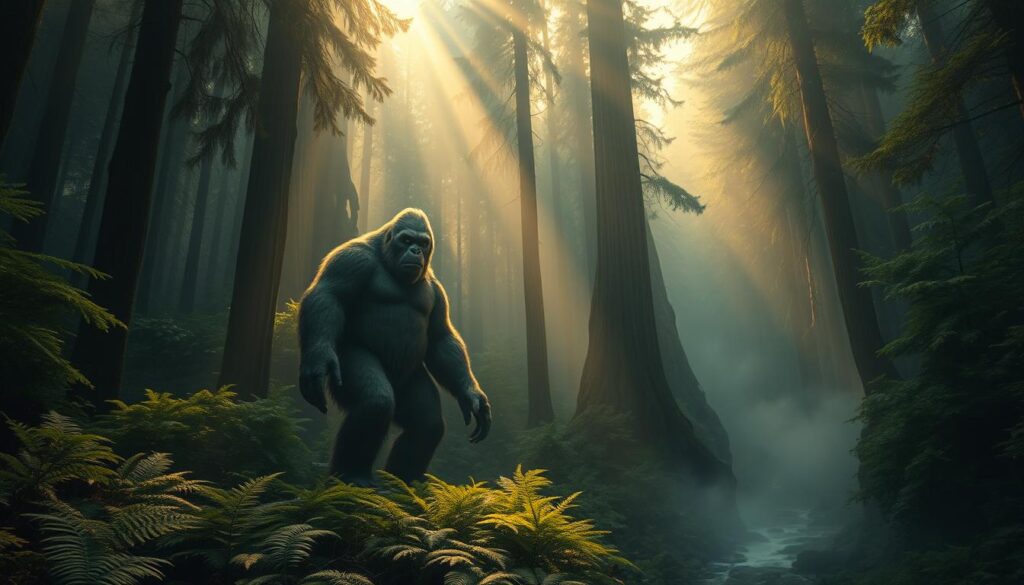
Bigfoot lives in North America’s most remote wilderness. They like dense, secluded forests with little human presence.
Region
Forest Type
Reported Sightings
Pacific Northwest
Temperate Rainforest
High
Northern California
Redwood Forests
Moderate
Rocky Mountains
Alpine Forests
Occasional
While scientific proof remains elusive, the legend of Bigfoot continues to intrigue researchers and enthusiasts worldwide.
The name “Sasquatch” has deep roots in Native American folklore. It comes from the Halkomelem language of the Coast Salish people in British Columbia. This name captures the essence of a legendary forest creature.
Linguistic experts say the Sasquatch name comes from specific Native American communities. The term Sasquatch comes from “sásq’ets,” meaning “wild man of the woods.” First Nations groups in southwestern British Columbia kept these linguistic ties alive.
Halkomelem language: Primary source of the name
Meaning: “Wild man” or “hairy forest creature”
Cultural significance: Deep indigenous storytelling tradition
Native American Bigfoot stories spread the legend across different tribes. Researchers found that many indigenous groups described a large, humanlike creature in dense forests. The name connected many cultural views of this mysterious being.
Tribe
Language Group
Creature Name Variation
Coast Salish
Halkomelem
Sasq’ets
Lakota
Siouan
Chiye-tanka
Lummi
Salish
Ts’emekwes
Academic research in the early 20th century made the term more known. Scholars documented indigenous stories. This helped keep the rich language and stories of these legendary creatures alive.
Famous Bigfoot Sightings Throughout History
Bigfoot sightings have fascinated people for decades. These mysterious encounters happen in remote forests and wilderness areas. They spark curiosity and debate among researchers and enthusiasts.
The world of Bigfoot encounters is filled with interesting stories. These stories span different times and places. Each one adds to the mystery of cryptozoology.
Early Native American Bigfoot Encounters
Native American Bigfoot stories are rooted in tribal folklore. Many indigenous cultures have tales of large, hairy creatures. These stories often describe:
Mysterious forest beings with supernatural abilities
Encounters near mountain ranges and dense woodland areas
Descriptions of creatures significantly larger than average humans
Notable Modern-Day Sightings
Modern Bigfoot sightings are just as intriguing. Some notable reports include:
1958 Jerry Crew footprint discovery in Humboldt County, California
Pacific Northwest wilderness encounters
Remote forest sightings in Washington and Oregon states
The Patterson-Gimlin Film
The Patterson-Gimlin Film is the most famous Bigfoot evidence. Filmed in 1967 in Northern California, it shows a large, ape-like creature. Researchers continue to analyze and debate the film’s authenticity.
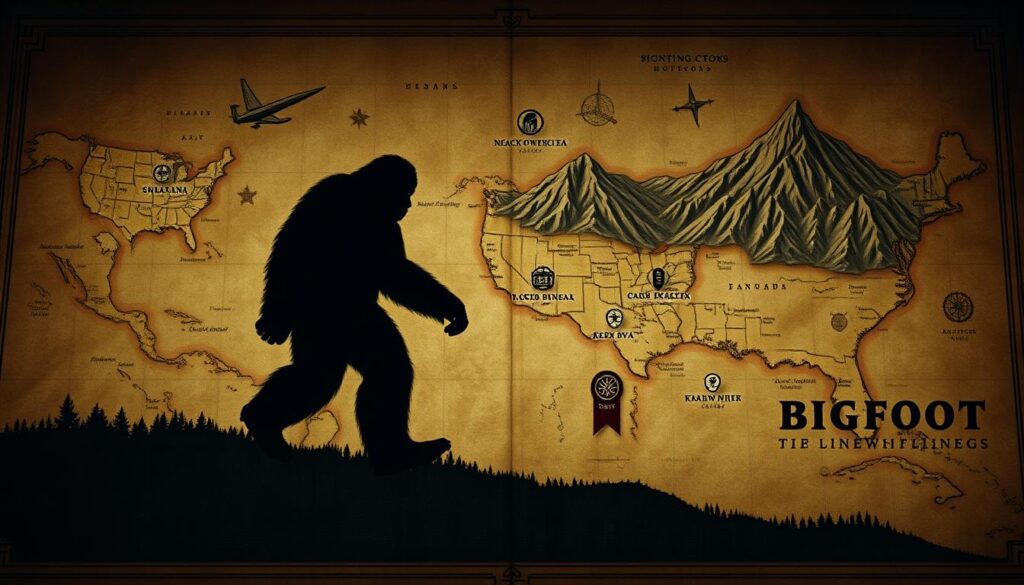
Bigfoot is said to roam in some of the most remote and dense wilderness in North America. The Bigfoot habitat covers many regions. But the Pacific Northwest is where most sightings happen.
Researchers have found several key Bigfoot locations. These places often have mysterious encounters:
Olympic National Forest in Washington
Northern California’s redwood forests
Oregon’s dense wilderness areas
Great Smoky Mountains in Tennessee
Remote regions of British Columbia, Canada
A detailed Bigfoot sightings map shows interesting patterns. These areas have thick forests, few people, and hard-to-reach places. This makes it easy for Bigfoot to hide.
Region
Terrain Type
Annual Sightings
Pacific Northwest
Dense Rainforest
62
Northern California
Mountainous Woodland
45
Appalachian Mountains
Rugged Forest
33
Great Lakes Region
Mixed Forest
22
Wilderness experts say these places are perfect for a big, hidden creature. The dense forests, tough landscapes, and few people make them ideal for Bigfoot.
Bigfoot Facts for Kids: Amazing Things to Know
Get ready to uncover some seriously cool mysteries about the legendary forest giant! Bigfoot has sparked imaginations for generations. We’re about to dive into the wild world of this mysterious creature. From its diet to its social life, you’ll discover fascinating details that will blow your mind.
Buckle up for a wild ride through Bigfoot’s incredible world! We’ll explore the hidden secrets of this legendary creature that has puzzled researchers for decades.
Diet and Eating Habits
Bigfoot’s diet is a total mystery that keeps researchers guessing. Many experts believe this forest giant is an omnivore, munching on both plants and meat. Picture this: a massive creature foraging through dense forests, grabbing berries, nuts, and occasionally hunting small animals.
When it comes to Bigfoot behavior, researchers have some wild theories. Some believe these creatures might live in small family groups, while others think they’re more solitary. Imagine a creature that moves silently through the forest, creating complex social networks we can’t even see!
Potential group living structures
Territorial behaviors
Seasonal migration patterns
Communication Methods
Bigfoot communication is perhaps the most intriguing mystery of all. Witnesses report strange howls, wood knocking, and complex vocalizations that suggest a sophisticated communication system. Think of it as a secret language hidden deep in the wilderness!
Vocal sounds and howls
Potential non-verbal communication
Territorial marking techniques
Bigfoot Footprints and Evidence
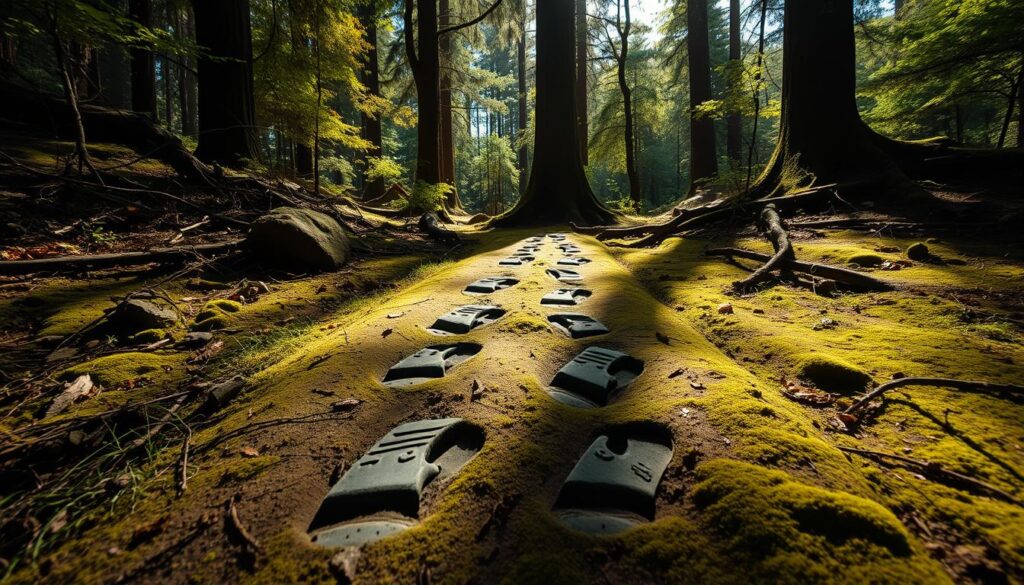
Finding Bigfoot tracks is like solving a mystery. It needs sharp detective skills and a keen eye. For years, these tracks have sparked interest and debate about Bigfoot’s existence.
The most convincing evidence comes from Bigfoot tracks found in the wilderness. These tracks are huge, measuring 15 to 24 inches long. They are much bigger than human footprints, which puzzles scientists.
Typical Bigfoot footprint characteristics:
Length: 15-24 inches
Depth: Often 2-4 inches into soft ground
Stride: Significantly longer than human walking patterns
Many Bigfoot tracks have been found in the Bluff Creek area of California. This place is famous because of the Patterson-Gimlin film from 1967. It showed what might be Bigfoot.
Location
Number of Tracks Documented
Year of Discovery
Bluff Creek, California
37 distinct track sets
1958-1967
Olympic National Forest, Washington
22 track sets
1969-1980
Willow Creek, California
15 track sets
1971-1985
Bigfoot evidence also includes hair samples, strange sounds, and plaster casts. Scientists keep studying these clues. They hope to find proof of Bigfoot’s existence.
Native American Stories About Bigfoot
Native American Bigfoot legends show a deep spiritual bond between indigenous cultures and mysterious forest creatures. These stories have been passed down for generations. They see Bigfoot as more than a mythical beast, but a deep spiritual being.
Indigenous tribes across North America have shared amazing stories about these elusive beings. They often view Bigfoot as guardians of the wilderness. These creatures are seen as supernatural protectors with incredible powers.
Spiritual Significance in Tribal Cultures
Different Native American tribes have their own views on Bigfoot:
Pacific Northwest tribes see Bigfoot as a shape-shifting spirit
California tribes believe these beings are forest guardians
Archaeological evidence shows a fascinating link between Native American cultures and Bigfoot-like figures. Ancient Bigfoot art found in various places offers a peek into indigenous views.
Tribal Region
Rock Art Location
Depiction Type
Tule River Reservation
Painted Rock
Bigfoot Family Petroglyph
Pacific Northwest
Coastal Caves
Spiritual Guardian Carving
California
Sierra Nevada Mountains
Forest Spirit Artwork
These discoveries keep researchers and enthusiasts intrigued. They help connect mythology with possible historical encounters.
Different Names for Bigfoot Around the World
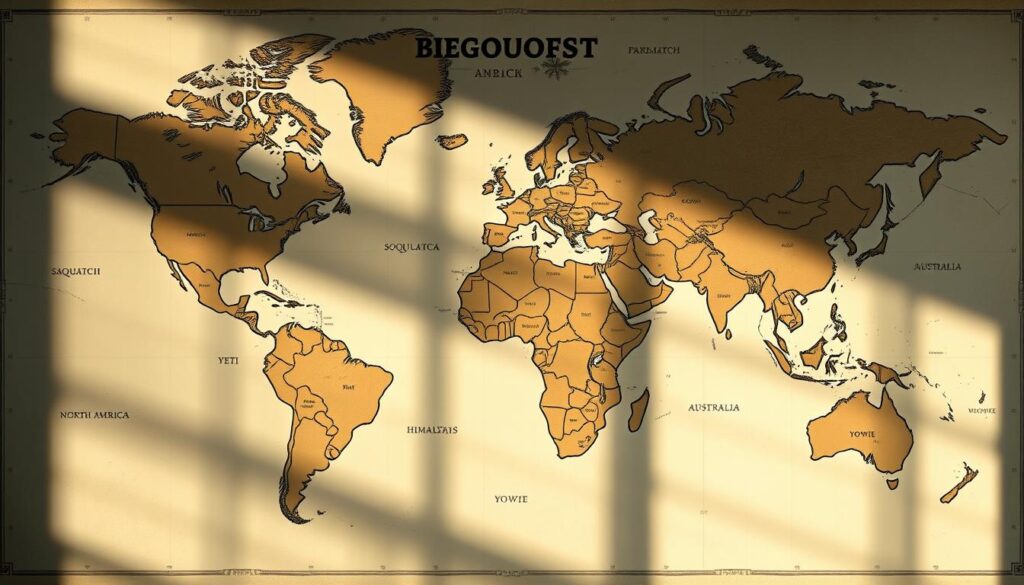
Bigfoot isn’t just a legend from America. It has cousins with cool names in many cultures. These creatures are found in mountains and forests around the world.
Different cultures have their own Bigfoot names. These names come from local stories and myths. Some of the most interesting names include:
Yeti – The famous snow-dwelling creature of the Himalayan mountains
Yowie – Australia’s legendary hairy humanoid
Sasquatch – Native Canadian name for forest giants
Almasty – Russian wilderness creature
Orang Pendek – Small cryptid from Indonesian forests
Each Bigfoot name has its own special meaning. Native communities often see these creatures as spiritual or mysterious. They don’t just view them as animals.
Region
Creature Name
Cultural Description
Himalayas
Yeti
Snow-dwelling mysterious humanoid
Australia
Yowie
Wilderness forest creature
Russia
Almasty
Mountain-dwelling cryptid
Indonesia
Orang Pendek
Small forest-dwelling humanoid
These names show how creatures like Bigfoot are a global fascination. They represent our shared wonder at the unknown.
The Science Behind Bigfoot Research
Get ready for a thrilling journey into Bigfoot science! Researchers are working hard to solve the mystery of this legendary creature. They use advanced science and hope for big discoveries.
Scientists have been trying to figure out Bigfoot for a long time. They collect and study evidence that might prove its existence. This search has led them to some fascinating places.
DNA Studies: Unraveling the Genetic Mystery
Bigfoot DNA studies have changed the game in cryptozoology. Researchers gather samples from the wild, hoping to find answers. Here’s what they’ve discovered so far:
Hair samples collected from different wilderness areas
Potential genetic material from alleged Bigfoot encounters
Advanced DNA sequencing techniques
Finding proof is tough. Most hair samples don’t match known animals, but they haven’t proven Bigfoot’s existence yet.
Scientific Investigations: Putting the Pieces Together
Bigfoot research isn’t just guessing. Scientists follow strict methods to check evidence. Here’s how they approach it:
Research Method
Approach
Current Status
DNA Analysis
Genetic sequencing of collected samples
Inconclusive
Footprint Analysis
Detailed measurements and casting
Ongoing investigation
Audio Recording
Capturing possible Bigfoot sounds
Limited evidence
Even without clear proof, scientists keep exploring Bigfoot with curiosity. It’s a classic case of expect the unexpected in cryptozoology!
Bigfoot’s Family Tree: Related Creatures
The world of Bigfoot relatives is vast and exciting. Creatures from all over the world add to the mystery. They live in different places, making their family tree very interesting.
Some notable Bigfoot relatives include:
Yeti: The legendary Himalayan snow creature inhabiting mountain regions
Skunk Ape: A swampy, smelly cousin found in Florida’s wetlands
Almas: Humanoid creatures reported in Central Asian mountain ranges
Orang Pendek: A smaller primate-like cryptid from Sumatra’s dense forests
Studies show these creatures might be more connected than we think. They could be part of a big family of undiscovered primates. Scientists are working hard to find out more about these mysterious beings.
Where these creatures live is also interesting. Each place has its own special version of these mysterious beings. They show how well they can adapt to different environments.
Creature
Region
Key Characteristics
Yeti
Himalayas
White/gray fur, mountainous habitat
Skunk Ape
Florida Swamps
Strong odor, reddish-brown fur
Almas
Central Asia
Human-like appearance, rugged terrain
Famous Bigfoot Photographs and Videos
Looking into Bigfoot photos and videos is exciting for many. It gives us a peek into the mystery of this legendary creature. The world of Bigfoot footage is full of intrigue.
The most famous Bigfoot video is from Roger Patterson in 1967. It shows a large, ape-like creature walking in Bluff Creek, California. For decades, experts have tried to figure out if this footage is real.
Patterson-Gimlin Film (1967): Most famous Bigfoot video
Paul Freeman Footage (1990s): Another significant Bigfoot video
Memorial Day Weekend Footage (1996): Controversial Bigfoot photos
Bigfoot photos also pose challenges for researchers. Many pictures are blurry or unclear, making it hard to verify them. Experts use advanced methods to check Bigfoot videos and photos for authenticity.
Some important things researchers look for in Bigfoot photos include:
Anatomical proportions
Movement patterns
Environmental context
Photographic quality
Even with many Bigfoot videos and photos, proof is hard to find. Each piece of evidence leads to more debate among cryptozoologists and skeptics.
How Big is Bigfoot: Size Comparisons
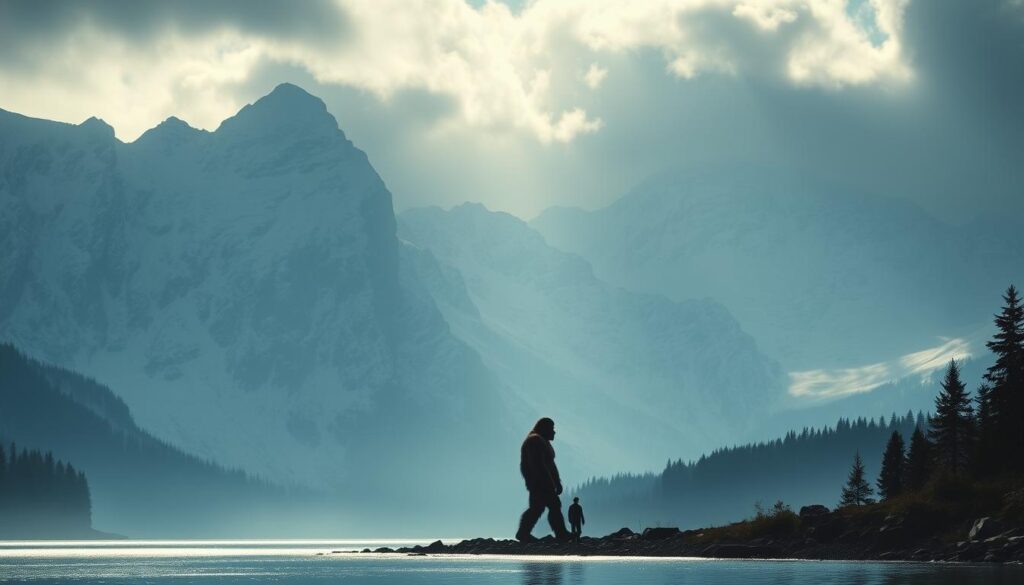
Bigfoot is a mysterious creature in cryptozoology, known for its impressive size. It stands between 7 to 9 feet tall. This makes it much taller than the average human.
Looking into Bigfoot’s size, we find some interesting facts. It weighs about 500-900 pounds. This is much heavier than most land animals.
Height and Weight Estimates
Bigfoot’s height is quite impressive when compared to known sizes. It is:
Taller than a basketball player
Similar to a small doorway
Substantially larger than an average adult male
Footprint Measurements
The size of Bigfoot’s footprints is also noteworthy. They are about 13-16 inches long. This shows how big the creature is.
Characteristic
Estimated Measurement
Height
7-9 feet
Weight
500-900 pounds
Footprint Length
13-16 inches
These size measurements make Bigfoot even more fascinating. They keep scientists curious about this mysterious creature.
Bigfoot Protection and Conservation
Bigfoot is a wild and mysterious creature that captures our hearts. Protecting Bigfoot habitats is not just about a legendary creature. It’s about saving incredible wilderness areas that support many species.
Many countries are working hard to protect Bigfoot habitats. Russia, France, and Germany have put areas where Bigfoot might live under special protection. They know how important it is to keep large, untouched wilderness areas safe.
Bigfoot habitat preservation focuses on protecting dense forest ecosystems
Conservation efforts protect multiple wildlife species, not just cryptids
Wilderness areas support critical biodiversity
Researchers say protecting Bigfoot helps save entire ecosystems. Whether Bigfoot exists or not, these efforts protect vital environmental zones.
The way to protect Bigfoot involves:
Mapping possible wilderness habitats
Creating protected forest corridors
Reducing human impact in remote areas
Supporting Bigfoot conservation helps protect our planet’s most valuable natural places. Saving each forest is a win for wildlife and wilderness.
Interesting Bigfoot Myths and Legends
Bigfoot myths have fascinated people for many years. The wilderness is full of Bigfoot stories that mix fact and fiction. Native American cultures have many Bigfoot legends that offer deep cultural insights.
The Algonquin people have a captivating Bigfoot myth. It tells of Yeahoh, a female Bigfoot who met a lost hunter in the forest. Their story is filled with magic:
Yeahoh fell deeply in love with the wandering hunter
The hunter initially appreciated her protection
Conflict arose when he desired to return to his community
The relationship ended tragically, showing Bigfoot’s mysterious side
Different indigenous tribes have their own Bigfoot stories. These tales often describe Bigfoot as a shape-shifter with amazing powers.
Bigfoot myths are more than just monster stories. They show our deep bond with nature. They tell stories of mysterious forest beings that make us question our understanding of the world.
Even without solid proof, these Bigfoot legends keep our imagination alive. They make us wonder about hidden creatures in the wilderness.
What Do Scientists Say About Bigfoot
The study of Bigfoot is filled with debate and mystery. For years, researchers have looked into whether this creature exists. They use science to try and find out.
Bigfoot research sparks a lot of discussion among scientists. Some take it very seriously, while others doubt its existence.
Current Research Approaches
Scientists use different methods to study Bigfoot:
Genetic analysis of hair and tissue samples
Studies of where Bigfoot might live
Listening to sounds and analyzing them
Looking at footprints to see if they match
Expert Perspectives
Scientists have different views on Bigfoot. Many say:
No solid proof exists that Bigfoot is real
Photos and videos don’t meet scientific standards
Sightings can be explained by mistakes or nature
Even without proof, some keep searching. They think there might be evidence in places not yet explored.
Could Bigfoot Really Exist?
The mystery of Bigfoot continues to fascinate people all over the world. Many believe Bigfoot is more than just a legend. They point to eyewitness accounts and unexplained sightings in North America’s forests.
Experts in cryptozoology think Bigfoot could be real. They look at the stories and the places where Bigfoot might live. The Pacific Northwest is one such area. It’s perfect for a large, undiscovered primate.
Indigenous tribes have stories about Bigfoot for generations. This adds to the idea that Bigfoot might be real. But, we need solid proof to be sure.
New tools like tracking technology and DNA analysis help in the search. Researchers are finding clues like footprints and hair samples. These hints suggest there might be more to Bigfoot than we think.
The search for Bigfoot pushes our understanding of the natural world. It shows us that there’s always more to discover. Even though we haven’t found Bigfoot yet, the search itself is important.