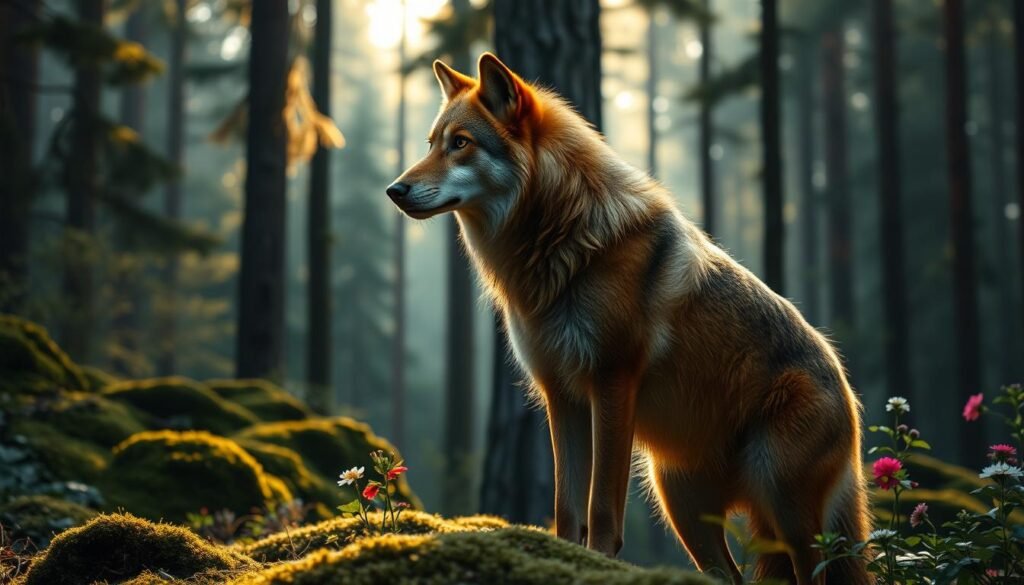
Turns out, those wild costumes started as a ghost-busting strategy 2,000 years ago. Ancient Celts dressed as monsters during Samhain—a spooky festival—to blend in with spirits roaming Earth. Imagine rocking a wolf pelt to confuse a ghost at the grocery store. You know what I mean?
Irish immigrants later brought the tradition to America, swapping animal skins for bedsheet ghosts and corn husk masks. Why? To avoid being recognized by cranky spirits—or maybe just to prank their neighbors. Either way, it worked better than garlic necklaces.
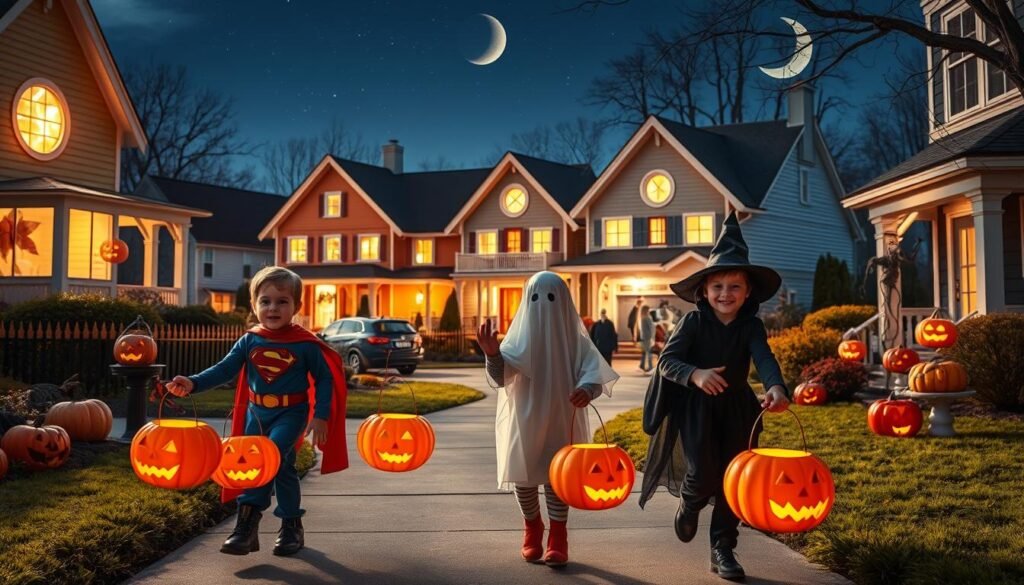
Today’s superhero capes and unicorn horns? They’re the upgraded version of survival gear. Back then, disguises kept you safe. Now, they earn you Kit Kats. Practical and delicious—just like old times.
Next time you see a kid dressed as a zombie astronaut, remember: that costume’s roots go deeper than a haunted hayride. Want to know how candy got involved? (Spoiler: It wasn’t always about chocolate bars.) Keep reading—I’ve got the scoop.
Unmasking the Origins of Spooky Traditions
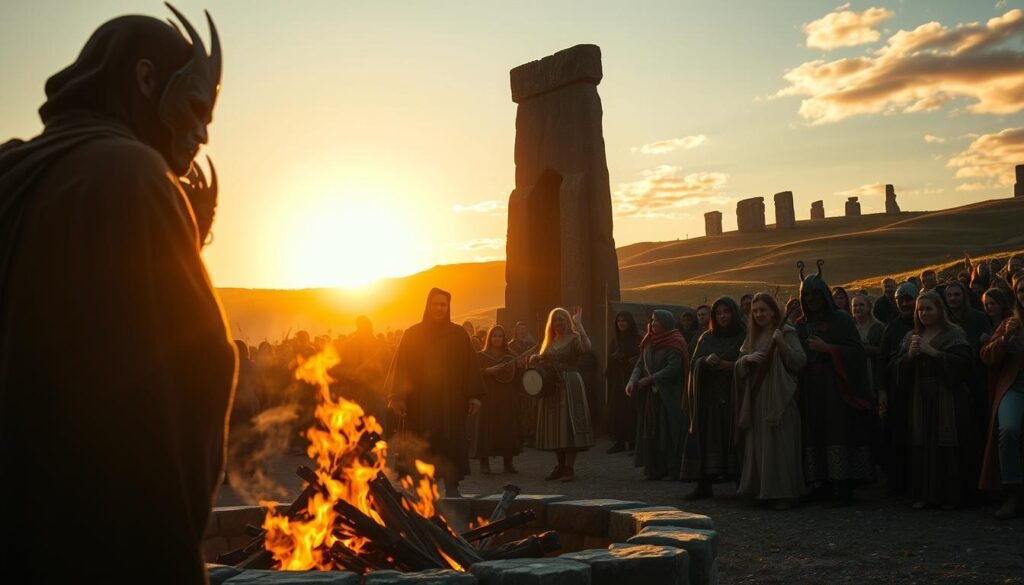
Let’s peel back the layers of time—way before glow-in-the-dark skeleton costumes. Picture this: over 2,000 years ago, Celtic people weren’t just throwing parties. They were surviving. Their festival of Samhain marked the end of harvest and the start of winter’s “dark half.” No kidding—they believed the veil between our world and the spirit realm got real thin on that day.
Ancient Celtic Samhain Rituals
Imagine wearing animal skins to look scarier than the ghosts wandering around. That’s exactly what Celts did. They lit bonfires (no marshmallows, sadly) and dressed as beasts to confuse restless spirits. This wasn’t cosplay—it was survival gear. If you catch my drift, those outfits were the original ghost repellent.
Medieval Guising Practices
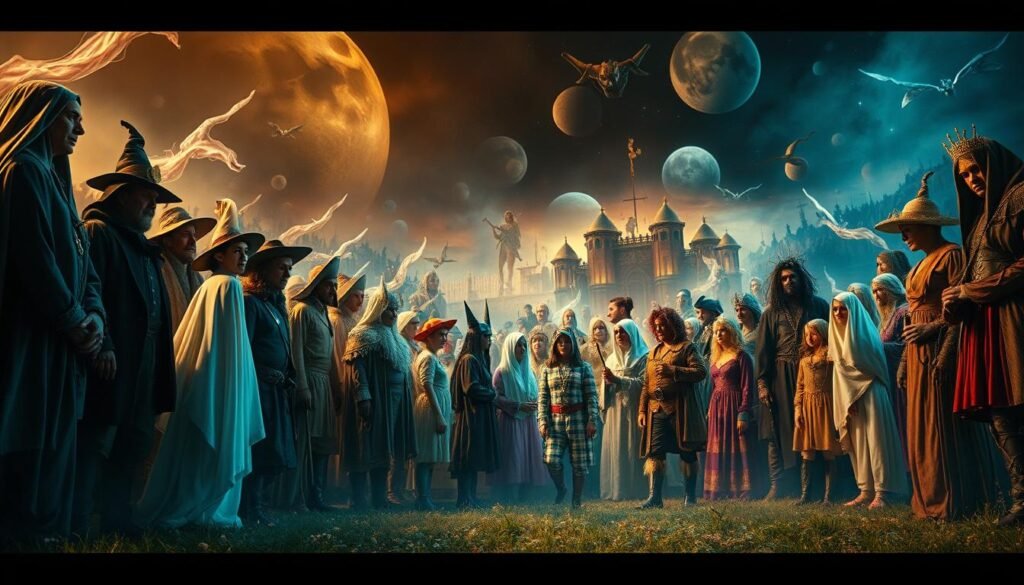
Fast-forward a few centuries. In Scotland and Ireland, “guising” became the hot trend. Kids wore creepy masks and recited poems for food—think of it as early trick-or-treating with extra drama. But here’s the twist: disguises weren’t just for fun. They kept people anonymous so ghosts wouldn’t follow them home. Clever, right?
Tradition
Time Period
Key Purpose
Samhain Costumes
Ancient Celtic Era
Blend in with/spook spirits
Guising
Medieval Times
Protect from ghostly recognition
Bonfire Rituals
Both Eras
Symbolic cleansing & community bonding
These traditions didn’t stay put. They hopped borders, morphing as they reached new countries. What started as serious spiritual work became… well, the reason we raid Party City every October. Funny how time works, huh?
Halloween Facts for Kids: Costume Evolution and History
Costumes weren’t always about candy—they were survival gear centuries ago. Picture this: ancient people stitching together animal hides to look scarier than actual spirits. Fast-forward 2,000 years, and we’re debating whether to dress as Barbie or Oppenheimer. It’s kind of wild how time flips traditions, right?
Back in the day, rough outfits served one purpose—confusing ghosts. Now? We’ve got light-up dinosaur costumes and inflatable T-rex suits. The shift from practicality to creativity started when immigrants blended European festival customs with new ideas across the world. You wouldn’t believe it, but Mexican Day of the Dead masks and Japanese kabuki theater both influenced modern dress-up trends.
Today’s kids mix history with pop culture faster than you can say “Avengers assemble.” A 7-year-old might pair a Viking helmet with a light saber—because why choose between eras? Global inspirations from countries like Italy (Venetian carnival vibes) and Nigeria (vibrant tribal patterns) keep costumes fresh every year.
Era
Materials
Purpose
Ancient Celtic
Animal skins, bones
Spirit camouflage
Early 1900s
Bedsheets, paper masks
Neighborly pranks
Modern Day
3D-printed props, LED lights
Creative self-expression
So next time you zip up a Spider-Man suit, remember—it’s the great-great-grandkid of some Celt’s wolf pelt. That’s what I call a glow-up. Now, who’s ready to hear how candy hijacked the whole operation?
Trick-or-Treat Traditions and Unexpected Twists
You think candy corn controversies are wild? Let’s rewind to when door-to-door treating meant scoring turnips instead of Twix. Seriously—the sweetest part of this tradition didn’t even involve sugar for centuries. How’d we get from medieval bread handouts to pillowcases full of Skittles? Buckle up.
Candy Rations and Alternative Treats
World War II flipped the script. With sugar rationed, kids in the 1940s got creative: apples, nuts, even homemade toys became the OG treats. Imagine trading a hand-carved wooden top for a Mars bar today—crazy, right? Some neighborhoods still swap non-candy goodies, proving traditions stick harder than melted caramel.
Era
Popular Treats
Cultural Shift
Pre-1900s
Soul cakes, coins
Religious offerings
1940s
Fruit, homemade toys
War-driven creativity
2020s
Themed candies, glow sticks
Allergy-conscious options
Mischief Night versus Beggars’ Night
Ever heard of activities so chaotic they needed their own calendar slot? In the Northeast, October 30 became Mischief Night—toilet-papering houses, egg wars, you name it. Meanwhile, Midwest people turned Beggars’ Night into a joke-for-candy exchange. Picture a 10-year-old telling knock-knock gags for Starbursts. Genius or desperate? You decide.
Tradition
Region
Signature Move
Mischief Night
New Jersey, Detroit
TP-ing entire blocks
Beggars’ Night
Iowa, Ohio
Joke requirements
These regional quirks prove one thing: treating evolves faster than a werewolf on full moon night. Next time you’re elbow-deep in candy wrappers, remember—someone’s grandma probably traded radishes for this day.
Curious Changes in Jack-o’-Lantern Customs
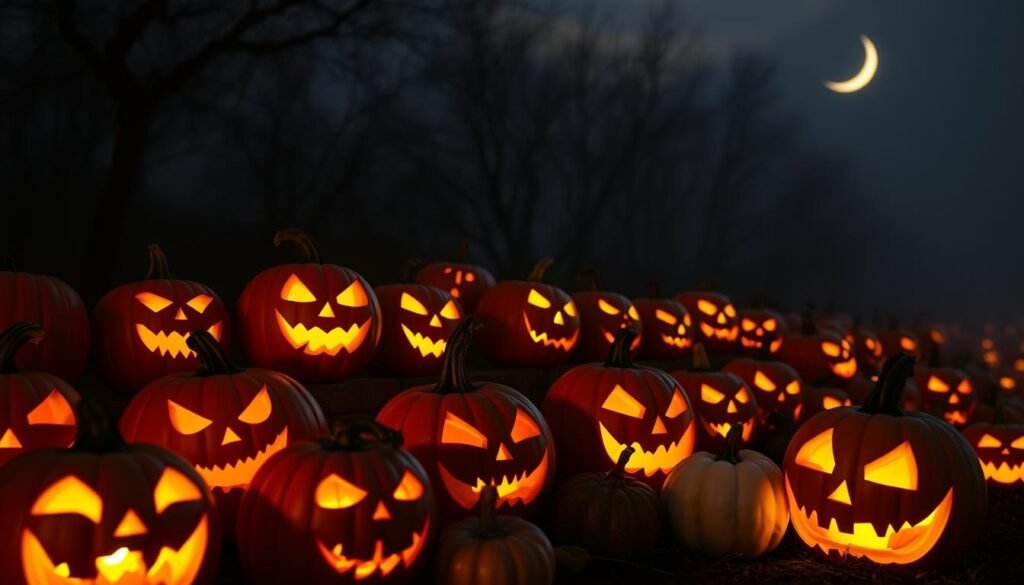
What’s the deal with pumpkins stealing the spotlight? Turns out, turnips were the OG spirit repellents. Ancient Celts carved scary faces into these lumpy veggies to scare off wandering souls—including Stingy Jack, the legendary trickster doomed to roam with only a coal-lit turnip lantern. Talk about bad decisions haunting you.
Irish immigrants hit America’s shores and went, “Hold my potato.” They swapped turnips for pumpkins—bigger, easier to carve, and way less likely to rot your doorstep. Funny enough, this practical switch created an icon. Suddenly, glowing gourds became the year’s must-have decor.
From Turnips to Pumpkins
Early traditions weren’t about Pinterest-worthy designs. Those jagged turnip carvings? Pure survival mode. But over years, pumpkins turned fear into fun. Today’s artists sculpt superhero logos and meme faces—proof that time really does soften even the spookiest facts.
Here’s the kicker: Stingy Jack’s tale explains why we still carve at all. Dude tricked the devil twice, got banned from heaven and hell, and now wanders with his creepy veggie lamp. It’s no joke—those pumpkins on your porch? They’re basically ghostly “No Vacancy” signs.
Parting Thoughts on Spooky History and Festive Fun
Ever wonder why we’re still carving pumpkins instead of turnips? That’s the fun of traditions—they stick around like glitter after a craft project. People today mix ancient ghost stories with candy corn economics, proving history and sugar make a wild team.
Think about it: a single day connects medieval guisers to kids trading jokes for Jolly Ranchers. Those glowing pumpkins on porches? They’re time capsules holding 2,000 years of survival hacks and community spirit. No kidding—your neighborhood Spider-Man is part of a global festival older than sliced bread.
Here’s the sweet spot: candy sales now top $3 billion annually, but the real magic happens when kids learn why cultures worldwide celebrate eerie tales. Mexican calaveras, Japanese Obon lanterns—each adds flavor to October’s holidays.
So next time you bite a chocolate bar, remember—it’s fuel for both fun and cultural time travel. And if you ask me? The best part isn’t the candy… it’s realizing we’re all still figuring out how to make spirits smile. Maybe that’s why