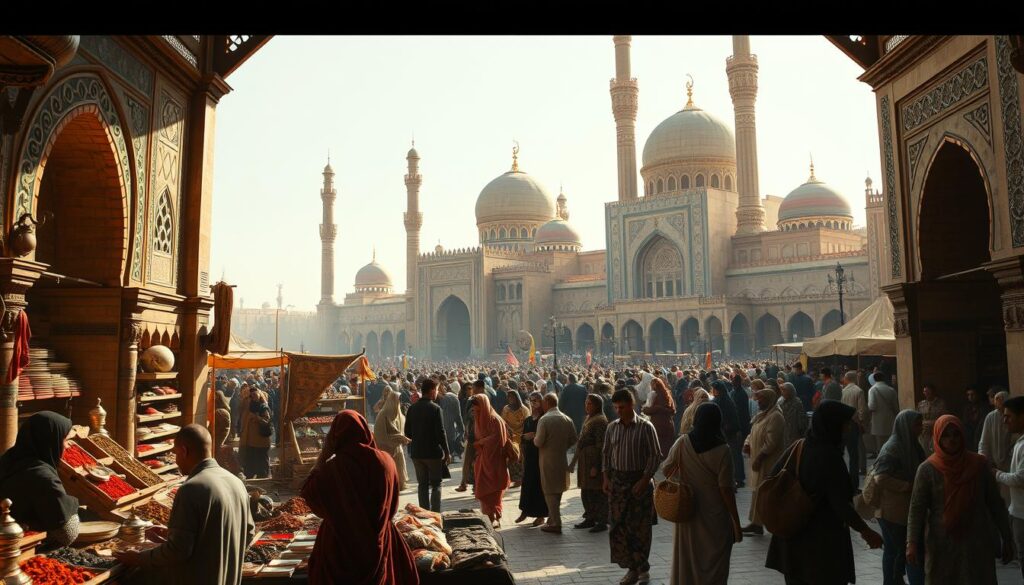
Iran is a land of ancient Persia, full of wonder. It’s one of the world’s most interesting places. With over 5,000 years of history, it will take your breath away!
Kids interested in Iran will find a magical world. Here, powerful kings ruled vast empires in western Asia. The Persians invented cool technologies, made beautiful art, and wrote poetry that inspires us today.
Ancient Persia was more than a kingdom. It was a place of culture, innovation, and amazing achievements. The Persians made big changes in science, art, and what we think humans can do.
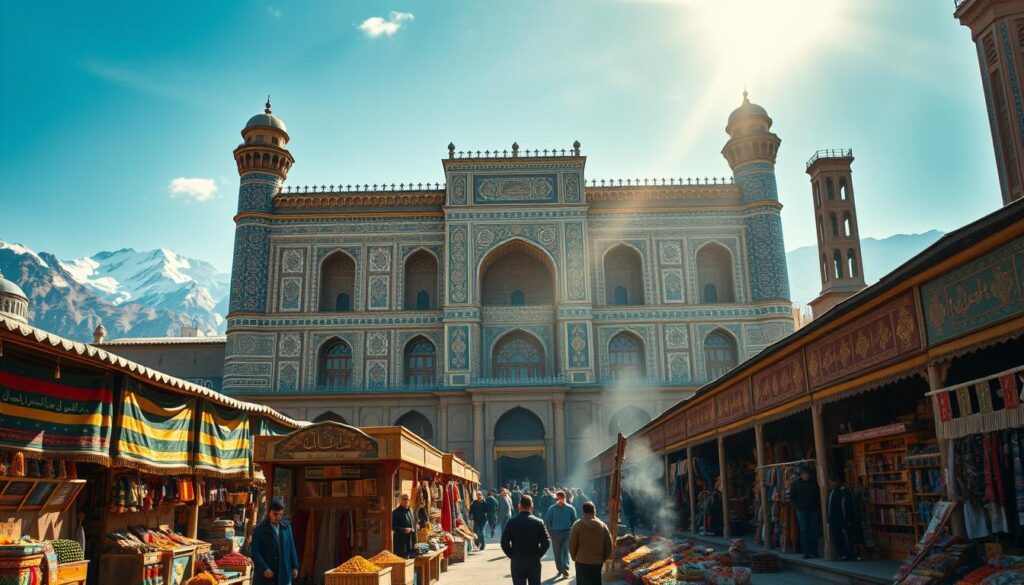
Imagine walking through huge palaces with beautiful mosaics. You’ll hear tales of brave warriors and smart scholars. Iranian culture is a treasure trove of creativity for young explorers.
Get ready for an amazing journey through time. You’ll discover secrets of a civilization that changed human history in unexpected ways. Your adventure into the world of iran facts for kids begins here!
Ancient Persian Empire: Birth of a Mighty Civilization
The Persian Empire was one of the most impressive civilizations in history. It covered huge areas and changed how ancient societies worked. It was surprisingly advanced and innovative.
Cyrus the Great was a legendary leader who changed ancient governance. Born in what is now Iran, he built the first global empire. It connected different cultures and peoples. His leadership was revolutionary for his time.
The First World Empire Under Cyrus the Great
Cyrus the Great created an empire that spanned vast territories. His conquests included:
Mesopotamia
Parts of Central Asia
Asia Minor
Regions of the Middle East
The Persian Empire was unique in how it ruled conquered lands. Cyrus allowed local cultures and religions to thrive. This approach brought stability to vast regions.
The Golden Age of Persia
The Persian Empire reached its peak, showing human achievement at its best. Art, science, and governance saw incredible growth. The empire became a melting pot of cultural exchange and intellectual growth.
The Persian Empire’s legacy shapes modern Iran. Cultural practices, architecture, and governance show its influence. Cyrus the Great’s values of tolerance and respect are key to Iranian identity.
Geography and Landscapes of Iran
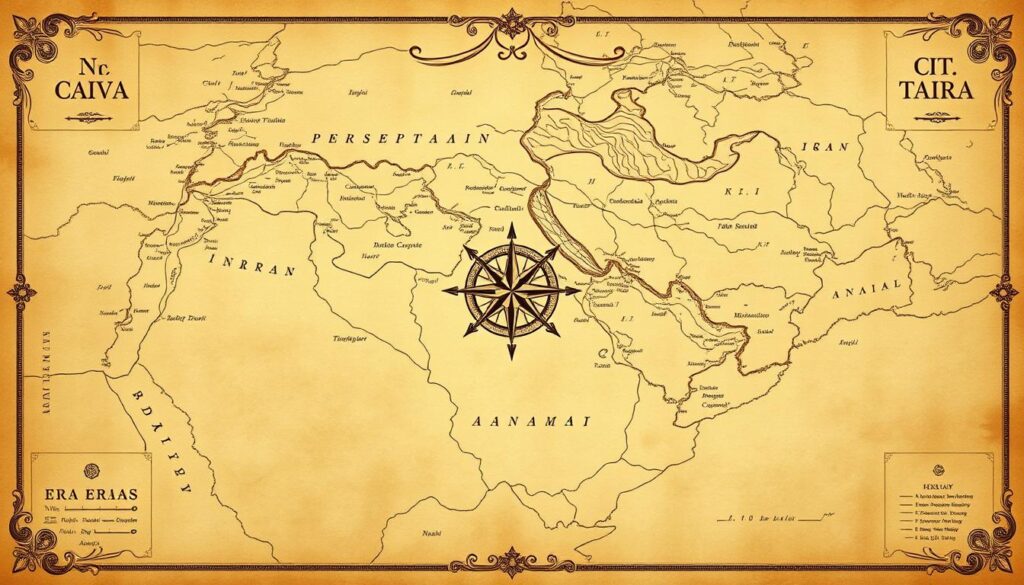
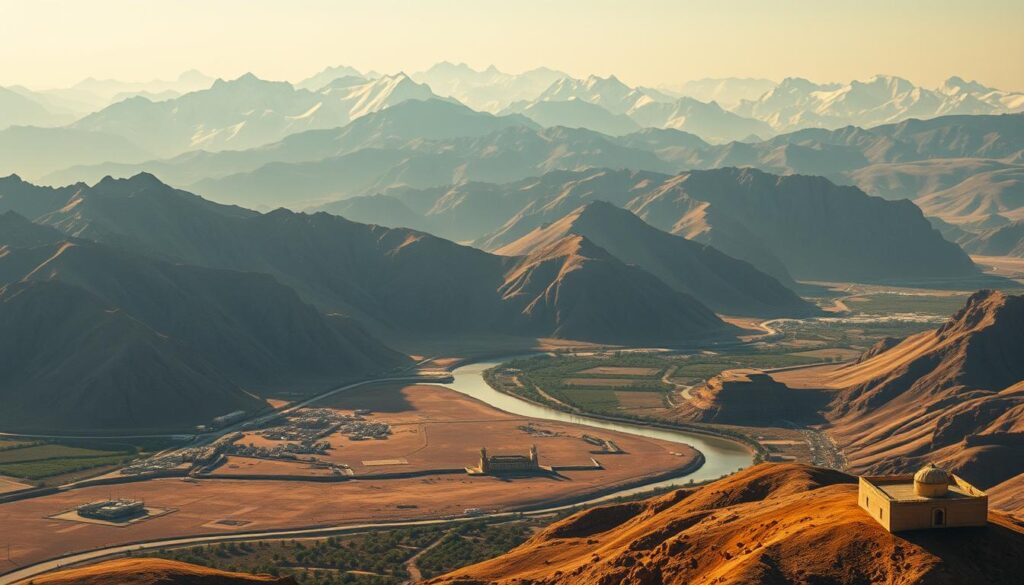
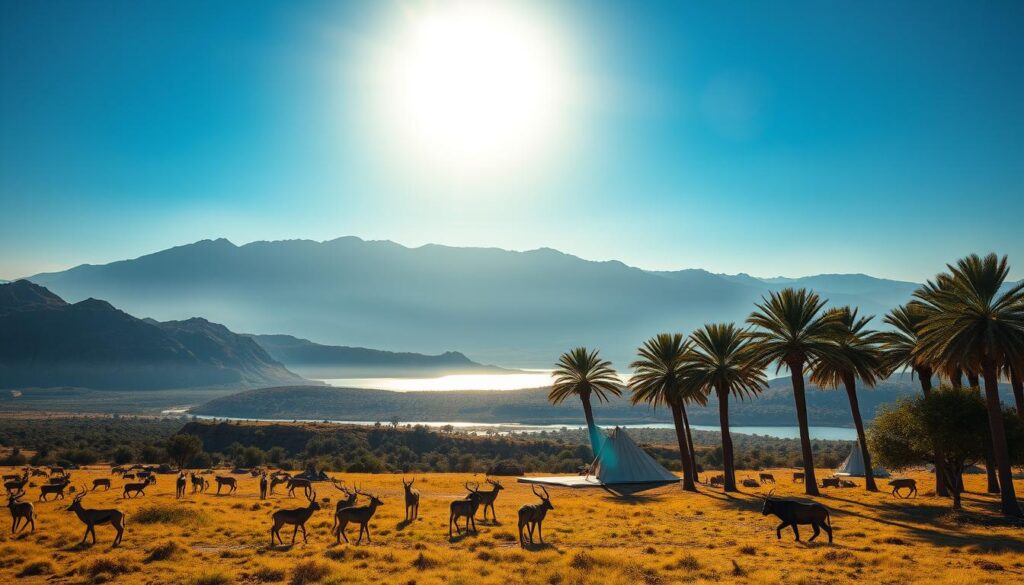
Iran is a true marvel of geography, located in southwestern Asia. It boasts a wide range of climates, creating landscapes that are simply stunning. From towering mountains to vast deserts, Iran’s natural beauty is unmatched.
The terrain in Iran is incredibly varied. The western and northern parts are dominated by mountains, with the Zagros Mountains reaching for the sky. These mountains have shaped Iranian culture for centuries.
Caspian Sea coastline in the north
Persian Gulf shoreline to the south
Central Iranian desert plateau
Alpine mountain regions
Iran’s landscapes are incredibly diverse. The Dasht-e Kavir desert in the center is harsh, with extreme temperatures. Yet, the lush forests near the Caspian Sea are a stark contrast, showing Iran’s varied ecosystems.
Water is key to Iran’s geography. The Caspian Sea and Persian Gulf mark its northern and southern edges. Rivers like the Karun flow through stunning landscapes, supporting agriculture.
Iran’s climates are as varied as its landscapes. You’ll find snow-capped mountains and hot deserts side by side. This makes Iran a paradise for those who love to explore and enjoy nature.
Iran Facts for Kids: Essential Things to Know
Are you ready to discover some amazing facts about Iran? This ancient land is full of surprises that make Iranian culture stand out. From incredible inventions to colorful traditions, Iran’s stories will spark your curiosity and imagination.
Iranian Calendar and Festivals
The Iranian calendar is unlike any other! It’s based on astronomical calculations and starts the New Year on the spring equinox, called Nowruz. Kids will find it exciting to learn about the traditions Iranians celebrate during Nowruz, such as:
Setting a special table with seven symbolic items
Painting eggs
Visiting family and friends
Wearing new clothes
Modern Life in Iran
Today, Iran combines traditional values with modern technology. Young people in cities like Tehran are tech-savvy and keep up with global trends. They speak multiple languages, use smartphones, and enjoy social media just like teens everywhere.
Iranian inventors have given the world amazing innovations. Here are some mind-blowing Iranian inventions that might surprise you:
Invention
Year
Impact
Wind Towers (Badgirs)
Ancient Times
Natural Air Conditioning
Medical Surgical Tools
9th Century
Advanced Healthcare Techniques
Algebra
820 AD
Mathematical Revolution
These inventions show the creativity and intelligence of Persian scholars. From cooling systems to math breakthroughs, Iranian culture continues to inspire and amaze us!
Persian Kings and Their Magnificent Palaces
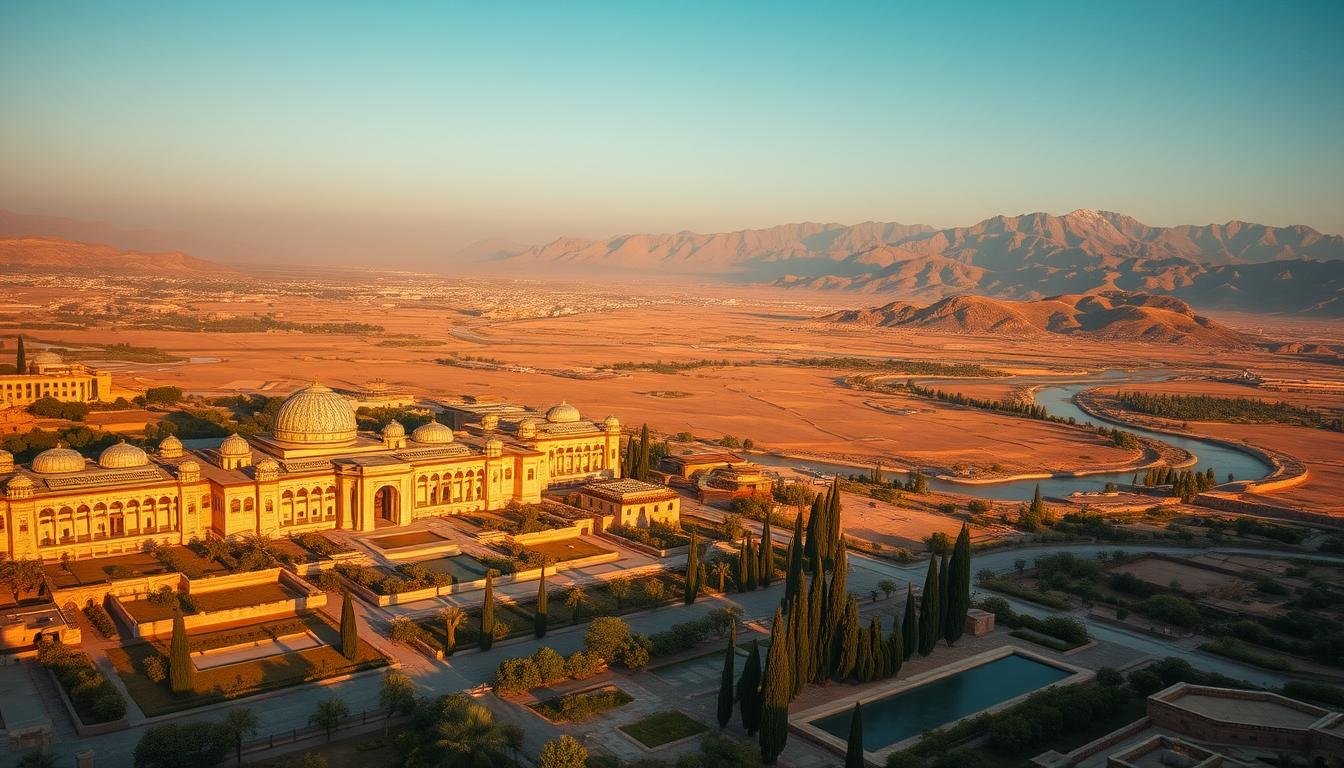
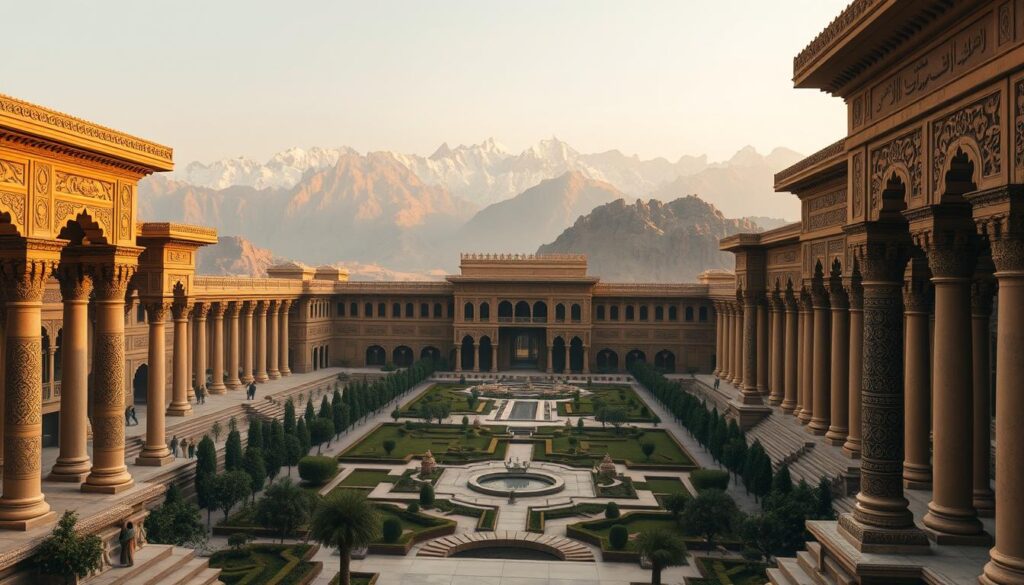
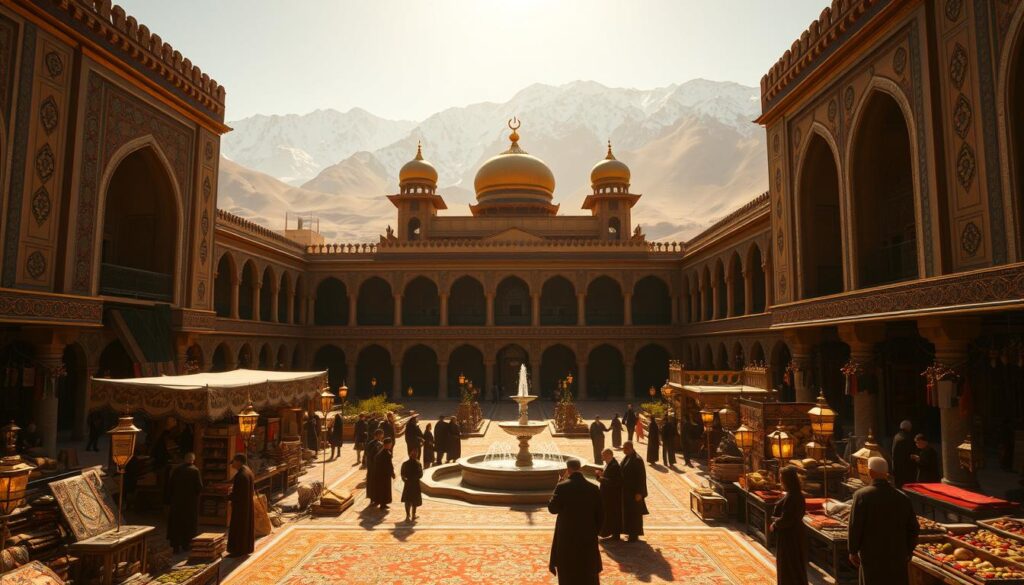
The Persian kings were true architects of grandeur. They built ancient Persian palaces that amaze us today. These royal homes were more than just buildings. They were powerful symbols of their empire’s strength and culture.
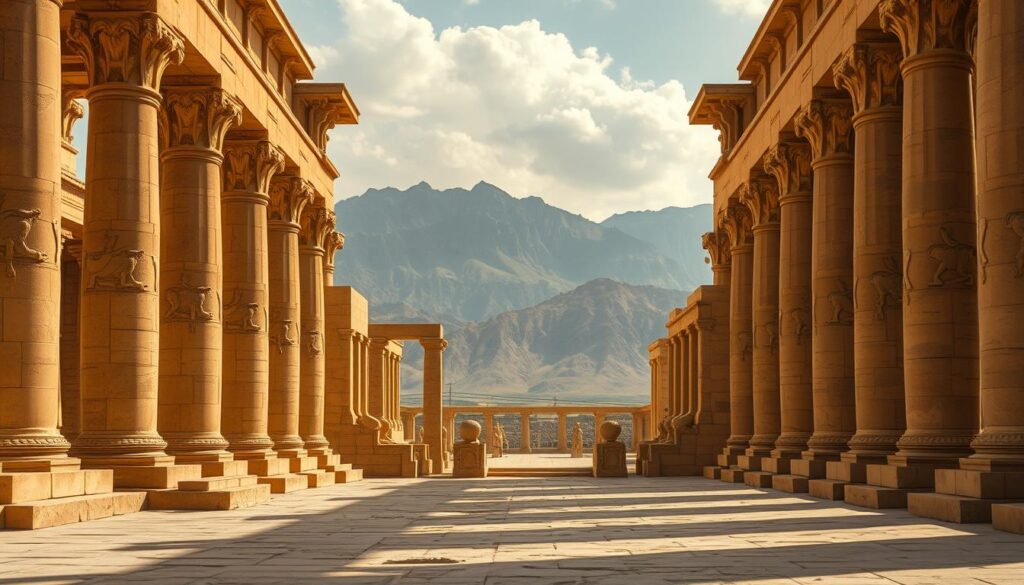
Darius I, a legendary Persian king, built Persepolis around 518 BC. This city was the height of Achaemenid architecture. Picture massive stone columns, detailed carvings of royal events, and huge courtyards showing off wealth and power.
Persepolis covered approximately 125,000 square meters
Construction involved thousands of skilled craftsmen
Marble and limestone were primary building materials
The Persian kings paid close attention to every detail in their palaces. Each palace told a story of their ambition. They had:
Elaborate throne rooms
Stunning reception halls
Sophisticated water management systems
Decorative elements showing off royal achievements
These structures were not just homes. They were symbols of Persian cultural dominance. From beautiful tile work to massive stone columns, every part showed the skill of ancient Persian architects and the vision of their royal patrons.
Art and Architecture of Ancient Persia
Ancient Persian art is a story of creativity and cultural exchange. It mixed influences from many civilizations, creating a unique visual language. Persian artists turned simple materials into stunning works of beauty.
Persian art was more than beauty. It was a powerful way to express culture. The detailed designs and advanced techniques showed the skill of Persian artisans.
Beautiful Persian Mosaics
Persian mosaics were amazing visual stories. Craftsmen used small colored tiles for complex patterns. These artworks showed:
Persian carpets are famous for their quality and designs. These textiles were not just floor coverings. They were true art pieces that told stories through their patterns.
Carpet Type
Distinctive Features
Origin Region
Isfahan Carpet
Silk threads, floral patterns
Central Iran
Tabriz Carpet
Wool base, geometric designs
Northwestern Iran
Kashan Carpet
Medallion centerpiece, detailed borders
Central Iran
Royal Buildings and Monuments
Ancient Persian architecture showed engineering and artistic brilliance. Huge palaces and detailed monuments showed Persian design’s sophistication. Architects used new techniques for structures that were both useful and beautiful.
The style of ancient Persian architecture mixed Mesopotamian, Egyptian, and Greek elements. This created a unique building design that inspires architects today.
Iranian Culture and Traditions
Iranian traditions are a big part of Persian culture. They mix together centuries of history. Kids can learn about a culture that loves poetry, values community, and holds family dear.
Persian culture has its own special ways of living. Iranians are known for their warm welcome to guests. Families come together for long meals, sharing stories and making memories. The idea of tarof – saying no nicely and being very polite – is a big part of Iranian life.
Nowruz: The Persian New Year celebration marking spring’s arrival
Chaharshanbe Suri: A fire-jumping festival before the new year
Yalda Night: Winter solstice celebration with family gatherings
Religious and cultural events are very important in Iran. Weddings, for example, are big affairs that can last for days. They include music, dance, and special clothes. Kids learn these traditions from their elders, keeping old customs alive.
Cultural Element
Significance
Poetry Recitation
Fundamental to social and intellectual life
Tea Drinking
Central to social interactions and hospitality
Handicrafts
Represents artistic heritage and family traditions
Iranian traditions show a culture that values people, respects history, and loves life’s moments. From making beautiful carpets to reciting passionate poetry, Persian culture is inspiring and captivating to many.
Persian Language and Literature
The Persian language is a beautiful bridge between ancient traditions and modern communication. It has a history of over a thousand years. This language carries stories of poets, philosophers, and dreamers.
Persian language, also known as Farsi, is one of the most elegant in history. Its script and pronunciation are captivating. They enchant linguists and literature lovers.
Persian literature is filled with incredible poets who turned language into magic. Some of these legendary figures include:
Rumi – mystic poet known for profound spiritual verses
Hafez – master of lyrical poetry and romantic expression
Omar Khayyam – philosopher and mathematician who wrote beautiful quatrains
The Artistry of Persian Writing
Writing in Persian is more than just communication. It’s a visual and emotional experience. Calligraphers turn letters into stunning artwork, making each word a masterpiece.
Poetic Form
Characteristics
Famous Example
Ghazal
Romantic lyrical poetry
Hafez’s Love Poems
Rubaiyat
Four-line philosophical verses
Omar Khayyam’s Writings
Masnavi
Narrative spiritual poetry
Rumi’s Spiritual Texts
Exploring Persian language and literature opens doors to a culture rich with emotion, wisdom, and artistic expression. Each word tells a story, each poem reveals a universe of meaning.
Daily Life in Ancient Persia
Ancient Persian life was a mix of social complexity and cultural richness. The society was like a well-organized machine. Everyone knew their place in the hierarchy.
The king was at the top, with absolute power. No one questioned his authority.
The social structure was strict. It was like a pyramid with everyone having a role:
Royal family at the top
Noble warriors and administrators
Skilled craftsmen and merchants
Farmers and laborers at the base
Education was key in Persian society. Young nobles learned many skills, such as:
Horseback riding
Archery
Languages
Military strategy
Family life was highly valued in ancient Persian culture. Extended families lived together. Grandparents played big roles in raising children.
Men were usually the breadwinners. Women managed the home and helped in family businesses.
Work was varied in ancient Persian life. Craftsmen made beautiful textiles, pottery, and metalwork. Merchants traded goods on the Silk Road, connecting Persia to other lands.
Farmers grew wheat, barley, and fruits in fertile areas. They were the backbone of the economy.
Persian Food and Cuisine
Iranian cuisine is full of vibrant flavors that tell a story of rich cultural heritage. It’s a culinary journey through centuries of tradition. Each dish brings incredible taste and historical significance.
Persian food is known for its amazing blend of ingredients and cooking techniques. Iranians have turned simple ingredients into extraordinary meals. Every bite reveals a piece of Iran’s gastronomic history.
Traditional Iranian Dishes
Let’s explore some mouthwatering staples of Iranian cuisine:
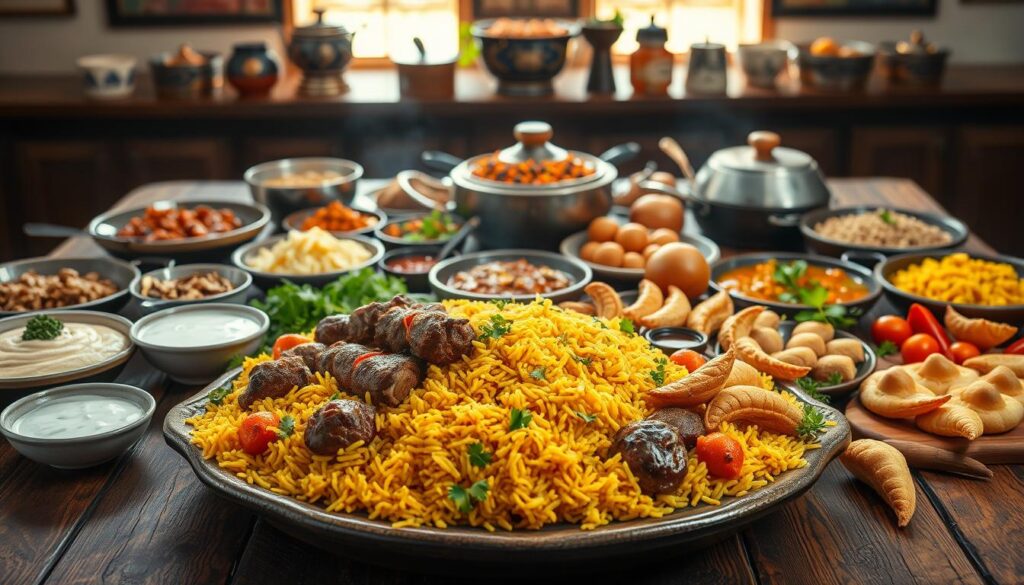
Chelo Kabab: Perfectly grilled meat served over saffron rice
Ghormeh Sabzi: A herb-packed stew with tender meat and kidney beans
Fesenjan: A rich pomegranate and walnut chicken stew
Tahdig: Crispy golden rice from the bottom of the cooking pot
Special Holiday Foods
During celebrations, Persian cuisine truly shines. It brings families together with elaborate dishes. These dishes showcase the depth and complexity of Iranian cooking traditions.
Nowruz (Persian New Year) features Sabzi Polo with fish
Mehregan harvest festival includes sweet and savory pastries
Ramadan brings special desserts like Zoolbia and Bamieh
Iranian cuisine is more than just food—it’s a celebration of culture, family, and culinary innovation. Each dish tells a story of regional ingredients, family recipes, and the incredible diversity of Persian food.
Important Cities of Iran
Iran is home to a mix of old history and new life. Its cities tell tales of ancient times and today’s culture. From wide plains to mountain valleys, these places show the wide range of Persian city life.
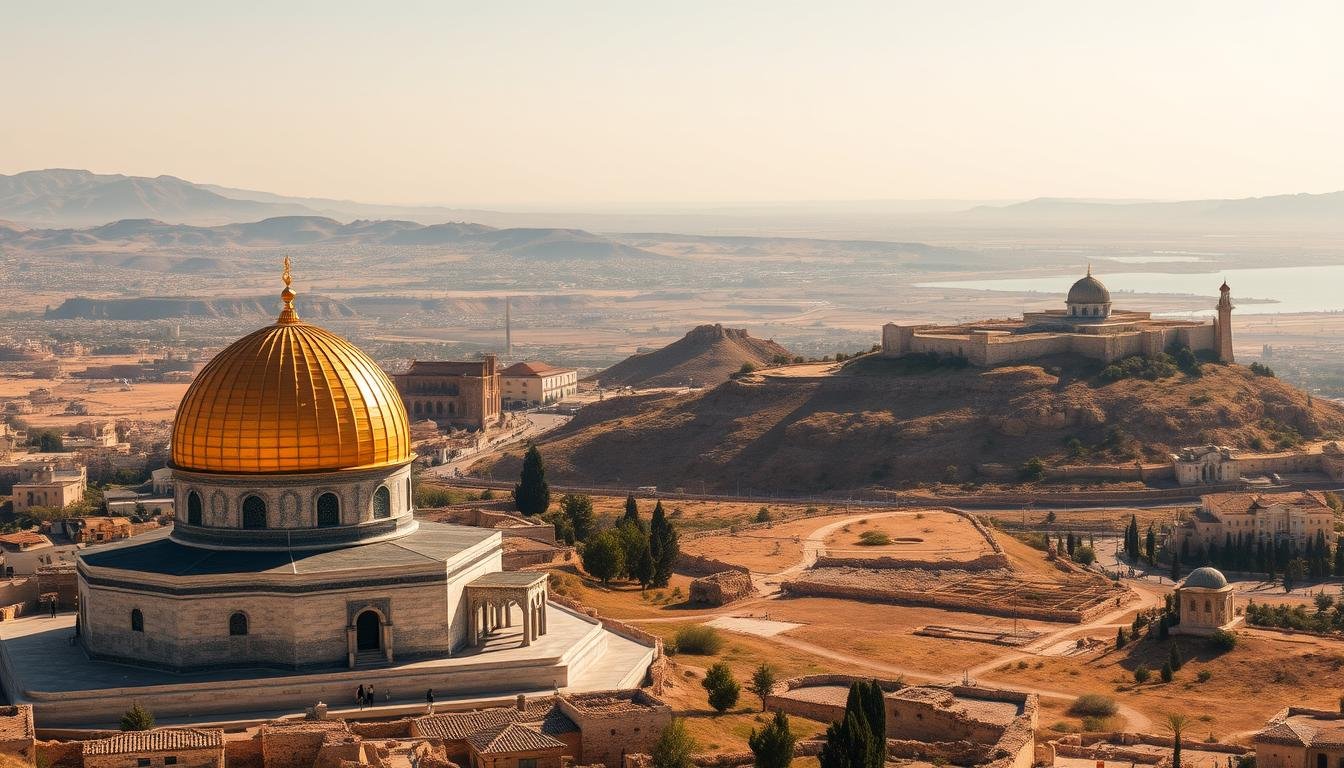
Ancient Persian cities were true wonders. Persepolis, the top city of ancient Iran, showed the empire’s greatness. Susa and Ecbatana were big cities that matched any in the world back then.
Persepolis: Capital of the Achaemenid Empire
Susa: An important administrative center
Ecbatana: Summer capital of Persian kings
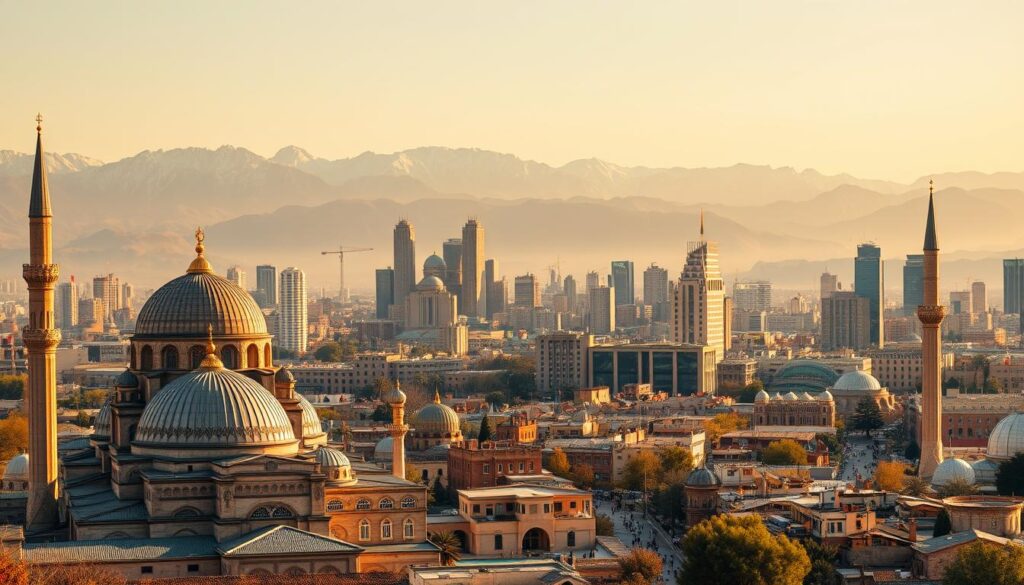
Today, Iranian cities keep up the tradition of being great places to live. Tehran is full of life and new ideas. Isfahan amazes people with its beautiful Islamic buildings. Shiraz is famous for its poetry and lovely gardens.
City
Population
Historical Significance
Tehran
9.1 million
Modern economic center
Isfahan
2.2 million
Architectural marvel
Shiraz
1.9 million
Cultural and literary heartland
Every Iranian city has its own story of survival and importance. Whether you’re looking at old cities or new ones, you’ll find amazing architecture and culture.
Persian Scientists and Scholars
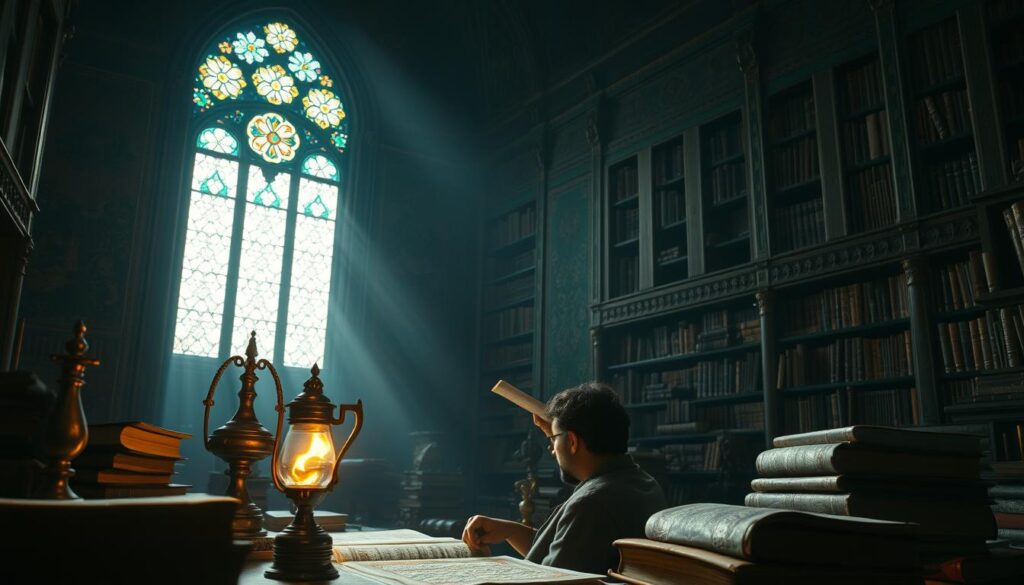
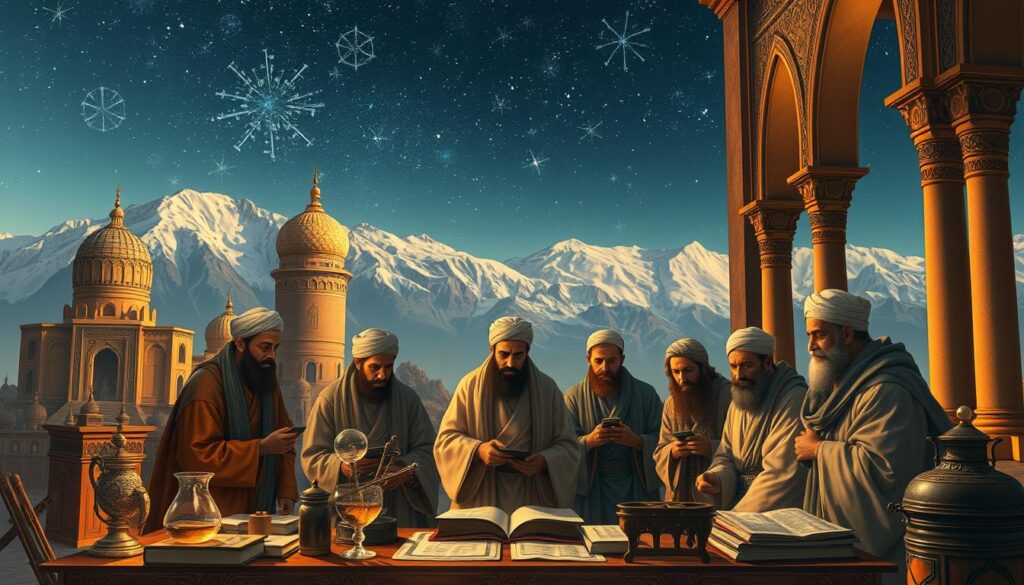
Iranian scholars have been at the forefront of scientific discovery for centuries. They have greatly expanded our knowledge in mathematics, medicine, and astronomy. These brilliant minds were the intellectual giants of the Islamic Golden Age. Their work continues to inspire scientists around the world.
The world of science is deeply in debt to these geniuses. Iranian scholars developed complex mathematical concepts that have shaped our technological progress. They were not just number crunchers. They were visionaries who saw the universe with curiosity and innovation.
Mathematical Discoveries
Persian mathematicians made incredible contributions that changed scientific thinking. Omar Khayyam, a legendary Persian scientist, developed advanced algebraic techniques that amaze mathematicians today. His work included:
Advanced geometric problem-solving
Sophisticated polynomial equation solutions
Groundbreaking astronomical calculations
These Iranian scholars didn’t just solve equations. They reimagined mathematical possibilities. Their computational skills were far ahead of their time, creating mathematical models that seemed magical.
Medical Advancements
Persian scientists greatly advanced medical understanding through their research and documentation. Avicenna, perhaps the most famous Iranian scholar, wrote the Canon of Medicine. This medical encyclopedia was a standard text in Europe for centuries.
Key medical contributions by Persian scholars included:
Advanced surgical techniques
Comprehensive pharmaceutical knowledge
Detailed anatomical studies
These remarkable Iranian scholars did more than just record medical information. They created a revolutionary approach to understanding human health. This approach has influenced medical practice for generations.
Animals and Wildlife of Iran
Iran’s landscapes are home to incredible wildlife. From mountains to deserts, animals thrive in these diverse places. Their survival skills are truly impressive.
The country is home to amazing creatures. The critically endangered Asian cheetah lives in central Iran. These big cats have learned to survive in tough conditions.
Persian leopard: Found in Zagros Mountains
Asiatic black bear: Inhabits northwestern forests
Iranian zebra: Unique subspecies in protected regions
Caracal: Small wild cat species native to Iran
Protecting wildlife is key in Iran. National parks and protected areas keep habitats safe. But, many animals face threats from climate change and human activities.
Bird lovers will be thrilled by Iran’s bird diversity. Golden eagles fly over mountains, while bee-eaters brighten rocky areas. It’s a birdwatcher’s dream.
Animal Species
Habitat
Conservation Status
Asian Cheetah
Central Iranian Plateau
Critically Endangered
Persian Leopard
Zagros Mountains
Vulnerable
Asiatic Cheetah
Desert Regions
Critically Endangered
Iran is a treasure trove for wildlife lovers and scientists. Its unique geography supports animal survival and research. It’s a place of wonder and discovery.
Persian Military and Warriors
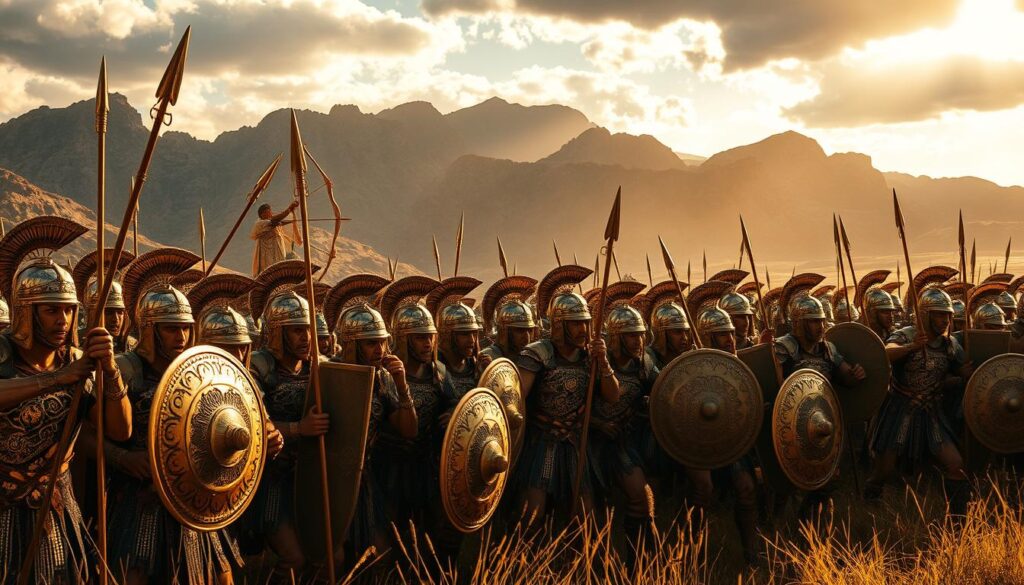
The Persian military was a legendary force that dominated ancient battlefields. They were known for their strategy and discipline. Ancient Iranian warriors were famous for their fighting skills and military organization.
These warriors were not just soldiers. They were highly trained professionals who changed warfare with new tactics.
The elite unit known as the Immortals was the peak of Persian military power. This special corps of 10,000 warriors always had the same number, replacing any fallen soldier. This made them seem invincible. Their training and precision made them a feared unit in the ancient world.
Recruitment focused on physical fitness and combat skills
Soldiers trained extensively in archery, horseback riding, and hand-to-hand combat
Innovative armor and weapons gave Persian military significant battlefield advantages
Persian military strategies changed warfare in the ancient world. They had advanced communication, complex battle formations, and logistics. Ancient Iranian warriors used unique equipment like curved swords, lightweight shields, and powerful composite bows.
Military Unit
Key Characteristics
Notable Strengths
Immortals
Elite Royal Guard
Always maintained 10,000 warriors
Cavalry
Highly Mobile Troops
Skilled Horseback Fighting
Archer Corps
Ranged Combat Specialists
Long-Distance Precision Attacks
These remarkable warriors left a mark on military history. They created strategies that influenced combat for many years. Their legacy inspires military scholars and historians to this day.
Modern Iran and Its People
Modern Iran is full of energy and complexity. Here, old traditions meet modern life. The Iranian people are a mix of cultures, speaking many languages and coming from different ethnic backgrounds. With over 80 million people, Iran is a nation of young professionals, tech entrepreneurs, and artists changing how the world sees them.
Education is key in Iran, with universities producing top scientists and researchers. The youth are tech-savvy, using social media and digital platforms to connect worldwide. Iranian universities excel in engineering, medicine, and computer science, proving stereotypes wrong.
Sports and fun are big in Iranian culture, with soccer being a huge hit. Cities like Tehran are alive with energy, filled with coffee shops and tech centers. Despite tough times, Iran shows strength, curiosity, and a drive for progress tied to its history.
Culture is strong in Iran, with art, cinema, and literature getting global attention. Young Iranians balance old values with new influences. Their tales of creativity, strength, and learning show what it means to be Iranian today.