Dragons aren’t just fire-breathing lizards from storybooks—they’re global superstars with resumes longer than a Marvel movie franchise. From China’s imperial palaces to Egyptian desert carvings, these scaly legends have dominated imaginations for 5,000+ years. And guess what? They’re still selling out shows like “Dragons and Mythical Beasts” across the U.S. this summer.
Think dragon lore is all knights and damsels? Try this: Ancient Chinese emperors called hatchlings “lung” and treated them like royal babies. Meanwhile, British myths described creatures that could drown villages in spit (gross, right?). I’ll bet your science teacher never mentioned that during reptile week.
What makes these beasts stick around? Simple—they’re the ultimate shape-shifters. In one culture, they’re wise rain-bringers. In another, they’re treasure-hoarding nightmares. It’s like comparing Taylor Swift’s love songs to death metal…but with scales.
Ready to geek out on how Egyptian sphinxes relate to Game of Thrones dragons? Or why modern kids obsess over museum exhibits featuring “real” dragon eggs? Stick around—this is way cooler than your history textbook.
Dragon Facts for Kids: Unmask Ancient Origins
Ever wonder why dragons show up everywhere from birthday piñatas to billion-dollar movie franchises? Let’s peel back the layers. These creatures didn’t just pop up overnight—they’ve been shape-shifting through human stories since before your great-great-great-grandparents were born.
When Dragons Weren’t Just Villains
In China, folks treated dragons like VIPs. Emperors claimed they were descendants of lung dragons—serpentine symbols of power and good luck. Imagine your principal saying they’re related to unicorns. That’s how seriously people took this. Artifacts show dragons carved into jade seals and painted on silk robes reserved for royalty.
Europe’s Scale-Covered Bullies
Cross the continent, and dragons turned into walking disaster zones. Medieval tales describe them torching villages or drowning knights in… well, let’s call it “dragon spit.” One Roman writer swore they fell from trees like overripe fruit. Talk about bad timing for anyone picnicking below!
Culture
Dragon Role
Wildest Trait
Chinese
Imperial protectors
Controlled rainfall
European
Treasure-hoarders
Weak spot under left armpit
Roman
Tree-dwelling pests
Couldn’t handle winter
Here’s the kicker: ancient scholars like Pliny the Elder wrote about dragons like they were documenting raccoons. His notes describe scales harder than armor and breath that could “wither crops.” Makes you wonder—did people actually see something scaly back then?
Cultural Snapshots: Fire, Hatchlings, and Lances in Action
Let’s cut through the fairy-tale fluff. These creatures weren’t just firestarters or bedtime monsters—they had real-world quirks that’d make even Netflix writers jealous. Take their babies, for instance. Or should I say… hatchlings?
Baby dragons and hatchlings—more than just a cute name
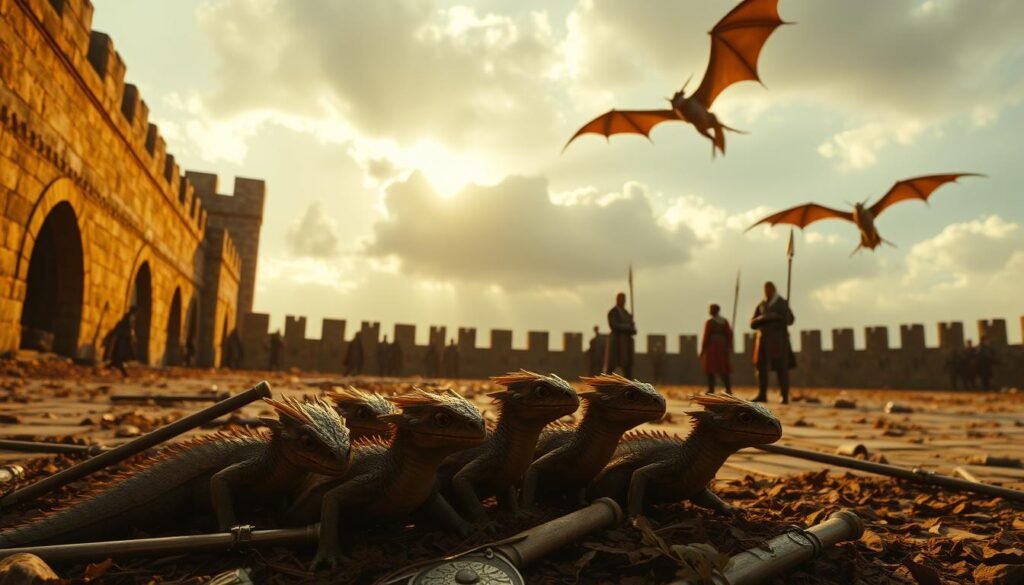
Newsflash: “Dragonet” is strictly for fantasy RPGs. Real myth buffs call them hatchlings. Ancient scrolls describe them bursting from eggs with fully formed wings and legs—no helpless chicks here. One Welsh tale claims they could breathe smoke rings before losing their egg teeth. Talk about overachievers!
Weapon
Purpose
Quirk
Lance
Pierce armored scales
Required exact angle
Sword
Close combat
Useless against noble breeds
Crossbow
Long-range attack
Bolts often bounced off
Medieval lances and unexpected spits of lore that spark debate
Why lances? Simple physics. Their long reach let knights strike the one weak spot under a dragon’s left armpit. Miss by an inch? Enjoy becoming barbecue. And that “spit” Europeans feared? Modern historians think it was either stomach acid or tree sap—dragons supposedly chewed pine resin to flame-proof their throats.
Here’s the kicker: Pliny’s “tree dragons” might’ve inspired both heads-you-lose myths and real pest control. Farmers allegedly hung garlic to keep the scaled fruit bats away. Works better than mothballs, I guess!
Myth & Reality: Iconic Images and Real-World Influences
Forget dusty museum displays—dragons are flexing their wings in 4K these days. I’ve seen them slither off 13th-century Tibetan tapestries only to crash-land in Marvel movies, proving these beasts own the patent on reinvention. Want proof? Check the sold-out “Dragons Live” arena tour where fire-breathing puppets duel to Queen soundtracks. No cave paintings required.
When Canvas Met Claws
China’s Nine Dragons Scroll isn’t just art—it’s a medieval motion picture. Unroll it, and serpentine bodies twist through mist like a 40-foot GIF. Fast-forward 800 years: How to Train Your Dragon turned scaly legs into box office gold. Fun fact? Toothless’s design borrowed from St. George’s dragon-slaying frescoes. History’s greatest remix.
Emblems That Bite Back
Ljubljana’s coat of arms features a dragon so iconic, it’s stamped on manhole covers and skateboards. Locals swear the beast dates back to Jason and the Argonauts—though I’d bet my Netflix password it’s just great PR. Meanwhile, Wales’ red dragon flag flaps at rugby games, terrifying opponents more than any fire-breath ever could.
Mythology’s Greatest Plot Twist
Medieval bestiaries listed dragons alongside hedgehogs as real fauna. One 15th-century “science” book claimed they shed skin like snakes—but with extra sparkle. Today, paleontologists argue dinosaur fossils inspired the multi-headed Hydra myth. My take? Ancient folks would’ve TikTok’d T-rex bones as “dragon proof” in seconds.
Parting Insights for Dragon Enthusiasts That Keep the Flame
Ever stood eye-to-eye with a dragon? The touring Dragons and Mythical Beasts show lets you do just that—proving these legends aren’t just book pages. I’ve watched kids (and adults) gasp at life-sized puppets roaring to life, their scales shimmering under stadium lights. It’s history you can feel, not just read.
Here’s the thing: every culture’s dragon tales reveal what people value. Protectiveness in China. Adventure in Europe. Today? We mash those traits into blockbuster movies and escape rooms. That traveling exhibit with “real” dragon eggs? It’s sold out because we crave tangible magic—something this article’s images and stories try to bottle.
Want your own dragon encounter? Start here:
1. Visit museums hosting armor displays or medieval art
2. Track that touring show’s next U.S. stop
3. Spot dragon motifs in your town’s architecture
Truth is, we’re still writing dragon lore—just with VR headsets instead of quills. So keep wondering: What fossil inspired the Hydra myth? Could modern tech make fire-breathing real? I’ll save those sparks for another page…