Hold your glitter glue—turns out, those heart-shaped cards aren’t just about romance. The real story involves Roman festivals, a sneaky saint, and enough candy to make your dentist nervous. Let’s crack this sugary mystery wide open.
Back in ancient Rome, folks celebrated Lupercalia (say it three times fast) by… wait for it… slapping women with goat hides. Yep. Fast-forward a few centuries, and “St. Valentine” somehow turned chaotic rituals into paper hearts and classroom card swaps. Can you believe we went from goat sacrifices to glue sticks?
Here’s the kicker: The heart symbol? Zero connection to actual anatomy. Blame medieval doodlers who thought artichokes looked romantic. Now kids scribble them on DIY cards while teachers pray nobody eats the glitter. Classic.
I’ll bet your classroom exchanges involve more ”OMG, you’re awesome!” notes than Shakespearean sonnets. And why not? Nothing says “friendship” like secret codes with candy hearts. But how did we get here from blood-soaked festivals? Buckle up—we’re diving into weird history, global traditions, and why your handmade card might’ve shocked the Victorians.
History & Origin of Valentine’s Day
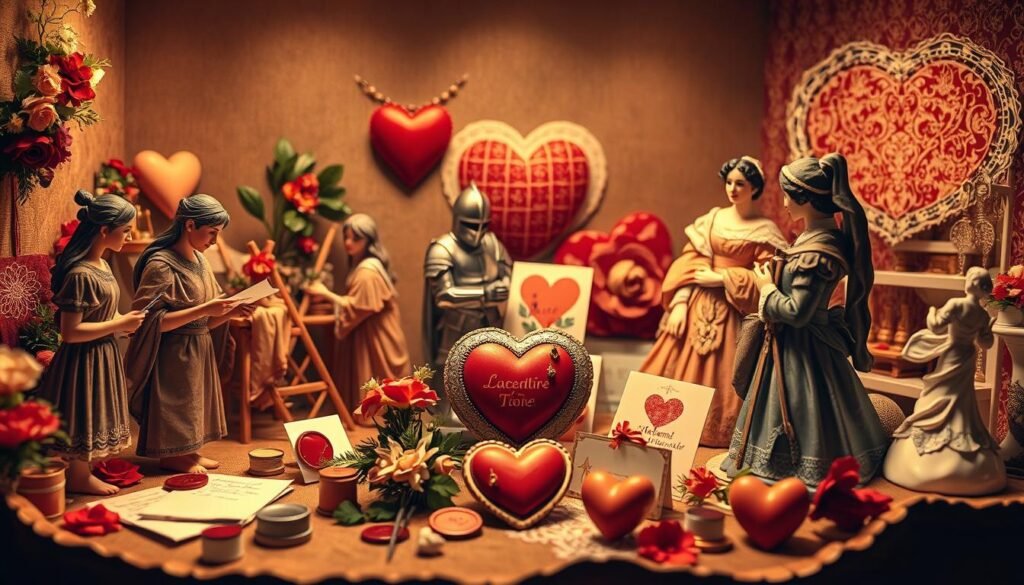
Forget Cupid’s arrows—the real story starts with rebellious priests and medieval poets. Let’s rewind to ancient Rome, where February meant Lupercalia. This wild festival (think goat sacrifices and matchmaking lotteries) got a makeover when Christians rebranded it to honor Saint Valentine—a third-century priest who secretly married couples against the emperor’s orders. Talk about drama!
Early Pagan Festivals and Christian Influence
Lupercalia wasn’t exactly Hallmark material. Romans celebrated fertility by… uh… hitting women with goat hides soaked in blood. Yikes. But by the fifth century, the church slapped St. Valentine’s name on the date to clean it up. Funny how swapping animal skins for roses changes the vibe, right?
How Literature Cemented February 14th
Enter Geoffrey Chaucer—the OG romance writer. His 14th-centurypoem linked February 14th to lovebirds choosing mates, like birds do in spring. Suddenly, nobles started writing flowers-filled notes. By the 1800s, everyone was mailing paper hearts. Who knew a poem could launch a billion candy grams?
Era
Tradition
Impact
Ancient Rome
Lupercalia Festival
Matchmaking rituals
3rd Century
St. Valentine’s Marriages
Secret unions
14th Century
Chaucer’s Poem
Romantic link to Feb 14
Roman Roots and Saint Valentine’s Legacy
Let’s spill the ancient tea—Rome’s love bans sparked more rebellion than a middle school cafeteria. Emperor Claudius II thought single soldiers fought better, so he outlawed marriage. But St. Valentine wasn’t having it. He secretly tied the knot for young couples, risking execution. Now that’s commitment.
Here’s the twist: The name “Valentine” became code for forbidden love. Like whispering “Netflix” during finals week. After his death, folks honored him by scribbling notes on February 14th—the day he was executed. I find it wild that history can be so cheeky!
Ancient Rome’s drama didn’t stop there. Soldiers’ wives lobbied for recognition, creating early “relationship goals.” Compare this to mythology: Just as Eros shot arrows, Valentine’s defiance pierced rigid rules. Both stories mix rebellion with affection.
Historical Action
Rebel Move
Modern Link
Claudius’s marriage ban
Secret weddings
Valentine = love icon
Wives’ petitions
Public pressure
Celebrating partnerships
Valentine’s execution
Notes of remembrance
Card exchanges
These facts valentine day fans forget? The heart symbol wasn’t even part of the story until medieval artists got creative. Yet here we are, passing candy grams like ancient rebels passing coded messages. History’s full of surprises, huh?
Valentine’s Day Facts for Kids
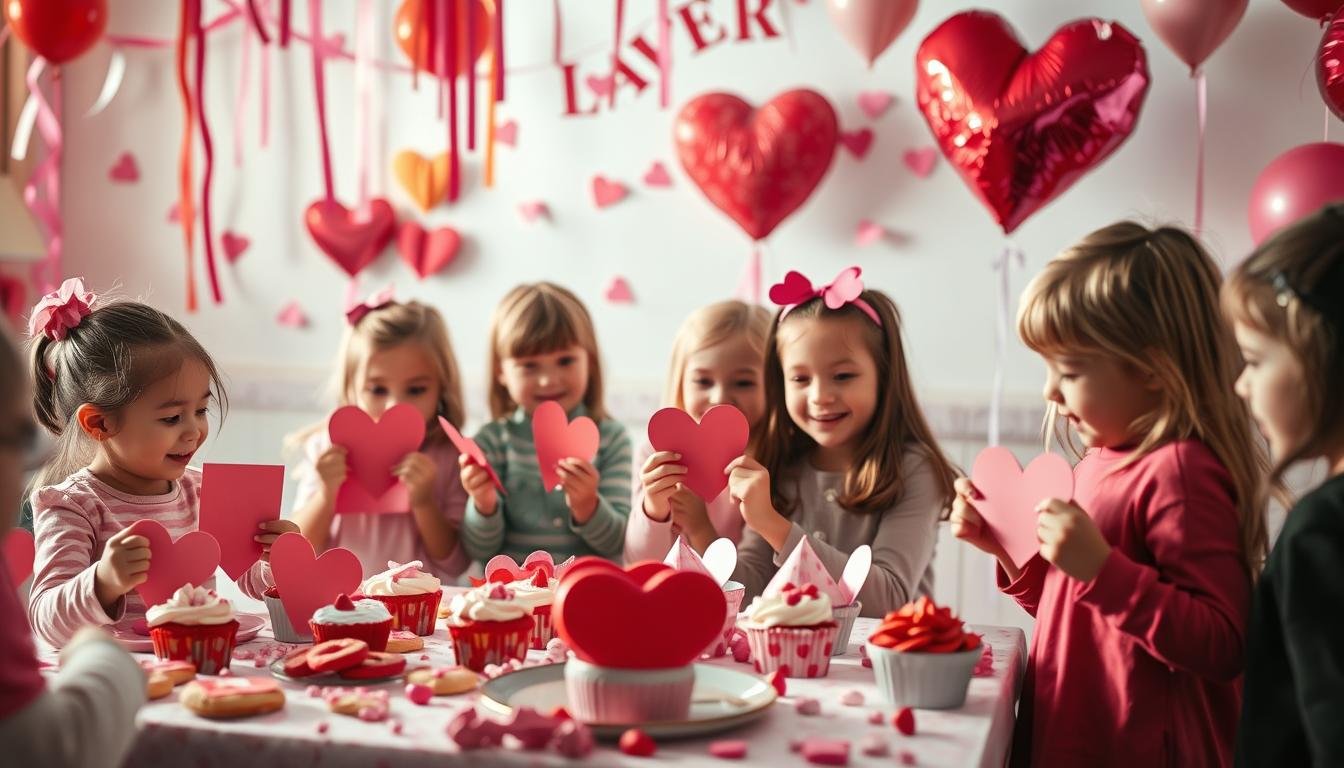
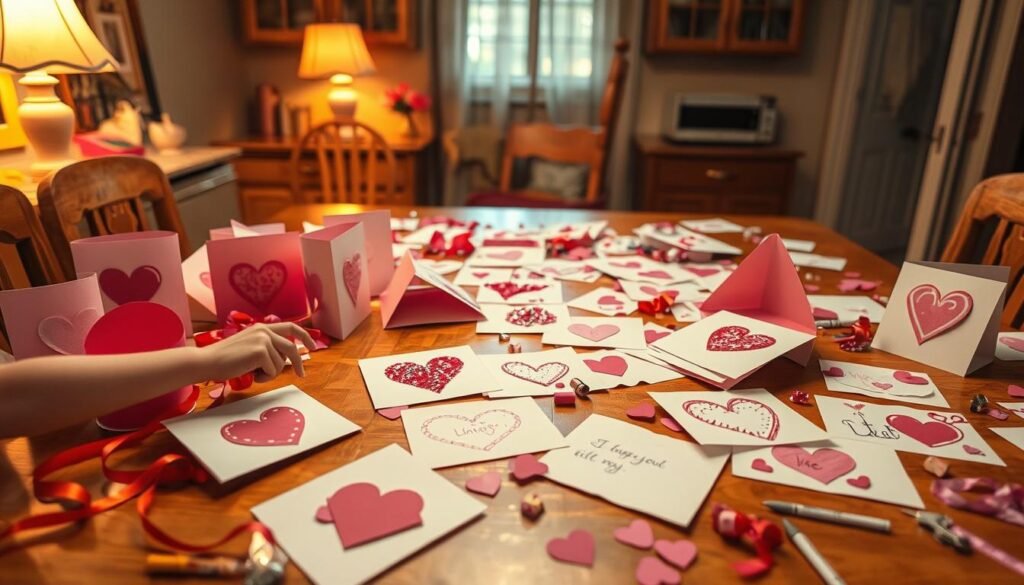
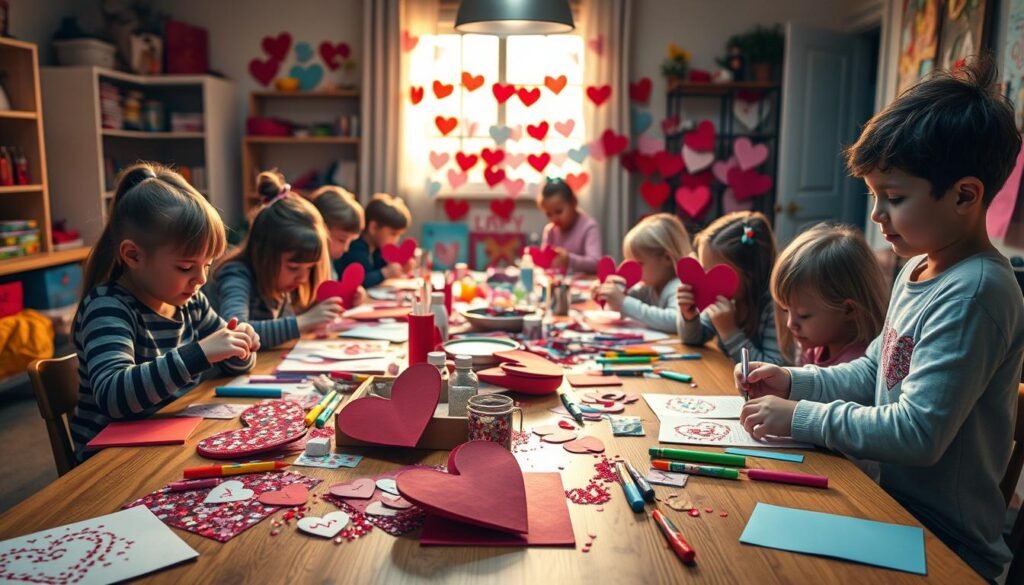
Who knew classrooms could outdo Hallmark? Every February, desks become mini art studios where kids engineer masterpieces with construction paper and enough glitter to rival a disco ball. Let me tell you—it’s way more exciting than math class.
Fun Classroom Traditions and Card Swaps
Picture this: A shoe box dressed in tinfoil, stuffed with handmade day cards featuring puns like “You’re dino-mite!” The real magic? Teachers often get swarmed with more notes than popular YouTubers. I once saw a card shaped like a pickle—no kidding—with the message “You’re in a brine of your own!”
Kid-Friendly Crafting of Hearted Cards
Here’s how to make a card that’ll crush the competition: Grab red paper, fold it like a taco, and cut half a heart along the edge. Unfold it—boom, perfect symmetry. Add googly eyes for personality and a joke so cheesy it belongs in a grilled cheese. Pro tip: Glue sticks beat liquid glue. Trust me.
Card Feature
Kid Approval Rating
Teacher Survival Chance
Glitter Bombs
100%
12%
Punny Jokes
95%
88%
Sticker Overload
110%
45%
Remember Chaucer’s old-timey poem about birds? Kids today would rewrite it with emojis and slime references. And honestly? That’s progress. These traditions aren’t just cute—they’re stealth lessons in creativity and kindness. Plus, who doesn’t love a legit reason to eat candy before noon?
How Cards, Flowers, and Gifts Became a Tradition
Who decided lace and glue sticks could spark joy? Let’s start with Esther Howland, the 1840s college grad who saw handmade valentine day cards and thought: “I can sell these!” Her kitschy designs with real lace and ribbons kicked off America’s card craze. Suddenly, exchanging gifts wasn’t just romantic—it was a full-blown industry.
The Art and Craft of Homemade Valentines
Want to make a card that’d make Esther proud? Grab scissors, red paper, and a glue stick. Fold the paper, cut a half-heart shape, then unfold it—voilà! Add lace trim like Victorian sweethearts did. For extra flair, write a message like “Roses are red, glue is sticky… be my pal?” Trust me, googly eyes make everything better.
From Red Roses to Heart-Shaped Boxes
Why red roses? Blame ancient myths. Legend says Aphrodite pricked her foot on a rose thorn while rushing to her wounded love Adonis. The blood-stained blooms became symbols of passion. Fast-forward to 1861: Richard Cadbury started selling chocolates in heart-shaped boxes. Suddenly, flowers and sweets became the ultimate gifts. Isn’t that just neat?
Today’s traditions blend old and new. Teachers still get paper hearts, while stores sell diamond-studded cards. But whether you’re crafting with lace or grabbing a last-minute box, remember—every scribbled note carries centuries of rebellious creativity. Now pass the glitter!
Ever wonder why some people exchange kitchen utensils instead of roses? Let’s tour the planet’s weirdest love rituals. Spoiler: There’s a country where singles eat black noodles to mourn their relationship status. No kidding.
Unexpected Traditions from Around the Globe
In Japan, women gift chocolate to male coworkers every February 14th—but there’s a catch. Obligation chocolates (giri-choco) go to colleagues, while fancy truffles (honmei-choco) are saved for crushes. Men return the favor a month later on White Day. Talk about social pressure!
South Korea takes the cake—literally. Singles who strike out on the day celebrated here gather on April 14th (Black Day) to eat jajangmyeon: noodles in black bean sauce. It’s like edible therapy with friends. Meanwhile, Wales swaps carved wooden spoons with heart designs. Forget cards—nothing says “I fancy you” like handmade cutlery.
Country
Tradition
Quirk Factor
Japan
Giri-choco gifts
Mandatory coworker candies
South Korea
Black Day noodles
Singles’ solidarity feast
Wales
Love spoons
Functional romance
Estonia
Friendship Day
Zero romance allowed
Here’s the kicker: Some European people still send anonymous cards signed “Your Secret Admirer.” But in Estonia, February 14th celebrates friendships—romance is banned. Stores sell box sets of platonically-approved chocolates shaped like mittens. Because nothing says “bestie” like avoiding heart-shaped candies at all costs.
Modern twists? Companies now sell chocolate-filled boxes shaped like sneakers or game controllers. Because why settle for boring squares when you can crush literal candy Jordans? Turns out, love (or friendship) really does come in all packages.
The Role of Cupid and Mythology in Valentine’s Day
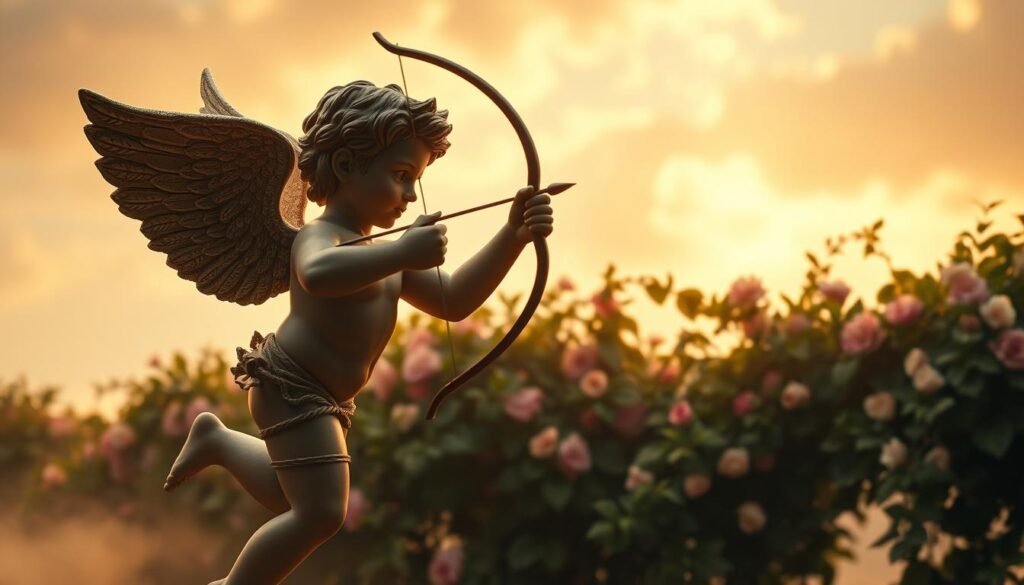
Ever wonder why chubby cherubs became love’s mascot? Turns out, that winged toddler with a bow started as Eros—a buff Greek god who shot golden arrows to spark passion. Romans later renamed him Cupid, softening his image into the rosy-cheeked troublemaker we know. I can’t help but smile every time I see a little cherub winking at me from a card aisle!
Cupid’s Evolution from Roman Deity to Love Icon
Ancient mythology wasn’t all sweetness. Eros’ arrows originally caused chaotic obsession, not Hallmark moments. But by the 18th century, artists rebranded him as a playful child. Why? Romantic poets needed a symbol that felt less… stabby. Now he’s all dimples and mischief—proof that even gods get glow-ups.
Mythical Narratives Shaping Modern Celebrations
Here’s a fun twist: The heart symbol we scribble today? Medieval artists drew it like a pinecone until someone said, “Let’s simplify!” By the 1500s, it morphed into the familiar shape. Compare that to ancient carvings of anatomical hearts—they look more like weird artichokes. Yet we still say “it’s all in the heart!”
Symbol
Ancient Meaning
Modern Twist
Cupid’s Arrows
Uncontrollable desire
Playful matchmaking
Red Heart
Mystical life force
Universal love shorthand
Golden Bow
Divine weapon
Cartoon prop
What fascinates me? These symbols stuck because they’re flexible. A heart can mean friendship, family, or romance. Cupid’s wink works for crushes and inside jokes. Maybe that’s why we’ve kept them around—they let us say “I care” without saying too much. Now pass the glitter glue!
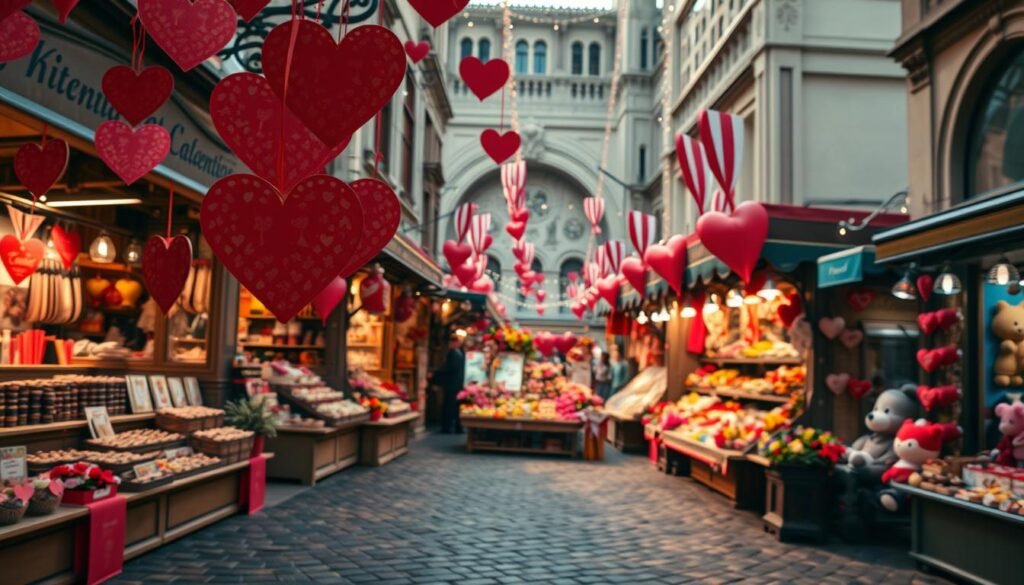
Did you know Americans spend more on chocolate every February than some countries’ entire candy budgets? Let’s unwrap the wildest bits of facts valentine history—where romance meets sugar rushes and industrial genius.
Commercial Trends and Historic Firsts
Richard Cadbury changed the game in 1861 when he packaged chocolates in heart-shaped boxes. His genius move? Making the container part of the day gifts. Now, over 36 million of those boxes sell every year—enough to circle the moon twice if stacked!
Here’s a kicker: Teachers receive more classroom cards every year than all greeting companies produce for adults. And that ancient Roman festival we mentioned earlier? They’d probably trade their goat hides for a box of truffles today.
Even st. valentine couldn’t predict this twist: The average kid exchanges 32 cards on February 14th. That’s 6.8 billion tiny hearts floating through schools annually. But my favorite stat? 8% of children admit to taste-testing their candy haul before the bell rings. Can’t blame ’em!
Celebrating Kids’ Valentine’s Day: Fun Activities
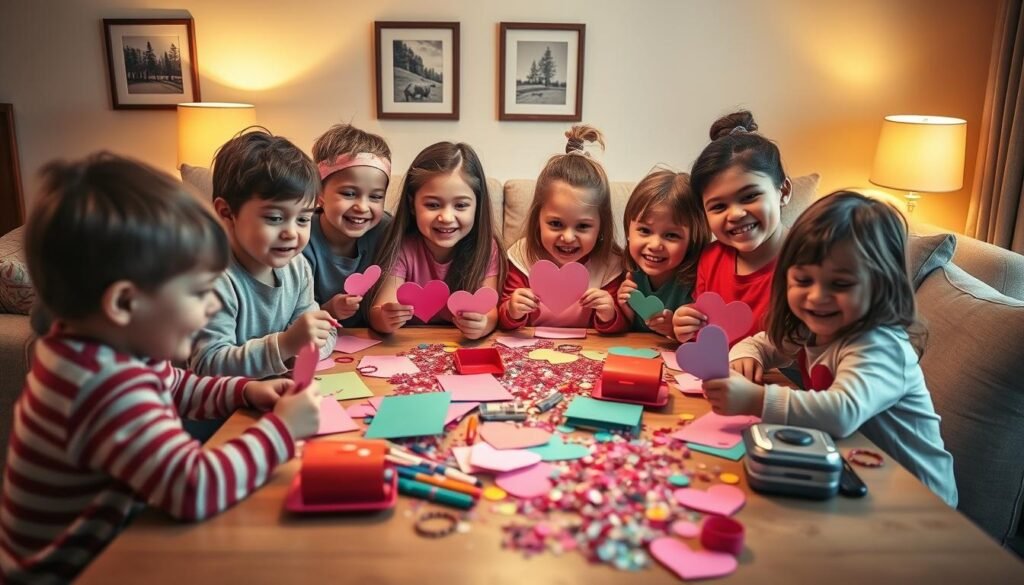
Ready to turn construction paper into confetti masterpieces? Classrooms nationwide morph into craft labs every February, where kids engineer giggles and glue-stick chaos. I’ve seen third graders create pop-up cards wilder than TikTok trends—think dancing tacos with “You’re nacho average friend!” messages.
Creative DIY Craft Ideas to Spark Joy
Grab scissors and leftover wrapping paper—yes, recycled materials work perfectly! Here’s my fail-proof method:
Fold pink paper into quarters, cut half-heart shapes along the edges
Unfold to reveal four symmetrical hearts (magic!)
Write puns like “You’re un-bee-lievable” with glitter markers
Attach lollipops as “flower stems” with washi tape
Last year, a student made valentine day cards using cereal box cardboard. Genius! Teachers often get swarmed with these creations—one colleague received 37 greeting cards in a single day. Why? Because children instinctively know educators deserve love notes too.
Material
Kid Hack
Teacher Approval
Old Magazines
Collage backgrounds
♻️ Eco-friendly win
Bottle Caps
Mini message holders
⚠️ Watch for choking
Fabric Scraps
Textured hearts
🌟 “So creative!”
Pro tip: Let friends swap silly stickers instead of sweets. Less sugar rush, more shared laughter. And if your card ends up looking like a glitter tornado? Perfect. Imperfections make memories.
Global Celebrations and Alternative Traditions
What if I told you some countries swap kitchen knives instead of chocolates? Across the world, February 14th gets creative makeovers that’d make Cupid do a double take. Let’s explore how different cultures flip the script on love—and why friendship often steals the spotlight.
Japan’s women kick things off on Valentine’s day by gifting chocolates to coworkers and crushes. But here’s the twist: Men return the favor a month later on White Day—with triple the candy value. Meanwhile, in Argentina, July’s “Sweetness Week” lets people exchange kisses for caramel treats. I’d trade a Hershey’s bar for that deal!
Latin America’s “Día del Amor y la Amistad” (Love and Friendship Day) puts pals on equal footing with partners. Stores sell twin-pack gifts labeled “para él y ella” (for him and her), making platonic love as celebrated as romance. Even better? Estonia declared February 14th a friendship-only zone. Their anti-romance law? Pure genius.
Recognizing Self-Love and Friendship in Unique Ways
South Korea takes self-care seriously with “Black Day” on April 14th. Singles dress in head-to-toe black and bond over bowls of dark noodles. It’s like a solidarity feast for the happily unattached. Over in Finland, friends swap homemade gifts called “ystävänpäivä” cards—think glitter-free affirmations like “You’re my favorite human.”
Country
Tradition
Focus
Japan
White Day Returns
Reciprocal gifting
Finland
Ystävänpäivä Cards
Friendship bonds
South Korea
Black Day Noodles
Self-acceptance
What surprises me? Many modern men and women now celebrate “Galentine’s Day” on February 13th—a day for honoring female friendships. From brunch dates to DIY spa nights, it’s proof that love isn’t confined to romantic boxes. And honestly? That’s the kind of global upgrade we all need.
Wrap-Up: Sharing the Love Beyond Romance
Who decided love notes needed rules? From goat-hide rituals to pickle-shaped cards, we’ve uncovered wild facts valentine enthusiasts rarely discuss. What sticks with me? How a forbidden saint’s defiance birthed traditions that now celebrate teachers, pals, and even that kid who shares their glue sticks.
Handmade creations still rule the day. Whether it’s Estonian mitten chocolates or classroom glitter bombs, these gifts remind us: loved ones aren’t just romantic partners. They’re the people who laugh at your puns, tolerate your glitter messes, and maybe—just maybe—deserve a lollipop-flower card.
History’s funny, isn’t it? Ancient matchmaking festivals evolved into greeting card empires. Yet today’s trends feel refreshingly human—like South Korea’s noodle solidarity feasts or Finland’s friendship-first approach. Even Chaucer couldn’t predict how his bird metaphors would inspire emoji-filled notes.
So grab that red paper. Fold, cut, scribble. Honor the loved ones who make your world brighter—in all the quirky, unexpected ways. After all, traditions shift with the times, but creativity? That’s timeless. What’ll you craft next…?