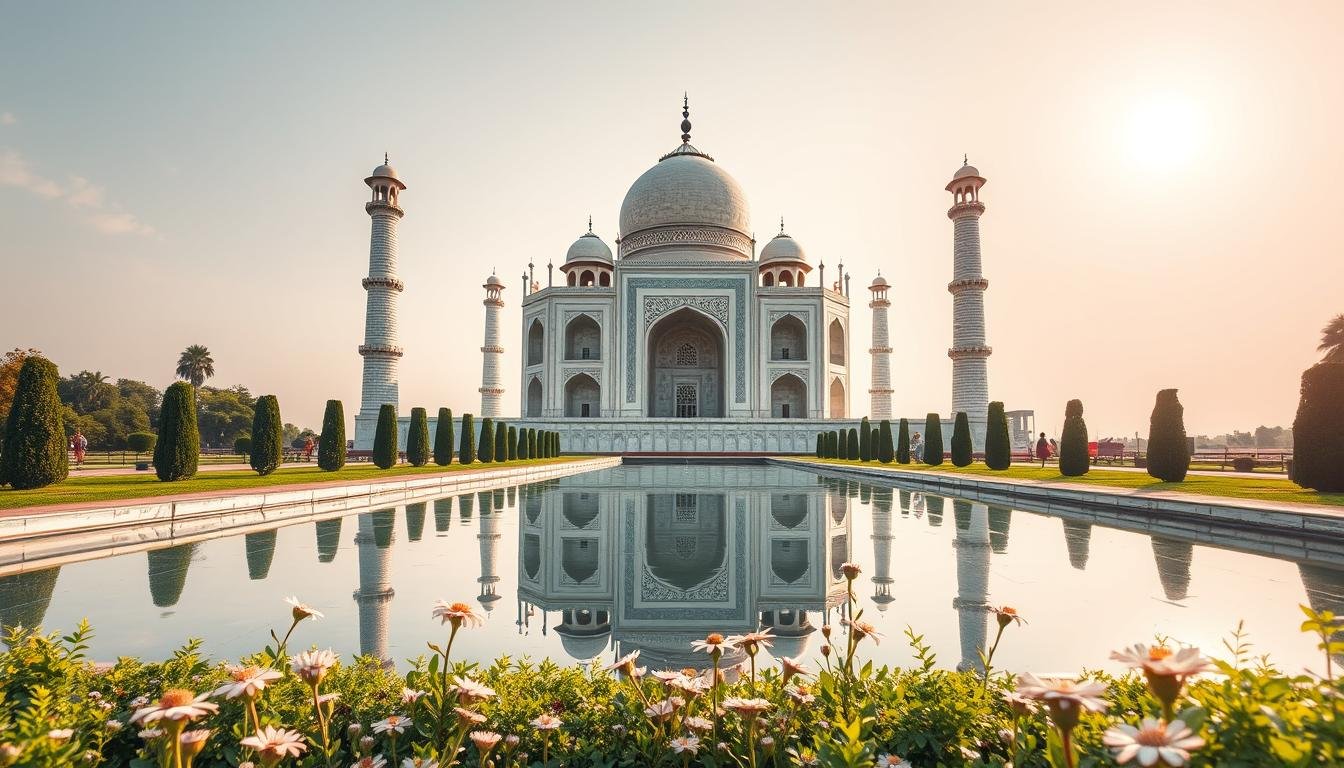
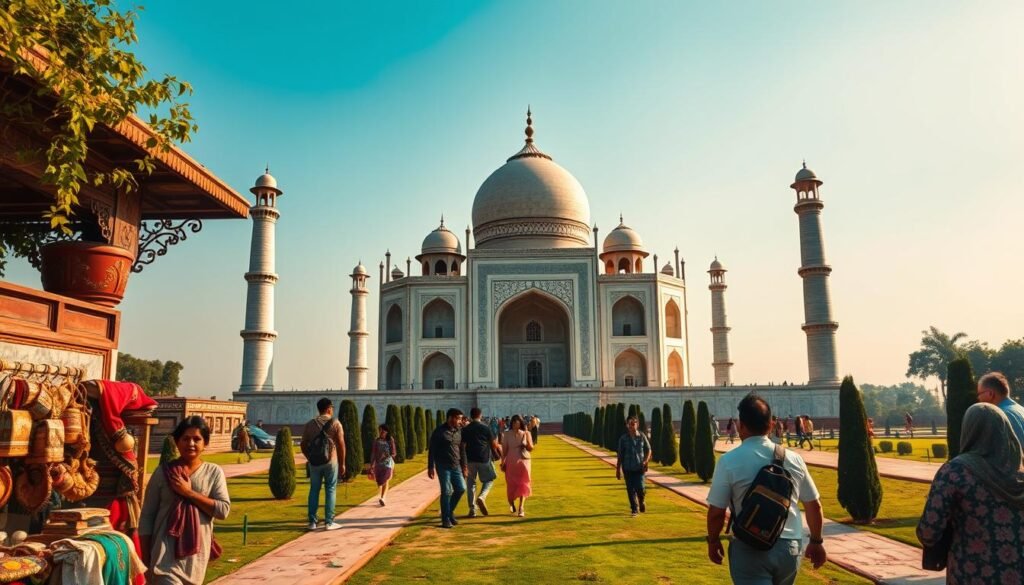
Let’s cut to the chase: this ivory-white wonder isn’t just a pretty building—it’s a 17th-century emperor’s extreme love letter to his wife. Shah Jahan, the ruler who ordered its construction, basically said, “I’ll build you a marble palace so epic, people will talk about it 400 years later.” Spoiler alert: He nailed it.
Imagine 20,000 workers sweating for 22 years (that’s longer than most modern skyscrapers take!) to create this riverside masterpiece in Agra. The Yamuna River location wasn’t random—it reflects perfectly in the structure, making the whole thing look like a floating jewel at sunrise. Fun fact: Workers used 1,000 elephants just to haul materials. Talk about overachieving!
Here’s the kicker: While most royal tombs feel cold, this world heritage site mixes Persian flair with Indian craftsmanship. The dome? Designed to look like a droplet of water. The marble? Changes color from pinkish dawn to golden sunset. And get this—Shah Jahan planned a black marble twin across the river. Budget cuts? Maybe. Drama? Definitely.
Why should kids care? Because hidden in those walls are stories about secret tunnels, gemstones smuggled in camel saddles, and an emperor who nearly got buried here himself. Ready to uncover more? Let’s dig into the marble madness.
Captivating Taj Mahal Facts for Kids
Picture this: a grieving emperor spends 16 years and 32 million rupees (about $1 billion today!) to honor his favorite wife. That’s exactly what happened when Mumtaz Mahal died during childbirth in 1631. Construction kicked off in 1632, with architects blending Persian symmetry and Hindu floral patterns into what became a UNESCO World Heritage Site.
From Broken Hearts to Blueprints
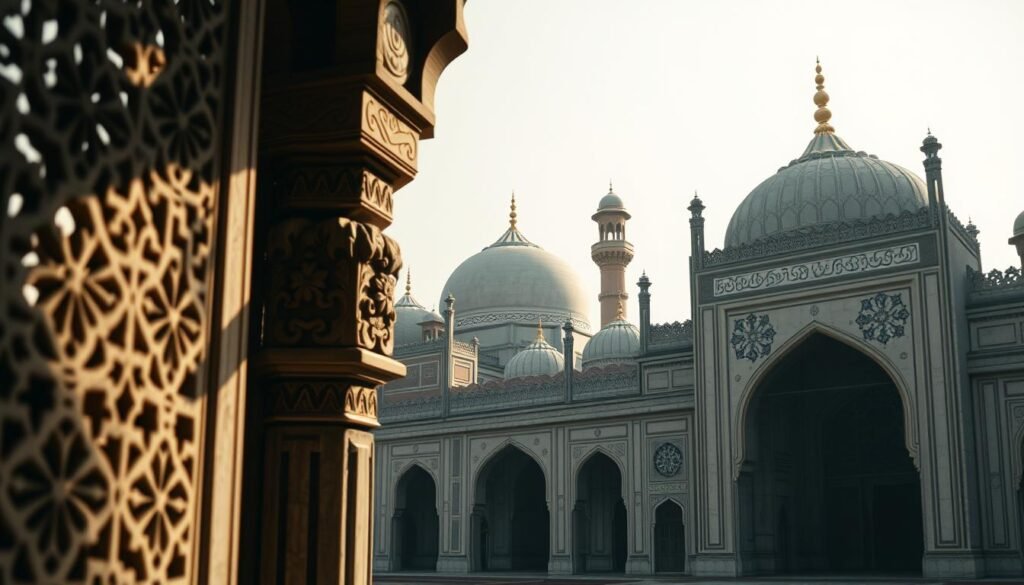
Shah Jahan didn’t just want a tomb—he demanded a symbol of eternal love. Master builder Ustad Ahmad Lahori delivered, using local white Makrana marble that took 12,000 laborers to shape. The entire complex mirrors Islamic paradise gardens, complete with reflecting pools representing rivers of milk and honey.
Marble Magic & Hidden Messages
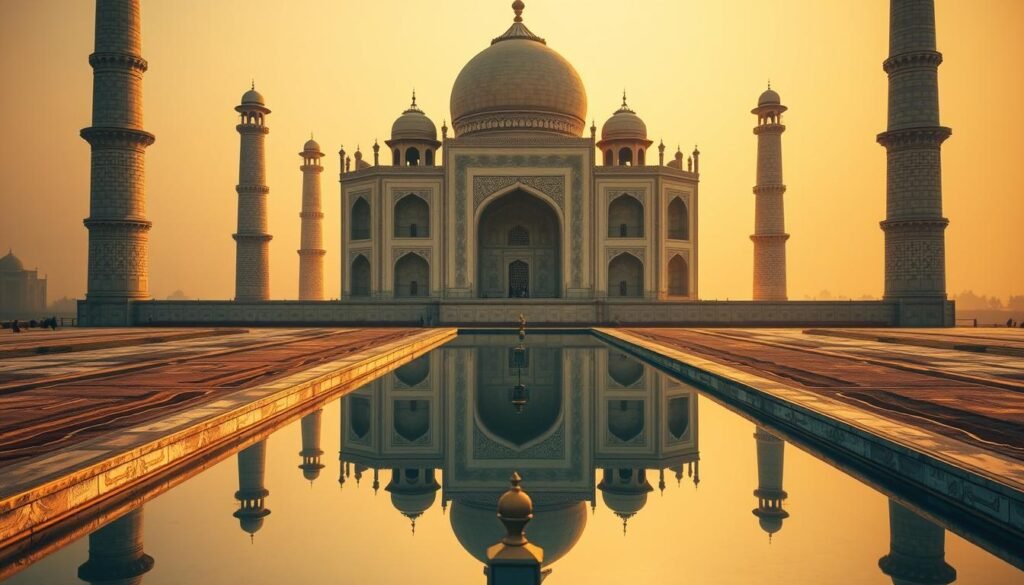
Here’s the cool part: the structure changes moods like a mood ring. Morning light turns it pinkish, noon makes it glow white, and moonlight gives it a blue tint. Workers embedded 28 types of precious stones into the marble—lapis lazuli from Afghanistan, jade from China—creating floral designs that feel real enough to pick.
Feature
Mughal Influence
Indian Craftsmanship
Materials
Persian arches
Local marble & sandstone
Design
Symmetrical layouts
Hand-carved floral patterns
Symbolism
Heavenly gardens concept
Elephant transport for materials
Think of it as a giant puzzle—every piece had to fit perfectly. Next up: how engineers made those slanted minarets and floating dome illusions work!
Architectural Marvels and Precise Construction
Hold onto your hats—this isn’t just a pretty building. It’s a 3D puzzle of optical tricks and engineering genius. Those four slender towers framing the main structure? They’re not just decorative. Each minaret tilts slightly outward, designed to fall away from the central tomb if earthquakes strike. Talk about forward-thinking safety measures!
Here’s where it gets wild: walk toward the main dome, and it seems to shrink. Architects used forced perspective—making distant elements appear larger—to create this visual magic trick. The 23-meter-high onion dome uses precise proportions to look massive from afar but elegantly balanced up close. It’s like the world’s most sophisticated ”now you see it” illusion.
Treasure Hunting for Materials
Building this required a global scavenger hunt. Workers hauled white Makrana marble from Rajasthan quarries—300 km away! Precious stones weren’t local either. Lapis lazuli came from Afghanistan, jade from China, and turquoise from Tibet. Imagine caravans of camels lugging these gems across continents!
Material
Source
Purpose
Makrana Marble
Rajasthan, India
Primary structure
Lapis Lazuli
Afghanistan
Floral inlays
Jade & Crystal
China
Decorative accents
Every sunrise transforms the marble’s hue—pinkish at dawn, glowing white by noon, bluish under moonlight. This chameleon effect wasn’t accidental. Artisans embedded stones at angles to catch light differently throughout the day. Next up: the wild stories behind these construction feats!
Historical Narratives and Real-World Anecdotes
Here’s the real tea: Shah Jahan didn’t just lose his wife—he sparked a construction revolution. When Mumtaz Mahal died in 1631, the emperor poured his grief into a 22-year project that ate up 5% of his empire’s wealth. That’s roughly $1 billion today! Workers from as far as Turkey and Iran joined 20,000 Indian artisans, creating what I call the ultimate group project.
Shah Jahan’s Tribute and the Role of Mughal Tradition
Mughal rulers loved grandeur, but this was personal. Royal records show Shah Jahan visited the site daily, tweaking designs like a perfectionist influencer. The white marble wasn’t just pretty—it symbolized purity in Islamic tradition. And those intricate floral patterns? They weren’t just decor. Mughal art used flowers to represent paradise, making the mausoleum a literal heaven on earth.
Timelines, Labor Contributions, and Debunking Urban Legends
Let’s set the record straight: no, workers didn’t lose their hands. That creepy myth started in 1960s tourist pamphlets! Payroll documents prove artisans earned bonuses—some even got lifetime pensions. Sure, the main structure wrapped in 1648, but gemstone inlays kept craftsmen busy until 1653. Talk about overtime!
Fun twist: Shah Jahan’s own tomb was an afterthought. His son Aurangzeb added it posthumously, breaking the perfect symmetry. Proof even emperors can’t control everything. But how does this 17th-century love letter play in today’s world? Stay tuned—we’re jumping to present-day adventures next.
Cultural Impact and Modern-Day Tourism Insights
Step through the giant red sandstone gate, and boom—the marble wonder hits you like a time machine. Over 40,000 visitors flood this site daily, creating energy akin to a sold-out baseball game. But here’s the twist: UNESCO’s 1983 World Heritage stamp means every selfie-taker helps fund preservation work. Smart, right?
Visitor Stats, Heritage Status, and Tour Tips for Families
Weekends get wild—crowds double as locals flock here. Pro tip? Aim for sunrise slots (6 AM opening). You’ll beat the heat and watch the dome shift from pearly white to soft gold. Bonus: Foreigners pay ₹1100 ($15), while Indian residents pay ₹50. Kids under 15? Free!
Maintaining this structure isn’t cheap. Recent rules limit visits to 3 hours max to reduce foot traffic damage. Guides whisper that night tours (8-12 PM) offer moonlit magic—but book months ahead. My hack? Pack sketchbooks for kids to draw minarets while waiting in lines.
Tip
Reason
Best Time
Arrive early
Beat crowds & heat
6-8 AM
Weekday visits
40% fewer people
Tuesday-Thursday
Hire local guide
Spot hidden stones inlay
Any daylight hours
Fun fact: The gardens use Mughal-era irrigation! Channels mirror Islamic paradise rivers, keeping lawns lush despite Uttar Pradesh’s scorching summers. And that iconic bench where Princess Diana posed? Still there—polished shiny by millions of replicating the shot.
As sunlight fades, the marble seems to breathe, storing daytime warmth. It’s no wonder this architecture sparks “bucket list” dreams worldwide. But what happens when 400-year-old love meets 21st-century crowds? Let’s explore final reflections…
Final Reflections on the Architectural and Cultural Icon
What strikes me most isn’t just the grandeur—it’s how this marble marvel refuses to be boxed into history. Centuries later, its play of light still sparks debates among architects. Dawn paints it blush-pink, noon sharpens its white glow, and twilight drapes it in mystery. Every shift feels like Shah Jahan whispering, “Look closer.”
Those leaning minarets and domed silhouette? They’re more than design triumphs. They’re proof that raw emotion can shape stone. The emperor’s grief birthed a tomb so alive, it’s now a global building icon. Even the gardens, mirroring paradise, challenge us: Can beauty outlast empires?
Here’s the kicker—this mausoleum keeps evolving. Once a royal secret, it’s now a canvas for every visitor’s wonder. Kids spot hidden lotus carvings. Historians decode Persian poems inlaid with jade. And somewhere, Mumtaz Mahal’s story still tugs heartstrings.
So what’s next? Maybe you’ll visit. Or maybe you’ll dig deeper into those shimmering walls. Either way, this isn’t an ending—it’s an invitation. After all, true icons don’t settle for conclusions. They thrive in the “What if?”