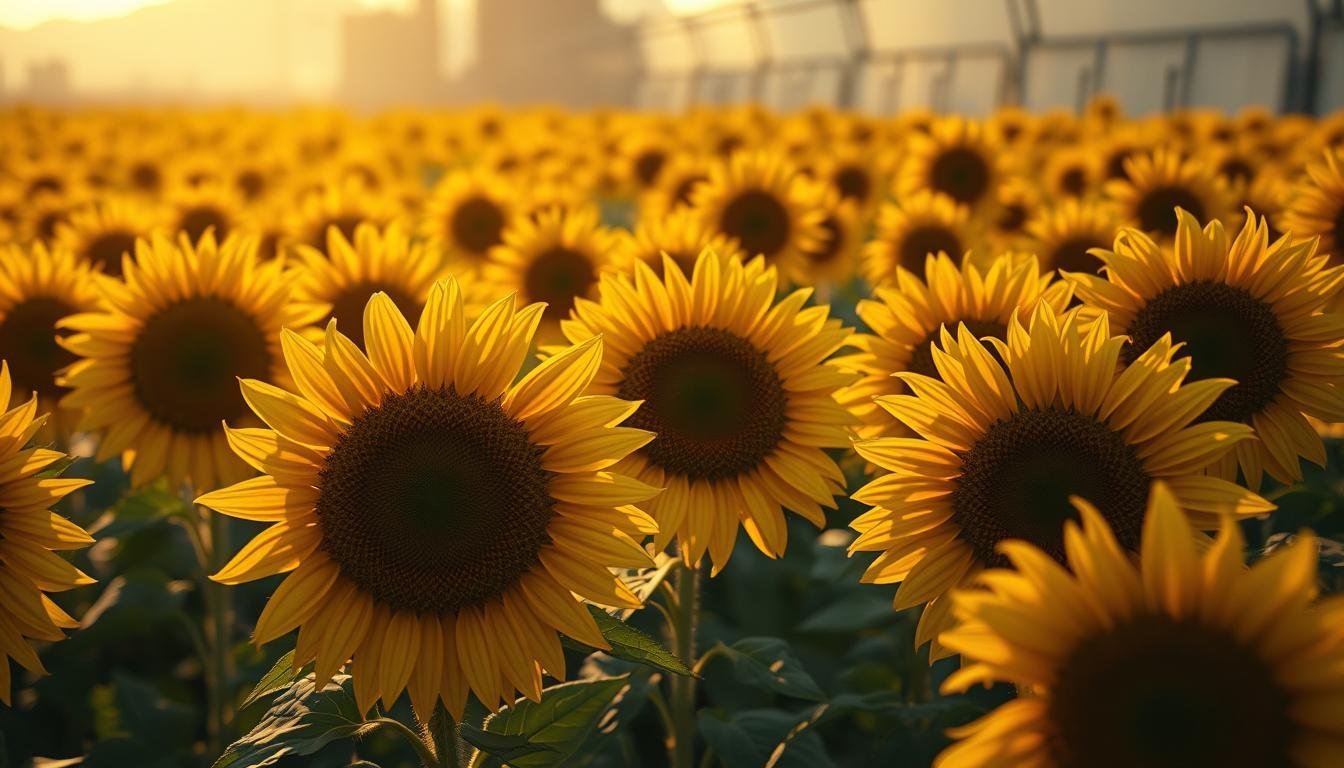
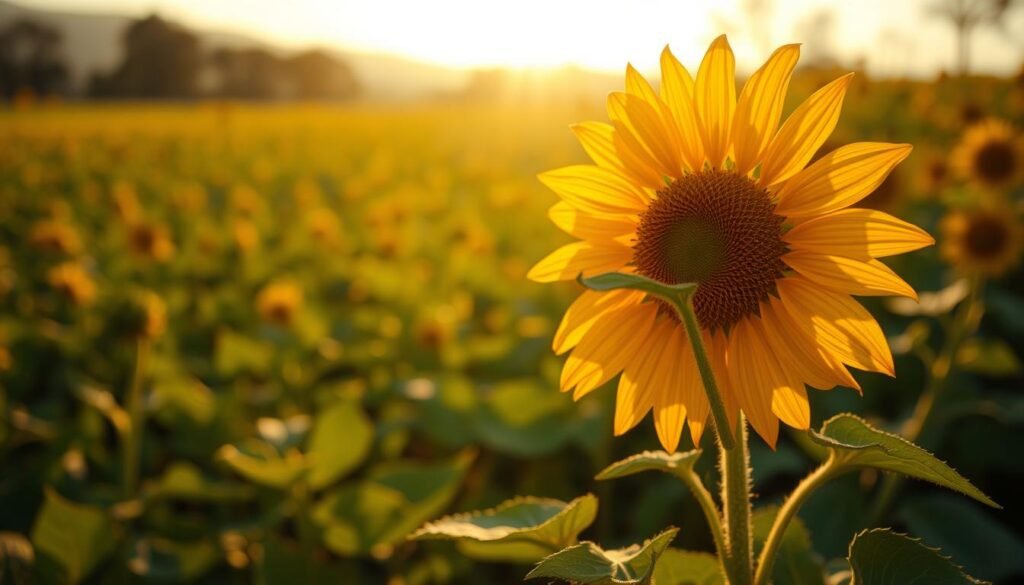
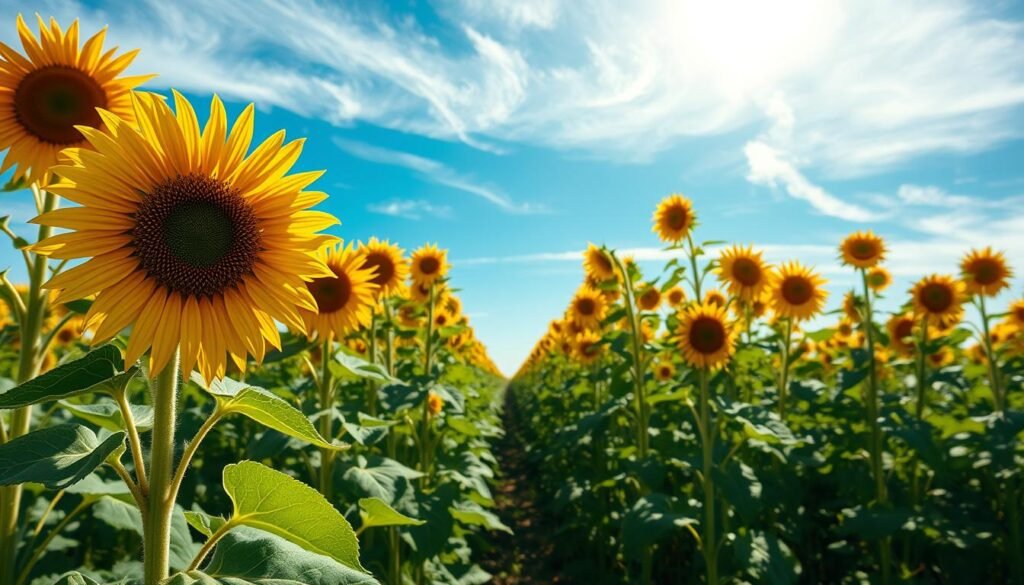
Sunflowers are nature’s most incredible sun-following flowers. They track sunlight like living solar panels! These amazing plants have jaw-dropping tricks that will make young science enthusiasts sit up and take notice.
Native to North America, sunflowers have been cultivating their solar superpowers for thousands of years. Kids fascinated by sunflower facts will discover these plants aren’t just tall and yellow – they’re living, breathing botanical marvels that dance with daylight.
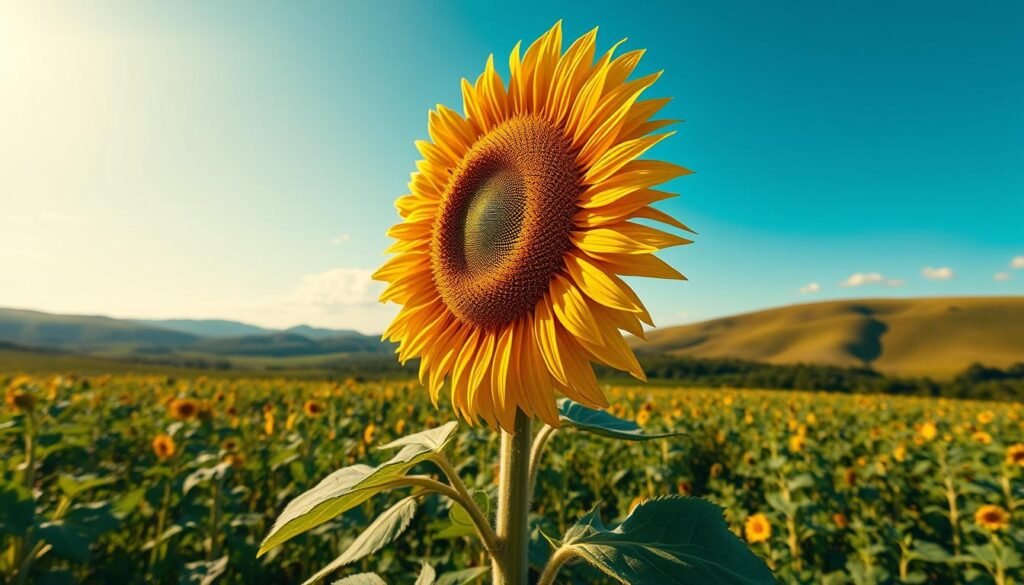
Imagine a flower that can grow taller than your dad and move its head to follow the sun’s path. Young explorers will be stunned to learn how these plants use heliotropism – a fancy science word for sun-tracking – to maximize their energy absorption.
From their massive flower heads to their ability to turn and face different directions, sunflowers represent one of nature’s most remarkable botanical engineering projects. These sun-following flowers are like living science experiments right in your backyard!
Get ready to unlock the secret world of these golden giants. We’re about to reveal sunflower facts that will transform how you see these incredible plants forever.
Ancient Origins: How Native Americans First Grew These Golden Giants
Native American sunflowers were more than just plants. They were survival heroes. Tribes across North America turned these golden giants into something amazing. Before European explorers came, Native Americans had already perfected growing sunflowers.
Imagine ancient Native American gardens full of sunflowers. These plants were vital:
Nutritious food source
Medicinal treatments
Spiritual and ceremonial significance
Dye production
Oil extraction
The Hopi, Zuni, and Navajo tribes were experts at growing sunflowers. They saw these plants as a link to the earth. Archaeologists found evidence that Native Americans started growing sunflowers around 3000 BCE in the southwestern United States.
When Spanish conquistadors saw these plants, they were amazed. They took sunflower seeds back to Europe, starting a big change in farming. Native American ways of growing sunflowers spread all over the world, changing how people saw and used them.
Sunflowers meant more than just food to Native American communities. They stood for life, nourishment, and deep spiritual ties to nature. Every seed planted showed respect for the land and the wisdom of past generations.
The Science Behind Sunflowers’ Sun-Following Magic
Imagine a plant that dances with sunlight! Sunflowers are nature’s solar tracking champions. They perform an incredible botanical ballet called heliotropism. These golden giants have a remarkable ability to move and track the sun’s path across the sky.
The sunflower movement is a fascinating display of plant intelligence. Young sunflowers engage in an impressive daily routine:
Follow the sun from east to west during daylight hours
Rotate their faces to maximize solar exposure
Utilize a unique plant solar tracking mechanism
Morning East to West Dance
During their early growth stages, sunflowers perform a mesmerizing solar tracking dance. Their stems contain special motor cells that allow them to turn gradually, tracking the sun’s movement. This dynamic behavior helps them capture maximum sunlight for photosynthesis.
Why Mature Flowers Face East
As sunflowers mature, their solar tracking behavior changes dramatically. Fully grown flowers typically face east, creating a strategic position for absorbing morning sunlight. This orientation helps them warm up faster and optimize energy production.
Solar Panel Similarities
Sunflowers are nature’s living solar panels. Their ability to track and absorb sunlight mirrors human-designed solar technology. By positioning themselves optimally, these plants demonstrate an incredible natural adaptation that scientists continue to study and admire.
Amazing Height Records: From Tiny Seeds to Tower-Tall Plants
Sunflowers are nature’s skyscrapers, growing from tiny seeds into giants. They can grow several inches in just one day. This makes their growth records truly amazing.
The Guinness World Records has a sunflower that stands at 30 feet and 1 inch tall. That’s taller than a giraffe on its hind legs! These plants start as small seeds but can grow very tall.
Fastest growing plant in the garden
Can grow several inches per day
Reaches impressive heights in just a few months
Sunflowers grow very fast. They can grow several inches in a day. Gardeners and plant lovers watch them grow from small seedlings to tall plants.
Their growth is due to sunlight, water, and good soil. Some say watching sunflowers grow is like seeing a time-lapse video in real-time.
Not all sunflowers will grow as tall as records, but their growth is always exciting. Whether you garden or love plants, following sunflower growth records is fun and rewarding.
Inside a Sunflower: More Than Just One Big Flower
When you look inside a sunflower, you find a world of wonder. It’s not just a big yellow flower. Instead, it’s a complex ecosystem of tiny wonders working together in harmony.
Ray Florets vs Disc Flowers: A Floral Collaboration
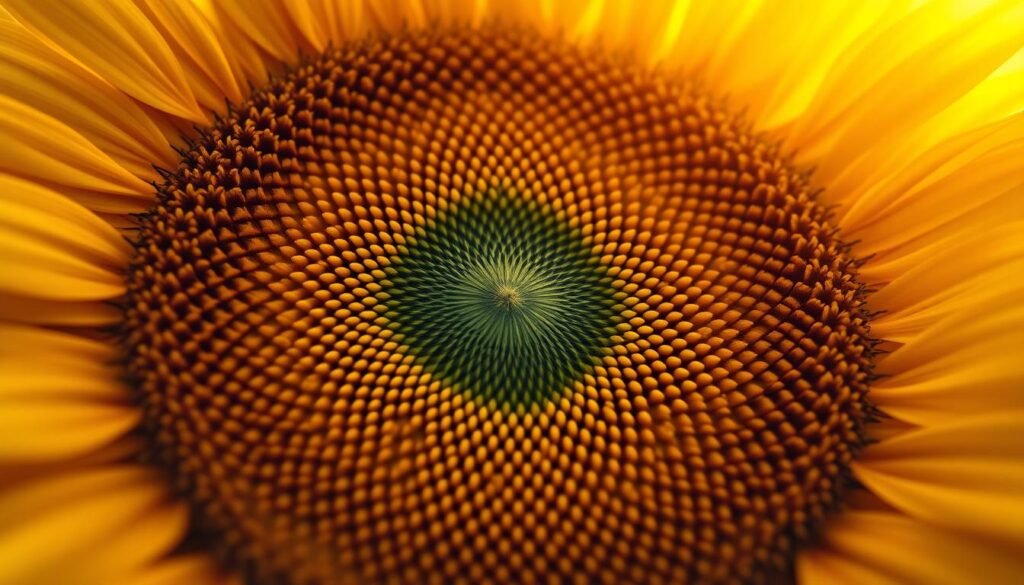
The sunflower’s design is truly amazing. The bright yellow “petals” are actually individual flowers called ray florets. The dark center is full of hundreds of tiny disc flowers, all working together to create something beautiful.
Ray florets: Bright yellow outer “petals”
Disc flowers: Small central flowers
Total flower count: Can reach thousands in one sunflower head
The Mathematical Pattern Magic
Fibonacci in sunflowers is not a coincidence. It’s a perfect mathematical dance. The disc flowers spiral in a pattern that follows the Fibonacci sequence. This creates a mesmerizing natural geometric design that scientists and mathematicians find fascinating.
Nature’s Living Calculator
Imagine a flower that’s a living mathematical puzzle. The sunflower’s spiral arrangement of seeds shows how math exists everywhere in nature. Each flower head is a beautiful example of how numbers and nature come together in perfect patterns.
Sunflower Facts for Kids: Nature’s Most Fascinating Plant
Hey junior botanists! Are you ready to learn some cool sunflower facts? These tall, bright flowers are more than just pretty. They’re nature’s superheroes!
Sunflowers are amazing. They can move with the sun, clean polluted soil, and host big pollinator parties. They attract many tiny visitors:
Busy bees
Fluttering butterflies
Zippy hummingbirds
Curious beetles
Our plant science journey shows us sunflowers’ incredible secrets. Did you know they follow the sun like pros? They’re like nature’s solar panels!
Sunflowers are also super adaptable. They can grow in many places, from gardens to tough landscapes. Their ability to survive teaches us about being flexible.
Scientists are always finding new things about sunflowers. Each one is like a tiny universe, full of patterns, designs, and magic!
Rainbow of Colors: Not Just Yellow Blooms
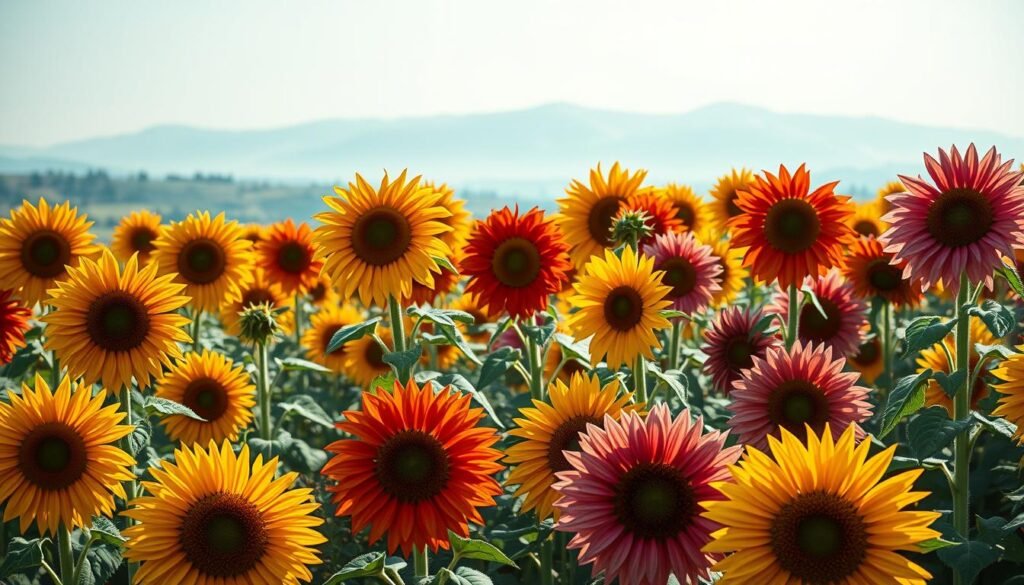
Sunflowers are nature’s most vibrant color chameleons. Forget everything you thought you knew about these golden giants – they’re not just yellow anymore! Sunflower colors range from soft pale yellows to blazing oranges, deep maroons, and even stunning bicolor combinations that’ll make your garden look like an artist’s palette.
Let’s dive into the wild world of sunflower varieties that will totally transform your understanding of these incredible plants:
Color Spectrum: Sunflowers come in an amazing range of sunflower colors including:
Bright golden yellow
Deep bronze
Fiery red
Soft peach
Rich maroon
Surprising Sunflower Shades
I’ve seen sunflower varieties that look like they’ve been dipped in a sunset! The ‘Chocolate Cherry’ variety sports deep burgundy petals that look almost too beautiful to be real. Some gardeners call these color-changing flowers nature’s own mood rings.
Dwarf vs Giant Varieties
Size matters in the sunflower world! Dwarf sunflower varieties can be as tiny as 12 inches tall – perfect for container gardens or little gardeners just starting out. On the flip side, giant sunflower varieties can reach a mind-blowing 16 feet high! It’s like comparing a chihuahua to a great dane in the plant kingdom.
Dwarf Sunflower Highlights:
Compact size (12-24 inches tall)
Perfect for small spaces
Great for children’s gardens
Giant Sunflower Highlights:
Can grow up to 16 feet tall
Impressive landscape statement
Massive flower heads
Who knew sunflowers could be such colorful rebels? Whether you’re looking for a tiny splash of color or a towering garden centerpiece, there’s a sunflower variety waiting to surprise you!
Pollinator Paradise: Why Bees Love Sunflowers
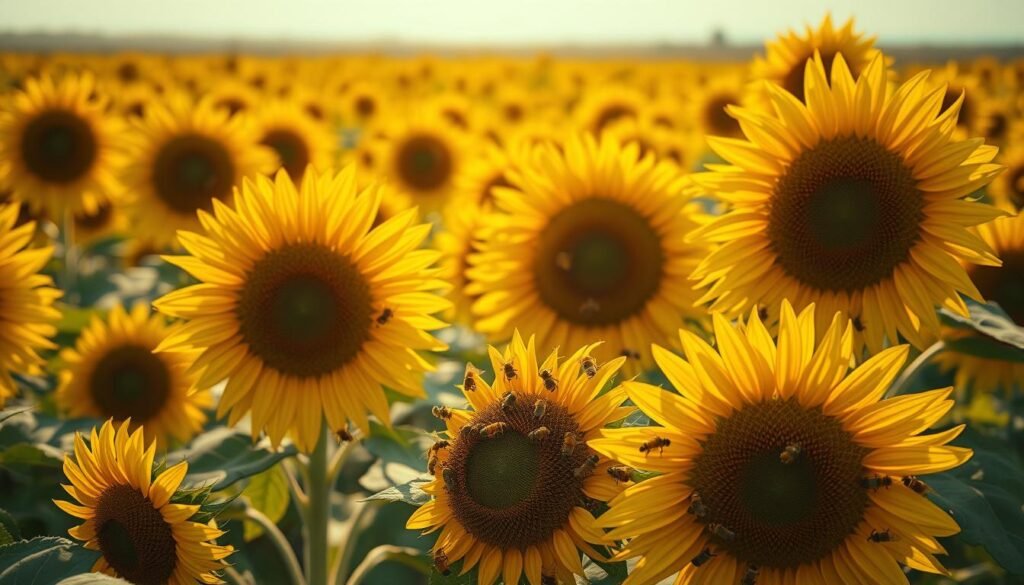
Sunflowers are a haven for bees and other insects. They are like a colorful buffet that draws pollinators from far and wide.
The design of sunflowers is truly special. Bees are attracted to them for several reasons:
They produce a lot of nectar, which is a key food source.
Their bright yellow petals act as natural guides for bees.
Each flower head has many feeding zones.
They also have rich pollen, which is vital for bees.
When bees visit sunflowers, it’s a win-win situation. The flowers provide a safe place for bees to land and find food. Bees get the pollen they need, and the sunflowers get pollinated. This helps both the bees and the plants thrive.
Many types of bees love sunflowers. Honeybees, bumblebees, and solitary bees all enjoy these flowers. They help keep the plants healthy and diverse.
By growing sunflowers, gardeners can help bees and support nature. They create spaces that are good for both bees and the environment.
Space-Traveling Seeds: Sunflowers in Zero Gravity
Imagine sunflowers reaching for the stars in a bold botanical experiment. NASA has taken these golden beauties to new heights – quite literally!
Astronauts found that sunflowers can thrive in tough environments. Don Pettit, a NASA astronaut, tested how these plants do in zero gravity on the International Space Station.
Cosmic Gardening Challenges
Growing sunflowers in space is not easy. The lack of gravity brings unique challenges:
Roots struggle to orient themselves
Water distribution becomes unpredictable
Photosynthesis works differently in zero gravity
Surprising Discoveries
Despite the challenges, sunflowers in space showed amazing adaptability. They managed to bloom, proving they are true cosmic survivors. The experiment gave us key insights into plant growth beyond Earth.
NASA’s plant experiments keep pushing the limits of botanical understanding. Sunflowers are natural ambassadors for future space agriculture. They could help humans grow gardens on distant planets.
Future of Space Botany
The journey of sunflowers in space is more than a scientific curiosity. It shows humanity’s incredible ability to grow life in extreme environments.
Natural Cleanup Crew: How Sunflowers Help the Environment
Sunflowers are nature’s superheroes. They offer amazing benefits through a process called phytoremediation. These golden plants do more than just look pretty – they’re powerful cleanup agents that can transform contaminated landscapes.
Phytoremediation is a groundbreaking ecological technique. Sunflowers act as natural decontaminants. Their extraordinary root systems can absorb and neutralize harmful toxins from soil and water, making them incredible environmental warriors.
Remove heavy metals from contaminated soil
Absorb radioactive elements after nuclear incidents
Clean water systems by filtering pollutants
Reduce soil contamination without invasive techniques
During the Chernobyl nuclear disaster, scientists discovered sunflowers’ remarkable ability. They can extract radioactive cesium and strontium from the environment. These resilient plants became critical in healing damaged ecosystems.
Environmental Challenge
Sunflower Remediation Capability
Heavy Metal Contamination
Absorb lead, zinc, and cadmium
Radioactive Pollution
Extract cesium and strontium
Water Pollution
Filter toxic chemicals and nitrogen
By harnessing sunflowers’ natural cleaning powers, we can develop sustainable solutions. These plants show nature’s incredible capacity to heal and regenerate contaminated landscapes.
From Garden to Kitchen: Edible Parts of Sunflowers
Sunflowers are more than just pretty faces in your garden. They are culinary chameleons, with a surprising array of edible parts. Every inch of this sunshine-colored plant is packed with flavor and nutrition.
Let’s explore the incredible world of sunflower cuisine. Nature has designed these plants as complete food sources. Each component offers unique tastes and textures.
Tasty Seeds and Oil Uses
Sunflower seeds are nutritional powerhouses. They’re rich in:
Protein
Healthy fats
Vitamin E
Minerals like magnesium
These tiny kernels can be roasted, salted, or transformed into delicious sunflower recipes. Cold-pressed sunflower oil offers a light, neutral flavor perfect for cooking and salad dressings.
Cooking with Sunflower Parts
Surprise! Almost every part of the sunflower is edible. Check out these culinary adventures:
Sunflower Part
Culinary Use
Seeds
Snacking, baking, salad topping
Petals
Salad garnish, tea brewing
Leaves
Salad greens, herbal tea
Sprouts
Microgreen garnishes
From seed to stem, sunflowers offer a unique culinary journey. Experiment with these edible sunflower parts and discover a world of flavor right from your garden!
The Greek Myth of Clytie and the First Sunflower
Greek mythology is full of amazing flower stories. The sunflower myth is one of the most interesting. It tells the tale of Clytie, a story of love turned into a flower.
Clytie’s story is a powerful symbol in Greek myths. She was a water nymph who loved Apollo, the sun god, deeply. She would watch Apollo’s chariot all day, from sunrise to sunset.
Clytie’s unwavering love became her defining characteristic
She watched Apollo’s journey from sunrise to sunset
Her obsessive dedication caught the attention of the gods
The gods were moved by Clytie’s love and turned her into a sunflower. This myth explains why sunflowers follow the sun, just like Clytie followed Apollo.
Mythological Element
Symbolic Meaning
Clytie’s Transformation
Eternal love and devotion
Sunflower’s Movement
Representation of unrequited passion
Apollo’s Rejection
Divine indifference to human emotions
The sunflower myth is a timeless story. It shows how old tales can teach us about nature. Next time you see a sunflower, think of Clytie’s story of love and change.
Van Gogh’s Special Connection to Sunflowers
Vincent van Gogh was more than a painter. He was a sunflower enthusiast who made these flowers famous. His sunflower paintings are legendary, showing the emotion and energy of these flowers.
Van Gogh created two amazing series of sunflower paintings. These works changed how we see sunflowers. His love for sunflowers was deep and passionate, exploring color, light, and beauty.
First series completed in Paris in 1887
Second series painted in Arles, France in 1888-1889
Produced approximately 11 paintings featuring sunflowers
His paintings were more than just flower pictures. They were emotional landscapes. Each stroke brought the sunflowers to life, making them symbols of hope, resilience, and passion.
Painting Location
Year
Number of Paintings
Paris
1887
4
Arles
1888-1889
7
Van Gogh’s sunflower collection is more than art. It shows his unique vision and ability to find beauty in everyday things. These paintings inspire artists and art lovers everywhere, showing that creativity has no limits.
Record-Breaking Sunflower Facts and Numbers
Sunflower world records show how amazing these plants are. They can grow very tall and have huge flower heads. This amazes gardeners and plant lovers all over the world.
Sunflowers are a true wonder of nature. They have records that will make you look at them in a new way. Let’s explore some amazing facts!
Reaching for the Sky: Tallest Sunflower Ever
Hans-Peter Schiffer from Germany grew a sunflower that was incredibly tall. It reached 30 feet and 1 inch high! This plant was:
Taller than a two-story house
Almost as high as a basketball court is long
A true giant in the plant kingdom
Flower Power: Biggest Sunflower Head
Emily Martin from British Columbia, Canada, grew the largest sunflower head. It was 82 cm (32.25 inches) in diameter. This flower was almost as big as a dinner plate!
Record Type
Measurement
Record Holder
Location
Tallest Sunflower
30 feet 1 inch
Hans-Peter Schiffer
Germany
Largest Flower Head
32.25 inches
Emily Martin
British Columbia, Canada
These sunflower world records show how incredible these plants are. Whether you love gardening or just enjoy nature, these sunflowers are truly special!
Growing Your Own Sunflower Garden Adventure
Want to create your own slice of golden sunshine? Sunflower gardening tips start with understanding these incredible plants. Growing sunflowers is easier than you might imagine. They thrive in warm conditions and bring instant joy to any garden space.
When learning how to grow sunflowers, timing matters. Choose a sunny spot with well-draining soil and plant seeds after the last frost. Spring and early summer offer perfect planting windows. Pro tip: space seeds about 6 inches apart and watch them transform from tiny kernels into magnificent towers reaching toward the sky.
Continuous blooming requires strategic planting. Sow new seeds every few weeks from late spring through summer to ensure a constant parade of sunflowers. Different varieties offer unique heights and colors – from dwarf options perfect for containers to giant varieties that can reach 12 feet tall. Water consistently, protect young seedlings from hungry birds, and enjoy your blossoming botanical adventure!
Your sunflower garden will become a magnet for pollinators, creating a vibrant ecosystem right in your backyard. With minimal effort, you’ll cultivate a stunning display that captures summer’s radiant spirit and brings endless visual delight to your outdoor space.