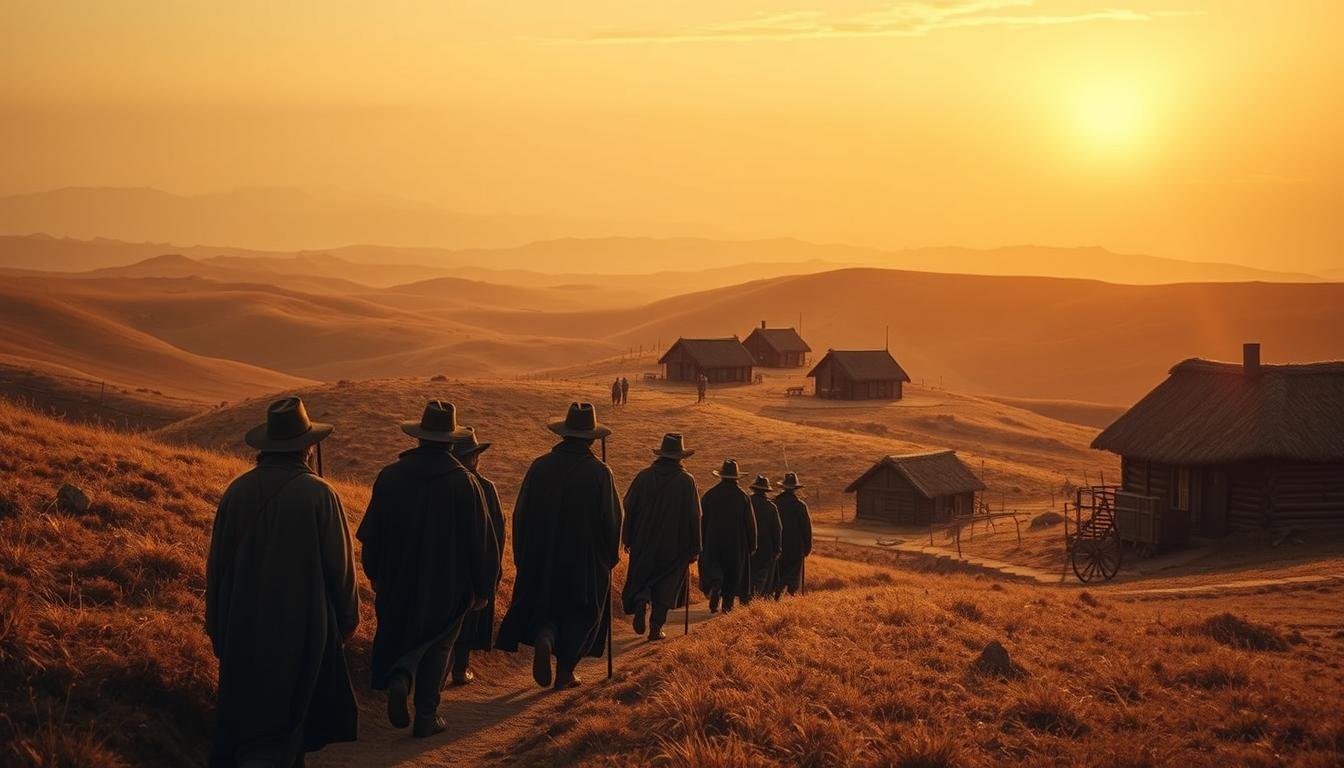
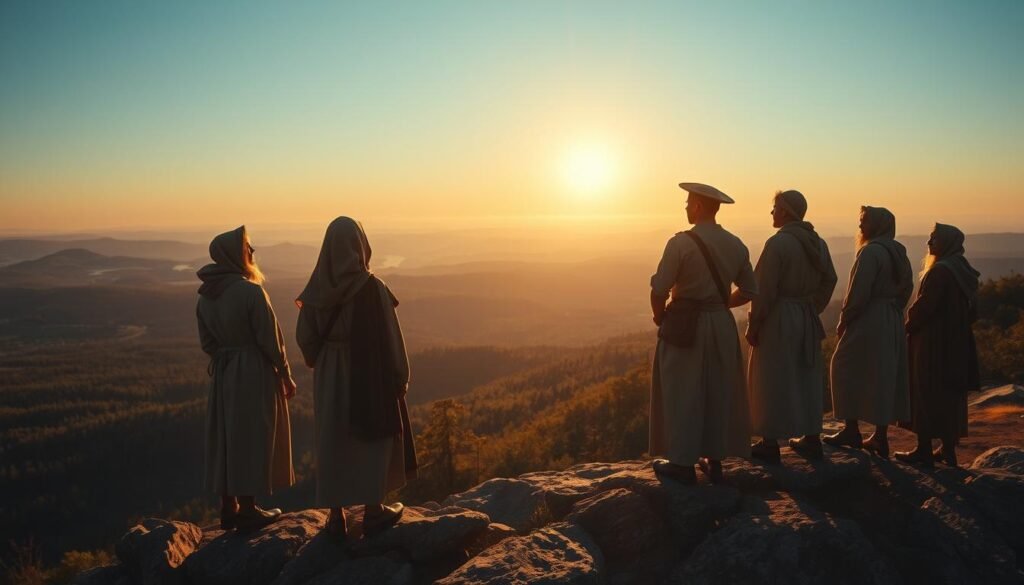
Let’s cut through the turkey-shaped fluff: the first Thanksgiving wasn’t a Hallmark movie. Picture this: 102 folks crammed on a creaky wooden ship for 66 days, eating stale biscuits and dodging storms. Why? They wanted to pray their way without getting arrested. No kidding – that’s the real story behind the Plymouth Colony.
These weren’t just any travelers. Half were religious rebels called Separatists, sick of England’s rules. The other half? Regular Joes hoping for land. Their ride? The Mayflower – a cargo vessel with zero comfy cabins. Imagine sharing a bathroom with 30 strangers for two months. Pretty wild, right?
Here’s the kicker: only 53 people survived that first brutal winter. But when they finally threw that feast with the Wampanoag tribe, it wasn’t about pumpkin pie. It was raw survival and unlikely teamwork. I’ll bet your teacher never mentioned the men building shelters in snowstorms while women brewed pine-needle tea!
Want the full scoop on how this ragtag group changed history? Keep reading – we’re diving into the messy, smelly, awe-inspiring details next.
Setting the Stage: Why the Pilgrims Sought Change
Ever tried following rules that made zero sense to you? That’s daily life for the group we’re talking about. England in the 1600s wasn’t exactly a democracy – especially if your beliefs didn’t match the Church of England’s playlist.
Escaping Religious Persecution in Church England
Imagine getting fined for praying “wrong” or jailed for skipping Sunday service. That’s what happened to these settlers. The Church of England wasn’t playing nice – dissenters faced house raids, lost jobs, even prison. One guy, William Brewster, had to run a secret printing press in a chicken coop! Talk about commitment.
Their solution? Bail. But leaving home meant risking everything – no Google Maps, no travel insurance. Yet 102 people packed onto a ship smaller than a Walmart parking lot. Why? For a way to worship without hiding in barns.
Cultural Shifts and the Search for a Better Life
Not everyone aboard was religious. Half the colonists just wanted land and fresh starts. England’s economy stank worse than month-old fish – overcrowded cities, few jobs. The New World promised space to breathe and own property (something women couldn’t do back home).
Was the trip a guaranteed upgrade? Hardly. But when your life feels like a broken record, sometimes you roll the dice. These folks did – and accidentally became America’s original reality TV stars.
The Perilous First Winter in Plymouth
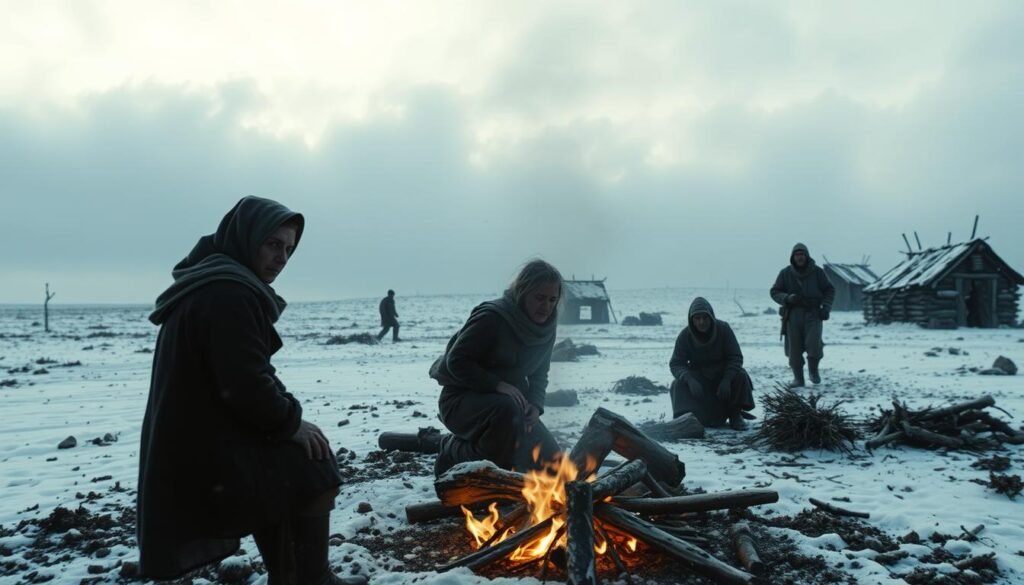
Winter hit like a sledgehammer. Imagine frostbite creeping through thin wool gloves while your stomach growls louder than the howling wind. This wasn’t hardship – it was a survival gauntlet that would make modern camping trips look like spa days.
Let me paint you a picture: temperatures dipped to -20°F. Settlers wore every layer they owned – even in bed. Food? Their “pantry” was three barley grains and a dried fish. William Bradford wrote about digging through frozen soil for buried corn, only to find Native American seed caches. No sugarcoating here – people gnawed on boiled leather when rations ran out.
Sleeping on the Mayflower and Facing Illness
The ship became a floating ICU. Passengers crammed below deck, breathing air thicker than clam chowder. Pneumonia spread faster than gossip. At one point, only six men could walk. You think COVID lockdowns were rough? Try sharing a flea-infested blanket with someone coughing up blood.
Challenge
Impact
Response
Extreme Cold
Frostbite, hypothermia
Huddled around fires day/night
Food Shortages
Starvation, weakness
Scavenged beaches for shellfish
Disease Spread
50% mortality rate
Herbal remedies & prayer
By spring, the colony had lost half its people. But those who survived? They’d just passed History’s hardest crash course in grit.
Voyages and Ship Setbacks: From Speedwell to Mayflower Compact
Hold onto your hats – this journey started with a shipwreck before they even left Europe. The colonists originally had two vessels: the Speedwell and the called Mayflower. Let’s just say the Speedwell lived up to its name…if “speed” meant leaking like a colander. After three false starts and enough repairs to bankrupt a king, they ditched the troublemaker. Everyone crammed onto the ship that remained. You wouldn’t believe the chaos – imagine 102 people playing musical chairs with their luggage!
Troubled Departures and Leaky Ships
Picture this: seasick passengers, rotting food, and a crew muttering about turning back. The voyage across the Atlantic took 66 days of pure misery. Storms tossed the ship like a bathtub toy, cracking beams and soaking bedding. One teenager nearly got swept overboard – they tied him to the mast with rope. Why stick it out? Because returning empty-handed meant debtors’ prison. Talk about motivation!
Drafting the Compact for a New Social Order
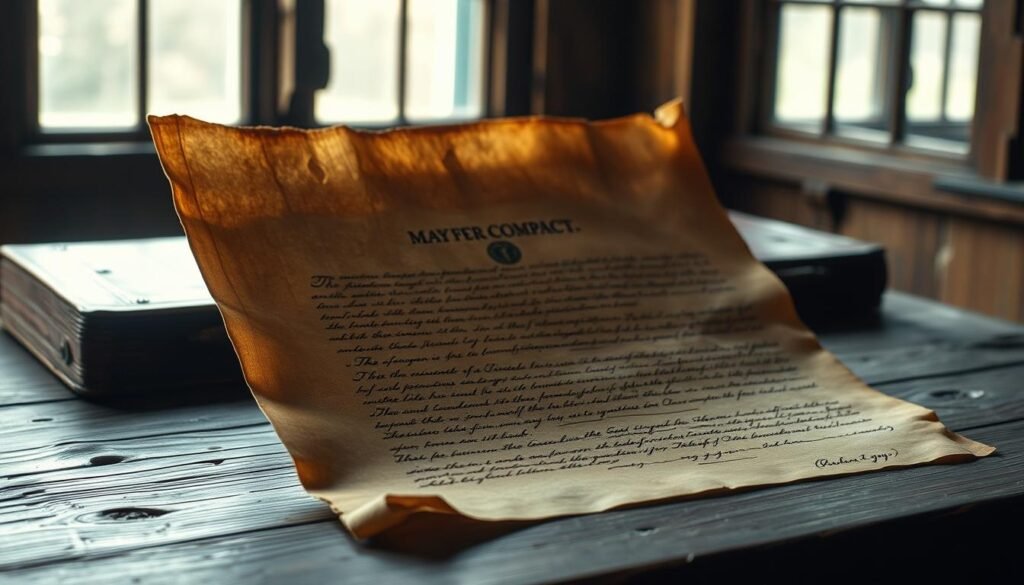
Here’s where it gets wild. When storms blew them off course to Cape Cod (not Virginia), arguments erupted. Half the group refused to follow the original rules. Solution? The Mayflower Compact – America’s first DIY constitution. Forty-one men signed it below deck, creating laws “for the general good.” No kings, no bishops – just neighbors agreeing not to strangle each other. Radical stuff for 1620!
Daily activities kept everyone busy:
Men took turns on watch duty
Women rationed moldy biscuits
Kids collected rainwater in buckets
The Mayflower Compact wasn’t perfect, but it glued this ragtag group of people together. Without it? They might’ve had a Lord of the Flies situation before spring. Turns out, writing rules while seasick builds character – and nations.
Pilgrim Facts for Kids: Unfiltered History and Curious Details
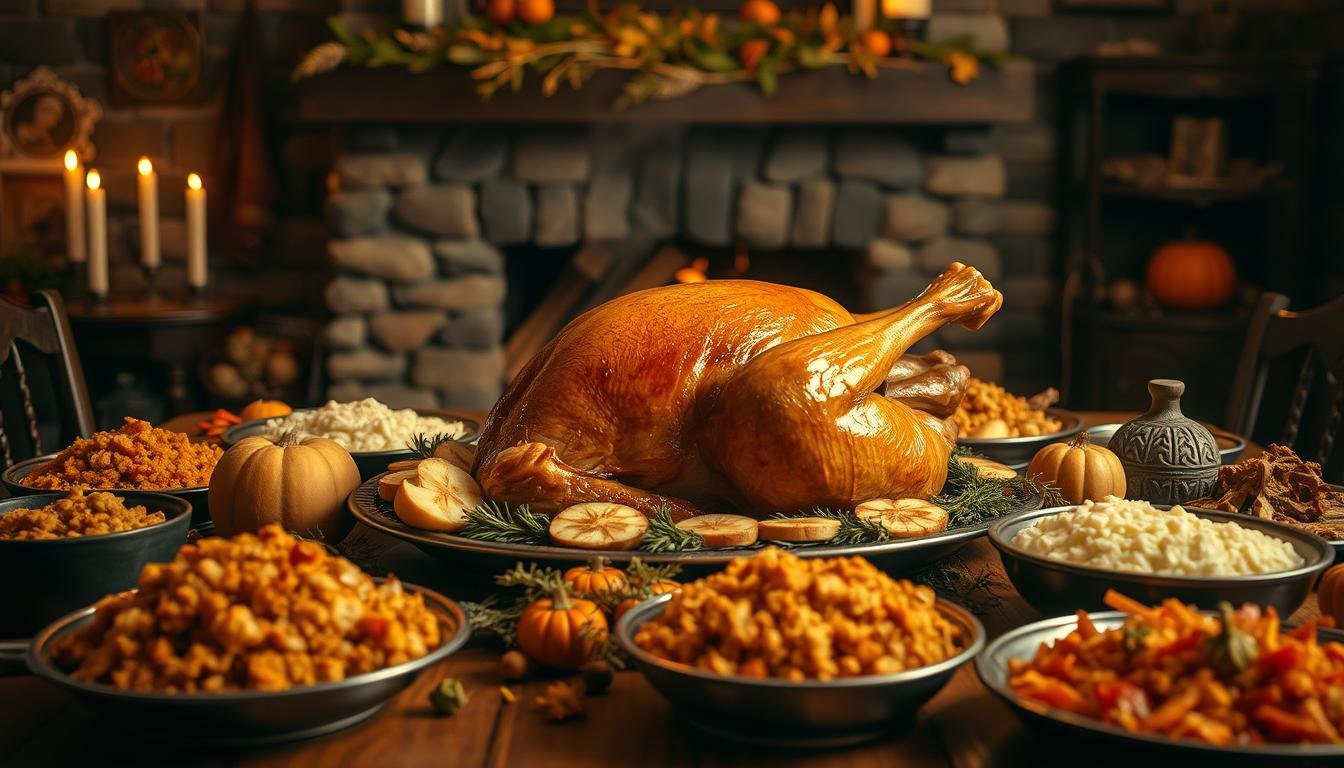
Think your school lunch is bad? Try surviving on three kernels of corn a day. That’s what settlers faced after their first harvest failed. No exaggeration here – their “feast” wasn’t Instagram-worthy. It was whatever they could scavenge: eels, deer meat, maybe a few wild turkeys. Forget cranberry sauce – they ate boiled acorns.
Real-Life Insights on the Pilgrims’ Hardships
Let’s get raw: William Bradford wrote about drinking seawater when wells froze. Colonists chewed tree bark to trick their stomachs. You wouldn’t believe the food situation:
Here’s the kicker – that famous feast in 1621? It lasted three days but had zero pies. Native Americans taught them to plant squash around corn stalks. Smart, right? Without that hack, the colony would’ve starved.
Leadership made all the difference. Governor Bradford rationed food fairly – even when his own wife drowned in the harbor. Kids as young as six hauled firewood. Every detail, from cracked ship planks to frostbitten toes, tells us one thing: survival wasn’t pretty.
So next time you see a Thanksgiving tableau? Remember the mud-stained truth. These people didn’t “settle” the New World – they fought for every scrap of land and meal. Now that’s unfiltered history.
Native American Encounters: Squanto, Samoset, and Unexpected Alliances
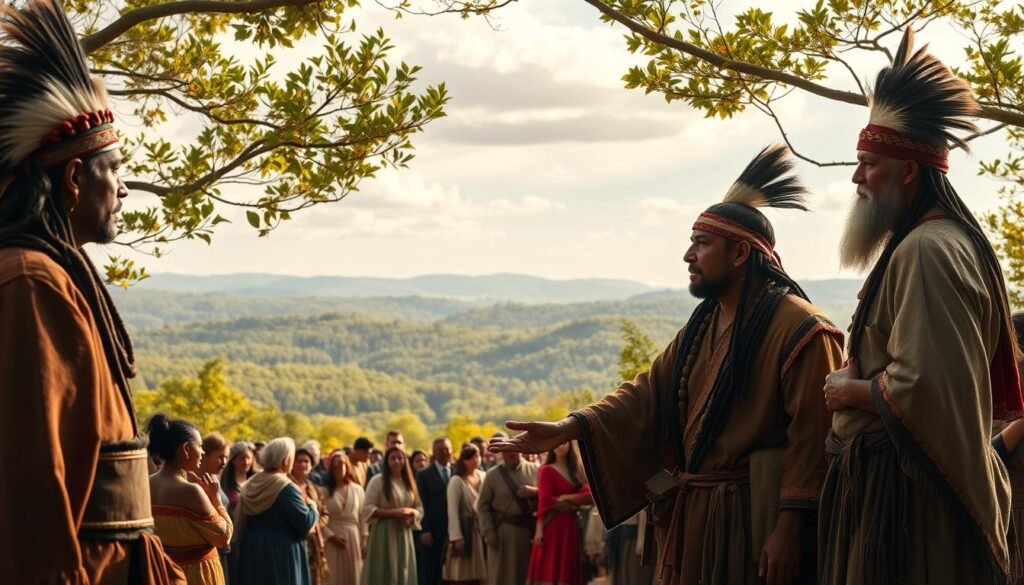
You think meeting neighbors is awkward? Try doing it while starving in a frozen wilderness. That’s how the colonists felt when Samoset – a Native leader who spoke English – strolled into their camp asking for beer. No kidding. This wasn’t a Hallmark moment. It was the start of alliances that kept everyone alive.
Cultural Exchanges That Transformed Survival Tactics
Squanto became the ultimate survival coach. Kidnapped years earlier by English traders, he’d learned their language – and now taught men to plant corn with fish heads as fertilizer. Genius! Women adopted new food preservation tricks. Even kids learned to trap eels using woven baskets. Talk about hands-on history lessons.
The real shocker? Both sides needed each other. Native people showed how to:
Catch fish using weirs (stone traps in rivers)
Identify medicinal plants like sassafras
Build waterproof houses from birch bark
That famous first thanksgiving feast? It was less about turkey and more about proving they could share the land. For three days, Wampanoag and colonists traded hunting stories and recipes. Though tensions simmered later, those early years proved something wild: survival often depends on who’s willing to pass the cornbread.
Wrapping Up With a Look at Plymouth and Its Enduring Legacy
Here’s the thing about history: it leaves receipts. Take Plymouth Rock – that lumpy boulder tourists snap selfies with today. Over 400 years, people chipped off chunks as souvenirs, reducing it to a third of its original size. Kinda like how we’ve sanded down the Plymouth Colony story into a shiny myth.
After landing Plymouth in 1620, survivors didn’t kick back. They expanded into Wampanoag territory, sparking tensions that still simmer today. That first brutal winter was just the opening act – the real drama unfolded as they built fences on contested land.
What fascinates me? How their religious freedom quest birthed contradictions. They’d fled the Church of England but imposed their own strict rules. Yet that messy start shaped ideas about self-governance we wrestle with now.
Every autumn feast, every school play about the Mayflower’s sail, carries echoes of 1621. But here’s the kicker: we’re still debating what that place in time truly means. The Plymouth Colony wasn’t an endpoint – it was the first shaky step in a conversation about life, liberty, and who gets to tell the story.
So next time you pass a cornfield or spot a weathered rock, remember: history’s never finished. It’s just waiting for us to ask better questions.