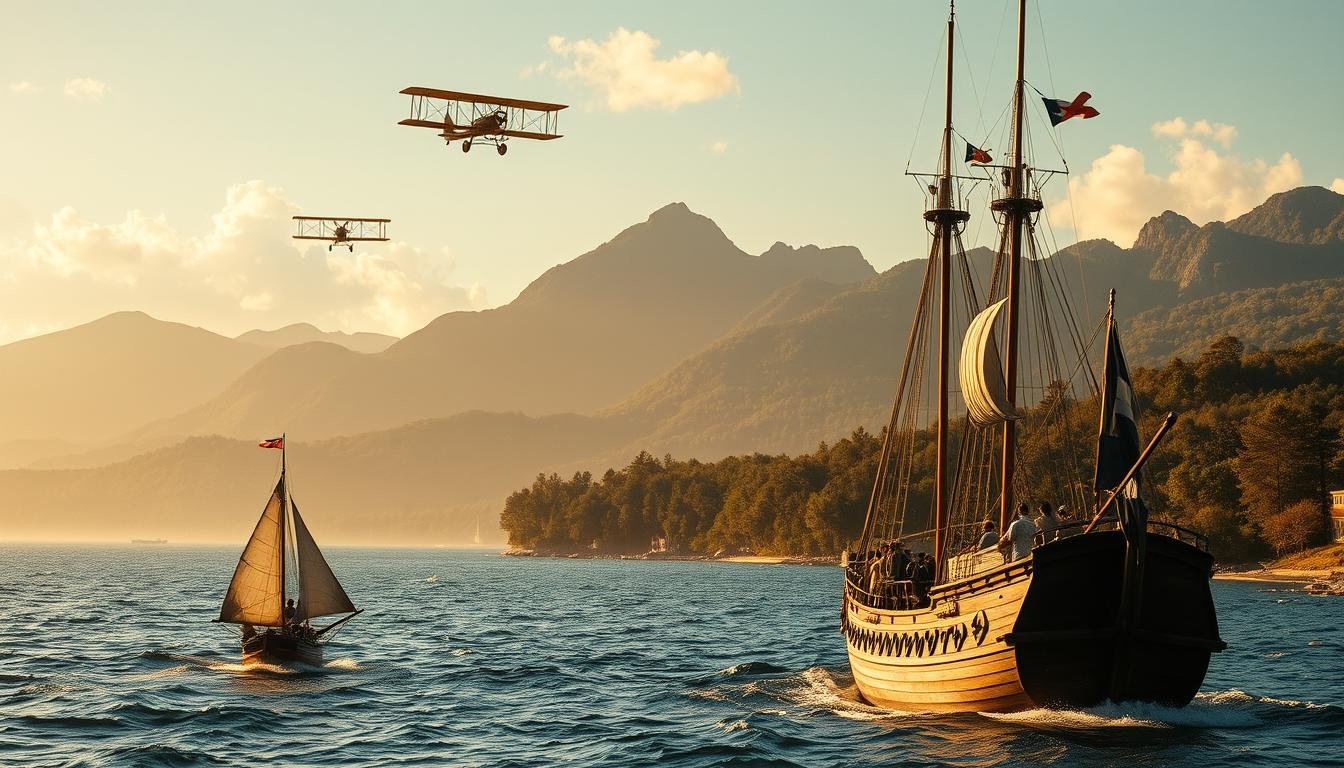
North Carolina’s history isn’t just dates and dusty textbooks—it’s a wild ride of pirates, sticky tar mishaps, and world-changing inventions. Let me show you why this Tar Heel State (yes, that’s its real nickname) feels like a treasure chest of bizarre stories. Did you know Blackbeard once partied on our coast while locals sold tar to fix wooden ships? That’s how we got the “tar heel” label—stick with me, it gets better.
Before Raleigh became the capital in 1792, Indigenous tribes like the Cherokee shaped this land. Fast-forward to 1789: North Carolina joined the U.S. as the 12th state, but not before pirates like Blackbeard turned our shores into their personal hideouts. Imagine tripping over tar barrels in the 1700s—that’s how some early residents earned their nickname!
Today, over 10 million people call this place home. We’ve got ghost towns from gold rushes, the Wright Brothers’ first flight, and forests older than your great-great-grandparents. Oh, and Raleigh? It’s now a tech hub with barbecue joints on every corner. History here isn’t boring—it’s alive, messy, and occasionally stuck to your shoes.
Ready to uncover why this state’s quirks beat any pirate’s loot? Let’s dive deeper.
North Carolina’s Natural Landscapes & Regions
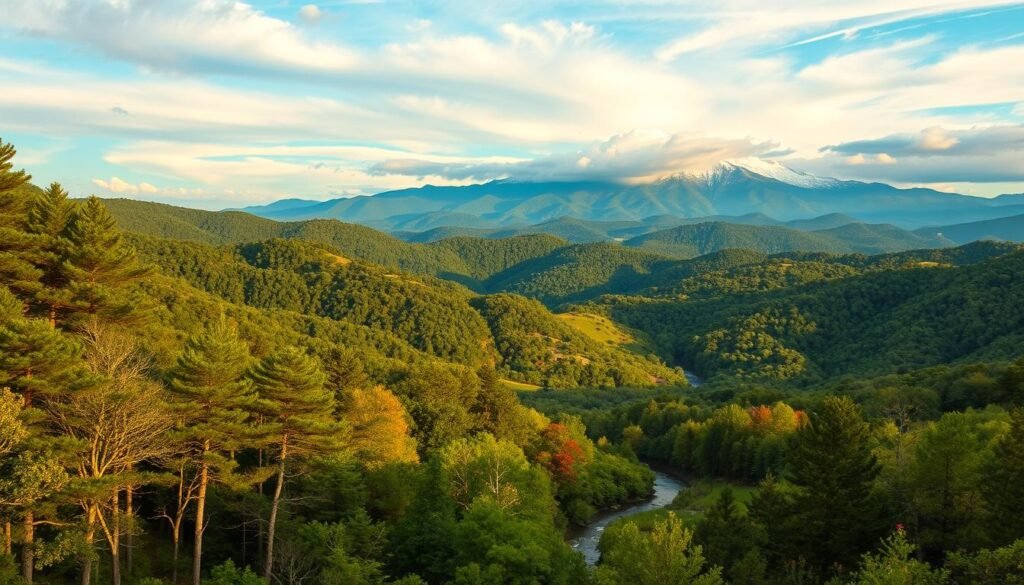
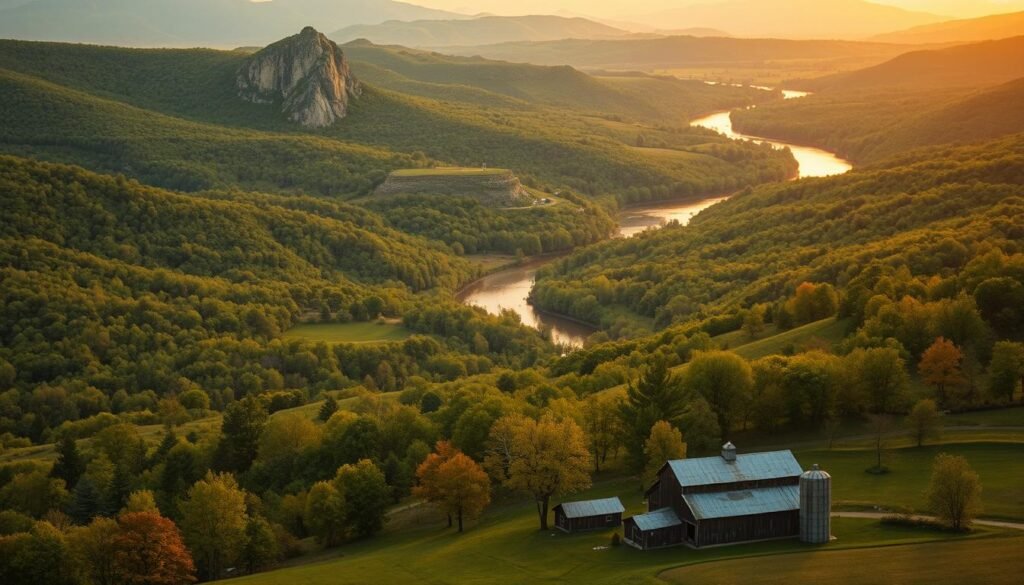
Picture this: standing where ancient mountains meet ocean breezes—that’s North Carolina. The state packs three distinct zones into its borders. You’ve got the rugged Appalachians out west, the rolling Piedmont in the middle, and coastal plains stretching to the Atlantic. Let’s break it down like a trail map.
Western Appalachian Peaks and Forested Vistas
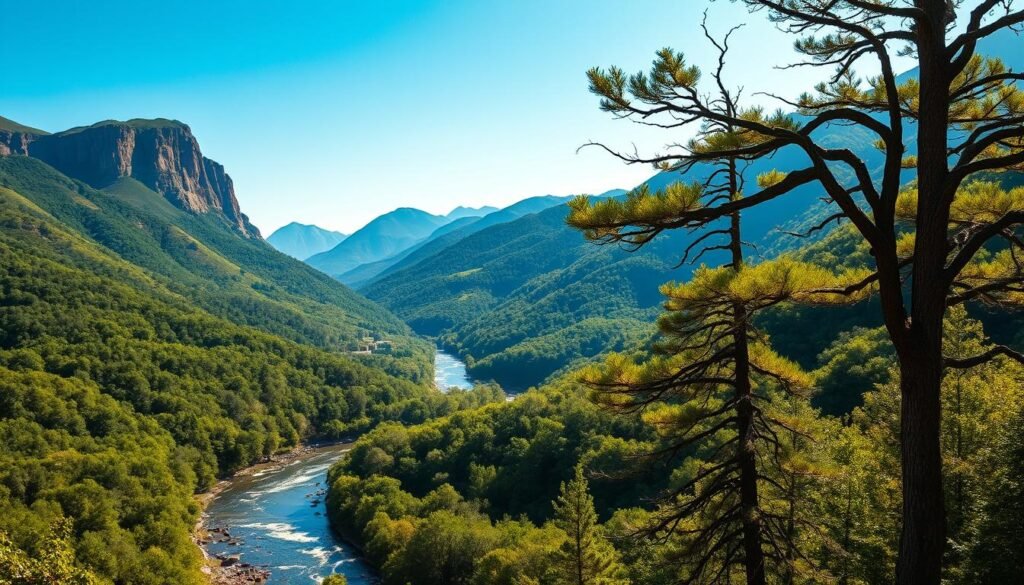
Head west, and you’ll find peaks taller than skyscrapers. Mount Mitchell—the highest point east of the Mississippi—reaches 6,684 feet. That’s over a mile high! The Blue Ridge Parkway winds through this region, offering views so crisp you’ll swear you can touch Tennessee.
Spruce-fir forests here host critters you won’t find elsewhere. Spot a Carolina northern flying squirrel? Consider it your lucky day. These mountains aren’t just rocks—they’re living history books.
Eastern Coastal Plains and Atlantic Encounters
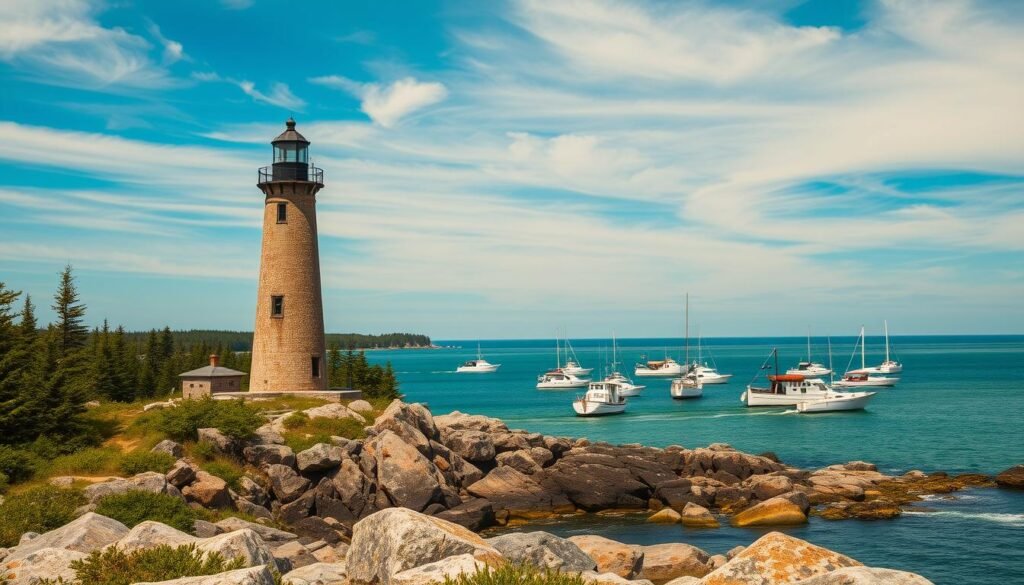
Now flip the script: the eastern area flattens out like pancake batter. Longleaf pines sway near beaches where the Atlantic Ocean crashes ashore. Visit the Outer Banks—a string of barrier islands—where wild horses roam and lighthouses stand guard.
This state shares its southern coast with South Carolina, but our stretch has quirks. Salt marshes teem with life, and some spots sit barely above sea level. Watch for red wolves in Alligator River—they’re rarer than pirate gold.
Pirates, Tar Heels, and Revolutionary Recollections
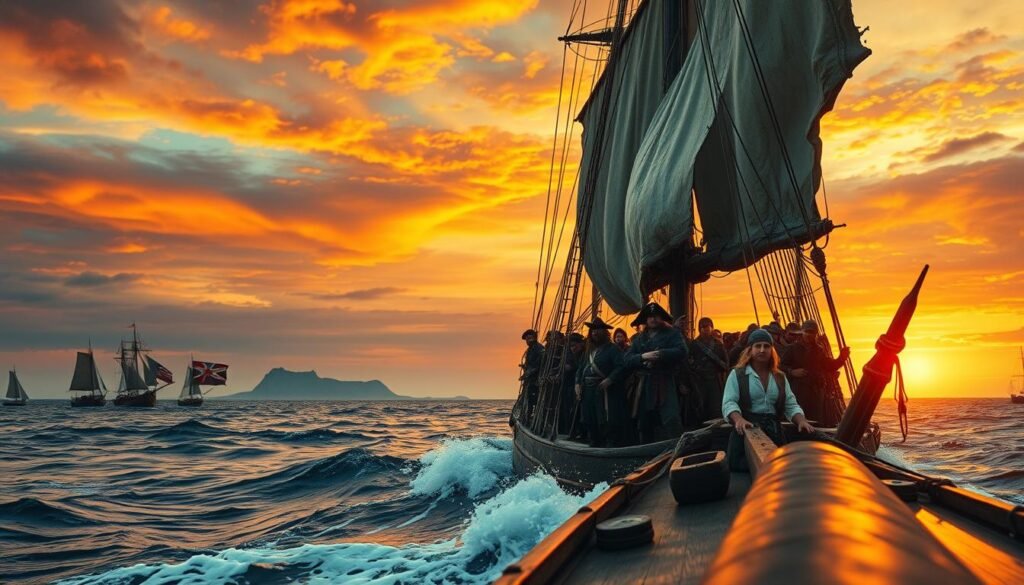
Ever heard of a state where history literally sticks to your boots? Picture British soldiers during the Revolutionary War—knee-deep in pine tar pits near Cape Fear. Locals still chuckle about redcoats flailing like cartoon characters. That’s how North Carolina earned its “tar heel” rep: equal parts sticky situation and wartime grit.
Sticky Tar Origins and Blackbeard’s Coastal Spots
Long before Raleigh became the capital, pirates ruled these shores. Blackbeard parked his ship Queen Anne’s Revenge here in 1718. His hideout? A maze of inlets perfect for ambushing ships. Rumor says he buried treasure near present-day Beaufort—but good luck finding it!
The state’s coastal secrets go deeper. Roanoke Island’s “Lost Colony” vanished without a trace in 1587. Just 115 people—gone. Poof. Historians still debate if they joined Indigenous tribes or starved. Either way, it’s spookier than a ghost story.
By 1789, when North Carolina became the 12th state in the United States, its identity was set: part pirate paradise, part tar-covered underdog. Today, you can kayak past Blackbeard’s old stomping grounds or tour historic colony sites. Just watch your step—history here has a way of tripping you up.
From Tar to Flight: Step-by-Step NC History
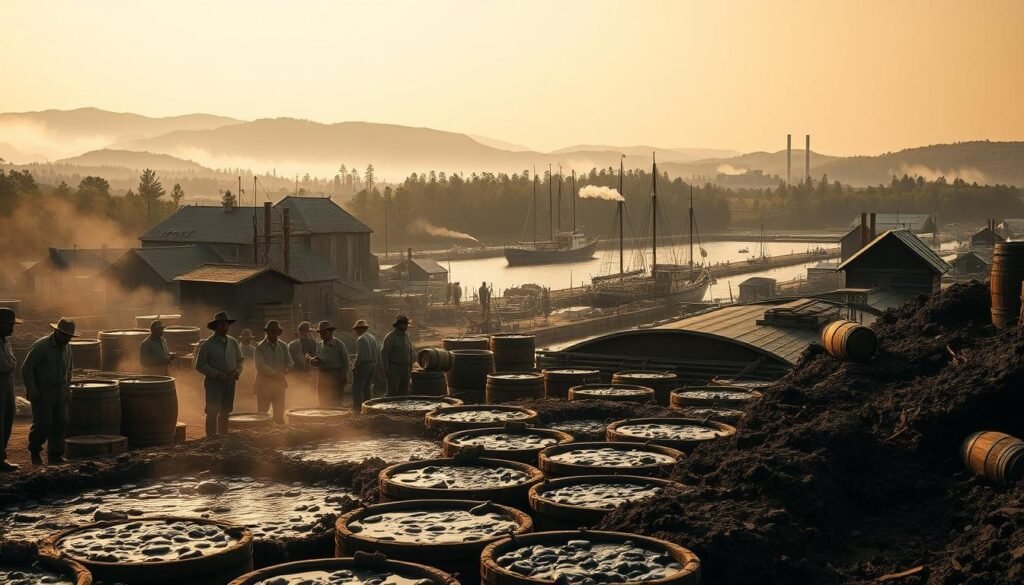
Let’s peel back the layers of this sticky saga—literally. North Carolina’s journey from tar pits to statehood reads like a madcap adventure. Grab your boots; we’re wading into the muck where history sticks.
Historic Tar Sales and Revolutionary Bedlam
First, the gooey truth: longleaf pine forests fueled the state’s early economy. Workers boiled sap into tar and pitch—critical for waterproofing ships. By the 1700s, British sailors mocked colonists as “tar boilers,” but locals flipped the insult. When redcoats stumbled into tar pits during the Revolutionary War near Cape Fear, the nickname “Tar Heels” stuck harder than the sludge itself.
Here’s how chaos turned into clout:
- 1776-1781: Guerrilla fighters ambushed British troops using swampy terrain, delaying their advance through the region
- 1789: After dodging taxes and pirate raids, North Carolina became the 12th state in the United States
- 1790s: Tar exports plummeted, but cotton and tobacco took root—proof this country’s scrappiest state adapts fast
Documents from New Bern’s colonial archives show taverns buzzing with debates about independence. Imagine farmers arguing politics while scraping tar off their boots—that’s the messy democracy that shaped North Carolina.
Next stop? The skies. But that’s a story for another chapter—one involving bicycles, dunes, and a 12-second flight that changed everything.
NC Facts for Kids: Spotlight on Aerial Achievements
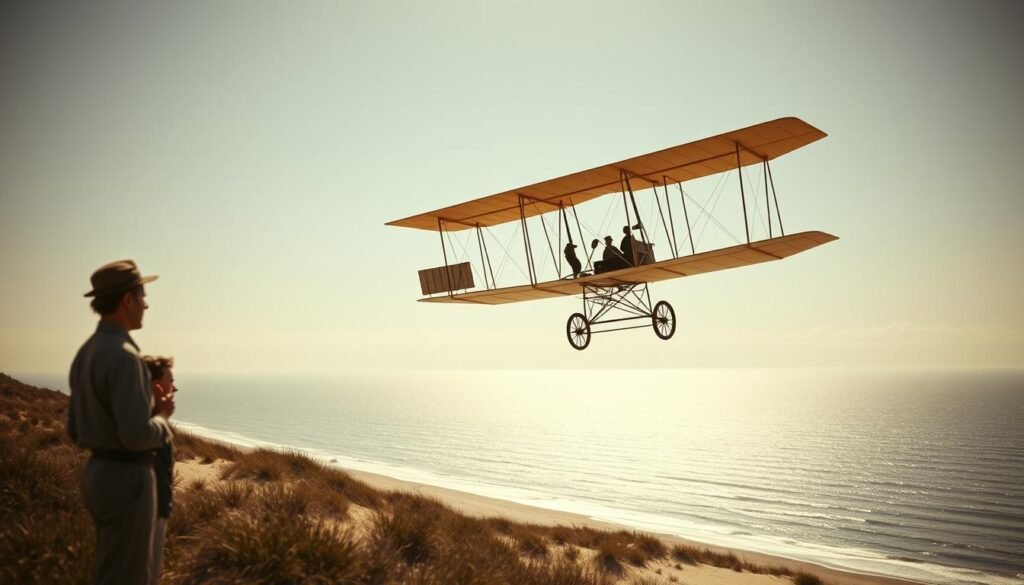
Let’s kick up some sand where history literally took flight. December 17, 1903, wasn’t just another windy day on the Outer Banks—it’s when two bicycle mechanics from Ohio outsmarted gravity. Meet Orville and Wilbur Wright, who turned Kitty Hawk’s dunes into the world’s first runway. Their rickety wooden plane? It stayed airborne for 12 seconds. That’s shorter than a TikTok video, but it flipped humanity’s script forever.
Kitty Hawk’s 12-Second Miracle

Here’s how they pulled it off: The brothers camped for years on these remote beaches, testing gliders like oversized kites. Kill Devil Hills’ steady winds and soft sand cushioned crashes—perfect for trial and error. Their final machine weighed 605 pounds, with a 40-foot wingspan. At 10:35 AM, Orville lay flat on the lower wing, yanked a lever, and buzzed 120 feet across the dunes. Witnesses? Just five locals and a dog.
Dune Science That Launched Legends
Those sandy hills aren’t just pretty—they’re physics geniuses. The Wrights chose Big Kill Devil Hill (90 feet tall) for its steep slope and compact sand. Today, you can still see replica tracks where their launch rail gripped the ground. Fun fact: North Carolina’s license plates shout “First in Flight,” while Ohio’s argue “Birthplace of Aviation.” Let’s call it a friendly rivalry.
| Flight Feature | 1903 Wright Flyer | Modern Jet |
|---|---|---|
| Duration | 12 seconds | 14+ hours |
| Max Speed | 6.8 mph | 600 mph |
| Altitude | 10 feet | 40,000 feet |
| Passengers | 1 (lying down) | 300+ |
What’s wild? The brothers’ “airport” was just a patch of sand. No control towers, no snacks—just seagulls judging their shaky landings. Next time you board a plane, thank those tar-stained state shores where it all began. Even kids get it: sometimes, the biggest leaps start with a short sprint… and a whole lot of wind.
Famous Figures, Iconic Sites, and Curious Tales
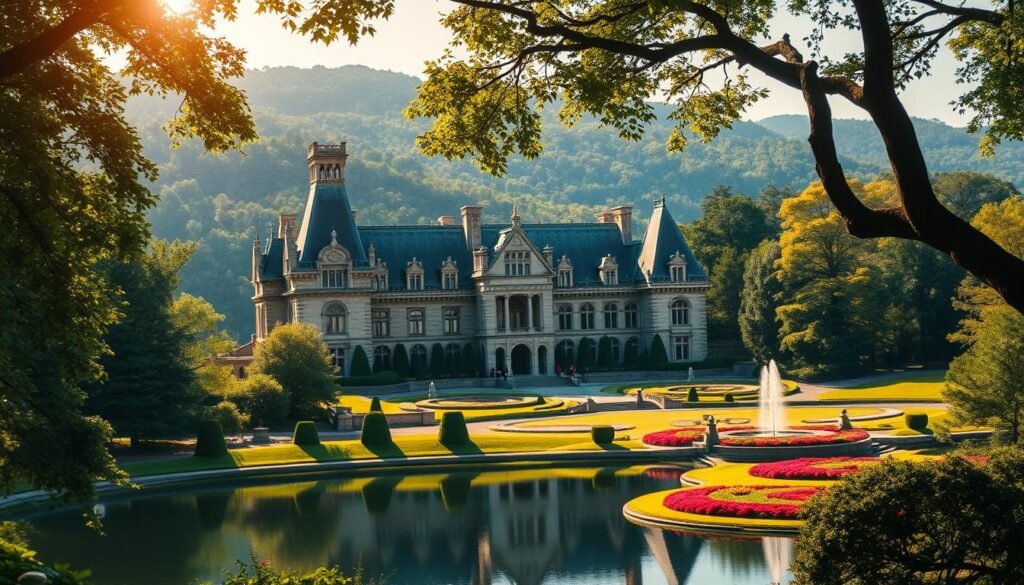
Walk through North Carolina’s storybook settings where grandeur meets grit. I still remember stepping into the Biltmore Estate’s 250-room mansion—America’s largest home. Built in 1895, this Asheville palace sprawls across 178,926 square feet. Picture European castles spliced with Blue Ridge charm. George Vanderbilt’s library alone holds 23,000 books. Who needs a Kindle?
Jazz Roots and Coastal Mysteries
Down east, music pulses through the soil. Jazz legend Nina Simone first tickled piano keys in Tryon at age three. Her childhood home, now a cultural site, whispers stories of raw talent. Meanwhile, the Outer Banks serve up more than beach days. Wild Spanish mustangs gallop near Corolla—descendants of shipwrecked 16th-century steeds. How’s that for a free-roaming history lesson?
Ever heard of a ghost town hosting real gold? In 1799, 12-year-old Conrad Reed found a 17-pound nugget near Charlotte. Cue the first U.S. gold rush! Today, Reed Gold Mine lets you pan for flakes. Spoiler: You’ll mostly find quartz. But hey, dreams stick harder than tar heel pride.
From Biltmore’s secret bowling alley to Roanoke’s vanished colony, this state thrives on “wait, what?!” moments. Want proof? Check the cities where jazz legends honed their craft—or beaches where horses outnumber traffic signs. North Carolina doesn’t just tell stories—it dares you to live them.
Closing the Chapter on NC’s Storied Past
You’re standing where history clings like coastal fog—North Carolina’s peaks and shores whisper tales you won’t find in dry textbooks. From Mount Mitchell’s 6,684-foot throne to Kitty Hawk’s 12-second flight, this state stitches together America’s wildest threads. Ever notice how license plates here brag “First in Flight” while South Carolina’s coast glares across the Atlantic Ocean? That’s sibling rivalry with saltwater flair.
Dig your toes into beaches where sea level rise threatens pirate lore, yet wild horses still outrun the tides. Those articles about vanished colony mysteries? They’re not just ink—they’re echoes in boarded-up gold mines and jazz notes drifting from Tryon’s backroads. I once met a historian in New Bern who swore Blackbeard’s ghost haunts barbecue joints. Wouldn’t surprise me.
What makes this country’s twelfth state unforgettable? It’s the way people wear their history like faded denim—comfortable, enduring, full of holes that beg questions. Those Blue Ridge overlooks? They’ve seen revolutions. The Outer Banks’ shifting sands? Still hiding stories. North Carolina doesn’t just end its tale—it hands you a shovel and winks. Ready to…