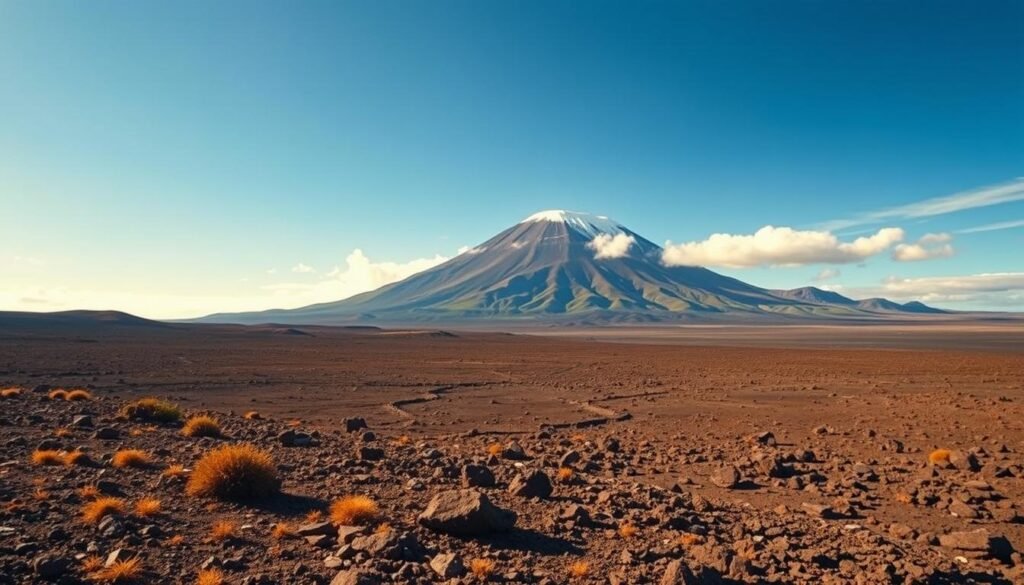
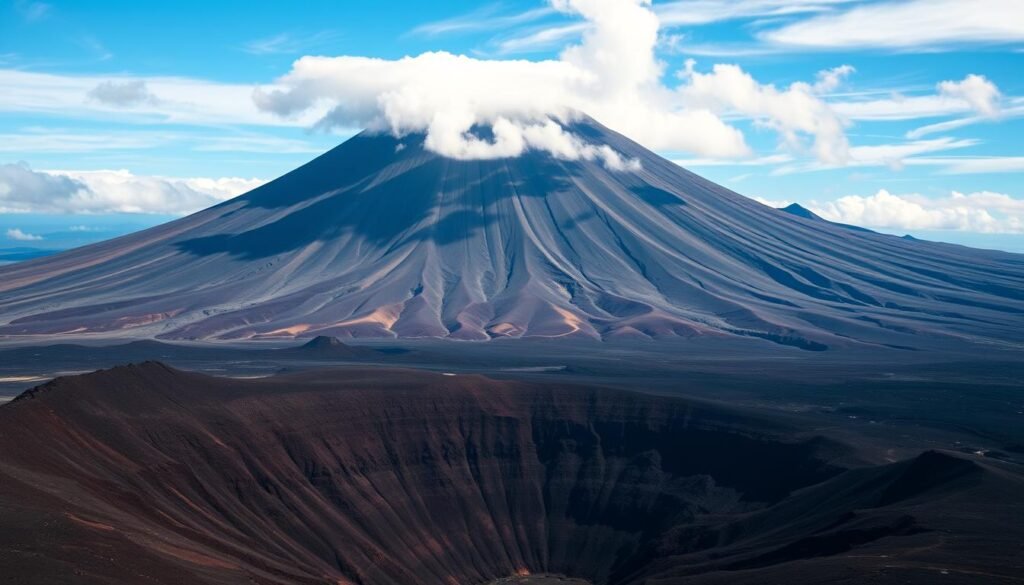
Mauna Loa is the biggest volcano on Earth, standing tall over Hawaii’s Big Island. It has secrets that will amaze you and make you want to learn more. Its incredible geological story is fascinating.
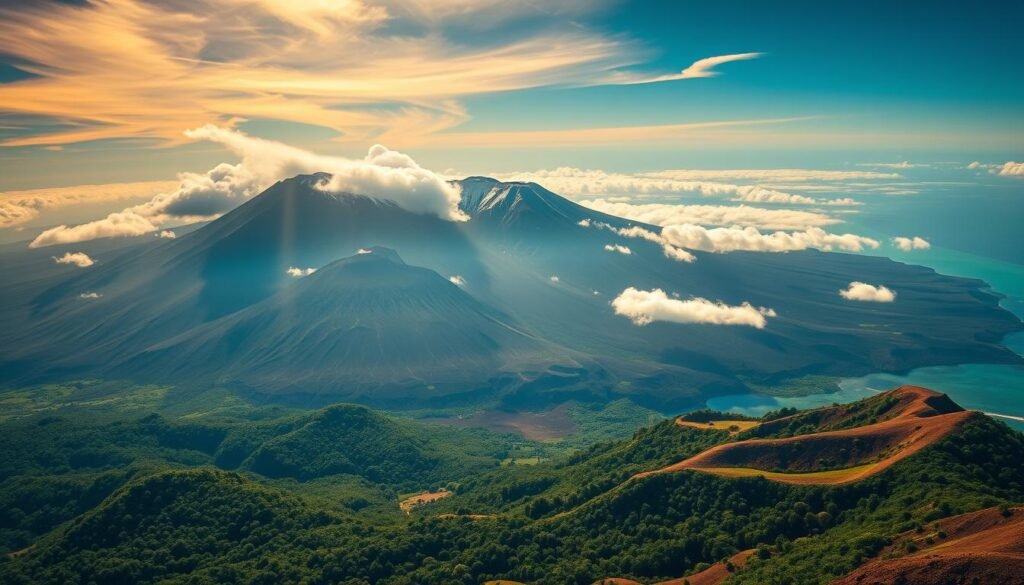
Mauna Loa is not just a mountain in Hawaii. It’s a giant that covers nearly half of the Big Island. It’s over 13,681 feet tall, but most of it is hidden underwater.
Imagine a volcano as big as the Sierra Nevada mountain range! Mauna Loa is an amazing wonder that has shaped Hawaii for hundreds of thousands of years.
Scientists study Mauna Loa to understand its movements and the forces beneath it. Each eruption shows Earth’s incredible power and change.
Are you ready to explore Mauna Loa? This volcano is full of surprises waiting to be found!
What Makes Mauna Loa Special Among Volcanoes
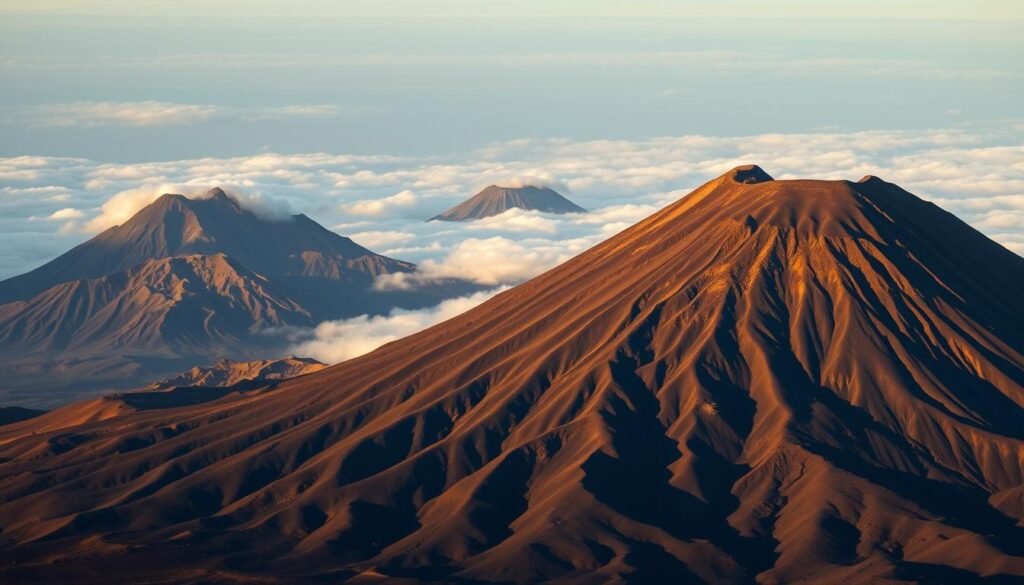
Mauna Loa is a true marvel among Hawaii’s volcanoes. It amazes scientists and adventurers. This massive shield volcano is a key part of Hawaii’s Big Island. It’s one of the most amazing natural wonders on Earth.
Explore the amazing world of this active volcano. It stretches across Hawaii with incredible size and cultural importance.
Massive Size and Unique Location
Mauna Loa’s size is truly breathtaking. Here are its most impressive measurements:
Covers 51% of Hawaii’s Big Island
Rises 13,681 feet above sea level
Extends 30,000 feet from the ocean floor
Volume of approximately 18,000 cubic miles
Hawaiian Cultural Significance
For native Hawaiians, Mauna Loa is more than a geological formation. It is a sacred landscape deeply tied to their culture and beliefs. The volcano shows the powerful forces that have shaped Hawaii for generations.
Active Volcano Status
As an active volcano, Mauna Loa is always fascinating to researchers. Its eruptions show the ongoing geological changes beneath us. It has erupted 33 times, making it one of the most active volcanoes on Earth.
Characteristic
Details
Total Area Covered
2,000 square miles
Last Major Eruption
November-December 2022
Eruption Frequency
Every 3-5 years historically
The True Size of Earth’s Massive Shield Volcano
Get ready to have your mind blown by Mauna Loa, the king of shield volcanoes! This giant isn’t just big – it’s enormous. Imagine a mountain so massive it rises 30,000 feet from the ocean floor, even taller than Mount Everest.
Mauna Loa has a unique shape, like a warrior’s shield laid flat. Its size is beyond what most people can imagine. Here are some amazing facts about its height:
Total height from ocean floor to peak: over 30,000 feet
Above sea level: 13,681 feet
Volcanic volume: Roughly 18,000 cubic miles
To understand Mauna Loa’s size, imagine stacking nearly three Mount Everests inside it. The volcano size comparison is truly mind-blowing. It covers about half of Hawaii’s Big Island with its massive base.
Experts call Mauna Loa a shield volcano because of its gentle, sloping sides. Its immense size comes from thousands of years of lava flows building up layer by layer. This creates a mountain that’s more like a massive pancake than a pointed peak.
Inside Mauna Loa’s Mighty Structure
Explore the amazing world of Mauna Loa’s complex volcanic landscape. This huge shield volcano has secrets beneath its surface. It’s one of the most interesting geological wonders on Earth.
Mauna Loa’s design includes several key parts that make it unique. Let’s look at the hidden world of this amazing mountain.
Summit Caldera: The Volcanic Crown
The Moku’āweoweo caldera sits at Mauna Loa’s top. It’s a huge volcanic crater that stretches across the summit. This crater is about 3 miles long and 2 miles wide, showing off volcanic rock and geological wonder.
Depth of caldera: Up to 600 feet
Width: Approximately 3 miles
Length: Around 2 miles
Rift Zones: Volcanic Highways
The mountain’s rift zones are key for volcanic activity. These channels let magma move beneath the surface, leading to eruptions. Mauna Loa has two main rift zones that stretch from its summit like giant cracks.
Northeast Rift Zone
Southwest Rift Zone
Total of 33 radial vents spread across these zones
Underground Magma Chambers
Underneath, magma chambers store hot rock that powers Mauna Loa. These chambers connect through complex networks. They are the heart of the volcano’s eruptions.
The system of caldera, rift zones, and magma chambers makes Mauna Loa a living wonder. It keeps changing the Hawaiian landscape.
Mauna Loa Facts for Kids: Amazing Numbers and Statistics
Are you ready for some amazing Mauna Loa stats? This volcano is a giant in Hawaii, covering 51% of the Big Island. It’s so big, it takes over more than half of the island!
Here are some cool facts about Mauna Loa that will impress your friends:
Erupted an impressive 34 times in the last 180 years
It’s 13,681 feet tall above sea level
It goes down another 16,400 feet under the ocean
It covers about 2,000 square miles of land
Mauna Loa is truly massive! It’s the biggest active volcano on Earth. It has a huge volume of about 18,000 cubic miles. That’s enough rock to fill over 100 million football stadiums!
Here are some more amazing facts about Mauna Loa’s power:
Lava flows at 3-4 miles per hour during eruptions
It can change landscapes in just hours
It erupted in November 2022
With these Mauna Loa stats, you’ll be the coolest kid in school! They make the volcano’s amazing story come alive!
The Secret Life Under the Pacific Ocean
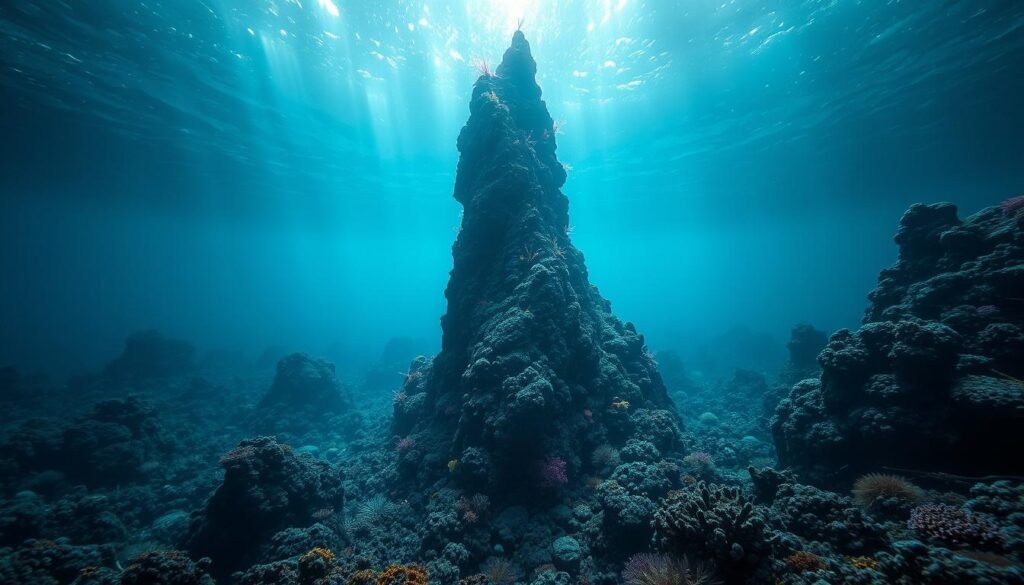
Mauna Loa has a secret life under the Pacific Ocean. It’s not just a mountain above but a huge wonder under the sea. The underwater part of Mauna Loa tells a story of change that shapes our planet.
The ocean floor around Mauna Loa is full of amazing sights. It’s a place of huge pressure and constant change. Scientists say the weight of this huge volcano bends the Earth’s crust under the sea.
Underwater Base Formation
The base of Mauna Loa is much bigger than people think. Underwater, volcanic processes create a complex base. This includes:
Massive lava flows spreading across the ocean floor
Layered volcanic deposits building the mountain’s foundation
Continuous geological expansion through volcanic activity
Ocean Floor Bending
Mauna Loa’s huge mass causes the ocean floor to bend down. Scientists say it bends by several kilometers. This creates a depression in the Pacific tectonic plate.
Researchers say Mauna Loa’s underwater structure keeps growing. New volcanic material adds to its base all the time. This shows how dynamic our planet’s biggest underwater volcanoes are.
Powerful Eruption History Through Time
Mauna Loa’s volcano history is truly amazing. It shows the incredible power of nature. Over centuries, it has changed the landscape with many big eruptions.
Scientists have found some key eruptions in Mauna Loa’s history:
1868: A huge eruption with lots of lava flows
1880-1881: One of the longest eruptions ever recorded
1935: A lava flow threatened Hilo
1950: A fast and intense eruption
1984: A major eruption that caught the world’s attention
2022: The most recent big eruption
Studying these eruptions helps scientists understand volcanoes better. Each eruption gives important clues about magma, lava, and how the earth changes.
Year
Eruption Characteristics
Impact
1868
Extensive lava flows
Significant landscape modification
1950
Rapid volcanic event
Short-duration but intense activity
2022
Recent major eruption
Renewed scientific interest
Keeping an eye on volcanoes is key to understanding Mauna Loa. Tracking lava flows helps predict future eruptions. It also helps communities get ready for volcanic events.
How Lava Flows Shape the Mountain
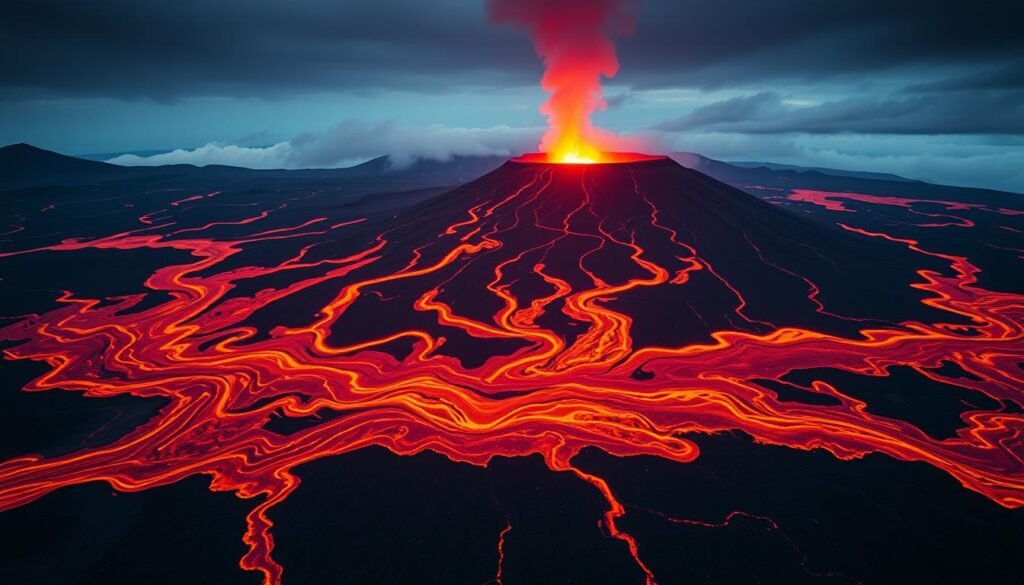
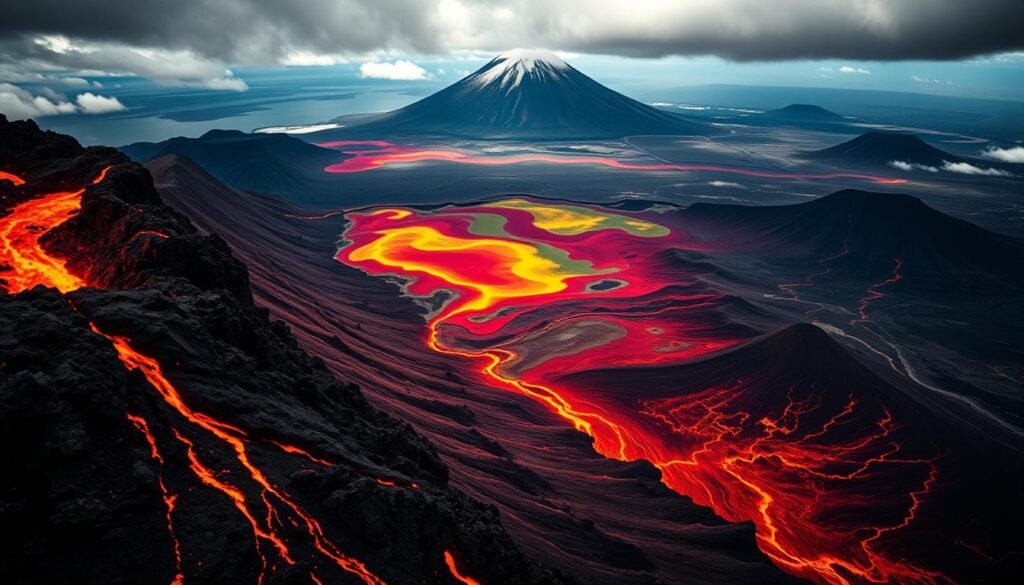
Mauna Loa’s landscape is a story of volcanic rock formation. It’s shaped by powerful lava flows. This massive shield volcano changes with each eruption, creating a dynamic masterpiece.
When molten rock bursts from the volcano, it creates unique lava types. These types dramatically alter the Mauna Loa landscape. The volcanic rivers of fire move in spectacular ways, leaving behind remarkable evidence.
Exploring Lava Types
Volcanologists identify two primary lava types on Mauna Loa:
Pahoehoe Lava: Smooth, ropy surface that looks like twisted rope
A’a Lava: Rough, jagged surface with sharp, broken rocks
Incredible Flow Patterns and Speed
Lava flows can travel at remarkable speeds. This depends on temperature and terrain. Most Mauna Loa lava moves between 4-6 miles per hour.
Imagine a lava flow as fast as a walking human. It gradually reshapes the entire mountain with each eruption. These flows create incredible landscapes that tell the story of Earth’s powerful geological processes.
Scientific Monitoring and Research Methods
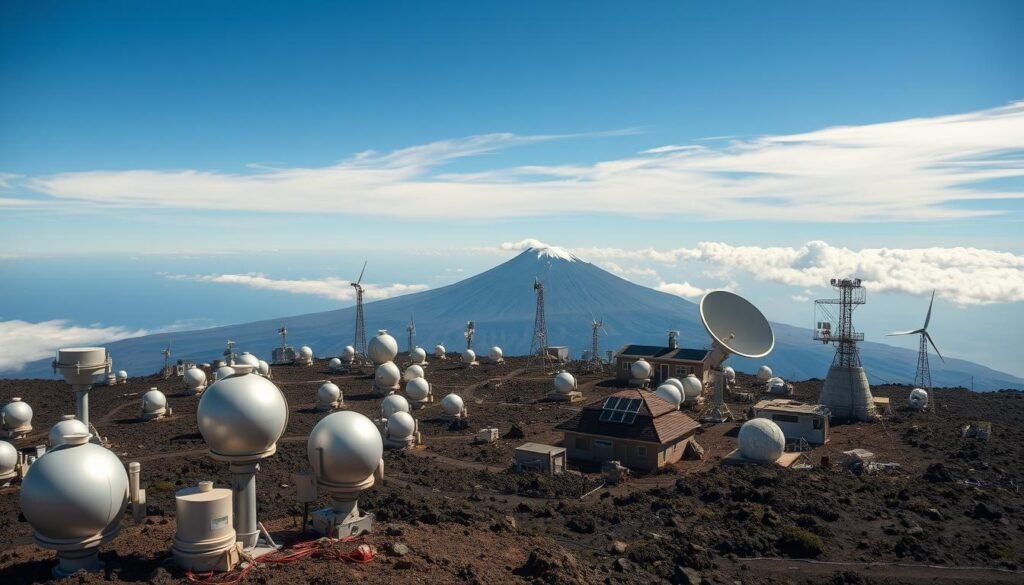
Volcano monitoring at Mauna Loa uses the latest in geological research. Scientists track the volcano’s movements with advanced tools. This ensures public safety and boosts volcanic science.
Seismometers to detect underground movements
GPS stations measuring ground deformation
Gas sensors tracking volcanic emissions
Thermal cameras monitoring surface temperature changes
At the Hawaiian Volcano Observatory, scientists work hard. They collect and analyze data from Mauna Loa. Their research helps predict eruptions by understanding the volcano’s behavior.
Monitoring Technique
Purpose
Key Measurements
Seismic Monitoring
Detect underground movements
Earthquake frequency and intensity
Ground Deformation
Track volcanic swelling
Millimeter-level ground changes
Gas Analysis
Measure volcanic gas emissions
Sulfur dioxide and carbon dioxide levels
The Mauna Loa science method uses many monitoring techniques. This gives a full picture of the volcano’s activity. Scientists can then warn communities early, keeping them safe from volcanic dangers.
Living Near an Active Volcano
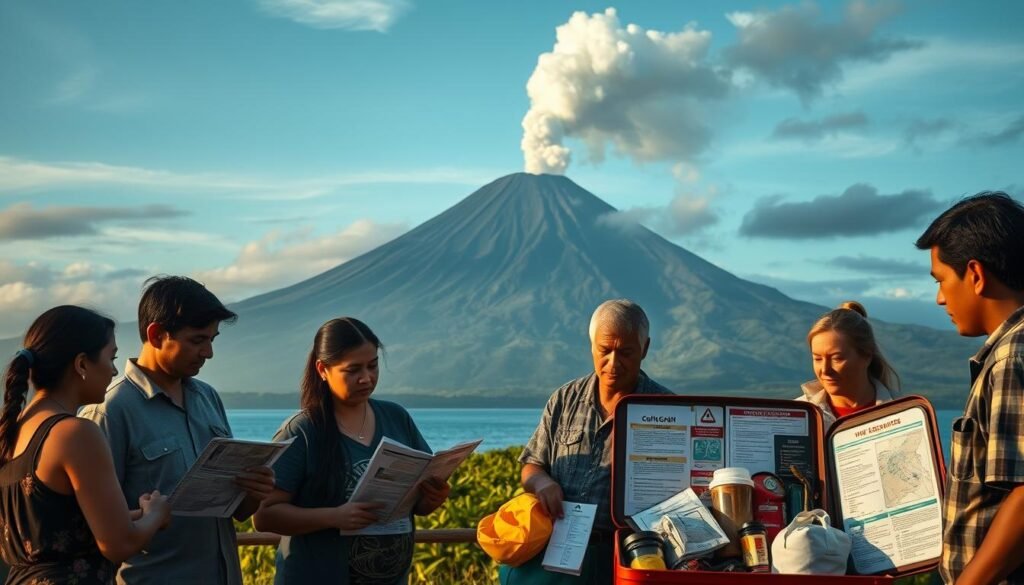
Living near Mauna Loa needs special volcano safety knowledge. Hawaiian communities have learned to live with an active volcano. Knowing about eruption warnings and being prepared is key to staying safe.
People in Hawaii have found ways to live with their powerful volcano. They plan carefully and use advanced warning systems. Volcano safety is about smart preparation and strong community spirit.
Critical Safety Protocols
Create an emergency evacuation plan
Maintain a disaster supply kit with essentials
Stay informed about current volcanic activity
Know multiple escape routes from your neighborhood
Eruption Warning Systems
Hawaii’s preparedness includes advanced monitoring. The Hawaiian Volcano Observatory watches for signs of eruptions:
Ground deformation measurements
Seismic activity tracking
Gas emission monitoring
Thermal imaging surveillance
When volcanic activity rises, local authorities issue color-coded alerts. Green means normal, while red warns of an eruption. These alerts help communities make quick, smart safety choices.
Community Education
Local schools and centers hold volcano safety workshops. These teach how to act during volcanic activity. They make sure everyone knows important emergency steps.
Volcanic Hazard Zones Around Mauna Loa
Knowing about lava hazard zones is key to staying safe near Mauna Loa. Scientists use advanced methods to map out danger areas in Hawaii. These maps help people know which places might face risks during a volcanic eruption.
The Hawaii safety map for Mauna Loa sorts areas into different risk levels. Researchers make these zones based on several important factors:
Past lava flow patterns
Geological terrain characteristics
Proximity to volcanic vents
Historical eruption data
Experts usually group volcanic areas into four main hazard levels:
High-Risk Zones: Places with a history of frequent lava flows
Moderate-Risk Zones: Areas with some volcanic activity but less often
Low-Risk Zones: Places with little to no volcanic history
Protective Zones: Regions with natural barriers against lava flows
Local authorities use these zones to plan for emergencies and give important safety advice. This is for communities near active volcanoes like Mauna Loa.
The 2022 Eruption: What Happened
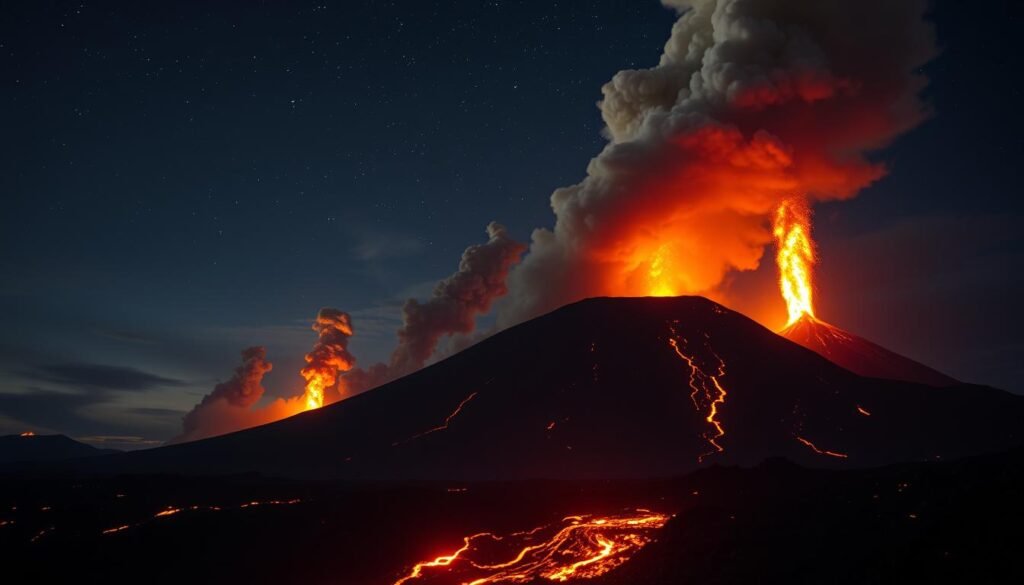
The recent Mauna Loa eruption in 2022 caught the world’s eye. It was a big deal in Hawaii news. After nearly 40 years, the world’s largest volcano roared back to life.
The eruption started on November 27, 2022. It was a big moment for Mauna Loa. Scientists and locals watched as the volcano turned into a fiery landscape.
Timeline of Significant Events
November 27, 2022: First eruption signs detected
Eruption initiated at the summit caldera, Moku’āweoweo
Lava flows began spreading across northeast rift zones
Volcanic activity continued for approximately two weeks
Community Impact
The eruption was both exciting and worrying for locals. They felt a mix of joy and worry as lava threatened their homes.
Impact Area
Details
Infrastructure
Potential road and utility disruptions
Safety Measures
Emergency evacuation plans activated
Scientific Research
Unprecedented data collection opportunity
Scientists were busy tracking the eruption. They collected important data. This eruption gave us a rare look at Earth’s amazing geological wonders.
Comparing Mauna Loa to Other Volcanoes
Mauna Loa is a giant among volcanoes. It’s the largest in the world, towering over others with its massive size and geological importance. Let’s explore an exciting comparison that will amaze you!
Mauna Loa rises an incredible 13,681 feet above sea level. But most of it lies hidden underwater. From sea floor to peak, it’s an astonishing 30,085 feet tall, even taller than Mount Everest!
Mauna Loa covers about 2,000 square miles
It makes up half of Hawaii’s Big Island
It’s the world’s largest active shield volcano
Compared to other famous volcanoes, Mauna Loa is a true marvel. Mount Kilauea might erupt more often, but Mauna Loa’s size is unmatched. Yellowstone’s system is impressive, but Mauna Loa’s long eruption history is unmatched.
Volcano
Location
Height
Active Status
Mauna Loa
Hawaii
13,681 feet
Actively Erupting
Mount Kilauea
Hawaii
4,091 feet
Consistently Active
Mount Vesuvius
Italy
4,203 feet
Dormant
Volcanic fans are in awe of Mauna Loa’s presence. Its unique formation and ongoing activity make it a natural wonder.
Wildlife and Plants on Mauna Loa
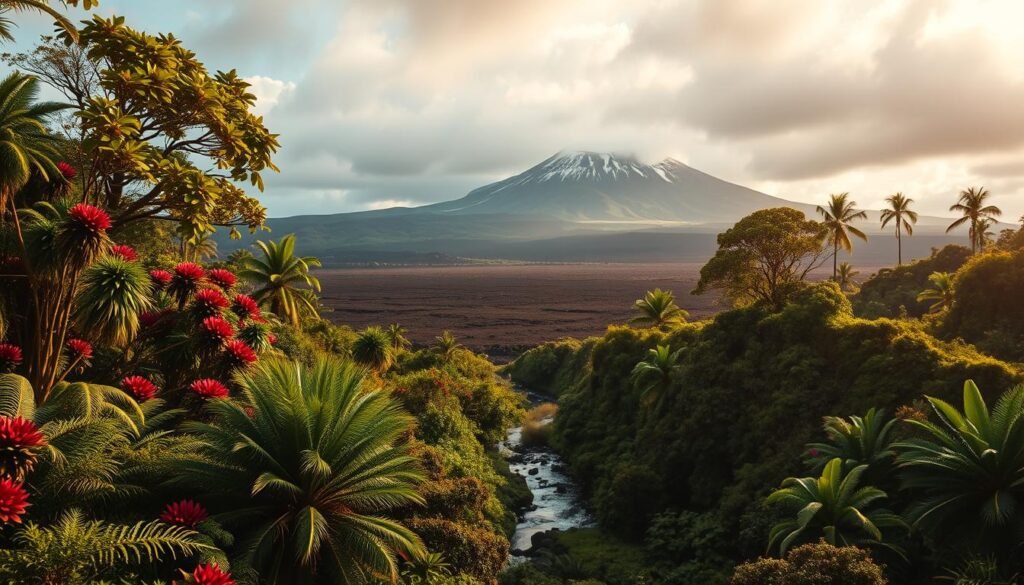
Mauna Loa’s ecosystem is a true marvel of nature. This massive volcano supports a wide variety of plants and animals. From hot lava fields to green forests, it’s home to many unique species.
The plants and animals of Mauna Loa show how nature can bounce back. Each part of the mountain has its own special group of living things. At the bottom, you’ll find dense tropical forests. But as you go up, the plants and animals change.
Lower Elevation Zones:
Native ʻōhiʻa lehua trees
Diverse tropical understory plants
Tropical bird species
Mid-Elevation Regions:
Alpine shrubs
Rare endemic plants
Specialized insect populations
Higher Volcanic Zones:
Sparse lichen communities
Minimal vegetation
Wind-resistant plant species
Mauna Loa is a safe haven for native Hawaiian wildlife. Species like the nēnē (Hawaiian goose) and many birds have learned to live here. The mountain’s varied climates help these creatures adapt.
Scientists are always learning about Mauna Loa’s amazing ecosystem. They find out how life can flourish in such a dynamic place. Each part of the mountain tells a story of survival and adaptation.
Climate and Weather at Different Elevations
Mauna Loa’s height creates a unique landscape with changing climate zones. It stretches from sea level to 13,681 feet. This massive volcano has several distinct weather patterns that change dramatically as you climb.
The volcano’s Hawaii microclimates show fascinating weather changes. At the base, you’ll find warm tropical conditions typical of Hawaiian coastlines. As you go up, the weather patterns change unexpectedly:
Lower elevations: Warm, humid tropical climate
Mid-elevation zones: Cooler temperatures with occasional mist
Higher altitudes: Alpine conditions with possible freezing temperatures
Scientists have mapped these incredible vertical climate transitions. The lower slopes get a lot of rain, making the vegetation lush. Going up, the rain decreases, but the wind speeds increase a lot.
Unique microclimatic conditions mean you could experience multiple climate zones in a single day. Temperatures drop nearly 3-4 degrees for every 1,000 feet of elevation gain. This creates a stunning environmental diversity rarely seen in such a compact area.
The volcano weather patterns show nature’s remarkable ability to create complex ecological systems within a single mountain landscape.
Protecting and Preserving Mauna Loa
Mauna Loa is a key spot for volcano conservation, located in the stunning Hawaii Volcanoes National Park. This volcano needs careful protection to keep its unique ecosystem and geological beauty safe.
The national park is vital in protecting this natural gem. Visitors can help by exploring responsibly and learning about the fragile volcanic environment.
Conservation Efforts in Action
Scientific research monitoring volcanic activity
Habitat protection for native Hawaiian species
Restoration of indigenous plant ecosystems
Public education about volcanic landscape preservation
National Park Guidelines
To protect Mauna Loa, strict rules are in place. Visitors must follow these guidelines to keep the environment safe:
Stay on designated hiking trails
Do not remove rocks or plants
Carry out all personal trash
Respect wildlife habitats
Conservation Area
Protection Strategy
Key Impact
Volcanic Landscape
Limited human access
Preserving geological formations
Native Vegetation
Invasive species removal
Protecting endemic plant life
Wildlife Corridors
Habitat restoration
Supporting local animal populations
Your visit can make a difference in preserving this extraordinary volcanic ecosystem for future generations.
Future Predictions for Mauna Loa Activity
Scientists use advanced methods to forecast Mauna Loa’s eruptions. They track changes in the mountain’s structure and underground activity. Tools like satellite imaging, seismic sensors, and ground deformation measurements help gather vital data.
Mauna Loa has had 34 eruptions, averaging one every five years. Geologists study past eruptions, magma chamber dynamics, and tectonic plate movements. They use computer models to predict when the next eruption might happen.
Even though eruptions are hard to predict, constant monitoring helps scientists understand the volcano’s behavior. They look for signs like ground swelling, increased seismic activity, and gas emission changes. Their aim is to create early warning systems to protect people and inform emergency teams.
Modern technology is key in volcano forecasting. Satellites, GPS, and advanced sensors provide real-time data on Mauna Loa’s internal workings. While predicting eruptions is tough, these tools greatly enhance our knowledge of this natural wonder.