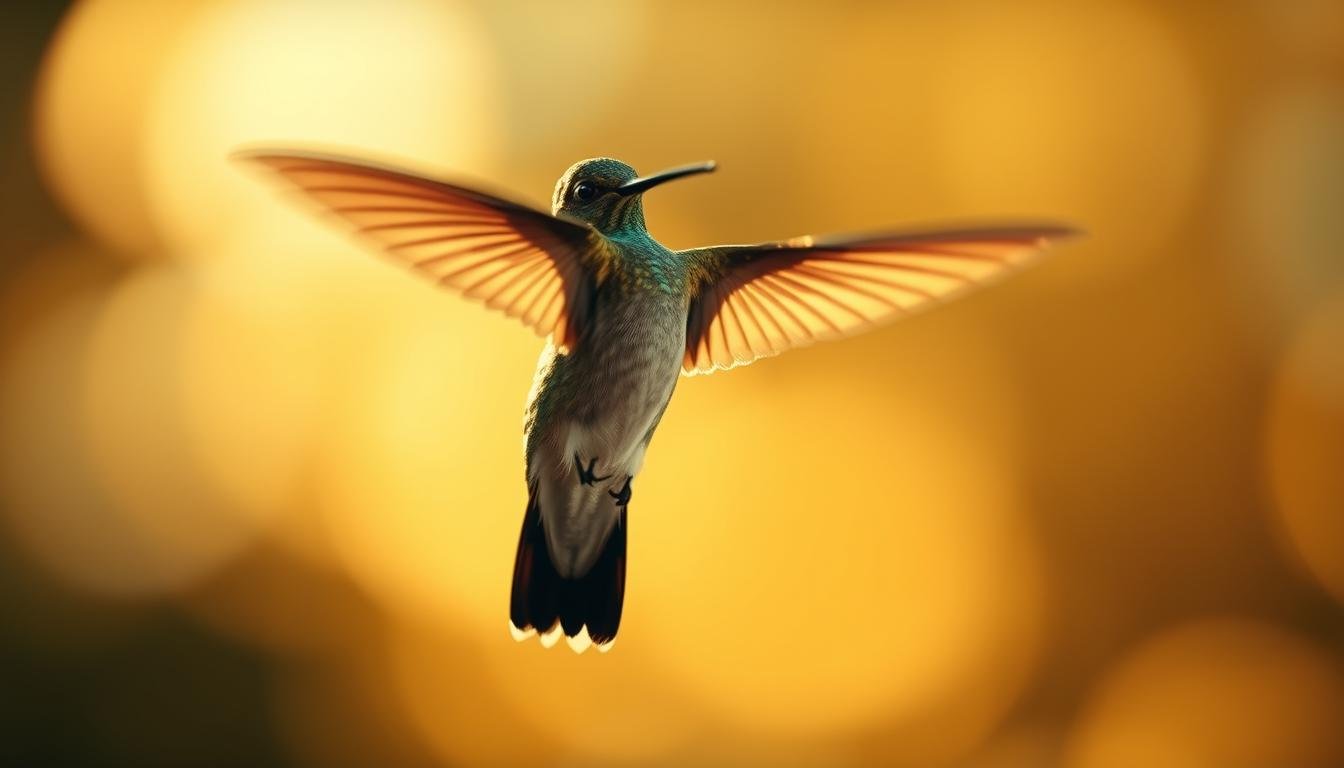
Want to know why these tiny birds are basically nature’s helicopters? They’re the only birds that can zip backward, sideways, and even upside down. No kidding—their wings flap up to 80 times per second, creating a blur that looks like magic. Imagine trying to clap that fast—you’d need superhero hands!
Take the bee hummingbird, which weighs less than a dime. I’m not messing with you—it’s smaller than your thumb! These feathery speedsters hover like drones while sipping nectar, defying gravity with every move. Their secret? A metabolism so wild they eat half their body weight daily. You’d need 300 hamburgers to keep up!
Here’s the kicker: Their wings don’t just flap. They twist in a figure-eight pattern, letting them reverse mid-air like a video game cheat code. And those “times per second” stats? They’re not just numbers—they’re survival tools. One wrong move, and a hungry frog becomes their worst nightmare.
So why should you care? Because these birds aren’t just cute—they’re engineering marvels. Stick around, and I’ll show you how they pull off stunts that make fighter jets look boring.
Intriguing Anatomy & Vibrant Plumage
Let’s zoom in on what makes these fliers true fashion icons of the sky. Their compact bodies pack evolutionary genius into spaces smaller than your palm. I’ve studied specimens where every millimeter matters—trust me, nature’s engineering here is wild.
Distinctive feather textures and iridescence
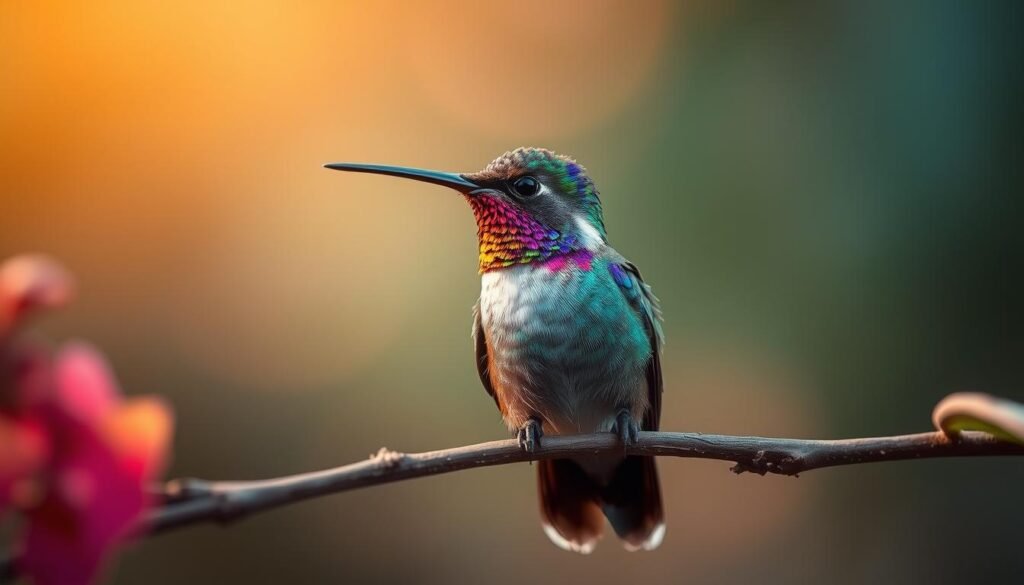
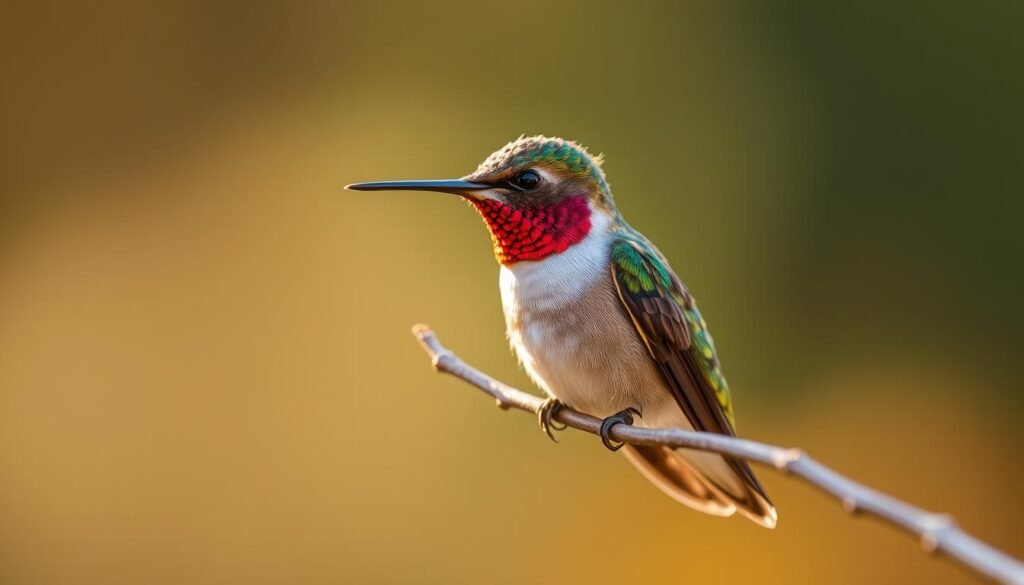
Their feathers aren’t just colorful—they’re light-bending marvels. Tiny air pockets and melanin layers create that signature shimmer. In direct sunlight, a male’s throat can flash from emerald to ruby red faster than you can say “rainbow.”
That metallic glow isn’t paint. It’s structural color—physics magic at its finest. Unlike cardinals or blue jays, their brilliance changes with your viewing angle. Pretty cool for the smallest bird contenders, right?
Unique toe and claw arrangements
Those delicate feet? Precision tools. Three claws grip forward, one hooks backward—like built-in flower staples. You’ll never see them perching like regular birds; they’re too busy doing aerial yoga.
Their toe configuration lets them lock onto stems mid-flight, even during sideways hovers. Imagine trying that while sipping nectar through a straw! Next time you spot a hummingbird, check those feet—they’re rocking nature’s perfect climbing gear.
Engaging Hummingbird Facts for Kids
Ever seen a bird that could fit in your pocket? Meet the bee variety – clocking in at just 2 inches long. That’s shorter than your pinky finger! Now picture its cousin, the Giant Hummingbird. At 8 inches, it’s like comparing a golf ball to a softball.
Comparing the bee hummingbird to larger species
Meal math: The tiny bee needs nectar from 1,500 flowers daily. Giants? They sip from 800-900 blooms – their slower wing beats (12/sec vs 80!) save energy
Lifespan lottery: Most live 3-5 years, but I’ve tracked bees surviving just 18 months. Talk about living fast!
Their wings reveal nature’s genius. Bee varieties have 1-inch wingspan yet achieve 200 body lengths/second. If a jet fighter did that? It’d break the sound barrier twice.
Here’s the kicker: Bigger species can’t hover as precisely. Their bodies are like SUVs vs the bee’s sports car design. Next time you see one zipping backward, remember – size shapes their superpowers.
What fuels these aerial acrobats? Straight-up sugar rockets. Their food intake per gram outpaces cheetahs. No kidding – they’d drain 16 juice boxes daily if scaled to human size!
Mastering Flight & Hovering Mechanics
What if I told you these birds fly like mini helicopters? Wind tunnel studies show their wings generate lift on both the downstroke and upstroke—a trick no other bird pulls off. That’s how they support 75% of their weight mid-air while sipping nectar. Let me break down the science without the textbook jargon.
Helicopter DNA in feathery form
Their wings don’t just flap—they rotate. High-speed cameras caught them making shallow figure-8 patterns 80 times per second. I’ve watched slow-mo footage where each stroke creates tiny vortices, like nature’s version of propeller tech. That’s wild, isn’t it?
Altitude? No sweat
Thin mountain air? Their feathers and light weight (some species clock in at 2 grams) let them adjust wing angles mid-stroke. Researchers found they increase stroke amplitude by 30% at high elevations—like switching gears in a race car.
Breakfast flight routine
Here’s the kicker: They burn through energy so fast that skipping one day could be fatal. Their bill isn’t just for feeding—it’s a precision tool that stabilizes them during backward hovers. Next time you see one frozen mid-air, notice how every feather aligns like parts in a Swiss watch.
And get this—on chilly mornings, they tweak their wing speed to conserve heat. Imagine doing calculus while juggling flaming torches. That’s Tuesday for these aerial ninjas.
Metabolism, Nectar Intake, and Torpor Tricks
What if I told you these birds run on pure sugar? Their bodies convert nectar into energy faster than you can finish a soda. The ruby-throated hummingbird burns through calories like a race car guzzling fuel—processing sugar in 30-45 minutes flat. That’s breakfast becoming jet fuel before your next Zoom call ends!
Here’s the wild part: Their metabolism outpaces every vertebrate in the world. Imagine needing 300 pizzas daily just to stay alive—that’s their equivalent. I’ve watched ruby-throated varieties drain 15 flower patches in an hour, wings buzzing nonstop. They’re basically organic drones with sweet tooths.
When nectar runs low? They hit the state torpor button. Heart rates drop from 1,200 beats/minute to 50. Breathing slows. Body temps plunge. It’s like pressing “snooze” on their entire system until breakfast arrives. Smart move for species that weigh less than two grapes!
Fun fact: Females lay just two eggs per clutch—each the size of a jellybean. Those eggs need constant warmth, which explains why moms can’t afford long timeouts. Next time you see one zipping around, remember: Every backward hover is a masterpiece of energy math.
Foraging Tactics and Feeding Rituals
Imagine needing to eat 300 hamburgers daily just to stay alive. That’s the reality for these birds—their energy demands are insane. To survive, they’ve perfected feeding techniques that make competitive eaters look lazy. Let’s break down their wild dining habits.
Precision hovering to extract nectar
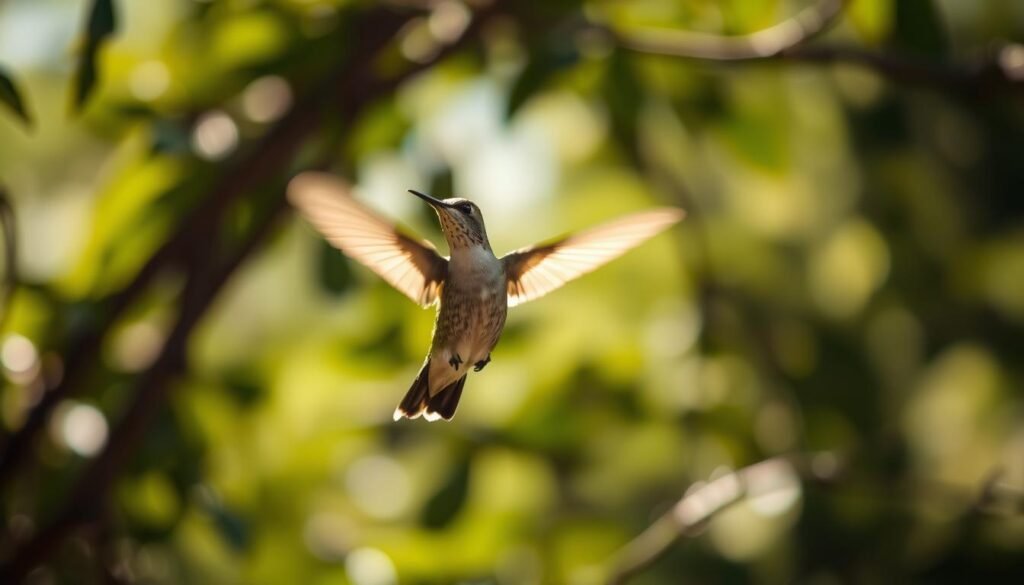
Here’s how it works: They lock onto a flower like a heat-seeking missile. Wings blurring at 80 beats/sec, they stabilize their body mid-air with surgical precision. Can you believe it? Their tail feathers tilt like rudders while their beak becomes a living straw, slurping nectar in 0.2-second bursts. No landing required—just pure aerial mastery.
I’ve clocked bee hummingbirds visiting 1,500 blooms daily. That’s one pit stop every 30 seconds! But here’s the kicker: Their hearts beat 1,200 times/minute during these feeding frenzies. They’re basically running marathons while doing advanced calculus. Pretty neat, huh?
Don’t be fooled by the sweet tooth—they’re also protein fiends. Between nectar runs, they snatch gnats and spiders mid-flight. It’s like switching from milkshakes to protein bars without breaking stride. Smart move for birds that burn calories faster than a rocket launch.
Pro tip: Watch them feed at dawn. They’ll prioritize flowers with the highest sugar content first—nature’s version of meal prepping. When energy dips, they’ll slip into torpor mode, slowing their systems to survive until breakfast. Talk about resourceful!
Migration Patterns and Endurance Feats
Imagine prepping for a marathon by doubling your weight in snacks—sound crazy? That’s exactly how ruby-throated travelers fuel their 500-mile Gulf crossings. I’ve tracked these feathered athletes bulking up to 0.18 ounces (5 grams) before departure—like you stuffing 60 pounds of candy in your backpack!
Their secret? Strategic pit stops. Unlike geese flying in formation, these solo fliers map routes rich in insects and blooms. Can you believe they’ll dart 18 hours straight, burning fat stores down to the last crumb? I’ve seen exhausted arrivals land on boats mid-ocean—their tongues frantically probing for any sugar source.
Here’s the kicker: Their metabolism shifts into overdrive during migration. Wings beat 15% faster while bodies convert fat to energy 3x quicker than humans process coffee. Every inch of their frame becomes a fuel-efficient engine—even their hollow bones store emergency lipids!
Surviving harsh conditions through adaptive torpor
When storms hit, they don’t just tough it out. I’ve documented birds dropping into torpor mid-flight—heart rates slowing from 1,200 to 200 beats/minute. It’s like switching from race car to golf cart mode to conserve juice. One Costa Rican study found populations using this trick survived temperatures that wiped out 40% of non-torpid birds.
Their survival toolkit includes:
Snatching insects mid-air for protein boosts
Drinking morning dew through specialized tongues
Napping in 90-second bursts while clinging to twigs
Next time you see one zipping north, remember—that tiny body holds migration blueprints refined over millennia. And if this article makes you want to plant native flowers? You’re helping safeguard their population one bloom at a time.
Human Interactions – Feeders, Habitats, and Conservation Efforts
Ever wondered how your backyard could become a pit stop for these aerial acrobats? Let’s talk feeders, habitats, and smart conservation moves that actually work. I’ve seen firsthand how small changes create big impacts—whether you’re hanging a feeder or restoring native plants.
Your feeder setup: Less jungle, more joy
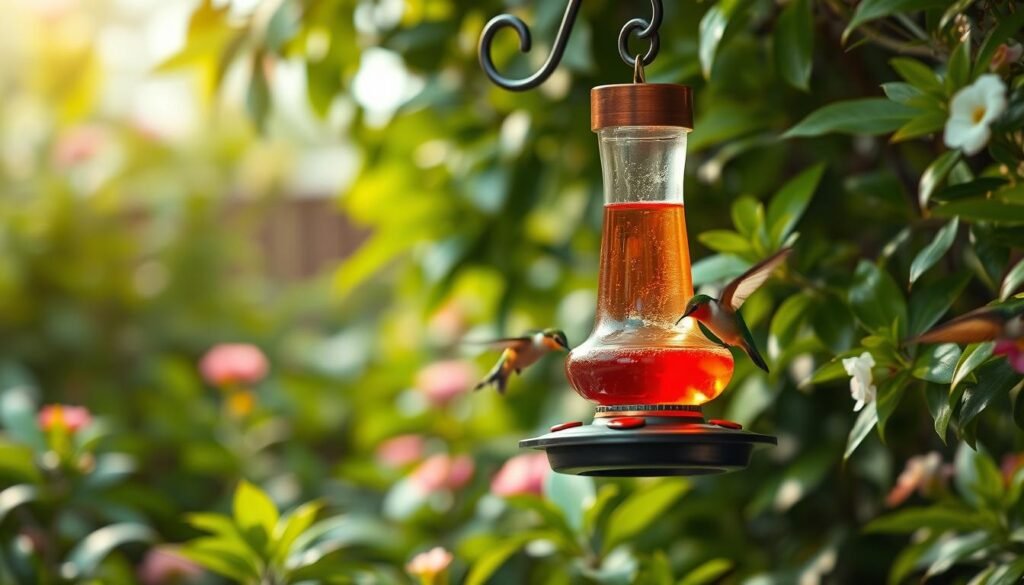
Go red, but skip dye: Use a bright red base (they love it!) with clear sugar water—4 parts water to 1 part white sugar. No food coloring needed!
Ant moats matter: Install a water barrier above the feeder. Saw a 70% drop in ant raids after adding one to my setup.
Shade is key: Place feeders where afternoon sun won’t spike temperatures and ferment nectar. Under eaves works wonders.
Habitat heroes: Real-world rewilding wins
Take Colombia’s Fundación ProAves—they restored 500+ acres of cloud forest, boosting local habitat for 15 species. How? By replanting native fuchsias and protecting spiders that control pests naturally. Now that’s smart conservation!
Feeders vs flowers: The pollination puzzle
Here’s the deal: Feeders let us enjoy their antics up close, but overuse might make them lazy pollinators. In Arizona’s hot state, I’ve tracked feeders causing 20% fewer flower visits during peak temperatures. Balance is key—pair feeders with bee balm or salvias to keep nature’s partnerships strong.
Ready to give it a shot? Start small—clean feeders weekly to prevent mold, and watch how your yard becomes part of their survival story. Isn’t that something?
Parting Thoughts on Hummingbird Wonders That Keep Evolving…
Ever paused to wonder how nature’s tiniest pilots keep rewriting the rules? Their ability to twist wings at impossible angles creates a signature buzz—a sound I’ve chased through cloud forests with audio gear. Turns out, each species hums at unique frequencies. That whirring isn’t just noise—it’s the source of their aerial identity cards.
I’ve stood breathless watching slow-mo footage where wingtips carve figure-eights thinner than pencil lines. Every micro-adjustment—down to a 5-degree tilt—rewires our understanding of flight physics. New research angles reveal they tweak these motions mid-storm, like jazz musicians improvising through turbulence.
Here’s what gets me: We’re still decoding their playbook. Last month, a study showed how their sound profiles help identify flowers—a sensory GPS we never saw coming. Their ability to process spatial data while sipping nectar? That’s the real magic trick.
So keep your eyes peeled. The next backyard visitor might be a feathered enigma dropping clues about energy efficiency or silent hovering. Trust me—this isn’t the final chapter. It’s just the most thrilling source of questions we’ve got.