Let’s cut to the chase: Easter’s got Roman soldiers guarding tombs, eggs that somehow became chocolate, and a bunny that moonlights as a history teacher. Oh, and that “secret army” in the title? Turns out the stone blocking Jesus’ tomb wasn’t moved by magic—it took divine intervention (or as I call it, the ultimate escape room challenge).
Every spring, 90 million pounds of chocolate eggs vanish in Britain alone. That’s enough to fill a swimming pool! But here’s the kicker: egg decorating started way before Instagram. Ancient Persians dyed eggs for Nowruz, Christians added resurrection symbolism, and now we’ve got kids smashing confetti-filled eggs on TikTok. Progress?
Ever wonder why Good Friday isn’t called “Sad Friday”? Blame the English language—it originally meant “holy.” And Mary Magdalene’s tomb discovery? Let’s just say she’d have made a killer detective. The stone rolled away, the guards poofed, and suddenly we’re hiding plastic eggs in bushes. History’s weird like that.
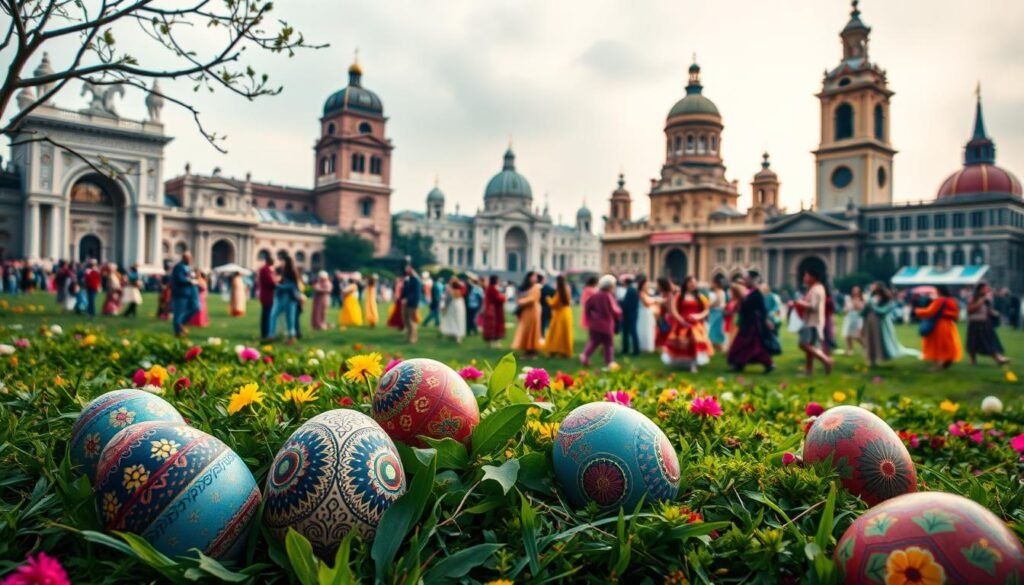
From Polish pisanki eggs to Texan cascarones battles, traditions mix faith, fun, and a dash of chaos. Want proof? Last year, a church in Ohio reenacted the resurrection with live sheep. Because nothing says “He is risen” like a confused alpaca chewing on your Easter lilies.
Resurrection Realities: A Look at Easter’s Unfolding Story…
Imagine this: a stone weighing over a ton, sealing a tomb so securely that even Roman guards felt confident. Then—poof—it’s moved overnight. No cranes, no pulleys, just pure divine muscle. That’s the jaw-dropper that kicks off this story.
Crucifixion, Tomb Shifts, and Unexpected Discoveries
Let’s get gritty. Crucifixion wasn’t just brutal—it was Rome’s ultimate “don’t mess with us” statement. Yet here we are, talking about it 2,000 years later. The tomb’s stone wasn’t nudged aside by human hands; ancient texts describe it as “rolled away like a pebble”. Can you believe it? Even the guards posted there apparently froze like deer in headlights.
Mary Magdalene and the Stone That Moved
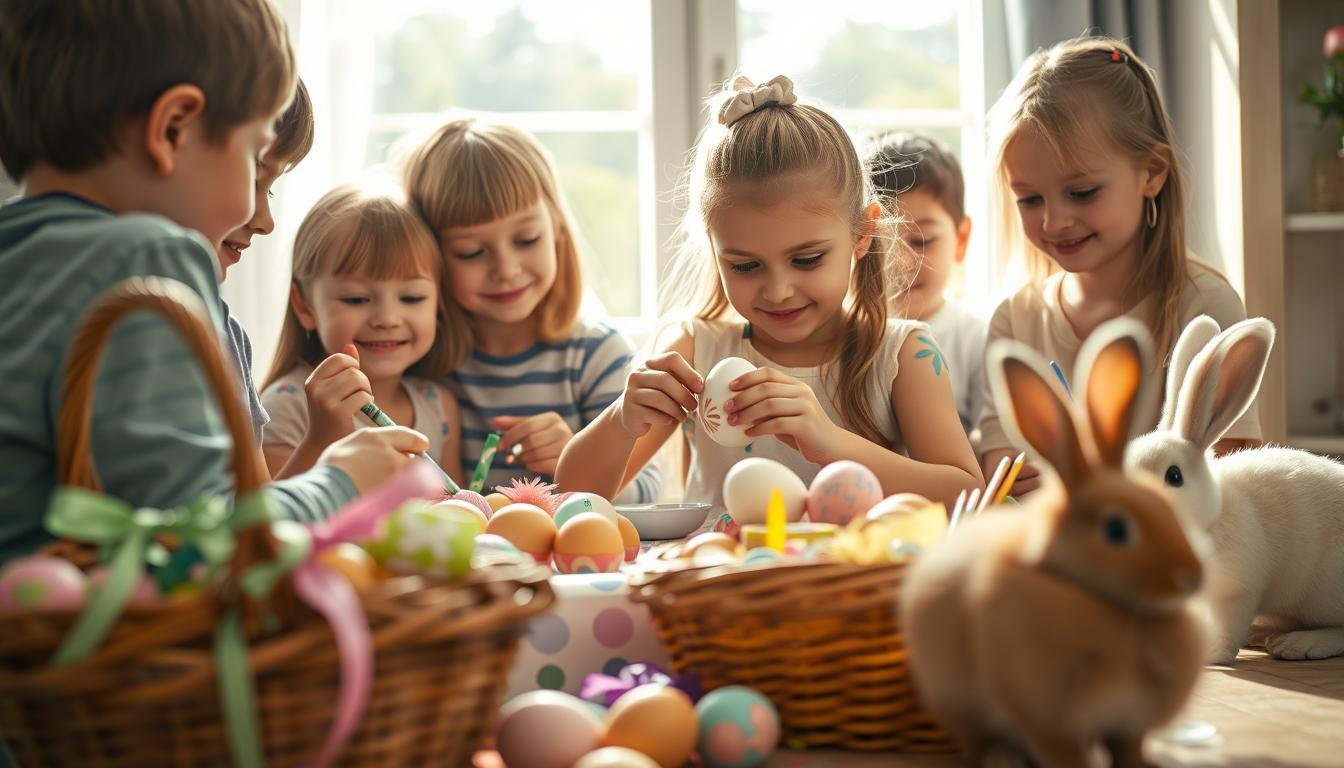
Picture Mary arriving at dawn, spices in hand, only to find the entrance wide open. No body. Just folded burial cloths. Talk about a plot twist! Her mix of panic and hope? Relatable. Modern children hunting for hidden eggs get that same thrill—minus the world-changing implications.
Here’s a fun connection: the holiday’s date hinges on the full moon. Easter’s celebrated on the first Sunday after the first spring moon. Ancient farmers used lunar cycles; now we use them to time chocolate sales. What a twist!
Easter Facts for Kids: Surprising Rituals and Hidden Histories…
Ever wonder how chocolate bunnies ended up guarding ancient symbols? Let’s crack this open: that candy egg in your basket has a sneaky history. What started as dyed chicken eggs in Mesopotamia became a resurrection metaphor—and now? We’ve got 90 million pounds of chocolate eggs devoured yearly. Talk about a glow-up!
Chocolate Eggs, Bunny Myths, and Candid Family Traditions
Here’s the scoop: Germans invented the Easter bunny in the 1700s. Yep, a fluffy delivery rodent. But eggs? They’ve been symbolic since people first celebrated spring. Early Christians linked cracked eggs to Jesus’ empty tomb—now we’ve just added caramel centers. Progress, right?
Era
Tradition
Modern Spin
Ancient Persia
Dyed eggs for Nowruz
Glitter-filled plastic eggs
Medieval Europe
Blessing eggs in church
Supermarket egg aisles
18th Century
German “Osterhase” bunny
Giant mall bunnies
Door-to-Door Blessings with a Wink of Tradition
Swedish kids dress as witches every first Sunday after the spring moon. They trade handmade art for candy—like Halloween’s cheerful cousin. This quirky custom? It’s rooted in medieval blessings, where people believed witches flew to dance with demons before resurrection day. Now it’s just an excuse to wear capes and score sweets. Win-win!
Want more proof traditions adapt? Texas families whack confetti eggs on heads for luck. Guatemala carpets streets with flower art. Whether you’re hunting eggs or sharing blessings, this holiday keeps history alive—with a candy-coated twist.
Origins and Symbols: From Pagan Twists to Spring’s First Blooms…
Ready for a history lesson that’s wilder than a bunny stampede? Let’s dig into how ancient spring rituals became the holiday traditions we know today. Step one: grab a metaphorical shovel. Step two: uncover the messy, glorious mash-up of cultures that shaped symbols like lambs and eggs.
How Lamb Feasts and Egg Traditions Evolved Over Centuries
Start with the lamb. Ancient Mesopotamians roasted them during spring equinox feasts 4,000 years ago—a nod to new life. Fast-forward to Jewish Passover: lamb blood on doorposts became a symbol of protection. Early Christians repurposed it as Jesus, the “Lamb of God.” Today? We’re still serving mint jelly with history.
Eggs? Even juicier. Persians dyed them red 2,500 years ago for Nowruz (Persian New Year). Christians flipped the script: cracked shells symbolized Jesus’ empty tomb. By medieval times, Ukrainians mastered pysanky—eggs etched with beeswax. Modern twist: Cadbury pumps out 1.5 million crème eggs daily.
Here’s the kicker: the calendar wars decided Easter’s date. The Council of Nicaea (325 CE) tied it to the first Sunday after the spring moon. Blame it on Roman math meets lunar cycles. Want proof? Check how time zones still scramble egg hunts globally.
Death to life glow-up alert! Pagans saw spring as nature’s reboot—bare trees to blossoms. Christians layered resurrection themes. Eggs went from mourning symbols to candy-coated joy. Even the world’s oldest decorated egg (60,000 years!) was found in South Africa. Talk about longevity.
Let’s break it down:
Pick a symbol (lamb, egg, rabbit)
Trace its path through 3+ cultures
Spot the calendar math linking it to rebirth
Add sugar (optional but recommended)
Holy Week Happenings: Good Friday, Maundy Thursday, and More…
What if I told you history’s most pivotal week began with a foot-washing ceremony? Welcome to Holy Week—where ancient rituals meet modern church practices. These days aren’t just dates on a calendar; they’re a time capsule of faith and history.
When Roman Soldiers Guarded a Quiet Cave
Picture this: Jerusalem, 33 CE. A squad of Roman soldiers stands watch over a tomb carved into rock. Their orders? Prevent tampering with a corpse. Little did they know they’d witness history’s greatest plot twist. By Sunday morning, that heavy stone seal became a symbol of divine power—rolled aside like a marble.
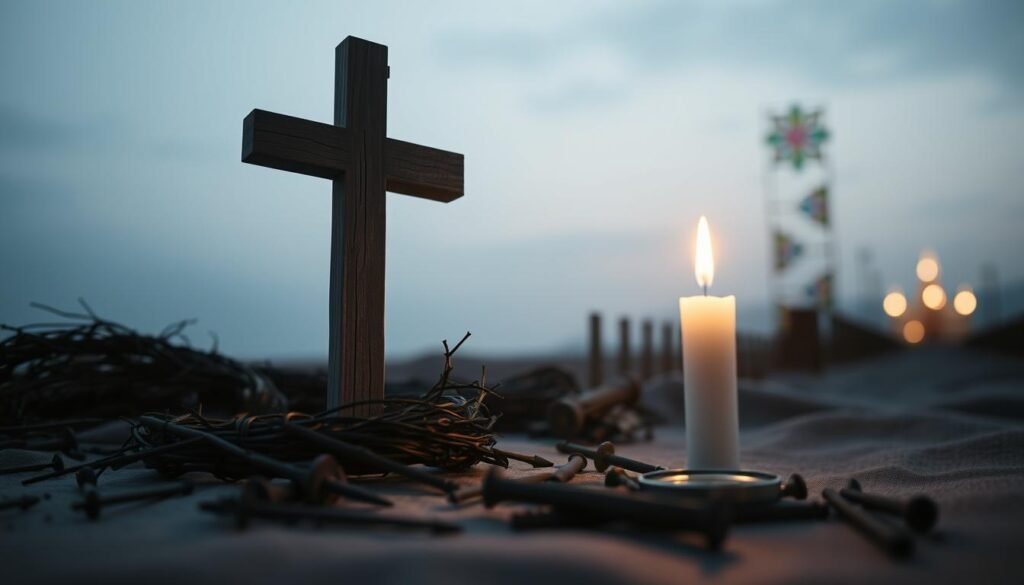
Let’s break down the days. Maundy Thursday (April 6th this year) commemorates Jesus’ Last Supper—think bread, wine, and a farewell speech. Good Friday follows, marked by somber cross-centered services. Many churches reenact the Via Dolorosa, complete with candlelit processions.
Here’s a detail you’ll love: the tradition of fasting on Good Friday dates back to 2nd-century Christians. They’d abstain from meat, mirroring Jesus’ sacrifice. Modern twists? Some swap fish fries for vegan feasts. The symbolism remains—empty plates echoing an empty tomb.
From palm fronds to foot-washing basins, every tradition tells a story. Next time you see a cross draped in purple, remember: you’re glimpsing a 2,000-year-old drama that reshaped the world.
Mysterious Easter Oddities: Giant Eggs and Royal Secrets…
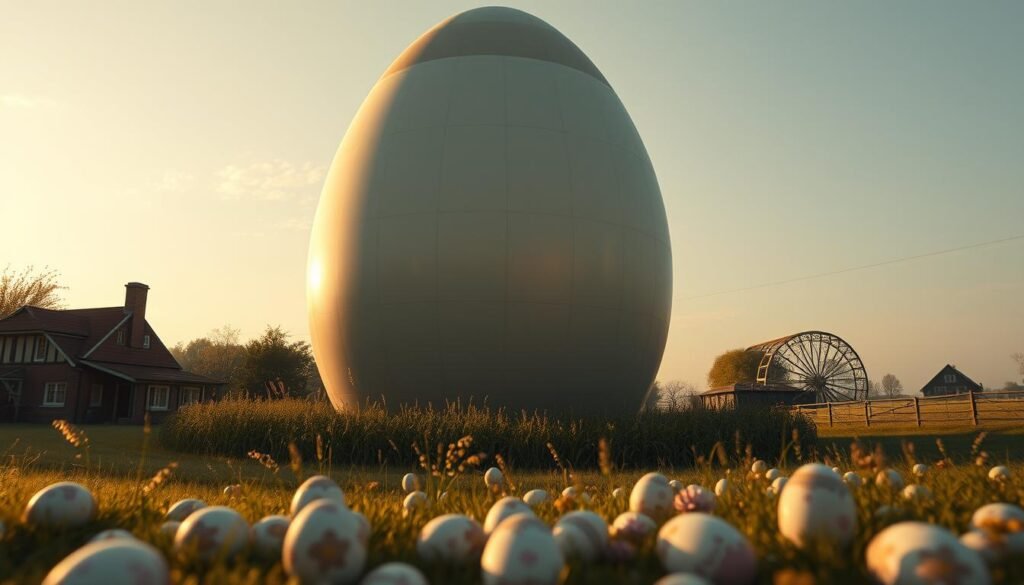
Hold onto your chocolate bunnies—Florida once hid 501,000 plastic Easter eggs in a single hunt. That’s enough to stretch from Miami to Jacksonville if lined up. But here’s the kicker: the largest Easter egg ever wasn’t even edible. Italy’s 15,000-pound chocolate monstrosity in Tosca could’ve housed a small car. Divine intervention or sugar rush? You decide.
Records in Florida and the Steely Chocolate Conundrum
Let’s talk numbers. That Italian chocolate egg? Taller than a giraffe. Florida’s 2023 hunt? Required 2,500 volunteers. But how does this connect to the resurrection of Jesus Christ? Simple: both hinge on unexpected scale. Ancient tombs guarded by soldiers vs. modern spectacles guarded by hype. Same awe, different packaging.
Record
Location
Quirky Detail
Most Eggs Hidden
Florida, USA
501,000 eggs in 90 minutes
Largest Chocolate Egg
Tosca, Italy
35 feet tall, 15,873 lbs
Longest Egg Roll
Washington D.C.
42,000 eggs since 1878
Here’s the twist: royal families once gifted jeweled eggs as Easter Sunday tokens. Fabergé’s creations? Child’s play compared to Italy’s cocoa skyscraper. Yet both whisper the same truth—humans love turning sacred moments into “hold my beer” challenges. The Easter bunny approves.
Cultural Curiosities: Global Takes on Easter Traditions…
Did you know Ukrainian eggs can take 30 hours to decorate by hand? Across the globe, this spring celebration morphs into wildly different rituals. Let’s explore how cultures mix ancient symbols with modern flair.
Swedish Easter Witches and Ukrainian Pysanky Wonders
In Sweden, kids dress as witches every spring festival. They trade handmade cards for candy—like trick-or-treating meets arts and crafts. This quirky tradition dates to the 1600s, when people believed witches flew to meet demons before resurrection day. Now? Just an excuse to wear sparkly hats.
Meanwhile, Ukrainian pysanky eggs are miniature masterpieces. Artists use beeswax and dyes to create intricate patterns. Each symbol means something: triangles for the Holy Trinity, deer for prosperity. Break one accidentally? That’s 8 hours of work gone. No pressure!
An Egg Hunt That’s More Than Child’s Play
Florida’s 2023 hunt hid 501,000 plastic eggs—a world record. That’s 278 eggs per minute! But here’s the kicker: communities treat these hunts like pro sports. Teams strategize. Parents scout locations. Why? Because finding that golden chocolate egg means bragging rights for a year.
Tradition
Origin
Modern Twist
Swedish Witches
Medieval folklore
Candy trades + TikTok videos
Ukrainian Pysanky
Pre-Christian art
Etsy shops selling $200 eggs
Mega Egg Hunts
1800s Germany
Drone-assisted searches
From Poland’s water fights to Guatemala’s flower carpets, every celebration adds local flavor. These aren’t just parties—they’re time capsules with a side of sugar rush.
Wrapping Up with a Twist: Unfinished Insights into Easter Celebrations… Hints of Hidden Stories and nooks of tradition
Ever noticed how some stories refuse to stay buried? Take Ēostre, the spring goddess whose name might’ve inspired the holiday itself. Her connection to hares and rebirth still echoes in egg hunts—though I doubt she envisioned chocolate-dipped versions. And that moon dictating the date? It’s still pulling strings after 1,700 years of celebrations.
Here’s what fascinates me: that heavy tomb stone wasn’t just moved—it became a plot device spanning faiths and centuries. Roman guards vanished like morning mist, while family recipes for lamb endure. Even now, grandmothers in Greece bake tsoureki bread with red eggs, whispering traditions older than their ovens.
But what about the goddess worshipers who blended their rituals with new faith? Or why Ukrainian pysanky artists still use beeswax patterns from pagan times? The moon cycles, the tomb’s mystery, the way family meals stitch generations together—these threads remain tantalizingly loose.
Maybe that’s the point. Celebrations aren’t meant to be solved, but lived. So next time you spot a bunny-shaped candy aisle, remember: you’re stepping into a story where even the goddess of dawn might wink from the shadows. Ready to dig deeper?