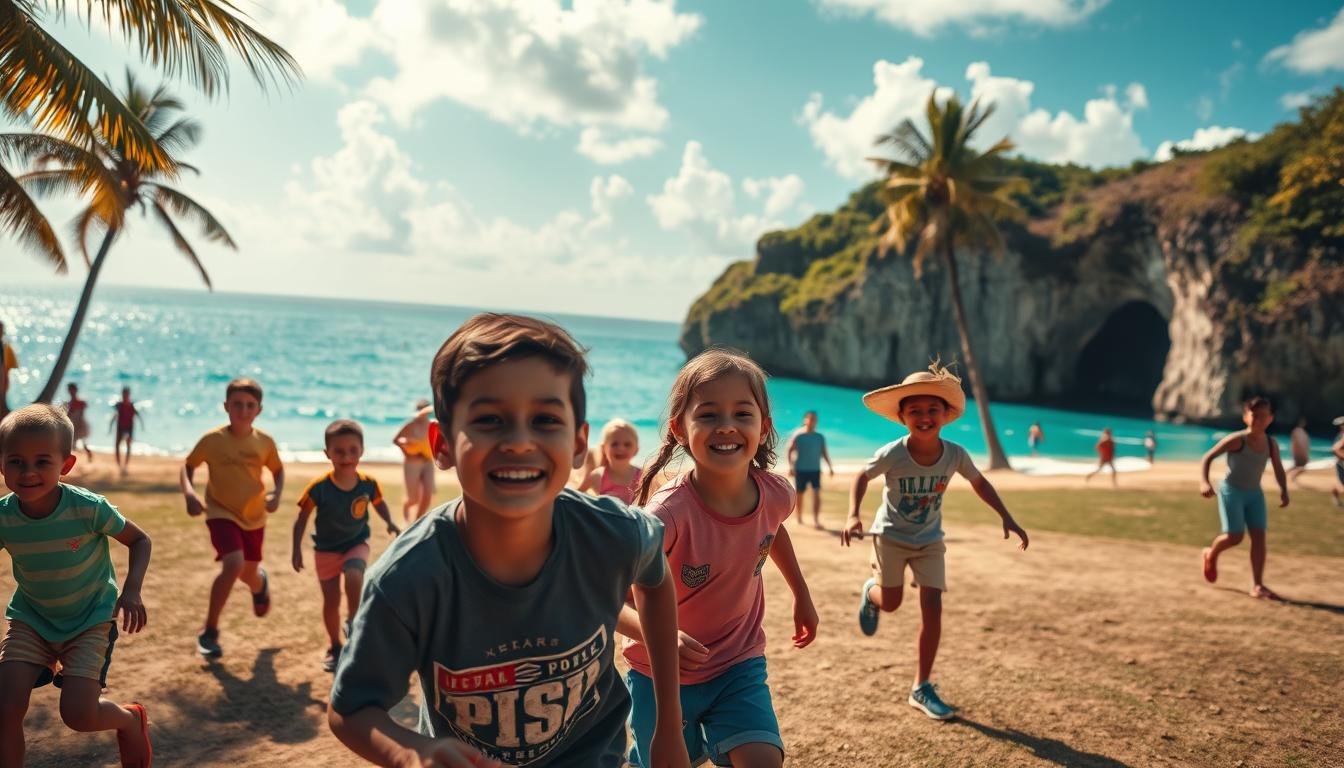
Let’s get real: this Caribbean gem isn’t just about sunburned tourists sipping coconut water. Want proof? Over 93% of locals can read—that’s higher than my last attempt at assembling IKEA furniture. Imagine a place where baseball fields outnumber traffic lights, rainbow-colored houses wink at you from every corner, and secret caves hide ancient Taino drawings. Yeah, it’s that cool.
Here’s the scoop: this island nation swings big. Their passion for baseball isn’t just a hobby—it’s practically a religion. Ever heard of David Ortiz or Sammy Sosa? These legends learned to hit home runs on dusty sandlots here. But wait—there’s more brain candy. Schools teach kids three languages (Spanish, English, and Creole), and their flag’s colors? Blue for sky, red for blood spilled for freedom, and white for faith. No boring beige here!
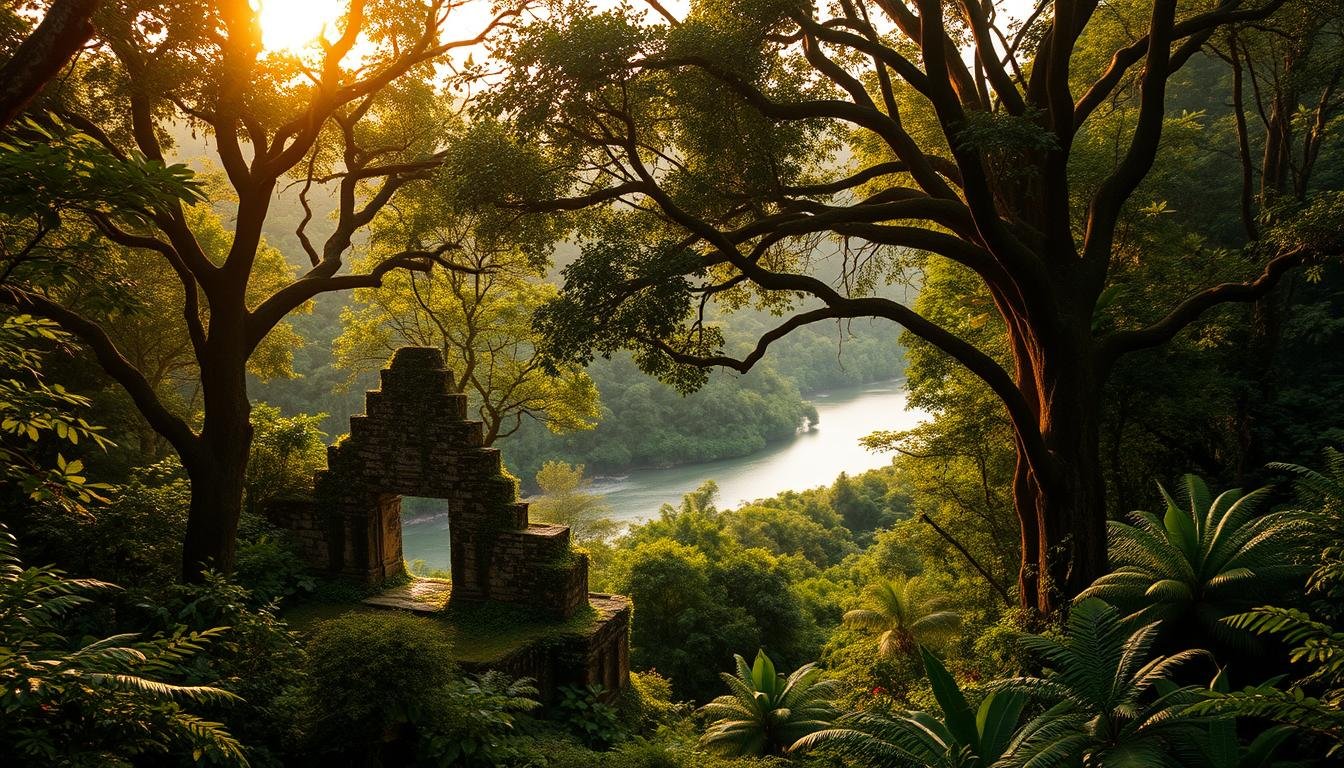
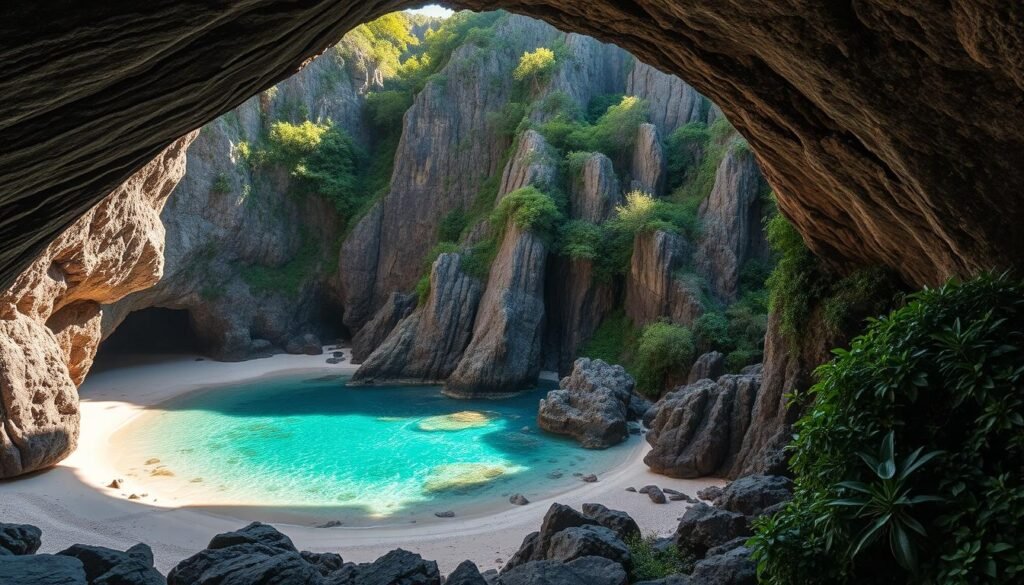
Oh, and those caves? Picture this: you’re crawling through Los Tres Ojos in Santo Domingo, spotting stalactites older than your great-great-grandma’s recipe for sancocho. Trust me, this place makes history class feel like a Netflix binge. Ready to dive deeper than a shortstop chasing a pop fly? Let’s roll.
Introduction: A Sneak Peek into an Edgy Island World
Ever stepped into a living postcard? Welcome to Hispaniola’s eastern gem, where emerald rainforests crash into beaches so white they’d blind your sunglasses. This country doesn’t just do tropical—it reinvents it daily.
Setting the Scene with Real Insights
Here’s the deal: you’re standing on land that’s seen Taíno chiefs, Spanish conquistadors, and pirate hideouts. The air? Thick with mango-scented humidity that’ll frizz your hair in seconds flat. Don’t bother checking the weather app—85°F is the default setting year-round.
Unpacking the Island’s Vibe
Locals chat in Spanish peppered with Creole spices and indigenous Taíno words. Heard someone shout “¡Qué lo qué!”? That’s their “What’s up?”—casual as flip-flops on cobblestones. Time here moves like hammock sway: slow enough to taste the passionfruit juice, fast enough to catch the next merengue beat.
Dominican Republic Facts for Kids: Quirky Snapshots to Get You Thinking
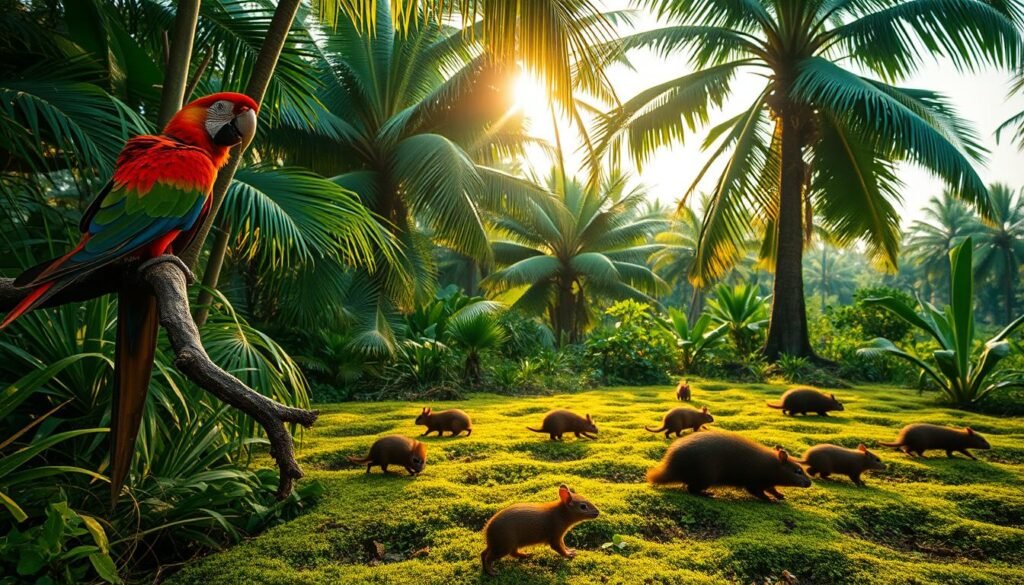
Ready for brain ticklers? This island’s got more surprises than a piñata at a birthday party. Picture a hummingbird-sized frog called the Hispaniolan solenodon—it’s venomous and older than dinosaurs. Yeah, you read that right. Ancient.
Ever seen a bird’s nest that looks like an apartment building? Meet the palmchat—the national bird that builds condo-style homes in royal palms. Their chatty calls? Think of it as nature’s group text notification.
Let’s talk beats. Merengue music moves faster than your heartbeat after a rollercoaster ride—200 beats per minute. That’s like sprinting through a dance floor! Locals learn these rhythms before they can tie their shoes.
Category
Snapshot
Wow Factor
Population
10.7 million
More people than NYC’s subway riders daily
National Bird
Palmchat
Builds multi-family nests
Music Beat
Merengue
Faster than a popcorn pop
Unique Critter
Solenodon
Venomous snout since T. rex days
Here’s a head-scratcher: the DR has the Caribbean’s highest mountain (Pico Duarte) and its lowest lake (Enriquillo). How’s that for geographic drama? Bet your backyard doesn’t have that combo.
Oh, and those rainbow-colored houses? They’re not just pretty—they’re hurricane-proof. Built to outlast storms with concrete walls thicker than a dictionary. Still think LEGO’s the toughest builder?
Tale of Santo Domingo and Beyond
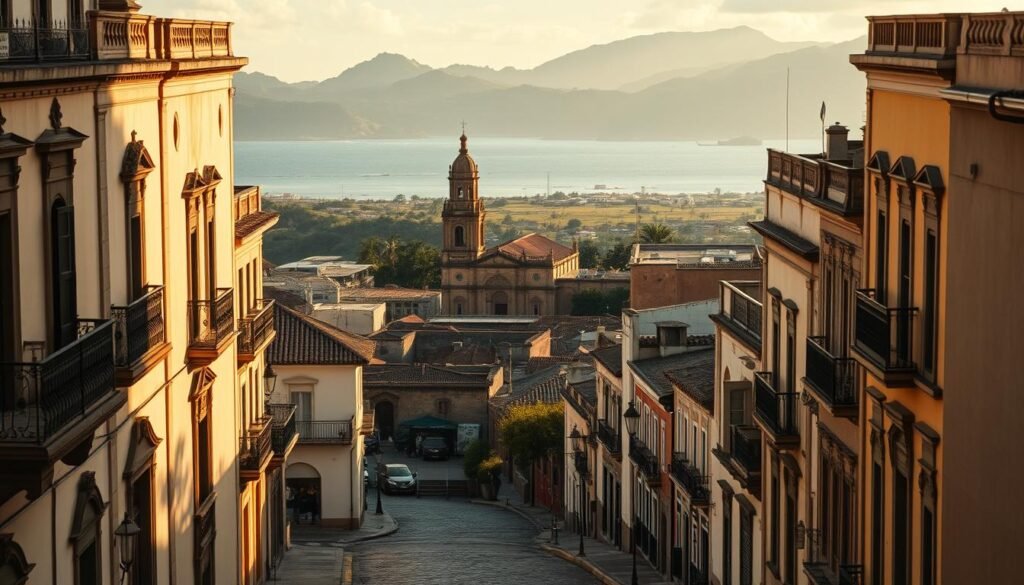
Let’s cut through the coconut husk: Santo Domingo isn’t your average capital city. Walk its cobblestone streets, and you’re literally tracing the first urban blueprint of the Americas. Founded in 1498, this UNESCO World Heritage Site makes Rome look like a rookie. I once got lost near the Alcázar de Colón—a 16th-century palace where Christopher Columbus’s son hosted pirate parties. No joke.
History and Heritage: From Taíno Roots to Colonial Curiosity
Ever seen a cathedral that moonlights as a time machine? The Basilica of Santa María stands as the oldest in the Western Hemisphere. Its walls have heard everything from Taíno chants to Columbus’s brother ranting about storms. The city’s coat of arms? A bible balanced on a crossbow—because nothing says “peace” like holy firepower. Locals joke it’s their ancestors’ way of saying, “Don’t mess with us.”
City Vibes in Santo Domingo Without Giving It All Away
Modern Santo Domingo slaps you with contradictions. One block: pastel colonial mansions housing artisanal helado shops. Next block: neon-lit colmados blasting reggaeton. I stumbled upon a street mural depicting Taíno warriors breakdancing—history remixed for the TikTok era. Pro tip: grab a chimi burger from a food cart and people-watch at Plaza España. The city whispers stories if you lean in close… but I’ll let it keep some secrets.
Hidden Caves, Lively Beaches, and Natural Wonders in the Dominican Republic
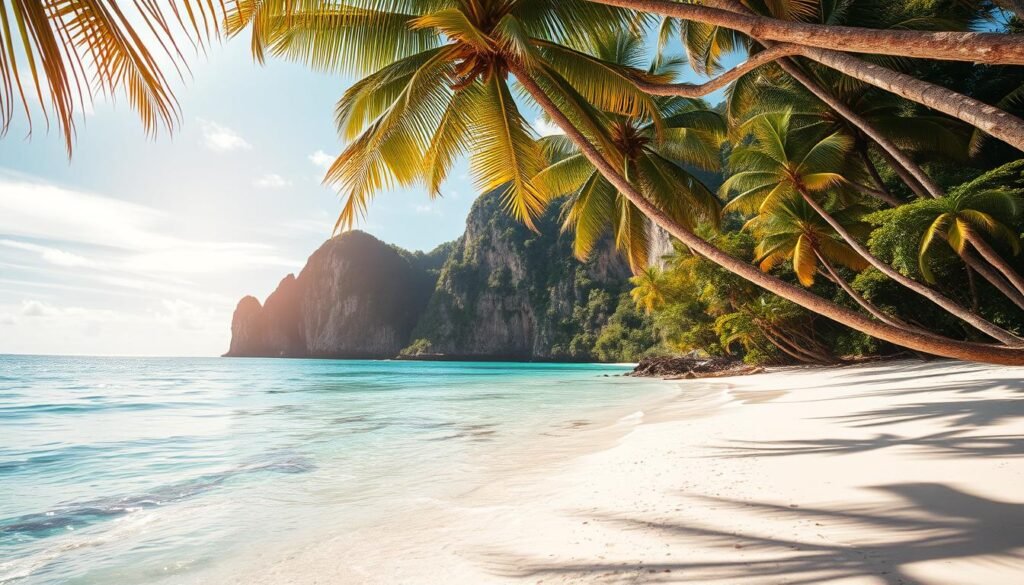
Think your backyard’s cool? Try Puerto Plata’s beaches where the sand glows like crushed diamonds under 85°F sunshine. This stretch of coast isn’t just pretty—it’s certified Blue Flag, meaning the water’s cleaner than your math teacher’s whiteboard. But the real magic? Those hidden coves where pirates once stashed treasure chests. Rumor has it you can still find rusty cutlasses in sea caves if you’re brave enough to look.
Tropical Geography Intrigue
Head inland, and the climate shifts faster than a TikTok trend. One minute you’re sweating through mango groves, the next you’re shivering at 10,000 feet on Pico Duarte—the Caribbean’s highest peak. Half this island is farmland, growing everything from cocoa to coffee. But the showstopper? Salto El Limón, a waterfall so epic you’ll swear it’s CGI. Hike through palm forests on horseback, then plunge into its turquoise pool. Trust me, it’s like jumping into a screensaver.
Natural Feature
Location
Unique Fact
Blue Flag Beaches
Puerto Plata
Water clarity exceeds 98%
Salto El Limón
Samaná Peninsula
168-foot cascade
Los Haitises Caves
Northeast Coast
Ancient Taino petroglyphs
Farmland
Central Valleys
55% of total land area
Here’s the kicker: this place packs rainforests, deserts, and salt lakes into one island. Lake Enriquillo sits 150 feet below sea level—home to crocodiles sunbathing like retirees. Meanwhile, cloud forests in the Cordillera Central stay misty year-round. Pro tip: pack both flip-flops and hiking boots. Mother Nature here plays by her own rules.
Baseball, Music, and Merriment: The Island’s Undeniable Spirit
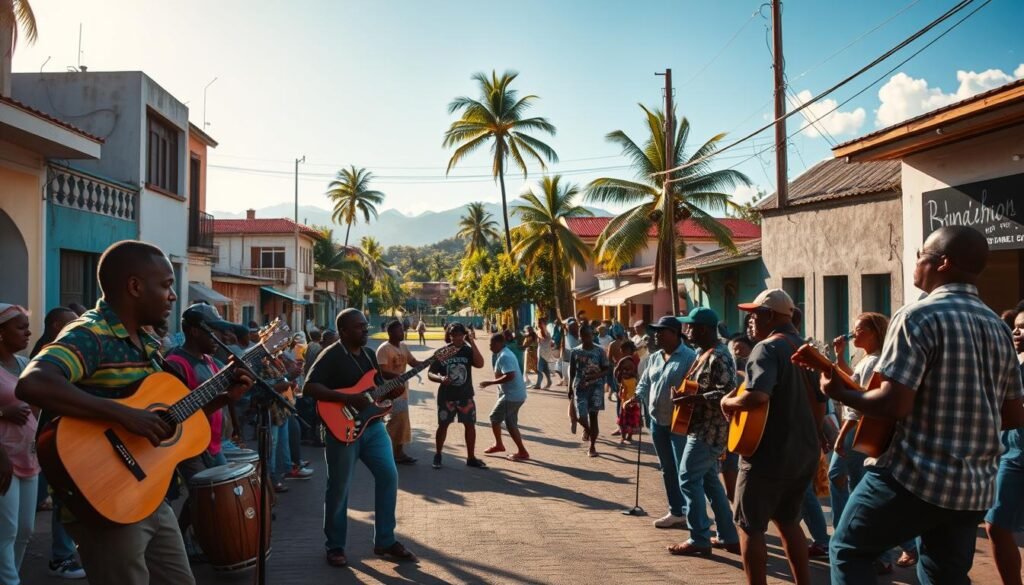
Ever had a song stuck in your bones? That’s everyday life here. Walk through Santo Domingo’s Zona Colonial, and your feet start tapping before your brain catches up. Merengue music isn’t background noise—it’s the island’s heartbeat, pumping at 200 beats per minute. You know how it feels when your favorite movie soundtrack swells? Now imagine that energy fueling entire neighborhoods.
Baseball diamonds double as community hubs. Kids swing broomstick bats at bottle-cap balls, dreaming of becoming the next Pedro Martínez. Locals don’t just watch games—they live them. Ever seen a grandmother curse at a umpire in Spanish? It’s poetry.
The rhythm follows you to cities like Santiago and La Romana. Street vendors sell fresh mangoes to saxophonists’ solos. Even grocery stores blast bachata tracks—you’ll hum along while choosing plantains. This isn’t just music; it’s a shared language.
Cultural Pillar
Signature Detail
Local Impact
Merengue
200 BPM tempo
Taught in schools
Baseball
100+ MLB players
Sandlot tournaments nightly
Festivals
Carnaval masks
Year-round celebrations
Visitors often say it feels like home—maybe because strangers greet you like cousins. The DR’s secret? Joy isn’t reserved for weekends. Here, Tuesday afternoons sparkle with the same magic as New Year’s Eve. Next time you hear a trumpet riff, remember: this island’s spirit doesn’t fade when the music stops.
Flavors, Food, and Festivities Straight from the Island
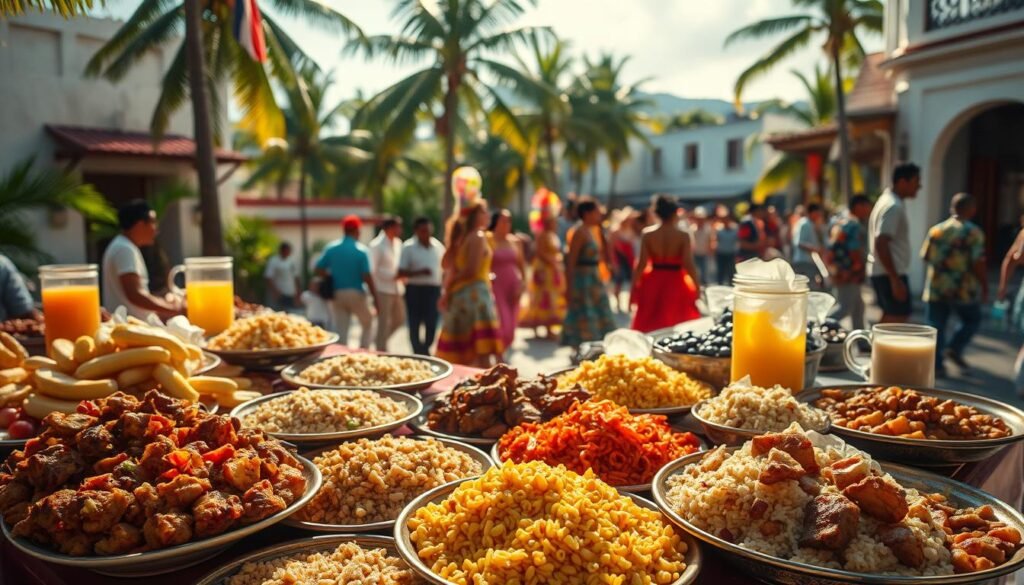
Hungry for truth serum? Let’s talk plates, not politics. This country’s kitchens hum with flavors that’ll make your taste buds salsa dance. Take tostones—twice-fried plantain coins so crispy they crackle like firecrackers. Dip ’em in garlicky mojo sauce, and suddenly kale chips seem tragic.
Lunchtime here means la bandera—the “flag” plate. White rice, red beans, and stewed meat form a trifecta so iconic it’s served daily. But the real MVP? Sancocho, a seven-meat stew simmered with yucca and corn. It’s like a family reunion in a pot—every ingredient brings drama.
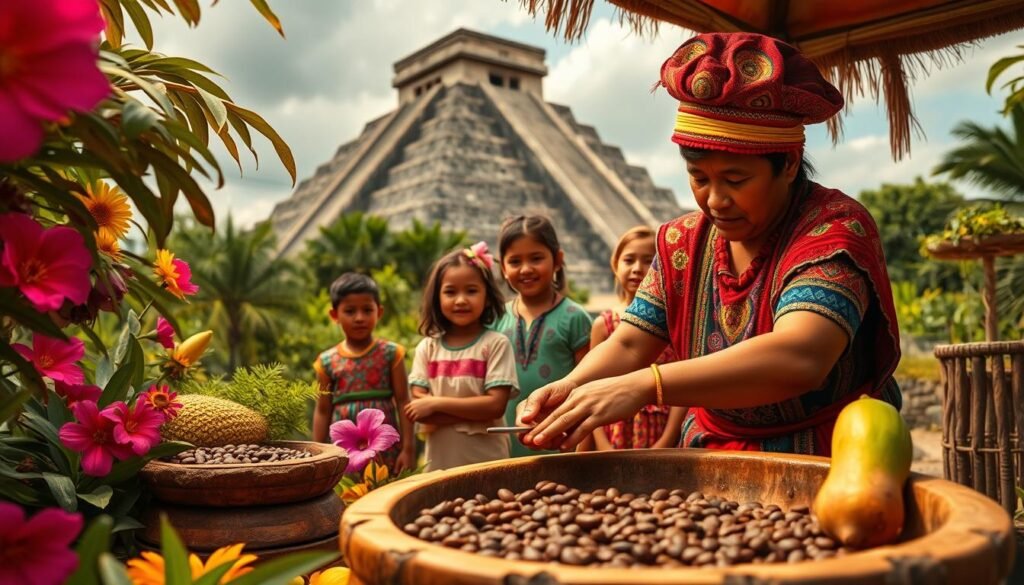
Now, let’s sweeten the deal. Sugar isn’t just for desserts here—it’s liquid gold. Vast fields of cane sway like green oceans, fueling rum distilleries and abuelas’ afternoon cafecitos. Speaking of coffee: beans grow under mango trees’ shade, giving each sip earthy notes your Starbucks can’t replicate.
Crop
Role
Fun Fact
Sugar
#1 Export
2.5 million tons harvested yearly
Coffee
Morning Ritual
Shade-grown since 1735
Tobacco
Cigar Fame
Used in 60% of premium cigars
Festivals? They’re edible. At Carnival, masked dancers munch yaniqueques (crispy johnnycakes) between parades. Pro tip: chase them with mamajuana—a spiced rum blend locals swear cures everything from heartbreak to hiccups.
Here’s the kicker: food here isn’t just fuel. It’s gossip shared over stovetops, history served in clay pots, and love letters written in sugar syrup. Still think your lunchbox can compete?
Wildlife, National Birds, and Storybook Creatures
Ever seen a bird’s nest that looks like a condo? Meet the palmchat—the DR’s national bird that engineers multi-family homes in royal palms. These chatty architects build stick apartments so sturdy, they’d put LEGO castles to shame. Their nests often house multiple families, turning trees into avian apartment complexes. Talk about neighborly!
Spotlighting the Palmchat and Endemic Wonders
This island’s wildlife plays by its own rules. Take the Hispaniolan solenodon—a venomous shrew-like creature that’s survived asteroid impacts and ice ages. It’s like nature’s version of a action movie hero. Then there’s the rhinoceros iguana, sporting horns that would make a rhino jealous. Found only in a handful of countries, these dinosaurs-on-a-diet rule the arid forests.
Head to Samaná Bay between January-March, and you’ll witness humpback whales throwing pool parties. These 40-ton acrobats breach higher than NBA stars, singing songs that travel across oceans. Back on land, the jutía (tree rat) performs tightrope acts in ceiba trees—proving even rodents here have flair.
Species
Superpower
Exclusivity
Palmchat
Condominium nests
Only in 2 countries
Solenodon
Venomous bite
Caribbean’s oldest mammal
Humpback Whales
Underwater concerts
4-month mating spectacle
Here’s the kicker: over 30% of the Dominican Republic’s species exist nowhere else. From frogs that glow in moonlight to orchids mimicking bird shapes, this island’s biodiversity reads like a fairy tale—if fairy tales came with scientific names and survival soap operas.
Parting Thoughts on the Dominican Republic That Spark Curiosity
Here’s the kicker: this island doesn’t just live in history books—it writes new chapters daily. Walk through Santo Domingo, where 16th-century forts shadow street art murals, and you’ll feel centuries collapse like dominoes. That “independence” they won in 1844? It’s not a dusty fact—it’s the reason merengue pulses through open windows at midnight.
Ten million people call this place home, their lives woven into a flag where blue meets red like sea kisses sky. The coat of arms? A bible balanced on a crossbow—proof that peace here packs punchlines. Santo Domingo’s cobblestones still whisper about 1498, but its food trucks serve plantain chips with WiFi passwords.
Think about this: a country smaller than West Virginia births MLB legends and whale sanctuaries. Its language dances between Spanish slang and Taíno echoes. Those rainbow cities aren’t just pretty—they’re survival blueprints against hurricanes and time.
So yeah, the Dominican Republic defies easy labels. It’s where history isn’t trapped in museums—it’s the bassline to daily life. What’s next? Maybe that’s your cue to start mapping…