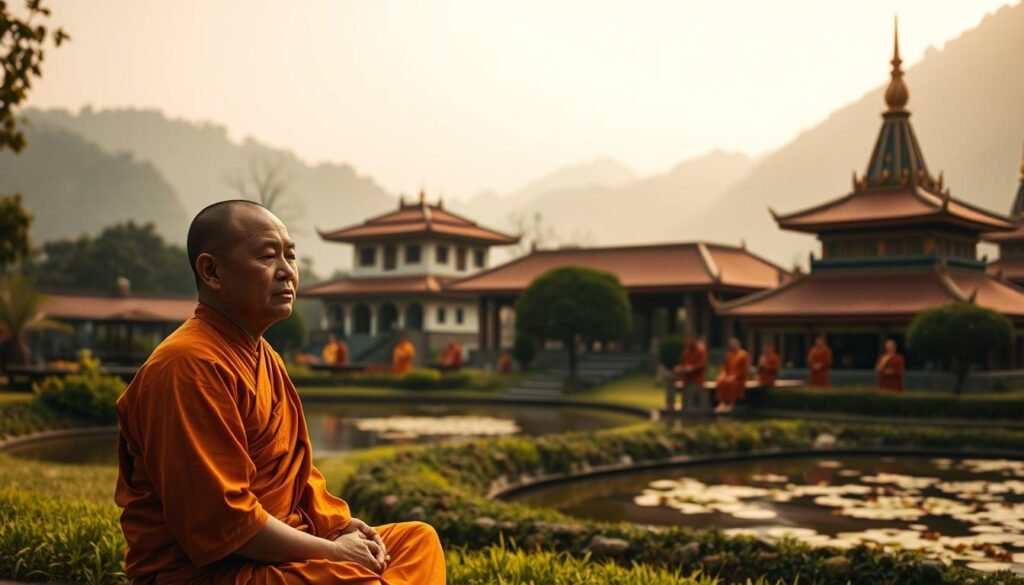
You know what’s cooler than superheroes? A real-life prince who ditched his palace to find answers about life’s biggest mysteries. Meet Siddhartha Gautama—the guy who became “the awakened one” 2,500 years ago in India. His ideas now inspire over 500 million people worldwide, from monks in golden temples to your neighbor who meditates in their backyard.
Here’s the deal: this religion isn’t about memorizing rules. It’s about noticing how your thoughts shape your world. Imagine learning to stay calm when your sibling steals your fries—that’s Buddhism in action. The Happy Buddha’s teachings include stuff like kindness, mindfulness, and realizing that nothing lasts forever (yes, even TikTok trends).
Honestly speaking? This article isn’t a history lecture. We’ll explore why kids in Thailand pour water on statues, how monks eat lunch before noon, and why “enlightenment” isn’t just for adults. Ready to discover how ancient wisdom tackles modern problems? Let’s roll—sandals optional.
The Birth and Early Life of the Awakened One
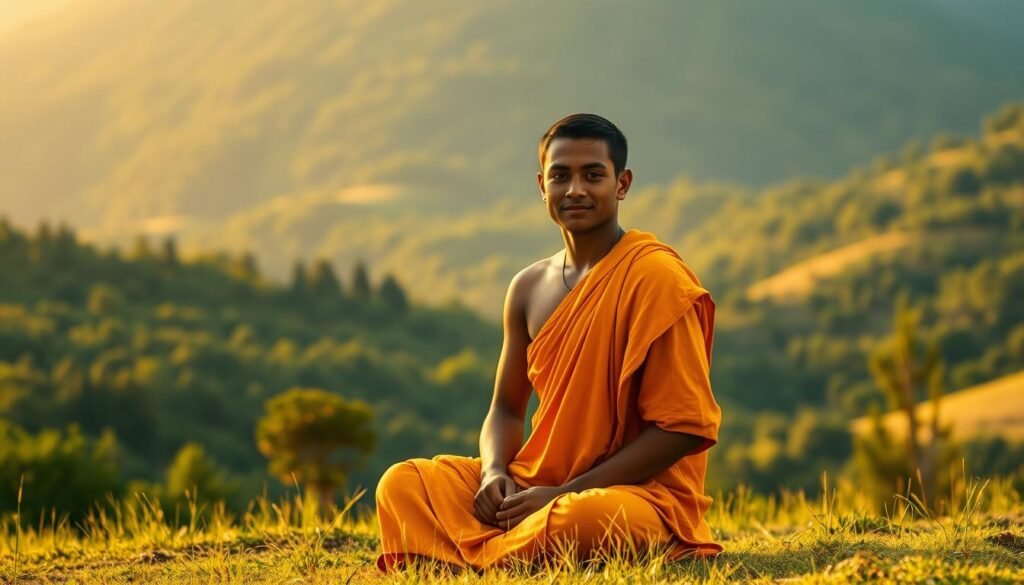
Imagine swapping video games for a quest to solve life’s biggest puzzle—that’s exactly what a prince did 2,500 years ago. Siddhartha Gautama wasn’t your average royal kid. His dad built him a palace with everything: fancy gardens, servants, even artificial seasons! But here’s the twist: he’d never seen old age, sickness, or death. Talk about a sheltered childhood.
One day, he sneaked out and saw four life-changing sights: an elderly person, a sick man, a corpse, and a monk. Mind. Blown. It’s like realizing your favorite app has a glitch—except this glitch was human suffering. At 29, he ditched his palace, shaved his head, and became a wandering seeker. I always thought, “Dude traded silk robes for rags? Respect.”
Phase
Age
Key Event
Palace Life
0-29
Sheltered luxury
Four Sights
29
Discovered suffering
Renunciation
29+
Left royalty
Meditation
35
Bodhi Tree awakening
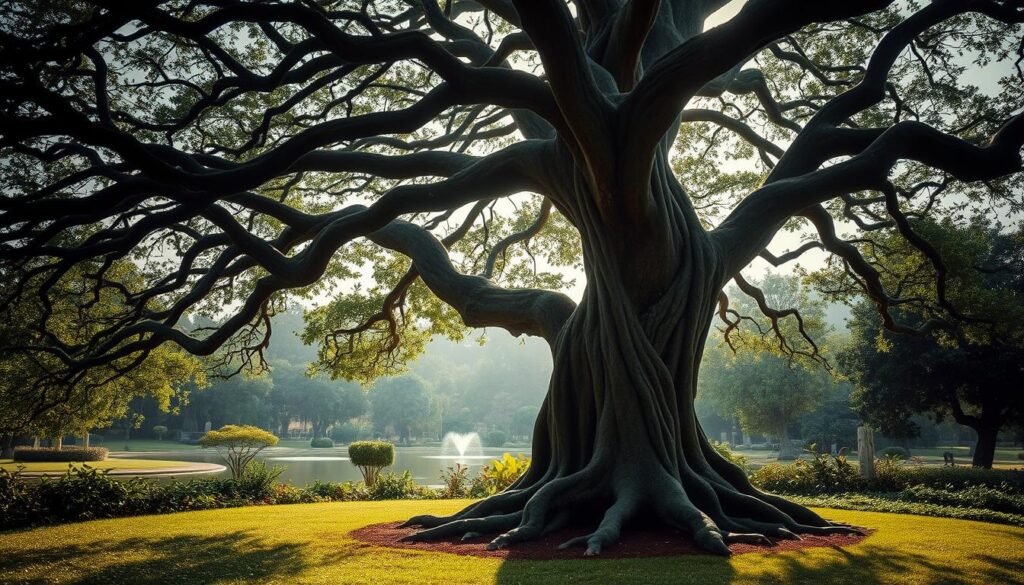
For six years, he tried extreme fasting and debates with gurus. Spoiler: It didn’t work. Then, under a Bodhi Tree, he vowed to sit until he cracked the code. 49 days later—boom!—he became known as the Buddha, the “awakened one.” Turns out, enlightenment isn’t about starving yourself. Who knew?
What sticks with me? His story isn’t magic—it’s about grit. He faced reality’s ickiest parts and still found peace. Next time your Wi-Fi drops, channel your inner Gautama: breathe, think, and maybe eat a snack. Enlightenment optional.
Buddhism Facts for Kids: Insights into Buddhist Beginnings
Here’s a secret: enlightenment isn’t just for adults in robes. After his big awakening, the Buddha started sharing teachings that spread faster than a viral dance challenge. From dusty Indian roads to Sri Lanka’s jungles, his ideas hopped borders like stones skipping across water. Picture traders, travelers, and even kings going, “Wait—suffering has a cure? Tell me more!”
So what’s the core recipe? The Four Noble Truths—four big realizations that hit harder than realizing your ice cream melted. Life has tough moments (suffering), but craving stuff (like extra screen time) keeps the cycle spinning. The fix? Follow the Eightfold Path (more on that later). It’s like leveling up in a game where kindness is your power-up.
Now, meet the Three Jewels: Buddha (the teacher), Dharma (his wisdom), and Sangha (the squad of Buddhist monks and friends). Taking refuge in these is like having a superhero trio in your corner. I once asked a monk, “Why three?” He grinned: “Try building a stool with two legs.”
Here’s the kicker: Buddhists believe anyone can wake up to truth. Even you, mid-homework slump. Think of it as mental push-ups—training your mind to see clearly. Next time your sibling bugs you, channel that enlightenment energy. Breathe deep, let go, and maybe share your snacks. Ancient wisdom? More like life’s ultimate cheat code.
Unpacking the Four Noble Truths and the Noble Eightfold Path
Ever had a day where your cereal gets soggy, your backpack zipper breaks, and your best friend ditches you at lunch? Congrats—you’ve just bumped into the First Noble Truth: life has rough patches. But here’s the cool part—the Buddha didn’t stop at “suffering exists.” He mapped out a game plan to handle it, no magic required.
Four Noble Truths in Everyday Life
Let’s break it down like a TikTok tutorial. Truth #1: Stuff goes sideways (hello, failed math test). Truth #2: We crank up the drama by clinging to things (“But I NEED that new game!”). Truth #3: Letting go = instant chill mode. Truth #4: The Eightfold Path is your GPS to peace. It’s not about avoiding problems—it’s about changing how you ride the wave.
The Eightfold Path: Rules to Relieve Suffering
Think of this as an eight-step life hack. Want less stress? Start with Right View (seeing reality clearly) and Right Intention (choosing kindness over gossip). Then tackle actions: speak truthfully, don’t swipe your sibling’s stuff, and balance work/play like a pro yogi. The kicker? Meditation isn’t just sitting cross-legged—it’s training your brain to hit pause before freaking out.
Category
Steps
Real-Life Move
Wisdom
Right View, Right Intention
Spotting fake news, sharing snacks
Ethics
Right Speech, Right Action, Right Livelihood
No trash-talking, recycling, fair play
Meditation
Right Effort, Right Mindfulness, Right Concentration
Deep breaths, noticing moods, focus hacks
Here’s the tea: these teachings aren’t ancient homework. They’re tools for leveling up your daily grind. Next time chaos strikes, ask: “What would the Eightfold Path do?” Spoiler: It’s probably telling you to breathe, rethink, and maybe pet a dog. Enlightenment optional, sanity included.
Exploring Buddhist Symbols and Sacred Sites
Let’s crack open a visual dictionary of ancient wisdom. Symbols here aren’t just pretty pictures—they’re cheat codes to beliefs that shaped continents. Take the Bodhi Tree: that leafy giant where Siddhartha became Buddha. Its descendants still grow in India today, their roots tangled with 2,500 years of history. Talk about family trees with stories to tell.
Bodhi Tree and Lotus: Stories of Purity
That famous tree isn’t just shade for picnics. Monks still collect its leaves like sacred souvenirs. Then there’s the lotus—flower royalty that blooms in muddy ponds. It’s the ultimate glow-up metaphor: beauty rising from gunk. I once saw a Thai monk explain it: “Your toughest moments? That’s your lotus fertilizer.”
Pilgrimage Spots and Temple Details
Pack your imaginary backpack—we’re hitting temple trails. Lumbini, Nepal (Buddha’s birthplace) has ruins older than your school’s oldest textbook. Sri Lanka’s Temple of the Tooth? Houses a molar relic guarded like VIP bling. These spots aren’t museums—they’re buzzing with chants, incense, and followers circling statues clockwise for good karma.
Symbol/Site
Meaning
Cool Fact
Bodhi Tree
Enlightenment
Descendants grown from original seeds
Lotus Flower
Purity
Closes at night, reopens at dawn
Lumbini Gardens
Birthplace
UNESCO site with ancient Ashoka pillar
Temple of the Tooth
Relic Veneration
Daily rituals since 4th century
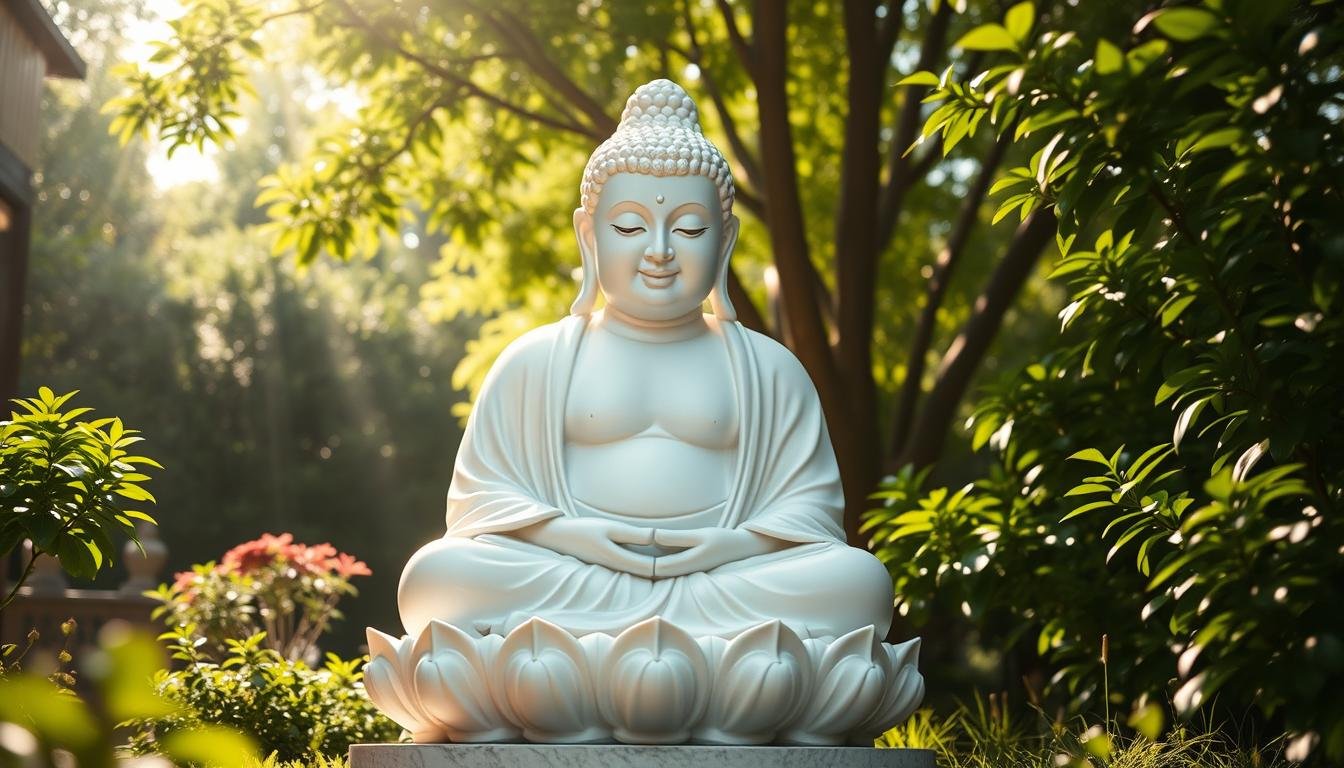
Pro tip: Next time you see a Buddha statue, check the hand gestures. Palms-up means teaching, touching earth recalls his awakening. It’s like emojis carved in stone—each pose spills teachings without a single word. Who needs speech bubbles when you’ve got symbolism this sharp?
Monastic Lifestyle and Mindfulness Practices
Picture this: While you’re hitting snooze for the third time, Buddhist monks are already barefoot on cold floors, chanting ancient verses. Their day starts at 4 AM—no coffee, just raw discipline. Monastic life runs like a well-oiled machine, where every action whispers, “Pay attention.”
Daily Rituals in Buddhist Monasteries
Here’s how it goes down: First light means alms rounds. Monks walk silently through towns, collecting food in bowls. No grocery runs, no delivery apps—just trust in community. Breakfast? Done by 7 AM. Afternoons blend study sessions with chores. I once asked a novice, “Why sweep leaves daily?” He laughed: “Each leaf is a reminder—nothing stays.”
Time
Activity
Purpose
4:00 AM
Morning chanting
Focus the mind
6:00 AM
Alms collection
Practice humility
11:00 AM
Final meal
Curb cravings
3:00 PM
Teachings/discussions
Deepen wisdom
Meditation Moments and Real-Life Practices
Meditation here isn’t just sitting—it’s a full-body workout for your brain. Monks might stare at a wall for hours, training focus like Jedi knights. Pro tip: Try the raisin exercise. Hold one in your palm. Study its wrinkles, smell, texture—then eat it slowly. Suddenly, snacks become sacred.
Mindfulness isn’t about escaping suffering. It’s seeing chaos without getting sucked in. Next time your little brother screams, try this: Breathe in (count 4), hold (count 2), exhale (count 6). Repeat until calm. Works better than yelling into pillows.
Here’s the kicker: These rituals aren’t prison rules. They’re freedom hacks. While our world runs on notifications and FOMO, monks master the art of enough. Maybe that’s the real enlightenment—knowing when to stop scrolling and start living.
Buddhist Texts, Festivals, and Timeless Teachings
Ever wish life came with an instruction manual? Meet the Tripitaka—Buddhism’s original how-to guide, written on palm leaves 2,300 years ago. This holy book isn’t dusty philosophy. It’s a survival kit for navigating cravings, conflicts, and everything in between. Monks memorized these teachings orally for centuries before scribbling them down. Imagine playing telephone across generations and still getting the facts straight!
Decoding the Tripitaka and Other Scriptures
Split into three “baskets,” the Tripitaka covers rules for monks, Buddha’s sermons, and mind-bending philosophy. Picture it as a playlist: part podcast, part self-help book, part brain teaser. Followers in Sri Lanka still chant its verses during Wesak, a festival where lanterns light up streets like glowstick parades. I once asked a monk why these texts matter today. He winked: “Ever seen a smartphone manual from 500 BCE? That’s our Tripitaka.”
Text
Content
Impact
Tripitaka
Core teachings/rules
Guides monastic life globally
Mahayana Sutras
Advanced philosophies
Inspired art across Asia
Tibetan Book of the Dead
Afterlife guidance
Shaped meditation practices
Here’s the twist: enlightenment isn’t locked in ancient words. Modern followers from Tokyo to Texas dissect these texts like gamers cracking cheat codes. Whether you’re dodging drama at school or stressing over tryouts, the Tripitaka whispers: “Breathe, think, repeat.” Not bad for literature older than sliced bread.
Wrapping Up Buddhist Wisdom with a Spark of Curiosity
Here’s the wild part: Gautama Buddha’s ideas still hit home after 25 centuries. Those teachings about kindness and mindfulness? They’ve outlasted empires, tech revolutions, and fidget spinner crazes. Monks today still walk barefoot through cities, just like Siddhartha Gautama did when he became the awakened one.
We’ve scratched the surface—the four noble truths, the three jewels, that genius eightfold path checklist. But here’s the kicker: this isn’t history class. It’s a living religion where kids in Kyoto fold origami lotus flowers while Brooklyn teens debate karma memes.
What sticks with me? How monks turn lunch into meditation practice. Or why a prince’s midlife crisis birthed wisdom that shapes our world. Next time you’re stressed about TikTok drama, try this: Breathe like you’re under a Bodhi Tree. Enlightenment optional, clarity guaranteed.
Truth is, we’re all still figuring it out—just like that dude who traded a palace for purpose. Your homework? Stay curious. Maybe ask why monks eat before noon or how the eightfold path handles group chats. Spoiler: Ancient wisdom’s got receipts for modern chaos.