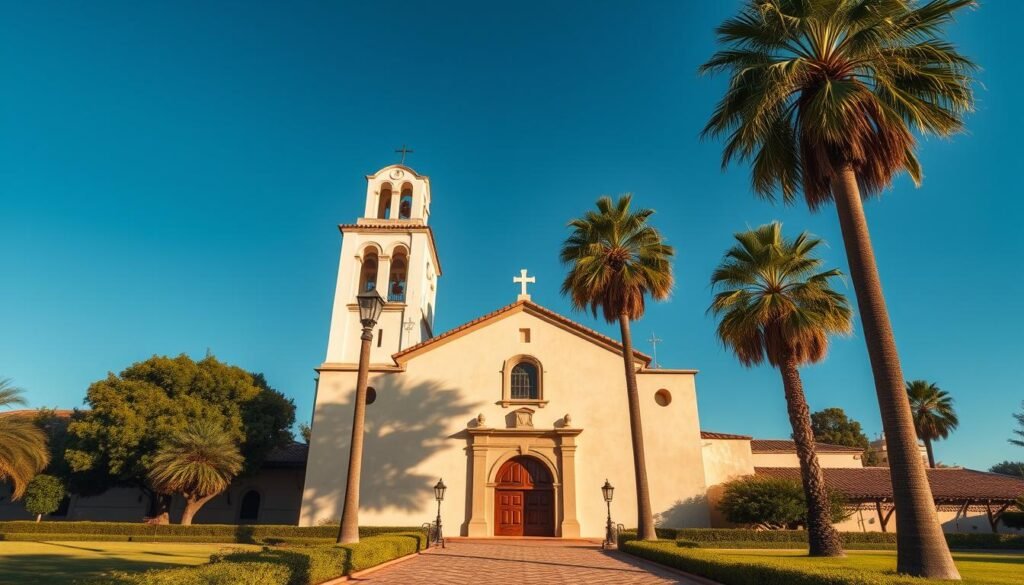
Think you know the Alamo? Think again. That crumbling chapel in Texas wasn’t built for gunfights – it started as a Spanish mission named San Antonio de Valero. Yes, the same walls that sheltered soldiers once housed friars and farmers. Wild, right?
Let’s cut through the cowboy movies. In 1836, fewer than 200 rebels held this place against Santa Anna’s army for 13 days. Spoiler: it didn’t end well. But here’s the kicker – their sacrifice lit a fire under Texas’ fight for independence. History’s full of plot twists, huh?
You won’t believe what happened next. The “Remember the Alamo!” battle cry turned a crushing defeat into a rallying point. Oh, and those thick limestone walls? Perfect for hiding secret tunnels (or so the legends say). We’ll dive into that later.
Stick around if you want the real story – not the sanitized version. I’ve got receipts: forgotten heroes, sneaky tactics, and why this mission-turned-fortress still matters. Trust me, your history teacher won’t tell you about the time they used cattle bones as building materials.
Historical Backdrop and Mission Origins
Let’s rewind before the bullets flew and battle cries echoed. What stands today as a symbol of defiance began as Mission San Antonio de Valero in 1718 – a Spanish project to convert Indigenous communities while anchoring colonial power. But here’s the kicker: those iconic limestone walls? They weren’t built for war. Workers mixed local materials with shockingly creative solutions, using cattle bones and crushed shells to strengthen adobe bricks.
Spanish Mission Roots and Early Construction
Spain didn’t just want chapels – they wanted fortified communities. By 1744, Mission San Antonio de Valero had thick outer walls, irrigation ditches, and workshops. Think of it as a 18th-century Swiss Army knife: part church, part farm, part military base. The Spanish government designed these missions to control territory, but locals often reshaped them for survival. Ever seen a church with rifle slots? You’re looking at one.
Transition from Mission to Military Outpost
Everything changed when Spain’s empire crumbled. In 1793, the government secularized the missions, kicking out friars and leaving buildings to decay. Enter American settlers like Green B. Jameson, who saw potential in those crumbling walls. By 1835, they’d transformed Mission San Antonio into a rebel fortress – adding cannons, barracks, and hidden firing positions. Talk about a glow-up!
Year
Event
Impact
1718
Mission founded
Spanish foothold in San Antonio
1744
Construction completed
Self-sufficient community established
1793
Secularization decree
Mission abandoned by church
1835
Military reinforcements
Key stronghold for Republic Texas forces
San Antonio’s story isn’t just about dusty history books. Those same walls that sheltered prayers in 1744 would later echo with cannon fire. And get this – the Republic Texas army didn’t even own the site when they fortified it! They were squatters in a borrowed fortress, banking on limestone walls to stop an empire. Spoiler: It almost worked.
The Battle Unfolds with Raw Detail
History remembers explosions, but the Alamo siege began in eerie silence. On February 23, 1836, Santa Anna’s army rolled into San Antonio like a storm cloud – 1,800 troops facing 189 rebels. For 13 brutal days, that crumbling mission became a pressure cooker of desperation and defiance.
Defenders on the Ground: Travis, Bowie, and Davy Crockett
Meet the men who became legends. William Travis, 26, scribbled “Victory or Death” in ink while Mexican cannonballs shredded the walls. James Bowie – yes, the knife guy – fought tuberculosis between volleys. Then there’s Davy Crockett, the ex-congressman turned sharpshooter. Their secret weapon? Two dozen rifles that could hit targets at 200 yards. Not bad for glorified hunting gear.
Leader
Role
Last Stand
Travis
Commander
Died on north wall
Bowie
Volunteer leader
Fought from sickbed
Crockett
Frontier marksman
Defended palisade
Mexican Forces and the Siege Tactics
Santa Anna didn’t play fair. His troops surrounded the compound, cutting off water and sleep. Night after night, soldados launched probing attacks to wear down defenders. The final assault came at 5 AM on March 6 – columns of Mexican troops scaling ladders with bayonets fixed. Genius? Maybe. Brutal? Absolutely.
The Fort’s Structure: Walls, Chapel, and Armaments
Those iconic walls? Just 12 feet high in spots – easy pickings for ladders. The chapel held the rebels’ last-ditch cannons. Their full arsenal?
21 cannons (mostly obsolete)
Single-shot muskets
Bowie knives for close combat
Against 19 Mexican cannons and professional infantry? You do the math.
Here’s the kicker: the defenders knew they’d lose. But every hour they held bought time for Texas’ real army to organize. Sometimes losing a battle wins the war – and this force of stubborn rebels proved it.
Alamo Facts for Kids: Inside the Fort and Its Untold Stories
Let me take you behind those limestone walls – the real action happened in spots your schoolbooks ignore. Picture this: rebels turning a mission kitchen into an ammo dump, soldiers sleeping in cattle pens, and that famous chapel? It doubled as a makeshift hospital. History’s messy like that.
Standouts Among the Texan Troops
Ever heard of Joe? Not Bowie or Crockett – I’m talking about Joe, an enslaved man who survived the battle. While big names get statues, Joe’s eyewitness account became crucial evidence. Then there’s 15-year-old William King, the youngest defender. His musket was taller than he was!
The chapel’s bell tower? Gone before the fighting started. But its thick walls sheltered women and kids during the final assault. Here’s the kicker: rebels stored gunpowder in the baptismal font. Talk about multitasking.
Three things that’ll make you rethink the “heroic fortress” image:
Secret messages scratched into plaster walls
A hidden tunnel under the west wall (still debated today)
Soldiers using cattle bone fragments as makeshift mortar
Here’s an Alamo fact your teacher might skip: defenders played card games between attacks. One soldier’s diary mentions losing three pesos to Davy Crockett at poker. Even legends had downtime. That chapel you see in photos? Only part of the original structure survived – the rest was rubble by 1836.
Next time someone mentions the Alamo, remember: it wasn’t just a battle site. It was a crowded, smelly, desperate scramble where history got made by people winging it. Kinda like your last group project, but with more cannons.
Legacy in American History with Lasting Echoes
What if I told you a crushing defeat birthed a nation’s identity? Sam Houston knew the power of symbolism. His “Remember the Alamo!” cry at San Jacinto didn’t just rally troops – it forged a origin story for the United States. That stubborn last stand became the spark that lit the Texas Revolution, turning rebels into legends and a failed mission into immortal folklore.
Here’s the raw truth: Santa Anna won the battle but lost the war. His brutal tactics united Texan forces like nothing else. Within weeks, the Republic of Texas was born – a government shaped by vengeance and frontier grit. Even Mexican citizens who opposed Santa Anna’s regime joined the cause, adding complex layers to this “us vs them” narrative.
Walk through San Antonio today. That chapel isn’t just old stones – it’s a Rorschach test of American memory. Some see heroism, others see stolen land. Sam Houston’s words still echo in politics, sports chants, and Hollywood scripts. But here’s what keeps me up at night: How do we honor sacrifice without glorifying war? The United States still wrestles with that question.
The Alamo’s real victory? It taught us that losing battles can win wars. That’s the messy, uncomfortable truth no textbook captures. So next time you hear “Remember the Alamo!”, ask yourself: What are we really remembering – and why does it still shake the government halls in Washington?