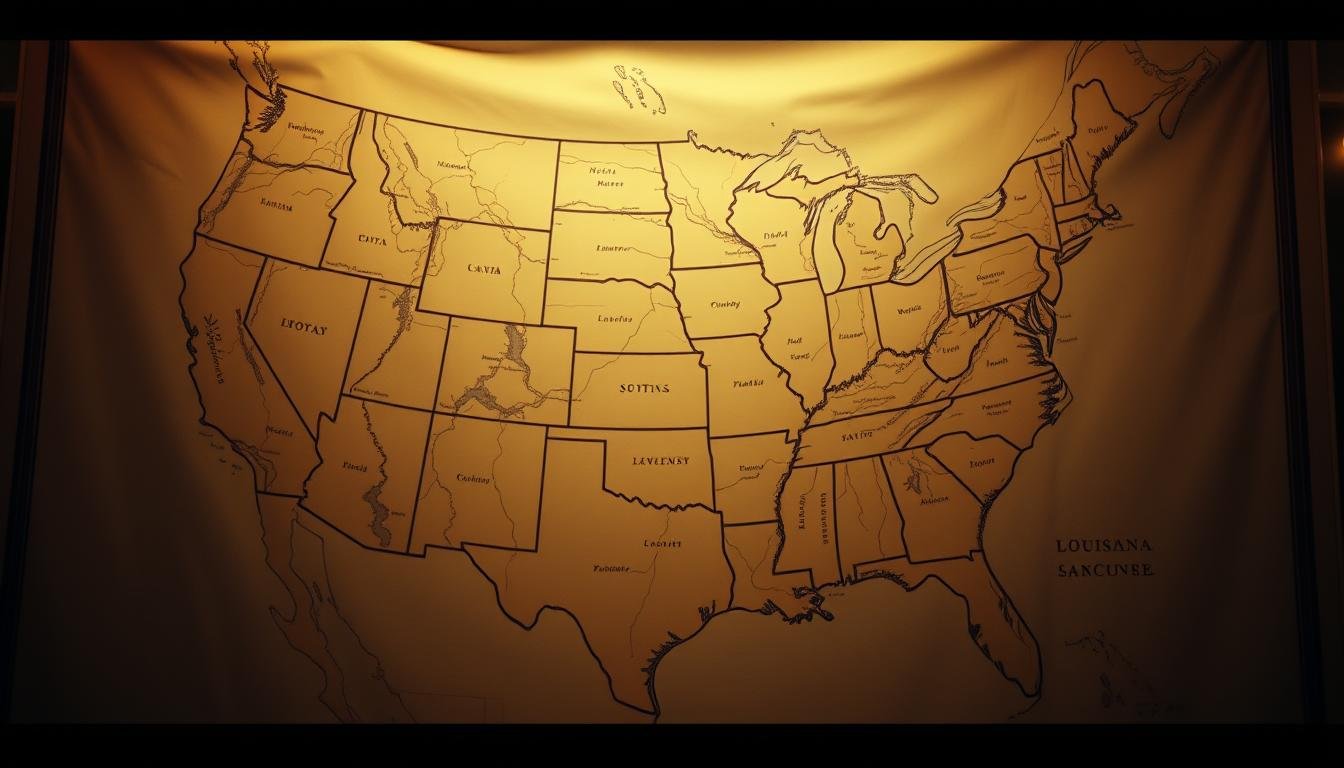
What if I told you a Virginia farm boy became the president who doubled America’s size before GPS existed? Meet the guy who paid $15 million for 828,000 square miles – that’s like buying four Texases in one deal. Born April 28, 1758, he’d later become the last Founding Father to lead the United States, and trust me, his story’s wilder than a TikTok trend.
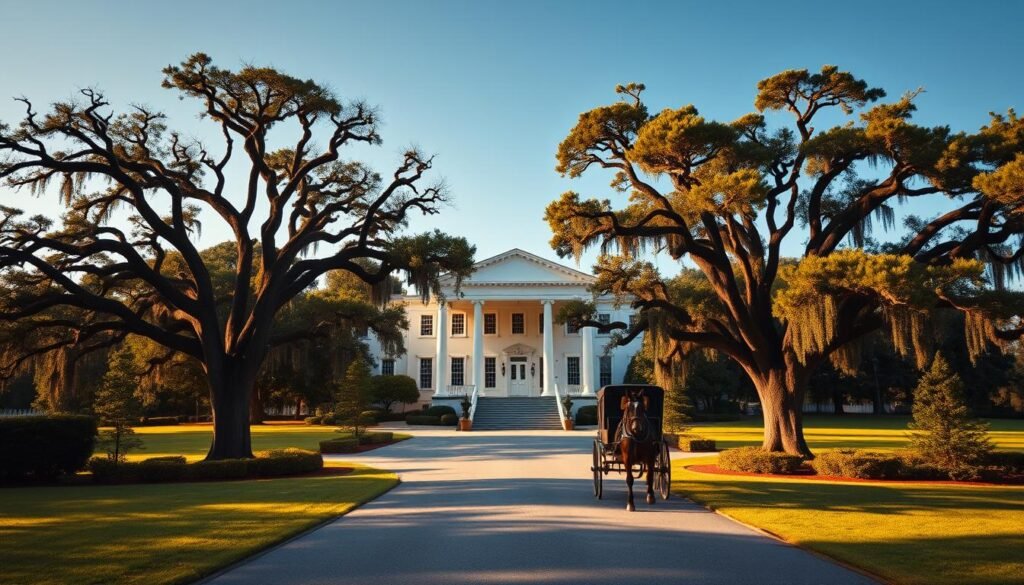
Picture this: At 18, he dropped out of college to fight in the Revolutionary War. Got shot in the shoulder charging a cannon. Survived. Then became besties with George Washington while shaping the country’s future. His hometown? Westmoreland County – same dirt roads where young James learned to ride horses and argue politics.
Here’s the kicker: The Louisiana Purchase gets all the hype, but Monroe’s 1819 Florida Treaty secretly scored us Florida and part of Oregon. Dude negotiated like he was trading baseball cards. Oh, and he’s the reason your social studies textbook mentions the “Era of Good Feelings” – though I’m pretty zero kids actually feel good about memorizing that.
Let’s grab virtual hot cocoa and unpack how this guy went from war hero to land-snatching legend. Spoiler: It involves quill pens, swamps, and more drama than a cafeteria food fight.
Early Life and Virginia Beginnings
Imagine growing up in a world where your backyard stretched for miles of tobacco fields and your schoolhouse doubled as a social hub. That was young Monroe’s reality in Westmoreland County. His daily trek to Campbelltown Academy wasn’t just about books – think muddy boots, secret fishing spots, and the occasional prank involving a neighbor’s chickens.
School Days and Southern Skies
At 11, he lost both parents. Tough break? Absolutely. But here’s the twist: those losses forged a kid tougher than a hickory tree. His uncle stepped in, keeping the family farm running while James tackled Latin verbs. Rumor has it he once traded his lunch for a borrowed copy of Locke’s philosophy – kid priorities, am I right?
Roots That Ran Deep
Enter Thomas Jefferson. No, not literally – but the future president’s ideas buzzed through Virginia like fireflies. By 16, our boy was soaking up Enlightenment thinking between farm chores. The college William Mary loomed ahead, but first? Mastering debate tactics that’d make your TikTok drama look tame.
Fun fact: His childhood home burned down twice. You’d think that’d slow him down. Nope – just fueled his “build it better” attitude. Turns out, arguing politics with cousins over cornbread prepares you for… well, buying half a continent later.
Revolutionary War Adventures
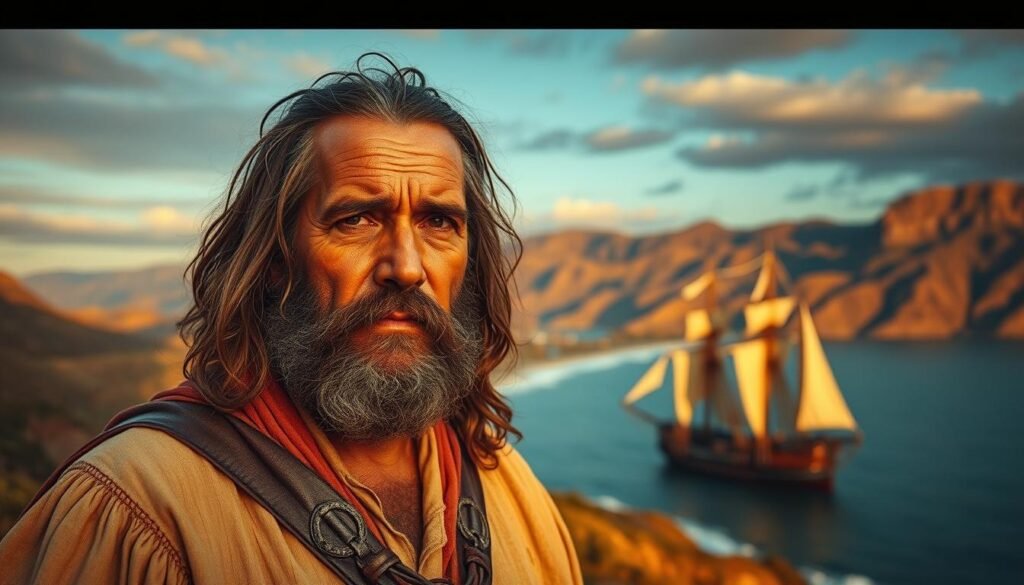
Ever heard of a teenager leading a secret mission that changed a war? At 17, our guy tossed aside college plans and joined the Continental Army. Within months, he’d become Lieutenant Monroe – youngest officer in his regiment. Talk about skipping the line!
Bold Moves and Battlefield Bravery
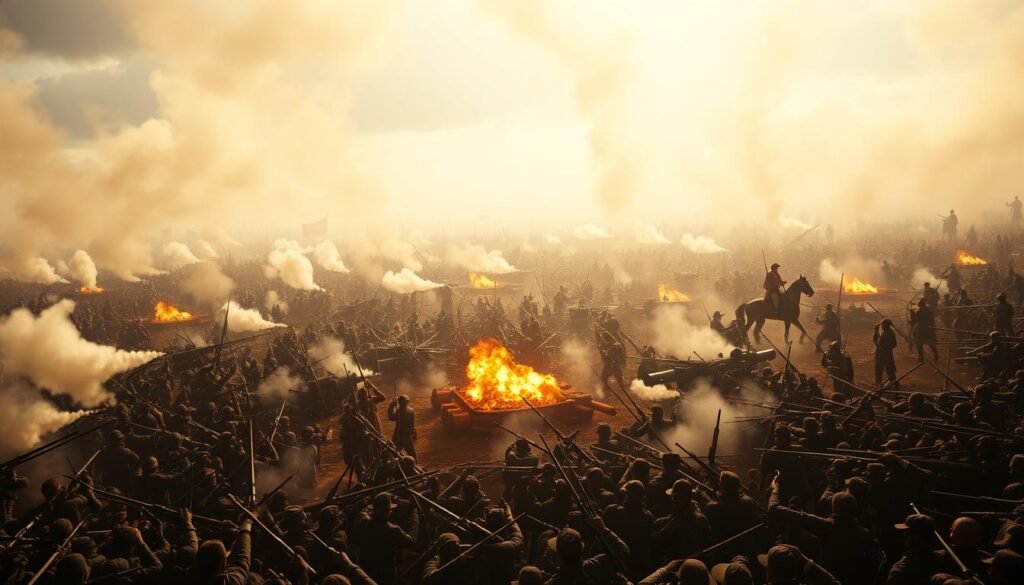
December 1776: freezing Delaware River. Picture icy water soaking wool uniforms as soldiers rowed toward Battle of Trenton. He took a musket ball to the shoulder but kept fighting. That gutsy move earned him a promotion before he could legally vote.
Event
Risk Level
Outcome
Trenton Assault
Extreme Cold/Enemy Fire
Key Patriot Victory
Armory Raid
Stealth Mission
500+ Muskets Captured
An Armory Raid That Changed It All
Here’s the kicker: Months earlier, he’d led a midnight raid on a British armory. No GPS, no walkie-talkies – just moonlit whispers and stolen weapons. Those 500 muskets became Virginia’s secret sauce for independence. Who needs textbooks when you’ve got battlefield smarts?
This war wasn’t just about fighting. It forged leaders who could think three steps ahead – skills that later helped negotiate continent-sized deals. Not bad for a kid who should’ve been cramming for finals.
Skipping College for the Call of Duty
Who needs a diploma when there’s a revolution to win? Picture this: A 17-year-old Virginian staring at his college William textbooks… then slamming them shut to grab a musket. While classmates debated philosophy, Monroe charged into history – literally.
William and Mary? Not for Me!
Most Founding Fathers had fancy degrees. Not our guy. After barely a year at William & Mary, he pulled the ultimate mic drop move – swapped Latin lectures for guerrilla tactics. Plot twist? This secretary war-in-training would later outmaneuver entire empires without a single final exam.
Here’s the tea: While future presidents wrote essays, Monroe wrote his destiny in gunpowder smoke. That “gap year” never ended – he rose from private to lieutenant in months, proving battlefield smarts trump classroom quizzes. Talk about real-world experience!
Decades later, that gutsy decision paid off big time. His war-tested leadership became the ultimate campaign ad, propelling him to the election that reshaped America. Moral of the story? Sometimes skipping class leads to changing the world.
Clashes and Causes in Early Politics
Ever tried arguing with a brick wall? That’s basically how Monroe entered Virginia politics. Fresh off the Revolutionary War, he stormed the state assembly like a bull in a china shop. Picture this: A 24-year-old rookie legislator demanding tax reforms that made wealthy landowners clutch their pearls. No compromise. Just raw conviction.
His first big clash? Pushing a law to protect small farmers from losing their land. Old-guard politicians scoffed. Monroe fired back: “If we won independence from kings, why crown new tyrants here?” Mic drop. The bill failed, but his reputation as a reformer stuck like gum on a hot sidewalk.
Year
Issue
Opposition
Outcome
1783
Tax Reform
Landowning Elite
Defeated
1785
Land Rights Act
Speculators
Partial Win
1788
Constitution Ratification
Anti-Federalists
Compromise
Here’s the tea: State politics back then were messier than a cafeteria food fight. Monroe navigated it all with two rules: 1) Never back down, and 2) Always pack extra ink for rebuttals. By 30, he’d racked up enough legislative battles to fill a Netflix drama.
That relentless hustle landed him a gig as Virginia’s secretary – not of state yet, but close. Think of it as political boot camp. He mastered budget debates, infrastructure plans, and the art of surviving endless meetings. Skills that’d later help him… oh, just redraw the map of America.
Service in Virginia and the Continental Congress
Imagine juggling two high-stakes jobs before smartphones existed. That was our guy’s reality after the Revolutionary War. By day, he battled local taxes in Virginia’s assembly. By night, he drafted national policies for the Continental Congress. Talk about multitasking before it was cool!
Debating Local Issues on the Front Lines
In Richmond’s stuffy chambers, he fought for roads and schools like they were wartime objectives. “Fix the potholes first!” became his rallying cry. But here’s the twist: Those budget scraps prepared him for bigger showdowns up north.
Battlefield
Opponents
Victory
Virginia Assembly
Tax-happy Landowners
Fairer Property Laws
Continental Congress
Squabbling States
Stronger National Bank
When the Continental Congress moved to New York City in 1785, he brought southern grit to Manhattan’s marble halls. Picture cobblestone debates about currency – yes, money fights existed before TikTok.
Secret weapon? His knack for turning “No way” into “Deal done.” Those late-night negotiations over quill pens? They became his training ground for becoming governor. Turns out, settling farm disputes teaches you how to unite a divided room.
The Rise in Diplomatic Roles
Ever wondered how a local politician becomes a global dealmaker overnight? Our guy went from debating crop prices in Virginia to outmaneuvering European empires. Turns out, arguing with stubborn farmers prepares you for high-stakes international poker.
From Minister to War and State Secretary
Picture this: 1794 Paris. Fresh off the boat as minister france, he’s dodging revolutionaries while negotiating trade deals. No cell service. No Google Translate. Just quill pens and sheer nerve. His biggest flex? Securing the release of 50+ American sailors captured during France’s chaos.
Role
Challenge
Win
France Envoy
Post-Revolution Tensions
Strengthened Trade Ties
Great Britain Negotiator
Impressment Disputes
1818 Fishing Rights Deal
Secretary State
Spain’s Florida Standoff
Adams-Onís Treaty
When promoted to secretary state, he tackled great britain like a chess master. That 1818 fishing rights agreement? Pure genius – kept peace without surrendering an inch of pride. His secret? Always arrive overprepared and never let them see you sweat.
Here’s the kicker: He once hosted a dinner where British and French diplomats glared across the table. By dessert? Both sides laughed at his raccoon-stealing-cake story. That’s diplomacy – part strategy, part storytelling.
James Monroe Facts for Kids: Presidential Debuts
Picture a president stepping into office with the energy of a rockstar – that was Monroe’s 1817 inauguration. Crowds packed Washington’s streets, buzzing about his “America First” speech. He ditched fancy carriages, walking part of the route to shake hands. People ate it up like free ice cream.
Taking the Helm with Grit and Style
The man knew how to work a room. At his swearing-in, he vowed to unite the nation “from sea to shining sea.” Newspapers raved about his down-to-earth vibe. Even critics admitted: This wasn’t your grandfather’s politics.
Inauguration Highlight
Public Reaction
Key Supporter
Walked part of parade route
Cheering crowds doubled
James Madison
Promised westward expansion
Frontier settlers celebrated
New York delegates
Banned European interference
Applause in Congress
Military veterans
Here’s the kicker: His second term victory in 1820 was practically a landslide. Why? He kept promises – like adding states and smoothing tensions. James Madison reportedly joked, “Save some achievements for the rest of us!”
Up in New York, tavern debates buzzed with his name. Farmers argued whether his policies helped crops. Sailors toasted his trade deals. Love him or not, everyone agreed: This president didn’t play it safe.
Crafting Foreign Policy with Bold Moves
Think you could out-negotiate European empires with a quill and some guts? That’s exactly what went down when shaping America’s global playbook. The Monroe Doctrine didn’t just appear – it was forged through late-night strategy sessions and enough diplomatic drama to rival a reality show.
Here’s the scoop: By 1823, Europe kept eyeballing Latin America like a buffet. Our guy dropped the mic with two rules – “No new colonies” and “Hands off our hemisphere.” Simple? Sure. Audacious? Absolutely. It was like telling bullies to back off without throwing a single punch.
But wait – the Monroe Doctrine started as a scrappy idea. Picture this: Cabinet meetings where John Quincy Adams argued law while others fretted about war. The final draft? A masterpiece of expansion-friendly phrasing that left room to grow while slamming doors shut.
Policy Move
Risk
Reward
Spain Standoff
Military Conflict
Florida Acquisition
British Partnership
European Backlash
Trade Security
The real magic? Balancing paperwork nightmares with big dreams. When Russia tried claiming Oregon, he didn’t blink. Just updated the doctrine to say “Existing colonies only” – a loophole that saved face and land. Textbook power move.
Decades later, these choices still shape borders. Not bad for policies drafted by candlelight, right? Turns out, playing 4D chess with world powers pays off – especially when you’ve got time and nerve on your side.
The Monroe Doctrine and Its Impact
What’s the diplomatic version of slamming the door on uninvited guests? Let me break down the Monroe Doctrine like you’re learning TikTok dance moves – simple steps with big impact. Step 1: Grab a quill. Step 2: Tell Europe “Hands off our backyard.” Step 3: Watch history unfold.
Pushing Back Against European Colonization
Think of this policy as America’s first “No Trespassing” sign. After serving as secretary state, our guy knew European powers kept eyeing Latin America like free real estate. His 1823 congressional speech laid down three rules:
Rule
What It Meant
Why It Worked
No New Colonies
Europe stays out
Clear boundaries = fewer fights
No Meddling
Existing colonies only
Saved Oregon from Russia
We Don’t Either
US avoids European wars
Focus on growing west
Here’s the kicker: He borrowed phrasing from his time negotiating with Britain. That “speak softly” vibe? Pure diplomatic judo.
Setting U.S. Boundaries with Grit
Remember when Spain claimed Florida? The doctrine’s teeth showed there. By combining military muscle with smart talk, he turned swamps into states. Even New Jersey delegates cheered – and they rarely agreed on anything.
This wasn’t just paperwork. It shaped how we handle borders today. Next time you see a map of the west? Thank this bold move that said “Game over” to land grabs.
A Nation in the Era of Good Feelings
What if road trips could stitch a nation back together? That’s exactly what unfolded during the era of good feelings, when America’s fifth leader hit the dirt highways like a rockstar on tour. No Secret Service, no bulletproof carriages – just one man, his carriage, and crowds hungry for unity.
Goodwill Tours and Public Appearances
I’m talking about those epic 1817 journeys where he’d roll into York City unannounced. Locals would scramble – shopkeepers polishing windows, kids waving homemade flags. His secret? Ditching stuffy speeches for fireside chats. One minute he’s inspecting a bakery’s rye bread, the next he’s debating tariffs with dockworkers. Pure political theater.
Here’s the kicker: These tours weren’t photo ops. They were country-building marathons. In Boston, he toasted with former rivals. Down South, he sampled grits from farmers’ skillets. Each handshake whispered, “We’re all in this together.”
Tour Stop
Crowd Size
Memorable Moment
New England
5,000+
Danced a jig with war veterans
York City
10,000
Rode a ferry with cheering sailors
Western Frontier
2,000
Tasted 17 versions of cornbread
The real magic? How he turned politics into shared adventure. When his carriage broke down near Pittsburgh, he helped fix the wheel – grease on his cuffs, jokes flying. That’s the era of good feelings in action: Leadership that didn’t just talk about unity, but lived it muddy-booted and grinning.
Balancing a Divided Country: Missouri and Maine
What do you do when your country’s about to split like an overripe watermelon? That’s the messy situation facing leaders in 1820. Missouri wanted to join as a slave state, while Maine pushed for free status. Congress turned into a shouting match – northerners versus southerners, fists pounding desks like drum solos.
Here’s the kicker: The solution came from a former secretary turned president. Monroe greenlit the Missouri Compromise, drawing an invisible line at 36°30’ latitude. North of it? Future states would be free. South? Different rules. Talk about walking a tightrope over a political canyon!
Issue
Northern View
Southern View
Compromise
Missouri Status
No expansion of slavery
States’ rights matter
Missouri slave, Maine free
Future Territories
Ban slavery north
Keep options open
36°30’ line divides
Behind closed doors, advisors warned this fix wouldn’t last. But Monroe’s term needed stability more than perfection. He bought time – 40 years, it turned out – before tensions exploded again.
Imagine brokering deals where every handshake felt like shaking a hornet’s nest. That’s leadership: Making tough calls today so kids tomorrow can learn from both triumphs and mistakes.
Economic Challenges and Recovery Measures
Ever tried patching a sinking ship while sharks circle? That’s how 1819 felt across America. Banks crashed like dominoes. Farmers lost land they’d worked for years. Factories shut doors faster than you could say “recession.” The Panic hit harder than a nor’easter – and this president had to steer through the storm.
Handling Recession Without Losing Head
Here’s the wild part: The fix wasn’t in textbooks. Our leader slashed government spending – think family budget cuts but nationwide. Ordered land sales at bargain prices to boost cash flow. Even pushed states to build roads and canals, creating jobs while connecting markets.
Problem
Solution
Result
Bank Closures
Gold Standard Eased
Stopped Financial Freefall
Farm Foreclosures
Debt Relief Laws
Saved Family Homesteads
Unemployment
Infrastructure Projects
15,000+ Jobs Created
Those war days taught him crisis management. Charging cannons? Child’s play compared to calming angry merchants. His career negotiating treaties proved vital – convincing states to cooperate wasn’t unlike uniting colonies against Britain.
By 1823, the economy rebounded stronger. Lessons learned? Sometimes you rip up the rulebook. Those tough years shaped policies still debated today. Next time you see a highway project, remember – economic recovery can start with a shovel and stubborn hope.
Family, Love, and Personal Anecdotes
Behind every great leader? A family rolling their eyes at dad jokes between treaties. Our fifth president’s wife Elizabeth once hid his boots to keep him home during a snowstorm. “You’ll catch cold negotiating with France!” she warned. He retaliated by writing love notes on official documents – talk about multitasking.
Their daughter Maria kept things lively too. Legend says she once barged into a cabinet meeting demanding help with math homework. “Gentlemen, we’ve a new crisis: fractions!” he announced. The room erupted in laughter before tackling division problems alongside national budgets.
Family Moment
Location
Legacy
Boot-Hiding Incident
Oak Hill Estate
First Lady’s Playful Rebellion
Math Homework Rescue
White House Study
Work-Life Balance, 1820s Style
Sunday Picnic Tradition
James River Banks
Unplugged Family Time
At their Virginia home, politics took a backseat to pancake breakfasts. Neighbors often found the president feeding chickens in muddy boots, debating philosophy with local kids. “Best ideas come from curious minds,” he’d say, handing out maple syrup like it was diplomatic currency.
Elizabeth’s influence ran deep. She convinced him to add schools to western territories – “No child should lack books like I did.” Their partnership proved that behind every land deal, there’s someone keeping your boots dry and your heart grounded.
Expansion Strategies and American Growth
Ever watch a balloon inflate to twice its size? That’s basically what happened to the U.S. map under one leader’s watch. While others debated, he acted – swapping quill strokes for territory gains that reshaped the continent. His secret? Treating land deals like puzzle pieces, each acquisition locking into a grand vision.
Buying Land, Expanding Borders
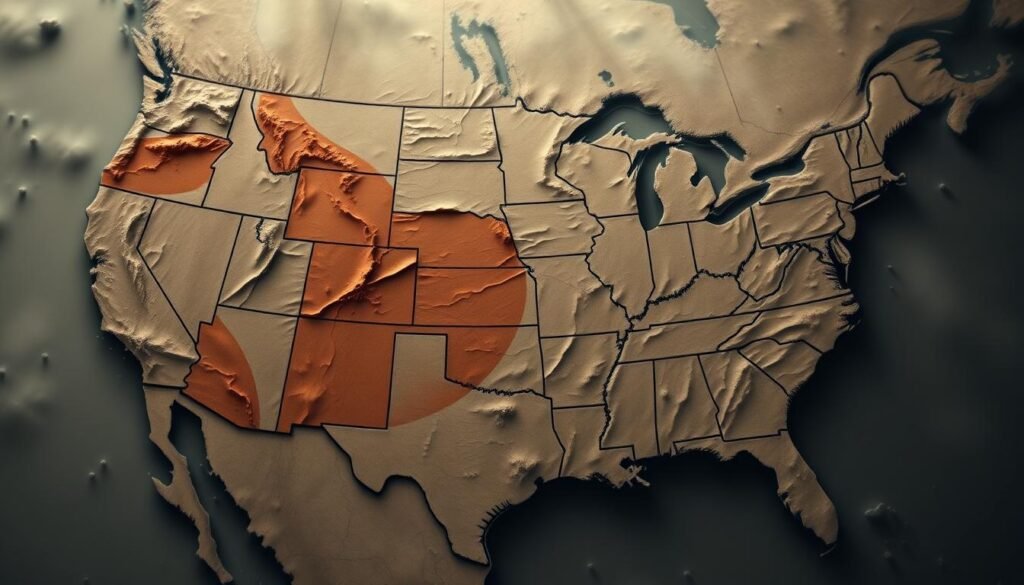
Remember that time America grew by 828,000 square miles overnight? The Louisiana Purchase wasn’t luck – it was calculated hustle. As governor of Virginia, he’d honed negotiation skills that later secured Florida from Spain. Picture this: diplomats sweating over swampland while he casually added future citrus capitals to the roster.
His partnership with James Madison proved crucial. Together, they turned boundary disputes into growth opportunities. The 1819 Adams-Onís Treaty didn’t just score Florida – it clarified western borders all the way to the Pacific. Talk about playing chess while others played checkers.
Legacy in Place Names and Monrovia
Next time you spot “Monrovia” on a map, wink. That’s Liberia’s capital nodding to his influence. From California streets to African capitals, his name marks spots where ambition met dirt roads. Even critics admitted: The guy knew how to leave a mark.
Acquisition
Year
Impact
Louisiana Purchase
1803
Doubled U.S. Size
Florida Treaty
1819
Secured Southeast
Oregon Territory
1818
Pacific Access
Here’s the kicker: These weren’t random land grabs. Each deal fed into a masterplan for expansion – connecting ports, farmlands, and trade routes. The result? A nation stitched together by vision… and a fair dose of stubborn diplomacy.
Remembering the Virginia Dynasty
What happens when a single state raises four presidents in 24 years? You get the Virginia Dynasty – America’s original power squad. From Washington’s leadership to Jefferson’s big ideas, these Virginians shaped the nation’s DNA. Our guy wasn’t just part of this club – he closed it out, blending old-school values with a growing country’s needs.
Think of him as the bridge between powdered wigs and steam engines. As Secretary War, he modernized defenses while respecting states’ rights. Those late-night strategy sessions? Pure Virginia – part tobacco-field pragmatism, part revolutionary fire.
Virginia President
Signature Move
Lasting Impact
Washington
Setting Precedents
Two-Term Tradition
Jefferson
Louisiana Purchase
Western Expansion
Madison
War of 1812
National Identity
Our Leader
Monroe Doctrine
Hemisphere Sovereignty
Even retirement had twists. After the White House, he crashed in New York – a symbolic move from plantation life to bustling cities. Imagine him sipping tea in Manhattan, swapping stories with traders and tailors. The dynasty’s end? More like a baton pass.
Today, historians debate: Was this Virginian dominance genius or luck? Either way, their fingerprints linger on every map and policy. Next time you spot a Virginia license plate, nod to the crew who turned colonies into a continent.
Wrapping Up Insights on a Storied Life
How do you measure a life that reshaped continents? Our guy swung from musket balls to treaty quills, proving leadership isn’t about titles – it’s about grit. From debating John Quincy Adams over border maps to hosting farmers at his New York retirement cottage, he blurred lines between statesman and neighbor.
That election hustle? Pure theater. He campaigned by listening more than lecturing – a trick modern presidents still study. His secretary days taught him to outthink empires, whether facing Great Britain’s navy or Spain’s stubbornness. Even in retirement, he drafted letters advising successors like a founding Yoda.
Here’s the kicker: His war-tested command style worked because he valued people over politics. Those handshake deals with John Quincy Adams? Built on mutual respect, not party lines. Today, his fingerprints linger everywhere – from Oregon trails to Florida’s citrus groves.
So next time you spot a map of America, ask: Whose stubborn vision made those lines possible? The answer’s written in treaty ink… and the quiet pride of a man who believed dinner-table diplomacy could outlast cannon fire.