Two million eggs yearly? These flashy fish are overachievers in the worst way possible. With venomous spines and stripes that scream “look but don’t touch,” they’re basically the ocean’s most stylish troublemakers.
Picture this: a creature longer than your math textbook, draped in red and white like a candy cane—except its spines pack a punch worse than stepping on LEGO. Native to the Indo-Pacific, these winged menaces (yep, Pterois means “winged” in Greek) have invaded the Atlantic like uninvited party crashers.
Here’s the kicker—they’ve got zero natural predators in their new turf. Their stripes aren’t just fashion statements; they’re invisibility cloaks for ambushing clueless fish. And those spines? Pure venomous drama.
So if you spot one underwater, admire from afar. Trust me, they’re the ultimate “look, don’t touch” exhibit.
Meet the Lionfish: Ocean’s Flashy Freeloader
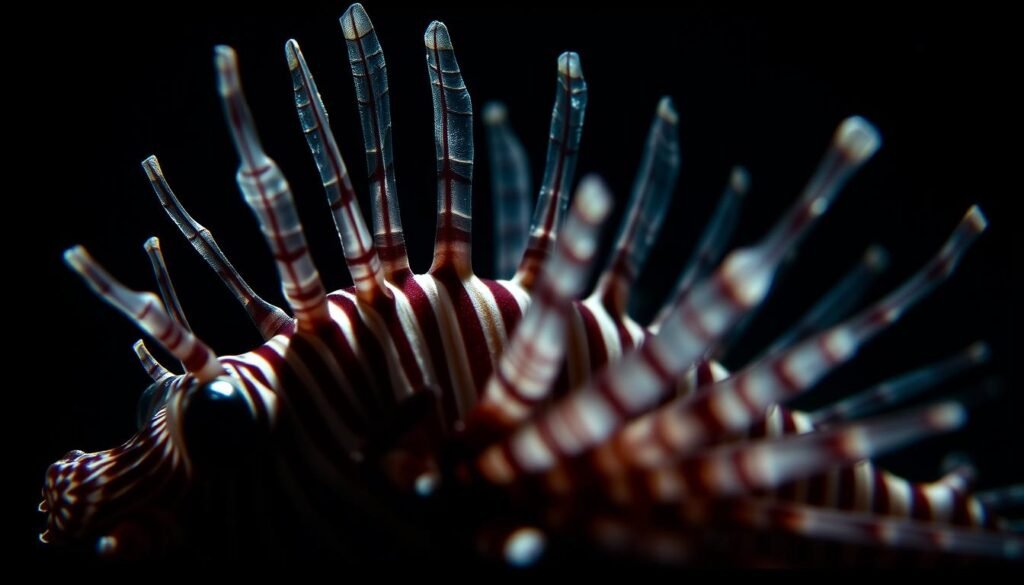
Ever seen a fish dressed like a barcode with built-in spears? That’s your first intro to this *species*. Their *stripes* aren’t just fashion—they’re nature’s perfect coral reef disguise. And those “spears”? Thirteen *dorsal spines* loaded with venom, because why not?
Stripes, Spines, and Serious Attitude
Their *coloration*—red, white, and maroon—works like an invisibility cloak. To prey, they’re just part of the reef. To us? A walking warning sign. Those *spines*? Think porcupine meets pincushion. Two pelvic spines add extra “nope” factor.
*Pectoral fins* aren’t for swimming. They flare like bullfighter capes to corner shrimp and small fish. Juveniles even sport tentacle “eyebrows” (because fish puberty is weird).
Feature
Details
Function
Dorsal Spines
13
Venom defense
Pelvic Spines
2
Extra protection
Pectoral Fins
Fan-like
Hunting displays
Why “Pterois” Means “Winged Menace”
The *name* comes from Greek for “winged.” You’d think that means graceful—nope. Their *fins* spread like bat wings to ambush prey. Ancient scientists nailed it: *Pterois* looks angelic but hunts like a predator.
Fun fact: They’re longer than a classroom ruler (up to 18 inches). So next time you see one, admire from afar. Those spines don’t care if you’re curious.
Imagine getting stabbed by 13 tiny hypodermic needles—all at once. That’s the dorsal spine special these striped troublemakers offer. Their venomous spines aren’t just decorations; they’re loaded with a neurotoxin cocktail that turns curiosity into instant regret.
13 Dorsal Spines = 13 Reasons to Back Off
Each spine packs venom worse than a jellyfish sting. Symptoms? Think pain so sharp it’ll make your toes curl, plus nausea or even temporary paralysis. No recorded human deaths—but do you really want to test that?
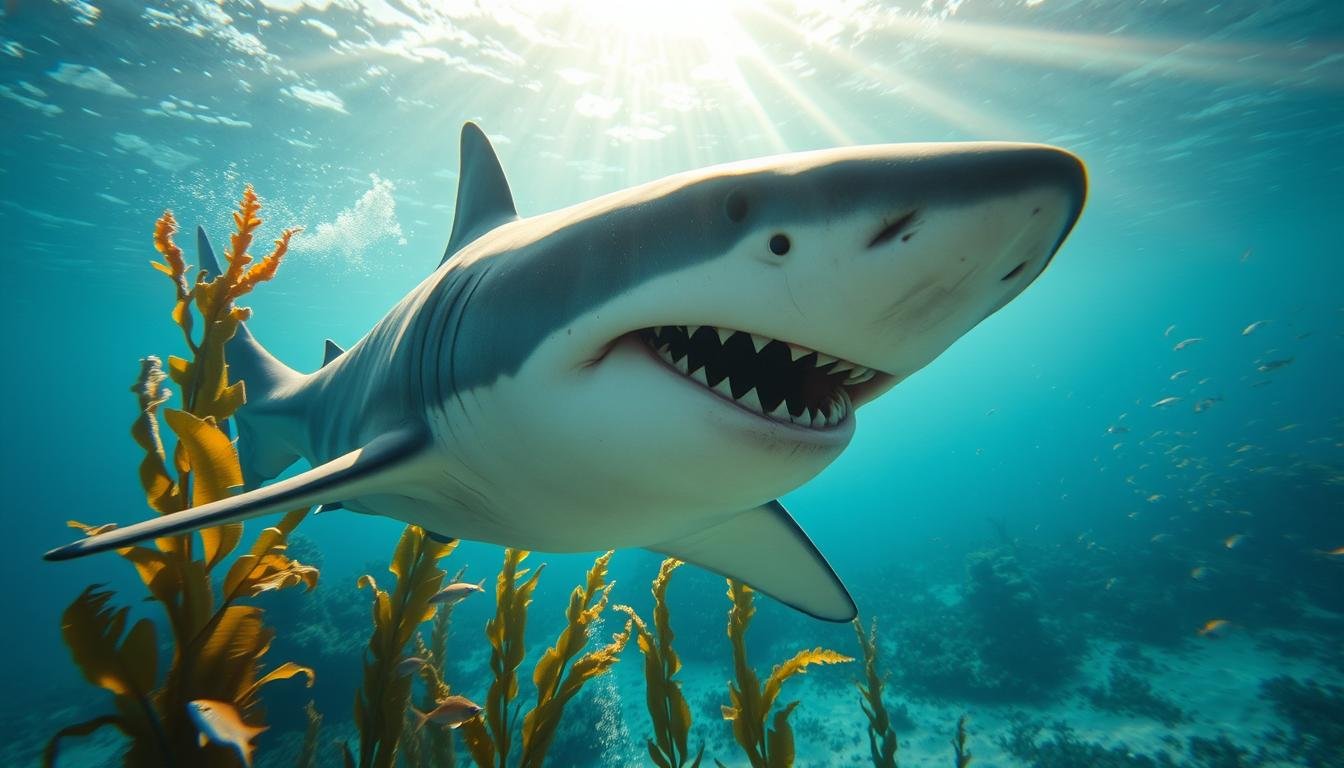
Even sharks nope out. Their gills are too delicate for spine jabs. Meanwhile, humans keep poking them. Pro tip: Admire from a three-foot distance.
Hot Water Hack for Stings (And No, It’s Not a Prank)
Here’s the weird fix: 113°F water. The heat denatures the venom proteins, stopping the agony faster than ice ever could. ER docs swear by it—just don’t blame us if your shower screams sound dramatic.
Moral? These divas demand respect. Touch their fins, and you’re volunteering for nature’s worst acupuncture session.
Lionfish Facts That’ll Make You Say ‘Whoa!’
What if I told you these underwater show-offs could swallow prey as big as your forearm? Their stomachs are nature’s version of stretchy pants—expanding 30 times their normal size. Talk about overpacking for a snack!
They Eat Prey HALF Their Size—Stomachs Like Stretchy Pants
These fish are the ultimate garbage disposals. Shrimp, crabs, even small groupers—nothing’s off the menu. Their stomachs don’t just stretch; they’re biological trash compactors. One study found a lionfish with 20 prey items in its belly. Guess portion control isn’t their thing.
Males Throw Shade (And Spines) at Rivals
Forget subtlety. When males compete, it’s an underwater jousting tournament. They flare fins, circle each other, and clash venomous spines like medieval knights. The prize? Dominance—and bragging rights on the reef.
Cannibals? Yep. Hungry days turn into “fish-eat-fish” horror shows.
Night owls? Nope. They hunt 24/7, like teens raiding a fridge.
Fullness? Doesn’t exist. Their stretch receptors are basically decorative.
Invasive and Hungry: Reef Wrecking Ball
The Atlantic Ocean got a toxic makeover in the 1980s, and nobody RSVP’d. Enter Pterois miles—the red lionfish—turning coral reefs into their personal cafeterias. With no natural predators and a appetite that’s basically bottomless, they’re the ultimate invasive species.
Their reproductive strategy? Quantity over quality. Females release 2 million eggs yearly, each wrapped in a chemical “Do Not Eat” forcefield. Most fish eggs are snacks; theirs are tiny fortresses.
By the 1990s, Florida’s coast was overrun. Now, their range stretches from the Caribbean to the Gulf. Local fish never stood a chance—these invaders eat anything that fits in their stretchy stomachs.
Sharks? Meh. But Bobbit Worms? Nightmare Fuel
Even sharks avoid their venomous spines. But Bobbit worms? These ambush predators lurk in reefs, snatching juvenile lionfish like underwater boogeymen. It’s the ocean’s weirdest plot twist.
1985 Florida invasion: Like bad house guests, they never left.
Reef wreckage: Native fish populations dropped 80% in some waters.
Raise your hand if your science textbook oversimplified marine predators. Spoiler: Pterois volitans—the red lionfish—doesn’t follow the rules. Let’s correct the record with science and a side of snark.
Those “nocturnal hunter” diagrams? Total fiction. Researchers find no difference in their day vs. night feeding. Their stomachs? Often packed with prey caught in broad daylight.
Think of them as that kid who raids the cafeteria between meals. Their metabolism? Faster than a middle-school rumor mill. No wonder they’re invasive—they eat like competitive hotdog champions.
Poisonous vs. Venomous: Science Class Redemption
Here’s where your teacher was right: don’t touch. But “poisonous”? Nope. Key difference:
Venom = injected (those spines). Harmless if eaten—if you remove the stabby bits.
Fun fact: Caribbean chefs serve them as delicacies. Just… maybe don’t DIY the spine removal.
Bonus myth-buster: The aquarium trade caused this invasion. Thanks, 1980s fish collectors. Next time someone calls them “beautiful,” remind them beauty’s subjective—especially when it’s eating the reef.
Why We’re Still Arguing About These Spiky Show-Offs
Chefs and scientists are locked in a seafood standoff over this *species*. On one side: restaurants serving *Pterois volitans* as sustainable ceviche. On the other? Ecologists counting the 15,000+ removed yearly in derbies—think underwater Hunger Games with spears.
Here’s the twist: they live up to 15 *years*. That’s more invasive time than the iPhone’s existence. Their thermal tolerance? They shrug at climate predictions like unbothered roommates.
Control efforts? Imagine bailing the ocean with a teaspoon. Yet we try, because *east coast* reefs can’t wait for perfect solutions. So the debate rages—fork or spear?—while their stripes keep multiplying in the *water*.