Corn is a superhero in the plant world. It changes from a simple grain to a powerful resource. It’s used in movie snacks and even car fuel.
This super plant is more than just a crop. It has changed agriculture, nutrition, and technology worldwide.
Imagine a plant that feeds people, fuels cars, makes plastic, and is in your favorite treats. Corn facts show it does much more than just sit on your plate. From Iowa’s cornfields to research labs, corn amazes us all.
Corn has been grown in the Americas for thousands of years. Indigenous cultures knew its power long before science did. Today, it’s key in food, energy, and making things.
Ready to dive into the amazing world of corn? It’s where science meets snack time. This is more than a plant story; it’s an adventure that will change how you see corn forever!
What Makes Corn a Super Plant?
Imagine a plant that can feed people, power machines, and make many products. Corn is not just any crop. It’s a botanical superhero with amazing abilities that touch our lives in many ways.
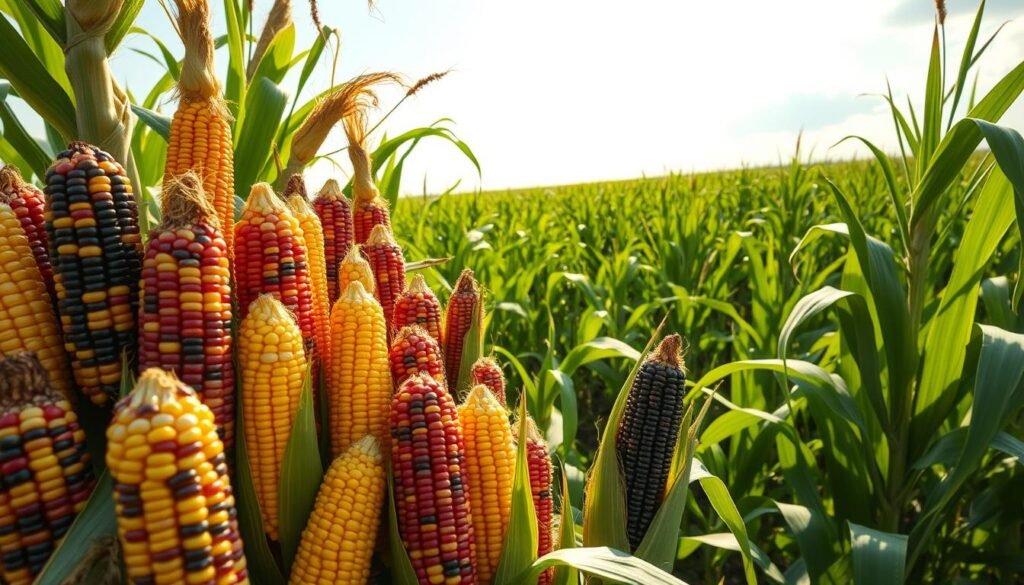
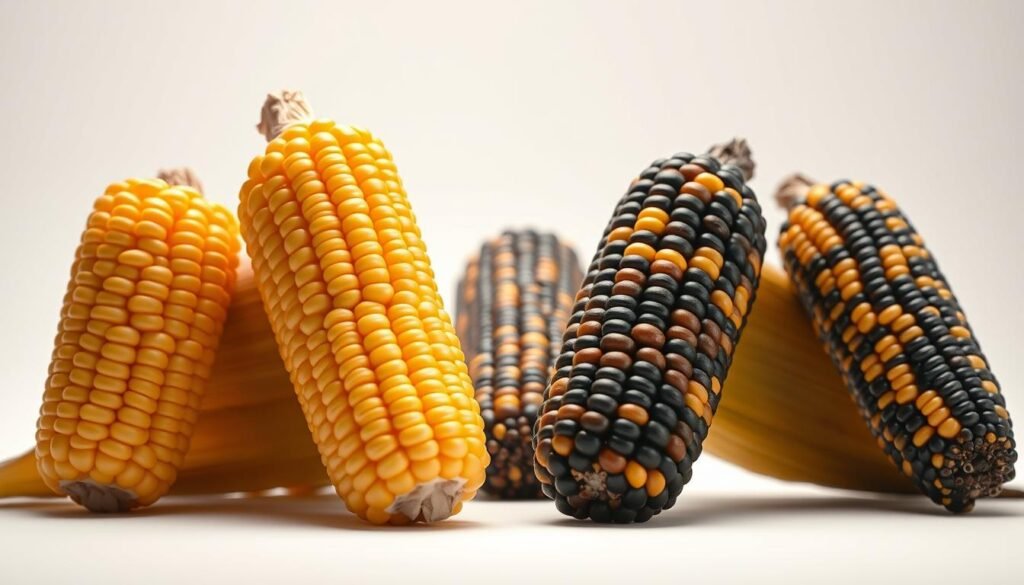
Corn varieties are truly remarkable, each with unique characteristics and purposes. Let’s explore the different types of corn that make this plant so special:
Sweet Corn: The delicious summer favorite we love to grill and eat
Field Corn: Used for animal feed, ethanol production, and industrial materials
Popcorn: A crunchy snack that transforms with heat
Dent Corn: Primarily used in manufacturing and processing
Different Types of Corn Plants
Each corn variety has its own superpower. Sweet corn brings flavor to our dinner tables, while field corn supports entire industries. The corn uses range from food production to creating renewable energy and even sustainable materials.
Amazing Uses of Corn in Daily Life
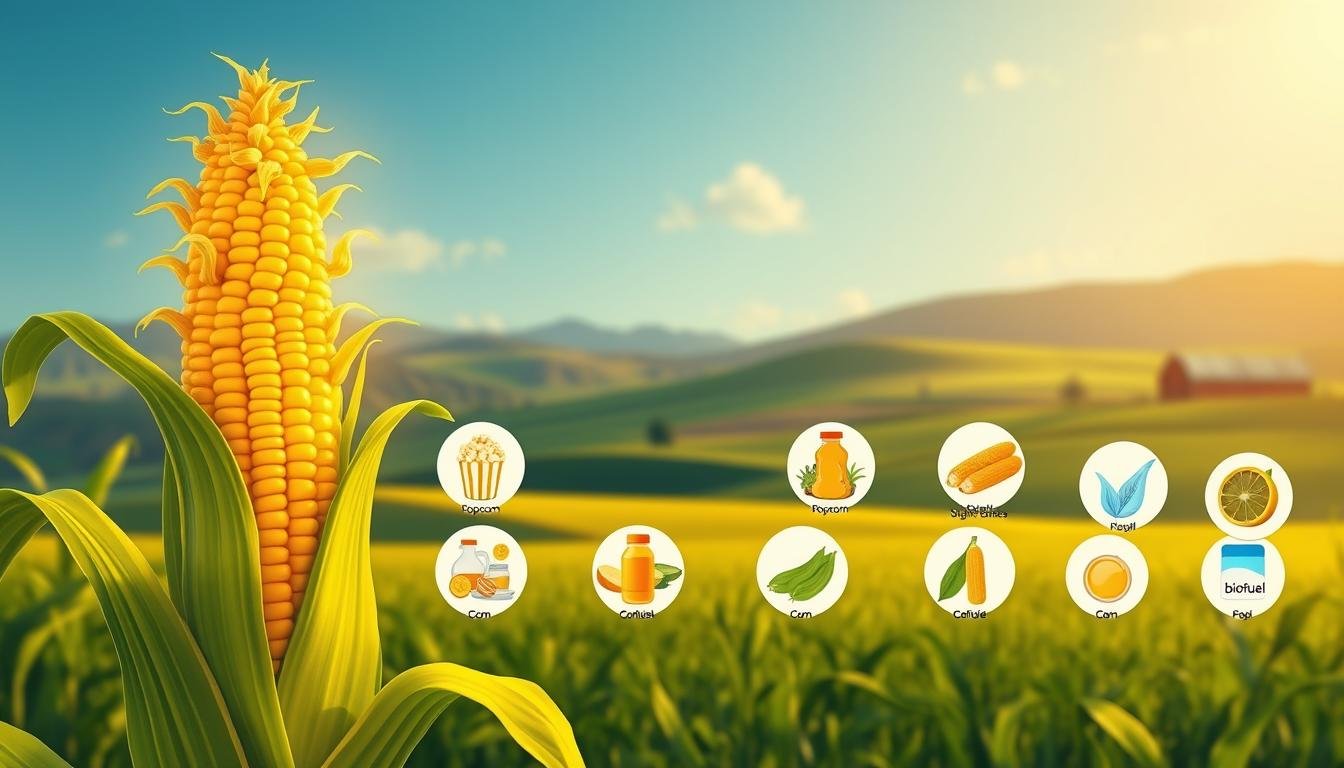
Corn’s versatility is mind-blowing. This incredible plant shows up in products you might never expect:
Food ingredients
Biofuels
Packaging materials
Industrial chemicals
Biodegradable plastics
From the corn on your plate to the fuel in your car, this plant proves that nature’s engineering is truly remarkable. Corn isn’t just a crop – it’s a global solution maker that continues to surprise and inspire us.
Popcorn science is a journey into nature’s most delightful transformation. Every kernel holds a tiny world waiting to burst into life. Let’s explore how popcorn actually pops!
Inside a Popcorn Kernel
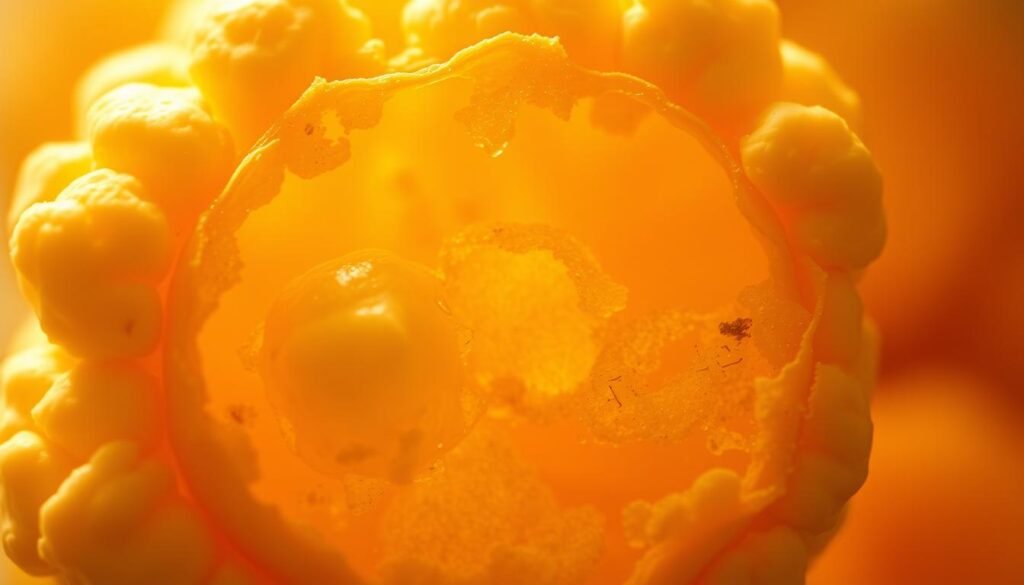
Think of a popcorn kernel as a tiny pressure chamber. It has three main parts:
Pericarp: The tough outer shell that protects the kernel
Endosperm: A starchy interior packed with energy
Germ: The tiny embryo that holds the kernel’s genetic blueprint
Why Does Popcorn Actually Pop?
The magic of popcorn comes from a molecular dance. When heat is applied, a tiny water droplet inside the kernel turns into superheated steam. This steam builds incredible pressure against the kernel’s hard exterior.
Popcorn Fact
Scientific Detail
Ideal Popping Temperature
Around 356-374°F (180-190°C)
Pressure Inside Kernel
Up to 135 PSI before popping
Kernel Water Content
14-15% moisture required
At the critical moment, the kernel’s internal pressure becomes too intense. BOOM! The kernel explosively turns inside out, creating that familiar fluffy white snack. Popcorn facts show this transformation happens in less than a second. It’s a true culinary magic trick driven by pure scientific principles.
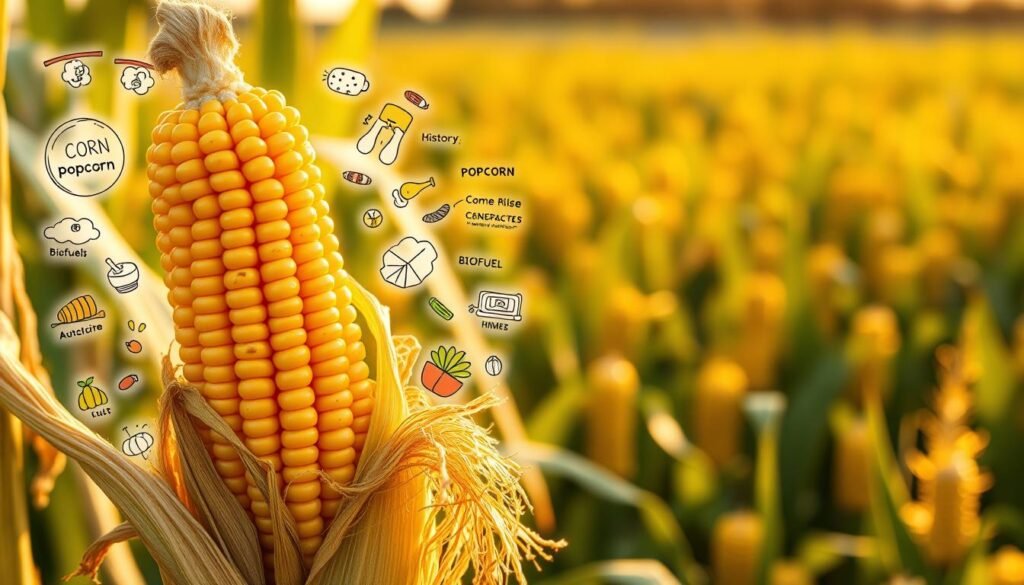
Corn Facts for Kids: Nature’s Most Versatile Grain
Are you ready to learn some cool corn facts? Corn is not just another vegetable. It’s a superstar plant with lots of secrets.
Did you know corn is actually a grass? Yes, it’s a tall plant that’s more than just food. Native Americans knew how amazing corn was long before scientists did.
Corn is the third largest plant-based food source globally
An ear of corn always has an even number of rows
Each kernel has its own piece of silk
Corn trivia gets even more interesting when you see how it’s used. From food to fuel, it’s incredibly versatile!
Corn Use
Description
Food
Eaten fresh, processed into ingredients
Fuel
Converted into ethanol
Industrial Products
Used in plastics, packaging
Next time someone says corn is just a simple vegetable, you can surprise them. Share these fun corn facts to show how amazing it really is!
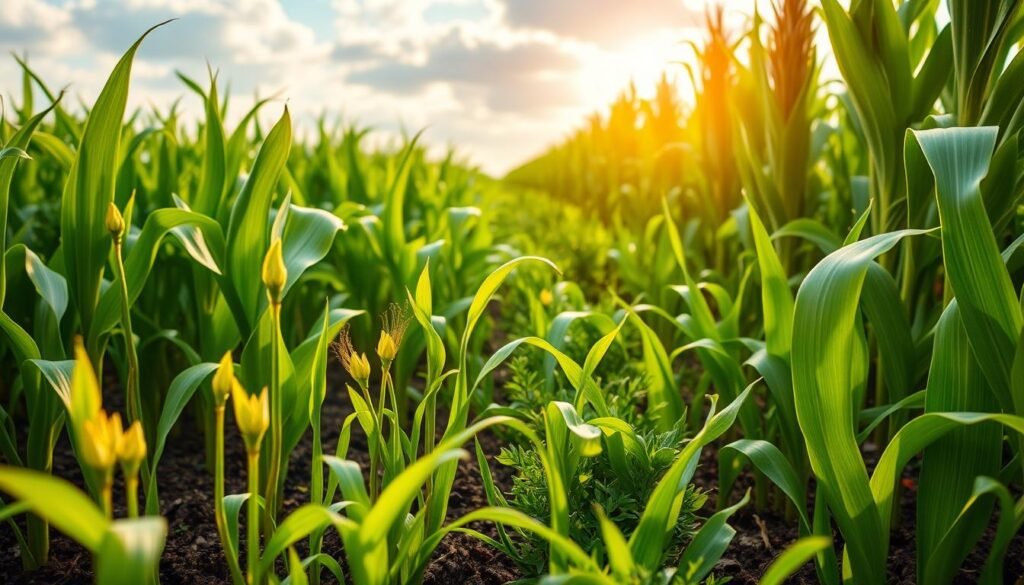
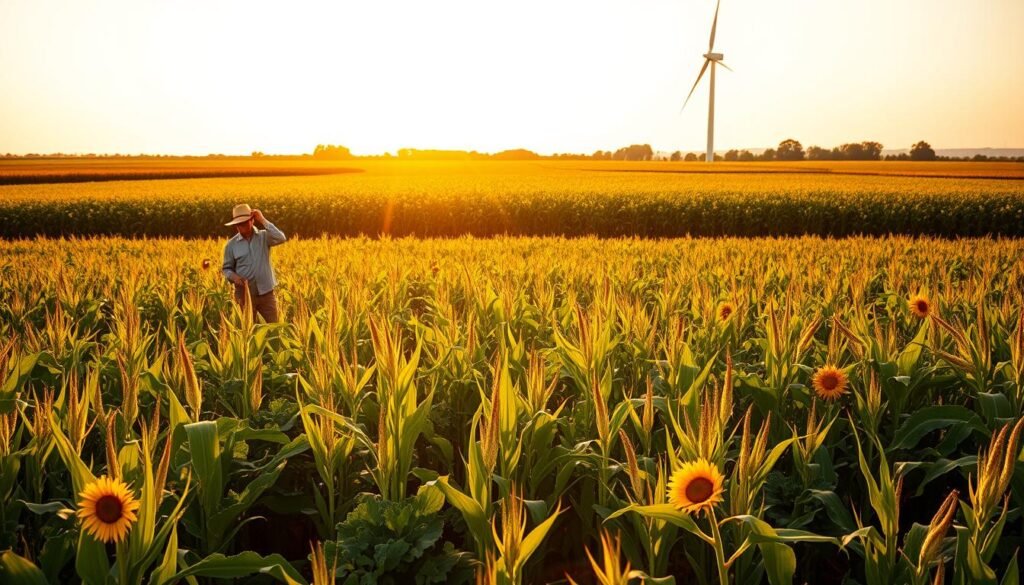
Corn farming is a journey from tiny seed to golden harvest. It involves many stages that turn a small kernel into a tall plant full of nutrients. Knowing about corn plant anatomy helps us see the amazing change in fields across the United States.
The Corn Growing Season
Corn cultivation has a precise seasonal cycle that farmers must watch closely. The growing season usually includes:
Spring planting (April-May)
Early summer vegetative growth
Mid-summer pollination
Late summer kernel development
Fall harvest (September-October)
Each stage has its own challenges for corn farming. Farmers need to check soil temperature, moisture, and nutrients for the best growth.
Parts of a Corn Plant
A corn plant has key parts that help it grow:
Plant Part
Function
Roots
Absorb water and nutrients, anchor the plant
Stalk
Supports leaves and ears, transports nutrients
Leaves
Photosynthesis, energy production
Tassel
Male flower, produces pollen
Ear
Produces kernels, reproductive structure
Each part is vital for the corn plant’s growth, reproduction, and providing food for humans and animals.
Popcorn by the Numbers: Fun Statistics
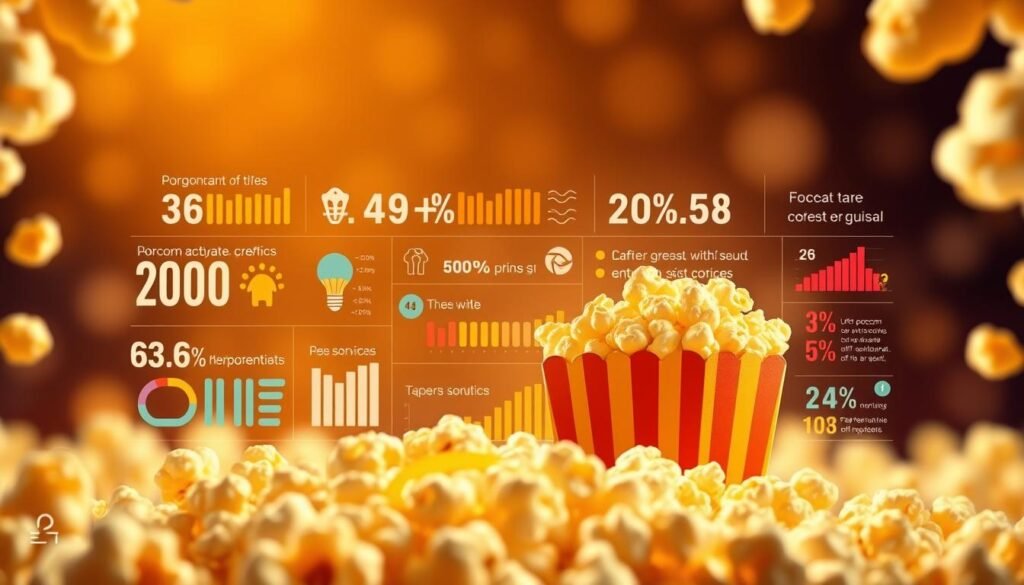
Explore the world of popcorn statistics that will amaze you! Americans love this crunchy snack a lot. They eat a huge amount of popped kernels every year.
Here are some popcorn facts that show how much people love this tasty treat:
Americans munch through 18 billion quarts of popcorn annually
That translates to roughly 56 quarts per person every year
A single bag of popcorn requires about 1,300 kernels to fill up
The numbers of popcorn eaten are truly amazing. Movie theaters play a big part in these numbers. People love this classic snack during films.
Popcorn Statistic
Fascinating Fact
Annual Consumption
18 billion quarts
Per Person Consumption
56 quarts
Kernels per Bag
Approximately 1,300
Kernel Popping Height
Up to 3 feet in the air
Interesting tidbit: A single popcorn kernel can launch itself up to 3 feet high when popping – it’s like a tiny edible rocket! The world’s largest popcorn ball weighed an incredible 9,370 pounds, proving that our love for this snack knows no bounds.
From movie nights to game days, popcorn remains a beloved American snack. It continues to pop its way into our hearts and stomachs.
Native American Heritage and Corn Cultivation
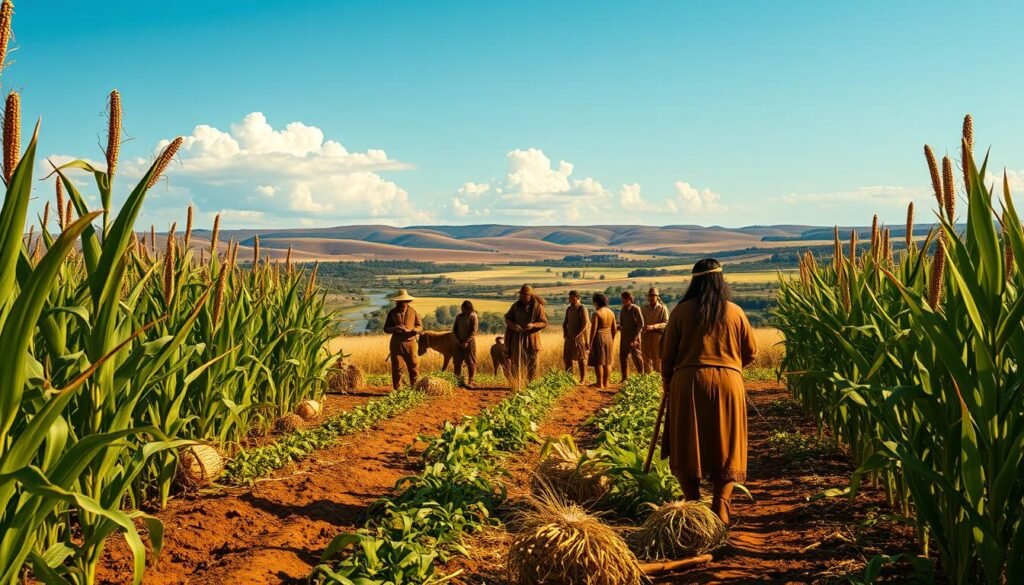
Native American corn cultivation is a key part of agricultural history. These farmers didn’t just grow crops. They built a complex agricultural system that inspires farming today.
Traditional corn farming was more than planting seeds. Native Americans knew how to balance nature. They created smart farming strategies that boosted crop yields and kept soil healthy.
Traditional Farming Methods
Indigenous farming techniques were ahead of their time. They had advanced ways to grow corn, including:
Selecting and saving the best corn seeds for future planting
Using natural fertilization techniques
Practicing crop rotation to maintain soil nutrients
Developing sophisticated irrigation systems
The Three Sisters: Corn, Beans, and Squash
The Three Sisters method is a famous Native American farming technique. It involved:
Planting corn stalks as natural supports for climbing beans
Growing beans that added nitrogen to the soil
Using squash as ground cover to prevent weeds and retain moisture
This corn history shows how Native American farmers created a self-sustaining system. Their farming methods are a model for sustainable agriculture today.
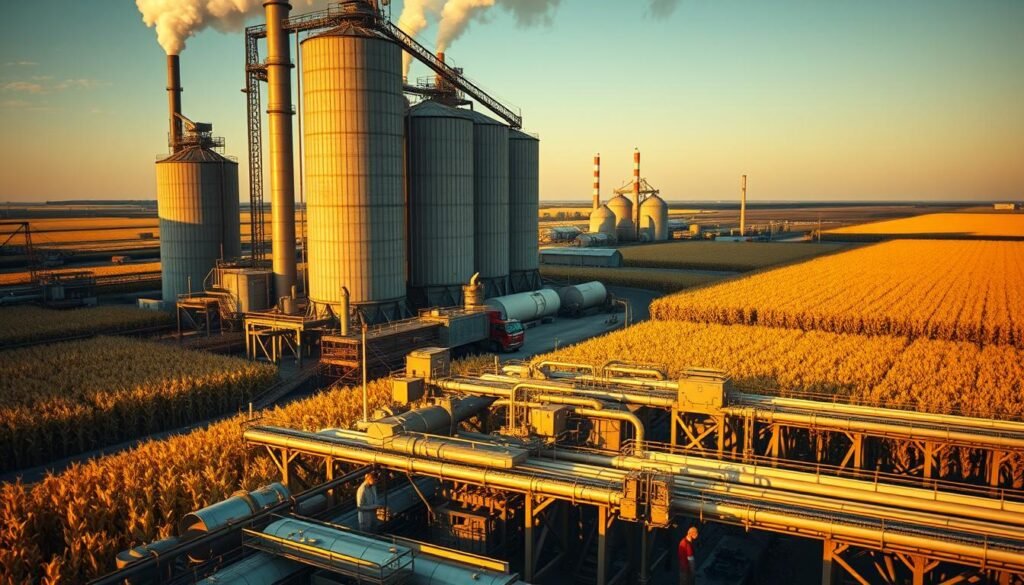
Corn as Renewable Energy: Making Biofuel
Imagine turning a simple ear of corn into fuel for your car! Corn biofuel has changed how we view renewable energy. Ethanol, made from corn, is leading the way in transportation and green energy.
The journey to make corn-based ethanol is amazing. Farmers grow special corn for fuel. This corn goes through a detailed process:
Harvesting corn kernels
Grinding the kernels into a fine powder
Fermenting the corn mash
Distilling the mixture into pure ethanol
Experts praise corn biofuel for its benefits. It cuts our need for fossil fuels and offers a homegrown energy source. The U.S. is the top ethanol producer, making millions of gallons every year.
Yet, there are hurdles. Some question the full environmental effect of ethanol production. They wonder if it really cuts down carbon emissions. Despite these doubts, the tech keeps getting better.
By mixing ethanol with regular gasoline, we get a greener fuel. Most cars can run on E10 (10% ethanol) without changes. This makes renewable energy easy to use.
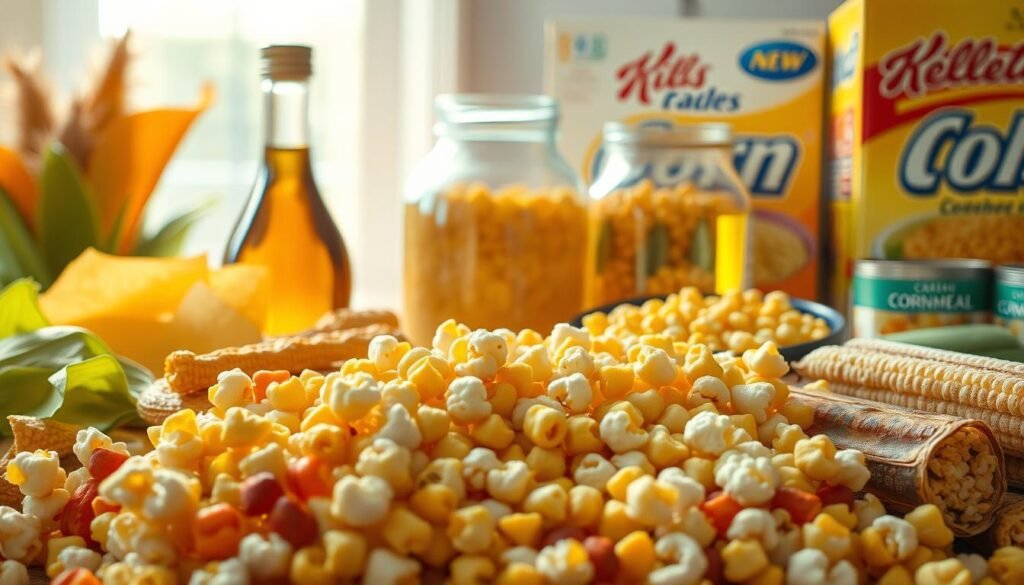
Surprising Products Made from Corn
Corn is more than just a tasty food. It’s turned into many products we use every day. From industrial materials to personal care items, corn is everywhere!
Biodegradable Plastics: Many disposable utensils and packaging are now created from corn-based materials
Personal Care Products: Cosmetics, deodorants, and lotions often contain corn derivatives
Pharmaceutical Ingredients: Cornstarch serves as a binding agent in numerous medications
From Cornstarch to Plastic Innovations
Industrial processing turns corn into amazing products. Techniques like wet milling, dry milling, and fermentation extract valuable compounds. Cornstarch, for example, is a versatile thickening agent in foods and industrial uses.
Everyday Items Containing Corn
Many household items secretly use corn. Adhesives, paper products, textiles, and cleaning supplies all rely on corn. It’s like corn is hiding in plain sight!
Next time you’re at home, try to find “Spot the Corn.” You might be surprised at how often corn shows up in unexpected places.
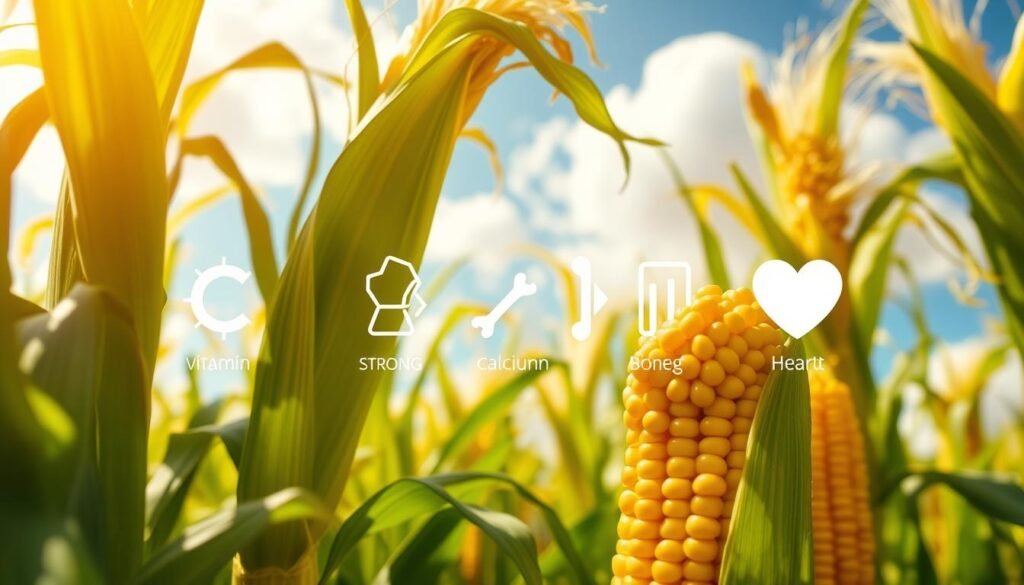
Nutritional Benefits of Corn
Explore the world of corn nutrition and see why it’s more than a tasty side dish. Corn is packed with health benefits that could make it your new favorite superfood.
Corn is a powerhouse of vitamins. It offers essential nutrients that boost overall health. Here are the key nutritional highlights:
Rich in dietary fiber that supports digestive health
Loaded with antioxidants that fight free radicals
Contains important minerals like magnesium and phosphorus
Provides a good source of B vitamins
While corn may not be high in protein, it has its own health perks. Think of corn as the versatile player on your nutritional team – not the star, but a valuable team member.
The health benefits of corn go beyond basic nutrition. Its antioxidants can reduce inflammation, support eye health, and lower the risk of chronic diseases. The colorful varieties, like blue and purple corn, offer even more nutritional value.
Pro tip for corn lovers: To get the most from corn, mix it with other protein-rich foods. Pair it with beans, lean proteins, or add it to salads. This way, you’ll get a balanced meal with all the nutrients your body needs.
Nutrient
Amount per 100g
Calories
86
Protein
3.2g
Fiber
2.4g
Vitamin C
6.8mg
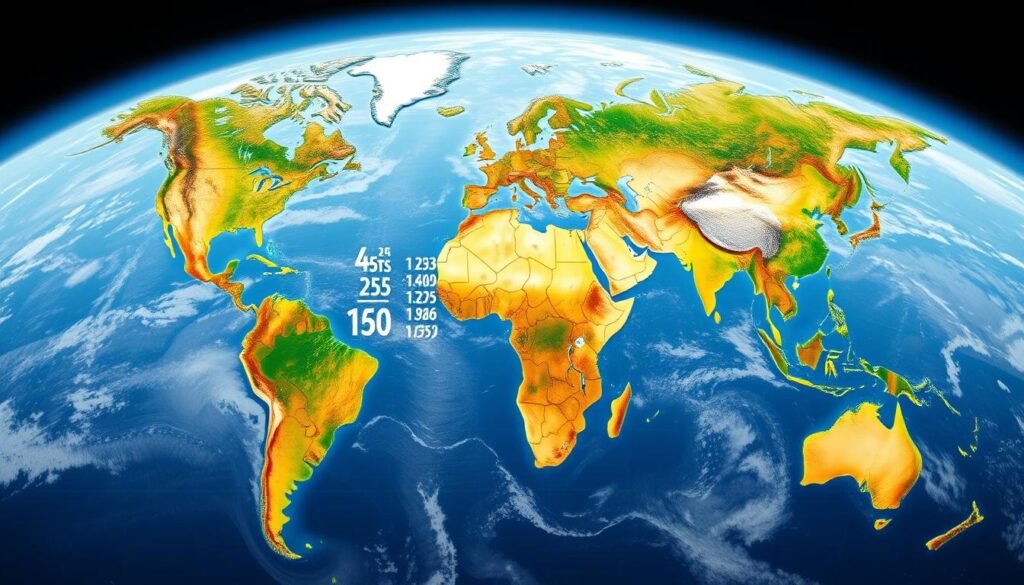
The Global Impact of Corn Production
Corn is a big deal in global farming, changing landscapes and boosting economies worldwide. It’s a story of how farming has evolved and how we ensure everyone has food.
Global corn production is a huge deal in both economics and farming. Farmers all over grow this versatile crop. This creates a big network of trade and food for many.
Leading Corn-Growing Nations
The world’s top corn producers have developed smart farming strategies. These strategies are key to our global food system. Let’s look at who they are:
Country
Annual Production (Million Metric Tons)
Global Market Share
United States
366.0
33%
China
261.0
24%
Brazil
96.0
9%
Argentina
57.0
5%
Ukraine
27.0
2.5%
These countries play a big role in corn production worldwide. Each brings its own farming methods and tech to the table.
The United States leads with cutting-edge agricultural technologies
China rapidly expands its corn cultivation capabilities
Brazil continues to develop sustainable farming practices
Looking at the global corn scene shows us a complex world of farming. Corn isn’t just a crop—it’s a global connector.
Fun Corn Experiments for Young Scientists
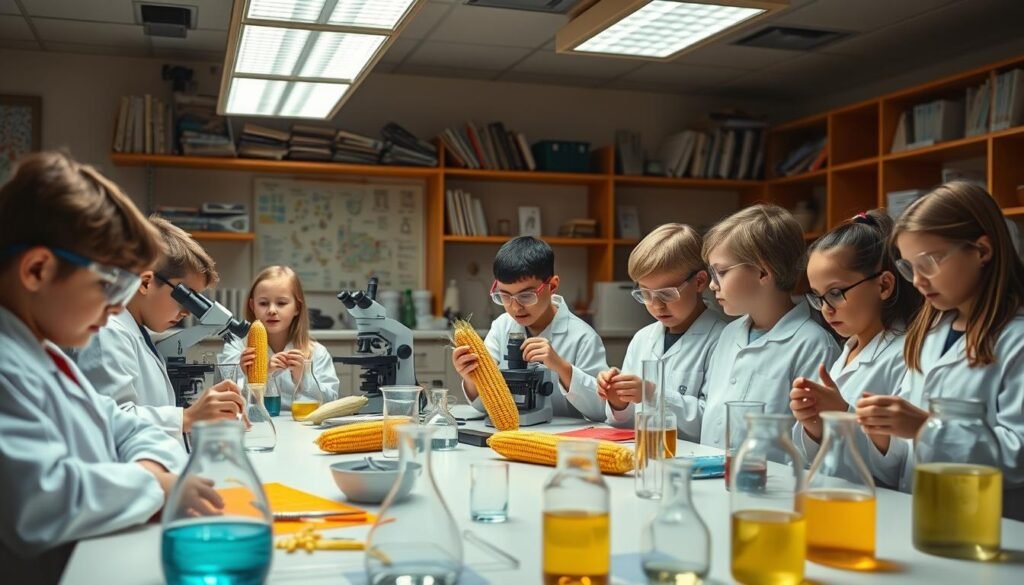
Ready to turn your kitchen into a science lab? Kids love doing fun corn experiments that make learning exciting. These activities are hands-on and educational!
Corn experiments for kids are both fun and educational. Let’s explore some cool activities that spark curiosity and scientific thinking!
Dancing Corn Kernels ExperimentFill a clear glass with water, add baking soda, and drop in corn kernels. Then, pour vinegar and watch the kernels dance! This experiment teaches kids about chemical reactions in a fun way.
Corn Gravity ChallengeTest the balance of corn kernels by trying to stand them on end. Cut an ear of corn in half and see how the flat surface helps. It’s a simple yet fascinating physics experiment.
Homemade Corn PlasticMix cornstarch, water, and a few drops of oil. Microwave the mixture for a few seconds to create biodegradable plastic. This experiment introduces kids to polymer science and sustainable materials.
Experiment
Scientific Concept
Materials Needed
Dancing Corn Kernels
Chemical Reactions
Water, Baking Soda, Vinegar, Corn Kernels
Corn Gravity Challenge
Physics and Balance
Fresh Corn Ear, Knife
Corn Plastic Creation
Polymer Science
Cornstarch, Water, Oil, Microwave
These corn experiments are more than just fun – they’re educational. They teach scientific principles in a delicious and engaging way. So, grab your lab coat (or kitchen apron) and start exploring the world of corn science!
Corn’s Role in Animal Feed
Farmers in the United States use corn as a key ingredient in animal feed. It’s vital for keeping farm animals healthy and productive. Corn gives them the nutrients they need to grow well.
Not all corn is the same for animal feed. Livestock corn is special because it’s full of energy, protein, and vitamins. These nutrients help animals grow and stay healthy.
Corn provides up to 70% of the energy in cattle feed
Chickens and pigs benefit from corn’s high protein content
*Whole corn plants* can be used as silage for dairy cows
Different animals need different foods, but corn is a favorite for many. Dairy cows, beef cattle, pigs, and chickens all do well on corn-based diets. Farmers like corn because it’s affordable and helps create balanced diets for animals.
Nutritionists make sure each animal gets the right mix of nutrients. From kernel to stalk, corn is a true agricultural superhero.
Corn’s role in animal feed does more than help farms. It also supports the whole agricultural system. This helps farmers work more efficiently and sustainably across the country.
Sweet Corn vs. Field Corn: What’s the Difference?
Not all corn is the same! Let’s explore the tasty world of corn types and their special traits.
Sweet corn and field corn look alike but are worlds apart. Sweet corn is the summer barbecue star. Its juicy kernels explode with flavor. Farmers pick it at the sweetest point.
Sweet Corn: Perfect for eating fresh
Field Corn: Primarily used for industrial purposes
Different growth cycles and harvest times
Field corn has a different story. It’s strong and built for use, not for eating right away. Farmers wait until it’s dry to harvest it. It’s used in many ways:
Animal feed production
Ethanol manufacturing
Corn syrup creation
Industrial materials
The comparison shows how different these corns are. Sweet corn is a summer favorite, while field corn works hard in agriculture and industry.
Next time you enjoy corn or see a cornfield, think about how versatile this plant is!
Environmental Impact of Corn Farming
Corn farming is key in our food system, but it faces big environmental challenges. We’ll look at how farmers are making corn farming better for our planet and food. They’re turning old ways of farming into greener practices.
The impact of corn farming on the environment is deep. Old farming ways hurt nature, but new methods are helping. Farmers now focus on keeping soil healthy, using less water, and cutting down on chemicals.
Cutting-Edge Sustainable Practices
Precision Agriculture: Using advanced tech for better crop care
Cover Crop Implementation: Keeping soil safe between corn seasons
Crop Rotation: Keeping soil nutrients balanced
Reduced Tillage Techniques: Less harm to the soil
Eco-friendly corn farming is more than a trend; it’s a must. Farmers are finding new ways to grow corn that’s good for the planet. They’re using green methods to grow corn that works with nature.
Biodiversity and Conservation
Smart corn farmers know how vital it is to protect local ecosystems. They’re making homes for wildlife, using fewer chemicals, and finding ways to keep crops growing while helping nature.
The future of corn farming looks bright. With new research and tech, we’re seeing a big change. This change puts food and nature first, showing a new way to farm.
Corn Through History: Ancient to Modern Times
Explore the amazing journey of corn history that spans thousands of years! It all started in Mexico around 10,000 years ago. There, farmers turned a small grass-like plant called teosinte into the corn we know today.
These early farmers chose and bred plants with the best traits. They made the kernels bigger and the crops stronger over time.
Native American cultures saw corn as more than just food. They used it in their farming and spiritual practices. When Europeans came to the Americas, corn became famous worldwide.
It traveled across continents, changing farming and food making forever.
The Industrial Revolution made corn even more important. Farmers found out corn could power horses, feed people, and help industries grow. Corn helped during the Great Depression and now fuels modern biofuels.
Today, corn shows our creativity and skill in farming. It went from a simple grass to a key crop worldwide. Each kernel shares a story of human creativity and our bond with the food we grow.