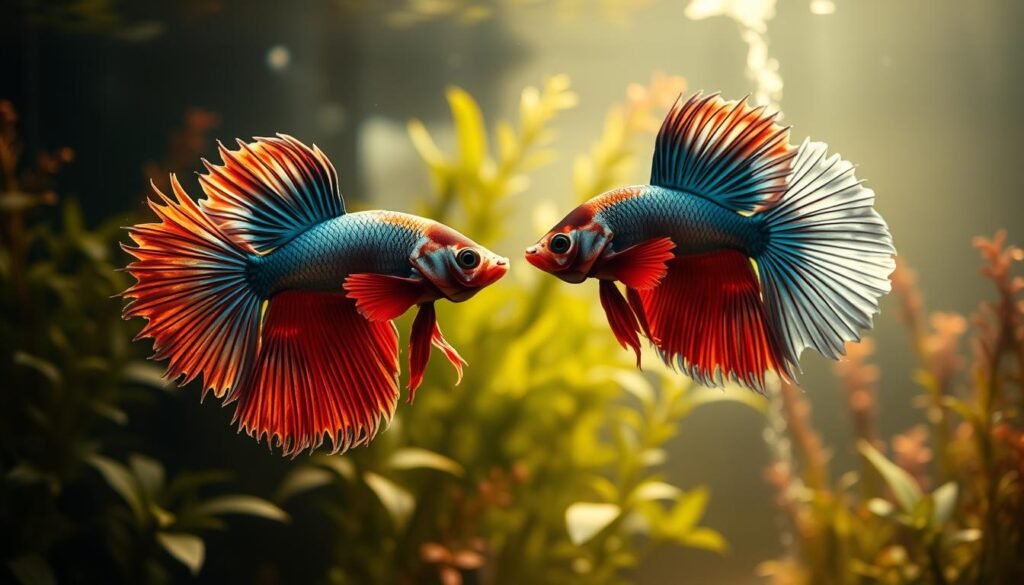
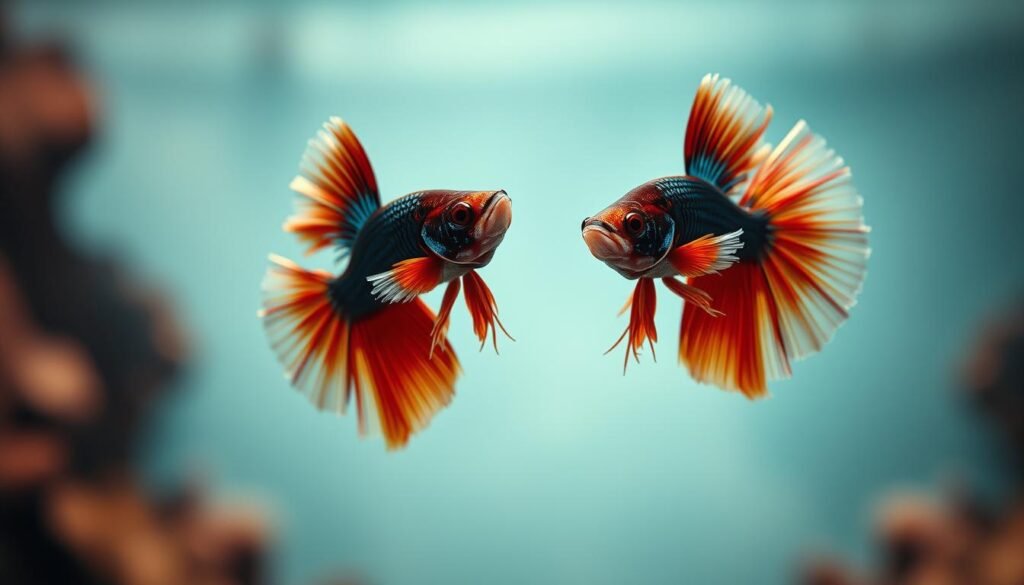
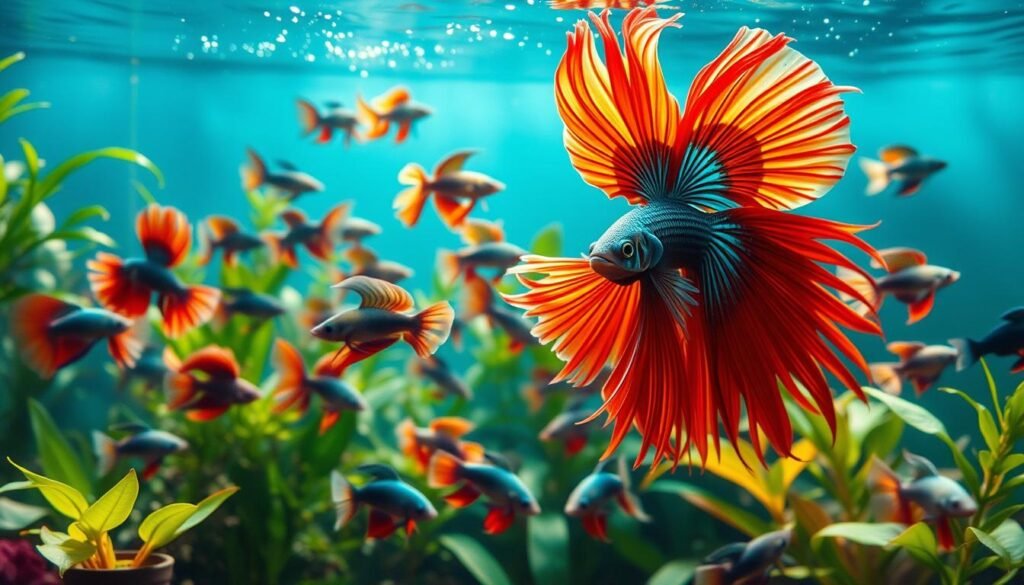
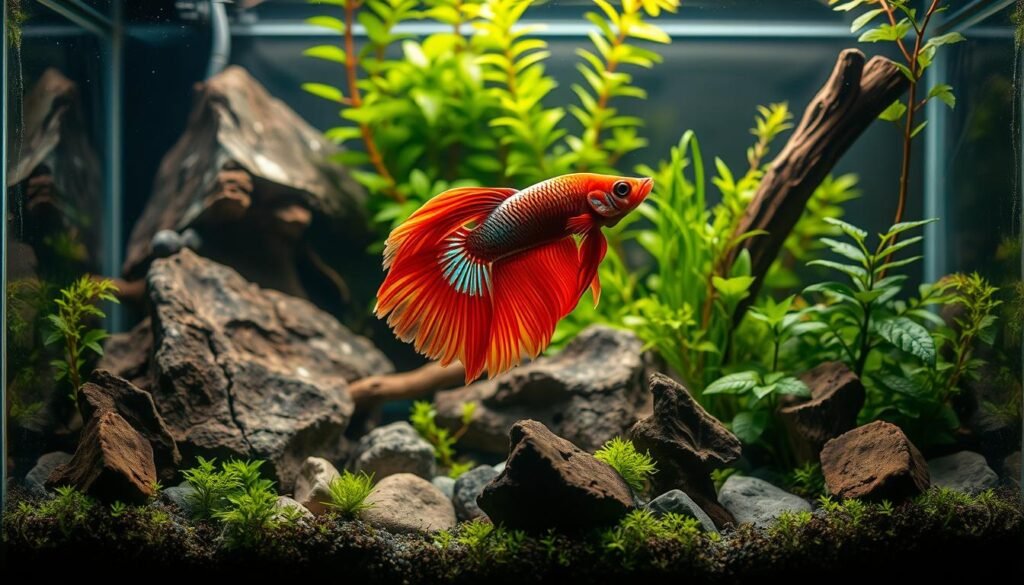
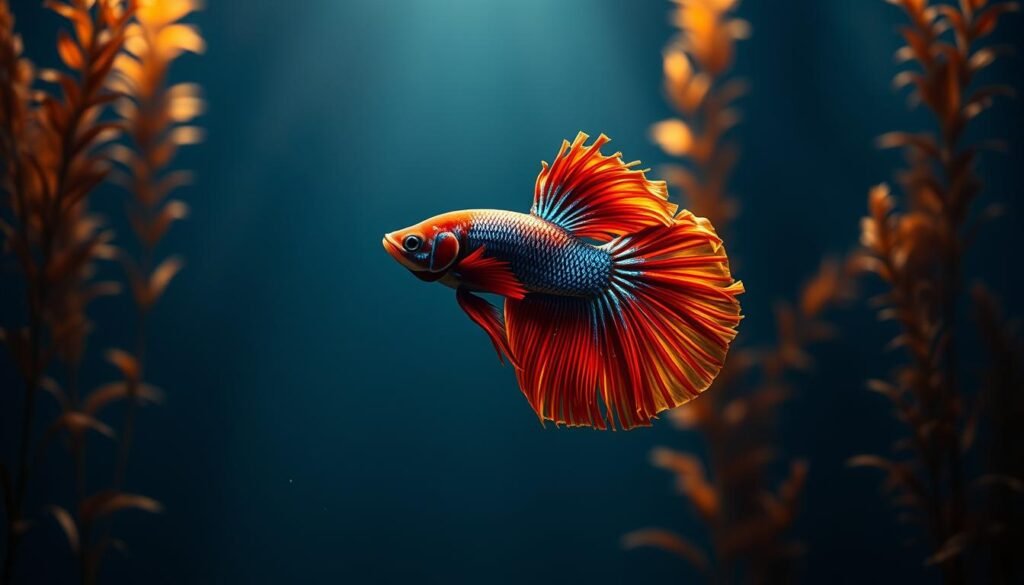
Ever met a pet that’s smaller than your palm but acts like it owns the room? Meet the Siamese fighting fish – a creature from Thailand’s rice paddies that’s basically the ”tiny superhero” of freshwater tanks. These living rainbows don’t just flare their fins for fun – they’ve got biological superpowers and drama levels that’d put reality TV stars to shame.
Here’s the kicker: their nickname ”fighting fish” isn’t just hype. Males will throw down like MMA fighters if housed together. But don’t worry – they’re total softies when it comes to bubble nests. Yep, these guys blow saliva-coated bubbles to cradle their eggs. Think of it as fishy architecture meets parenting hack.
What makes them truly wild? They breathe air like we do, thanks to a built-in snorkel called a labyrinth organ. Imagine having gills and lungs – it’s like nature gave them cheat codes for survival. And those jewel-toned scales? They’re not just for show. Brighter colors often mean a healthier, sassier fish.
From royal families in ancient Siam to your local pet store, these mini warriors have conquered hearts worldwide. Ready to learn why they’re the ultimate combo of beauty, brains, and pure sass? Let’s dive in.
Historical Roots and Naming Origins
Did you know these colorful swimmers were once the gladiators of ancient Thailand? Let’s crack open the history books – I’ll show you how warrior culture shaped their fiery reputation.
Warrior Heritage and Siamese Fighting Connections
Back in the 1800s, the Bettah people of Siam (now Thailand) bred these feisty betta splendens for combat. Picture this: villagers gathering around clay pots, cheering as male bettas flared their gills like armored knights. These matches were so popular, the Siamese fighting name became official by 1840.
Here’s the twist – their scientific name betta splendens literally means “splendid fighter.” Royals treated champion species like prized racehorses. One king reportedly gifted fighting pairs to European diplomats, sparking their global spread as exotic pet curiosities.
Variations Like the Plakat With Shorter Fins
Not all bettas have flowing fins. Meet the Plakat – Thailand’s original short-finned brawler. Their name means “biting fish” in Thai, referencing their:
Durable, torpedo-shaped bodies
Fins that regrow after battles
Lightning-fast strikes in cramped spaces
Modern breeders love Plakats for their wild-type genes. Unlike showy long-finned cousins, these species retain the scrappy survival instincts that made them legendary fighters. Next time you see one, remember – you’re looking at living history!
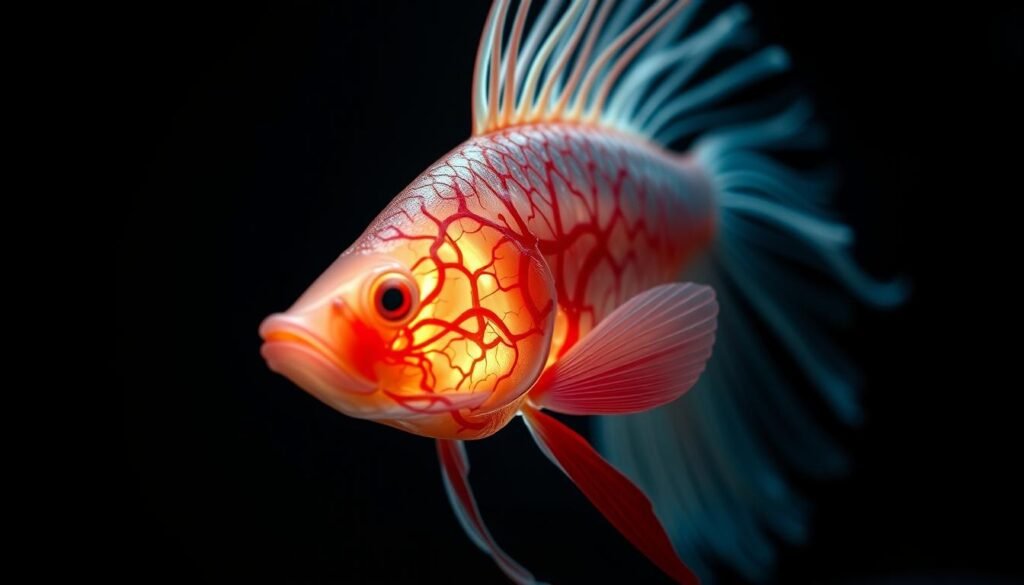
What if I told you your pet has a built-in snorkel? Meet the labyrinth organ – the biological cheat code that lets these aquatic acrobats gulp air like toddlers stealing cookies. Unlike most fish stuck with gills-only breathing, this maze-like structure works like backup lungs. Imagine having a secret oxygen tank for surviving muddy puddles!
Here’s how it works: When water quality dips (think stale pond soup), their labyrinth kicks in. They dart to the surface, gulp air, and extract oxygen through blood vessels. It’s evolution’s answer to “hold my bubble tea, I’ve got this.” But there’s a catch – stressed swimmers use this organ more, which tires them out. That’s why clean tanks matter!
Three must-know care tips for air-gulping pros:
Keep tanks shallow – no Olympic diving pools! 5-6 inches lets them surface easily
Use gentle filters – strong currents = exhausted swimmers
Skip filled-to-the-brim water – leave 1-2 inches for air access
Fish Type
Breathing Style
Survival Hack
Betta
Air + Water
Labyrinth Organ
Goldfish
Water Only
Efficient Gills
Catfish
Water + Mud
Intestinal Breathing
Pro tip: Change 25% of the water weekly. It’s like giving their lungs fresh mountain air! Remember – happy labyrinth = vibrant colors and sassy fin flares. Now that’s what I call breathing in style.
Betta Fish Facts for Kids: Surprising Biological Quirks
Imagine a fish that’s part acrobat, part architect. These swimmers pack more surprises than a jack-in-the-box—if that box could also build floating nurseries. Let’s unpack their wildest tricks.
Jumping Skills and Tank Escapades
These aquatic escape artists can launch themselves up to 3 inches—nearly double their body length! I’ve seen hobbyists find their male betta fish dried up on tables after late-night leaps. Forget leaving the toilet seat up; always secure your tank lid.
Why the daredevil antics? Wild instincts. In Thailand’s rice fields, they jump between puddles during droughts. Your aquarium’s calm surface? Just another puddle to conquer.
Bubble Nests and Breeding Rituals
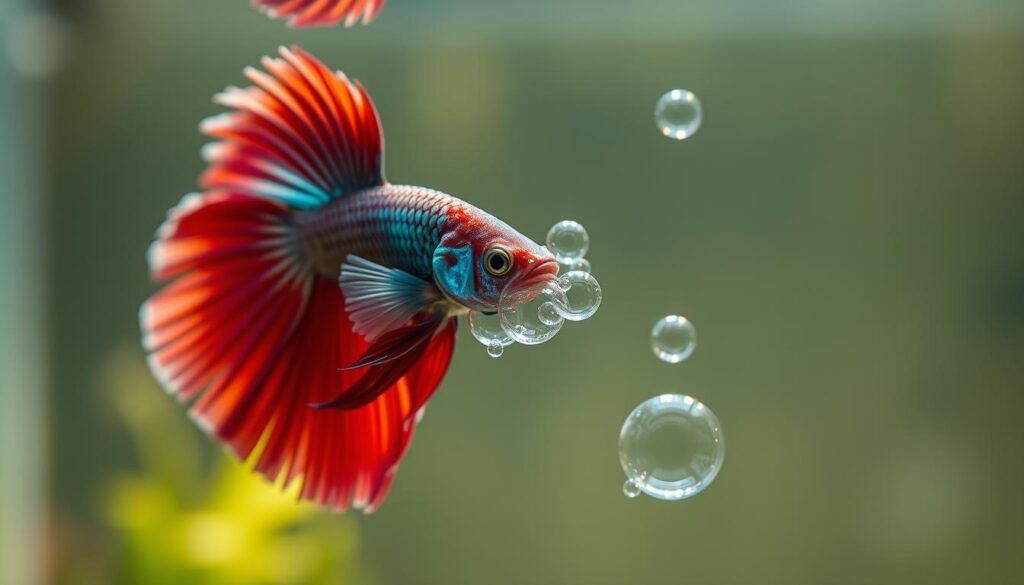
Males turn into underwater engineers during breeding season. Using saliva-coated bubble clusters, they craft floating nurseries for eggs. One breeder told me: “It’s like watching a chef perfect a soufflé—except this one spits bubbles!”
Nests can span 4 inches wide
Males guard nests like treasure hoards
Females signal readiness with vertical stripes
Their protein-packed diet fuels these antics. Check what’s on the menu:
Food Type
Benefit
Source
Brine Shrimp
Color enhancement
Saltwater lakes
Insects
Energy boost
Surface hunting
Larvae
Growth support
Still waters
Pro tip: Use feeding rings. It keeps their food from getting lost in floating bubble nest constructions. Because even master builders need lunch breaks!
Think your goldfish is chill? Wait till you meet these pint-sized gladiators. Their survival instincts crank up to ”drama mode” in tanks – but here’s the secret: how you set up their space makes all the difference. Let’s crack the code on keeping peace in their watery kingdoms.
Male Aggressiveness and Solo Living
Picture a grumpy toddler with fins. That’s your average male betta. I once watched one flare at his reflection for 20 minutes straight – talk about commitment! Here’s why they’re always solo artists:
5-gallon minimum tank size (think studio apartment)
No tank mates – not even snails
Mirrors only during 5-minute “confidence boosts”
Pro tip from breeder Jenna Wu: “Use floating plants. They break sightlines and reduce stress-induced color fading.”
Female Sororities and Shared Spaces
Now flip the script. Female bettas can form girl gangs – if you play it smart. My local aquarium club runs a 20-gallon sorority with:
7-9 females (odd numbers prevent tie votes)
Dense java fern jungles
Multiple feeding stations
But here’s the kicker: overcrowding turns sisters into rivals. Stick to 1 female per 3 gallons, and always introduce everyone simultaneously. It’s like hosting a dinner party where no one knows they’re guests!
Setup
Tank Size
Key Features
Male Solo
5+ gallons
No decorations with sharp edges
Female Group
20+ gallons
5+ hiding spots per fish
Weekly water changes? Non-negotiable. Dirty tanks crank up aggression faster than a caffeine-loaded toddler. Remember – happy fish don’t pick fights!
Vibrant Colors and Fin Variations
What if I told you these swimmers are the fashionistas of the aquatic world? Their fins aren’t just accessories – they’re evolutionary masterpieces shaped by centuries of human meddling. I’ve seen breeders turn drab river dwellers into neon dragons through selective breeding, crafting living art that puts Picasso to shame.
Let’s talk tail types. The common veil tail? Basic ballet slippers. Now meet the crown tail – imagine someone took pinking shears to its rays. Or the combtail, where every fin edge looks like it survived a shark attack. My personal favorite? The half-moon. When those fins flare, they form a perfect 180-degree arc – nature’s protractor.
Tail Shapes and Selective Breeding Effects
Breeders play God with genetics. Take the Plakat – Thailand’s original short-fin bad boy. Unlike its flowing-finned cousins, this type sports a muscular build and spade-shaped tail perfect for underwater brawls. Modern hybrids? They’re walking mood rings. Metallic lavenders, candy-red marbles, even black orchids that absorb light like vantablack.
Pro tip: The most vibrant colors often come from line-bred specimens. I once met a breeder who spent 12 years perfecting a copper-gold strain. His secret? “Patience, protein, and refusing to sleep.” Now that’s commitment to the craft.
From Rice Paddies to Modern Aquariums
Picture this: muddy ankle-deep waters where farmers grow tomorrow’s sushi rice. That’s where these feisty swimmers evolved – Thailand’s rice paddies and tea-colored marshes. I’ve seen wild specimens in Cambodia’s Mekong Delta thriving in puddles you’d avoid stepping in. Their secret? Being nature’s ultimate adapters.
Natural Habitat and Environmental Adaptations
Wild betta fish endure conditions that’d make goldfish faint. Stagnant water? No problem – their labyrinth organ handles low oxygen. pH swings from 6.0 to 8.0? They shrug it off like bad Wi-Fi. A friend once found them in roadside ditches after monsoons – living proof of their survival chops.
Here’s how their swampy roots translate to your aquarium:
Floating plants replicate natural shade from rice stalks
75-80°F water mirrors Southeast Asia’s steamy climate
Breeders in Bangkok taught me a neat trick: add Indian almond leaves. They stain water like weak tea, recreating the tannins from decaying plants in their native paddies. Plus, it’s a natural antifungal – talk about multi-tasking!
Wild Habitat
Home Tank
Why It Matters
6-12” water depth
Shallow tanks
Easier air gulping
75-86°F temps
Adjustable heater
Metabolism regulation
Leaf litter substrate
Botanical additives
Stress reduction
Pro tip: Skip strong currents. Their native freshwater streams are lazy rivers, not whitewater rapids. A sponge filter set to low keeps things authentic without blowing their bubble nests to smithereens. Now that’s what I call evolutionary swagger!
Size, Lifespan, and Diet Details
Let’s talk numbers – these pocket-sized warriors pack big stats into tiny packages. I’ve tracked growth patterns in my home aquarium for years, watching fry transform from rice-grain hatchlings to full-fledged showstoppers. Their life journey’s more dramatic than a Netflix coming-of-age series.
Measurements That Matter
Adult swimmers typically stretch 2.5 inches nose-to-tail – think lipstick tube length. But here’s the kicker: some show-quality specimens hit 3 inches! Their tails alone can equal body length, creating that iconic flowing silhouette. Pro tip: Use a growth chart. I once raised a male who doubled his size in 4 months on premium meals.
Carnivore Cuisine 101
These meat lovers need protein like TikTok needs drama. Their wild diet reads like a bug buffet:
Brine shrimp – the aquatic equivalent of candy
Mosquito larvae – nature’s protein shots
Daphnia – gut-friendly “water fleas”
Food
Frequency
Portion Size
Pellets
Daily
2-3 pieces
Frozen Bloodworms
3x/week
4-5 worms
Live Fruit Flies
Treat
1-2 flies
Overfeeding clouds water quality faster than kids tracking mud indoors. Stick to 2-minute meal times – if they haven’t cleared their plate, you’ve overdone it. Remember: a trim fish lives longer. My oldest swam strong for 5 years on this regimen!
Setting Up the Perfect Betta Home
Ever walked into a room and immediately felt at ease? That’s what your swimmer needs – a space where biology meets comfort. Let’s build a habitat that’s part zen garden, part survival suite.
Ideal Tank Sizes and Water Quality Parameters
Forget those tiny cups at pet stores. A 10-gallon tank isn’t luxury – it’s science. Here’s why bigger tanks win:
Stable temperatures (78-80°F ideal)
Room for proper filtration without whirlpools
Space for enrichment – think leaf hammocks, not just bare walls
My friend’s 10-gallon setup runs cleaner than my first apartment. Weekly 25% water changes kept nitrates below 20 ppm. Use this cheat sheet:
Tank Size
Pros
Cons
5 gallons
Compact
Frequent maintenance
10 gallons
Stable environment
Needs heater space
20 gallons
Community options
Overkill for solo pets
PH levels? Aim for 6.8-7.5. Test strips are like report cards – check weekly. Add driftwood or smooth stones to mimic their natural aquarium vibes. Pro tip: Pre-cycle your tank for 4-6 weeks. Beneficial bacteria become invisible cleanup crews!
Last thing: care isn’t complicated. Feed quality pellets, skip overfeeding, and watch your tiny roommate thrive. I’ve seen properly fish kept specimens outlive “cup dwellers” by years. Now that’s a happy homecoming.
Handling Aggressive Natures and Social Settings
Managing these aquatic firecrackers requires ninja-level strategy. I learned this the hard way when my first male betta spent weeks flaring at his own reflection. Let’s break down how to keep peace in their watery worlds.
Strategies for Managing Male Bettas
Think of solo males as underwater CEOs – they need private offices. Here’s my battle-tested routine:
5-gallon minimum: More space = fewer territorial disputes
Two hiding spots minimum: Use caves and plants
Mirror training: 2-minute sessions twice weekly to burn energy
When my buddy’s male betta started shredding fins, we added floating logs. Instant chill mode activated. Remember: fighting instincts never disappear – they just need redirecting.
Aggression Trigger
Quick Fix
Long-Term Solution
Reflections
Matte background
Dim lighting
Water Currents
Sponge filter
Baffle adjustment
Overstimulation
Remove decor
Simplify layout
Group Dynamics with Female Companions
Female bettas can room together – if you’re sneaky about it. My sorority tank succeeded because:
Added all 7 girls simultaneously
Created “neighborhoods” with tall plants
Used feeding rings at opposite ends
Watch for subtle fighting signs: clamped fins, faded colors. One breeder told me: “It’s like hosting a reality show – edit the cast carefully!”
Key differences? Males need isolation, females need structure. Your tank setup tells them whether to throw punches or share snacks. Get it right, and you’ll have front-row seats to fishy diplomacy!
Parting Shots and Future Betta Adventures
Who knew a creature from Thailand’s muddy paddies could teach us about underwater innovation? These siamese fighting fish evolved from swamp survivors to living art – and their story’s far from over. Let’s recap the wildest lessons from our tiny teachers.
Their labyrinth organ remains my favorite biological hack. Imagine breathing air through what’s essentially a built-in snorkel! Yet this genius adaptation means nothing without proper care – shallow tanks, calm currents, and weekly water swaps keep their lungs (and attitudes) thriving.
Remember those bubble nests? Males still craft these spit-powered nurseries like it’s 1840s Siam. It’s equal parts gross and genius – nature’s version of DIY parenting. And let’s not forget their color-shifting superpower. I’ve seen specimens transform from dull brown to metallic blue faster than a chameleon on espresso.
Here’s what blows my mind: Their wild instincts persist despite centuries of domestication. Jumping skills? Check. Territorial drama? Double-check. Yet with smart setups – think plant jungles and solo pads – even feisty males become zen masters.
So what’s next for these aquatic icons? Breeders are tinkering with glow-in-the-dark genes and nano-tank tech. Will future aquarium setups include AI-powered bubble nest monitors? Your guess is as good as mine. One thing’s certain – their story’s still swimming. Ready to dive deeper?