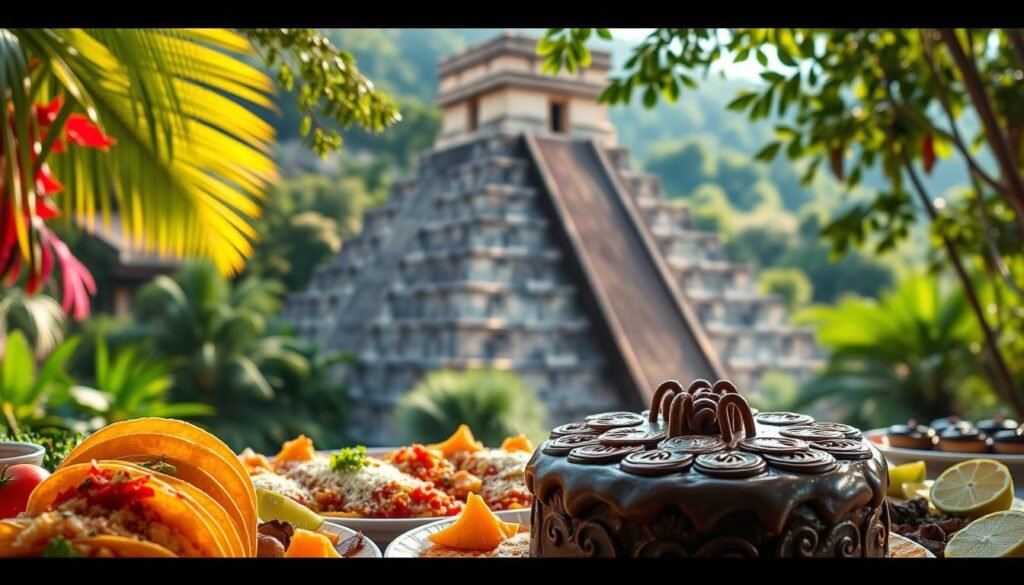
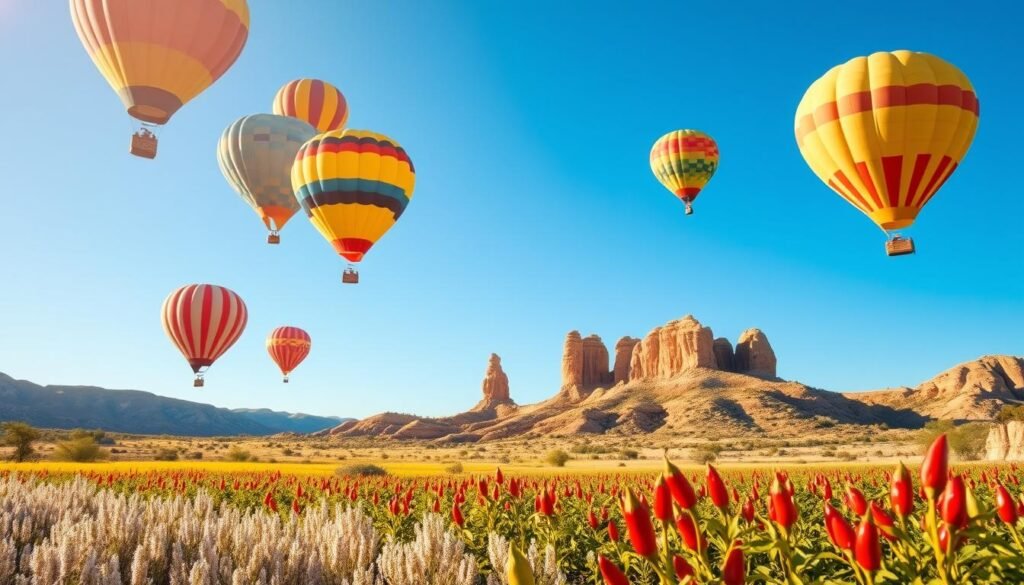
Ever wonder where chocolate was actually invented? Spoiler: It wasn’t Switzerland. This country gave the world chocolate 4,000 years ago, and today you’ll still find locals sipping frothy cacao drinks spiced with chili. Yeah, chili. Trust me, it works.
I first fell hard for this place when I learned its capital city is literally sinking—12 centimeters a year! Picture Venice, but with tacos and ancient pyramids poking through neighborhoods. You haven’t lived until you’ve seen a 2,000-year-old temple hiding behind a Starbucks.
Let’s talk about the coolest stuff most guidebooks miss. There’s a museum underwater near Cancún where statues slowly become coral reefs. And those vibrant street markets? They’re basically edible rainbows. One bite of a mango sprinkled with chili powder, and you’ll forget candy exists.
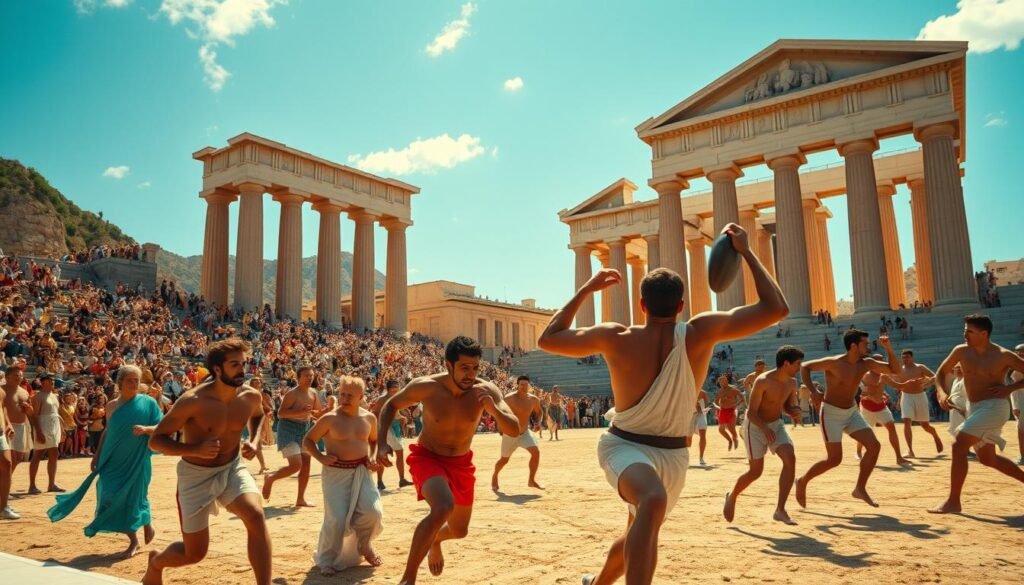
Oh, and those “boring” history lessons? Wait until you hear about the ball game where losers got… well, let’s just say it wasn’t a participation trophy situation. Stick around—this country’s secrets are wilder than a piñata full of fireworks.
Amazing Mexico Fun Facts for Kids: Chocolate, Pyramids, and More!
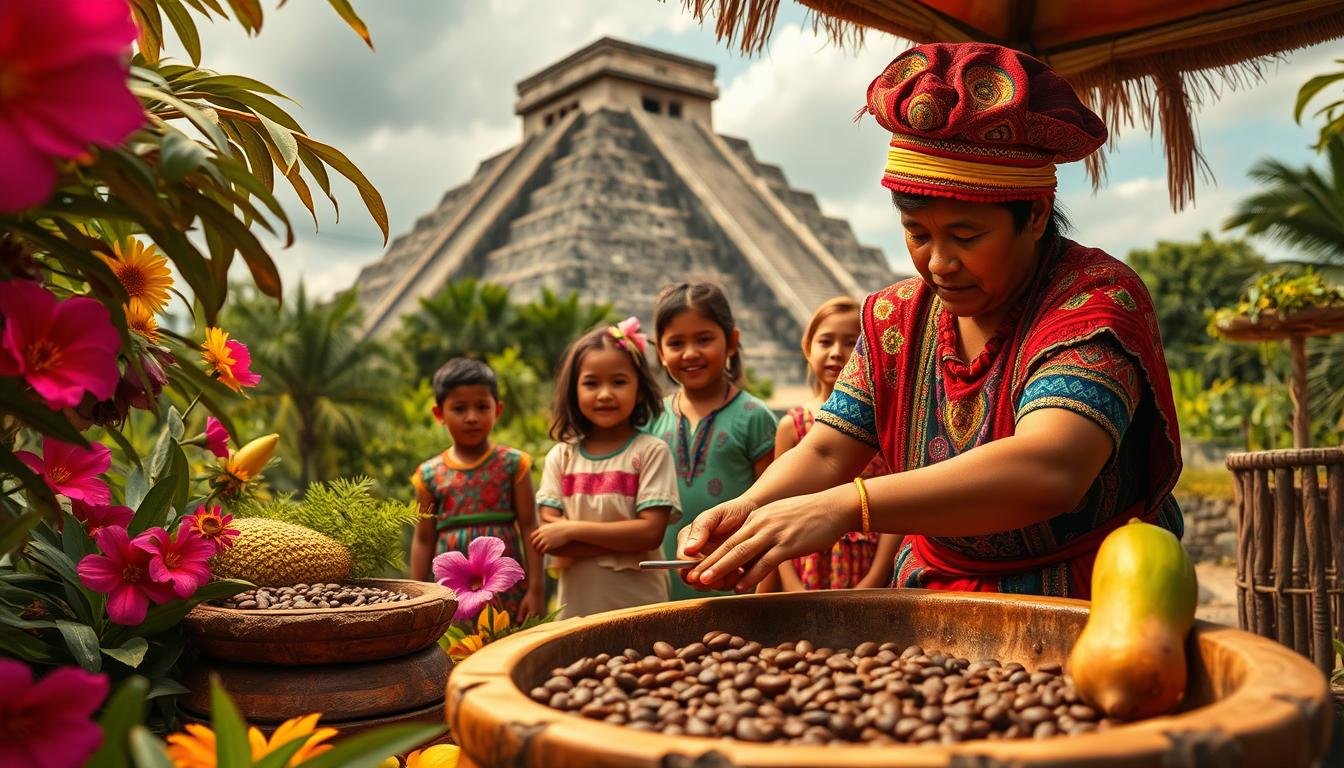
Did you know ancient civilizations here turned bitter cacao beans into liquid gold? The Aztecs believed chocolate was a gift from the gods—they even used it as money! Today, families still grind cacao on stone slabs, mixing it with cinnamon and yes, chili. Pro tip: Try it hot. Your taste buds will throw a fiesta.
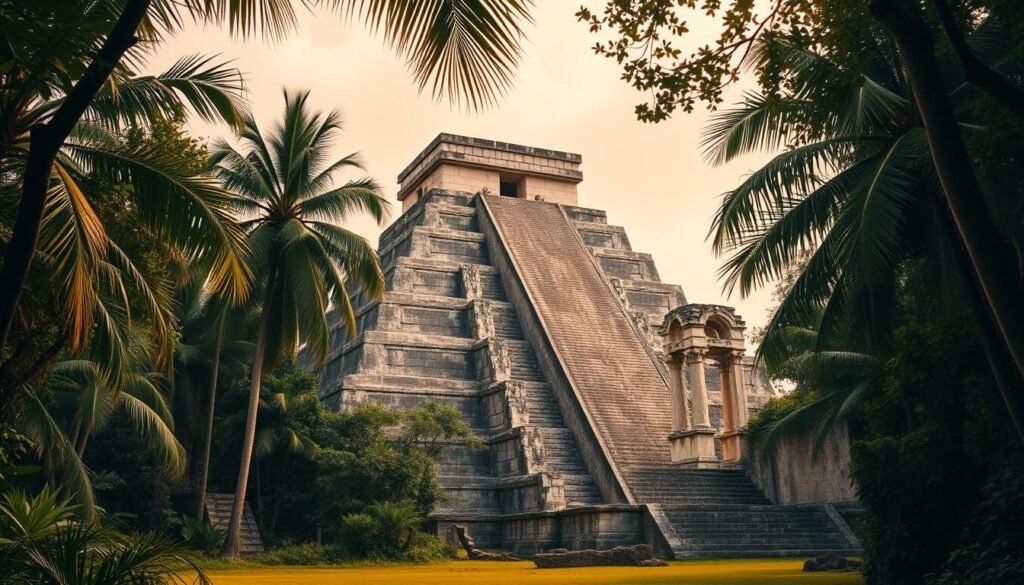
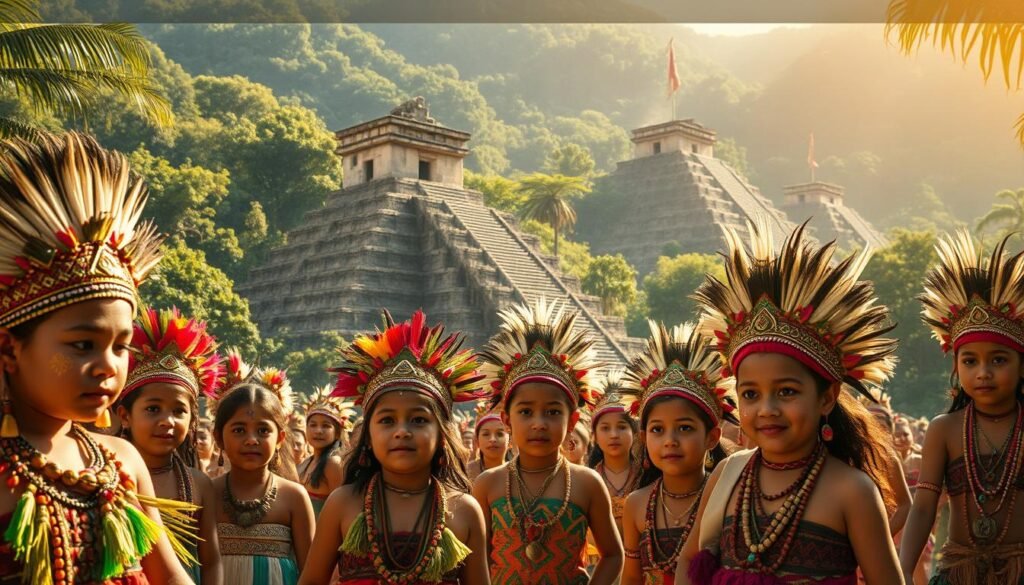
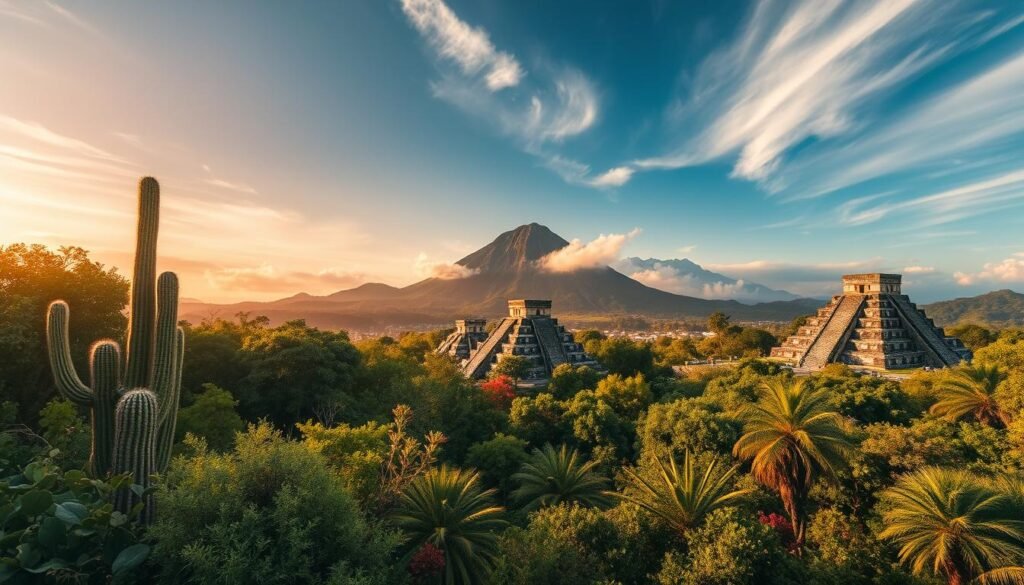
Those towering pyramids you’ve seen in photos? They’re not just pretty rocks. The Pyramid of the Sun at Teotihuacan aligns perfectly with the cosmos during equinoxes. Imagine standing atop as shadows slice through ancient carvings like celestial laser beams. Cooler than any sci-fi movie, right?
Here’s a head-scratcher: this country has over 22 million people in its capital alone. That’s like stacking New York City twice! But what really blows my mind? Corn isn’t just food here—it’s sacred. Over 60 varieties grow nationwide, and locals have been perfecting tortillas since 500 BCE. Talk about a gluten-free legacy!
Oh, and those “boring” history classes? Not here. Wait till you hear how ballgame losers… well, let’s just say they didn’t get timeout chairs. ¡Órale! This place keeps you guessing.
Unraveling Ancient Pyramids and Historic Ruins
What if I told you the largest pyramid on Earth isn’t in Egypt? Hidden beneath a grassy hill in this american country, Cholula’s Great Pyramid holds enough stones to fill three Olympic pools. Locals call it Tlachihualtepetl—“man-made mountain”—and Spanish conquistadors literally built a church on top without realizing what lay beneath.
Secrets in Plain Sight
Teotihuacan’s Pyramid of the Moon hides wild details. Archaeologists found carvings of jaguars clutching human hearts near its base. Walk the Avenue of the Dead at dawn, and shadows create serpent shapes slithering toward the Temple of Quetzalcoatl. Myth says this feathered god once dueled a star vampire here. No joke.
Here’s the kicker: Cholula’s pyramid wasn’t abandoned. Locals kept adding layers for 1,000 years like Russian nesting dolls. Modern engineers found honeycombed tunnels inside—ancient air conditioning? Makes you wonder what other facts mexico’s soil still hides.
Standing in this place, you realize something. These aren’t just old rocks. They’re time machines. Every carved glyph, every sunbaked step tells stories of kings, astronomers, and kids who probably rolled their eyes at pyramid-building homework. Some things never change.
Marvels of Pre-Columbian Traditions and Innovations
What if your school cafeteria served 2,000-year-old recipes? At the National Autonomous University of Mexico, students walk past murals depicting ancient astronomers—their campus is a UNESCO World Heritage site built on Aztec knowledge. Those vibrant frescoes? They’re basically Instagram stories from 1551.
Here’s the kicker: modern farmers still grow corn using techniques from 500 BCE. Over 60 varieties thrive here—purple, blue, even rainbow kernels. Ancient people believed maize had divine DNA. Today, you’ll find it in everything from tortillas to ice cream. Talk about a glow-up!
Ever seen a volcano whisper secrets? Popocatépetl—the “smoking mountain”—was considered a god’s throne. Locals still leave offerings at its base during harvests. Meanwhile, artisans weave stories into textiles using patterns older than Shakespeare. Bet your history teacher never mentioned that.
This North America gem doesn’t just preserve history—it lives it. From solar calendars predicting equinoxes to chocolate rituals honoring ancestors, the past isn’t dusty here. It’s dancing in street markets and baked into every golden tamal. Some traditions? They’re too brilliant to fade.
World Heritage Sites and UNESCO Treasures
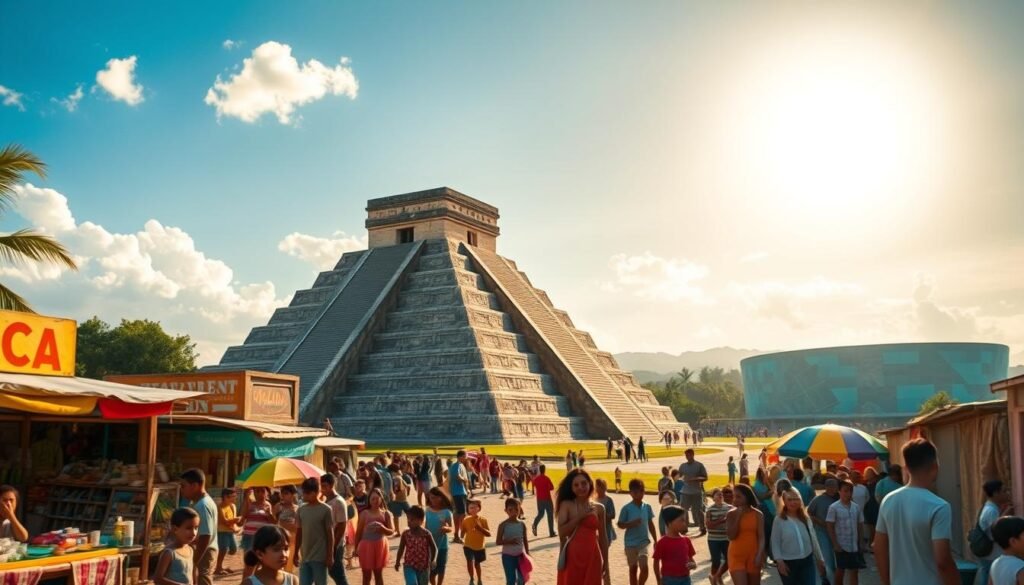
Picture this: a stone calendar so precise, its shadow crawls up 91 steps during equinoxes—exactly matching Earth’s 365-day cycle. That’s Chichen Itza for you. This UNESCO World Heritage site isn’t just a pyramid—it’s a celestial calculator carved by Mayan geniuses. I once watched 20,000 people cheer as the serpent shadow appeared. Goosebumps? Oh yeah.
Living History in Stone
But wait—there’s more magic. The colonial town of Guanajuato hides rainbow houses stacked like LEGOs over silver mines. Its underground streets? Originally riverbeds! UNESCO World Heritage doesn’t just protect old stuff—it celebrates how people shape places. You can practically hear whispers from 16th-century poets in its alleyways.
Site
Feature
Wow Factor
Chichen Itza
El Castillo pyramid
Shadow creates serpent illusion
Guanajuato
Underground tunnels
Built over flooded mines
Palenque
Jungle temples
Hieroglyphs decode Mayan history
Here’s the kicker: this country has 35 UNESCO treasures—more than Egypt or Greece. From the largest pyramid (yep, bigger than Giza!) to butterfly sanctuaries, each spot tells a wild story. Locals don’t just preserve these heritage sites—they live alongside them. Ever seen a farmer plow fields around 1,200-year-old ruins? Daily life here’s a time capsule.
Pro tip: Visit Oaxaca’s Monte Albán at sunset. Those Zapotec pyramids glow like molten gold. You’ll swear the ancients planned it that way. Some facts Mexico offers? They’re not just cool—they’re cosmic.
Colorful Festivals and Lively Traditions
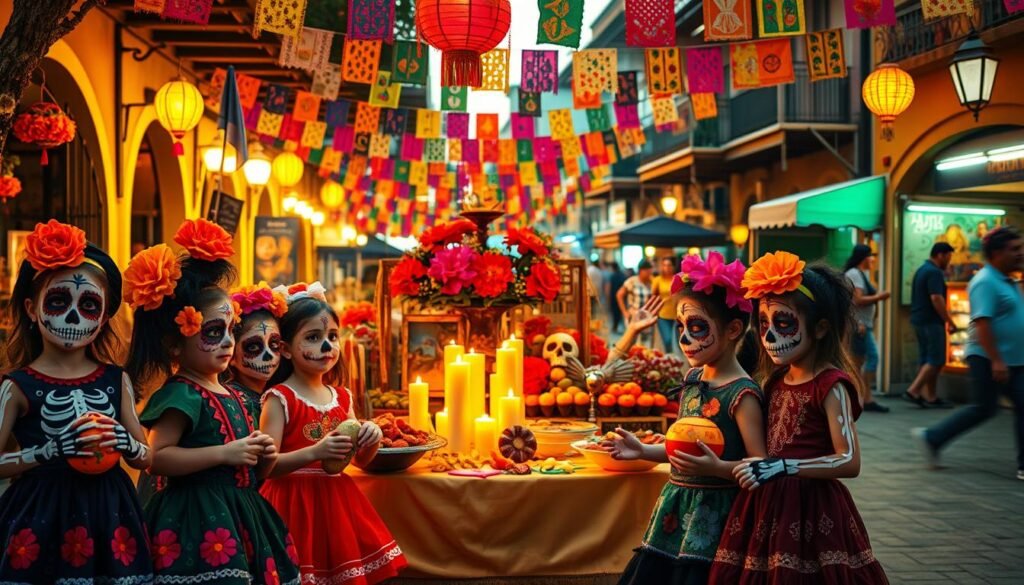
Ever walked through streets where skeletons wear sequins and marigold petals glow like sunshine? That’s Dia de los Muertos—a celebration so vibrant, it makes Halloween look like a library meeting. Families build altars bursting with pan de muerto (sweet bread shaped like bones) and photos of loved ones. I once saw a grandmother arranging her husband’s favorite tequila beside fresh marigolds. “He’ll need energy for the journey,” she winked.
When Memories Dance
This isn’t about mourning—it’s a joyous reunion. In Oaxaca, people parade with skull masks painted like galaxies. Candlelit ofrendas overflow with mole sauce and sugar skulls inscribed with names. The air hums with mariachi versions of departed grandpas’ favorite songs. Pro tip: Follow the marigold paths. They’re said to guide spirits home.
Now, flip the calendar to September 16. Independence Day here hits different. At 11 PM sharp, crowds roar “¡Viva México!” beneath fireworks and the Mexican flag. Street vendors sell churros dusted with cinnamon while el grito (the shout) echoes through plazas. It’s less “picnic fireworks” and more “whole country screaming into the night.”
What ties these celebrations? Food as love language, music as heartbeat, and communities stitching past to present. Whether honoring the day dead or national pride, every fiesta here feels like a hug from history. Just don’t call it a party—it’s a conversation with centuries.
Intriguing Geography: Volcanoes, Lakes, and Sinking Cities
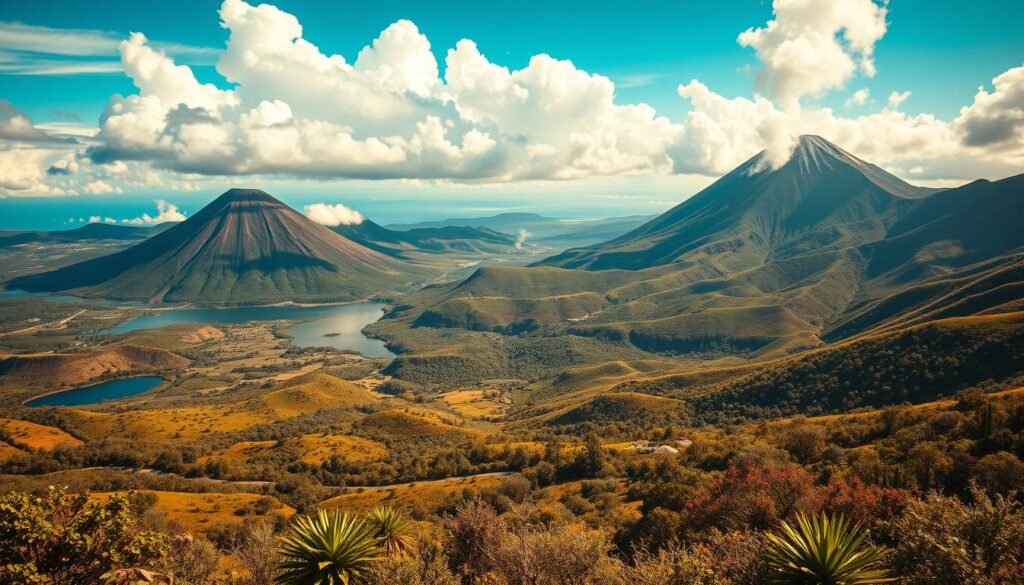
Imagine a volcano so small you could climb it before breakfast. Meet Cuexcomate—the world’s tiniest at just 43 feet tall. That’s shorter than a basketball hoop! This sleepy giant (technically dormant) sits near Puebla, its crater big enough to fit three parked cars. Locals joke it’s proof good things come in small packages.
Now flip to Mexico City—a place playing real-life Jenga. Built on a drained lake, it sinks up to 12 inches every year. Picture your sidewalk cracking like a dried-up riverbed. Engineers battle this slow-motion drama with artificial aquifers and floating buildings. Who needs sci-fi when reality’s this wild?
Down south, the Yucatan Peninsula hides liquid magic. Cenotes—natural swimming holes—dot the jungle like sapphire portals. Some connect to underground rivers stretching 95 miles. Snorkel here, and you’re basically floating through Earth’s veins.
These facts Mexico serves up? They’re not static. Volcanoes snooze, cities shift, and cenotes morph with rainfall. Geography here isn’t just rocks and maps—it’s a living, breathing playground. Makes you wonder: what’ll change before next math class?
Let me tell you about a city that’s literally rewriting gravity’s rules. Built atop the drained Lake Texcoco, Mexico City sinks up to 12 inches yearly—a geological waltz between ancient engineering and modern grit. I once watched a bartender pour mezcal while the floor tilted slightly beneath us. Surreal doesn’t cover it.
The story behind a city built on a drained lake
Centuries ago, Aztec engineers crafted Tenochtitlan—their island capital—with canals rivaling Venice’s. Today’s city built on its ruins faces a quirky paradox: the more skyscrapers rise, the faster the ground sinks. Engineers combat this with hydraulic systems pumping water back underground. Think of it as urban acupuncture.
Here’s the kicker: modern architects borrow tricks from Chichen Itza. Just as Mayans aligned pyramids with stars, new buildings use flexible joints to sway during earthquakes. The Torre Reforma skyscraper? Its triangular shape mimics ancient pyramids, cutting wind resistance. History isn’t repeating—it’s collaborating.
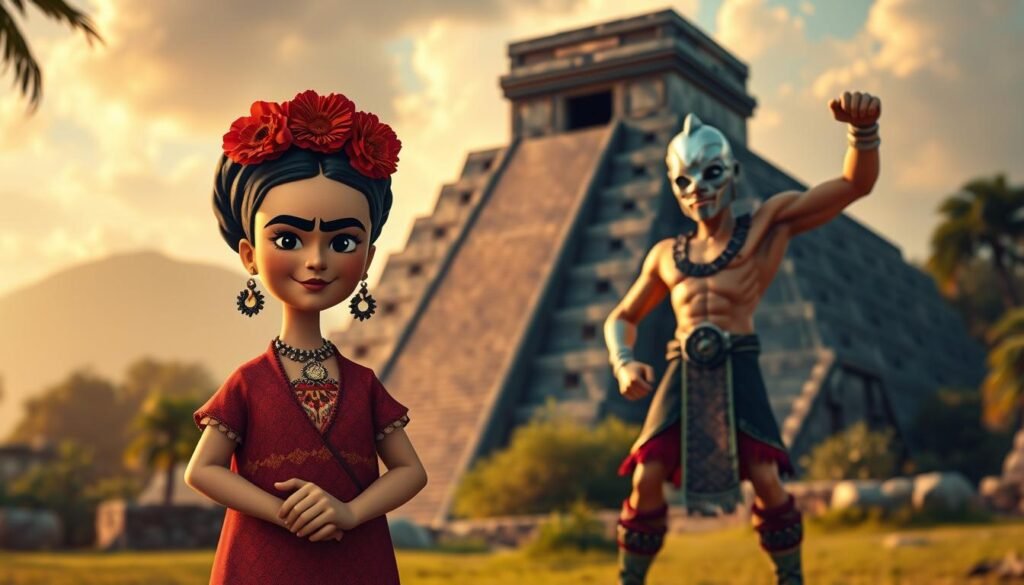
This North America giant keeps surprising me. Floating schools bob in Xochimilco’s canals, while the home of Frida Kahlo stands defiantly blue against cracking sidewalks. Every corner whispers, “We adapt.” After all, what’s a country without a little tectonic drama?
History in Motion: From the First Printing Press to Modern Displays
What do exploding books and TikTok have in common? Both trace roots to this country’s media revolution. Let’s start in 1539—the year when North America’s first printing press landed in Mexico City. Picture monks cranking out religious texts on a wooden beast that weighed more than a pickup truck. That first printed page? Basically the 16th-century version of a celebrity autograph.
Juan Pablos—the OG printer—changed the game. Before his first printing shop, books were handwritten luxuries. Suddenly, ideas could travel faster than horseback. By 1600, over 200 titles circulated here. That’s more than some European cities! Fast-forward to today: those same streets host holographic museums and digital billboards taller than Aztec temples.
Here’s the kicker: Mexico’s media evolution wasn’t linear. In the 1800s, printers secretly produced rebel pamphlets during wars. By 1920, broadsheets evolved into radio broadcasts crackling with mariachi music. Now? Artists project 3D murals onto colonial buildings. Each leap reshaped how the world shares stories.
Why does this matter? Because every Instagram reel and podcast owes a nod to that clunky printing press. Those ink-stained pages proved something radical: information shouldn’t be locked in libraries. Sound familiar? *winks at smartphone* Some facts just keep rewriting history.
The Amazing Influence of Mexican Food and Chocolate
Bite into a taco al pastor, and you’re tasting history layered like a delicious geological sandwich. This food scene blends ancient corn-based traditions with wild creativity—think edible time capsules that explode with flavor. From sacred rituals to street carts, every dish tells a story older than the pyramids.
Shawarma’s Spicy Makeover
Those iconic vertical spits roasting marinated pork? Thank 1930s Lebanese immigrants. They brought shawarma, but locals swapped lamb for chili-rubbed pork and added pineapple. Boom—tacos al pastor became the ultimate fusion food. Today, it’s like eating a delicious Venn diagram where Middle East meets Mexico home of bold flavors.
From Gods to Grocery Aisles
Ancient Aztecs sipped bitter chocolate mixed with blood during ceremonies. Fast-forward to the 1500s—Spanish monks added sugar, creating the sweet treat we know. Modern twists? Try cacao-dusted grasshoppers or mole sauce with 30+ ingredients. It’s like each bite contains a tiny volcano of flavor.
Here’s the kicker: corn isn’t just an ingredient—it’s the soul of this cuisine. Over 9,000 years of cultivation led to blue tortillas and tamales steamed in banana leaves. Next time you crunch a nacho, remember: you’re biting into one of humanity’s oldest facts Mexico offers. Delicious, right?
Languages, Legends, and the Spirit of Community
Here’s a twist: the same country that perfected chili-spiced chocolate also runs on 68 official languages. While Spanish speakers dominate, indigenous tongues like Nahuatl and Mixtec thrive in markets and homes. Imagine bargaining for handmade tortillas in Zapotec—then switching to Spanish to discuss soccer scores. Linguistic gymnastics? Just Tuesday here.
Legends cling to everyday symbols. The Mexican flag’s golden eagle? Aztec lore claims it landed on a cactus to signal where to build Tenochtitlan. Today, that cactus decorates coins, murals, and abuela’s kitchen tiles. Stories aren’t just history—they’re alive, whispered between generations like secret recipes.
At the National Autonomous University of Mexico, linguists preserve endangered dialects using 3D-printed talking dolls. Yes, dolls. Kids press their hands to hear stories in Purépecha or Maya. It’s like tech meets tradition at a cultural sleepover.
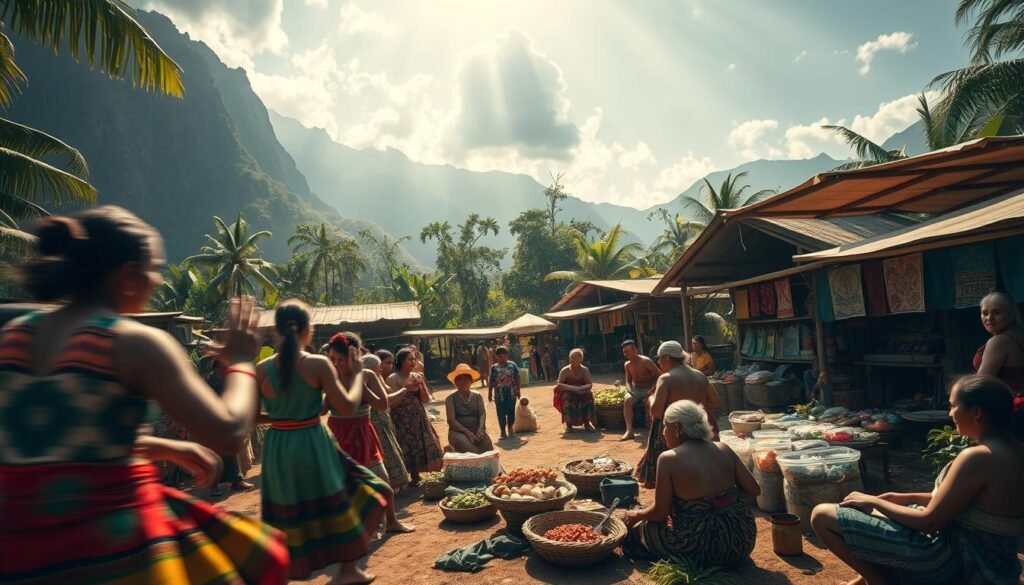
Community glue? Try tianguis markets. Vendors shout jokes in three languages while slicing mangoes. Locals debate the best mole recipe (always their mom’s). Even the name “Mexico” comes from the Aztec word Mexica—proof that identity here is layered like a 500-year-old tamale.
Pro tip: Ask about La Llorona. Every town has its version of the weeping ghost—usually involving rivers and bad choices. Some facts? They’re better shared over churros.
Diverse Landscapes and Natural Phenomena
What if Earth’s palette went rogue? Picture lakes blushing bubblegum pink and a volcano shorter than your school bus. This country’s geography laughs at ordinary. Take Las Coloradas—salt flats so vividly rosy, they look like a strawberry milkshake spilled across the Yucatan Peninsula. Microbes and minerals team up here, painting water shades you’d swear came from a cartoon.
Nature’s Quirkiest Creations
Meet Cuexcomate—the world’s tiniest volcano at just 43 feet tall. You could literally peer into its crater while eating tacos. Locals joke it’s proof that good things come in small, slightly explosive packages. Though dormant, it reminds us: North America’s landscapes never play by the rules.
These wonders aren’t just pretty backdrops. The pink lakes fuel salt production, while Cuexcomate’s unique geology helps scientists study magma behavior. Visitors flock here every year, snapping selfies that break Instagram algorithms. My friend once said, “It’s like Mother Nature got bored and started doodling.” Can’t argue with that.
Volcano
Location
Height
Notable Feature
Cuexcomate
Puebla
43 feet
World’s smallest volcano
Taal
Philippines
1,020 feet
Island within a lake within a volcano
Cerro Negro
Nicaragua
728 feet
Youngest in Central America (1947)
Here’s the kicker: these facts Mexico showcases aren’t frozen in time. Salt flats shift hues with seasons, and even “sleeping” volcanoes whisper secrets to geologists. It’s a living postcard—one that keeps rewriting itself while we’re busy staring.
Profiles of Iconic Figures and Cultural Icons
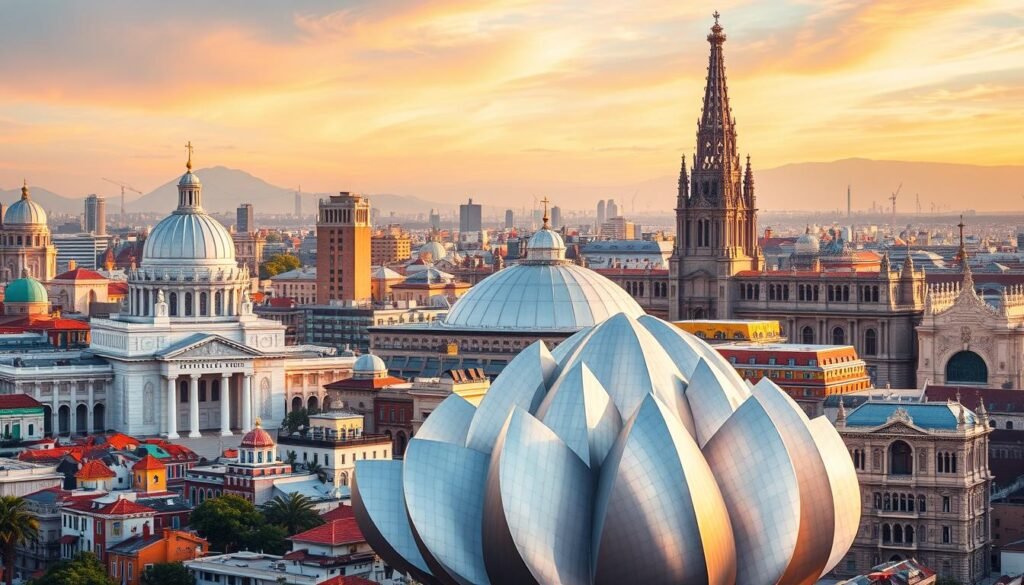
From selling newspapers to shaping skylines: Carlos Slim Helú’s story redefines hustle. At 24, he turned a small store into a mexico first business empire spanning telecoms and construction. Today, his $93 billion net worth funds hospitals and museums across the capital—including the Soumaya Museum’s shimmering 150-feet-tall aluminum facade. “True wealth,” he once told me, “is building something that outlives you.”
Salma Hayek flipped the script for speakers of Spanish worldwide. Born in Coatzacoalcos, she fought Hollywood stereotypes to become the first Mexican actress nominated for a Best Actress Oscar. Her Frida Kahlo biopic wasn’t just a film—it ignited global interest in the artist’s united states exhibitions. “We don’t just tell stories,” she said in a 2022 interview. “We carry entire cultures on our shoulders.”
These icons share DNA with pioneers like Sor Juana Inés de la Cruz. The 17th-century nun defended women’s education 300 years before suffrage movements. Her poetry still fuels debates at the National Autonomous University—a UNESCO site where kids now study robotics beside colonial-era murals. Talk about full-circle moments.
What’s the thread connecting them? A blend of audacity and heart. Slim’s infrastructure projects employ over 250,000 people. Hayek’s production company amplifies Latinx voices. Their legacies prove that facts mexico cherishes most aren’t just about the past—they’re blueprints for tomorrow’s dreamers.
Signing Off with a Flash of Mexico’s Untamed Spirit
Here’s the raw truth—no place stitches past to present quite like this american country. Officially called the United Mexican States, it’s a living collage where golden eagle symbols guard colonial plazas and street vendors sell 9,000-year-old corn recipes. That mexican flag waving overhead? More than fabric. It’s a battle cry from Aztec prophecies.
Let’s get tactile. Walk city built on a drained lakebed—your shoes crunching volcanic rock beneath modern art museums. Taste blue masa tortillas in Oaxaca, their hue from pre-Columbian maize strains. Feel the ground shift—literally—as volcanoes whisper through Mexico City’s sinking streets. Every detail here’s a handshake across centuries.
Final thought? This north america gem defies easy labels. Its 35 UNESCO sites outrank Egypt’s. Its people speak 68 languages while inventing chili-spiked chocolate. Call it chaotic. Call it glorious. I call it proof that history isn’t dead—it’s doing backflips off a pyramid. Now go find your own facts. (P.S. Watch for marigold trails—they’re better than GPS.)