Blue whales don’t just swim—they sing in clicks and rumbles scientists call “secret codes.” These ocean giants are basically underwater spies with a PhD in krill-eating, and I’m here to crack their wildest mysteries. Forget boring textbooks—this is Marine Biology 101 meets a spy thriller.
Let’s get weird with it: a single blue whale weighs more than three semi-trucks. Their tongues alone could bench-press an elephant, and their hearts? Picture a sedan. Yes, an actual car. But here’s the kicker: their nickname isn’t “blue”—it’s “sulphur bottom,” thanks to yellowish bacteria clinging to their bellies like bad ’90s fashion.
How do they survive on tiny krill? They’re the ultimate buffet pros, gulping half a million calories in one mouthful. That’s like you eating 1,000 bathtubs of mac and cheese daily. And those secret codes? They’re not just noise—whales use them to navigate, flirt, and maybe gossip about plankton.
Stick around, and I’ll show you why whales aren’t just “big fish.” They’re engineers, poets, and the ocean’s loudest rockstars—all wrapped in blubber. Trust me, your goldfish will seem *very* basic after this.
A Closer Look at Ocean Behemoths
Let me show you what real giants look like. These aren’t storybook monsters—they’re flesh-and-blood marvels with engineering specs that’ll make your jaw drop. I’ve spent years geeking out over their blueprints, and trust me, Mother Nature’s design team outdid itself.
Blue Whale Dimensions and Baleen Mechanics
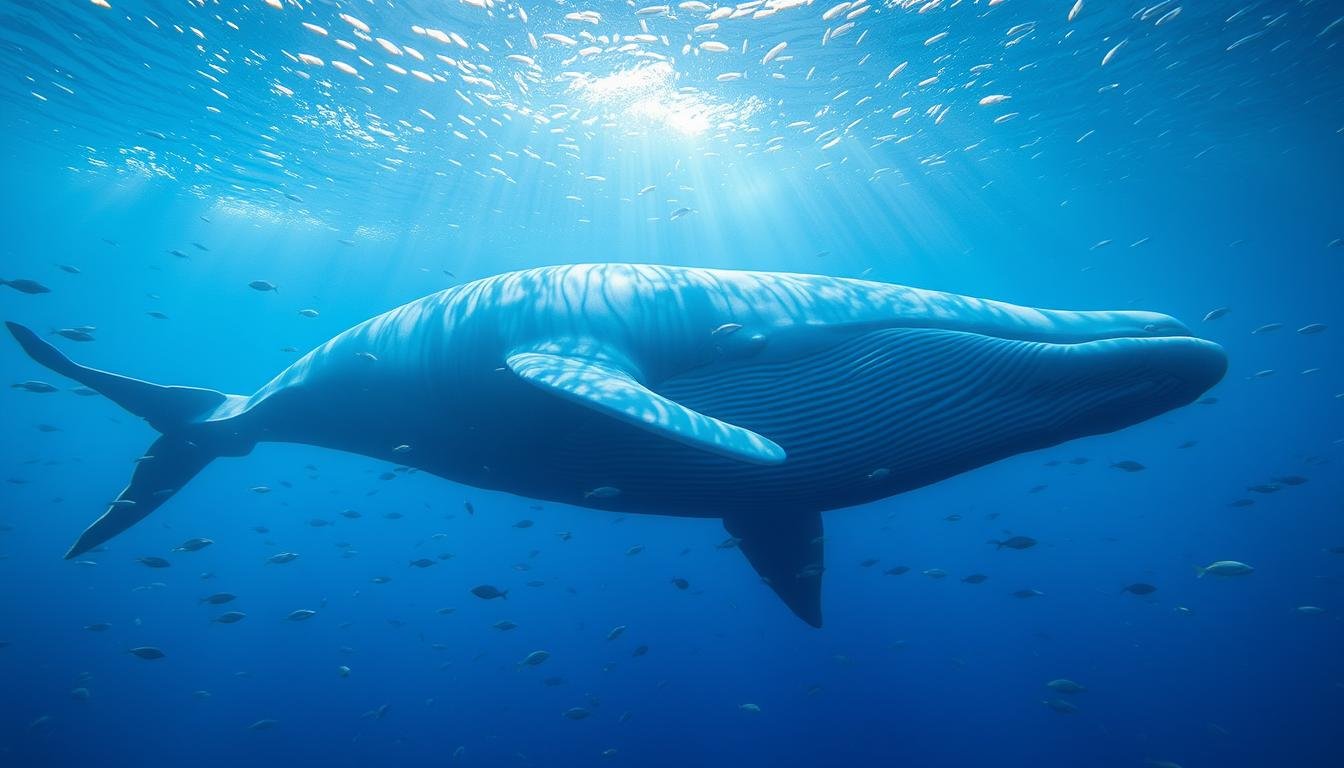
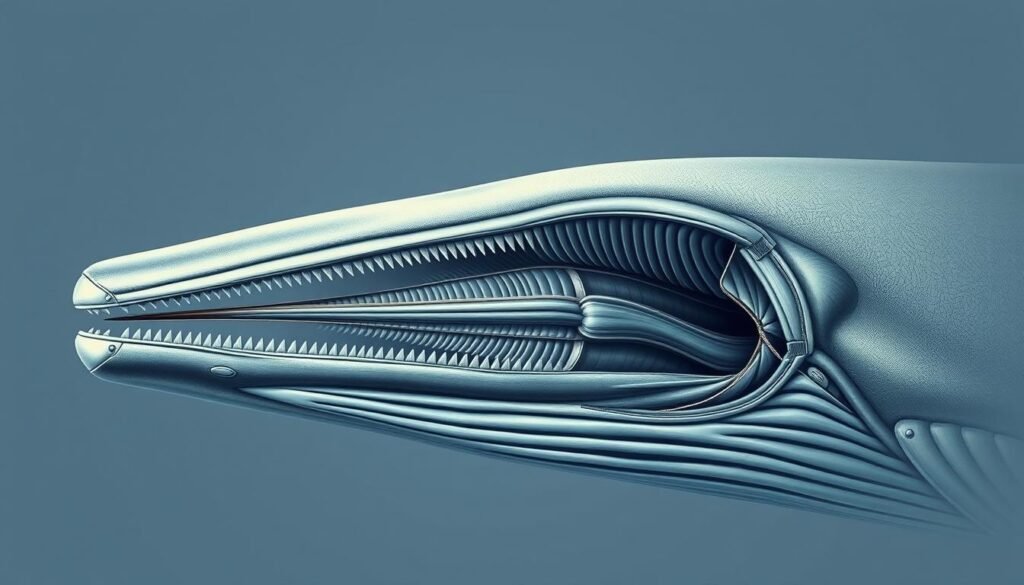
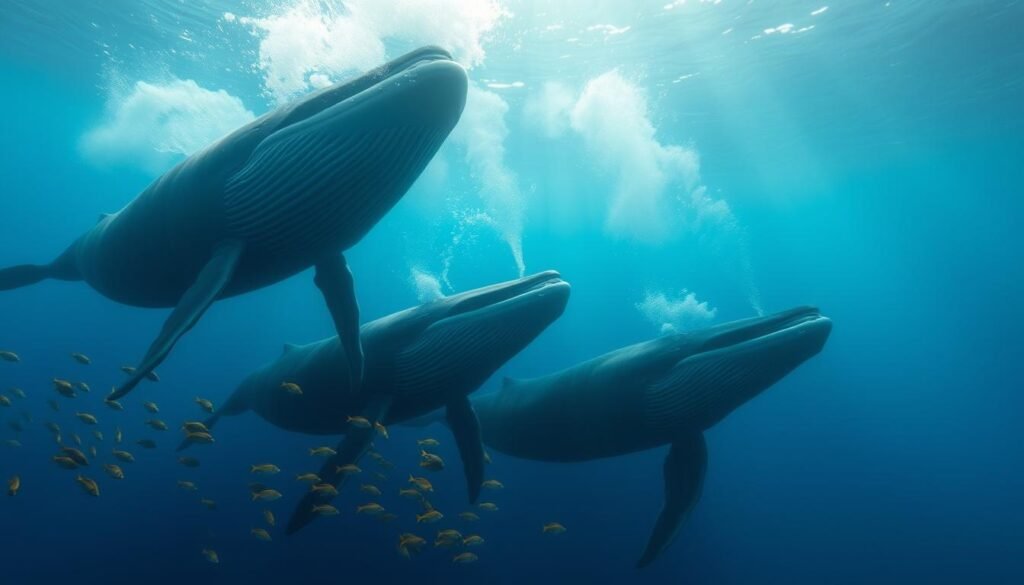
Picture something longer than three school buses parked end-to-end. That’s your average blue whale—stretching over 100 feet and weighing 200 tons. Their secret weapon? Baleen plates. These keratin bristles act like nature’s spaghetti strainer, filtering 16,000 pounds of krill daily. One gulp equals 500,000 calories—enough to power your Xbox for three lifetimes.
Humpback Whale Physical Traits and Flippers
Now meet the humpback—the ocean’s acrobat. Those massive flippers? They’re 15 feet long with bumpy edges that slice through water like serrated knives. Scientists think those ridges boost maneuverability, letting them pull off those iconic breaches. And get this—their songs aren’t random noise. They’re complex compositions that evolve yearly, like underwater Top 40 hits.
Species
Length
Weight
Unique Feature
Daily Diet
Blue Whale
Up to 100 ft
200 tons
Baleen plates
8,000 lbs krill
Humpback
Up to 52 ft
40 tons
Scalloped flippers
3,000 lbs krill/fish
Here’s the kicker: blue whales were originally called “sulphur bottoms” because of the yellow microorganisms clinging to their bellies. Meanwhile, humpbacks got their name from that distinctive dorsal hump—nature’s way of saying, “Yeah, I’m different.” Next time you see photos of these titans, remember—you’re looking at living submarines with better engineering than most human inventions.
Whale Facts for Kids – Surprising Biological Insights
Ever wonder how a creature the size of a spaceship dines on shrimp cocktails? Let’s crack open nature’s engineering manual. These giants have biological cheat codes that’d make even Iron Man jealous.
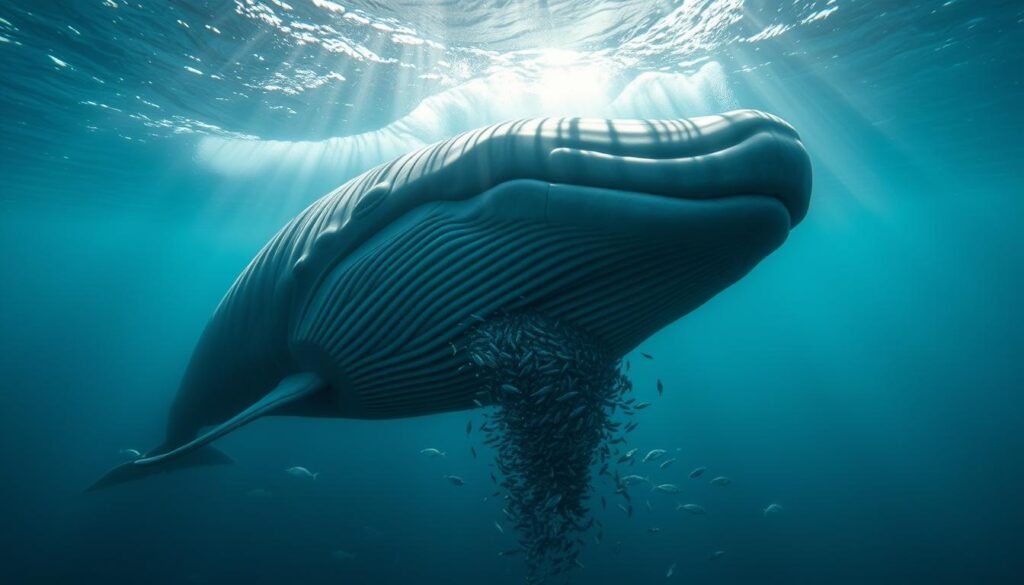
Imagine chugging a swimming pool’s worth of water in 10 seconds. That’s lunchtime for a blue whale. Their baleen plates—fringed keratin strips—work like a combo vacuum and colander. One gulp sucks in 17,000 gallons, then the tongue (yes, elephant-weight tongue) pushes water out through the bristles. What’s left? A krill smoothie worth half a million calories.
Here’s the kicker: their throat grooves expand like accordion pleats during feeding. It’s like wearing stretchy sweatpants to Thanksgiving—built for maximum capacity. And that “technical storage access” biologists rave about? That’s code for “I can store 2,000 pounds of krill in my belly without burping.”
But wait—there’s more. Their blowholes aren’t just nostrils. They’re sealed diving hatches that lock tight underwater. Open them at the surface, and whoosh! A 30-foot snot-rocket of air blasts out at 300 mph. Classy? No. Efficient? Absolutely.
Anatomical Wonders and Feeding Tactics
Let’s talk about biological engineering that’d make Elon Musk jealous. These ocean titans run on a hyper-efficient fuel system—and their mouths are the ultimate krill-processing factories. I’ll walk you through the mechanics like we’re breaking down a viral TikTok recipe.
Krill Feasts: Nature’s Fast Food Hack
Step 1: Accelerate toward a krill swarm at 20 mph. Step 2: Drop your jaw 90 degrees—creating a mouth cavity bigger than your entire body. Step 3: Inhale 17,000 gallons of water in 10 seconds. That’s 40 million krill per day, people. Your blender wishes it worked this well.
Baleen Plate Boot Camp
Those 400 bristly plates aren’t teeth—they’re krill-trapping ninjas. After the water rush, the whale’s tongue (weighing more than your dad’s pickup) pushes liquid out through the baleen. What’s left? Pure protein confetti. It’s like using a colander to separate spaghetti from broth—if the spaghetti could fuel an animal heavier than 33 elephants.
Buffet Geography 101
Polar waters? All-you-can-eat krill buffets. Tropical zones? Light snacks. Whales time their feeding frenzies to summer feeding grounds, where cold currents push nutrients upward. Think of it as meal-prepping—if your meal required swallowing 8,000 pounds daily. Pro tip: Their throat grooves expand like stretchy yoga pants during these feasts.
Here’s the kicker: this water-filtering trick isn’t random. It’s precise plumbing—like a firehose attached to a Brita filter. And when they’re done? They migrate south, living off blubber reserves like living battery packs. Your microwave dinner suddenly seems very basic.
Singing Sounds and Social Signals
Imagine sending a text message that echoes across entire oceans—whales do this daily with bass-heavy beats. These marine wildlife maestros don’t just make noise—they’re running an underwater social network older than TikTok. Let’s dive into their sonic playbook.
Ocean-Sized Megaphones
Blue whale calls hit 188 decibels—louder than a jet engine. That’s not just loud. It’s “hear me from New York to Miami” loud. Their low-frequency rumbles ride underwater sound channels for 1,000+ miles. Think of it as nature’s Wi-Fi—no router required.
Humpbacks prefer melody over volume. Their evolving songs feature repeating themes, like remixing last year’s hit track. Scientists found distinct “dialects” between groups. Translation: whales have regional accents.
Body Language: Splash Edition
Breaching isn’t just showing off. Slapping 40-ton bodies onto water sends shockwaves other whales feel for miles. It’s like Morse code with a cannonball splash. Flipper touches and tail slaps? Those are high-fives in whale speak.
Groups synchronize movements using these signals. A pod hunting krill might use specific calls to coordinate—like teammates calling plays. Even calves learn the routines, copying adults’ breaching styles like kids mimicking dance trends.
Species
Call Type
Volume
Range
Social Behaviors
Blue Whale
Pulses & Moans
188 dB
1,000+ miles
Solitary vocalizers
Humpback
Complex Songs
150 dB
20 miles
Group breaching displays
Here’s the kicker: these sounds aren’t random. Whales combine them like emojis—a breach here, a flipper slap there. Marine wildlife researchers call it a “liquid language.” I call it the original group chat—no Wi-Fi bars needed.
Migration Routes and Seasonal Shifts
Let me walk you through their annual road trip—no suitcases required, just blubber and instinct. These marine nomads clock more miles yearly than your family minivan, following routes etched into their DNA like subway maps. Their secret? A biological calendar sharper than your smartphone reminders.
Tracking Summer Feeding Grounds and Tropical Mating Waters
Step 1: Head north when polar ice melts. Cold waters explode with krill—all-you-can-eat buffets for 4-6 months. I’ve tracked pods gulping 16,000 pounds daily here. That’s 40 million calories—enough to fuel their 3,000-mile trek south.
Step 2: Watch water temps. When thermometers hit 50°F, it’s go-time. They pivot toward equatorial waters like snowbirds fleeing winter. No GPS needed—they read Earth’s magnetic field like a roadmap.
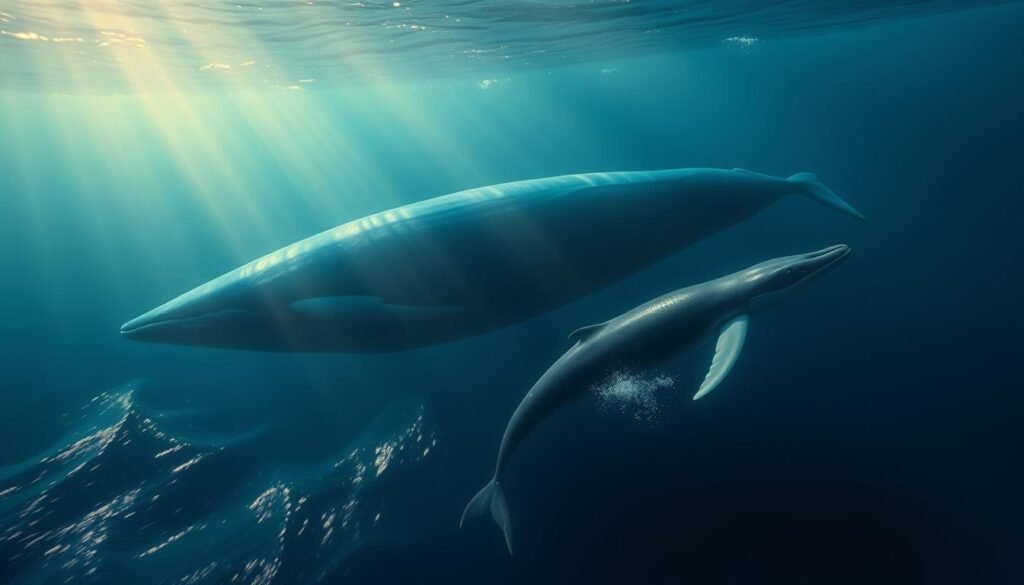
Step 3: Arrive in tropical zones. These warm nurseries let newborns build blubber without freezing. Mating rituals kick off with tail slaps and bubble rings. Fun fact: Some whales return to the exact coves where they were born 40 years prior—talk about hometown pride!
Location
Water Temp
Primary Activity
Duration
Distance From Poles
Polar Zones
32-50°F
Feeding Frenzy
4-6 months
0 miles
Tropical Waters
75-85°F
Mating/Birthing
2-3 months
3,000+ miles
Here’s the kicker: These journeys repeat for up to 90 years. That’s 270,000 lifetime miles—enough to circle Earth 11 times. Yet they never miss a turn. How? Scientists think they memorize coastal soundscapes and star patterns. Basically, they’re furry Captain Jack Sparrows with better navigation skills.
Let’s set the record straight—humpbacks aren’t the ocean’s crooners you think they are. I’ve seen documentaries paint their songs as lovelorn ballads, but science tells a sharper story. Time to debunk the fairy tales with cold, hard whale logic.
Unpacking the Science Behind Humpback Songs
Only male humpback whales sing. Their 20-minute symphonies aren’t random—they’re structured like verse-chorus pop songs. Think of it as underwater beatboxing with purpose. Researchers found these tunes evolve yearly, with pods adopting new “hits” across regions.
Why the effort? It’s not serenading. Males near breeding grounds use songs to establish dominance—like aquatic rap battles. Calves? They’re silent observers, learning the rhythms from parent guardians like teens memorizing TikTok dances.
Real-Life Examples of Communal Bubble-Net Feeding
Forget “lone wolf” stereotypes. Humpbacks team up for bubble-net fishing—a tactical maneuver Navy SEALs would envy. Here’s how it works:
1. A group circles below a fish school, blowing bubbles to create a rising net.
2. One whale trumpets a signal, triggering a synchronized upward rush.
3. Mouths open wide, they swallow thousands of fish in seconds.
I’ve watched pods rehearse this for hours. Calves mimic adults, guided by parent guardians nudging them into position. It’s less “nature documentary” and more Ocean’s Eleven with fins.
Behavior
Participants
Success Rate
Learning Curve
Bubble-net feeding
5-20 whales
89% effective
Calves master by age 2
Solitary hunting
Single whale
47% effective
Instinctual from birth
Here’s the kicker: these groups aren’t permanent. Whales fluidly join and leave teams, like coworkers collaborating on a project. Parent guardians stick closest to calves, though—because even ocean geniuses need babysitters.
Parting Waves and Final Whispers
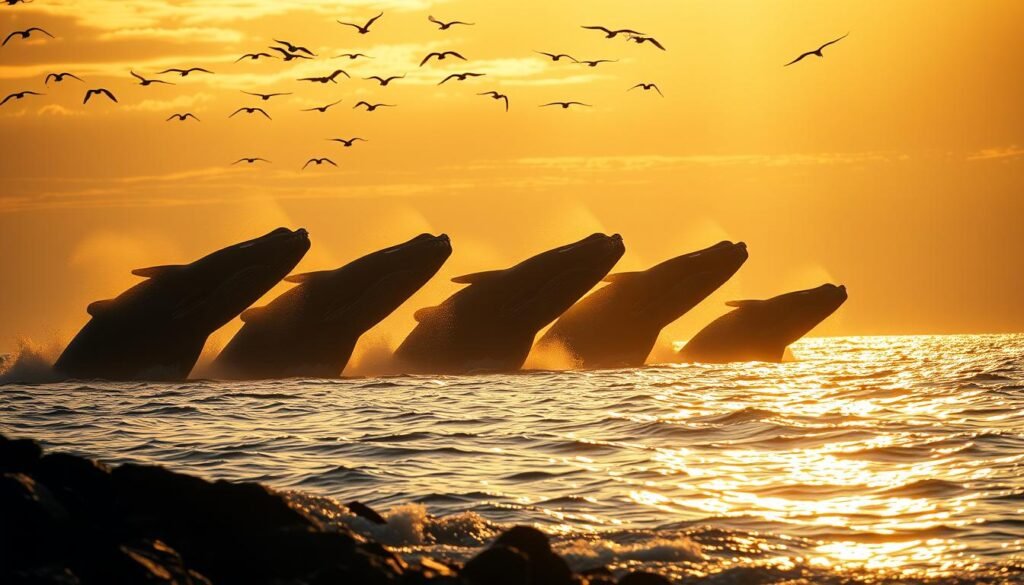
As the sun dips below the horizon, their songs linger like half-told secrets in the ocean‘s depths. Blue whales still puzzle us with their technical storage access—biological hard drives holding migration maps older than your grandparents. Humpbacks? Their bubble-net strategies put tech startups to shame. Yet every name we give them—”sulphur bottom,” “gentle giant”—feels like labeling constellations with sticky notes.
Here’s what keeps me up: these creatures survive on 8,000 pounds of krill daily while navigating 3,000-mile journeys. Their storage access systems—blubber reserves, echo-location memory—are nature’s original cloud storage. But even their brilliance can’t outswim fishing nets or warming seas. Populations hover at 25% of pre-whaling numbers—a math problem we’re still solving.
Stand with me on any sea-kissed shore. That distant spout? It’s a living library diving with stories we’ve barely decoded. Their calls aren’t farewells—they’re commas in an endless sentence, asking if we’ll finally learn to…