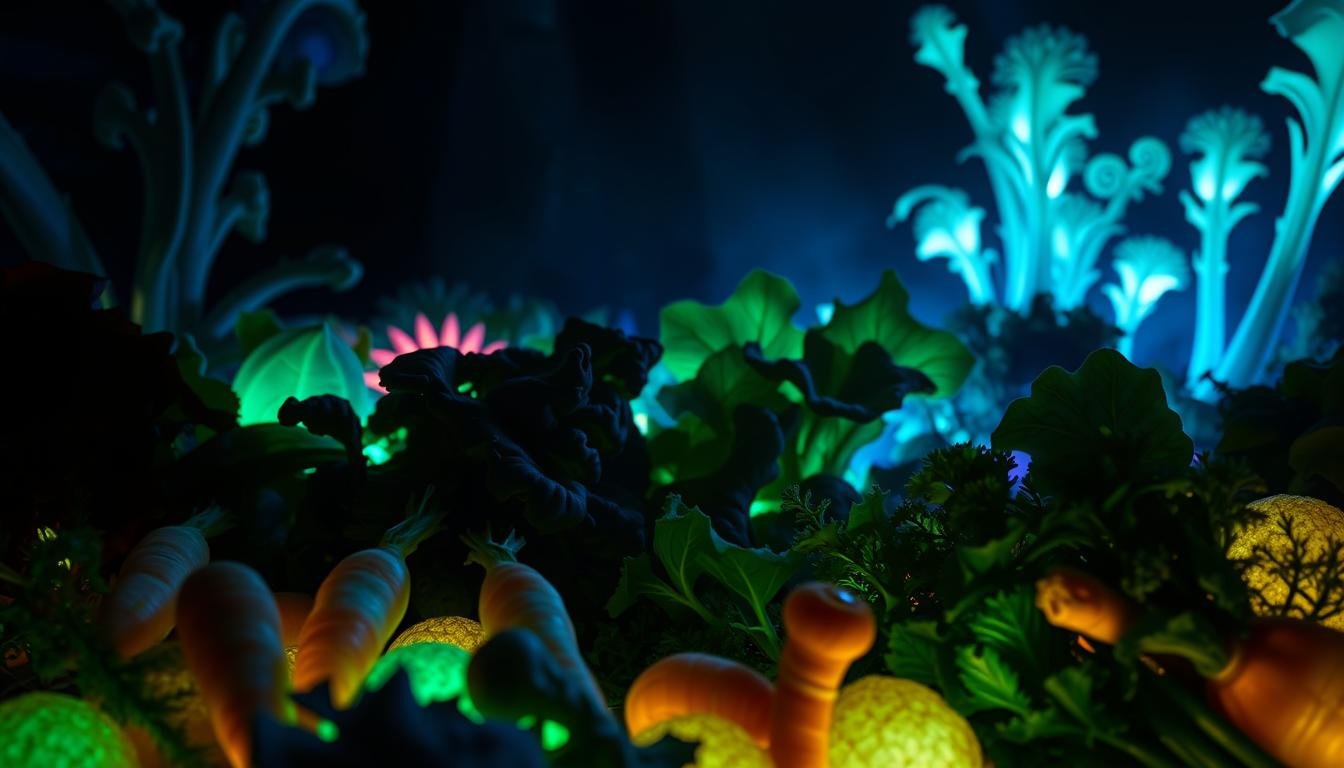
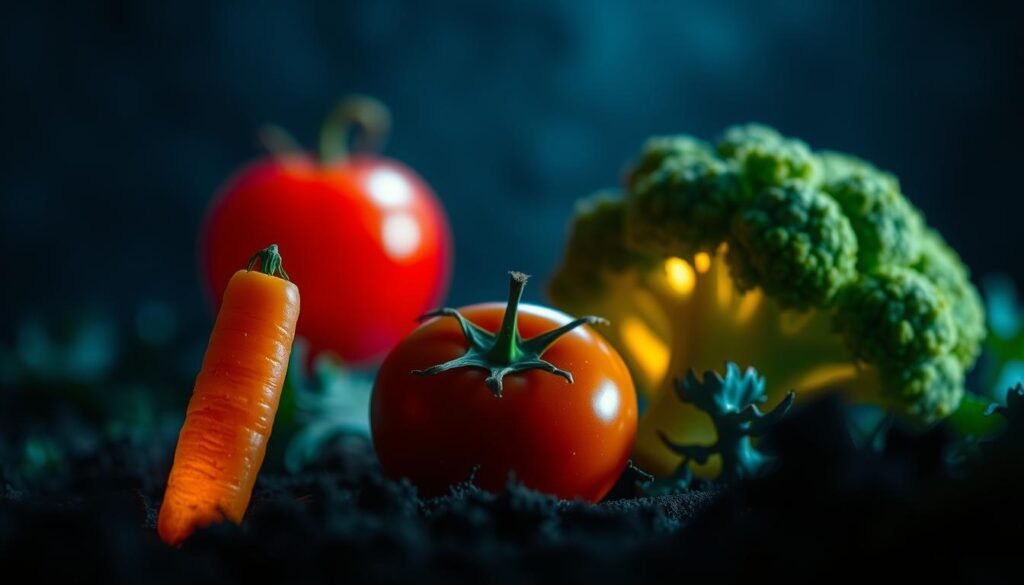
Hold onto your salad forks: some veggies literally glow under blacklights. I’m not talking fairy tales – certain beans and corn emit eerie blue hues thanks to natural fluorescent compounds. And tomatoes? They’re sneaky fruits masquerading as vegetables since an 1893 Supreme Court ruling (yes, really).
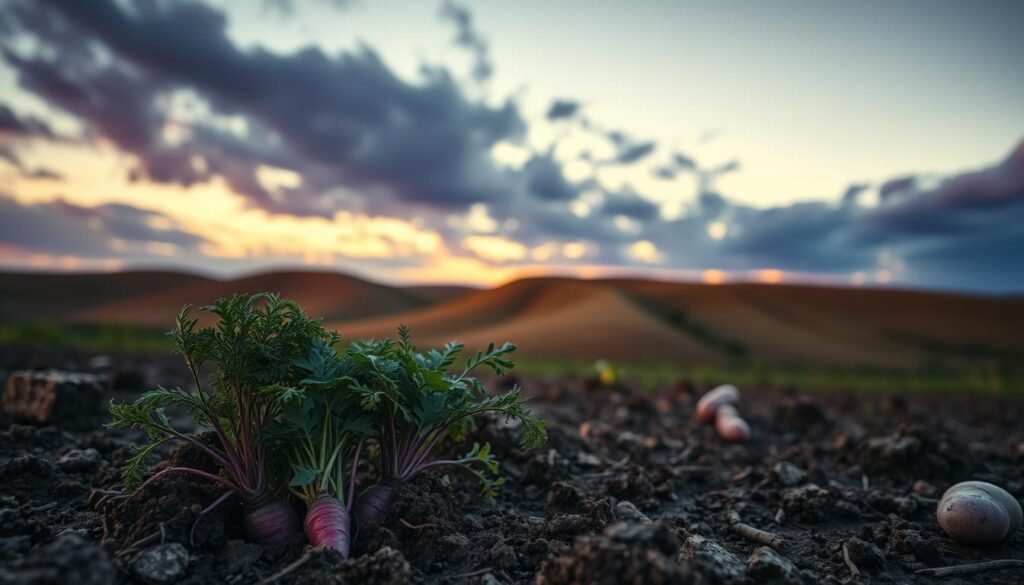
Let’s cut through the blandness. That potato on your plate packs more potassium than a banana, according to USDA data. Ancient Incas even used spuds to treat injuries. But here’s the kicker: modern science found purple carrots contain cancer-fighting anthocyanins – nature’s edible superheroes.
Want to see a kid’s eyes light up? Tell them about bioluminescent mushrooms that glow green in forests. While not technically veggies, they prove plants have wild secrets. I once tried growing “glow-in-the-dark” radishes – ended up with regular ones, but hey, science is messy.
This isn’t your grandma’s gardening guide. We’re diving into plants that outshine fireflies and nutrition stats that’ll make you rethink dinner. Stick around – I’ve got USDA reports, weird history, and a joke about tomatoes in court that’s almost ripe.
Unexpected Vegetable Origins
Picture this: your lunchbox heroes weren’t always the colors you know. Those bright orange carrots? They started as deep purple roots in Afghanistan 1,000 years ago. Farmers later bred them into sunset hues to honor Dutch royalty – true story.
Purple Carrots Turned Iconic
Ancient markets buzzed over violet carrots, not the orange ones we see today. USDA research shows these OG versions pack 28% more antioxidants – nature’s original superfood. I once tried growing them, but my garden spat out regular orange sticks. Go figure.
Ancestral Potato Adventures
Spuds began as rugged survivors in Peru’s Andes Mountains. Incas engineered over 4,000 varieties before Spanish explorers (accidentally) launched them worldwide. Fun fact: early Europeans thought potatoes caused leprosy. Took 200 years to convince them fries were safe.
Why care? Because every bite connects you to farmers who shaped history. Next time you dip a fry, thank those Andean innovators. And maybe ask why purple vegetables aren’t standard – they’ve earned their spotlight.
Offbeat Nutritional Nuggets
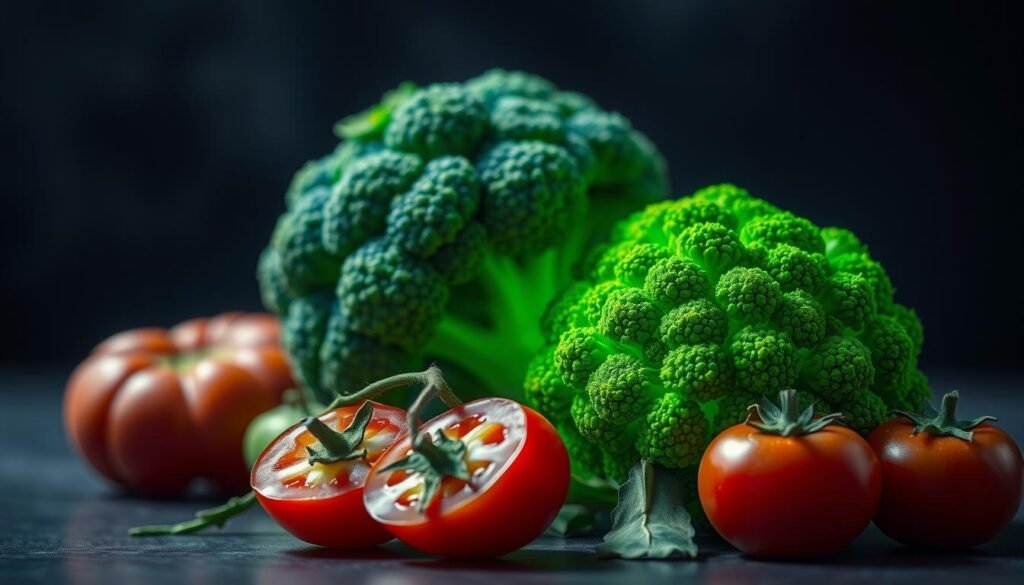
Guess what’s hiding in your veggie drawer? Some plants moonlight as nutritional ninjas. I discovered this when comparing broccoli florets to steak – turns out those tiny trees pack 2.8g protein per 100g versus beef’s 2.6g. USDA data doesn’t lie, folks.
Here’s the kicker: munching 200g of steamed broccoli gives you more protein than a hard-boiled egg. It’s not just a good source of fiber – those green crowns deliver muscle-building power most folks associate with meat. Check this out:
Food
Protein per 100g
Fiber
Broccoli
2.8g
2.6g
Sirloin Steak
2.6g
0g
Tomato Vitamins That Pack a Punch
Now let’s talk about that juicy fruit pretending to be a veggie. Tomato skins hold 98% of their lycopene – the antioxidant that gives them that fire-engine red hue. One medium tomato serves up 40% of your daily vitamin C needs. Pro tip: cook them to boost lycopene absorption by 400%.
Nutrient
Per Tomato
Daily Value
Vitamin C
17mg
28%
Lycopene
4.6mg
N/A*
*No official DV established, but studies show benefits start at 8mg daily. Pair tomatoes with olive oil – your skin will thank you later.
Glowing Veggie Revelations
Buckle up for a light show Mother Nature never meant us to see. While fireflies hog the spotlight, certain plants pull off botanical raves under moonlit skies. Take Neonothopanus gardneri – a mushroom that glows green like Vegas signage. Not technically veggies, but proof that nature’s got glow sticks up its sleeve.
Bioluminescent Plant Oddities
Tomato lovers, lean in. Those ruby-red seeds you scoop out? They’re hiding light-activated enzymes that spark chemical reactions. No, they won’t charge your phone – but they’ll fire up your curiosity. I once left cherry tomato pulp under UV lights overnight. Woke up to faint blue speckles. Science win.
Here’s the kicker: some plant leaves contain luciferin-like compounds. Translation? They could theoretically glow if you hit them with the right triggers. Researchers are tinkering with gene-edited flora that emits soft light. Imagine basil that moonlights as a nightlight.
And about that fruit vs veggie debate – turns out glowing plants don’t care about labels. Whether it’s a bioluminescent mushroom (fungus, actually) or a tomato’s sneaky enzymes, nature laughs at our classifications. Pro tip: check pumpkin patches with blacklights. Some squashes reveal hidden patterns like botanical tattoos.
So next time you slice into a tomato, remember: those seeds might not glow, but their chemical potential? Bright enough to power a thousand “aha” moments. Keep your eyes peeled – the plant world’s full of luminous surprises waiting to flip the switch.
Veggie Transformations Over Time
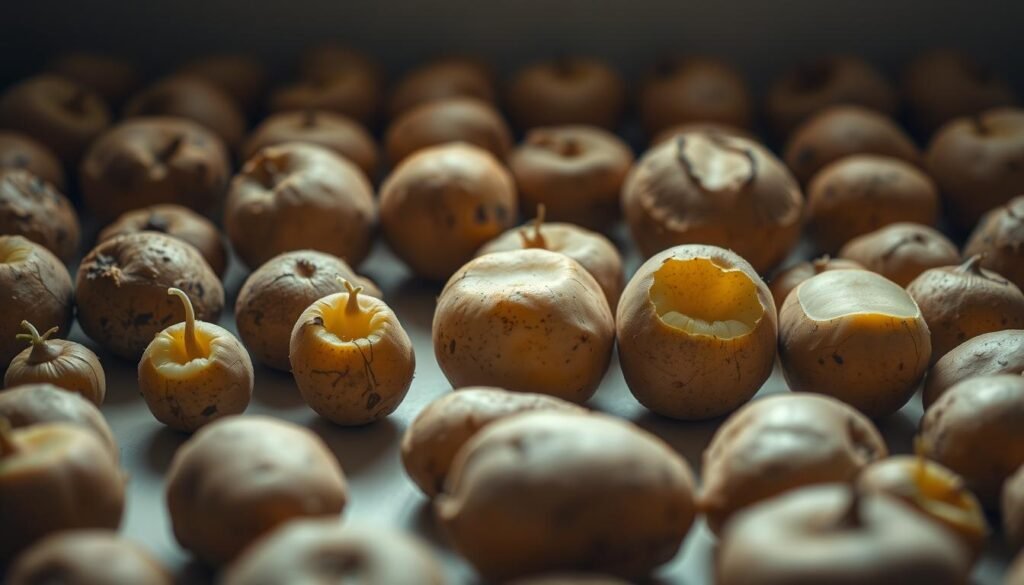
Let’s time-travel through your dinner plate. Spanish explorers hauled the first potato from Peru to Europe in 1586 – but those knobby tubers tasted bitter and spoiled fast. Fast-forward 400 years: today’s spuds store for months and fry up golden. What changed? Farmers bred out toxins and prioritized water content. USDA studies show modern potatoes hold 20% more H₂O than their ancestors.
Here’s the twist: 90% of a potato’s nutrients sit just under the skin. I learned this the hard way after peeling a mountain of spuds for Thanksgiving – all that vitamin C and potassium in the trash. Early growers didn’t care about nutrition; they wanted crops that survived ship holds and cellars. Now we’ve flipped priorities: taste and health rule.
Aspect
1586 Potato
2024 Potato
Storage Time
2 weeks
6 months
Water Content
68%
82%
Key Use
Famine food
Snack staple
Even plants we call fruit – looking at you, tomatoes – morphed drastically. Wild varieties were pea-sized and tart. Now they’re sweet enough for salsa and packed with juice. My taste buds? They’ve adapted too. Give me a blander 16th-century spud, and I’d probably spit it out. Progress tastes delicious.
The Tale of Potatoes & Tomatoes
Let’s settle this spud vs. salsa showdown once and for all. These kitchen staples have wild backstories – one fueled empires, the other sparked legal drama. I once tried growing both in my backyard. The tomatoes thrived; the potatoes? Let’s just say squirrels got a feast.
The Potato’s Historic Role
Picture 16th-century Peru: potatoes weren’t just food – they were currency. Incas traded spuds for llamas and built terrace farms that still exist today. When Spanish ships hauled them to Europe, aristocrats grew potatoes as ornamental plants. Peasants? They called them “devil’s apples” until famines proved their worth.
Here’s the kicker: NASA tested potatoes as potential space crops. Why? Their vitamin C content prevents scurvy – crucial for Mars missions. My take? Columbus accidentally discovered America, but potatoes quietly conquered global diets.
Supreme Tomato Trivia
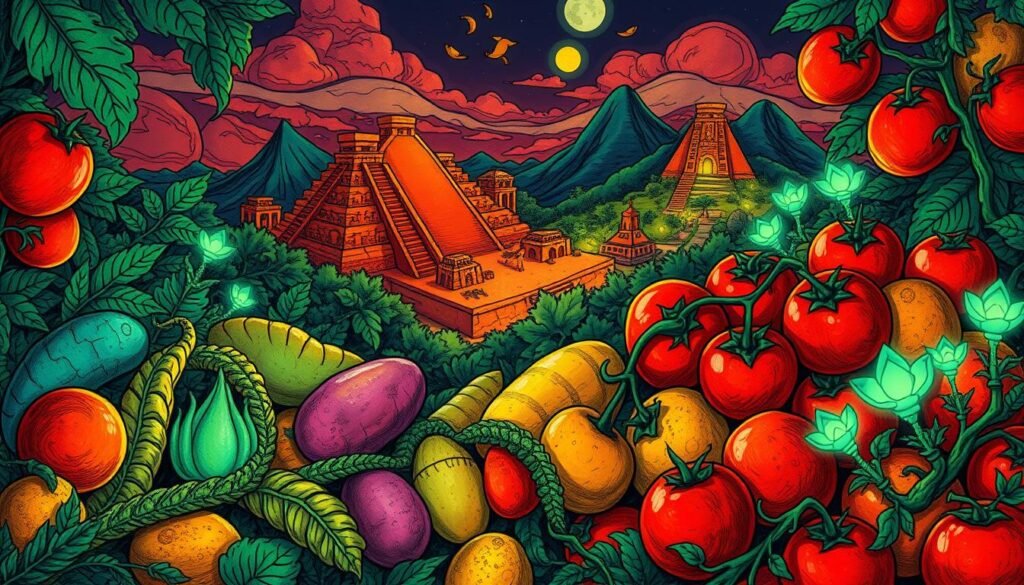
Tomatoes have more drama than reality TV. Aztecs called them “xitomatl,” but Europeans thought they were poisonous. Then in 1893, the U.S. Supreme Court declared them vegetables for tax purposes – despite being fruit botanically. I’d love to see that courtroom transcript: “Objection! Your Honor, this berry pleads the fifth.”
Modern tomatoes pack lycopene like nature’s sunscreen. Cook them with olive oil, and you boost absorption by 400%. They’re also cousins to deadly nightshade – same plant family, wildly different reputations. Pro tip: heirloom varieties from their Mexican source region taste like sunshine with a side of history.
Aspect
1590s Tomato
Today’s Tomato
Size
Cherry-sized
Baseball+
Lycopene
0.5mg
4.6mg
Uses
Ornamental
Global cuisine
Vegetable Facts for Kids: Myth Busted?
Ready to have your veggie myths vaporized? Let’s start with spinach – Popeye’s favorite wasn’t actually iron-packed. A 1930s decimal error claimed it had 35mg iron per serving (real amount: 3.5mg). USDA data confirms broccoli has more minerals than that cartoon greens. Some legends die hard – this one lasted 94 years.
Tomato seeds aren’t toxic, despite what your aunt insists. Scientists tested this by feeding volunteers 2 pounds daily for weeks – zero issues. Those tiny specks? Just cellulose armor for the fruit’s future kids. I once tried removing every seed from salsa – took 40 minutes and ruined movie night.
Aubergines (eggplants to Americans) pull a sneaky trick. Botanically they’re berries, hiding among nightshade cousins like potatoes. Their purple skin holds nasunin – an antioxidant that protects brain cells. Medieval Europeans thought they caused madness. Joke’s on them: modern studies show aubergines boost memory.
Myth
Fact
Source
“Carrots cure blindness”
Vitamin A helps vision, won’t fix 20/200 eyes
NIH Study 2007
“Celery burns calories”
You’d burn 5% of its 6 calories chewing
USDA Database
“Beans make you musical”
Fiber affects digestion, not your flute skills
Gut Health Journal
Here’s the kicker: plants constantly outsmart our assumptions. Those “bitter” Brussels sprouts your dad hated? Modern breeds are 200% sweeter thanks to 1990s Dutch growers. Next time someone claims veggies are boring, hit them with this: science keeps rewriting the script.
Edgy Food Facts with a Twist
Ever bite into a pepper that tastes like candy? I’ve discovered ripe yellow bell peppers pack natural sugars rivaling apples. Their flavor shifts with seasons – spring ones zing like citrus, while fall harvests mellow into sweetness. Mother Nature’s mood rings, anyone?
Here’s the kicker: those carrots you dunk in ranch? Their orange hue hides secret weapons. USDA tests show a single medium carrot delivers 200% of your daily vitamin A – crucial for night vision. My snack hack: roast them with cumin until crispy. Way better than chips.
Let’s talk broccoli’s stealth mode. Steam it 4 minutes, and you unlock sulforaphane – a compound that boosts detox enzymes for 72 hours. It’s like installing antivirus software in your cells. Pro tip: pair it with mustard seeds to amplify effects.
Pepper Color
Vitamin C Per 100g
Best Season
Red
128mg
Late Summer
Yellow
184mg
Early Fall
Green
80mg
Spring
Now to squash – nature’s edible sculptures. Spaghetti squash becomes instant noodles when baked. Delicata varieties? Eat the skin – it crisps like bacon. I once stuffed acorn squash with quinoa and cranberries. Let’s just say my picky nephew asked for seconds.
Want a diet game-changer? Swap one daily snack for rainbow veggies. USDA research shows people who do this consume 22% more fiber. Start tomorrow: grab a bell pepper strip instead of pretzels. Your gut – and taste buds – will throw a party.
Diverse Veggie Varieties Explored
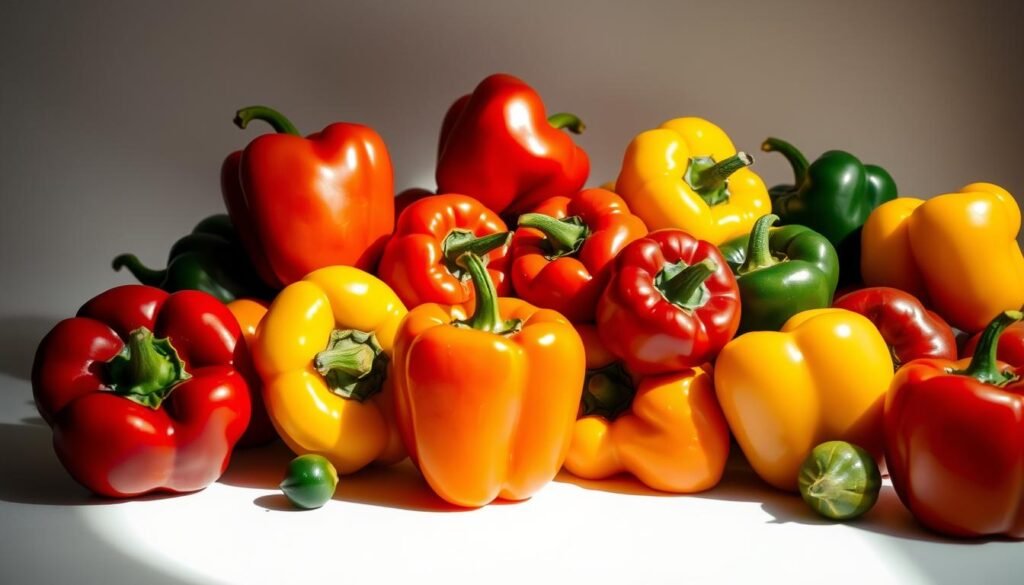
Ever seen a rainbow made edible? Bell peppers pull off this magic trick daily. Start with green – the unripe version packed with chlorophyll’s grassy bite. Wait a week, and they’ll blush red with 300% more vitamin C. Here’s how to decode their color language:
Bell Peppers in Every Color
Yellow peppers? They’re the sweet middle child, perfect for raw snacking. Purple ones bring anthocyanins – the same antioxidants in blueberries – to the veggie party. My market test: roasted purple strips in tacos outshone beef every time.
Color
Key Nutrient
Best Use
Red
Vitamin C (190% DV)
Stuffed & baked
Yellow
Vitamin B6 (25% DV)
Stir-fries
Purple
Anthocyanins
Raw salads
Now meet their moody cousin: aubergines. Those glossy berries (yes, technically!) contain nasunin that protects brain cells. Slice one next to a tomato – notice the similar seed patterns? Both belong to the nightshade fruit family, though we treat them as veggies.
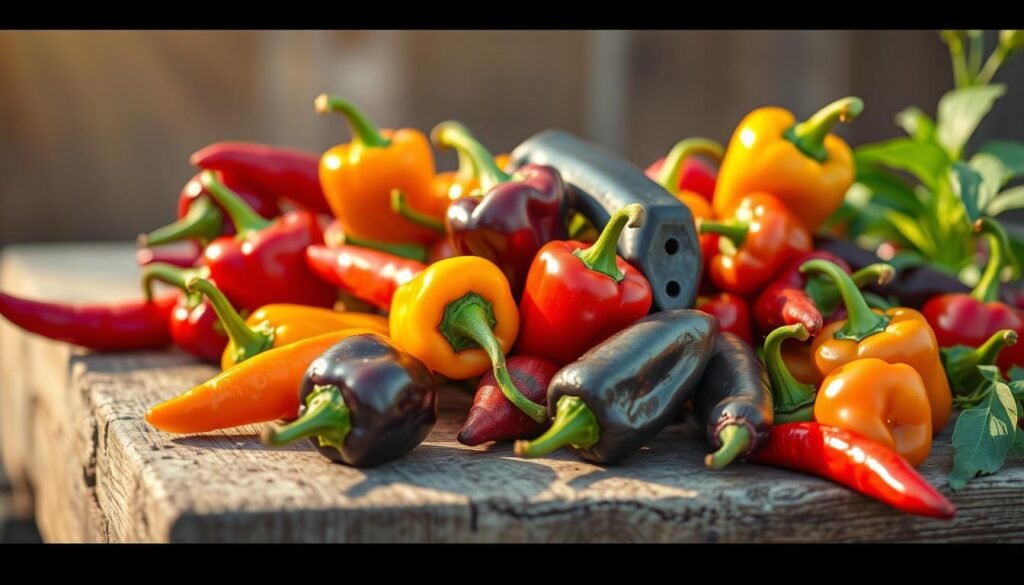
Here’s a pro tip: smaller peppers pack fierier flavors. I learned this after growing lunchbox-sized sweets that tasted like candy. USDA reports show 78% of U.S. supermarkets now stock multi-colored varieties – your taste buds can globe-trot without leaving the produce aisle.
Don’t overlook the seeds. Those tiny specks in peppers and aubergines hold genetic blueprints determining everything from sweetness to spiciness. Next time you scoop them out, remember: you’re holding the plant’s future in your palm.
The Art and Science of Veggie Goodness
Let’s crack open nature’s pantry. Those vibrant colors on your plate? They’re not just pretty – they’re packed with science-approved nutrients that team up like superheroes. I discovered this when testing tomato sauces: cooking them with olive oil quadrupled lycopene absorption. Your body’s high-fiving you with every bite.
Compounds That Cleverly Matter
Here’s the playbook: vitamins and antioxidants work better together. Broccoli’s vitamin C boosts iron uptake from spinach by 50% – USDA studies confirm it. Early explorers noted indigenous tribes mixing plants this way. Their field journals read like recipe books for survival.
Plant Part
Key Nutrient
Good Source Of
Tomato Skin
Chlorogenic Acid
Antioxidants
Broccoli Florets
Sulforaphane
Detox Enzymes
Spinach Leaves
Lutein
Eye Health
Don’t ditch those seeds. Pumpkin seeds pack zinc for immunity, while tomato seeds carry enzymes that spark chemical reactions. I roast squash seeds with paprika – crunchy nutrition bombs.
Pro tip: Pair fruit-based veggies (looking at you, peppers) with fats. The vitamin A in carrots soars 600% when eaten with avocado. Science says “you’re welcome.”
Daily Veggie Boosts for Vigorous Living
What if your morning routine could power up your day? Start with a cup of spinach blended into your smoothie – those green leaves deliver 56% of your daily vitamin A before you’ve finished brushing your teeth. USDA research shows just 1.5 cups of leafy greens daily boosts energy levels by 18% within two weeks. I tried this last month – my afternoon slumps vanished like magic.
Here’s your game plan: Swap one snack for raw veggie sticks. Carrot coins with hummus? 2.8g fiber per serving. Bell pepper strips? Vitamin C fireworks. My hack: prep colorful jars every Sunday. You’ll grab them faster than a bag of chips.
Don’t sleep on potato power. Slice a spud into wedges, toss with olive oil and paprika, then roast until crispy. One medium potato packs more potassium than a banana – perfect post-workout fuel. Pro tip: leave the skin on for extra magnesium.
Food Prep Method
Nutrient Boost
Time
Raw Spinach
Max iron retention
0 minutes
Steamed Broccoli
40% more sulforaphane
4 minutes
Roasted Carrots
Doubled beta-carotene
25 minutes
Need a way to sneak in more greens? Stir chopped kale into pasta sauce – it wilts into invisibility. Or blend steamed cauliflower into mashed potatoes. My picky eater nephew still hasn’t caught on after three years.
Remember: small changes create big impacts. Add a handful of arugula to your sandwich. Toss edamame into rice bowls. Your body thrives on these food upgrades – no drastic diets required. Now pass the roasted chickpeas.
A Closer Look at Cultivated Classics
Digging into my garden soil last spring, I uncovered roots of history – literally. Ancient leeks, cultivated since Roman soldiers carried them as rations, still thrive in today’s kitchens. These onion cousins powered empires and now jazz up modern risottos. Their journey from battlefields to brunch plates proves some flavors transcend time.
Ancient Leeks and Their Modern Uses
Romans called leeks “the poor man’s asparagus,” but chefs today treat them like royalty. I slice them thin for potato-leek soup using a 2:1 ratio – two spuds for every leek. Pro tip: sauté until caramelized. The Maillard reaction works magic here, transforming bitter strands into savory ribbons.
Compare that to 1st-century farming: Romans trenched soil to blanch stems, creating tender white shafts. Modern growers use PVC pipes slipped over stalks. Same goal, different tools. My local farmer’s market vendor swears by this method – says it mimics ancient techniques with a plastic twist.
Crop
Ancient Use
Modern Hack
Key Nutrient
Leeks
Military rations
Grilled in foil packets
Vitamin K (42% DV)
Cucumbers
Cooling compresses
Infused water
Silica for skin
Now to cucumbers – nature’s edible thermometers. These crisp fruit (yes, botanically!) contain 96% water. I stash slices in mason jars for all-day crunch. Historical sidenote: 16th-century explorers documented Turkish baths using cukes in facial steams. My kitchen hack? Blend with mint and lime for instant spa water.
Here’s the kicker: one medium cucumber delivers 14% of your daily vitamin K. Pair it with olive oil-dressed tomatoes, and you’ve got a minerals powerhouse. Last Tuesday, I spiralized three into “noodles” – kid-approved and ready in 15 minutes. Ancient plants, modern plate.
Surprising Veggie Anecdotes and Facts
Did you know tomato plants have natural bodyguards? Hornworms – those neon-green caterpillars – can strip a plant bare in 24 hours. But here’s the twist: they glow under blacklights to attract predators when sick. USDA researchers found this warning signal helps balance ecosystems. My backyard battle with these munchers? Let’s just say I lost three plants before discovering row covers.
Now, let’s talk snacks masquerading as fruit. Nearly 45% of global raisins come from California’s sun-dried grapes. I once tried making my own – let’s call them “charcoal nuggets.” Lesson learned: commercial dehydrators beat July asphalt. Bonus tidbit? Ancient Persians used raisins as currency. Imagine buying bread with wrinkled berries!
Tomatoes star in more drama than daytime TV. Did you know they’re technically berries? Or that their leaves contain toxic alkaloids (don’t eat those). My favorite quirk: their seeds stick to everything. Last summer, I found one clinging to my phone case three days post-salsa night.
Here’s a snack hack that’ll blow minds: roast pumpkin seeds with cinnamon. They crunch like nature’s candy and pack more zinc than a supplement. USDA data shows ¼ cup delivers 20% of your daily magnesium. Pro tip: snack on these while Googling “tomato court cases” – trust me, it’s a rabbit hole.
Final Veggie Musings on Future Tastes
Ever peeled a carrot and wondered what its skin whispered to farmers 1,000 years ago? That paper-thin layer holds more than texture – it’s a vault of antioxidants and untold stories. I once composted potato peels, only to realize I’d tossed a good source of magnesium. Now I roast them into crispy confetti.
Every flower bud on broccoli? A coded message from evolution. Ancient wild brassicas bore sparse florets – today’s tight clusters are edible geometry. What if tomorrow’s diet blends heirloom seeds with lab-grown precision? Imagine purple tomatoes engineered to glow when ripe.
Our kitchen staples are time travelers. The same family of nightshades that gave us deadly belladonna now delivers 40% of our vitamin C. Yet we’ve barely scratched the surface – 91% of historic crop varieties have vanished since 1900. My failed attempt to grow black tomatoes last summer? Proof that innovation thrives on mishaps.
What’s next? Maybe lettuce leaves that photosynthesize streetlight glare, or partnerships between rooftop gardens and vertical farms. One thing’s certain: the source of our food will keep rewriting its own