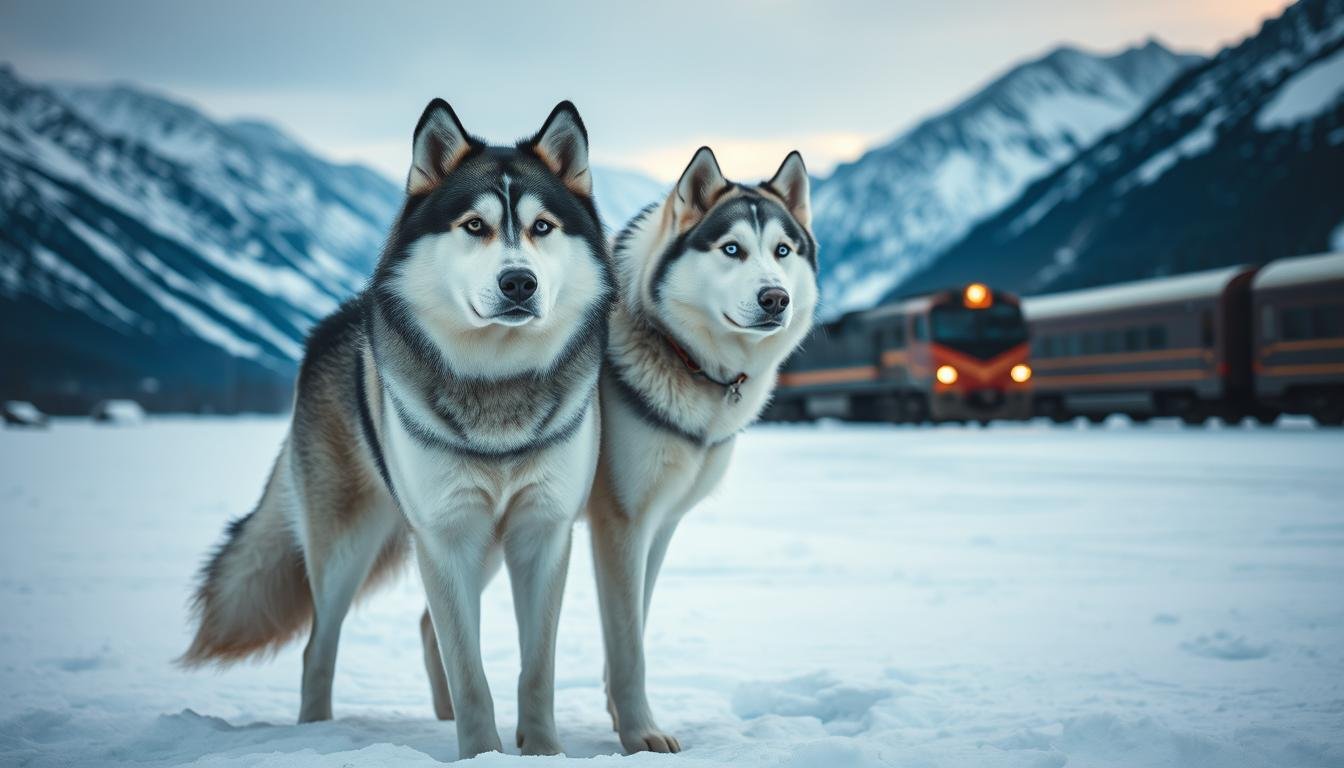
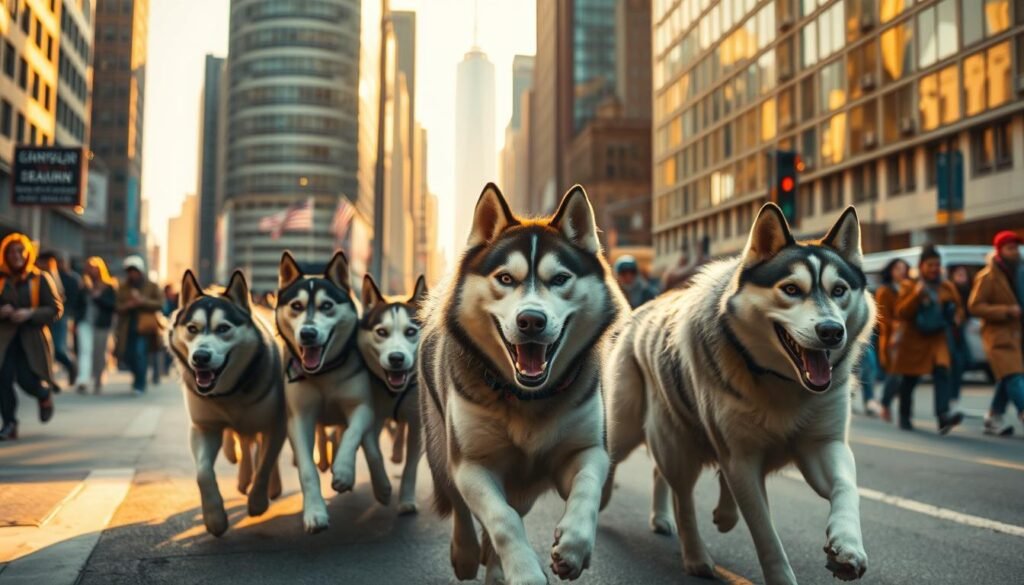
Let me tell you straight up: Siberian Huskies are basically snow ninjas with fur. These dogs weren’t just born to pull sleds—they’re the original Arctic athletes, bred by the Chukchi people to survive -40°F winters. And yes, they absolutely live up to the “outrun a train” hype (though I wouldn’t test that near actual railroads).
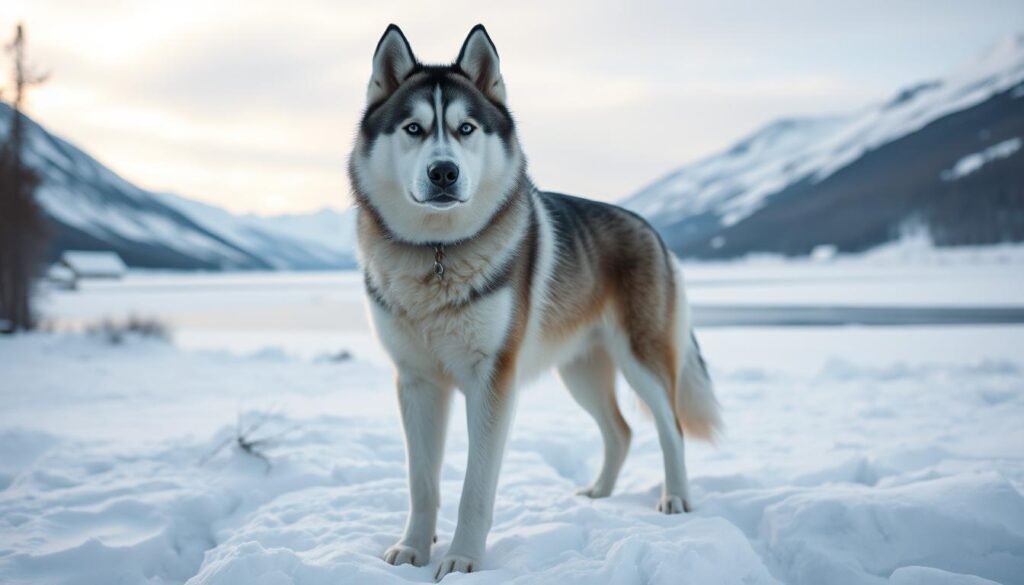
What makes them kid magnets? Start with those wolf-like looks—ice-blue eyes that could stare down a snowstorm, and coats that come in more patterns than a TikTok filter. Their double-layer fur isn’t just for show; it’s like wearing a heated sleeping bag 24/7. Fun fact: Those triangular ears aren’t just cute—they’re snow deflectors that keep frostbite at bay.
Here’s the kicker: These escape artists can clear 6-foot fences like they’re hopping over LEGO bricks. I once met a husky who figured out doorknobs—true story. But don’t worry, we’ll spill their training secrets later. Want to know how they went from sled-pulling legends to backyard heroes? Let’s dig into the frostbitten details…
Understanding the Siberian Husky Legacy
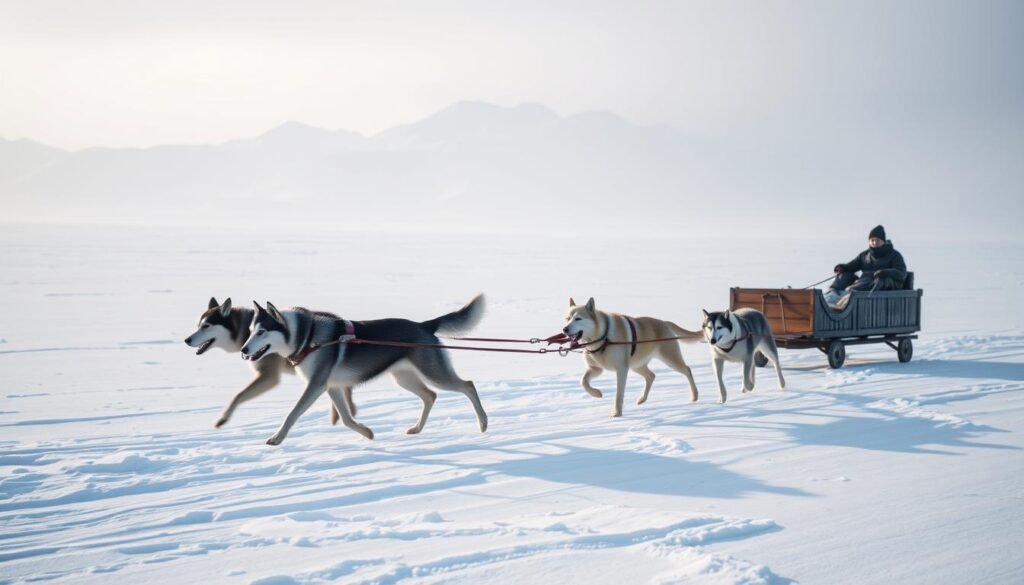
Picture this: an ancient Arctic tribe surviving on dogs that could outpace blizzards. That’s where our story begins with the Chukchi people, who crafted this breed to be four-legged survival machines. These early working sled dogs didn’t just haul supplies—they kept entire communities alive across frozen wastelands.
Chukchi Origins and Sled Dog Heritage
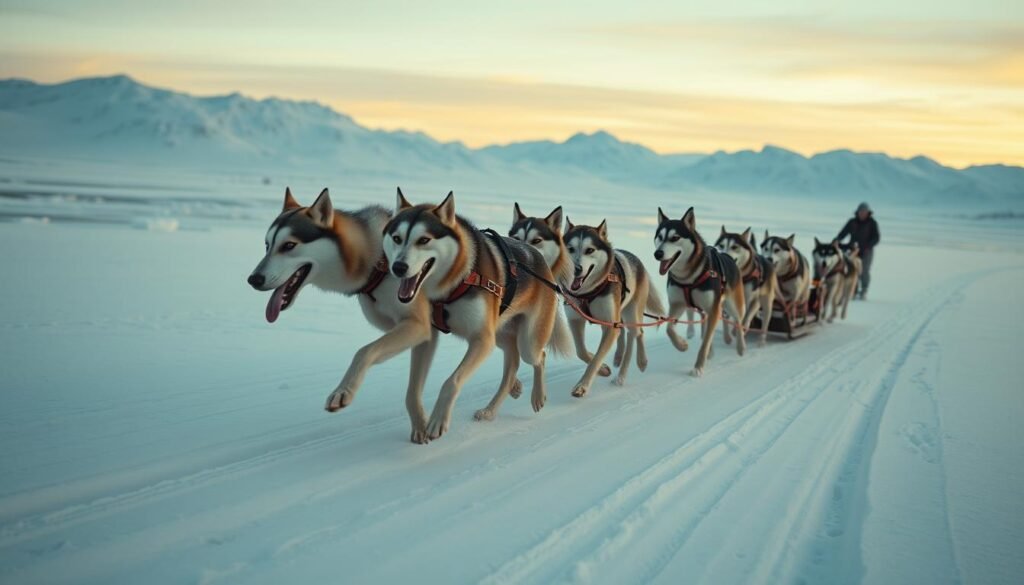
The Chukchi’s secret? Breeding dogs that could pull light loads fast over endless ice. Their teams covered 100+ miles daily in -50°F winds—like running from New York to Philadelphia in a single day. I’ve seen modern sled dogs in action, and trust me, their ancestors’ stamina would put marathoners to shame.
Braving the Arctic: Real-Life Historical Examples
When diphtheria hit Nome in 1925, sled dogs became heroes. A team raced 658 miles in 5 days through whiteout conditions to deliver medicine—faster than any train could’ve managed. That’s the equivalent of 26 back-to-back school track meets!
Here’s what blows my mind: Early explorers relied on these teams to map uncharted ice fields. Each dog had a specific role, from leaders reading snow trails to swing dogs keeping momentum. It’s like having a soccer team where every player knows exactly where to kick.
Unique Physical Features and Endurance
Here’s the scoop: These Arctic athletes come factory-installed with frost-proof gear. Their secret? A layered design that laughs at winter’s worst tantrums. Let’s break down why they’re basically walking survival kits.
Double Coats and Cold Weather Survival
That plush fur isn’t just for Instagram close-ups. Their double-layer coat works like thermal underwear meets snowsuit—a soft undercoat traps body heat while guard hairs repel ice and wind. I’ve brushed out enough fur during shedding season to stuff a mattress (pro tip: stock up on lint rollers).
Fun science fact: Their coat structure lets them sleep comfortably at -75°F. That’s colder than your freezer! But here’s the kicker—they’re just as good at cooling off. Those same guard hairs reflect sunlight like miniature mirrors when summer hits.
Almond-Shaped Eyes and Distinct Markings
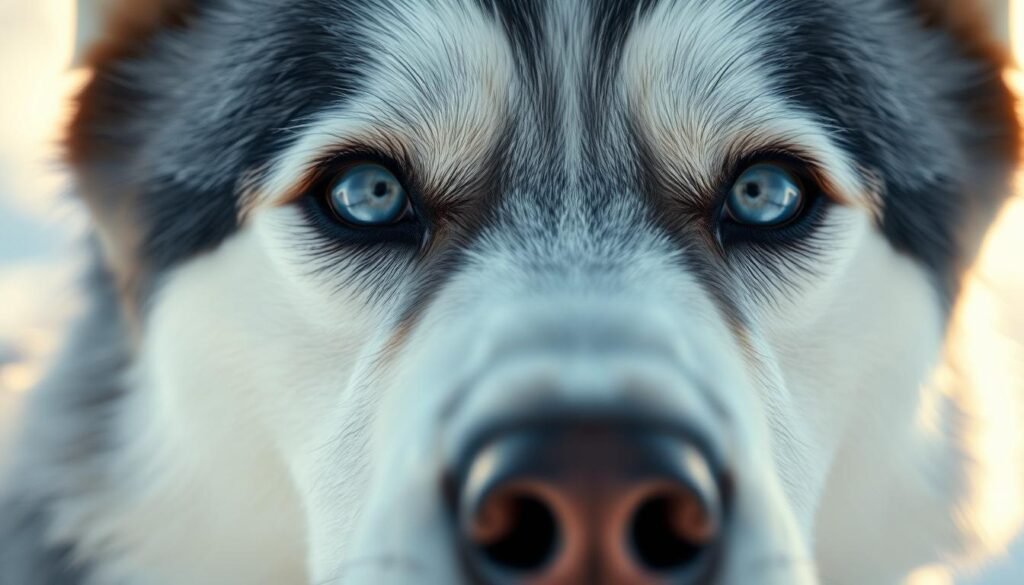
Ever locked eyes with one? Those blue peepers aren’t just pretty—they’re snow goggles. The almond shape reduces glare from ice, while dark “eyeliner” markings cut reflected light. Some even sport heterochromia (two different colors), giving them that mesmerizing wizard look.
Funny story: I once met a pup whose mismatched eyes made kids think he was part robot. His owner joked they were “snow mode” and “play mode” indicators. Whether blue, brown, or mixed, those eyes mean business when they’re focused on a trail.
Behavior Traits and Training Insights
Imagine a dog that’s part Houdini, part marathon runner – that’s your average Siberian husky. These fur missiles come pre-programmed with enough energy to power a small town, and they’ve got the problem-solving skills to keep you on your toes.
High Prey Drive and Clever Escapades
That squirrel in your yard? It’s basically a fuzzy invitation for chaos. These dogs have a high prey drive that turns every walk into an Olympic sprint trial. I’ve seen one scale a 6-foot fence like it was a stepping stool, then casually trot back home when the neighbor’s cat outsmarted it.
Their escape artistry includes:
Mastering doorknobs (seriously – invest in childproof locks)
Digging tunnels that would make prison breakers jealous
Chewing through leashes while maintaining eye contact
Smart Yet Independent: Tips for Early Training
Training these clever canines? Think firm but fun. Start obedience drills before they’re 12 weeks old – otherwise, they’ll train you. Use high-value food rewards (chicken > kibble), but don’t let them outsmart the routine.
Training Must-Haves
Why It Works
Common Challenges
10-minute focused sessions
Matches their attention span
Distracted by smells/sounds
Consistent command words
Builds language recognition
Pretending not to hear you
Puzzle feeders
Channels mental energy
May solve too quickly
Here’s the twist: Despite their wolfish looks, they’re terrible guard dogs. That intimidating bark? Usually means “Hey stranger, want to play fetch?” Pair their friendly nature with daily exercise (think 5+ miles), and you’ve got a happy, working sled descendant who’ll nap instead of escape.
Siberian Husky Facts for Kids: Fun and Fascinating Tidbits
Ready for some frosty fun facts? These snow athletes have more tricks up their furry sleeves than a magician at a birthday party. Let’s dive into the coolest quirks that make sled dogs the ultimate winter warriors!
1. The Great Serum Sprint: Ever heard of a lifesaving relay? In 1925, teams raced medicine 658 miles through blizzards to stop an outbreak. The final stretch? A dog named Balto led his pack through a whiteout so thick, they couldn’t see their own paws!
2. Marathon Meets Sprint: These pups can clock 20 mph in short bursts and maintain 10 mph for hours. That’s like sprinting between class periods all day without breaking a sweat!
3. Teamwork Turbocharge: In races, each dog has a specialty. Leaders navigate, swing dogs keep turns smooth, and wheel dogs near the sled handle heavy pulls. It’s like a soccer team where everyone plays defense, midfield, and striker!
4. Snow Highway Code: Watch a team run – they never trip over each other. Why? They instinctively space out like cars on a freeway. My friend’s pack once formed perfect lines around fallen trees mid-run!
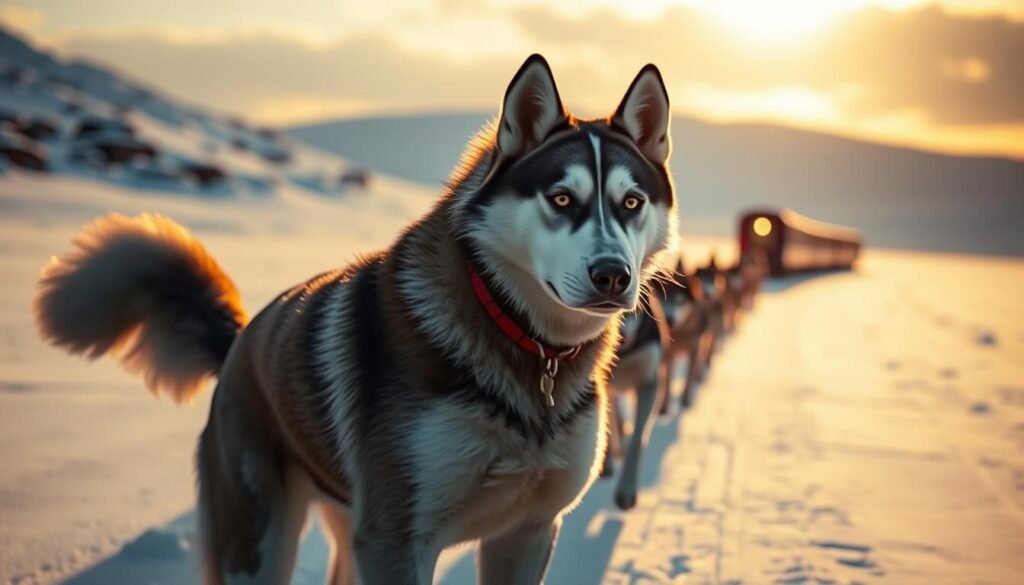
5. Energy-Saving Hack: Their curled tail isn’t just fluffy – it’s a built-in scarf! When sleeping in storms, they wrap it over their nose to pre-warm air before breathing. Genius move for -40°F naps!
Here’s the kicker: Modern relay races still use the same teamwork tactics from 100 years ago. Next time you see a dog team, remember – you’re looking at living history with paws!
Historic Sled Dog Stories and Real-Life Adventures
History doesn’t get frostier than this: In 1925, a relay of four-legged heroes raced through Alaska’s worst blizzard to save a town. This wasn’t just a sled run – it was a life-or-death sprint against time and -50°F winds. Let’s break down how these dogs outran disaster.
1925 Serum Run: Balto and Togo in Action
When diphtheria threatened Nome, Leonhard Seppala and his lead dog Togo faced a nightmare route. Their 261-mile leg crossed frozen ocean – one wrong step meant plunging into icy water. I’ve stood on that ice; it crackles like broken glass underfoot. Their team navigated whiteouts so thick, Seppala later said they ran “by the feel of the wind.”
Enter Gunnar Kaasen and Balto. Their final 53-mile push became legendary. Hurricane-force winds flipped sleds and froze eyelids shut. Kaasen’s hands froze to the handlebar, but Balto’s nose found the trail when even the musher went snowblind. They delivered the serum at 5:30 AM – right as the town’s last vaccine dose expired.
Race Tales from the Iditarod and Beyond
Modern races like the Iditarod honor this legacy, but here’s what schoolbooks miss:
Fun twist: While Balto got statues, Togo actually ran the longest stretch. It’s like giving the MVP trophy to the closing pitcher instead of the starting ace! During World War efforts, these skills helped rescue downed pilots – proving sled dogs aren’t just history, but heroes with staying power.
Activities and Tips for Husky Enthusiasts
Who says you need snow to harness that Arctic energy? These working-breed dynamos thrive on action-packed challenges – I’ve helped dozens of owners turn concrete jungles into playgrounds. Let’s explore urban-friendly ways to satisfy their need for speed.
Rally Obedience and Agility Training
Think dog sports meet treasure hunts. Rally obedience uses numbered signs that tell you which direction to move – perfect for dogs who love puzzles. Start with basic commands, then add twists like weaving through traffic cones. Pro tip: Use leftover pizza crusts as high-value rewards (trust me, it works).
Activity
Gear Needed
Beginner Tip
Indoor Agility
PVC pipes, old blankets
Keep sessions under 15 minutes
Backyard Rally
Printable signs, clicker
Practice “left” and “right” separately
Parkour Basics
Harness, treat pouch
Use park benches as jumps
Breeds with high intelligence master these skills fastest – I’ve seen 8-month-old pups outmaneuver seasoned border collies! Many trainers have used these methods for over 30 years, proving they’re more than just trends.
Urban Adventures: Bikejoring, Carting, and More
Ready to turn walks into workouts? Bikejoring lets your pup pull your bicycle (safely!). Here’s my go-to setup:
X-back harness ($45-80)
Bungee leash with quick-release
Cycling gloves for direction control
First-timer mistake: Going too far too fast. Build endurance with 1-mile loops, adding distance weekly. Carting’s another crowd-pleaser – hook them to a wheeled rig for garden chores. One client’s team hauls 50 lbs of mulch weekly!
Activity
Best For
Safety Must
Bikejoring
Single-dog teams
Helmet & knee pads
Urban Carting
Multi-dog setups
Reflective vest
Weight Pulling
Strength building
Padded harness
These aren’t just exercise – they’re bonding time. One owner told me her escape artist stopped digging under fences after discovering carting. As the saying goes: “A tired husky is a happy husky” (and a sane owner!).
Signing Off with More Facts and Future Fun
Think we’ve covered all the cool stuff? Think again. These frost-defying athletes still have secrets – like how their sleds evolved from birch bark to space-age materials, or why mushers still whisper commands in Russian during races.
Let’s freeze-frame on this: Teams regularly conquer -40°F temperatures while hauling supplies across glaciers. I’ve watched modern mushers like Dallas Seavey push limits further than anyone dreamed in 1925. Their dogs? Pure poetry in motion across crunching snow.
Next time, we’ll dive into wilder tales – like how a search rescue team in Wyoming used these dogs to find missing hikers last winter. Or why legendary mushers like Leonard Seppala kept detailed “paw diaries” tracking each dog’s performance.
For now, remember this: Every sled groove in the ice tells a story. Every blue-eyed glance holds centuries of Arctic wisdom. And that name you heard whispered in Iditarod camps? Let’s just say Balto wasn’t the only hero with fur.
Ever wondered how they… Well, that’s a story for next time. Grab some hot cocoa – things are about to get frostier.