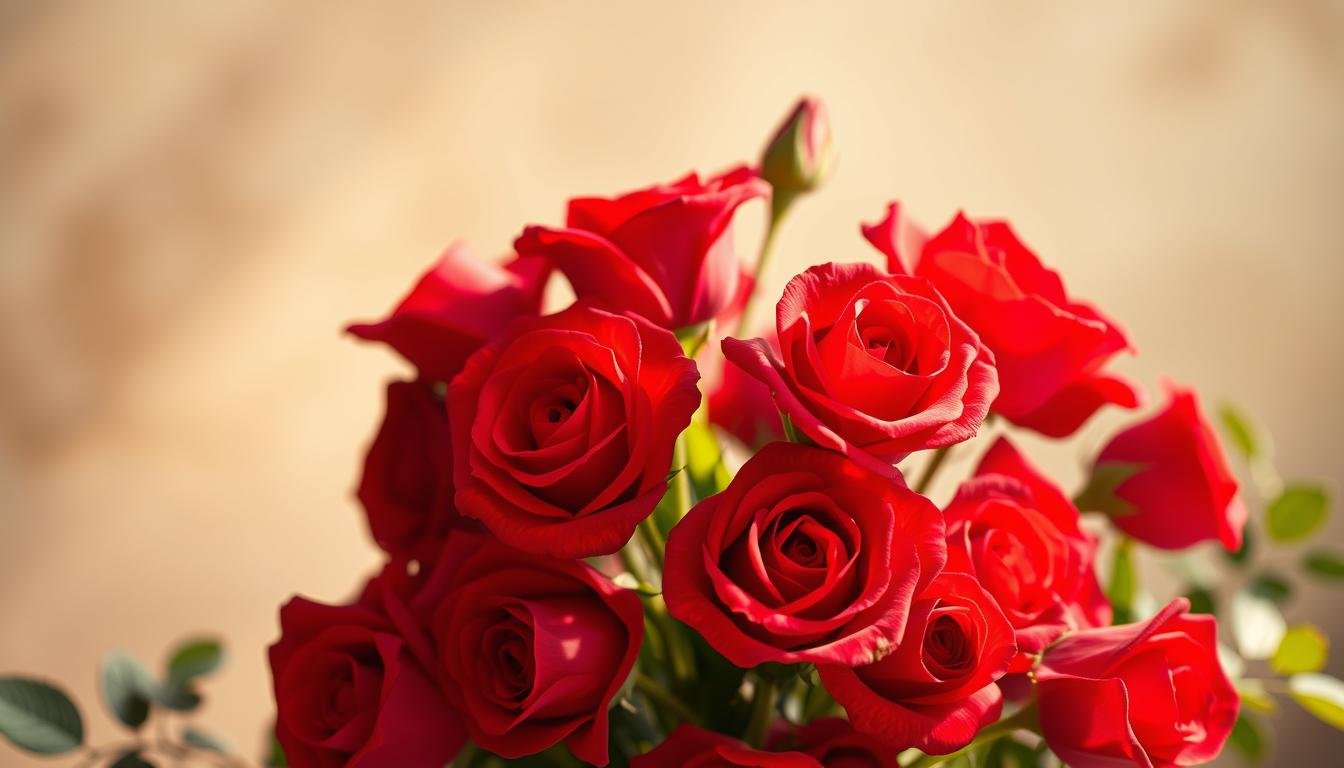
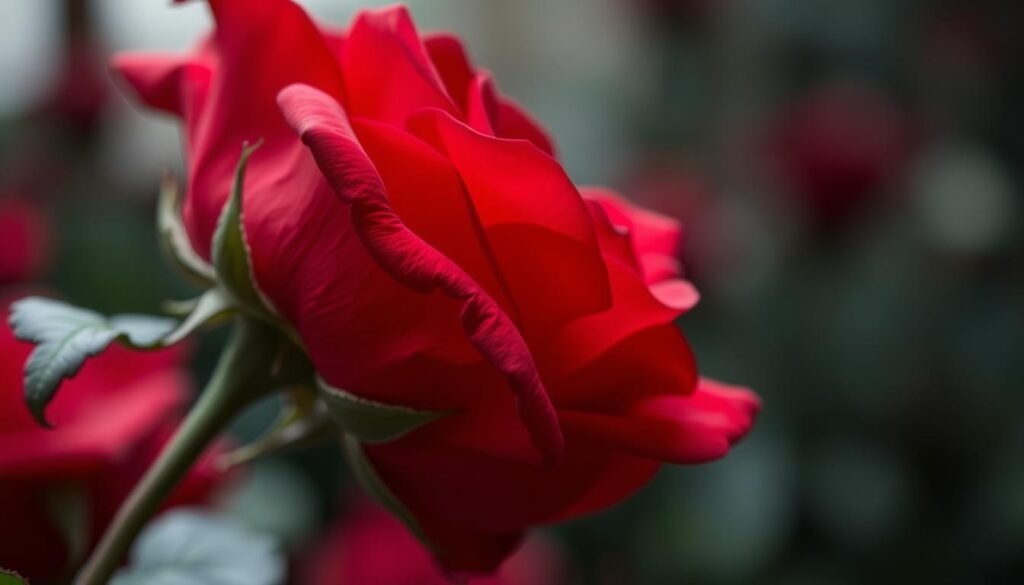
Roses are truly special flowers that have amazed people for 35 million years! They come in over 100 different types. This makes them some of the most interesting flowers for kids to learn about.
Imagine a flower that’s both beautiful and tough – that’s a rose! These amazing plants have survived for millions of years. They have sharp thorns to protect their delicate petals and sweet scent.
Rose facts open up a world of wonder. From their ancient beginnings to their bright colors, roses are more than just pretty. They are stories of survival and beauty.
Kids learning about roses will find a plant kingdom superhero. These flowers are not just for decoration. They are botanical heroes with incredible adaptations that have helped them survive across continents and through many challenges.
Get ready to be amazed by the secret world of roses. Here, beauty meets resilience, and every petal tells a story of survival and strength!
What Makes Roses Special Among Flowers
Roses are truly unique flowers that capture our hearts. They have special features that make them stand out. Their history is rich and spans millions of years, making them survivors in the plant world.
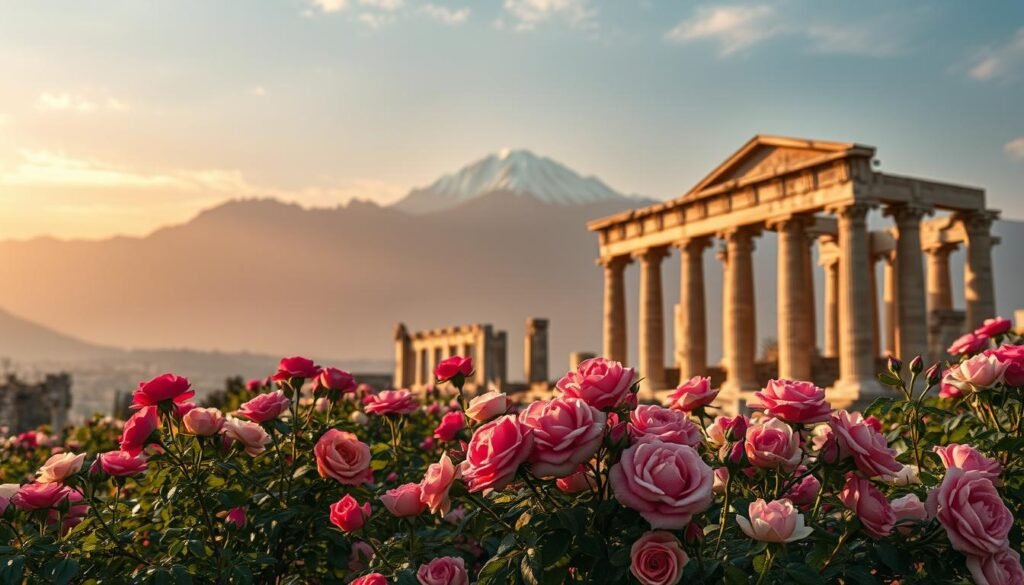
Rose history for kids is fascinating. Rose fossils are 35 million years old! These flowers have been around longer than many others, surviving through many changes.
Ancient History of Roses
Ancient civilizations loved roses for many reasons. The Greeks, Romans, and Egyptians used them for:
Decorating royal ceremonies
Creating perfumes
Healing medical conditions
Symbolic representations in art
Rose Species Around the World
There are about 150 different rose species worldwide. These plants thrive in many environments, from cool mountains to warm tropics. Each species has extraordinary characteristics.
Rose varieties are amazing. They range from tiny miniature roses to huge climbing roses. Some wild roses grow in places like:
North America
Europe
Asia
Middle East
Basic Rose Plant Structure
Understanding a rose’s anatomy shows why they’re so special. Each rose plant has:
These parts work together, creating a complex and beautiful plant. Humans have been fascinated by roses for thousands of years.
Rose Facts for Kids: Nature’s Amazing Secrets
Are you ready to learn some cool rose facts? These will make you a rose trivia master! Roses are more than just pretty flowers. They hold amazing secrets that are waiting to be discovered.
Did you know roses have their own perfume factories? Tiny glands on their petals make magical scents. These tiny factories are so small, you need a microscope to see them!
Every part of a rose is edible – from petals to roots
Roses communicate through chemical signals
Some rose species can survive in extreme temperatures
Rose trivia for kids gets even more fun! Roses have learned to survive in tough conditions. Their thorns keep animals away, and their roots find water in dry places.
Roses are true survival heroes. Their bright colors attract bees and butterflies. Their strong stems hold up their delicate petals. And their complex biology keeps scientists amazed.
The Truth About Rose Thorns
Roses are not just beautiful flowers. They have clever defense mechanisms to protect themselves from hungry animals and harsh environments. What we call “thorns” on roses are actually something quite different!
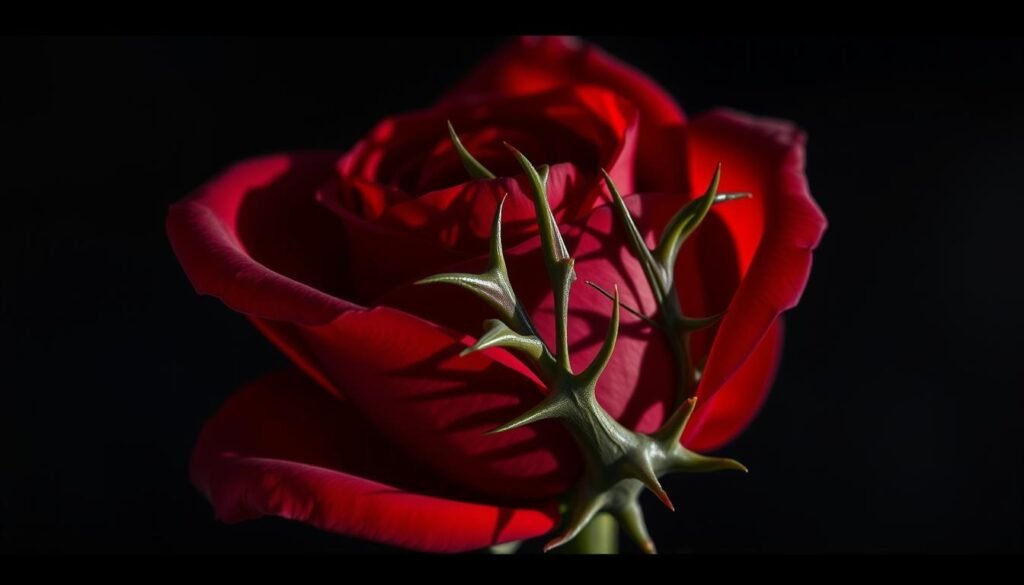
Botanists call rose thornsprickles. These sharp projections are not true thorns but growths from the plant’s outer layer. Rose defense mechanisms are complex survival strategies. They help these delicate plants stay safe in the wild.
Why Roses Develop Prickles
Rose thorns serve multiple protective purposes. They act as a natural shield against threats like:
Herbivorous animals seeking an easy meal
Insects attempting to damage plant tissues
Competing plants trying to overgrow the rose bush
How Prickles Protect Roses
The rose’s prickle system is a remarkable evolutionary adaptation. These sharp structures discourage predators and help the plant survive in challenging environments.
Prickle Function
Protective Strategy
Physical Barrier
Prevents direct contact with plant tissues
Deterrent Mechanism
Discourages animals from eating rose leaves and stems
Climbing Support
Helps roses attach to surfaces and climb
Interestingly, different rose species have varying prickle sizes and shapes. Some wild roses have more aggressive defense mechanisms than garden varieties. Next time you admire a rose, remember its incredible botanical armor!
Different Types of Wild and Garden Roses
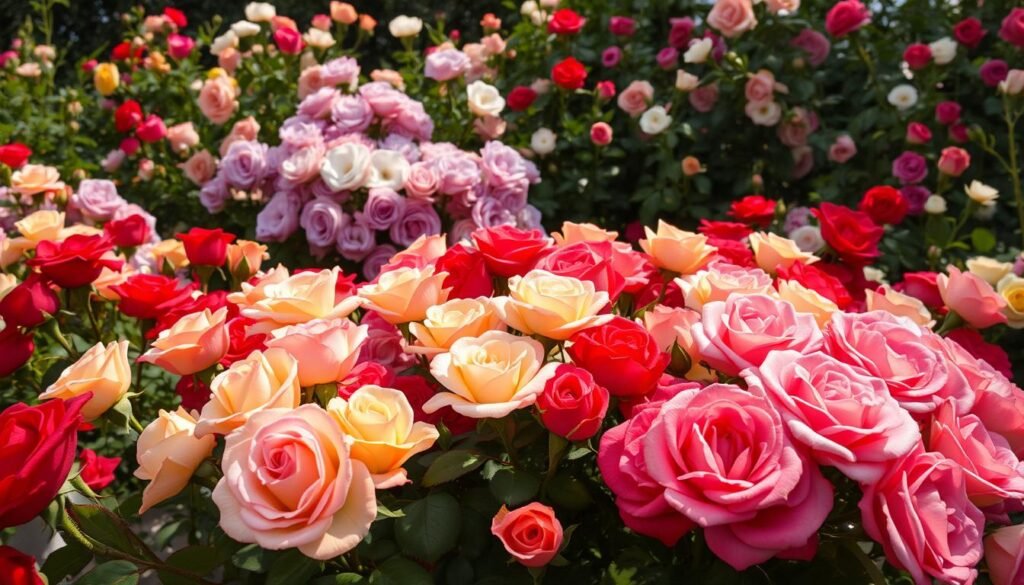
Rose varieties are truly amazing and can spark a child’s imagination! Garden roses and wild roses each have special qualities. They make each type exciting to explore.
Wild roses show nature’s original beauty. They grow in forests, mountains, and meadows without help from humans. They have simple five-petaled flowers and fewer layers than garden roses.
Hybrid Tea roses: Elegant, long-stemmed roses perfect for bouquets
Floribunda roses: Cluster-flowering plants with vibrant colors
English roses: Romantic, fragrant varieties with multiple petals
Garden roses for kids open a world of colorful and structured plants. Each variety has unique traits. This makes identifying roses an exciting adventure.
Rose Type
Key Characteristics
Colors
Hybrid Tea
Single large bloom per stem
Red, pink, yellow
Floribunda
Multiple flowers in clusters
White, orange, multi-colored
English Roses
Dense, ruffled petals
Soft pastels, deep burgundy
Learning about rose varieties makes garden walks exciting. Soon, you’ll spot different rose types by their shapes, petal arrangements, and growth patterns.
Amazing Colors of Roses and Their Meanings
Roses have their own secret language through colors. Each color tells a different story. Kids will learn how these flowers share feelings without words.
Rose colors have deep meanings that have lasted for centuries. They were used to express feelings when words failed. Choosing a rose color is like sending a message with the right emoji.
Traditional Color Symbolism
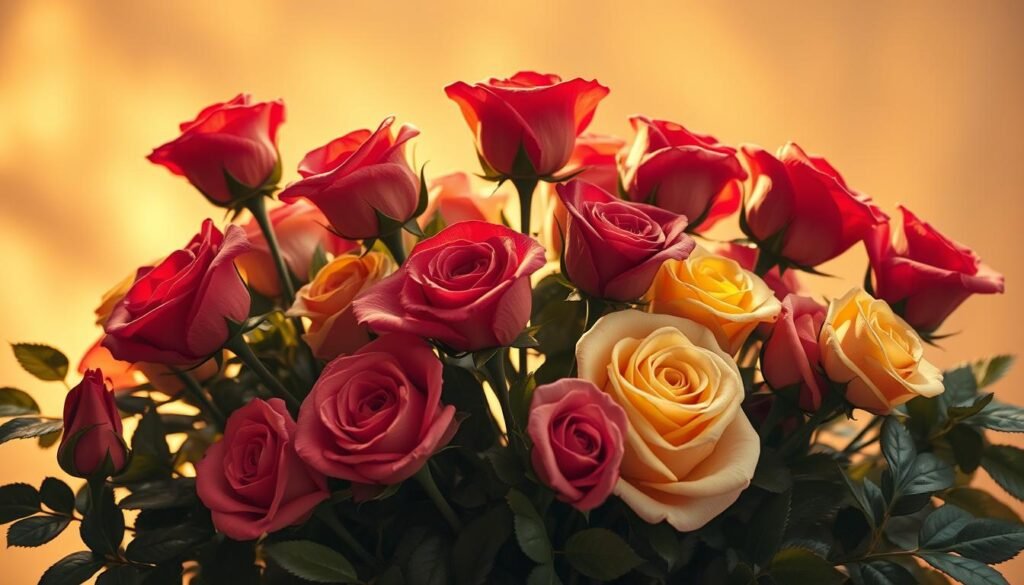
Red Roses: The classic symbol of passionate love and romance
White Roses: Represent purity, innocence, and new beginnings
Yellow Roses: Celebrate friendship and joy
Pink Roses: Express gentle emotions and gratitude
Orange Roses: Signify excitement and desire
Modern Rose Color Interpretations
Today, rose color meanings are more open. Kids will see that modern meanings are flexible but rich. For example, a lavender rose might mean enchantment, and a green rose, growth and harmony.
Choosing rose colors is a fun way to show feelings. Whether for a bouquet or a garden, knowing rose meanings makes it more special.
The Science Behind Rose Scents
Rose fragrances are nature’s most magical perfumes. They come from tiny glands in rose petals. These tiny factories create the delightful aromas that make roses special.
Scientists have found that how roses smell depends on many factors. Each rose variety has unique essential oil glands that make different fragrances. These glands release complex chemical compounds that create the distinctive rose fragrances we love.
Roses contain over 300 chemical compounds that create their signature scent
Fragrance intensity varies between rose species and growing conditions
Some roses produce stronger scents than others
The molecular magic behind rose fragrances involves tiny cells called trichomes. These cells act like perfume factories, making aromatic oils that give each rose its unique smell. Perfume makers use advanced technology to analyze and replicate these scent patterns.
Rose Type
Fragrance Intensity
Primary Scent Notes
Damask Rose
High
Sweet, rich, complex
Tea Rose
Medium
Light, delicate, fresh
Cabbage Rose
Strong
Intense, classic rose
Researchers keep exploring the fascinating world of rose fragrances. They are always finding new insights into how these beautiful flowers create their enchanting aromas. Next time you smell a rose, remember you’re experiencing a complex chemical symphony!
Rose Hips: The Hidden Treasures
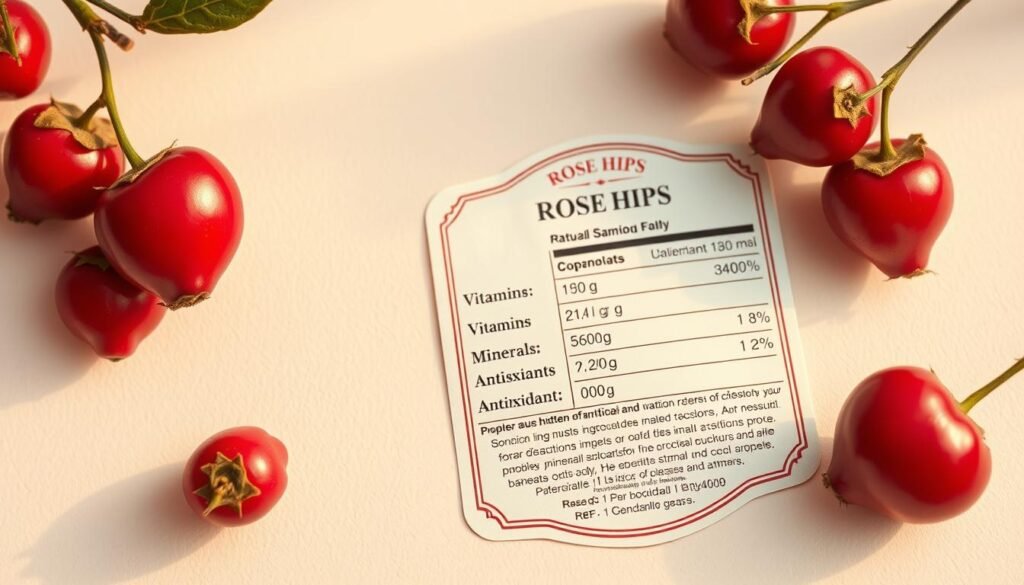
Roses are more than just pretty flowers. They have a secret in the small, colorful fruits called rose hips. These tiny fruits are full of amazing nutrients that might surprise you!
Rose hips for kids are like nature’s vitamin candy. These small, berry-like fruits are full of nutrition. They can help keep you healthy. Let’s explore the world of rose fruit facts and discover their secrets.
Nutritional Powerhouse
Get ready to be amazed by rose hips’ nutritional profile. They are packed with essential nutrients, making them a true superfood:
Extremely high in Vitamin C – even more than oranges!
Rich in antioxidants that boost immune system
Contains vitamins A, E, and K
Provides important minerals like calcium and magnesium
Delicious and Versatile Uses
Rose hips aren’t just nutritious – they’re incredibly versatile. Kids can enjoy them in many delicious ways:
Homemade jam and jelly
Herbal tea with sweet, tangy flavor
Natural food coloring
Healthy smoothie ingredient
Traditional medicines have used rose hips for centuries. Today, they’re found in skin products, dietary supplements, and even makeup. Who knew these little fruits could be such natural health champions?
Famous Roses Throughout History
Roses have amazed people for thousands of years. They have been part of magical stories across cultures and civilizations. These flowers have left a lasting mark on human history.
In Roman mythology, roses were sacred to Venus, the goddess of love. One legendary story tells how she created roses from her tears after her lover Adonis was wounded. Cleopatra of Egypt used roses to show luxury and romance. She even covered her palace floors with rose petals for Mark Antony’s visits.
Ancient Romans used roses in religious ceremonies
Medieval European royalty cultivated elaborate rose gardens
Persian poets wrote extensive verses celebrating rose beauty
The War of the Roses in England used white and red roses as symbols. The Tudor Rose, with both colors, became a symbol of national unity.
Today, rose breeding has created amazing varieties like the Juliet Rose. It took 15 years to develop and cost over $3 million. This peach-colored rose is a masterpiece of horticulture, showing the beauty and complexity of historical roses.
Roses as National Symbols
Roses have long been a source of wonder for nations. They have evolved from simple flowers into symbols of culture and history. Their ability to convey stories through petals and colors makes them unique national emblems.
The world of rose symbolism goes beyond garden beauty. Countries and states see these flowers as symbols of their heritage and pride. They represent the collective spirit of a nation.
The Tudor Rose Story
In England, the Tudor Rose is a famous symbol. It came from the Wars of the Roses, a conflict between Lancaster and York. The Tudor Rose, with its red and white petals, stands for peace and unity.
Red Lancaster Rose represented passion and strength
White York Rose symbolized purity and hope
Combined Tudor Rose signified national reconciliation
American State Flowers
In the United States, roses are official state flowers. Each has its own story. These emblems show regional pride and the variety of plants.
State
Rose Type
Year Designated
New York
Wild Rose
1955
Oklahoma
Oklahoma Rose
2004
Georgia
Cherokee Rose
1916
Each state’s choice reflects its history, culture, and beauty. These rose symbols tell stories deeper than their delicate petals suggest.
How Roses Grow and Bloom
The journey of a rose starts with a small seed or cutting. It turns into a stunning flower. Growing roses for kids is a fun adventure of learning and discovery. Roses go through many stages to become beautiful.
To grow roses, you need to know their basic needs. Roses need:
Plenty of direct sunlight
Well-draining soil
Regular watering
Proper nutrients
The life cycle of a rose includes these key stages:
Seed Germination: Seeds sprout roots and first leaves
Seedling Growth: Young plants develop stronger stems
Vegetative Stage: Rose bushes grow larger and stronger
Flowering Stage: Buds form and beautiful blooms appear
Kids can see roses change from tiny seeds to gorgeous flowers. Each rose type grows a bit differently. But the main steps are the same for most.
Growing roses for kids takes patience and care. It can take weeks or months for roses to bloom. This makes them great for learning about plants.
Growth Stage
Typical Duration
Key Characteristics
Germination
1-2 weeks
First root and leaf development
Seedling
4-6 weeks
Stronger stem growth
Vegetative
2-3 months
Leaf and branch expansion
Flowering
3-4 months
Bud formation and blooming
Surprising Uses of Roses
Roses are more than just flowers in your garden. They have amazing uses that might surprise you! Rose products for kids and adults can make everyday life more exciting.
Kids can discover fun rose uses in many ways. They can try cooking with roses or making beauty products. Roses open up a world of fun and learning:
Delicious rose water added to desserts and drinks
Natural perfume and skin care products
Herbal tea with dried rose petals
Decorative craft materials
Cooking with roses makes it magical. Chefs enjoy making special dishes for kids, like:
Rose-flavored cupcakes
Strawberry-rose jam
Aromatic rice puddings
Roses are also important in medicine and wellness. For centuries, rose extracts have helped heal and reduce inflammation. Some cultures make medicines and oils from rose petals, showing how versatile roses are.
Rose lovers can make potpourri, sachets, and beauty products from dried petals. Your creativity is the only limit when exploring these fun rose uses!
Record-Breaking Rose Facts
Roses are not just beautiful flowers; they hold world records in botany. The biggest roses and most amazing records will amaze you. From huge rose bushes to pricey varieties, these flowers stun plant lovers everywhere.
Let’s look at some incredible rose records that show these flowers are true stars:
The tallest rose bush ever recorded stands at an incredible 5.6 meters (18.8 feet) high – taller than a two-story house!
The legendary Juliet Rose took an astounding 15 years to develop and cost a whopping £2.3 million
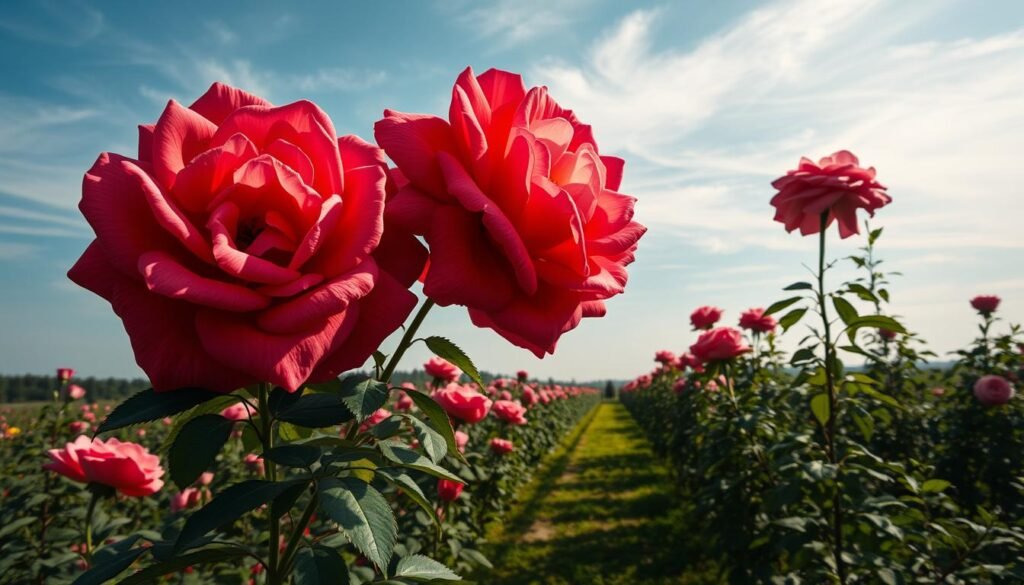
The largest rose garden in the world covers an incredible 55 acres in Japan
Rose fans have achieved incredible feats. The biggest roses are not just tall; they show passion, dedication, and botanical skill. Imagine spending 15 years on one rose variety – that’s true dedication to flowers!
Some fascinating rose world records include:
Most expensive rose breeding project: Juliet Rose
Tallest rose bush: 5.6 meters high
Largest rose garden: 55 acres in Kyu-Furukawa Gardens, Tokyo
These records show the amazing world of roses. They prove roses are more than just beautiful petals. From stunning heights to high breeding costs, roses amaze and inspire plant lovers worldwide.
Rose Care and Growing Tips
Growing roses for kids can turn your backyard into a colorful paradise. Roses need lots of sunshine, rich soil, and regular care to bloom well. Choose a sunny spot with at least six hours of direct sunlight each day. Roses love to soak up the warm rays!
Water is key for healthy roses. Young roses need about an inch of water per week. Check the soil moisture often. If it feels dry, it’s time to water. Mulching around the base helps keep moisture in and roots cool during hot days.
Pest control is important for rose care. Watch out for aphids and Japanese beetles. You can use a mild soap and water spray to keep pests away. This teaches kids about science and patience.
Creating a rose garden is fun with adult help. Choose easy varieties like knockout roses for young gardeners. Planting roses together is a great family activity. It teaches kids about nature and gardening skills they’ll keep for years.