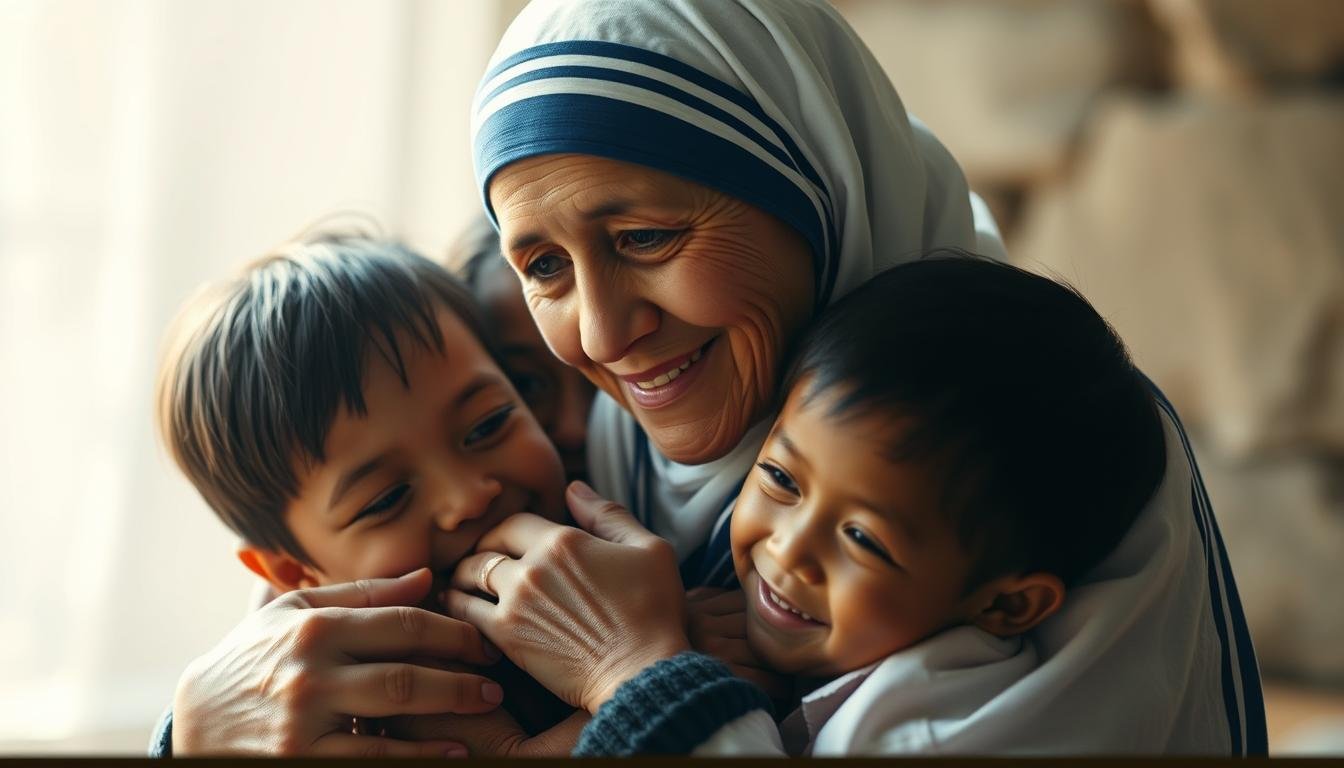
Born August 26, 1910, in Skopje (now North Macedonia), this tiny powerhouse became Saint Teresa of Calcutta – but she didn’t start out famous. By age 18, she’d already joined the Sisters of Loreto in Ireland, swapping her birth name (Agnes) for a life of service. No kidding – who starts changing the world before they can legally drive?
You know her as the “saint of the gutters”, but did you realize she spent nearly 70 years helping India’s poorest? From treating lepers to founding the Missionaries of Charity, she turned dusty streets into places of hope. Fun fact: Pope John Paul II fast-tracked her sainthood in 2003 – talk about a spiritual speedrun!
Here’s the kicker: this 5-foot-nothing nun refused fancy awards ceremonies, once telling the Nobel committee: “Keep the dinner – give the money to my people.” She died September 5, 1997, but her legacy? Still doing push-ups. Stick around – we’re unpacking how her childhood in Skopje shaped history’s most famous hugger.
Early Life That Shaped a Mission
Picture this: a girl named Agnes bouncing through Skopje’s cobblestone streets – a city that’s seen empires rise and fall. Honestly speaking, her hometown (now in North Macedonia) wasn’t just a dot on the map. It was a cultural blender where Albanian roots mixed with Ottoman history. Can you believe this sparky kid would later swap Agnes for Teresa?
Skopje Beginnings and Family Roots
Her dad’s sudden death when she was eight? That shaped her entire worldview. The Bojaxhiu family wasn’t rich, but their home overflowed with compassion. Her mom’s habit of feeding strangers? Textbook example of “charity begins at home” – literally. By age 12, Agnes was organizing food drives. North Macedonia’s mix of faiths taught her early: people matter, labels don’t.
Childhood Instincts and a Spark of Faith
Here’s the kicker: that baptismal name Agnes Gonxha Bojaxhiu meant “little flower” – ironic for someone who’d bloom in humanity’s grittiest soil. At 18, she bolted for Ireland’s Sisters Loreto, leaving Skopje’s bakeries behind. But get this: local nuns had already planted seeds through their orphanage work. Her life’s mission? Forged in childhood fires hotter than Macedonian summer afternoons.
Heading to India and Embracing the Calling
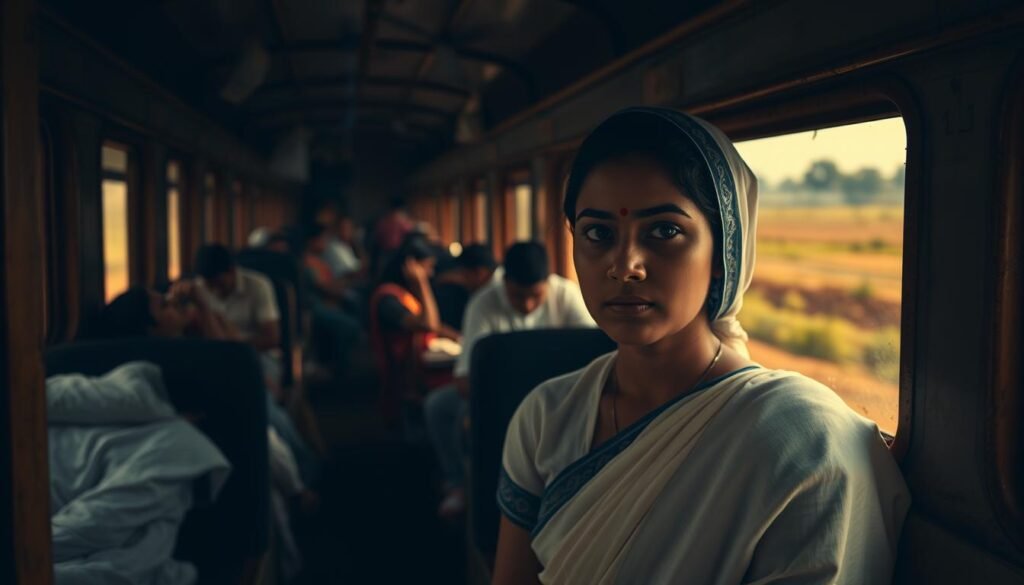
Imagine stepping off a train into the chaos of 1929 Calcutta – honking rickshaws, spices hanging thick in the air, and people everywhere. That’s exactly what happened when the 19-year-old nun arrived, clutching her suitcase like a life preserver. You think your first day at a new school was wild? Try swapping European convents for India’s monsoon season!
Culture Shock in Darjeeling and Calcutta
That train ride to Darjeeling? Total game-changer. As wheels clacked over tracks, she later described hearing a “call within call” – not some mystical vision, but gut-level certainty. “Help the poorest,” it whispered. No fancy instructions, just raw purpose. Believe it or not, this became her North Star.
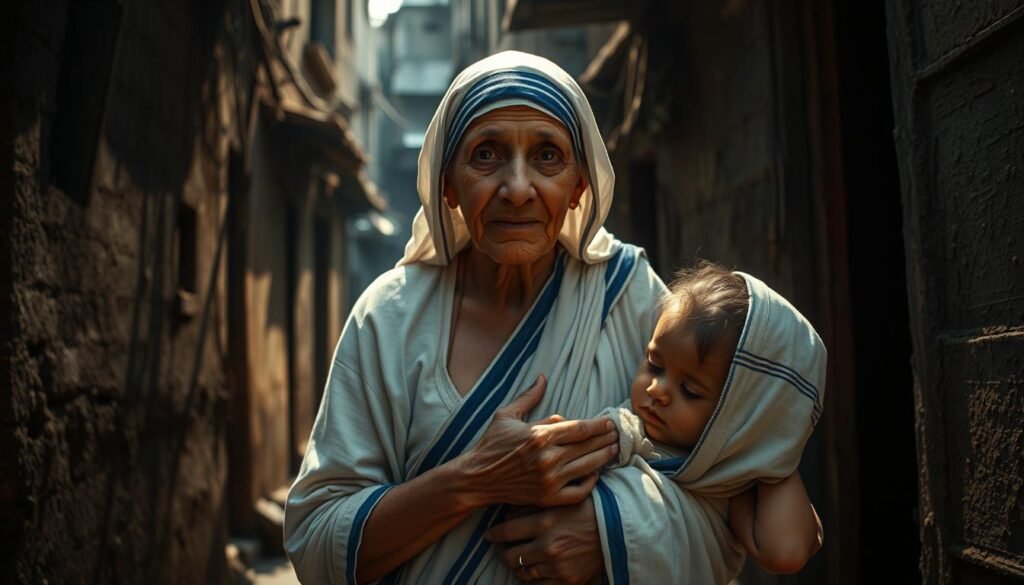
Calcutta’s slums hit harder than August heat. Kids with hollow eyes, elders abandoned in gutters – how does one even start? She began with chalkboards and bandages, turning alley corners into classrooms. Work meant holding hands crusted with dirt and singing lullabies to dying strangers. Not glamorous, but real.
Here’s the kicker: that white sari everyone associates with teresa calcutta? She chose blue-bordered cotton because it cost three rupees – same as what beggars wore. You know what I mean? She didn’t just serve the poor – she became them. And that train? It wasn’t just metal on tracks. It carried a revolution in a nun’s habit.
Mother Teresa Facts for Kids: Unraveling the Legend
Ever wonder how one person could turn despair into hope with just a touch? Let’s cut through the saintly halo – her real magic happened in Calcutta’s slums, where rats outnumbered clean water sources. No joke: she once scrubbed a man’s maggot-infested wounds with her bare hands while bystanders gagged. That’s not sainthood – that’s next-level grit.
Powerful Moments Born from Humble Beginnings
Take the Home for the Dying – a crumbling building she converted into a sanctuary. People called it “the waiting room for heaven” because she’d cradle strangers during their final breaths. Honestly, it blew my mind: she’d trade her own meals for medicine, proving compassion beats theology textbooks every time.
Instances of Selfless Acts in the Slums
Remember that time she bargained with a baker? “I’ll stop begging,” she declared, “when you give bread to my poorest poor.” Dude folded faster than a origami swan. Soon, 300+ kids ate daily because she turned guilt into action. The Catholic Church took notes – her street-level revolution reshaped how they approached global poverty.
Here’s the kicker: she didn’t just build clinics. She became the medicine. When lepers hid in shadows, she kissed their lesions. Where others saw trash, she saw potential – training slum dwellers to make handicrafts that funded their own rescue. Kids, that’s not charity. That’s changing the game.
Building the Missionaries of Charity With Grit
Let’s get real about how revolutions start. In 1950, Mother Teresa swapped her traditional nun’s habit for a white cotton sari costing less than a cup of chai. This wasn’t a fashion choice – it was a declaration of war on poverty. You wouldn’t believe how this $0.40 garment became the uniform for 13 missionaries charity pioneers.
Founding a New Path with a White Sari
Step one: ditch the rulebook. After 20 years with the Loreto order, she petitioned the Vatican alone – no lawyers, no PR team. The “yes” came in 1950, but here’s the kicker: she had founded missionaries charity with just 12 rubies (students who trusted her vision).
Step two: create scalable compassion. New recruits learned to beg for supplies before sunrise. Their handbook? Four vows – poverty, chastity, obedience, and “wholehearted free service to the poorest.” It’s pretty wild – they measured success by how many dying people died feeling loved.
By 1952, their first missionaries charity home opened in a donated hostel. The growth? Explosive. From 13 to 4,000+ sisters in 50 years. But here’s what schoolbooks miss: 70% of early recruits quit. The work wasn’t Instagrammable – it involved lice, starvation wages, and zero credit.
That white sari did more than signal humility. Its blue border matched India’s flag, quietly rebranding service as patriotism. When critics called her methods messy, she’d smile: “God doesn’t require success – just your hands.” Turns out, dirty hands build empires.
International Missions and Controversial Debates
When bombs rained down on Beirut in 1982, a white sari moved through the rubble – because war zones were just another place to serve. I’ve always been struck by how Mother Teresa treated borders like suggestions, whether rescuing 37 kids mid-firefight or setting up shop in Ethiopia’s famine camps. Her playbook? Show up, hug first, ask questions later.
Service Abroad That Broke Borders
Remember Chernobyl’s nuclear disaster? While governments panicked, her team waded into the fallout zone. “Radiation fears can wait,” she reportedly said. Pope John Paul II called these missions “holy stubbornness,” personally endorsing her Gaza Strip clinic during the ’82 Lebanon War.
Here’s what’s wild: she once brokered a ceasefire through sheer presence. In ’85, rival factions paused shooting so she could evacuate disabled patients from a Beirut hospital. No UN badges, no armored trucks – just that iconic sari.
Reconciling Admiration with Criticism
But let’s keep it real. Some doctors called her clinics “third-world medicine.” Critics argued she prioritized prayer over painkillers. It’s kind of crazy – even St. Teresa became shorthand in debates about “good enough” aid.
Pope Francis cut through the noise during her 2016 sainthood ceremony: “She knelt in dirt so others could stand tall.” Love her or question her methods, those wrinkled hands touched 450+ centers across 100+ countries. You don’t scale that impact without ruffling feathers.
Last thought? Her harshest critics never denied her grit. As one atheist journalist admitted: “Say what you want – she showed up when no one else would.” That’s the messy truth about changing the world.
Awards, Honors, and Global Recognition
Let’s cut through the confetti and spotlights – these weren’t your typical celebrity trophies. The Nobel Peace Prize committee practically sprinted to honor her in 1979, but she refused their fancy banquet. “Use that money to feed 400 hungry kids,” she insisted. No kidding – they actually redirected $7,000 to her soup kitchens.
A Train and an Airport Named in Her Honor
Here’s how recognition snowballed:
1979: Accepted the peace prize wearing her signature $1 sandals, donating every cent to Calcutta’s poor
1985: Albania’s Tirana international airport renamed in her honor – ironic for someone who traveled by foot and rickshaw
October 2003:Vatican City hosted a massive beatification ceremony at Peter Square, drawing 300,000+ pilgrims
That international airport wasn’t just a sign on a terminal. It became a symbol of how compassion crosses borders faster than jets. When critics questioned her methods, the Vatican City doubled down – fast-tracking sainthood faster than most influencers gain TikTok followers.
But here’s the kicker: while crowds cheered at Peter Square, she’d probably have traded every medal for one more bowl of rice to give. These honors? They’re proof that radical kindness shakes up the world – even when it makes power brokers uncomfortable.
Leaving a Legacy That Inspires and Provokes Reflection
You know a life well-lived when debates about it never fade. At 18, this woman swapped comfort for Calcutta’s chaos – and spent 68 years redefining what it means to serve. Believe me, her work poor communities wasn’t pretty, but it rewrote the playbook on compassion.
Even after her passing at 87, the mother figure of the gutters keeps challenging us. Her name now graces an international airport, hospitals, and that iconic home for the dying. But here’s the kicker: Mother Teresa received more honors posthumously than most leaders get in a lifetime.
To be honest? The real magic happened on ordinary days. Like when she turned an abandoned temple into a hospice, or convinced skeptical politicians to fund leper colonies. Teresa received criticism too – some called her methods outdated. But tell that to the 4,000+ nuns still serving in her signature saris.
Here’s what sticks: she proved anyone can spark change, regardless of age or resources. Her legacy? It’s not statues or sainthood titles. It’s that stubborn belief that people – even the “unlovable” – deserve dignity. So… what’s your white sari moment?