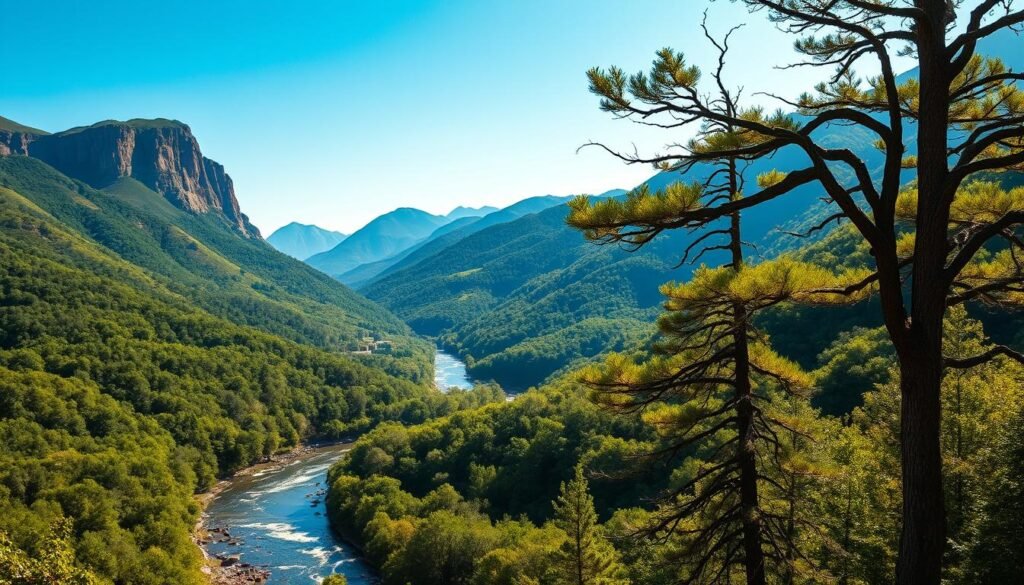
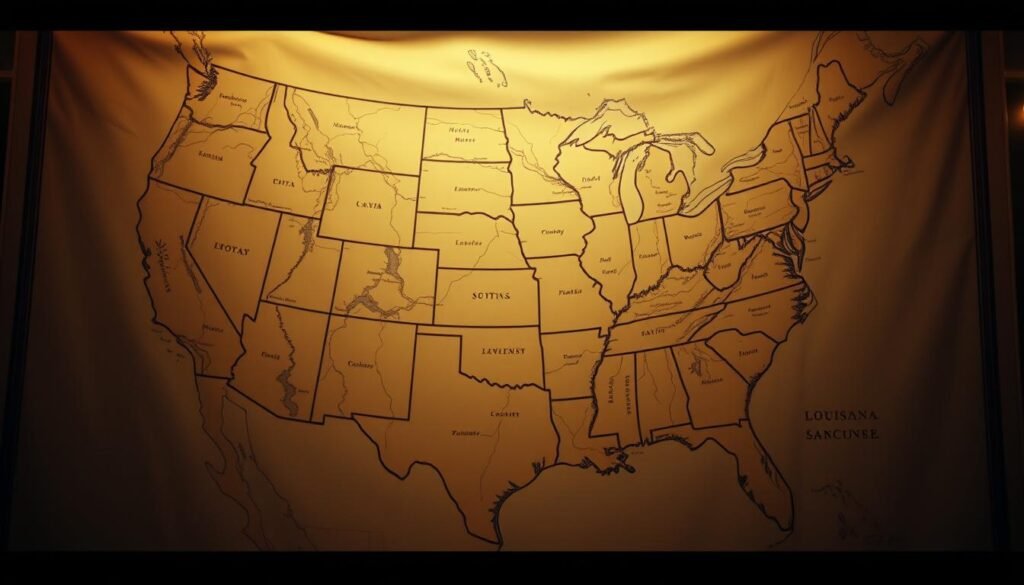
Think you know this state? Let me tell ya – there’s way more to the Bluegrass State than buckets of crispy chicken and fancy horse races. I bet you didn’t know folks have called this land home for 14,000 years, y’know what I mean? Archaeologists found tools here older than your grandma’s secret biscuit recipe.
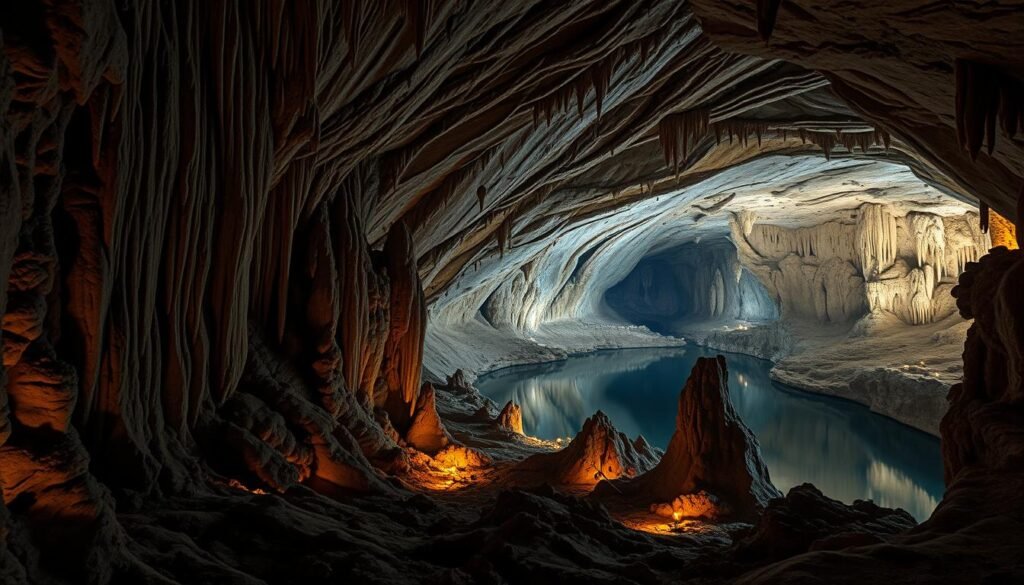
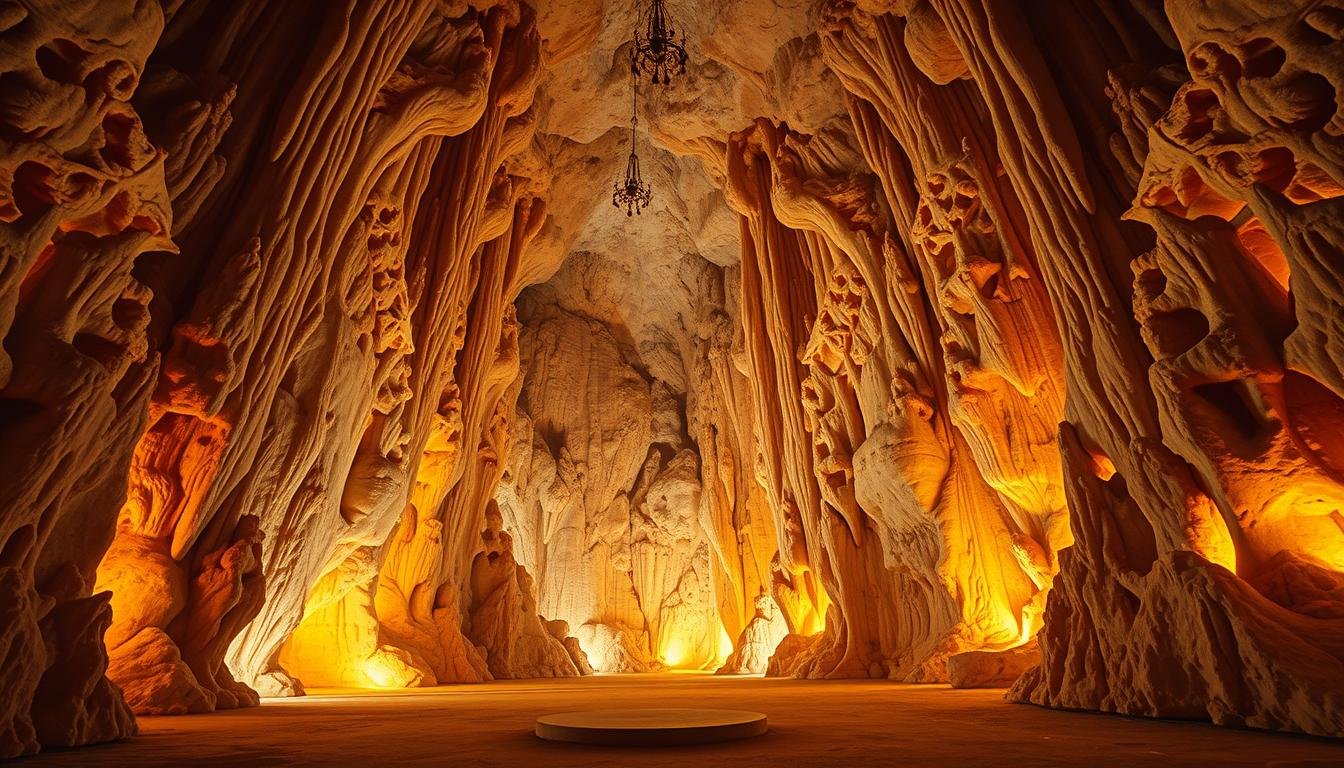
Ever heard of a cave so big it could swallow 20 football fields? That’s Mammoth Cave – the longest cave system on Earth, right under our feet. And hey, the Ohio River isn’t just for fishing. It’s like a watery highway that shaped the whole region’s history. No kidding!
We’ll dig into why pioneers went bananas for this place, how bluegrass isn’t actually blue (plot twist!), and why every May, fancy hats take over Churchill Downs. Spoiler: It’s not just about mint juleps.
History Uncovered: Early Inhabitants & Colonial Encounters
Picture this: a land shaped by whispers of ancient languages, stomping moccasins, and axes hacking through wilderness. Long before it became a state, this territory hummed with stories. Let’s peel back the layers, shall we?
Footprints in the Dirt
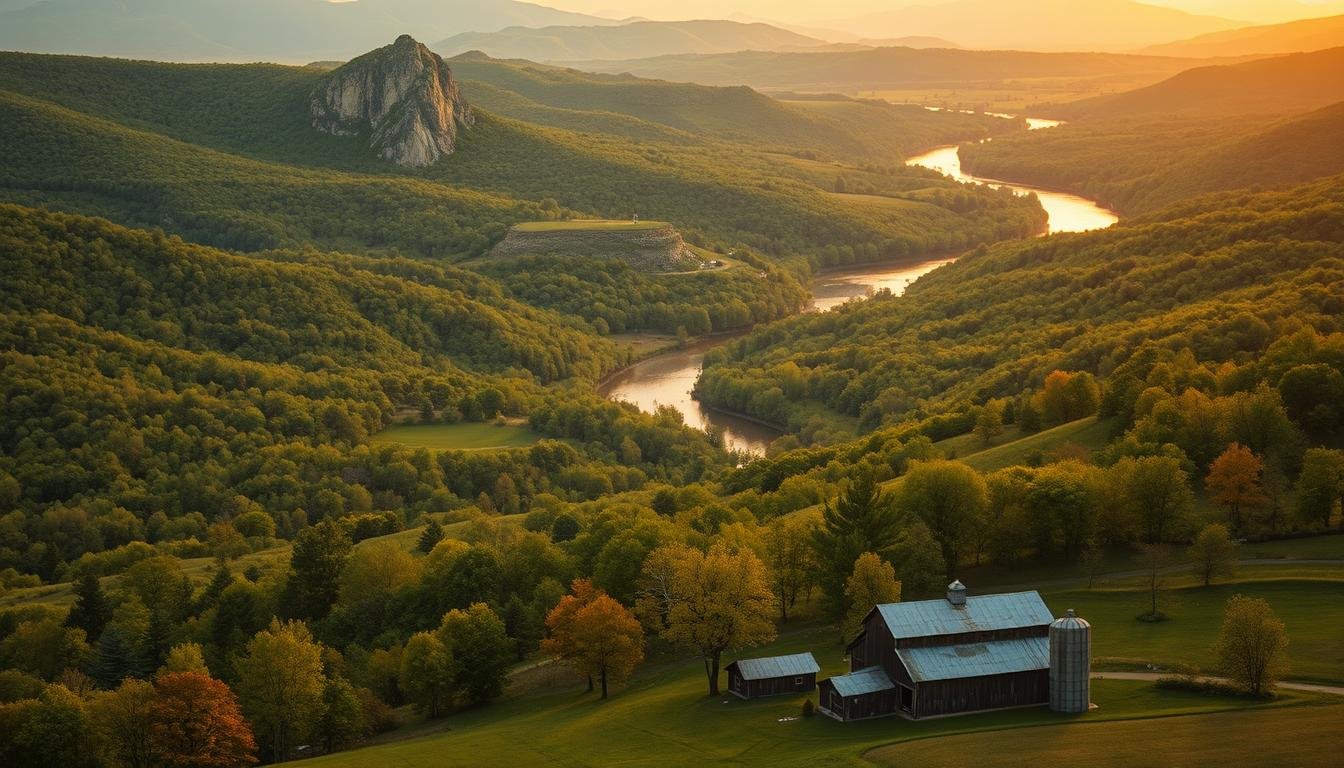
Native American tribes like the Cherokee and Shawnee weren’t just passing through. They built massive earthen mounds—some taller than your school bus! These weren’t random dirt piles. They served as sacred spaces for ceremonies and honoring ancestors. Can you believe it? Their cultural heritage still whispers through these grassy hills today.
Trailblazers & Trouble
Enter Daniel Boone, the ultimate frontier celeb. This guy didn’t just hike—he carved paths through the Appalachian Mountains like they were birthday cakes. His secret weapon? The Cumberland Gap, a natural mountain pass that became the I-95 of the 1700s. Settlers flooded in, building log cabins faster than you can say “bear attack.”
Here’s the kicker: Boone’s adventures weren’t solo missions. Native American guides often helped explorers navigate. Talk about teamwork! This messy mix of grit and guidance shaped the United States’ westward expansion. Wild, right?
A Curious Start: From Bluegrass Origins to 15th State Revelations
Ever wonder how a place gets its name and reputation? Let’s spill the tea. Back when America was still figuring itself out, this region became the 15th state in 1792 – but getting there? Oh, it was messier than a raccoon in a glitter factory.
Colonial Skirmishes and Boundary Shifts
Imagine eight states tugging over territory like kids fighting for the last cookie. Virginia, North Carolina – even Spain tried claiming chunks of land here! These border brawls lasted decades. No kidding – maps changed faster than TikTok trends.
Here’s the kicker: Without those squabbles, the United States might’ve looked totally different. Settlers pushed through the Appalachian Mountains, sparking clashes with British troops and Native American tribes. It wasn’t just about land – it was about who’d control the Ohio River’s trade routes.
Statehood in 1792 and the Birth of a Legend
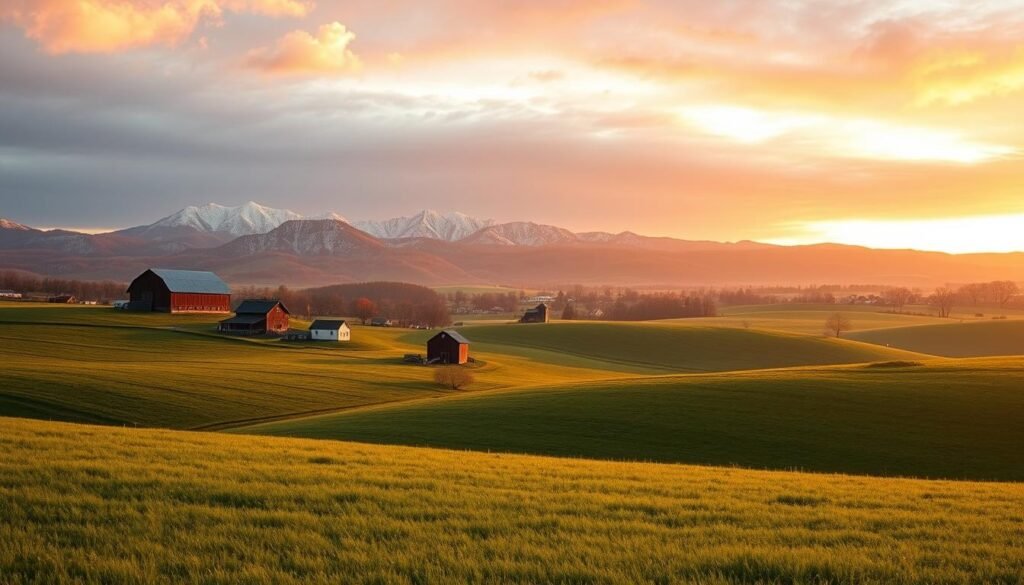
June 1, 1792 – mark your calendars! That’s when this place officially joined the club. But why “the Bluegrass State”? Turns out, the grass isn’t blue. Blame poetic settlers who thought morning dew made fields look bluish. Talk about creative marketing!
The name itself? Historians think it comes from language roots meaning “meadow” or “dark soil.” Either way, it stuck like syrup on pancakes. Fun fact: Early leaders nearly picked “Transylvania” instead. Imagine Dracula jokes at every state fair!
Kentucky Facts for Kids: Wild and Wacky State Symbols
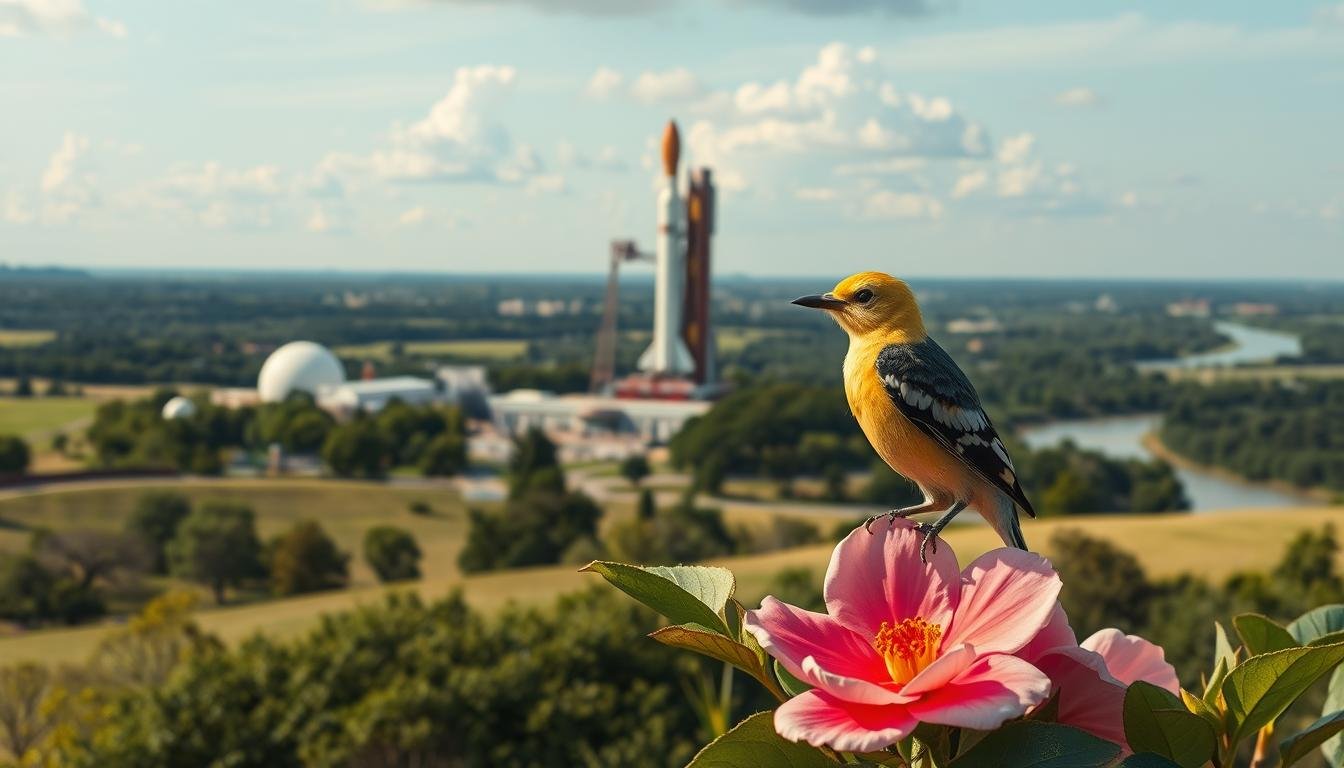
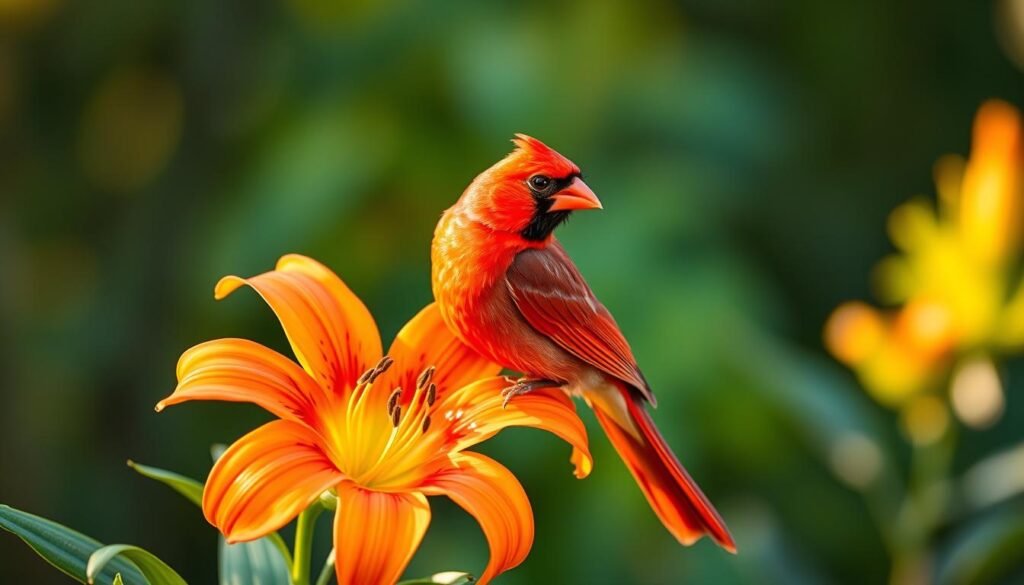
Ready for some symbols that’ll make you say “Wait, really?” Every state has its emblems, but ours? They’re like a backyard treasure hunt mixed with a dash of folklore. Take the fiery red northern cardinal – our official bird since 1926. Fun fact: More united states have adopted this feathery rockstar than any other winged mascot. Beat that, Ohio!
Birds, Flowers, and Unexpected Emblems
Goldenrod gets all the love as the official flower, but here’s the twist: It’s not even yellow! The plant’s grass-like stems burst with tiny gold blooms each fall. Perfect for hiding in hayfields during epic games of hide-and-seek. Classic state move.
Symbol
What It Is
Why It’s Cool
State Drink
Milk
Celebrates dairy farms (no, not bourbon!)
State Butterfly
Viceroy
Mimics monarchs to trick predators
State Musical Instrument
Appalachian Dulcimer
Handmade & sounds like mountain magic
But the real MVP? Our grass. Not blue, but packed with mineral-rich soil that makes thoroughbreds sprint like rockets. This dirt’s so legendary, folks ship it worldwide for horse tracks. Take that, world!
These state symbols aren’t just checklist items – they’re threads in the united states’ cultural quilt. From cardinals serenading backyards to dulcimers echoing through hollers, they’re proof that even small emblems can roar with personality. Who knew state pride could be this colorful?
Geographical Wonders and Hidden Corners
Let’s play a game: Close your eyes and imagine peeling back the land like wrapping paper. What you’ll find underneath? Jaw-dropping formations older than dinosaurs and rivers that wrote history with their currents. Buckle up – we’re going underground and over peaks!
Mammoth Cave: The World’s Longest Cave System
Step into a national park where tunnels stretch over 350 miles – that’s longer than driving from New York City to Pittsburgh! This cave system isn’t just the world’s longest – it’s a time machine. Stalactites drip like melted candles, and underground rivers whisper secrets from 10 million years ago.
Here’s how to explore it like a pro: 1) Feel the air shift as you descend 300 feet 2) Spot rare blind fish in Echo River 3) Touch walls etched by ancient water. If you ask me, the real magic happens when guides kill the lights – total darkness makes your heartbeat sound like drums!
Now let’s surface where three titans clash: the Ohio River, Mississippi River, and Big Sandy River. These aren’t just waterways – they’re master sculptors. Over millennia, they’ve carved cliffs, created islands, and even shifted state borders. Crazy, right?
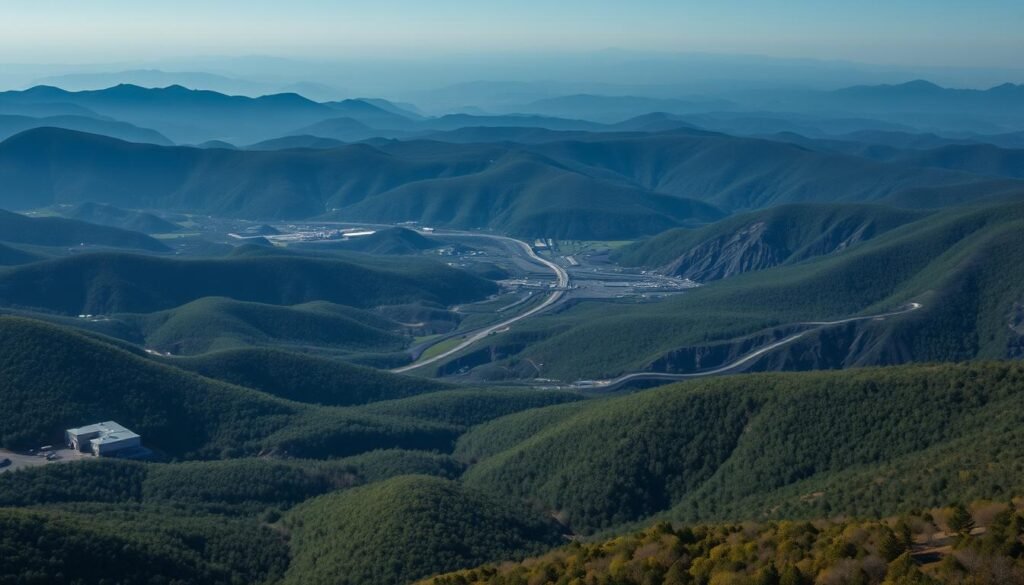
The Appalachian Mountains tell another story. Their rolling peaks hide hollers where morning fog clings like cotton candy. Venture southeast to the Knobs Region – odd little hills that pop up like nature’s speed bumps. Perfect for spotting deer or hunting fossils!
Feature
Role
Cool Fact
Ohio River
Northern border shaper
Carries 230 million tons of cargo yearly
Mississippi River
Western boundary marker
Meet the Big Sandy here – like mixing chocolate milk!
Appalachian Mountains
Eastern fortress
Home to 150+ songbird species
These geographical wonders prove one thing: This place wears its history on the surface – and way beneath it. From dripping caves to singing mountains, every inch has a tale itching to be told. Who’s ready for chapter two?
Cultural Beats and Unlikely Inventions
Ever held something so iconic it feels like holding history? That’s Kentucky’s secret sauce – turning everyday ideas into national treasures. Let’s crack open two stories where splinters met spice and changed America’s game.
When Wood Met Willie Keeler
Picture a sweaty 1884 workshop in Louisville. Seventeen-year-old John Hillerich hears a pro ballplayer’s bat snapped. He grabs a slab of state-grown ash wood – the same stuff fueling horse fences – and carves a new one. You wouldn’t believe it: That hunk of lumber became the first Louisville Slugger, launching a baseball revolution.
Here’s the kicker: Hillerich’s dad thought making bats was a fad. “Stick to bedposts!” he said. But by 1894, they’d sold 2,000 to major leaguers. Today, over 100 million bats later, players still swear by that mining-region ash. Talk about a home run!
Colonel Sanders’ 11th-Hour Hustle
Now flip to 1930s Corbin. Harland Sanders’ gas station café is failing. Desperate, he fries chicken using a pressure cooker meant for gold prospectors’ gear. The result? Crispy magic that drew highway crowds like moths to a lantern.
The wild part? Sanders was 62 when he franchised KFC. His white suit? Pure marketing genius – made him look like a southern gentleman, not a guy who’d just hustled recipes from a roadside shack. Now that’s finger-lickin’ legacy!
Invention
Secret Sauce
Legacy
Louisville Slugger
Ash wood + baseball grit
Used by 60% of MLB players
KFC Original Recipe
Pressure cooker + 11 herbs
Over 25,000 global locations
These state-born breakthroughs prove something: Kentucky’s dirt grows more than bluegrass. It sprouts horse-sense ingenuity that gallops straight into our daily lives. Next time you swing a bat or crunch a drumstick, tip your hat to the dreamers who turned splinters and spices into icons.
Celebrations That Rock: Derby Fireworks and Local Festivities
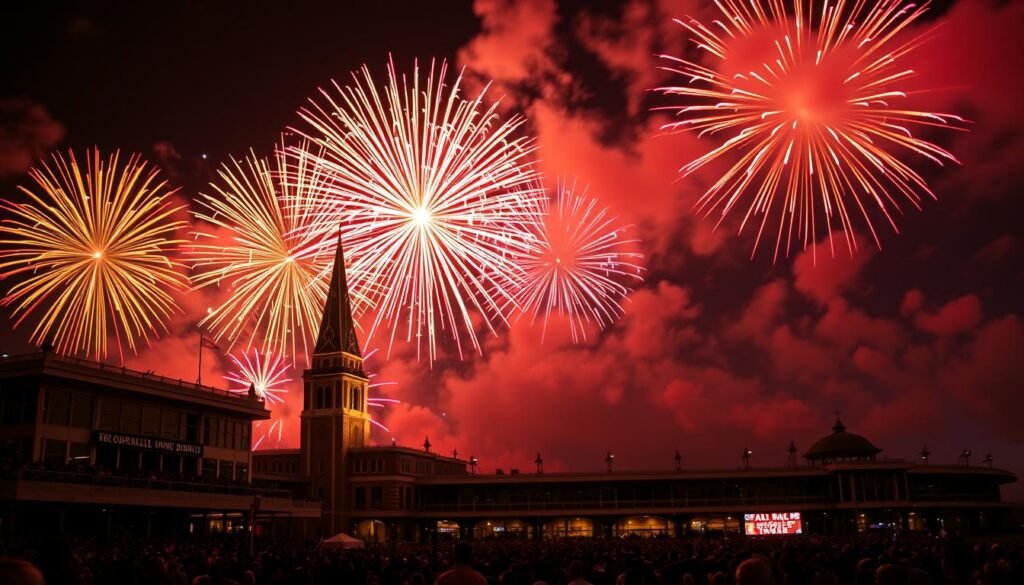
Ever seen a firework show that rattles your soda can from three states away? Welcome to Thunder Over Louisville – the Kentucky Derby’s explosive opening act. This sky-shattering spectacle launches Derby season with 800,000+ fireworks lighting the Ohio River. Pro tip: Bring earplugs. The finale’s boom echoes like 1,000 drumlines practicing at once!
Hats, Horses, and History Collide
Race day at Churchill Downs isn’t just about the horse race. It’s a two-minute thrill wrapped in 150 years of tradition. Ladies sport hats wider than tractor tires. Gentlemen sip mint juleps from silver cups. And every thoroughbred? They’re chasing a $3 million purse – enough to buy a whole hayfield!
Here’s how it unfolds: 1) Trumpets blare “My Old Kentucky Home” 2) 150,000 fans sing through tears 3) Gates crash open. Twenty horses blur past in a rainbow of silks. The winner gets draped in 400 red roses – each petal hand-sewn. Talk about pressure!
Quirky Festivals: From Pickles to UFOs
Swap roses for rubber ducks in Bowling Green’s annual Hot Rods game. Thousands of yellow bath toys race down a water slide – winner gets a truck! Prefer something stranger? Head to Hopkinsville’s Little Green Men Festival. They’ve celebrated a (supposed) 1955 UFO encounter since the Cold War. Aliens optional, funnel cakes mandatory.
Event
Location
Must-See Moment
Thunder Over Louisville
Louisville
Fireworks reflecting on Ohio River
Great American Brass Band Festival
Danville
Civil War-era parade with 1860s uniforms
World Chicken Festival
London
Giant frying pan cooking 7,000 wings
These state celebrations prove one thing: Whether you’re cheering a racehorse or chasing UFOs, there’s always something wild brewing here. Who needs normal when you’ve got history, horses, and enough fried chicken to feed a army?
Kentucky’s Natural Canvas: Forests, Coalfields, and Unique Wildlife
What if I told you this land breathes through its trees and hums with underground riches? Let’s peel back the topsoil to reveal a world where ancient forests rub shoulders with industrial powerhouses – and critters you’d never expect.
Hardwood, Coal, and Limestone Treasures
Dig your boots into dirt that’s 300 million years in the making. Those towering oaks and hickories? They’re why we’re a top-three hardwood producer nationwide. But the real MVP lies deeper – coal beds thicker than grandma’s quilt. Last year alone, miners pulled 30 million tons from these hills. That’s enough to power every home in West Virginia for a decade!
Here’s the kicker: Our limestone isn’t just pretty rocks. It filters groundwater so pure, distillers fight over it for bourbon. You’ll find these karst formations everywhere – nature’s Swiss cheese hiding underground rivers and secret caves.
Local Fauna from Cardinals to Cave Dwellers
Spot a flash of red? That’s our state bird belting out tunes from backyard feeders. But the real party’s underground. Blind crayfish ghost through cave streams, while endangered bats nap in limestone palaces. Pretty cool, right?
River otters playing tag in Cumberland Gap
Goldenrod flowers feeding monarch migrations
Copperheads sunbathing on shale cliffs
This land doesn’t just sustain life – it celebrates it. From West Virginia border hollers to bluegrass meadows, every acre whispers “kentucky home” in a language older than state lines. Who’s ready to explore?
Remarkable Contributions to American History and Culture
Let me drop a truth bomb: This state cranked out presidents and shaped national security like a blacksmith forging iron. Ever heard of a place that birthed both the Union’s savior and the Confederacy’s leader? Buckle up – we’re diving into history’s ultimate odd couple.
From Abraham Lincoln to Fort Knox’s Gold Vaults
Abraham Lincoln wasn’t just born here – he soaked up frontier values that later defined his presidency. His childhood cabin? Built from state-sourced logs that whispered lessons about hard work and equality. Flip the coin: Jefferson Davis, the Confederacy’s president, also drew first breath here. Talk about sibling rivalry on a national scale!
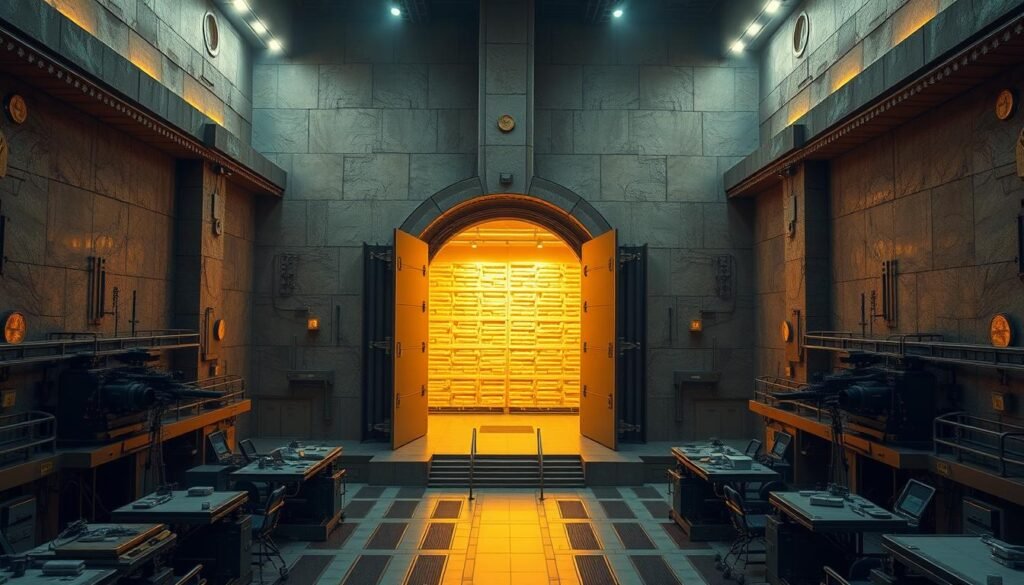
Now let’s talk security theater. Fort Knox isn’t just an army base – it’s America’s real-life dragon hoard. The gold vault here holds 147 million ounces. That’s enough to build a solid gold basketball court taller than the Statue of Liberty! No joke – the door weighs 22 tons and takes 10 people to open.
Figure/Location
Kentucky Connection
National Impact
Abraham Lincoln
Born in Hodgenville
Preserved Union during Civil War
Jefferson Davis
Native of Fairview
Led Confederate States
Fort Knox
Bullion Depository since 1937
Holds 4% of global gold reserves
Don’t sleep on Bowling Green either. During the Civil War, this town swapped hands 17 times! Its railroad hub became chess pieces for blue and gray armies. Today, you can still find cannonball dents in historic buildings – like acne scars from history’s angriest breakout.
Parting Thoughts on Kentucky’s Enduring Mystery
Let’s get real for a second—what makes a place stick in your memory long after you’ve left? Here’s the thing: It’s not just miles of winding rivers or ancient caves. It’s how the Ohio River winks at the Mississippi, trading stories at their sandy meeting point. How the Cumberland Gap still echoes with moccasin footsteps and pioneer dreams.
You gotta admit—there’s magic in details. Like Black Mountain’s coal-rich ridges hiding 300-million-year-old fossils. Or the Big Sandy River carving valleys while barges haul yesterday’s coal mining legacy downstream. Even the national park crown jewel—that longest cave system stretching 400+ miles—feels alive, breathing through limestone pores.
Here’s what I’ve learned: This state thrives on contrasts. It’s where frontier grit shakes hands with bluegrass soul. Where a single word—”home”—means holler echoes, Derby cheers, and cave crickets singing in eternal darkness.
So next time you spot a cardinal or cross the Ohio River, remember—you’re touching a state that’s always…