Let’s cut to the chase: this state isn’t just wheat fields and “we’re not in Kansas anymore” jokes. It’s where tornadoes throw tantrums, bison once owned the neighborhood, and someone thought, “Hey, let’s build a palace… underground… made of salt.” Trust me, Dorothy’s home state has more surprises than a prairie dog’s hideout.
With nearly 3 million people calling it home, the Sunflower State packs history and weirdness into every square mile. Take Topeka – the capital that sounds like a sneeze – or Wichita, where skyscrapers rise like cornstalks. And yes, those giant fuzzy beasts you see on state flags? Actual bison herds still roam here, living their best Jurassic Park-adjacent lives.
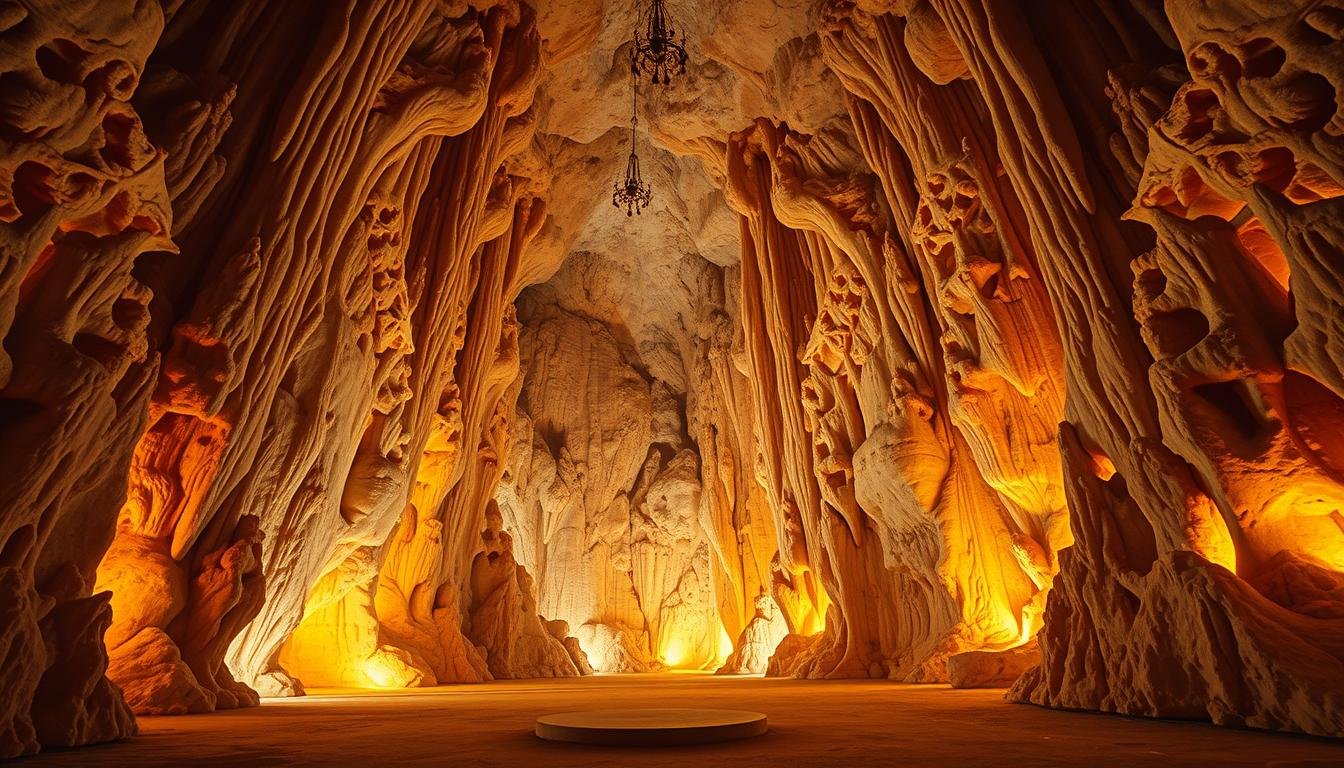
Oh, and about that salt palace? It’s real. The Strataca salt mines double as a storage facility and a museum 650 feet below ground – cooler than your average basement. But hold onto your hats (literally), because Kansas sits in Tornado Alley. The sky here doesn’t just change moods – it throws full-blown atmospheric concerts.
You’re not here for boring stats, so I’ll skip the fluff. Let’s dig into what makes this place tick – from salt caves to storm chasers – without putting you to sleep. Deal?
Remarkable Kansas History Unraveled
History here isn’t just dusty textbooks—it’s mammoth bones and land deals that reshaped a continent. Let me show you how ancient footprints and political handshakes turned this place into a battleground of ideas.
Ancient Settlers and Native Tribes in the Heartland
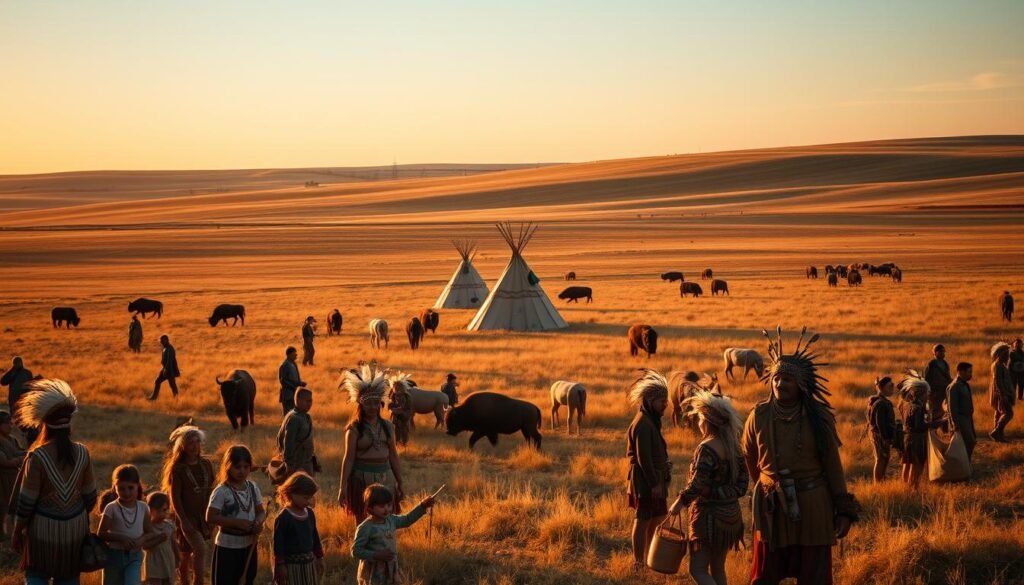
Picture this: 12,000-year-old mammoth bones with tool marks near Kanorado. That’s right—humans hunted Ice Age giants here before pyramids existed. Fast-forward to the Kansa people, who named this land and left trails that became I-70 exit ramps. The Comanche? They turned the plains into a horseback empire, trading bison hides like modern-day influencers.
Lightning-Fast Lessons from the Louisiana Purchase
Napoleon sold 828,000 square miles to the U.S. in 1803 for four cents an acre. Suddenly, the Kansas territory became part of America’s westward shuffle. But this deal had strings attached. By the 1850s, “Bleeding Kansas” erupted as pro- and anti-slavery settlers literally fought to control the region’s future—a messy preview of the civil war.
Fun fact: The Louisiana Purchase paperwork didn’t even mention Kansas. Yet this land grab made it a pawn in America’s chess game. When Kansas became a state in 1861, it entered the Union as free soil—but only after years of ballot-stuffing and border skirmishes that rewrote the rulebook on democracy.
Kansas in the Making: Bleeding Kansas and Civil Controversy
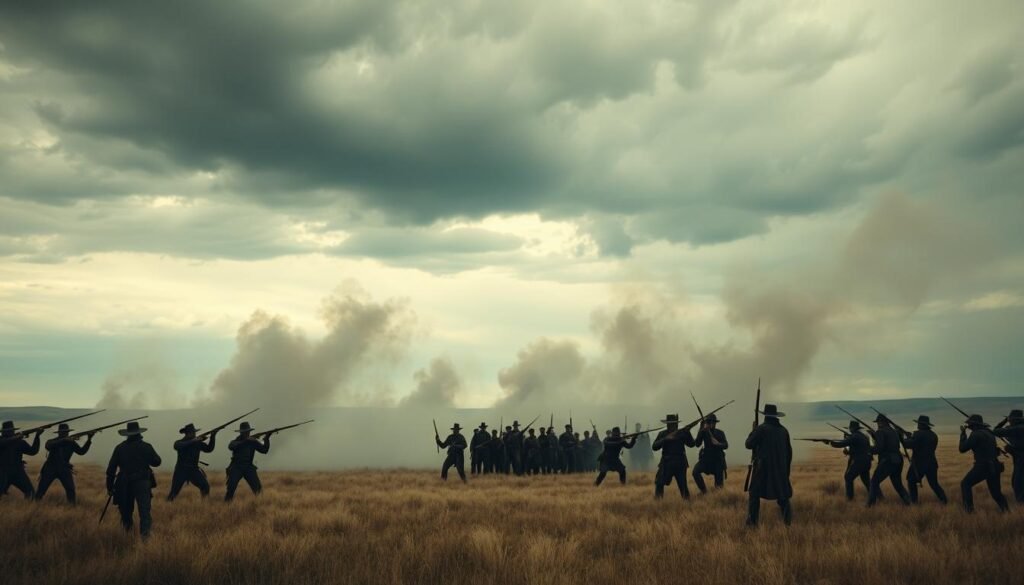
Hold onto your hats—this isn’t your grandma’s history lesson. The 1854 Kansas-Nebraska Act lit a match in America’s powder keg, turning the “free soil” debate into full-blown guerrilla warfare. Forget political debates—settlers brought rifles to ballot boxes here.
Meet the original antiheroes: Jayhawkers. These ragtag militias started as land-grabbing outlaws but flipped the script. By 1856, they were torching pro-slavery towns like Franklin—think Robin Hood with a Midwestern twang. Their nickname stuck so hard, the University of Kansas adopted it for sports teams decades later. Talk about a glow-up!
A Free State Emerges Amid Conflict
The “Bleeding Kansas” years (1855-1861) were messy. Pro-slavery raiders sacked Lawrence in 1856. Abolitionist John Brown retaliated at Pottawatomie Creek—five dead in one night. Congress counted four years of fake votes and bullet-riddled ballots before finally admitting Kansas as a free state in 1861. Victory? Sure. But the land still bore scars when the Civil War began weeks later.
Event
Date
Impact
Kansas-Nebraska Act
1854
Allowed settlers to vote on slavery
Sack of Lawrence
1856
Pro-slavery attack destroyed free-state HQ
Pottawatomie Massacre
1856
John Brown’s violent retaliation
Statehood Achieved
1861
Entered Union as free state #34
Funny thing—those blood-soaked years shaped Kansas’ DNA. The Jayhawker spirit lives on in west-bound road trips and wheat field work ethics. Next time you see a KU basketball game? Remember: their mascot’s roots are darker than a tornado sky.
Exploring Kansas Geography – Land of Plains and Hills
Think Kansas is flat? Think again—this state’s got more layers than a prairie onion. Let me show you how gentle slopes and hidden valleys make this place a geologist’s playground.
Unpacking Remarkable Landforms and Fluvial Treasures
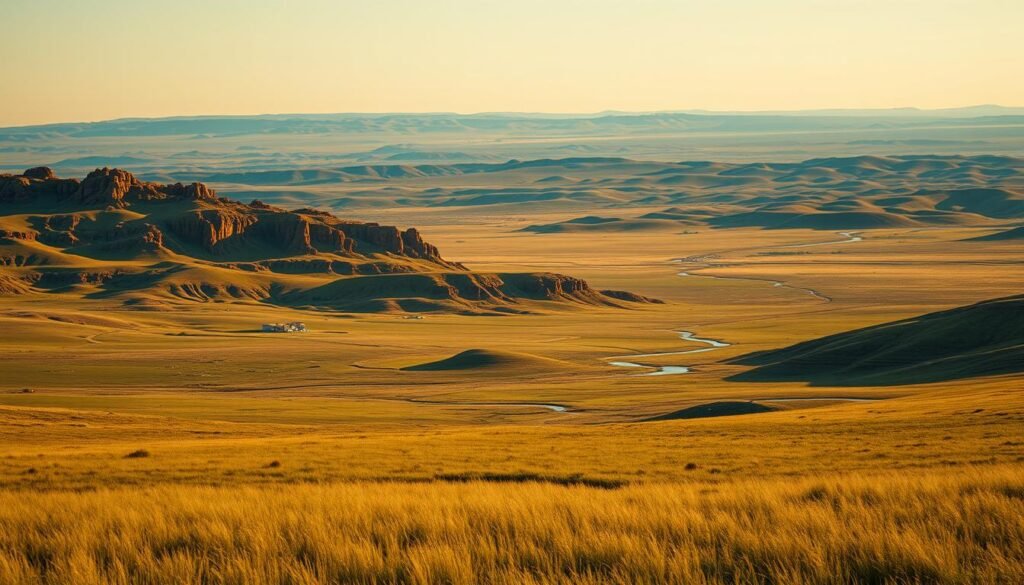
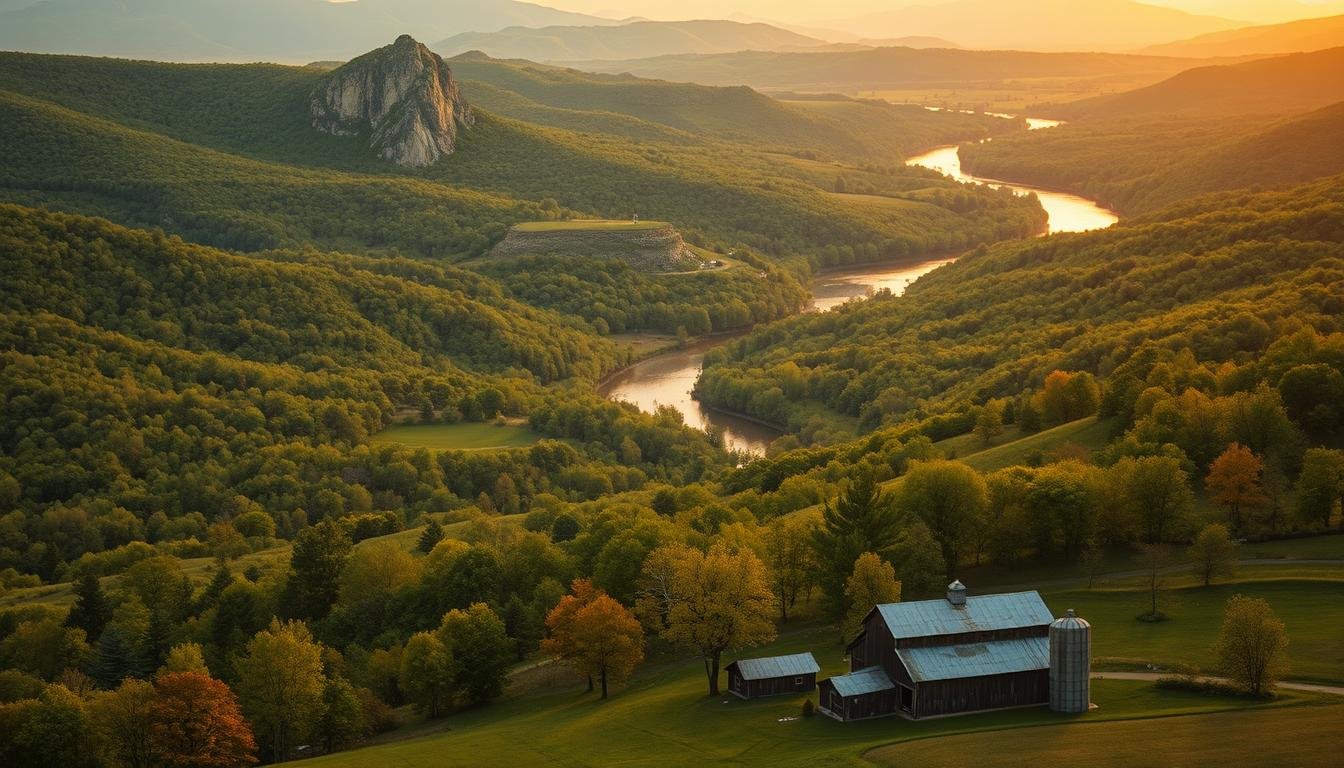
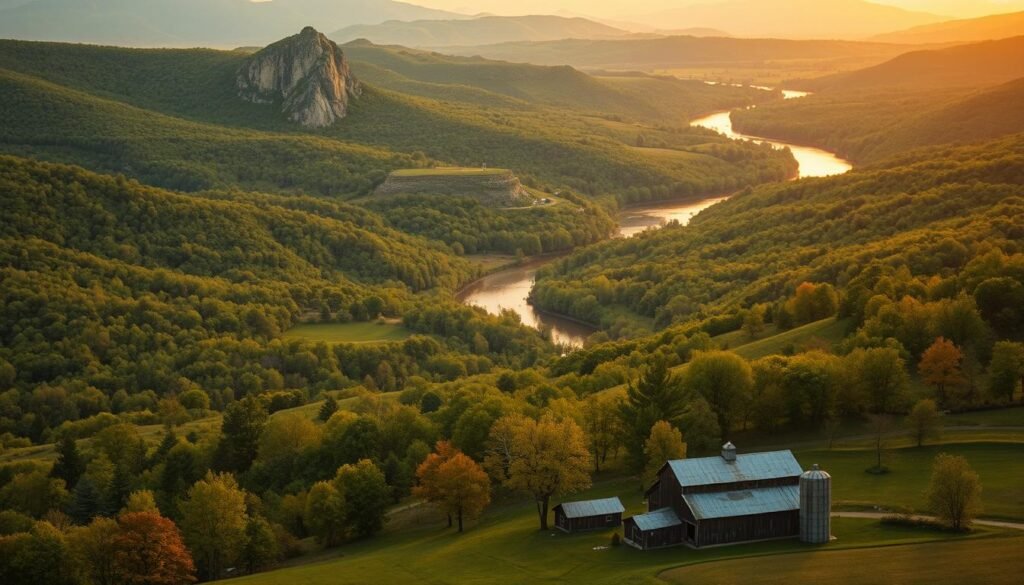
The Flint Hills will blow your mind. These rocky ridges in the east survived glaciers that flattened everything else—like nature’s stubborn bulldozer blockers. You’d swear they’re guarding secrets in their limestone layers.
Head south and the Osage Plains tell a different story. Eroded shale creates waves in the earth that look like petrified ocean swells. And those “dissected till plains” up north? That’s fancy terms for land sliced open by ancient rivers—picture God’s pottery wheel gone wild.
Landform
Location
Party Trick
Flint Hills
Eastern territory
Last remaining tallgrass prairie
Osage Plains
Southcentral
Shale formations older than dinosaurs
Dissected Till Plains
Northeast
Glacial leftovers carved by rivers
Here’s the kicker: the state’s nickname isn’t just about flowers. Those sunflowers thrive because the territory shifts from wet river valleys to dry high plains. Perfect for kids studying how ecosystems adapt—or anyone who digs dramatic horizon changes.
Don’t sleep on the Arkansas River either. It cuts through the south like a lazy serpent, creating sandbars that’re prime frog-catching spots. Who knew a place with “flat” in its name could have this much texture?
Wheat, Wind & Wildlife: The Natural Wealth of the Sunflower State
Let’s get our boots dirty. This land doesn’t just grow crops—it engineers them. Scientists here have turned wheat into a mathematical equation, calculating exact planting depths and wind-resistant stalk angles. Sumner County alone produces enough grain annually to wrap around the Earth twice. That’s not farming—that’s edible architecture.
Prairie Life, Bison Stampedes, and Cropland Brilliance
Dodge City knows the drill. Morning dew on wheat stalks? That’s nature’s alarm clock. The Kansas River basin acts like a liquid conveyor belt, funneling nutrients to roots while jackrabbits play hopscotch through the rows. Modern combines here have more tech than a spaceship—GPS-guided harvesters avoid crushing a single stem.
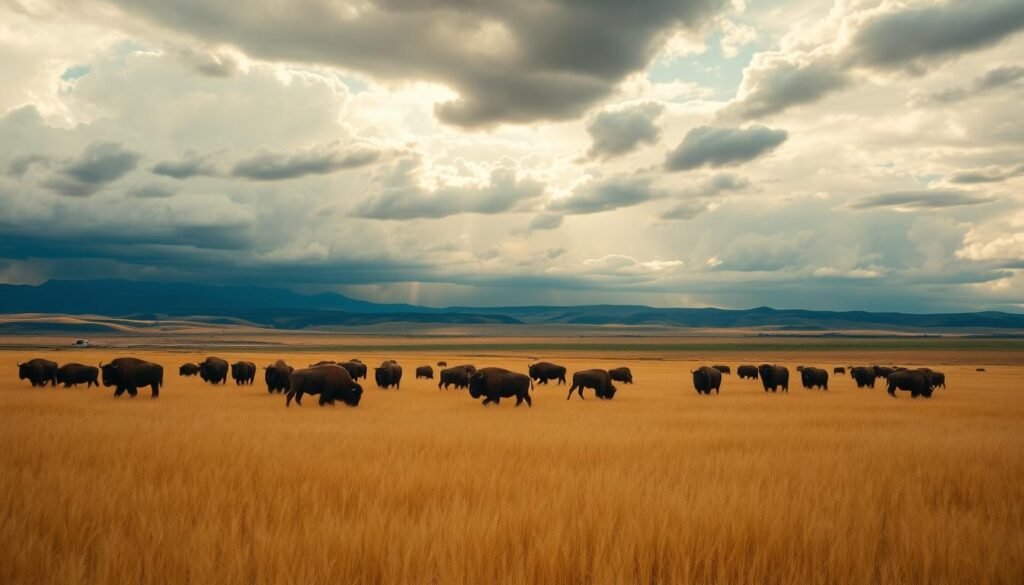
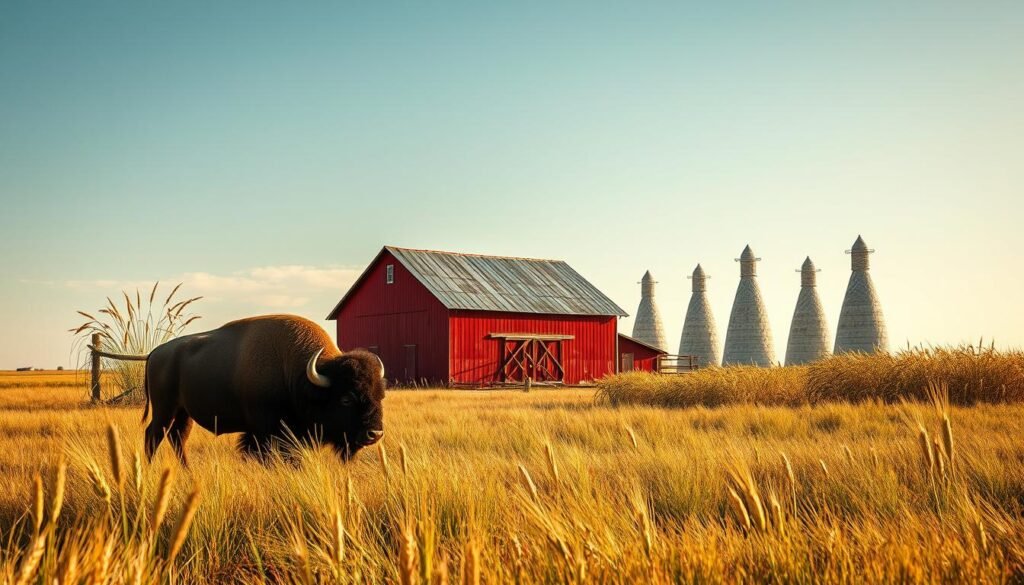
Now flip the script. Bison herds near Kansas City move with thunderous energy, their hooves aerating soil better than any plow. These wooly bulldozers maintain prairie ecosystems like unpaid landscapers. One minute you’re watching calves nuzzle mothers—the next, a dust devil whirls through, reminding everyone who’s really in charge.
Crop/Animal
Annual Production
Economic Impact
Winter Wheat
319 million bushels
$1.8 billion
Bison Herds
5,000+ animals
$12 million tourism
Wind Energy
41% state power
6,000+ jobs
Here’s the kicker: that famous U.S. state wind isn’t just for tornadoes. Turbines near Dodge City spin like hyperactive pinwheels, powering irrigation systems that water 3 million acres. Farmers joke about “harvesting air” between wheat cycles—turns out science agrees. Who knew the prairie could be both breadbasket and power plant?
Kansas Facts for Kids: Tornado Alley and Bison Roam
Ever wondered why the sky here throws epic tantrums? This stretch of North America doesn’t just host tornadoes—it conducts them. Let’s decode nature’s drama without the doomsday hype.
Understanding Tornado Patterns Without the Hype
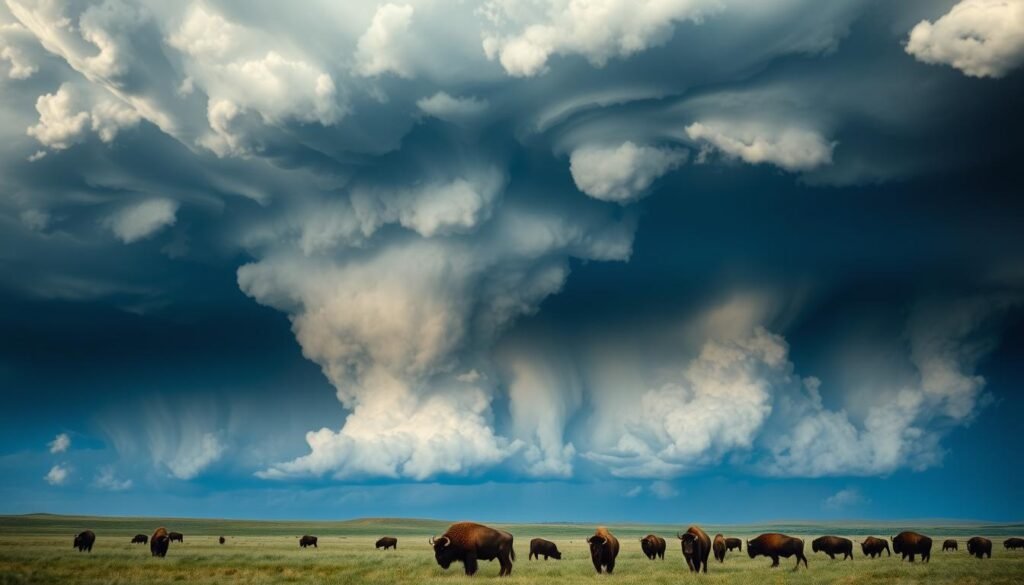
Twisters here aren’t random. They follow a secret recipe: warm Gulf air collides with cool Rockies drafts over the Arkansas River basin. Result? About 96 touch down yearly—more than any other 34th state.
Meteorologists track these funnels like storm detectives. The record holder? A 1999 monster that carved a 68-mile path. Yet most last under 10 minutes—shorter than your math class.
Bison: More Than a Wild West Icon
These shaggy giants aren’t just animals—they’re climate engineers. Herds near the Arkansas River compact soil with their weight, creating natural water reservoirs during droughts. Their wallows become microhabitats for other animals, proving nature’s genius.
When this became the 34th state in 1861, bison outnumbered people 100:1. Today’s conservation herds mirror that legacy—living symbols of the world’s last intact prairie ecosystem. Their comeback story? Straight out of a wildlife thriller.
Underground Wonders: Salt Palaces and Hidden Stories
Beneath Kansas’ endless skies lies a world that’ll make spelunkers jealous. We’re talking salt caverns so vast you could park a jumbo jet sideways. And yes, someone actually tried that once.
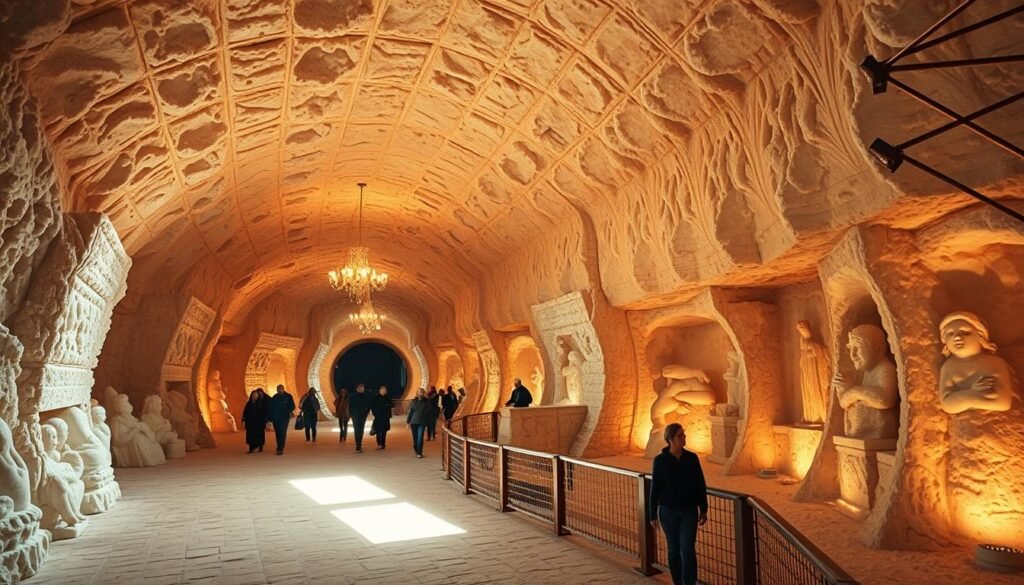
Strataca isn’t your average museum. Descend 650 feet—that’s six Statues of Liberty stacked—and you’ll find corridors of pink salt older than dinosaurs. These deposits formed when ancient seas evaporated, leaving behind a mineral buffet. Pro tip: lick the walls. (Just kidding… mostly.)
The mine doubles as America’s largest movie storage vault. Original Star Wars reels chill here alongside 7 million other records. It’s like a Netflix server farm, but with better air conditioning—a steady 68°F year-round.
Feature
Depth
Age
Fun Fact
Salt Walls
650 ft
275M years
Contains traces of prehistoric algae
Storage Vaults
700 ft
1940s+
Holds FBI backup files
Dark Zone
800 ft
N/A
Pitch-black mining exhibits
Forgotten mining towns dot the labyrinth below. Their tools still rust in place, preserved by salt’s natural anti-corrosion powers. It’s eerier than your basement during a power outage—and way more educational.
Here’s the kicker: this subterranean center pumps out 500,000 tons of salt yearly. That’s enough to de-ice every road in seven states. Next time you gripe about winter slush? Thank these underground warriors.
Fascinating Kansan Characters and Cultural Nuggets
Ever met someone who could outfly history and out-saxophone a revolution? Meet Amelia Earhart from Atchison—the first woman to solo across the Atlantic. She once buzzed her hometown so low, locals swear she winked at them through cockpit glass. Then there’s Charlie “Bird” Parker, the jazz saxophonist who turned Kansas City’s 18th Street into a bebop laboratory. His solos still haunt the eastside like musical ghosts.
Icons, Outlaws, and Airtight Anecdotes
Wild Bill Hickok? Dodge City’s mustachioed marshal faced down outlaws with twin pearl-handled revolvers. Legend says he once shot a fly off a bartender’s nose at 20 paces—though the bartender quit immediately. Meanwhile, cattle drives birthed a different breed of hero. Black cowboys like Nat Love roamed the Chisholm Trail, herding longhorns while battling stereotypes sharper than barbed wire.
The Jayhawker spirit survived statehood too. Ever heard of “Bloody” Mary Ann Bickerdyke? This Civil War nurse turned army camps into hygiene havens, scolding generals louder than cannon fire. Her secret weapon? A cast-iron skillet for both cooking and… persuasion.
Figure
Claim to Fame
Kansas Connection
Legacy
Amelia Earhart
Aviation pioneer
Born in Atchison (1897)
Inspired NASA’s first female astronauts
Charlie Parker
Jazz revolution
Kansas City’s jazz incubator
Named a Pulitzer Prize special citation (2024)
Wild Bill Hickok
Frontier lawman
Dodge City marshal
His death inspired “dead man’s hand” poker term
Jayhawkers
Anti-slavery militants
Operated statewide
KU mascot + state identity
These stories aren’t just trivia—they’re survival tales. When slavery debates split the territory, folks didn’t just pick sides. They rewrote the rulebook with grit and six-shooters. Even today, that energy lives in the animal-taming rodeos of Hutchinson and the wind-whipped determination of Wichita’s aerospace engineers. Kansas doesn’t make icons—it forges them in prairie fires.
Wrapping Up with a Kansas Adventure
Ready to connect the dots? Here’s your cheat sheet for a state that rewrites expectations:
Tornadoes choreograph atmospheric drama while bison hooves keep ancient prairie rhythms – nature’s ultimate tag team
That salty labyrinth 650 feet down? Just the tip of the iceberg. Strataca’s pink-tinged walls hold more stories than a library shelf
Flip through any page of history and you’ll find indigenous tribe innovations buried under pioneer myths
The Arkansas River’s finned residents school through currents that once carried steamboats. Flint Hills horizons hide more layers than an onion – each ridge a geological cliffhanger.
Wind turbines spin yarns about clean energy futures
Jayhawker ghosts still debate politics in abandoned barns
Every wheat stalk whispers, “Bet you can’t guess my next move”
So… when’s your expedition starting? Those salt corridors keep expanding. The prairie’s still counting its bison. And the sky? Always brewing new tornadoes – nature’s way of saying, “You think you’ve seen it all?”