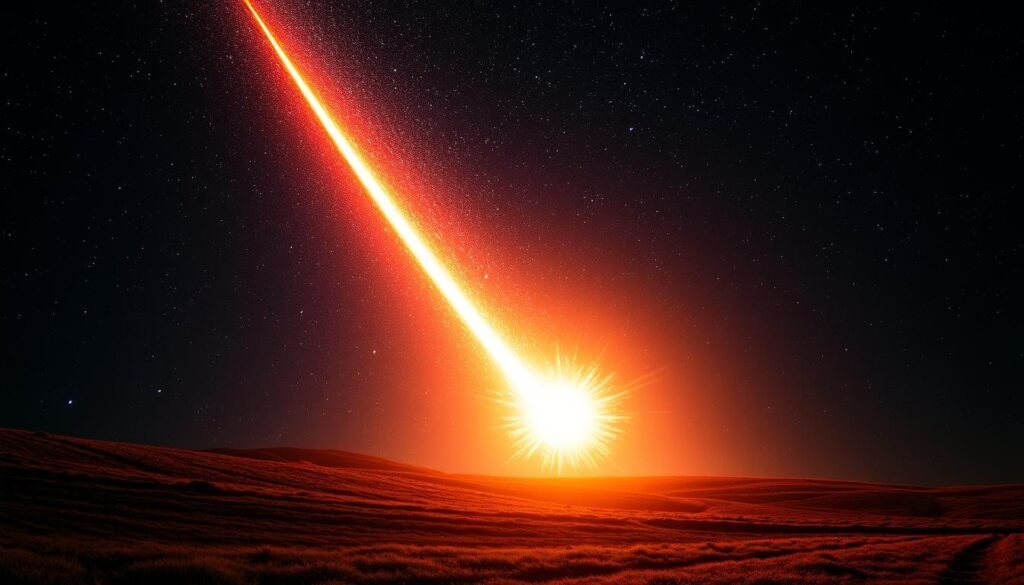
Ever held something older than Earth itself? That shiny necklace or Olympic medal you’ve seen? It’s made of stardust. Yep—gold literally crashed here billions of years ago when meteorites bombarded our planet. Scientists even found traces of this cosmic confetti in rocks older than continents.
Ancient rulers like Egypt’s pharaohs didn’t know about space rocks, but they loved showing off gold’s glow. King Tut’s death mask? Over 20 pounds of hammered brilliance. Fast-forward to today: we call it Au (from aurum, Latin for “shining dawn”). Fancy, right?
Here’s the kicker: gold’s density means a standard bar weighs 27 pounds—like lugging a cinderblock in your backpack. Yet it’s so soft you could bite it (don’t—your dentist will cry). Modern tech uses it in gadgets because it never rusts, which is why your phone has flecks of this immortal metal.
So why does gold matter? It’s a time capsule. A science experiment. A cultural obsession. And hey—if you ever find a nugget, you’re holding a piece of the universe’s greatest fireworks show. Not bad for an element that’s been literally cool for 4.5 billion years.
Cosmic Beginnings and Formation Mysteries
Billions of years before pyramids or smartphones existed, our planet received its golden inheritance—via meteorite delivery. Space rocks bombarded early Earth, depositing enough metal to fill 160 Olympic pools. Talk about an interstellar UPS service!
Stardust Payloads and Planetary Surprises
Here’s the wild part: 99% of Earth’s accessible element Au arrived during this cosmic shower. Geologists found matching gold isotopes in 3.8-billion-year-old rocks and modern asteroids. Ancient impacts literally paved the way for Egyptian crowns and Fort Knox vaults.
Meteorite Gold
Earth’s Crust Gold
Key Difference
Concentrated in veins
Scattered particles
Formation process
Higher purity levels
Mixed with silver
Elemental composition
Delivered via impacts
Volcanic uplift
Source mechanism
Treasure Maps Through Time
Roman emperors minted coins from Spanish riverbeds—gold’s first currency gig. Meanwhile, Pharaohs built death masks using 22-karats sheets thinner than notebook paper. These early miners had no drills, just fire and vinegar to crack quartz.
The United States caught gold fever in 1848. Prospectors panned 750,000 pounds from California streams in a decade. Modern tech lets us extract one ounce from 250 tons of rock—proof that celestial gifts require serious work!
Elemental Science and Everyday Gold Uses
What do astronaut helmets and your phone have in common? A sprinkle of Au—gold’s scientific name from the Latin aurum, meaning “glowing dawn.” This metal packs atomic number 79, making it heavier than lead but softer than your fingernail. With a density of 19.3 grams per cubic centimeter, a brick-sized chunk would weigh as much as a cinderblock!
Chemical Profile: Au and Atomic Wonders
Gold’s secret sauce? Its electrons. One ounce can stretch into a wire 5 miles long—perfect for microchips. NASA lined Apollo 11 visors with ultra-thin gold sheets to reflect heat. That same conductivity keeps your phone from frying when you binge-watch cat videos.
Gold in Electronics, Dentistry, and Dazzling Jewelry
Surprise: Your mouth might host more science than jewelry stores. Dentists use gold alloys for crowns because they’re biocompatible and corrosion-proof. Meanwhile, your laptop relies on gold-plated connectors to shuttle electricity at lightning speed.
In the United States alone, tech companies use 100+ tons of gold annually. Yet 78% still ends up as necklaces and rings. From ancient Aztec nose ornaments to SpaceX circuit boards, this element bridges art and innovation like nothing else.
Gold Facts for Kids: Exploring the Element’s Fun Side
Imagine holding a metal so bendy you could mold it like playdough—but tougher than your grandma’s antique silverware. That’s Au for you. Let’s dig into why this element keeps surprising everyone from jewelers to rocket scientists.
Soft Yet Mighty: Quirky Properties of Gold
Gold’s softness is legendary. A single ounce can become a 100-square-foot sheet—enough to wrap your entire bedroom door! Ancient artisans hammered it into gold leaf thinner than printer paper for temple decorations. But don’t let squishiness fool you: this metal never tarnishes. That’s why 24-karat coins from sunken ships still gleam after centuries underwater.
Historical Gold Rushes and Unexpected Discoveries
South Africa’s 1886 rush started when a farmer tripped over a rock—turned out to be the world’s largest gold deposit. Down under, Aussie miners found the 156-pound “Holtermann Nugget” in 1872. My favorite? California prospectors used frying pans as mining tools during the 1849 fever. Talk about kitchen-to-riches!
Gold Rush
Year
Quirky Fact
Witwatersrand (South Africa)
1886
30% of Earth’s mined gold
Hill End (Australia)
1851
Largest surviving nugget: 630 oz
Klondike (Canada)
1896
Used moose hides as sluice mats
Gold in Culture: From Pharaohs to Modern Gadgets
Egyptians believed pharaohs needed pure gold to bribe gods in the afterlife. Fast-forward: your PlayStation controller contains recycled gold from old jewelry. Dentists even use it for crowns—because who doesn’t want a million-dollar smile?
Here’s the kicker: we’ve mined enough gold to fill three Olympic pools. Yet 90% remains underground. Next time you spot a gold-plated charging cable, remember: you’re literally holding history and science in your palm.
Golden Legacy: Past Marvels, Future Adventures
What if I told you the same metal that built empires could power spaceships? South Africa’s Witwatersrand rush birthed modern cities, while the United States’ 1849 fever reshaped global money systems—both proving this element’s world-changing power.
Those hefty bars in bank vaults? Their weight once measured wealth. Now, their density inspires asteroid miners planning to extract pure gold from space rocks. Imagine lunar bases using 3D printers to craft Mars rover parts from cosmic ore!
Today’s science plays wilder games. Researchers embed gold nanoparticles in batteries to supercharge electricity storage. Your next phone might run twice as long thanks to stardust tech.
From South Africa’s deep mines to zero-gravity smelters, this element keeps rewriting rules. And hey—if we ever mine asteroids, we’ll finally have enough gold to plate every skyscraper in Manhattan. Twice.