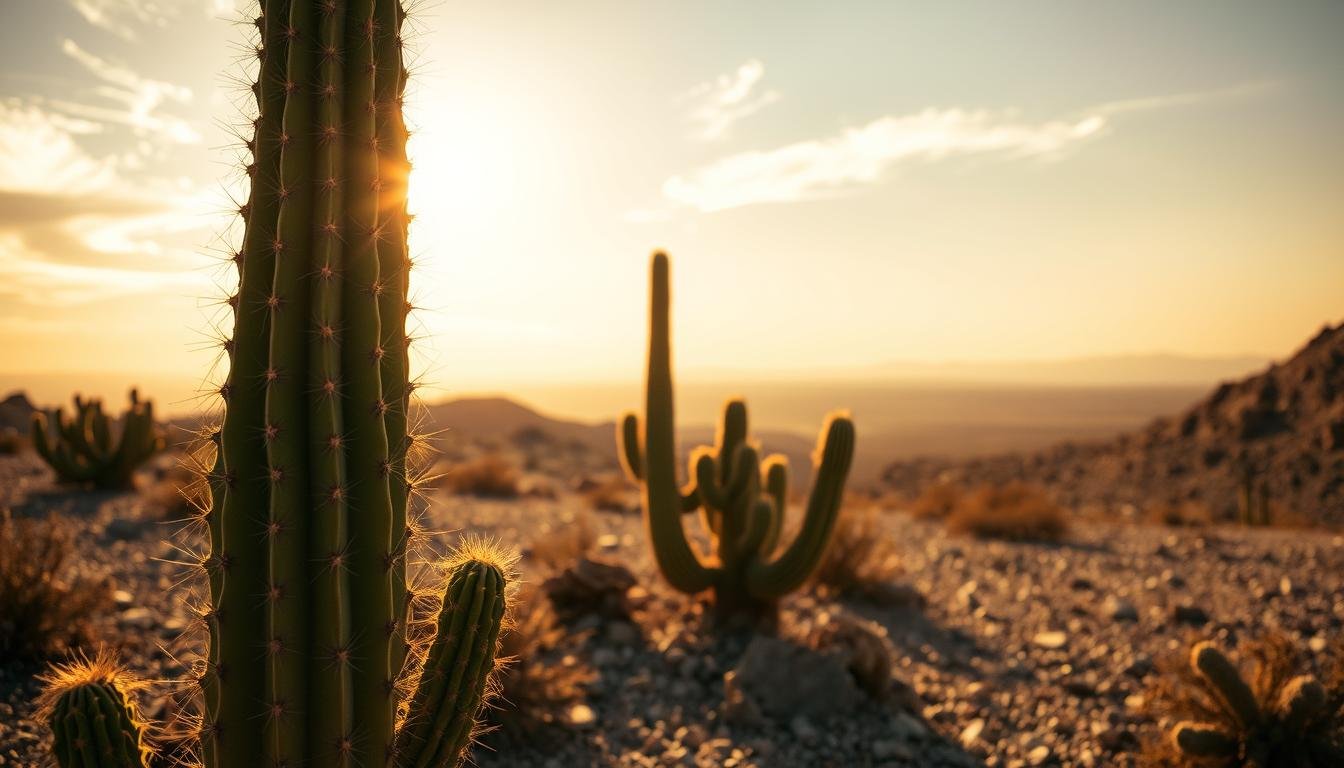
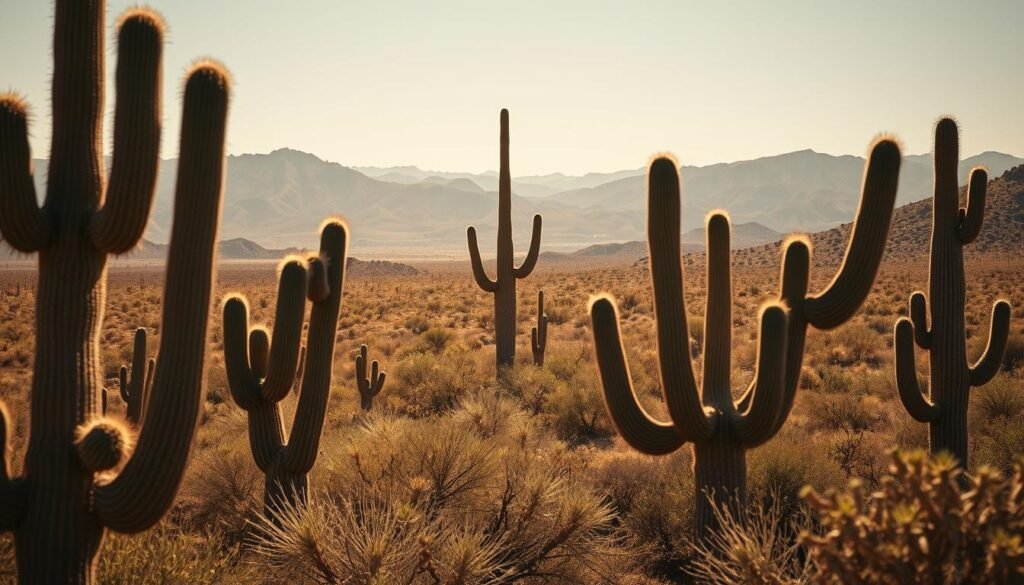
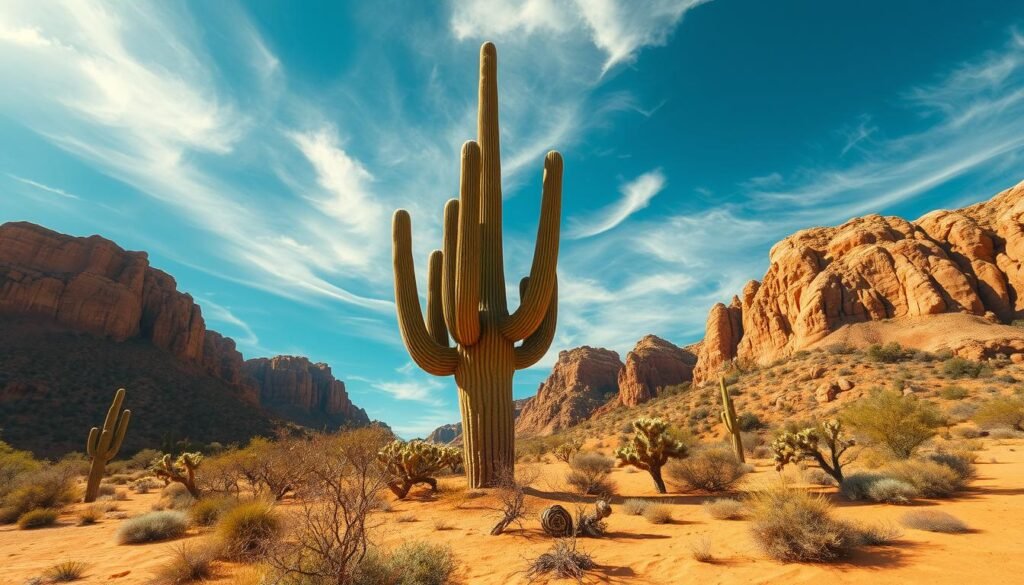
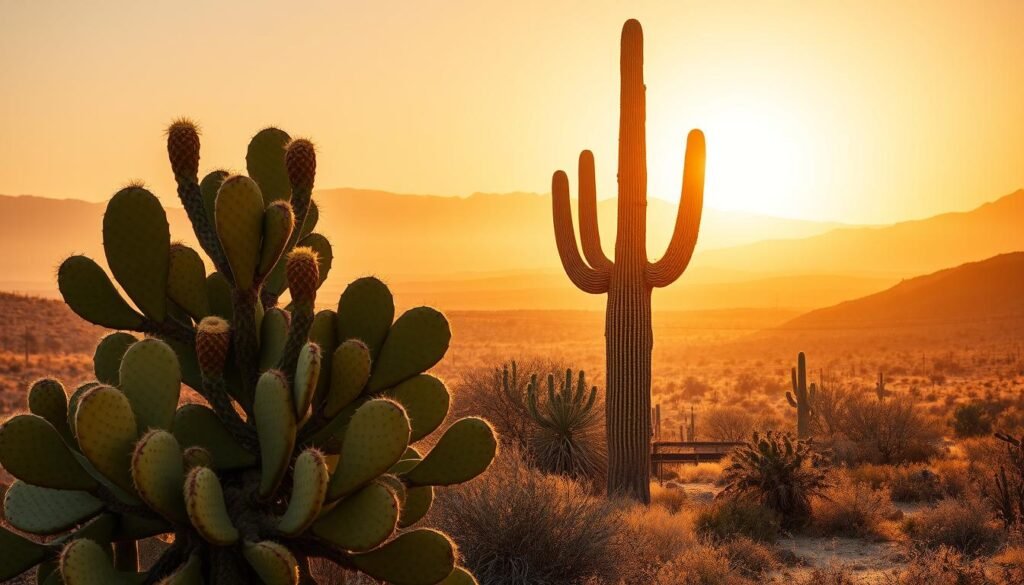
Cacti are the ultimate desert survivors. They turn harsh landscapes into thriving ecosystems. These prickly plants are nature’s true superheroes, equipped with incredible abilities that help them live where almost no other plants can survive.
Desert plants like cacti have developed mind-blowing strategies to beat extreme heat and survive in some of the world’s toughest environments. Their spiky exterior isn’t just for protection – it’s a complex survival system that makes these cactus facts for kids absolutely fascinating.
Imagine a plant that can store water for months, protect itself from hungry animals, and bloom beautiful flowers in the middle of a scorching desert. Cacti do all this and more, making them the true champions of the plant world.
From tiny barrel cacti to massive saguaro giants, these remarkable desert plants have evolved incredible superpowers. These superpowers allow them to thrive where other plants would quickly wither away. Kids who love adventure and nature will be amazed by the extraordinary world of these prickly plants.
Buckle up for an exciting journey into the secret life of cacti – where survival is an art form and every spine tells a story of adaptation and resilience!
What Makes Cacti Desert Superheroes
Cacti are true desert heroes, with amazing adaptations for survival. They live in some of the toughest places on Earth. These plants have incredible skills that make them desert superheroes.
Surviving in extreme conditions requires special abilities. Cacti have evolved remarkable strategies for desert survival. Their unique traits let them thrive where most plants can’t.
Amazing Water Storage Powers
Water storage is key for desert plants. Cacti turn their whole body into a water tank. Their thick stems store moisture for months or even years during drought.
Stems can expand and contract to manage water reserves
Waxy exterior prevents water loss through evaporation
Some cacti can absorb water in just a few hours after rare desert rainstorms
Natural Armor System
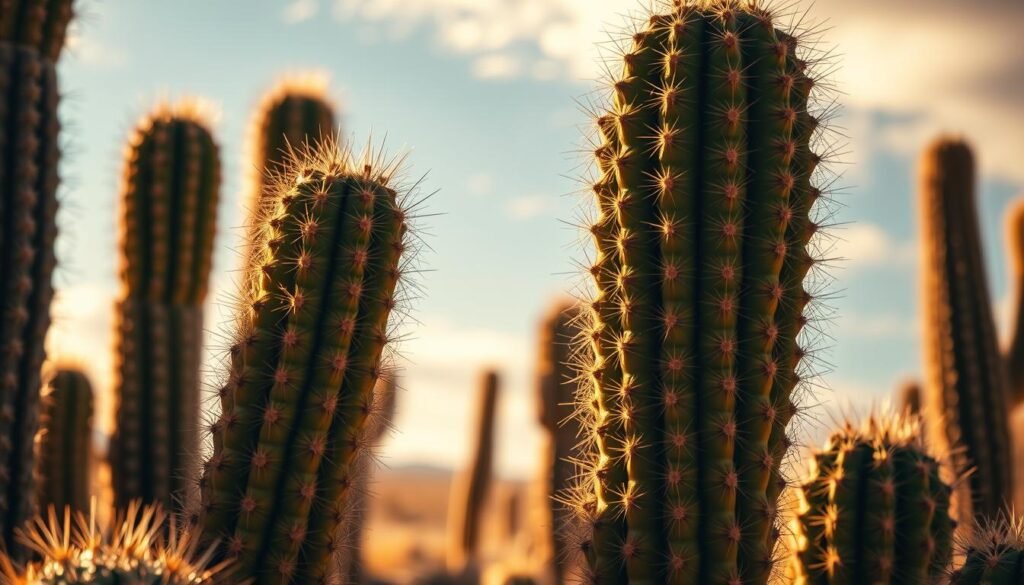
Cactus spines do more than just defend. They also create shade, reduce air movement, and protect against animals. This helps them survive in the desert.
Spines block intense sunlight
Reduce water loss by creating a microclimate
Provide physical protection from desert predators
Survival in Extreme Conditions
Desert environments are tough for even the toughest organisms. Cacti have incredible adaptations to beat the heat and survive with little resources. Their roots quickly absorb water from rare rain, and their photosynthesis helps them save energy.
Nature’s most ingenious survival strategy lives right in the heart of the desert!
Meet the Mighty Saguaro: The Giant of American Deserts
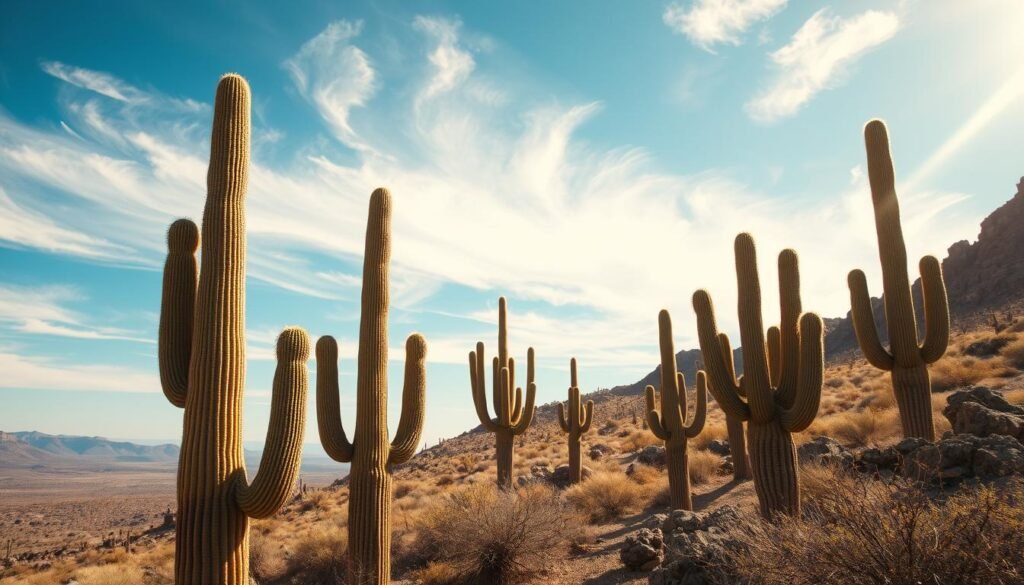
The saguaro cactus is the undisputed king of the Sonoran Desert. It’s the largest cactus species, known for its incredible size and unique features. Imagine a plant that can grow taller than a two-story building and live longer than most human lifespans!
Saguaro cacti are true desert survivors. They grow incredibly slowly, taking about 75 years to develop their first arm. These majestic plants can reach remarkable heights of 40-50 feet, making them true giants of the desert landscape.
Can grow up to 40-50 feet tall
Live for an impressive 200 years
Take 75 years to grow their first arm
Unique to the Sonoran Desert ecosystem
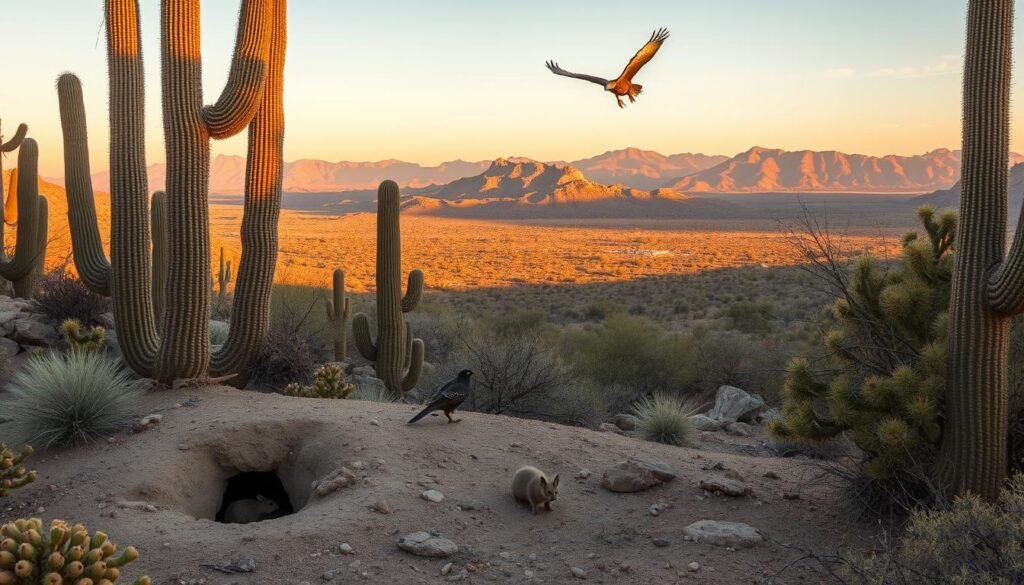
Wildlife depends on these incredible cacti for survival. Woodpeckers create nests in their sturdy trunks, while birds and small animals find shelter among their branches. The saguaro cactus isn’t just a plant – it’s an entire ecosystem supporting desert life.
Each saguaro tells a story of resilience. Their ability to store massive amounts of water allows them to thrive in extreme desert conditions where other plants would simply perish. These cacti have adapted perfectly to the harsh environment of the Sonoran Desert, becoming true champions of survival.
Smart Ways Cacti Beat the Heat
Cacti are nature’s ultimate desert survivors. They have amazing cactus adaptations to thrive in hot environments. These plants have clever ways to survive the desert heat, making them seem like superheroes.
Desert landscapes are tough, but cacti have special survival tricks. They can endure where other plants would quickly fade away.
Special Skin Protection
Cactus skin is like a high-tech shield against desert heat. Their waxy, thick exterior does several things:
Reflects harsh sunlight
Prevents water loss
Reduces surface temperature
Root Superpowers
Cactus roots are engineering marvels for water collection. These underground networks spread out to catch every drop of moisture:
Shallow but wide-reaching root systems
Rapid water absorption capabilities
Efficient water storage in plant tissues
Night-time Activities
Many cacti have nocturnal survival strategies. At night, when it’s cooler, they open their pores. This way, they collect and store carbon dioxide, saving water during the hot day.
These amazing cactus adaptations show nature’s incredible ability to survive in tough environments.
Cactus Facts for Kids: Nature’s Most Fascinating Plants
Cacti are truly unique plants! They have amazing adaptations that help them survive in harsh environments. Their ability to save water and their interesting shapes are just a few fascinating facts.
Let’s dive into some amazing cactus trivia. You’ll see these plants in a whole new way. Did you know cacti thrive in some of the toughest places on Earth?
The smallest cactus in the world is the Blossfeldia liliputana, which can be smaller than a dime!
Some cacti can live for over 200 years
Cacti can grow in temperatures from freezing to 120 degrees Fahrenheit
Cacti have incredible features. They can store water like a built-in bottle. This helps them survive during long droughts.
Cactus Type
Unique Feature
Interesting Fact
Saguaro Cactus
Massive Size
Can grow up to 60 feet tall
Barrel Cactus
Water Storage
Can store up to 200 gallons of water
Prickly Pear
Edible Fruit
Produces sweet, nutritious fruit
Nature has made cacti survival experts. Their spines protect them and help collect moisture. They also provide shade for the plant’s surface.
The Secret Life of Cactus Spines
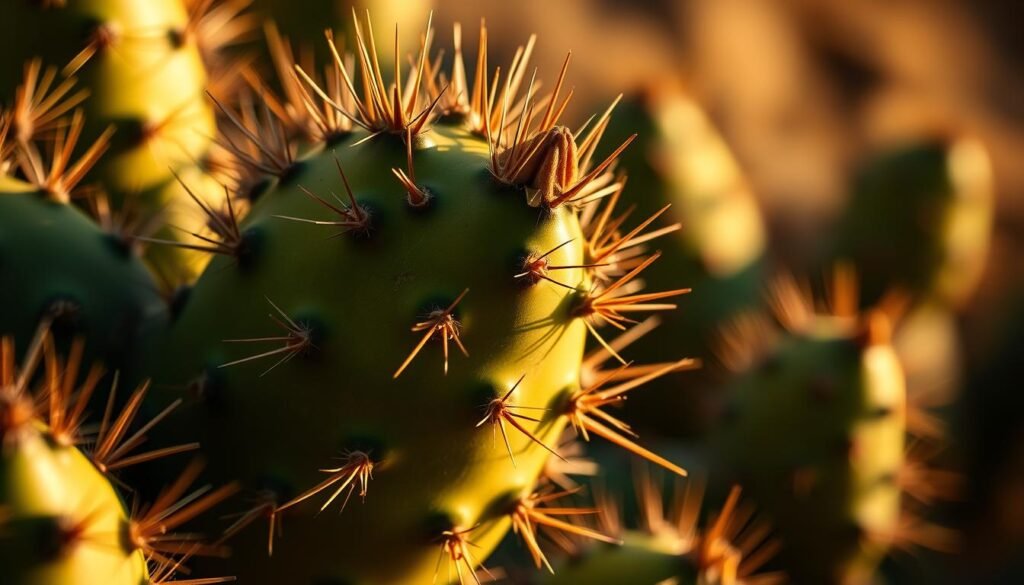
Cactus spines are more than just sharp points. They are survival tools that help cacti live in tough desert environments. Each spine has many uses, not just for defense.
Cactus spines play key roles in plant survival. They do this through several unique functions:
Protection against hungry animals
Water collection from morning fog
Creating small shade zones around the plant
Reducing water loss through air movement
These tiny warriors work like solar panels. Their shape and position help cacti catch water from misty desert mornings. Microscopic grooves on cactus spines capture moisture from the air, guiding it to the plant’s surface.
Spines do more than just protect. Some cacti use their spines to move across the desert. Certain species can detach and “roll” to new spots, spreading seeds and finding better places to grow.
Different cactus species have unique spine traits. Thick spines protect against strong sunlight. Thin, hair-like spines help control temperature and humidity.
Thick spines block intense sunlight
Thin spines help temperature regulation
Curved spines create microhabitats
Nature’s defense mechanisms in cacti are amazing. These spines are a survival strategy masterpiece. They turn a simple protective feature into a complex tool for desert life.
Desert Homes: How Cacti Help Other Animals
Cacti are more than just plants. They are key to life in the desert, helping many animals survive. These plants offer shelter, food, and protection in harsh conditions.
The desert might look empty, but cacti make it alive with animal activity. They provide many ways for desert creatures to survive.
Bird Apartment Buildings
Saguaro cacti are like tall buildings for desert birds. Woodpeckers and others make nest cavities in these cacti. These homes keep birds safe from predators and the sun.
Woodpeckers drill initial holes
Other birds inhabit these ready-made shelters
Nest cavities provide temperature regulation
Shelter for Desert Creatures
Many desert animals find safety in cacti. Small mammals, reptiles, and insects hide from the heat and dangers. Cacti protect them from extreme temperatures and threats.
Animal Type
Cactus Interaction
Survival Benefit
Lizards
Hide near cactus base
Temperature protection
Rodents
Burrow near root systems
Shade and moisture
Insects
Live within cactus structures
Predator avoidance
Food for Desert Wildlife
Cacti are a vital food source for desert animals. Their fruits, flowers, and flesh are essential when food is scarce. Many animals rely on these plants for water and food.
Cactus fruits offer high-water content
Nectar attracts pollinators
Flesh provides emergency nutrition
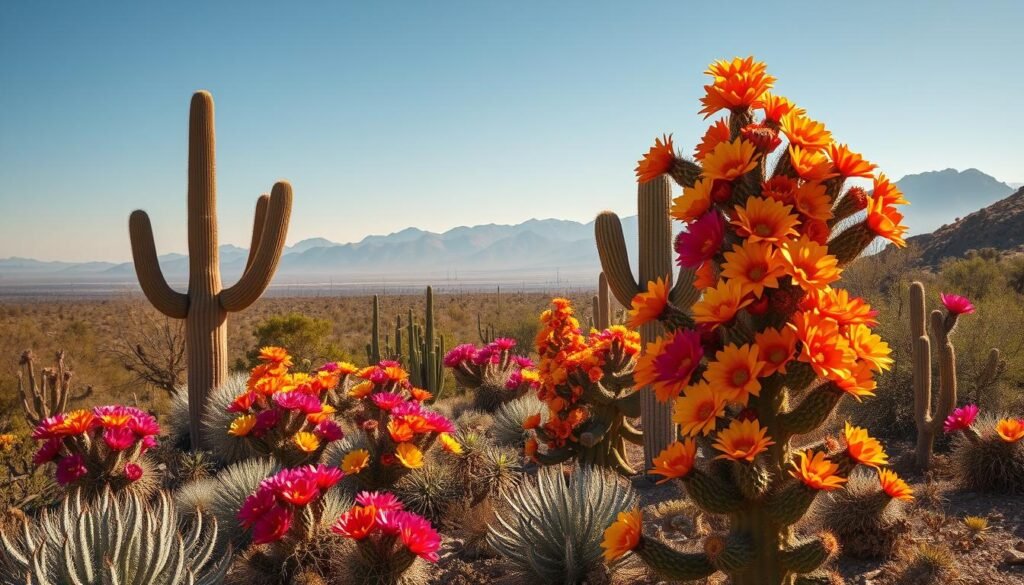
Rainbow Colors of Cactus Flowers
Desert landscapes hide a secret: cactus flowers are nature’s most spectacular surprise! These plants burst into color with stunning desert blooms. While cacti look tough, their flowers tell a different story.
Cactus flowers come in vibrant colors that change the desert landscape. You’ll see bright pinks, deep reds, sunshine yellows, and pure whites. These flowers create living rainbows in unexpected places.
Some cactus flowers only bloom for a single night
Flowers can range from tiny 1-inch blossoms to massive 12-inch spectacular displays
Many desert blooms attract special pollinators like bats and nocturnal insects
The magic of cactus flowers is their survival strategy. These short-lived blooms attract pollinators quickly and efficiently. Bees, birds, and bats help these plants reproduce, creating a survival dance in extreme conditions.
Different cactus species have unique flower characteristics. The saguaro cactus has large white flowers that open at night. The hedgehog cactus displays bright magenta blossoms during the day.
Ancient Warriors: How Long Can Cacti Live
Cacti are true survivors of the plant world. They can endure extreme conditions and live a long time. These desert plants can live longer than most people think, becoming living time capsules of the desert.
Desert plants have unique ways to grow and survive. Some cacti species can live over 200 years. This makes them some of the longest-living plants on Earth.
Growth Stages of Desert Survivors
The journey of a cactus is fascinating. From a tiny seed to a massive desert giant, they go through different stages:
Seedling Stage: Tiny and vulnerable, needing protection from harsh desert conditions
Young Cactus: Developing initial protective spines and root systems
Mature Cactus: Reaching full height and reproductive capabilities
Ancient Cactus: Surviving multiple generations of desert challenges
Age Milestones to Remember
Cacti reach impressive milestones in their long lives. The legendary saguaro cactus might take 75 years before growing its first arm. Some remarkable specimens have been documented living for over 300 years!
To put their longevity into perspective, a single cactus could witness hundreds of human generations. They stand as silent guardians of the desert ecosystem.
Tasty Treats from Desert Plants
Cacti are more than just tough plants of the desert. They are also a treasure trove of desert fruits that have fed people for thousands of years. Cactus cuisine brings us some of the most unique and healthy foods found in nature.
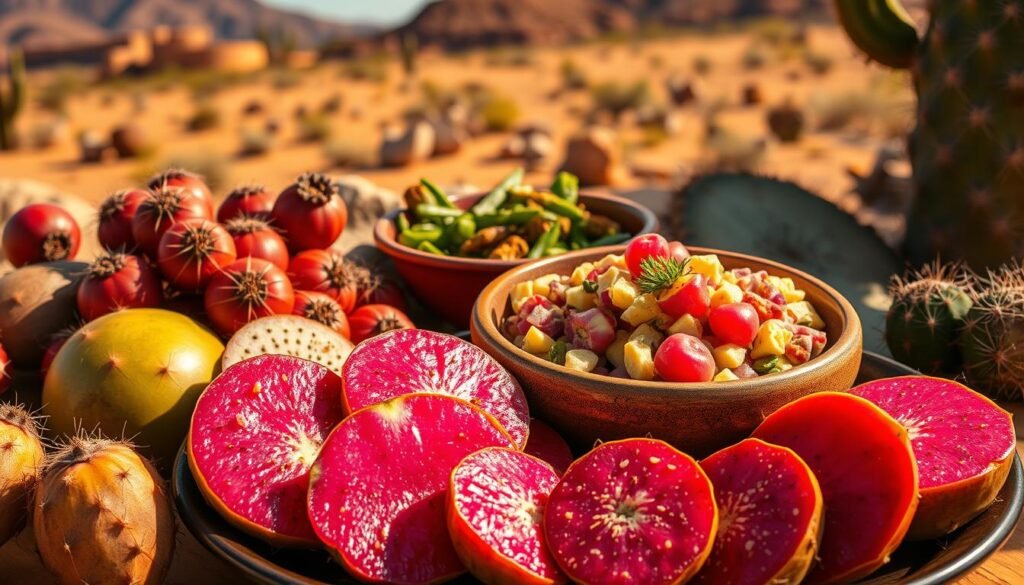
Many edible cacti grow fruits that are full of vitamins and minerals. The prickly pear, for instance, has red or purple fruits that taste like a mix of watermelon and strawberry. For generations, native peoples have picked these fruits for their sweetness.
Prickly Pear: Sweet fruit with vibrant colors
Nopales: Edible cactus pads used in salads and cooking
Saguaro Fruit: Traditional food of Arizona desert tribes
Cactus cuisine isn’t just about fruits. The flat green pads called nopales are a hit in Mexican dishes. You can grill them, toss them in salads, or add them to stews. They’re low in calories but rich in fiber, making them a great choice for health.
For those who love trying new things, there are cactus-based drinks like prickly pear lemonade or cactus candy. These unique drinks show how versatile desert plants can be as food.
How Baby Cacti Grow Up
Exploring the cactus life cycle is like solving a desert mystery! These plants start small and grow into giants. Their journey shows how they survive and thrive in harsh environments.
Desert plant reproduction is a big challenge. Cactus seeds are tiny but strong. They wait for the right conditions to grow:
Rare desert rainfall
Warm ground temperatures
Just the right amount of moisture
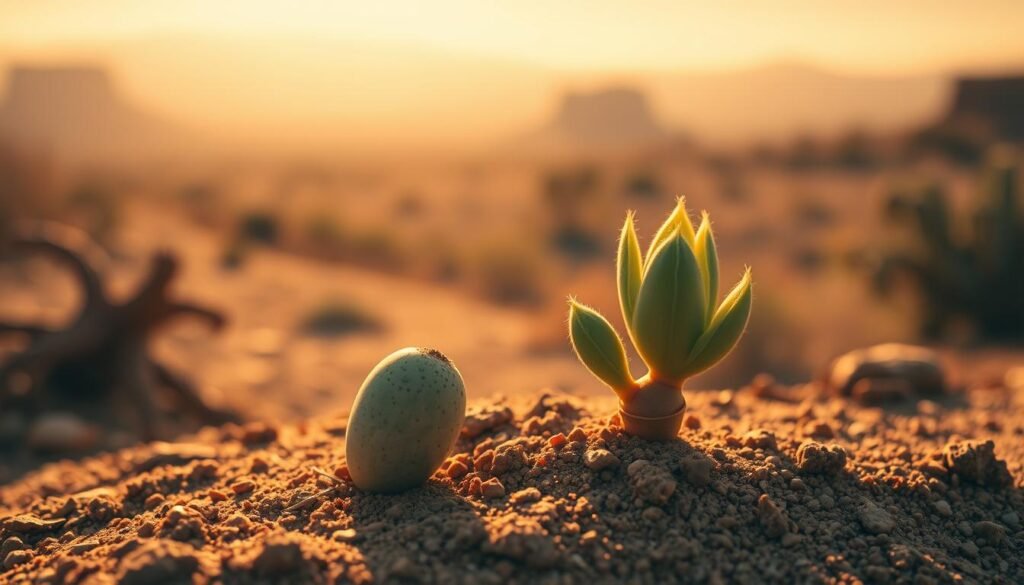
From Seed to Sprout
Imagine a seed as small as a grain of sand in the desert. When everything is just right, it starts to grow. It opens up, sending out roots and shoots towards the sun.
Nurse Plants Protection
Young cacti have a special way to survive. They use “nurse plant protection”. Larger plants like mesquite trees offer them shade, moisture, and protection from extreme weather.
Shade protection from harsh sunlight
Moisture retention in root zone
Protection from wind and temperature extremes
The cactus life cycle shows nature’s amazing strength. Each seed has the chance to become a strong desert plant. They change empty landscapes into green spaces.
Cactus Superpowers Against Climate Change
Desert plants are nature’s secret weapons against climate change. Cacti are amazing environmental heroes. They can survive and protect fragile ecosystems with their unique abilities.
Scientists have found out how cacti help the environment. These plants are key in reducing greenhouse gases in deserts. Their survival tricks teach us about managing ecosystems better.
Carbon dioxide absorption capabilities
Soil erosion prevention
Water conservation techniques
Habitat protection for desert wildlife
Researchers are looking into cacti for drought-resistant crops. The genetic secrets of these desert champions might help us create more sustainable food production systems in harsh climates.
Cacti’s impact goes beyond their own homes. They create spaces for diverse ecosystems to thrive. Their ability to survive in tough conditions makes them vital in fighting climate change.
Protecting cacti and their homes is key to environmental conservation. Each cactus is a small but important fighter against climate change. They show us that even harsh places can help protect our environment.
Amazing Shapes and Sizes of Cacti
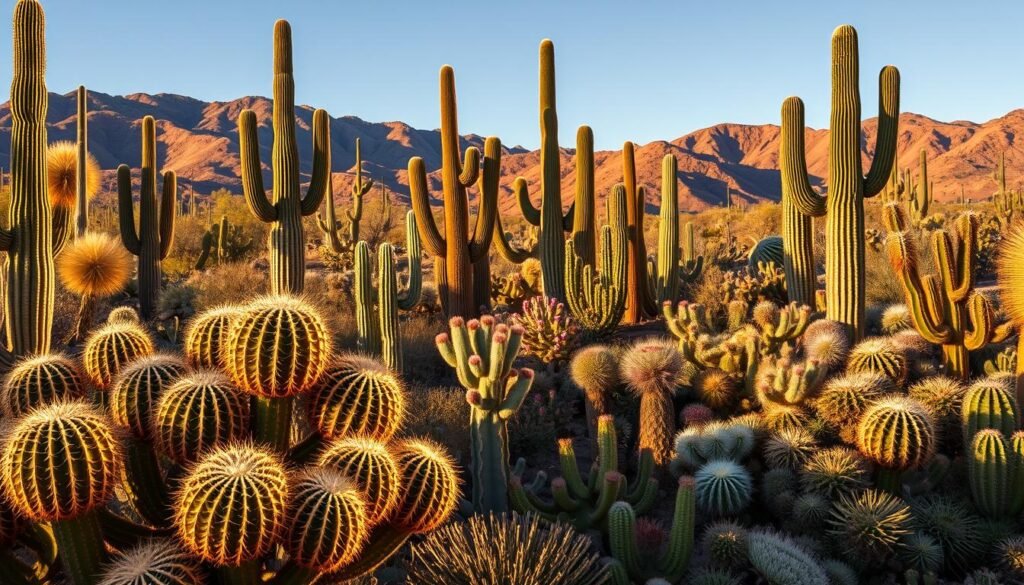
Cactus varieties are nature’s most incredible sculptural masterpieces. These unique cacti come in mind-blowing shapes that look like they’ve been designed by an artistic genius. From tiny button-sized plants to towering giants, the plant diversity of cacti is truly remarkable.
Let’s explore some incredible cactus shapes that will blow your mind:
Barrel Cacti: Round like a beach ball with spiky armor
Column Cacti: Tall as city skyscrapers with vertical growth
Prickly Pear: Flat paddle-shaped with edible fruits
Saguaro: Massive desert giants with arm-like branches
Each unique cactus shape tells a survival story. Their extraordinary forms help them adapt to harsh desert environments. They store water and protect themselves from predators.
Cactus Type
Shape Characteristic
Survival Adaptation
Barrel Cactus
Spherical
Maximum water storage
Organ Pipe Cactus
Columnar
Minimal surface exposure
Fishhook Cactus
Small and compact
Low water requirement
Nature’s creativity shines through these incredible plant designs. Each cactus is a living sculpture, perfectly engineered for survival.
Native American Cactus Stories
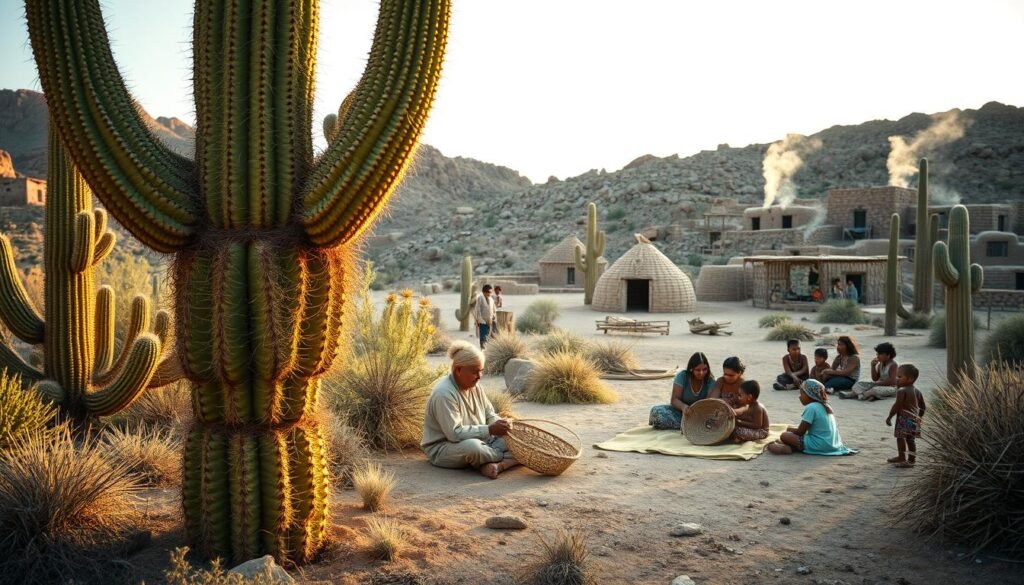
Cacti were key in the lives of Native American tribes in the Southwest. They were more than desert plants; they were vital for survival. They were also deeply connected to their traditions.
Native American communities used cacti in many ways. They turned these plants into essential resources for everyday life. Their bond with cacti was spiritual and practical, not just for survival.
Traditional Medicinal Practices
Healing wounds with cactus pad poultices
Treating digestive issues using specific cactus extracts
Creating pain relief remedies from various cactus species
Food and Survival Strategies
Many desert tribes saw cacti as a food source. The prickly pear, for example, gave them nutritious fruit and edible pads. These helped communities survive during tough times.
Cactus Species
Native American Uses
Nutritional Value
Prickly Pear
Food, Medicine
High in Vitamin C
Saguaro
Fruit Harvesting, Ceremonies
Rich in Minerals
Barrel Cactus
Water Source, Tools
Hydration Support
The Native American understanding of cacti shows their deep ecological wisdom. Their knowledge of these plants highlights their adaptability and respect for the desert.
How to Be a Cactus Protection Hero
Cacti are incredible desert survivors, but they need our help! Many cactus species face serious threats from habitat destruction and illegal plant collection. You can become a real environmental education champion and make a difference in plant protection.
Ready to save these prickly heroes? Here are some awesome ways kids can support cactus conservation:
Learn about endangered cactus species in your region
Share interesting cactus facts with friends and family
Support local botanical gardens and conservation programs
Never remove cacti from their natural habitats
Report illegal plant collection to local authorities
When you visit desert areas, remember these important rules of plant protection:
Stay on marked trails to avoid damaging cactus habitats
Take photos instead of collecting plants
Teach others about the importance of desert ecosystems
Small actions can create big changes in cactus conservation. Your knowledge and passion can help protect these amazing desert plants for future generations!
Fun Facts About Desert Plant Champions
Cacti are incredible desert plant champions with amazing adaptations. They can live up to 200 years, like the giant Saguaro cactus. It grows taller than a three-story building. Their adaptations help them survive in places where most plants can’t.
Some cacti can store up to 90% of their body weight in water. This makes them living reservoirs in harsh landscapes. Scientists have found that some cacti can handle temperatures from freezing to 120 degrees. The Barrel cactus, for example, can expand and contract its tissues to manage water.
Researchers are studying these plants for more than just survival. They’re looking into their medical uses, like developing new medicines and food. The Prickly Pear cactus is already used in traditional medicine and nutritional supplements. This shows cacti are more than just spiky plants.
Cacti have incredible water conservation skills and unique photosynthesis. They represent nature’s most clever survival strategy. These desert warriors amaze scientists and nature lovers with their amazing adaptations and resilience.