Ever wonder how frigatebirds nap mid-air during 10-day flights? Some species literally sleep with one eye open, using half their brain at a time while soaring – nature’s ultimate multitaskers.
Let’s cut through the noise: birds are weirdos with hollow bones lighter than soda straws and feathers that zip together like Velcro. Take the albatross – it snoozes while gliding 500 miles daily. Meanwhile, hummingbirds enter torpor nightly, slowing their heart rate to survive without midnight snacks.
Here’s the kicker: 10,000 different species exist, each with quirks. Tiny bee hummingbird eggs? Smaller than jellybeans. Emperor penguin dads? They’ll starve for months guarding eggs in Antarctica. These aren’t textbook facts – they’re survival hacks refined over 150 million years.
I’ll show you why feathers aren’t just fancy accessories. They’re flight stabilizers, waterproof jackets, and sunblock rolled into one. And those hollow bones? Perfect for acrobatic dives but terrible at basketball.
This isn’t some dry biology lecture. We’re dissecting real-world magic – like how certain birds pull all-nighters at 20,000 feet. Ready to geek out?
Fascinating Bird Anatomy: Feathers, Hollow Bones, and Unusual Structures
Let’s crack open nature’s engineering playbook. Birds aren’t just flying machines – they’re walking (and soaring) Swiss Army knives with built-in tools for survival. I’m talking about feathers that double as solar panels and hollow bones lighter than bubble wrap.
The Benefits of Feathers for Flight and Display
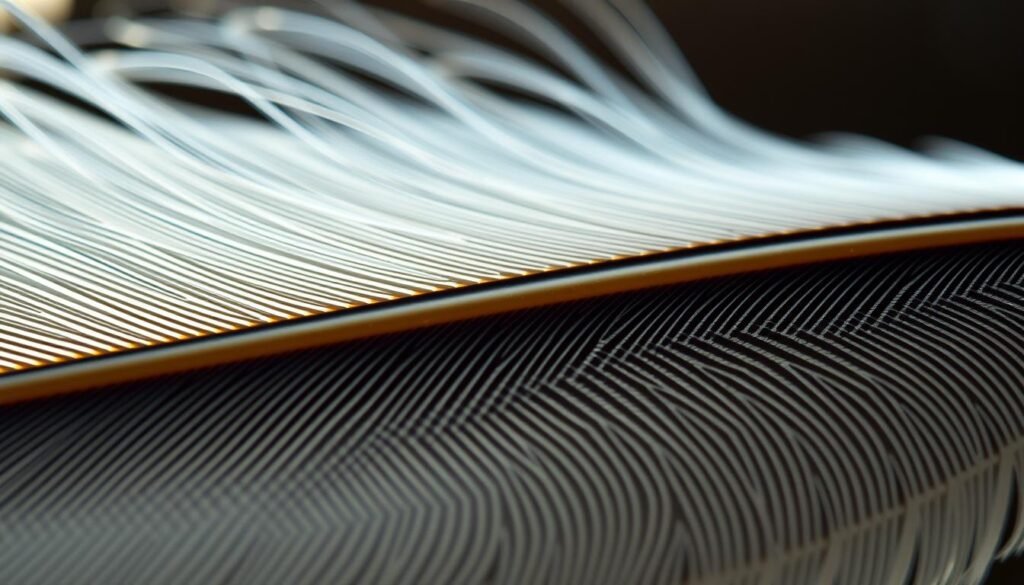
Feathers aren’t just fancy dress-up materials. Their barbules zip together like microscopic Velcro, creating surfaces so airtight they could put NASA spacesuits to shame. Peacocks weaponize this design – their tail feathers aren’t just eye candy, but billboards screaming “Pick me!” to potential mates.
Here’s the kicker: some feathers act as built-in silverware. Ever seen parrots munching messy food? Their facial feathers repel fruit stains better than your best tablecloth. And when baby chicks hatch, their downy fluff works like organic bubble wrap – lightweight insulation that doesn’t weigh them down.
Surprising Bone Structure That Lifts Bodies
Those hollow bones? They’re not empty – they’re reinforced with crisscrossing struts like bicycle spokes. A hummingbird’s skeleton weighs less than a dollar bill, yet withstands mid-air collisions at 60 wingbeats per second. But there’s a trade-off: you’ll never see birds playing contact sports.
The real magic happens at the dinner table. Birds convert food into flight fuel with 90% efficiency – your car wishes it ran this clean. Their digestive systems process seeds into energy faster than you can say “bird facts kids,” powering those insane metabolic rates.
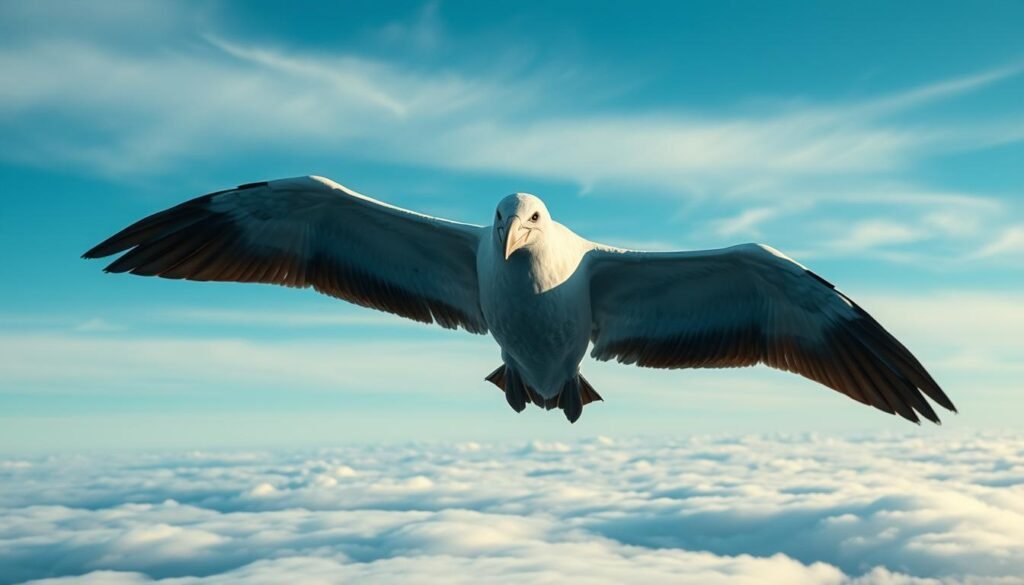
Imagine pulling an all-nighter while running a marathon. Now do it in the sky. That’s daily life for the wandering albatross, a feathery legend that naps while gliding over New Zealand’s stormy oceans. These masters of micro-sleeps have cracked the code to resting mid-air – and their tricks will blow your mind.
Case Study: The Wandering Albatross in Action
Here’s the wild part: these birds live their entire lives sleeping in shifts. One brain hemisphere dozes while the other stays alert, like a truck driver grabbing coffee at 3 AM. They lock their wings into efficient gliding positions, riding air currents for hours without flapping. Oxygen? They’ve perfected slow, deep breaths that keep them fueled even during power naps.
Check this out:
Travel 500 miles daily without landing
Nap for 42 minutes total across 24 hours
Survive saltwater storms that’d sink a yacht
Birds also use gravity as an alarm clock. When their body detects altitude loss from deep sleep? Instant wake-up call. It’s like having autopilot with emergency brakes. And here’s the kicker – they’ve evolved to lay eggs only when fully rested, timing breeding seasons around their marathon flights.
Scientists tracked one albatross circling Antarctica three times in a year. That’s 75,000 miles – three laps around Earth – on a diet of squid and seawater. Next time you yawn during math class, remember: some birds fly better tired than we function fully awake.
But how do their bodies handle this? The answer’s written in DNA older than dinosaurs… and it’s weirder than you’d guess.
Birds Facts for Kids: Unexpected Behaviors and Migration Patterns
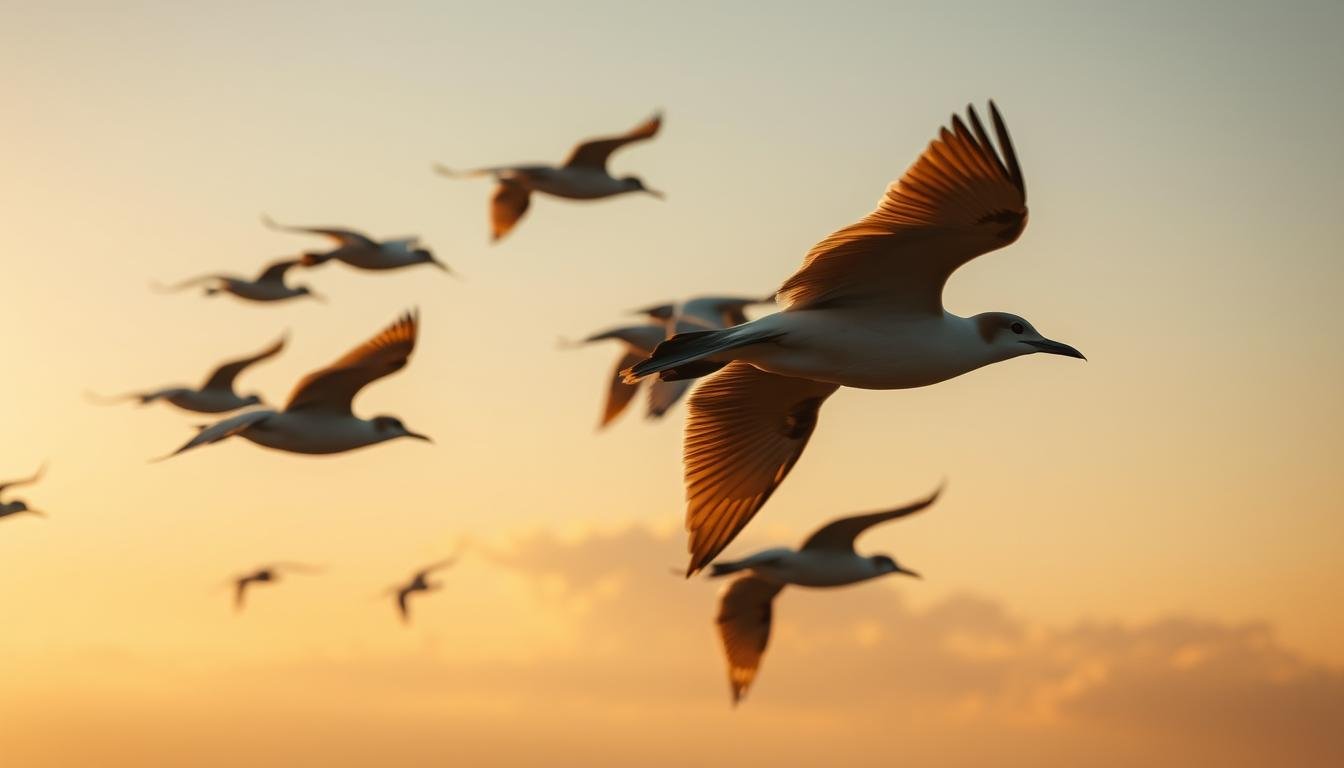
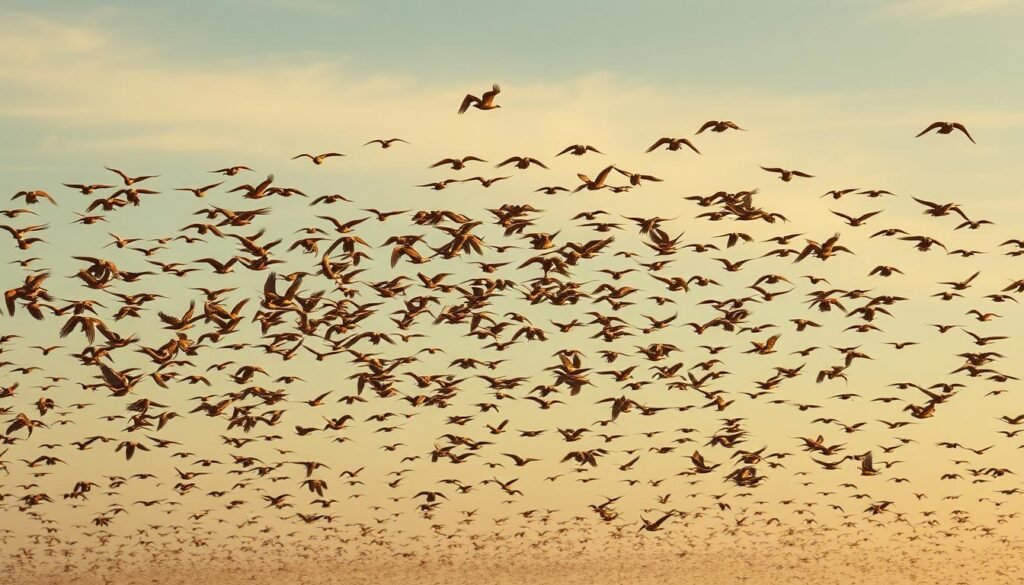
Picture a sky filled with thousands of wings moving as one – no conductor, no sheet music. That’s migration season for you. What looks like chaos is actually avian choreography refined over millennia. I once watched sandhill cranes pivot mid-flight like synchronized swimmers, reacting to invisible cues faster than TikTok trends.
How Flocks Coordinate on Long-Distance Flights
Here’s the secret: every bird in formation plays a role. The lead position rotates like a relay race baton – exhausting but critical for wind resistance. Female birds often navigate using Earth’s magnetic field while males scout for food. It’s not just teamwork; it’s survival math.
Take the tiny bee hummingbird. Despite weighing less than a penny, it migrates 500 miles across the Gulf of Mexico. How? By drafting behind larger bird species like feathered Uber drivers. Their secret weapon? Hyper-efficient metabolisms that burn flower nectar like rocket fuel.
Starling murmurations make split-second decisions using 7-neighbor rule physics
Geese in V-formations reduce energy use by 70% through precise wingtip spacing
Pelican squadrons dive-bomb fish schools using military-style signal calls
And get this – some species bird groups have dialects. Snow geese from Canada sound different than their Texas cousins. Next time you see a flock, listen closely. That’s not noise – it’s a strategy meeting in progress.
Diverse Diets and Nesting Techniques: Real-Life Bird Tactics
Let me show you nature’s ultimate DIYers – feathered architects building homes that’d put HGTV stars to shame. From treetop penthouses to underground burrows, different species have cracked the code for survival real estate. Their secret? Ancestral blueprints dating back to dinosaurs, remixed with modern ingenuity.
Unique Nest Building Techniques with Real Examples
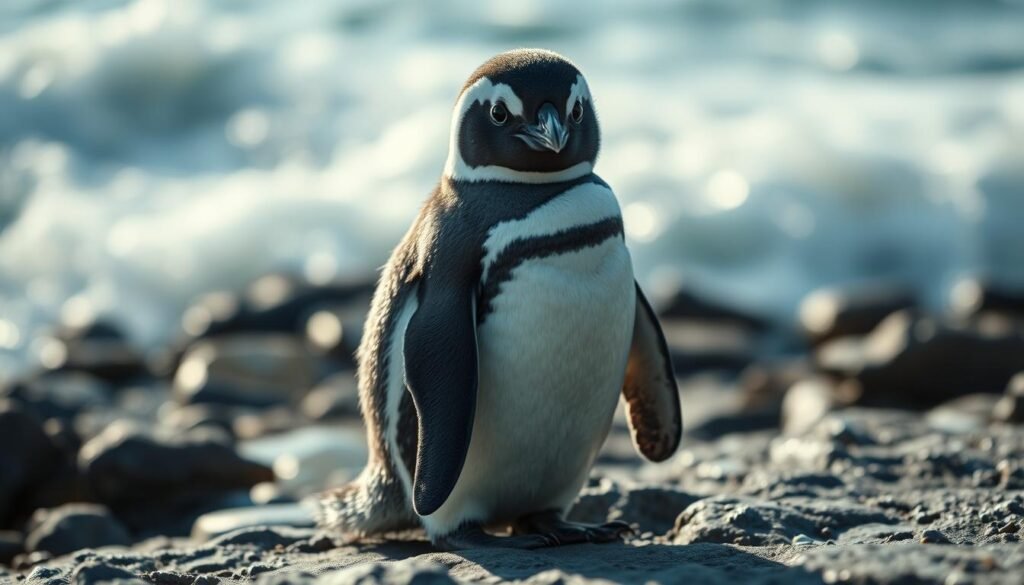
Weaver birds stitch nests like tiny basketmakers, threading grass blades with their beaks. I’ve watched them work – each knot tighter than your shoelaces before gym class. Meanwhile, emperor penguins ditch construction entirely. They balance eggs on their feet, huddling in -40°F winds. Talk about minimalist living!
Three wild nesting strategies:
Burrowing owls repurpose abandoned prairie dog tunnels
Swifts glue nests to cliffs using saliva (nature’s superglue)
Ovenbirds mold mud domes that bake rock-hard in the sun
Feeding Habits That Keep Birds Energized
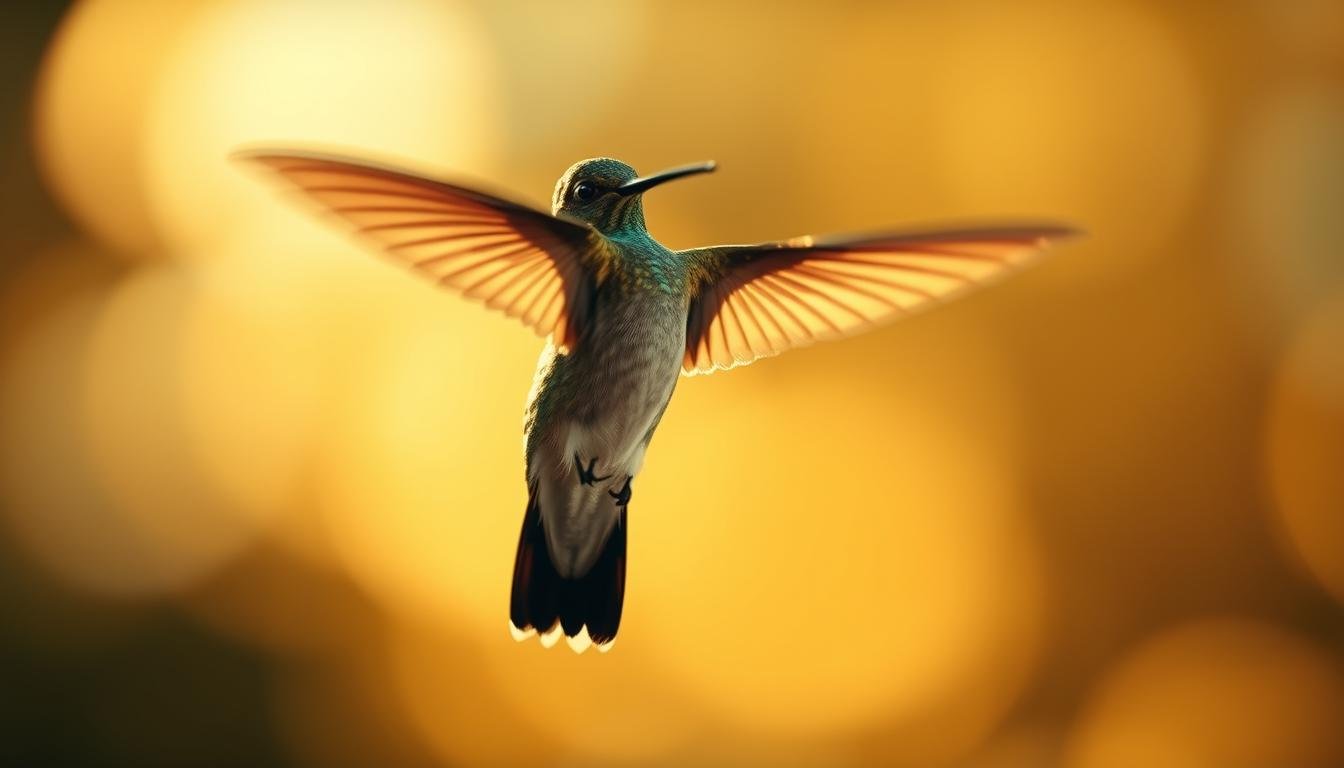
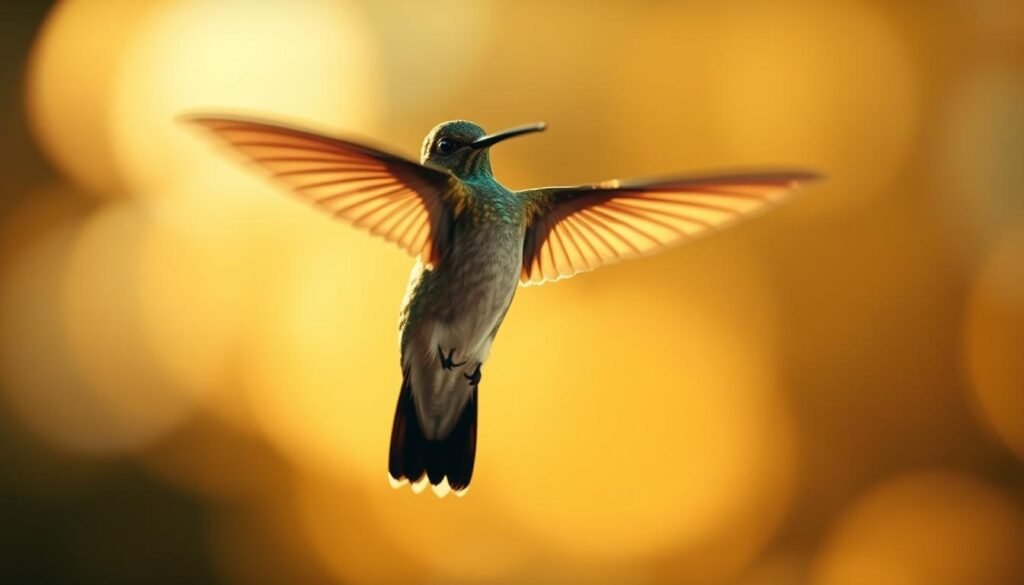
Watch a bald eagle’s wings morph mid-dive – part parachute, part spear. They’re not just flying; they’re engineering perfect strike angles. Hummingbirds? Their needle-like beaks stab flower nectar faster than you sip soda. But here’s the kicker: they lick 15 times per second while hovering.
Ground feeders like quail play a different game. They scratch dirt with clawed feet, unearthing seeds like feathered archaeologists. Up in the air, swallows perform aerial acrobatics, snatching insects mid-flight. It’s all about using what your ancestors gave you – and maybe stealing a trick or two from the dinosaurs.
Tiny Wonders and Mighty Flyers: From Bee Hummingbirds to Ostriches
Hold out your thumb – that’s roughly the runway length a bee hummingbird needs for takeoff. This feathered creature weighs less than a dime, yet migrates across the Gulf of Mexico every year. Now picture its nest: a cup-sized place holding eggs smaller than coffee beans. But flip the script, and ostriches stomp the scene with eggs rivaling cantaloupes – nature’s ultimate size paradox.
Measuring the Minuscule: Bee Hummingbird Details
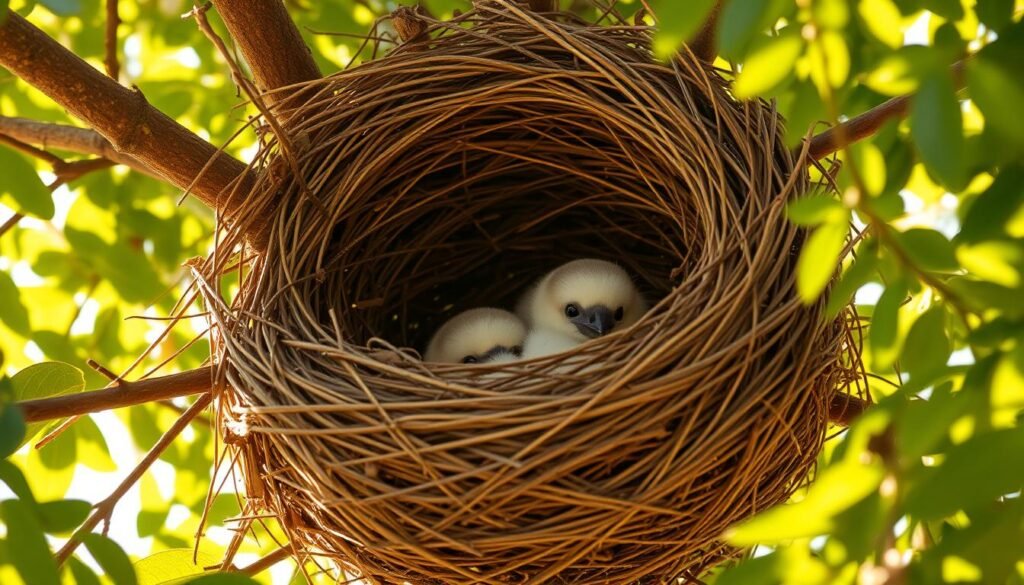
Let’s break it down. A bee hummingbird’s body measures 5-6 cm – shorter than your pinky finger. Their nests? Stitched from spider silk and lichen, stretchy enough to accommodate growing chicks. Compare that to ostrich eggs: 6-inch giants needing 42 days to hatch. Both extremes survive in the same world, playing by different rules.
Common pigeons reveal another twist. Their egg shells thicken near cities to combat pollution – urban armor developed in real time. Meanwhile, Arctic terns rack up 1.5 million miles migrating over their lifetime. That’s three roundtrips to the moon!
Size isn’t just about looks. Tiny bodies lose heat faster, demanding nonstop nectar guzzling. Giants? They’re built for endurance, trading agility for raw power. Next time you see a sparrow, remember: it’s not just small – it’s masterfully miniaturized.
Vivid Colors, Mating Rituals, and Grounded Behaviors
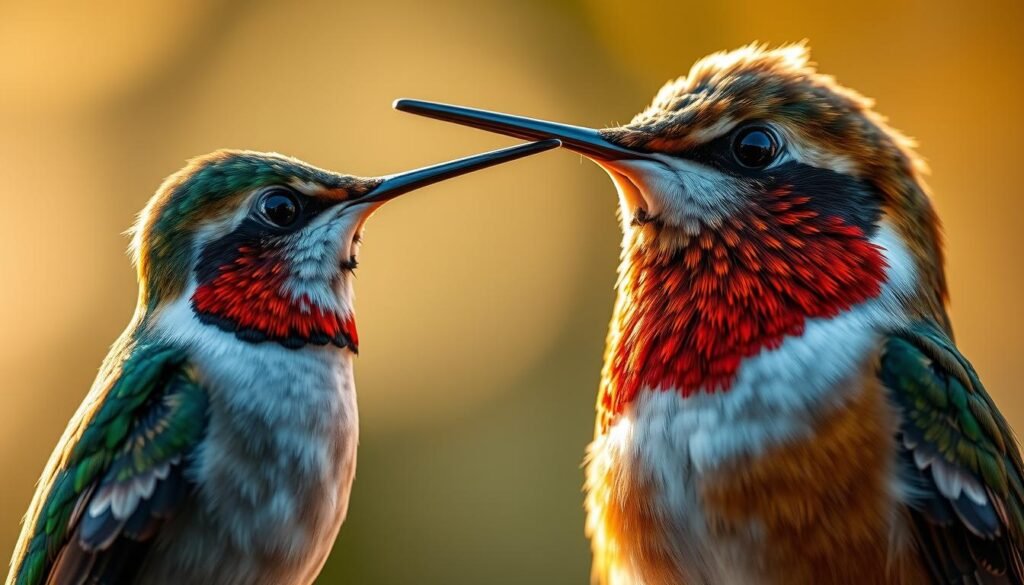
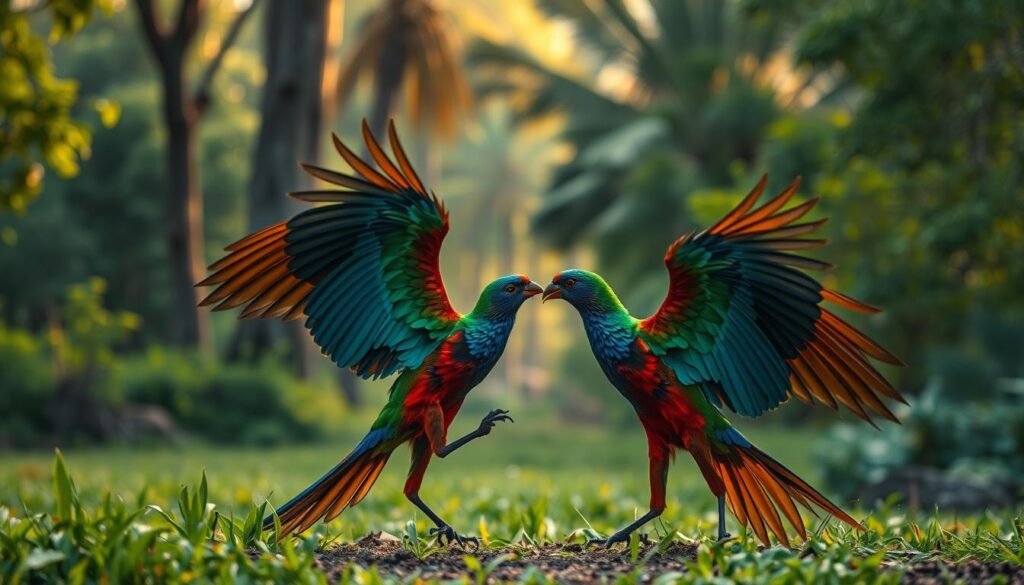
Why do some species look like they raided a glitter factory? Evolution’s runway show never disappoints. Feathers aren’t just flight tools – they’re billboards screaming “Date me!” in nature’s most chaotic dating app. But here’s the twist: flashy looks mean nothing without survival skills to back them up.
How Colorful Displays Influence Mate Selection
Peacocks didn’t invent over-the-top fashion – they perfected it. Those iridescent tail feathers? They’re actually brown at the microscopic level. The secret’s in light-bending nanostructures that put disco balls to shame. Here’s what really matters:
Cardinals use crimson hues to signal top-notch diet quality
Male bowerbirds build blue-themed bachelor pads to impress mates
Flamingo pink intensifies with age – a living résumé of life experience
I once watched a hummingbird male perform aerial loops so precise they’d make fighter pilots jealous. All for a female who pretended not to notice. Talk about playing hard to get!
Ground Dwellers Versus Aerial Experts in Their Natural Settings
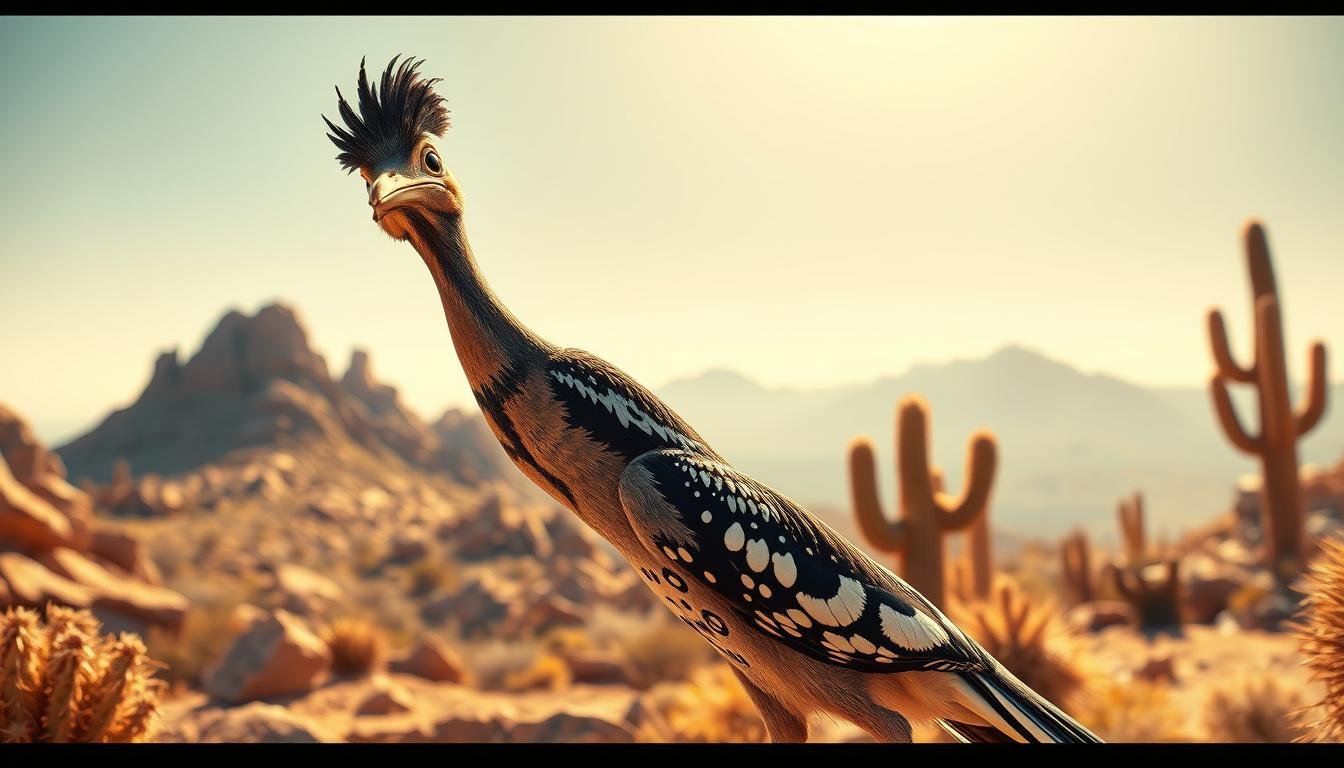
While showboats strut their stuff, earthbound species play a different game. Quail blend into dirt like feathered ninjas, while roadrunners sprint at 20 mph – nature’s version of parkour athletes. But the real drama unfolds overhead.
Crows form thousand-strong murder gangs that remember human faces for years. Their urban crews share food intel like feathery Yelp reviewers. Compare that to eagles: solitary hunters scanning counties-sized territories from telephone pole perches.
Three survival hacks that redefine teamwork:
Turkeys dust-bathe together – spa days with security details
Geese rotate leadership mid-flight like relay racers
Vultures use body size to establish buffet pecking order
Ground birds? They’ve turned dirt into an art form. Burrowing owls hiss like rattlesnakes to scare predators. Meanwhile, skylarks sing while ascending 300 feet – the original pop-up concerts. Makes you wonder: what other secrets are hiding in plain sight?
Wrapping Up the Avian Adventure: Insights That Spark More Questions
What if I told you some feathery secrets defy textbooks? Let’s get real – these creatures break all the rules. No teeth? They traded chompers for lightweight beaks that crack nuts better than nutcrackers. Those hollow bones we marveled at? They’re not just empty tubes – they’re blueprints for aerial mastery, letting feathered acrobats pivot mid-air like Olympic gymnasts.
And don’t get me started on dating games. Some animals throw backyard raves with leaf sculptures, while others flash neon feathers that’d blind a disco ball. Ever seen a mate selection process wilder than reality TV? I rest my case.
Here’s the kicker: we’re still uncovering information that rewrites biology chapters. Scientists recently found certain animals use starlight as navigation backup. Others recycle calcium from old bones to fortify eggshells. Makes you wonder – what’s left undiscovered when even their sleep patterns baffle NASA engineers?
Next time you spot a winged silhouette against the sunset, remember: you’re witnessing 150 million years of evolutionary improv. The final act? Still being written – one mid-air nap at a time.