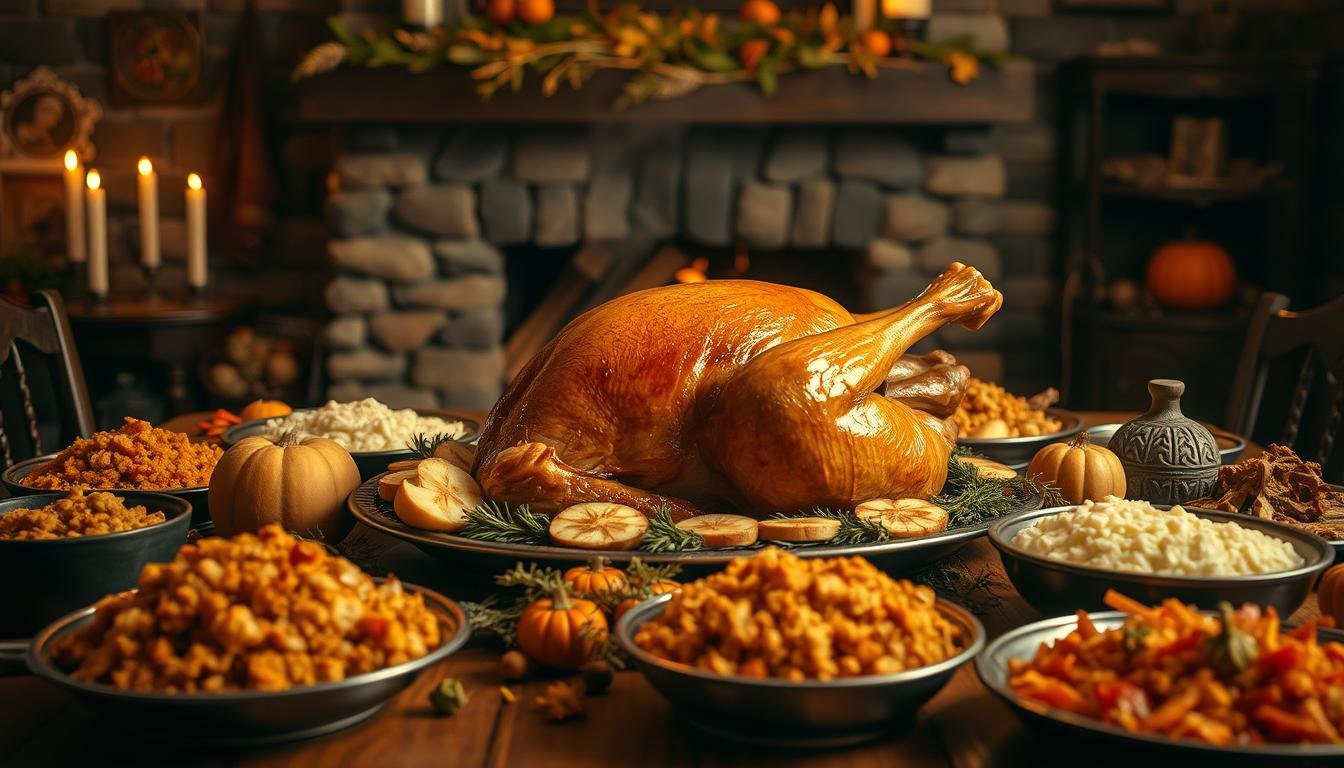
Let’s cut through the cranberry sauce: that iconic turkey centerpiece? Probably not the star of the original 1621 harvest celebration. Early settlers and Wampanoag people shared a three-day feast featuring deer, fish, and maybe even eel – but historians like those at National Geographic say poultry was just a side dish. Turns out, Thanksgiving’s main course became a marketing ploy centuries later. Who knew history could be this juicy?
Here’s the deal: most articles make this holiday sound like a Hallmark movie. Reality check? Those English newcomers nearly starved before learning to grow squash, corn, and beans from Native Americans. Imagine trying to survive a New England winter without TikTok or grocery stores – these folks were tough cookies (though actual cookies came much later).
Why should kids care? Because real stories beat dusty textbooks every time. When you picture the “first thanksgiving,” forget the perfectly set table. Think instead of two groups – strangers with wildly different lives – sharing food and skills during a brutal year. That’s the kind of teamwork that deserves a standing ovation, not just a Thursday nap.
Oh, and about that fourth Thursday in November? Blame Abraham Lincoln. The original feast happened sometime between September and November – no pumpkin pie included. But hey, traditions evolve faster than a Black Friday sale. Ready to dig deeper?
Historical Foundations of a Fabled Feast That Shaped Early Traditions…
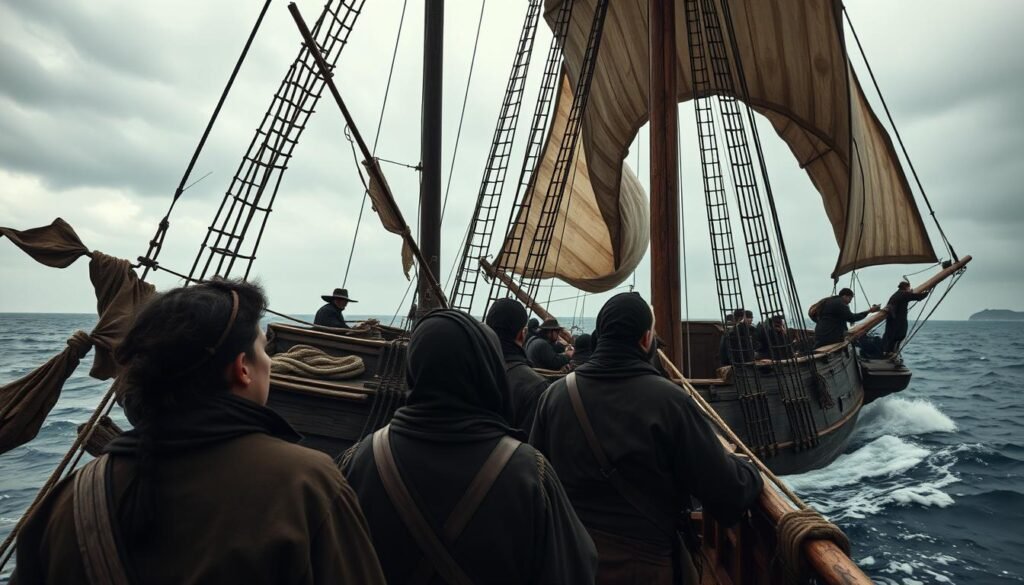
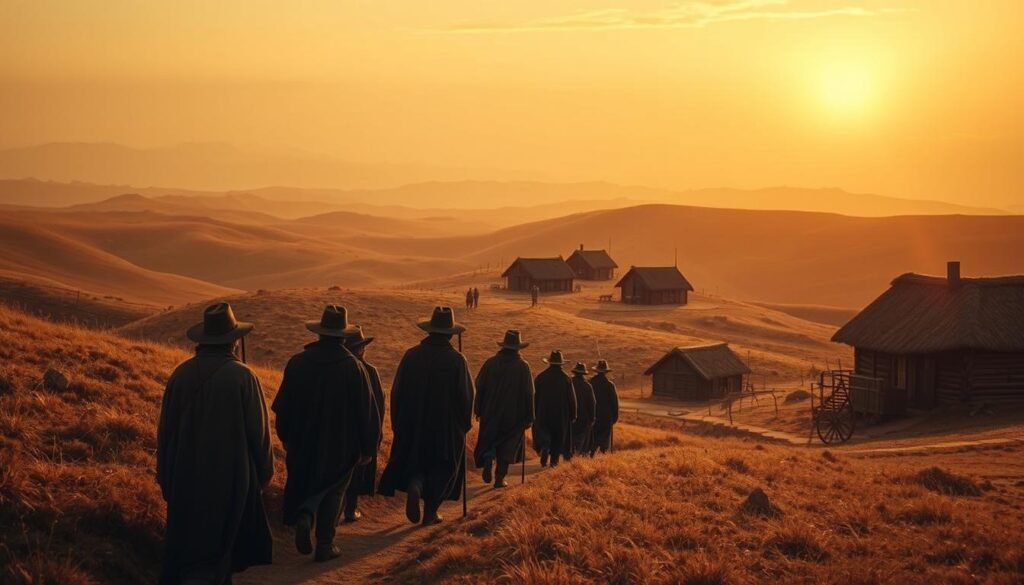
The Mayflower wasn’t a luxury cruise—it was a floating survival test. That creaky ship carried 102 passengers across the Atlantic for 66 grueling days. Seasick travelers huddled below deck, eating moldy biscuits while autumn storms battered the wooden hull. When they finally spotted land in November 1620, their relief quickly faded—they’d arrived just in time for a brutal New England fall.
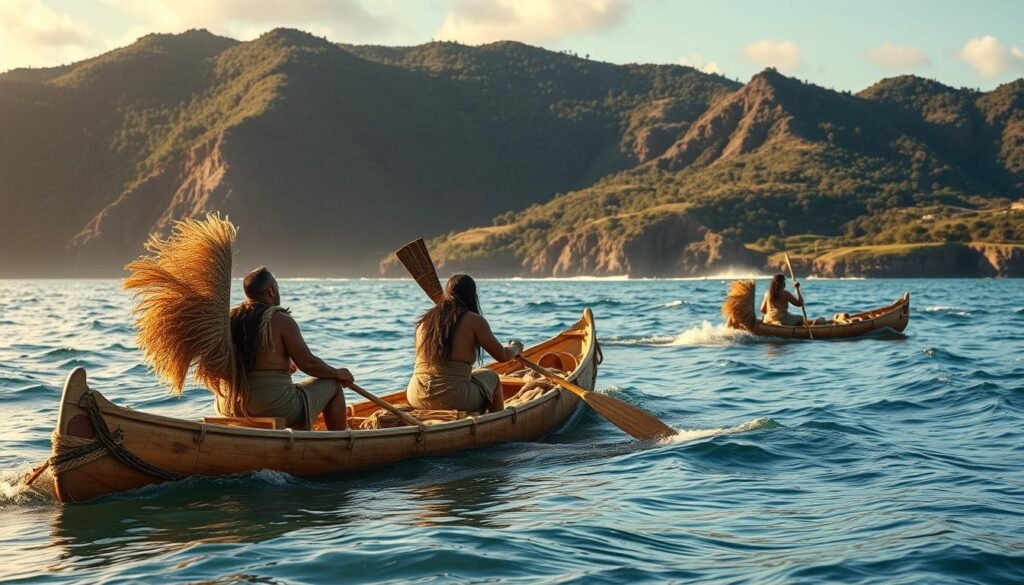
Let’s get real: half the colonists didn’t survive that first winter. Those who did owed their lives to the Wampanoag people. While textbooks often skip this part, native accounts reveal how native americans taught settlers to farm the three sisters—corn, beans, and squash. This harvest knowledge turned starvation into survival.
By 1621, the remaining English settlers had built crude shelters and stored enough food for winter. Their alliance with local tribes led to a three-day feast—the event we now call the first thanksgiving. But here’s the kicker: nobody wrote “Thanksgiving” on their calendar. This gathering was less about gratitude and more about practical diplomacy in the new world.
These early years forged something bigger than a meal. They planted seeds for traditions that would evolve over centuries, eventually becoming a national day in the united states. Next time you see a turkey leg, remember—it’s not just dinner. It’s a nod to that shaky, hopeful beginning.
Native Peoples’ Legacy: Wampanoag Traditions and Land Insights…
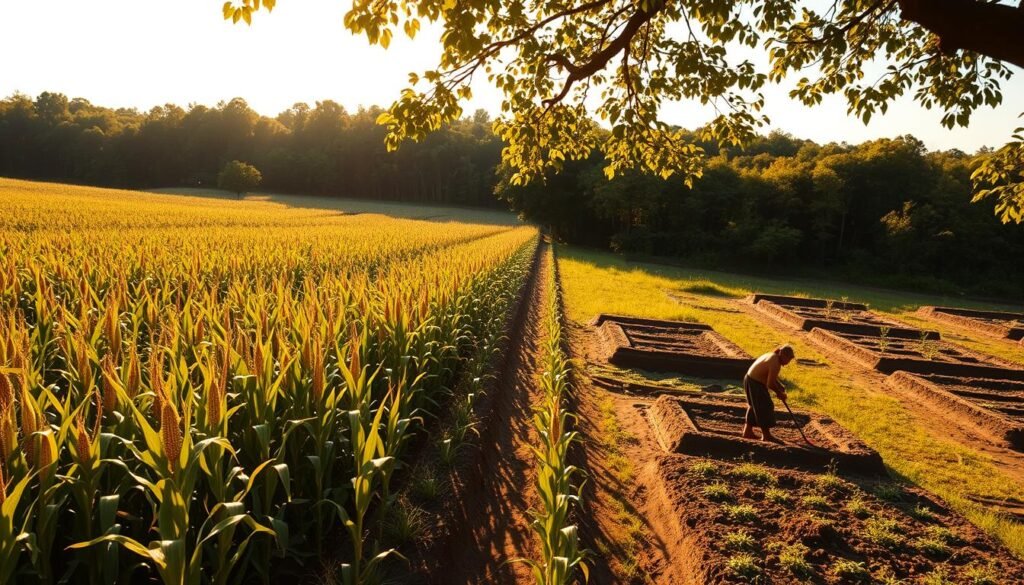
Let’s flip the script: that cozy thanksgiving day vibe you love? You’re tasting 12,000 years of Wampanoag genius. These native americans weren’t just passing through – they’d mastered New England’s seasons long before settlers arrived. Picture Squanto (real name: Tisquantum) showing bewildered newcomers how to plant corn with fish fertilizer. Revolutionary stuff for folks who thought veggies grew on grocery store shelves.
Here’s what history class misses: the Wampanoag people treated land like a living relative. Their three days of feasting with settlers wasn’t just about food – it was a masterclass in resource management. While colonists struggled, native communities had thriving systems for:
| Wampanoag Practice | Settler Approach | Modern Impact |
|---|---|---|
| Three Sisters crop rotation | Single-crop fields | Sustainable farming basics |
| Seasonal migration patterns | Permanent settlements | Ecological zoning concepts |
| Communal food storage | Individual pantries | Community food banks |
Crazy thought: our entire holiday hinges on native generosity during that 1621 celebration. Yet we’re still unpacking their legacy. I’ll say it – the real MVP wasn’t the turkey. It was the people who turned survival into an art form. Next time you pass the mashed potatoes, remember: that’s not just a meal. It’s a 400-year-old handshake between cultures.
“Traditions don’t pop out of thin air,” my history professor once joked. “They’re borrowed, mashed up, and reheated.” Truth bomb: Thanksgiving’s secret sauce? Equal parts Wampanoag wisdom and immigrant grit. Now that’s a recipe worth preserving.
Settler Struggles and Early Winter Realities
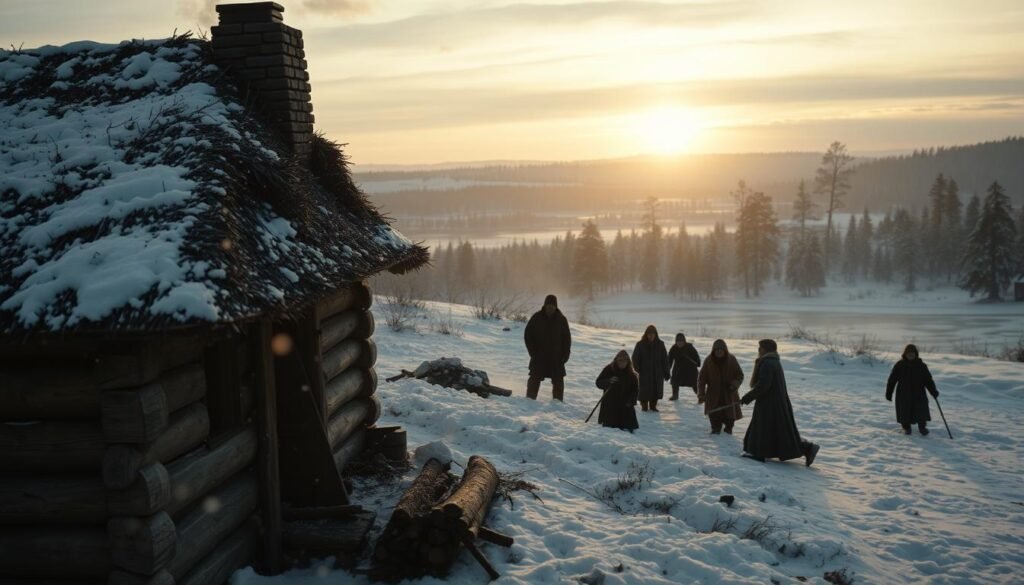
Forget cozy cabins and roaring fires – that first New England winter hit like a sledgehammer. Imagine 102 settlers crammed into flimsy shelters, coughing through damp wool blankets as temperatures plunged. The ship that brought them? Now a floating hospital ward, reeking of infection. By spring, nearly half were gone.
Let me paint you a picture: frozen ground cracked underfoot. Food stores vanished faster than snow in April. Drought had ruined crops back in England, and now icy winds stole their last hope. Every day became a math problem – how many mouthfuls per person? How many days until the next hunt?
Here’s what textbooks skip: survival wasn’t just about grit. It was raw biology. Think scurvy, pneumonia, and hypothermia racing through cramped quarters. The colonists didn’t just battle cold – they fought invisible enemies in their own lungs. No wonder they abandoned plans for New York and hunkered down on Cape Cod.
What shocks me most? These people counted each sunrise as victory. A single meal of salted fish meant living to see another moonrise. Time stretched like taffy – endless yet precious. That’s the real story: not some heroic tale, but humans clinging to warmth like matches in a hurricane.
Next time you complain about Wi-Fi being slow, remember: 1620’s winter made our first-world problems look like child’s play. Survival wasn’t guaranteed – it was earned, one frostbitten day at a time.
The 1621 Harvest Gathering: Food, Feasts, and Misunderstood Rituals…
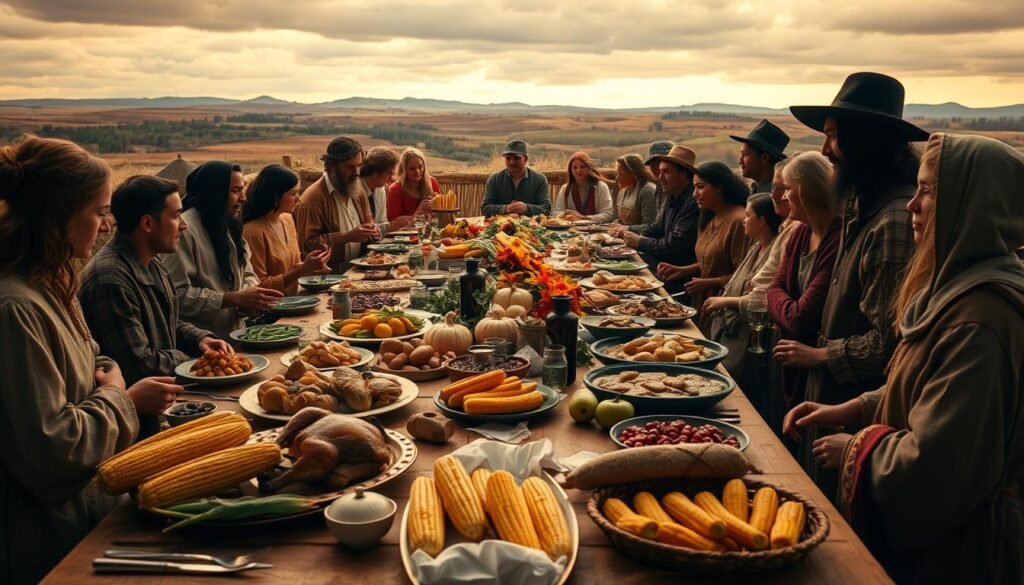
Picture this: 90 Wampanoag warriors and 50 English settlers crammed around makeshift tables piled with roasted venison. No forks. No napkins. Just three days of feasting where hands doubled as utensils and laughter cut through language barriers. This wasn’t your grandma’s thanksgiving day – it was survival’s victory lap.
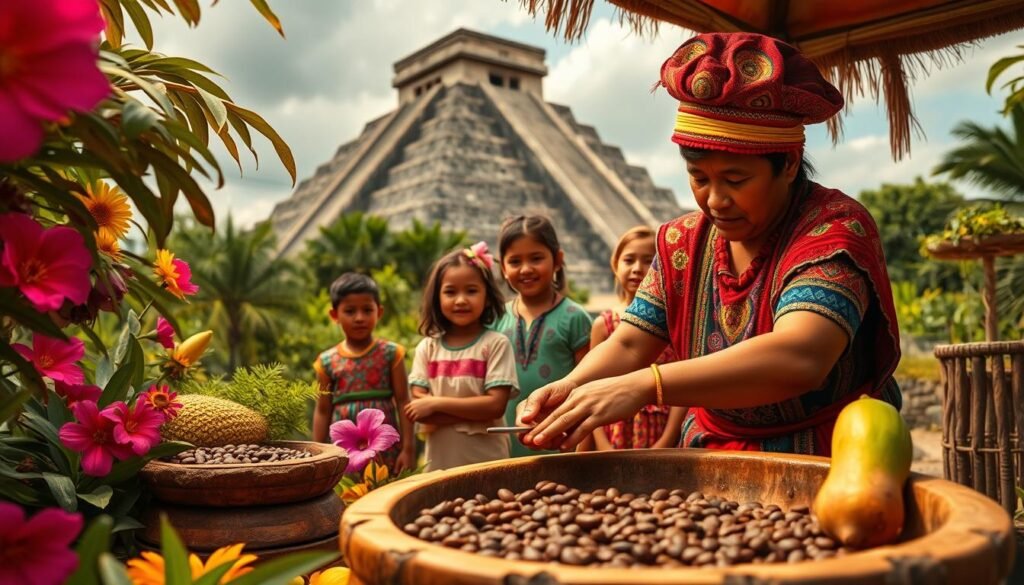
Day one kicked off with a bang – literally. Settlers fired muskets in celebration, startling their guests until Wampanoag hunters returned with five deer. The meal unfolded like a potluck from history: native cornbread met English cheese, shellfish steamed in clay pots, and cranberries served tart – no sugary relish yet.
| 1621 Feast Element | Modern Equivalent | Cultural Blend |
|---|---|---|
| Roasted venison | Oven turkey | Native hunting + European roasting |
| Three sisters stew | Green bean casserole | Wampanoag crops + settler spices |
| Dried berries | Canned cranberry sauce | Native preservation + colonial trade |

Here’s the kicker: corn stole the show. Wampanoag farmers had perfected its cultivation, while settlers initially called it “Indian wheat.” That golden grain became the feast’s MVP – ground into meal, boiled into porridge, even fermented into early beer experiments.
Why three days? Simple math: cooking massive food quantities took time. Men hunted between meals while women prepared the next spread. Children played games that doubled as survival training – think acorn tosses and fire-building races.
Modern eyes might find oddities everywhere. No pumpkin pie (no ovens). No saying grace (they prayed silently). No leftovers (they ate every scrap). But that raw, practical celebration planted seeds for our national holiday. Next time you pass the gravy boat, remember – you’re reenacting history’s greatest group project.
Squanto and Native Guidance: Agricultural Skills Passed On
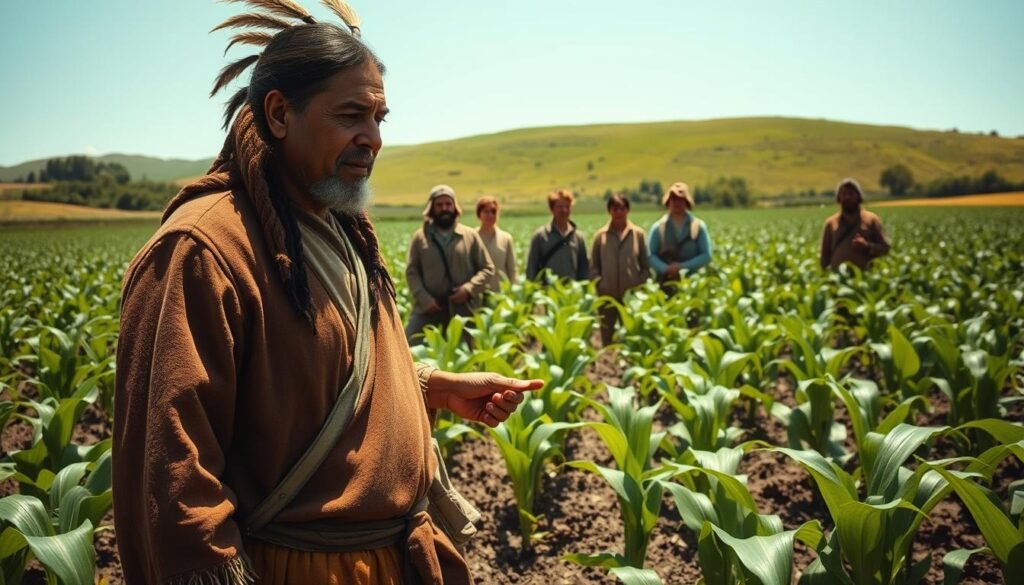
Who taught settlers to plant corn using fish as fertilizer? Meet Squanto – the ultimate survival coach. This native american had a wild backstory: kidnapped to Europe as a young man, he learned English before returning home to find his village wiped out by disease. Talk about resilience.
- Corn 101: Showed settlers how to bury fish with seeds – nature’s time-release fertilizer
- Forage Safety: Identified edible plants versus poisonous lookalikes
- Seasonal Smarts: Taught crop rotation cycles that kept soil healthy
Suddenly, those struggling settlers grew bumper crops. Corn became their lifeline – ground into flour, roasted on coals, even stuffed into mattresses. Without Squanto’s crash course, the new world might’ve remained a starving colony.
| Squanto’s Method | Settlers’ Old Approach | Result |
|---|---|---|
| Fish-fertilized mounds | Scattered seeds in dry soil | 5x higher corn yield |
| Three Sisters planting | Single-crop fields | Year-round food supply |
| Trap-and-relocate pests | Chemical-free panic | Protected harvests |
Funny how one man’s fishy hack became America’s first tradition of cross-cultural sharing. Those shared meals weren’t just about food – they were live demos of native wisdom. Next time you bite into cornbread, remember: you’re tasting 400-year-old genius.
Myth Busting Pilgrim Life: Attire, Customs, and Real Celebrations…
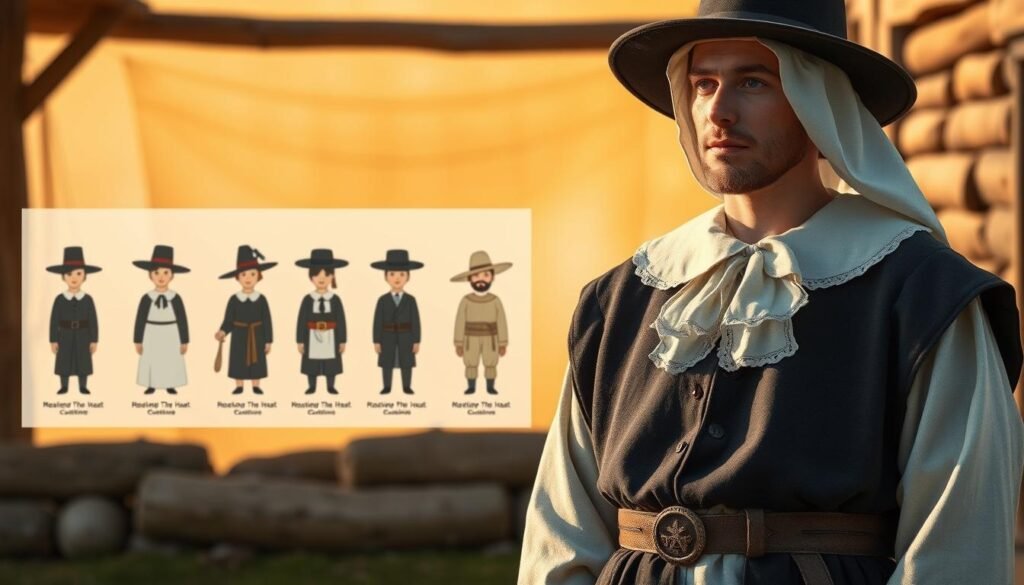
Ready for a fashion intervention from 1621? Those drab black-and-white pilgrim outfits you’ve seen in paintings? Pure fiction. Real settlers rocked earthy greens, russet reds, and even violet hues – their wardrobes had more color than a modern Instagram feed. And those silver buckles? Might as well strap iPhones to their shoes. Historical records show plain leather straps held their footwear together.
Here’s the tea: Puritan people avoided flashy clothes for religious reasons, but their everyday wear burst with natural dyes. Think walnut-brown aprons over cornflower-blue dresses. Even Wampanoag attendees at the feast likely wore practical deerskin tunics – not the towering feathered headdresses Hollywood loves. Those originated with Plains tribes thousands of miles away.
Let’s talk celebrations. Forget silent prayer circles – the 1621 gathering buzzed with games and storytelling. Settlers demonstrated English folk dances while Wampanoag youth played hubbub, a noisy dice game. Food wasn’t just eaten; it became cultural currency. Imagine passing a venison roast while debating fishing techniques through hand gestures and pidgin phrases.
New York-bound colonists later adapted these blended traditions, creating harvest festivals that mixed Dutch pastries with Iroquois bean bread. When Abraham Lincoln declared Thanksgiving a national holiday centuries later, he tapped into this messy, beautiful fusion of customs.
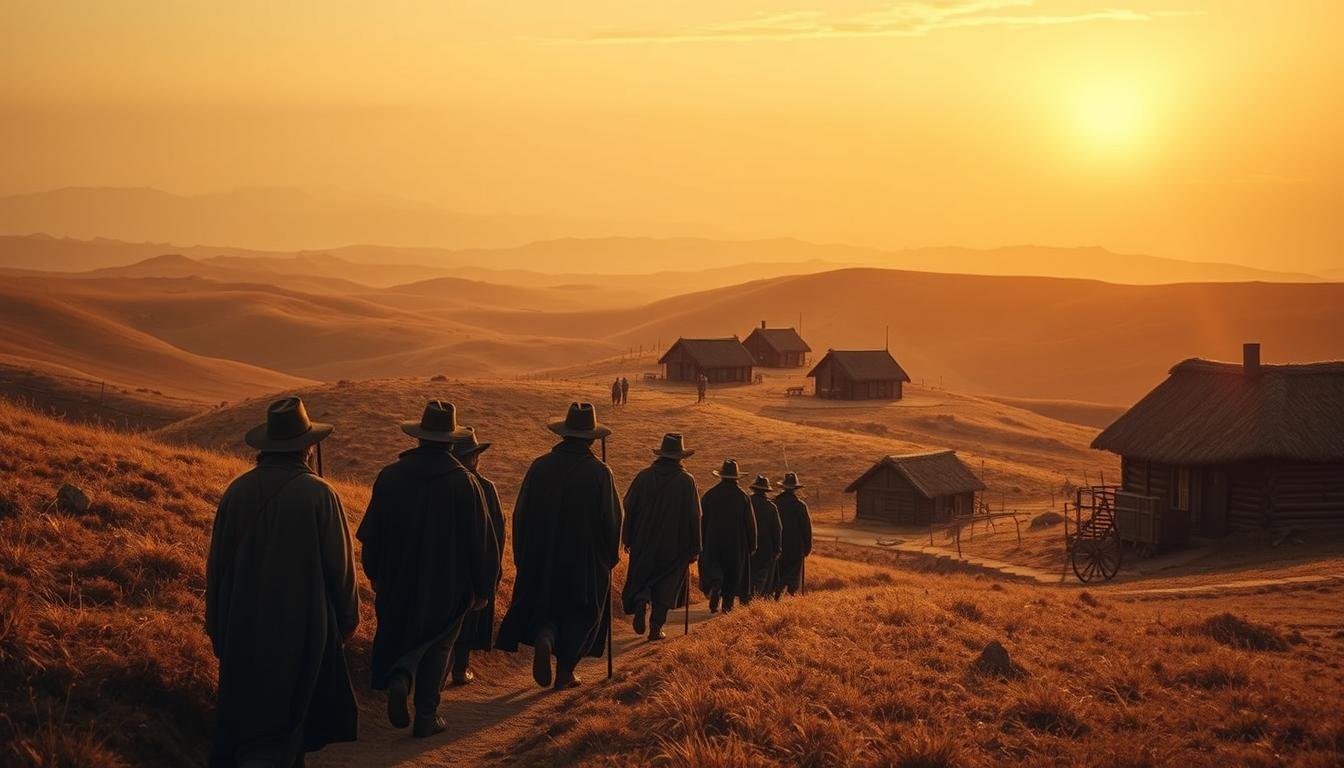
Textbooks show us half the picture – like cropped selfies from history. The full story? Much juicier. Those early people didn’t just survive. They partied their way through uncertainty, sewing wild threads into America’s cultural quilt.
Modern Day Thanksgiving: From Presidential Edicts to Evolving Traditions…
Let’s crack open the history books – turns out turkey pardons aren’t the only presidential power move. That fourth Thursday November tradition? Straight from Abraham Lincoln’s playbook during the Civil War. He made it official in 1863, but here’s the twist: George Washington tried declaring random days of thanks decades earlier. Neither could’ve imagined football marathons or Black Friday doorbusters.
Fast-forward to today: we’re mashing 400 years of tradition into one food-coma weekend. The holiday now blends solemn reflection with pure spectacle – think Macy’s parade floats rolling past historic reenactments. My favorite contradiction? We honor people who ate with their hands… while debating proper fork etiquette.
Why does this matter? Because thanksgiving day keeps shape-shifting. What began as political theater (looking at you, Founding Fathers) became a living tradition. Those canned cranberry slices? A Depression-era hack. TV dinners? A 1950s innovation. Each generation adds its own garnish to the plate.
Here’s the kicker: Lincoln’s proclamation didn’t even fix the date. For 75 years, states picked their own thursday november slots until FDR standardized it in 1941. Now today’s celebrations feel timeless – proof that good traditions aren’t born, they’re built.
First Thanksgiving Facts for Kids: A Step-by-Step Breakdown of a Historic Event…
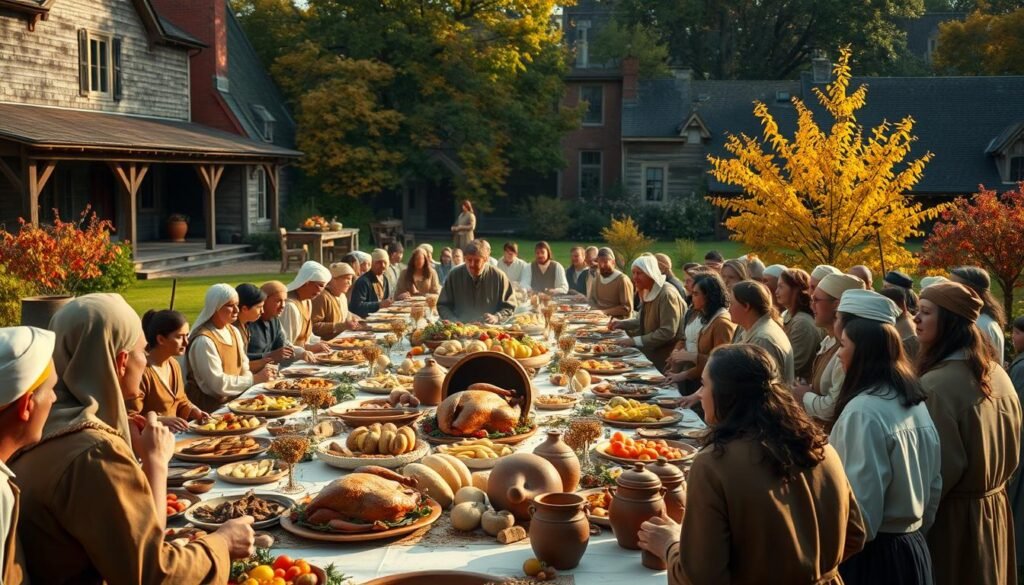
Grab your imaginary time-travel fork – we’re dissecting that legendary 1621 gathering bite by bite. Here’s how history’s most famous potluck went down:
| Day 1 | Day 2 | Day 3 |
|---|---|---|
| Wampanoag hunters arrive with deer | Settlers demonstrate musket shooting | Joint fishing expeditions |
| Cornbread & shellfish served | Three Sisters stew simmered | Leftover venison roasted |
| Silent prayers | Storytelling exchanges | Survival skill demonstrations |
This wasn’t some Instagrammable feast – it was a working lunch with stakes higher than your aunt’s pecan pie recipe. Every bite taught survival hacks: how to dry corn, smoke fish, and spot edible roots. The real centerpiece? Shared knowledge, not some golden-brown bird.
Warmer months had nearly broken both groups. Now they swapped stories like trading cards – settlers describing Atlantic storms, Wampanoag elders explaining seasonal migrations. Laughter bridged language gaps as kids played games mimicking hunting and farming.
Modern holiday meals? They’re the polished remix of this gritty original. Those three days mixed practical diplomacy with cautious celebration – a blueprint for how cultures can grow together. Next time you groan about family dinner, remember: your ancestors turned survival into an art form.

That’s why this national holiday sticks around. It’s not about perfect place settings – it’s about honoring that scrappy first meal where strangers became allies. Now pass the mashed potatoes, would you?
From the Mayflower’s Arrival to a National Celebration
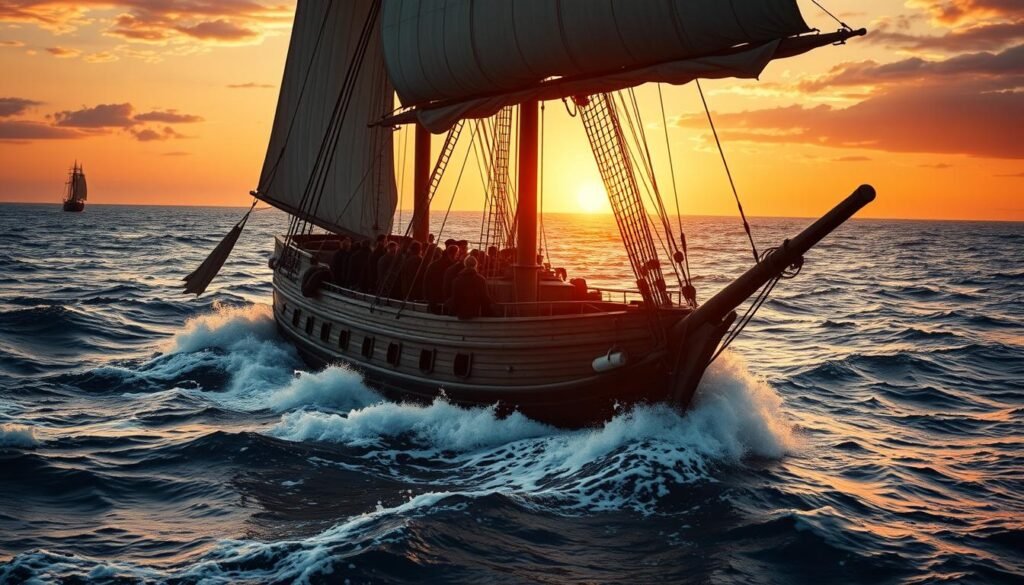
Here’s a plot twist even Hollywood couldn’t script: the Mayflower aimed for New York but got blown 200 miles north. Stormy winds forced that rickety ship to Cape Cod – a wrong turn that reshaped America’s story. Imagine if they’d landed where skyscrapers stand today. Would we have Central Park parades instead of football marathons?
Those settlers didn’t just change their GPS coordinates. They built a tradition of adaptation in that rocky place. No fancy tools. No Target runs. Just raw determination to survive winters that killed half their group. Their grit laid groundwork for what became a holiday – though they’d never call it Thanksgiving.
Funny thing about history: people create legacies by accident. Those colonists spent a grueling year learning to fish New England’s waters and farm Wampanoag-style. Each meal felt like a victory – tiny rehearsals for future days of thanks.
Now here’s my favorite detail from old journals: sailors spotted birds circling Cape Cod’s shorelines. Some say those feathered scouts guided the ship to land. Whether true or not, it’s poetic – like nature itself nudged them toward creating the United States’ most cherished tradition.
Closing on Thanksgiving’s Complex Tapestry—Stories Still Being Unwritten…
History stitches its wildest tales between harvest feasts and frozen winters. That golden turkey dominating your table? A 20th-century marketing coup masking simpler truths. The real MVP wasn’t poultry—it was people rewriting survival manuals across cultural divides.
Let’s be clear: native americans didn’t just attend that 1621 feast. They authored its script. Their agricultural genius turned starvation into sustenance, yet we’re still untangling their full legacy. Every bite of cornbread today whispers their 400-year-old lesson: collaboration beats competition.
Our modern celebration? A Frankenstein of traditions. Pilgrim grit fused with Wampanoag wisdom, Lincoln’s politics with supermarket convenience. Those three chaotic days in 1621 birthed a year-round conversation about what—and who—we honor.
Here’s what fascinates me: the story’s still cooking. Each generation seasons the pot—adding immigrant flavors, activism, even TikTok trends. That frozen first winter proved endings can spark new beginnings. So next time you carve the turkey, ask: what unwritten chapters might we add to this ever-evolving feast?