You know July 4th means fireworks and hot dogs, but the real drama behind America’s birth? Picture this: spies swapping secret codes in taverns, midnight rides that weren’t just for horseback selfies, and pirates who accidentally helped win a war. This isn’t your grandpa’s history lecture—it’s the wild, sneaky stuff textbooks skip.
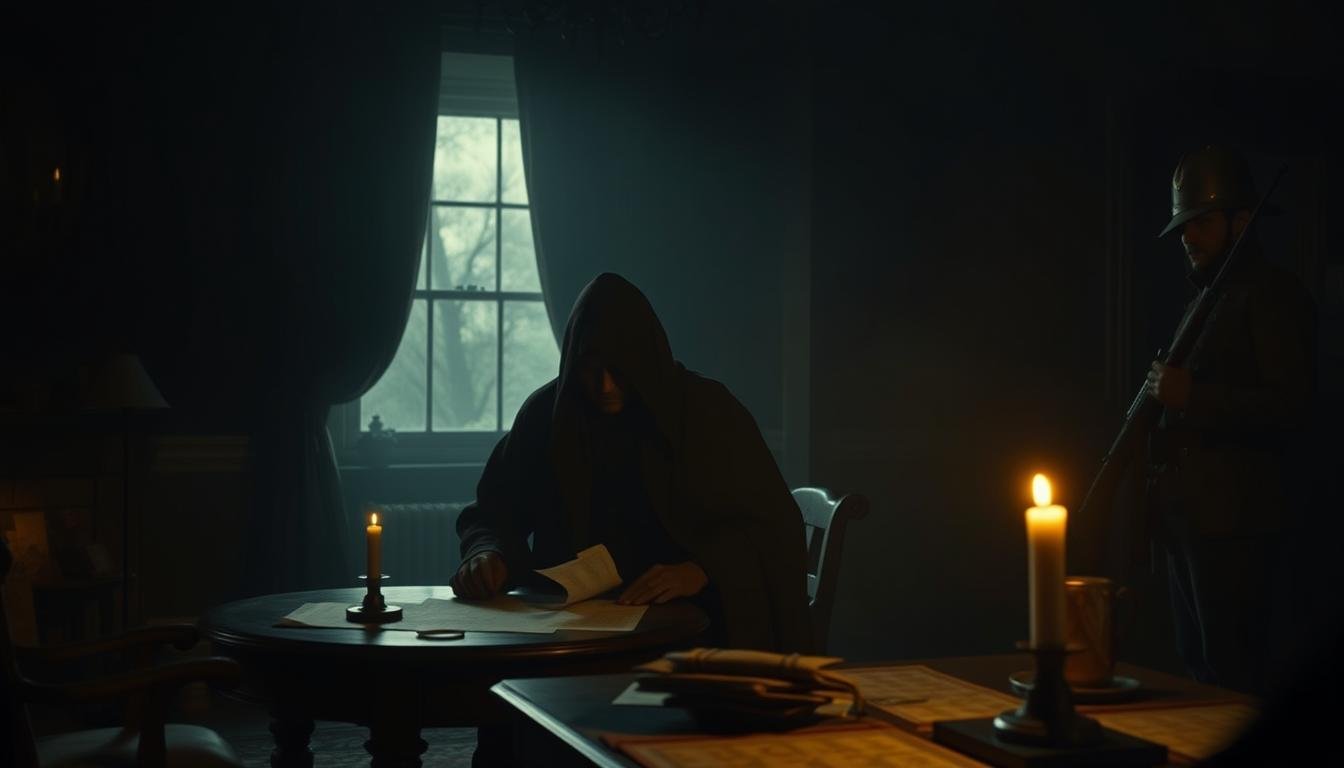
Let’s talk about the american revolution like we’re trading gossip. Did you know soldiers used invisible ink made from lemon juice? Or that Paul Revere’s famous ride was actually a three-person relay race? These stories aren’t dusty old facts—they’re proof that the united states was built by rebels with a flair for drama.
I’ll spill the tea on how George Washington ran a spy ring called the Culper Gang (sounds like a middle school club, right?). We’ll explore why Britain’s fancy red coats made terrible camouflage and how one sneaky woman hid messages in her laundry. History’s never been this unapologetically weird—and that’s why it matters.
Setting the Stage: Colonial Life Before Conflict
Imagine tossing tea into Boston Harbor because your morning paper suddenly cost extra. That’s the vibe in the colonies before shots rang out. Great Britain kept slapping new rules on everything from playing cards to legal documents, and people were fed up.
Everyday Battles Against British Laws
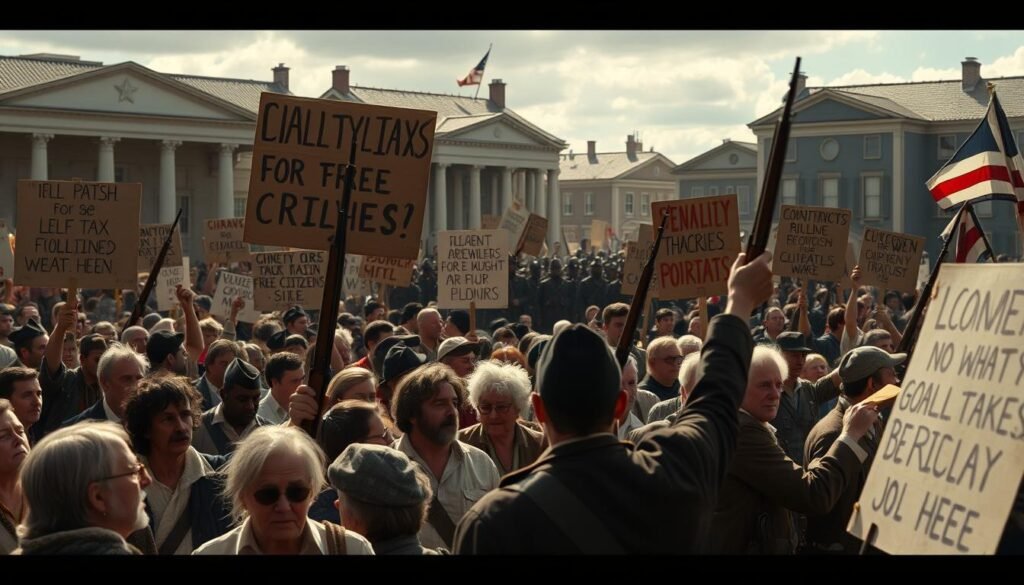
Picture this: you’re buying a newspaper in 1765, and the shopkeeper demands extra cash for a shiny stamp. The Stamp Act turned ordinary tasks into silent protests. Colonists boycotted British goods, brewing homemade tea instead. Some even burned stamped paper in bonfires—talk about fiery reviews!
The Stamp Act’s Unexpected Consequences
Here’s the kicker: Great Britain thought taxing paper would fund soldiers. Instead, it united the colonies like never before. Secret societies like the Sons of Liberty formed, spreading messages through taverns and town squares. Even kids got involved, stitching homemade clothes to avoid imported fabrics.
By 1766, the government repealed the hated law—but the damage was done. Colonists realized their power when they pushed back together. This time period wasn’t just about taxes; it was practice for the bigger rebellion coming. Who knew a piece of stamped paper could kickstart a revolution?
Unraveling the Catalysts Behind the Revolution
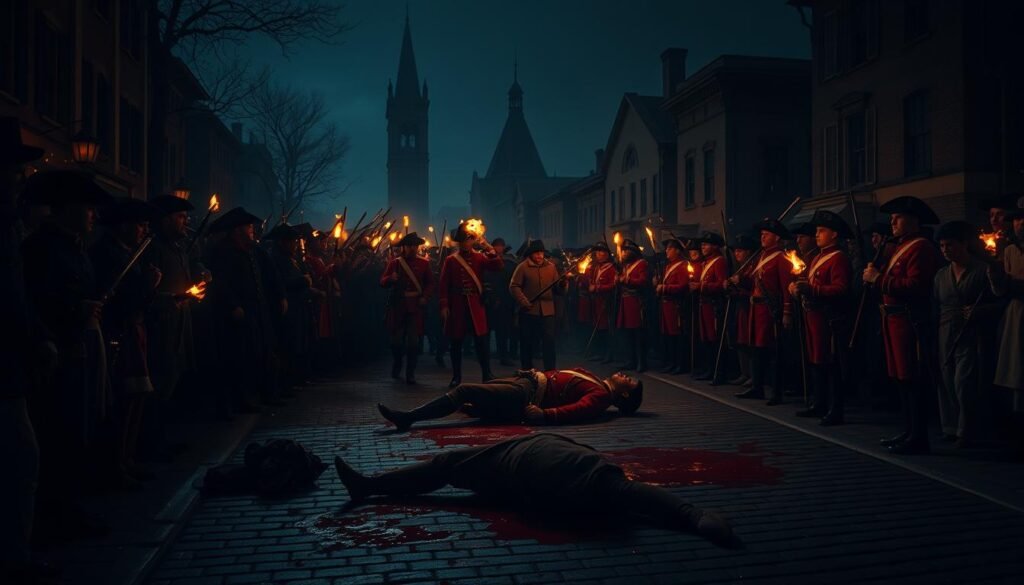
What happens when a snowball fight turns deadly? Let me paint the scene: March 1770, British troops facing off against angry colonists in Boston. Shouts turned to shots—five lives lost. But here’s the twist: future president John Adams defended those soldiers in court. Talk about a plot twist!
The Boston Massacre and Its Controversial Twist
That snowy night became propaganda gold. Colonial leaders called it a “massacre,” printing posters showing redcoats mowing down innocent crowds. Meanwhile, John Adams argued the troops acted in self-defense. His win? A temporary peace—but colonists never forgot those five faces.
Tax Protests That Sparked Fierce Reactions
Think that’s wild? Wait till you hear about the tea tax tantrum. Britain kept slapping fees on everything—paper, paint, even playing cards. Colonists responded with boycotts so fierce, merchants dumped 342 chests of tea into Boston Harbor. These weren’t just protests—they were full-blown events reshaping loyalties.
By 1774, anger over taxes and the “massacre” pushed colonies to form the continental congress. What started as street fights became a coordinated push for change. Every thrown tea crate and courtroom drama chipped away at British control—proof that small sparks can ignite big revolutions.
Revolutionary War Facts for Kids: Spies, Secrets, and Midnight Rides
What’s cooler than secret codes? How about invisible ink recipes straight from George Washington’s playbook? This was an era when soldiers traded musket balls for mind games, and the continental army outsmarted enemies with tricks James Bond would envy.
The Role of Invisible Ink in Wartime Messaging
Forget lemon juice—Washington’s spies used ferrous sulfate mixed with water. Write a message, let it dry, and reveal it with… wait for it… horse pee. British soldiers never suspected laundry lists contained battle plans. One wrong wash cycle could’ve changed history.
Clever Espionage Tactics That Altered Battles
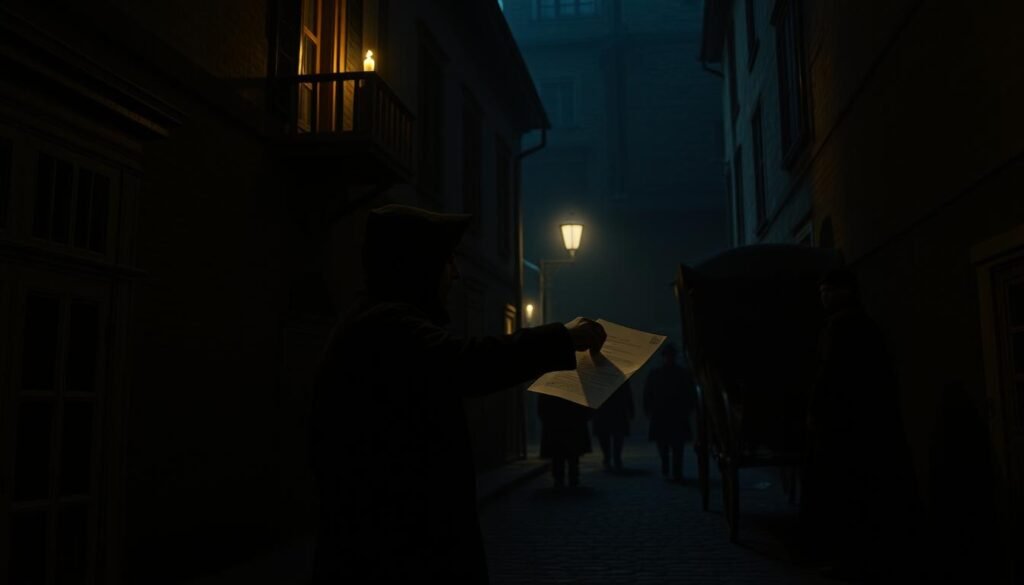
The Culper Gang (Washington’s A-team) used numbered codes and female couriers. Benjamin Franklin even spread fake letters to confuse redcoats. Ever heard of “magic bullets”? American soldiers hollowed out musket balls to hide maps—18th-century USB drives.
Tactic
British Response
Impact
Invisible Ink Letters
Failed to detect
Saved NYC from attack
Fake Supply Lists
Diverted troops
Won key battles
Coded Newspaper Ads
Never cracked
Coordinated spy rings
While redcoats marched in straight lines, the continental army played chess. Their best weapon? Chaos. Next time you complain about Wi-Fi, remember these guys sent vital intel using petticoats and silver buttons.
Battlefield Stories and Soldier Life
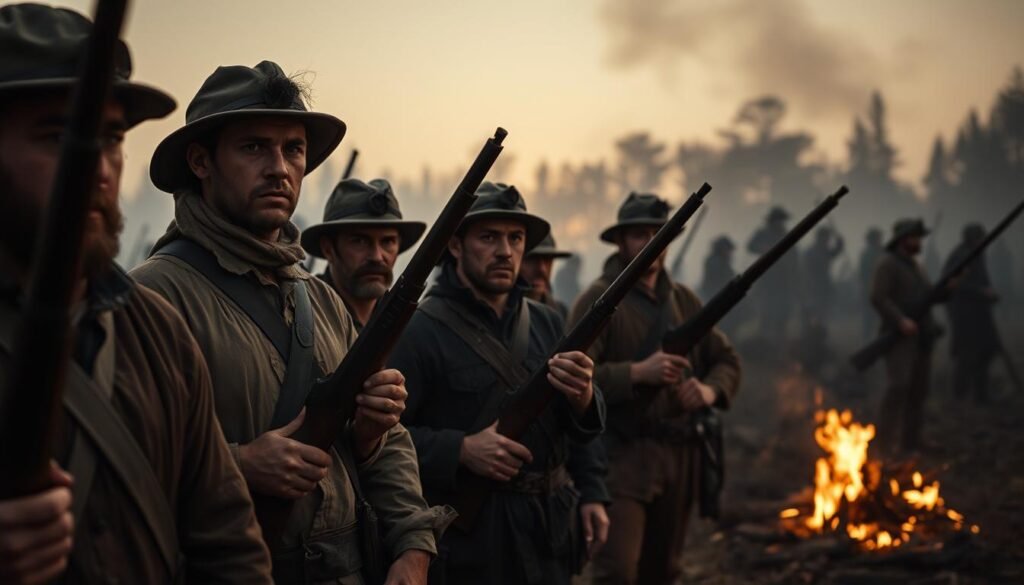
Picture this: you’re a farmer-turned-soldier clutching a musket with frostbitten fingers. That’s the life minutemen faced daily—no fancy uniforms, just homespun shirts and grit. These men slept in fields or barns, surviving on “firecake” (flour-and-water paste cooked on rocks) and whatever squirrels they could catch. Forget weekends off—disease and hunger were their constant companions.
Life on the Frontlines for Minutemen
Imagine waking to lice crawling through your hair—a “welcome committee” in every new place. Smallpox spread faster than rumors, turning makeshift hospitals into nightmares. Soldiers shared one blanket between three men, their boots rotting off in muddy trenches. Yet they cracked jokes about British tea preferences between battle drills.
Here’s the kicker: winning a skirmish often meant celebrating with stolen British rum. One diary entry describes soldiers dancing jigs barefoot in the snow after capturing supplies. These moments of laughter kept hope alive when rations dwindled to moldy bread.
Through it all, minutemen wrote letters home using berry juice as ink. One teen’s note read: “Ma—still alive. Send socks.” Their stories aren’t just about battle—they’re snapshots of ordinary people doing extraordinary things while fleas nibbled their ankles.
Unsung Heroes: Women and Other Brave Figures
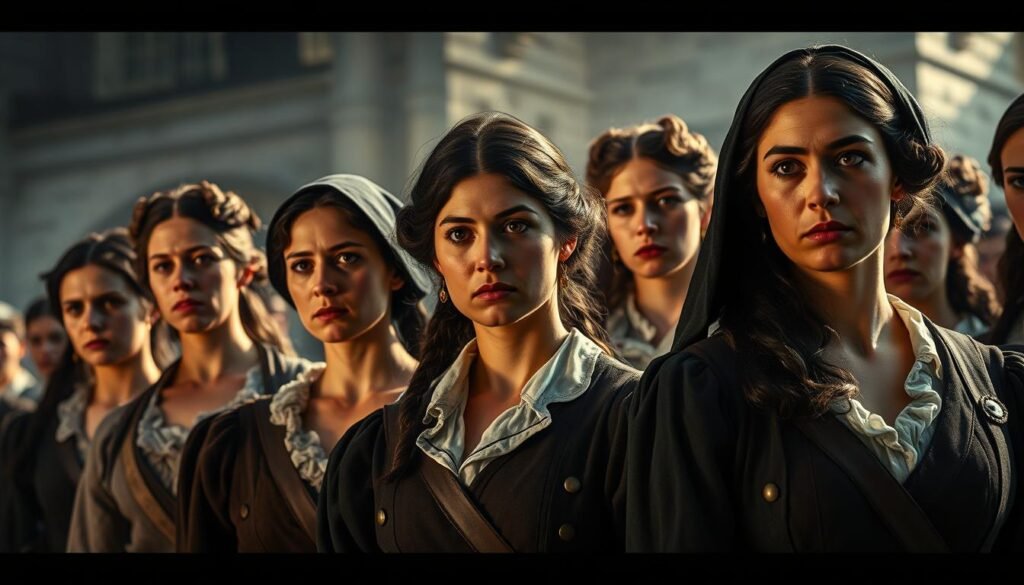
Did you know a woman’s laundry basket once held secrets that changed the course of history? While men fought with muskets, women waged quieter wars—running spy networks from kitchens, stitching codes into quilts, and even loading cannons in petticoats. Their stories crackle with the kind of gutsy creativity your social studies teacher probably skipped.
Women Who Fought with Courage and Wit
Take Molly Pitcher, the legend who carried water pitchers to thirsty soldiers… until her husband collapsed at a cannon. She grabbed the rammer and kept firing through smoke and chaos. But here’s the kicker: “Molly” wasn’t one person—it became a nickname for any brave woman on the frontlines.
Then there’s Lydia Darragh, a Philadelphia mom who eavesdropped on British officers renting her home. She memorized their attack plans, hid the intel in fabric buttons, and walked 10 miles through snow to warn Washington’s army. All while pretending to fetch flour from the mill.
Heroine
Secret Weapon
Impact
Anna Strong
Laundry Signals
Alerted spies via hanging petticoats
Deborah Sampson
Disguised as “Robert”
Served 17 months undetected
Phillis Wheatley
Poetry
Convinced colonists slavery contradicted freedom
These women didn’t just endure eight grueling years of war—they shaped the nation’s future. From smuggling medicine in baby carriages to writing coded recipes, their ingenuity became the backbone of the revolution. Next time you hear “Founding Fathers,” remember the mothers, sisters, and daughters who fought just as fiercely for this country’s freedom.
Foreign Hands: International Influences During the Revolution
What if I told you America’s fight wasn’t solo? While colonists battled in North America, eyes across the Atlantic Ocean watched closely. Countries like France saw a golden opportunity to weaken Britain—and secretly shipped guns, cash, and expertise our way.
French Aid That Changed the War’s Course
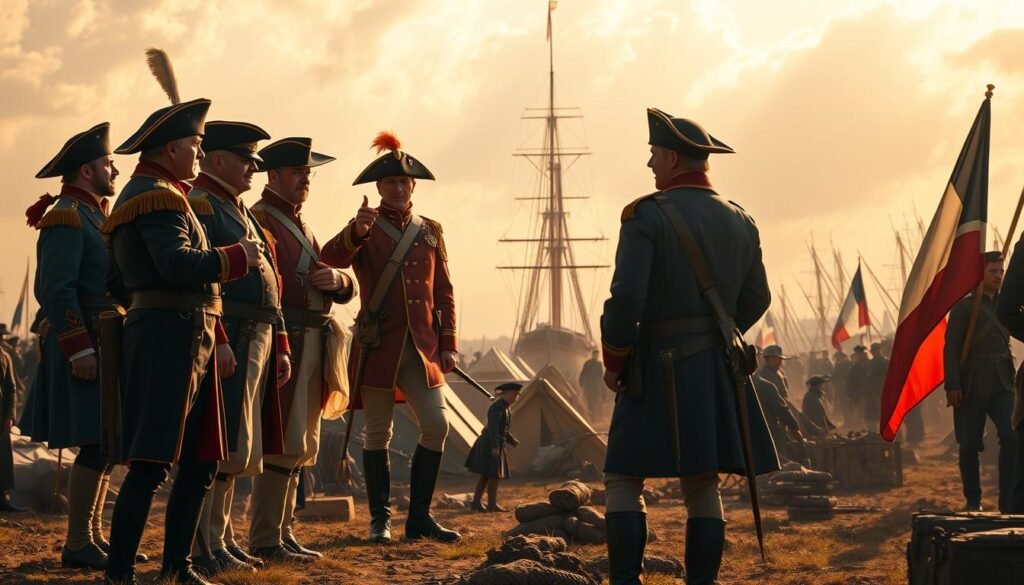
Let’s talk about the ultimate plot twist: French nobles fighting alongside farmers. After the Declaration of Independence, France sent 12,000 soldiers and 32 warships. Their navy trapped British forces at Yorktown—the final battle that made King George throw in the towel.
Marquis de Lafayette, a 19-year-old Frenchman, became Washington’s right-hand man. He even funded his own troop uniforms! Meanwhile, Admiral de Grasse’s fleet blocked British escape routes off New York. Without their help? We’d likely still be sipping tea at 3 p.m.
Allies From Across the Atlantic
France wasn’t alone. Spain flooded the Gulf Coast with troops, diverting British resources. The Netherlands bankrolled the revolution through shady island loans. Even Polish engineers redesigned colonial forts.
Country
Support Type
Impact
France
Troops & Ships
Won Yorktown
Spain
Military Pressure
Strained British forces
Netherlands
Financial Loans
Funded supplies
This worldwide effort proved something radical: freedom’s contagious. When redcoats seized New York harbor, French cannons answered. The Atlantic Ocean became a highway for hope—not just a barrier. Next time you see the Statue of Liberty, remember: she’s French!
Ending the Revolution: The Birth of a New Nation
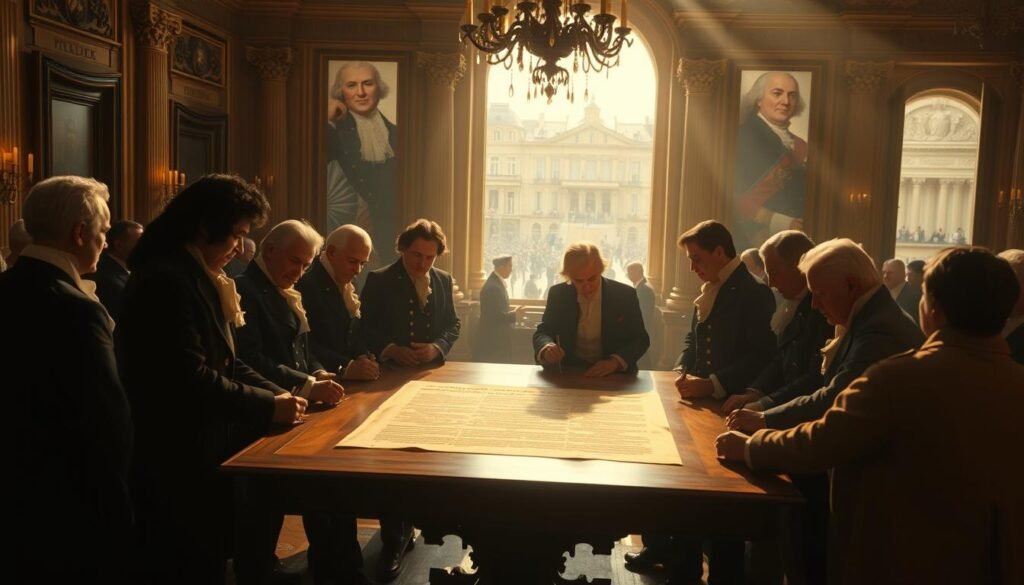
What does victory smell like? For America’s founders, it reeked of ink and exhaustion. On September 3, 1783, diplomats signed the Treaty of Paris—but the real work began after the quills stopped scratching. Independence wasn’t magic—it required creating systems from scratch while redcoat ships still lurked offshore.
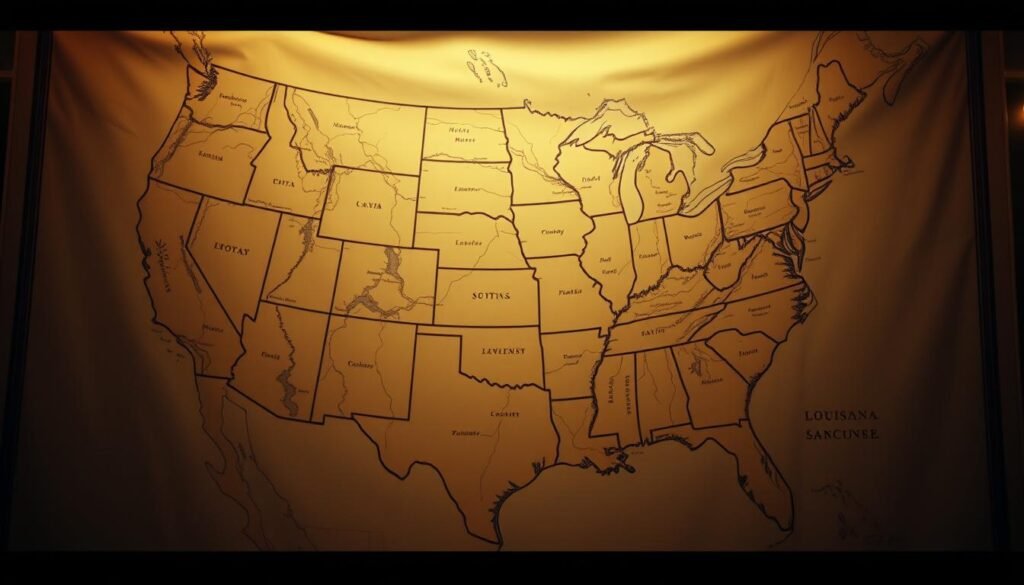
Here’s the twist: the treaty’s articles gave us land stretching to the Mississippi River, but zero instructions on governing it. Leaders scrambled to draft state constitutions, their debates echoing in taverns and print shops. The end of fighting revealed a messy reality—how do you turn ragtag colonies into a functioning nation?
Those late-night debates birthed ideas we still wrestle with today. When they finally ratified the Articles of Confederation years later, it wasn’t perfection—just proof that independence means constant reinvention. The revolution never truly ended—it just swapped muskets for meeting halls.
So next time you see fireworks, remember: freedom’s first draft was written by exhausted people still arguing about taxes… and whether raccoon fur counts as formal wear.