Ever wonder what’s thumping in your chest like a built-in drumline? Spoiler: It’s not shaped like a Valentine’s card. This fist-sized champ works 24/7—even when you’re zonked out dreaming about pizza volcanoes.
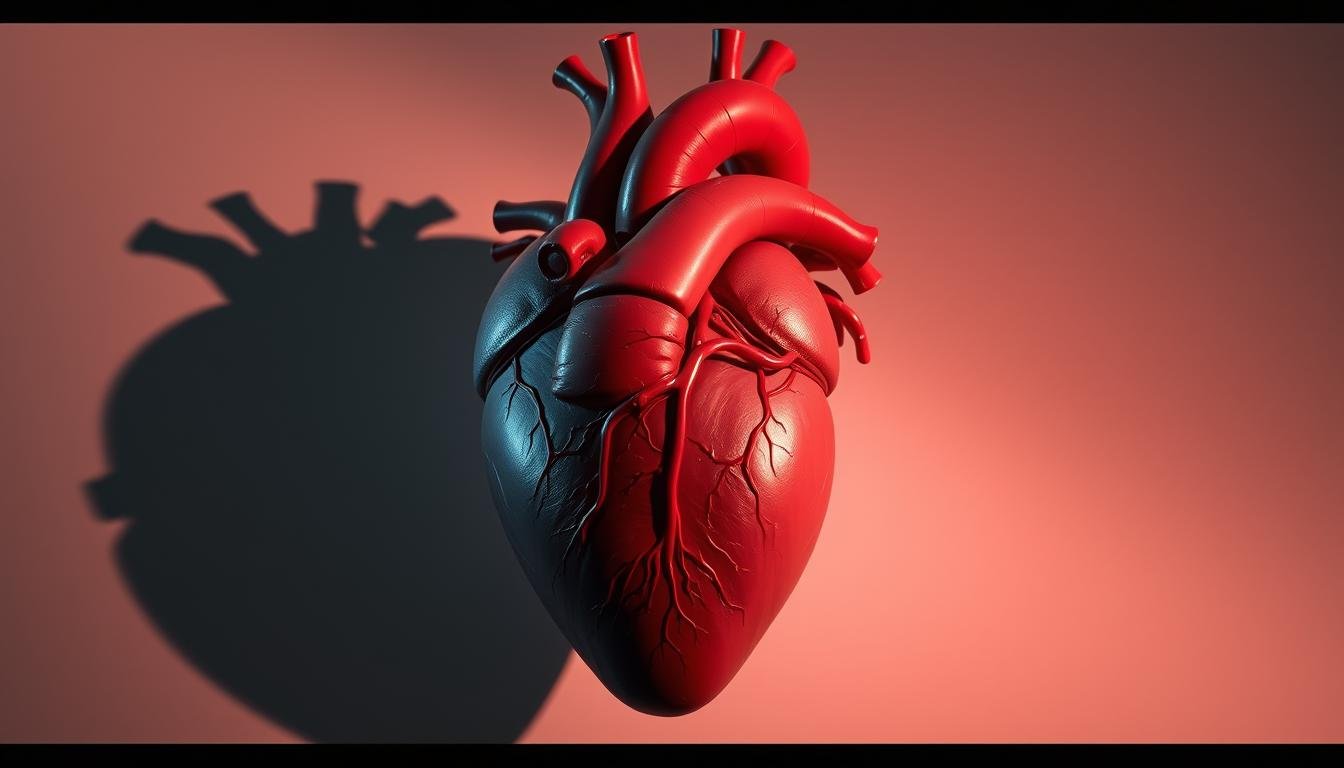
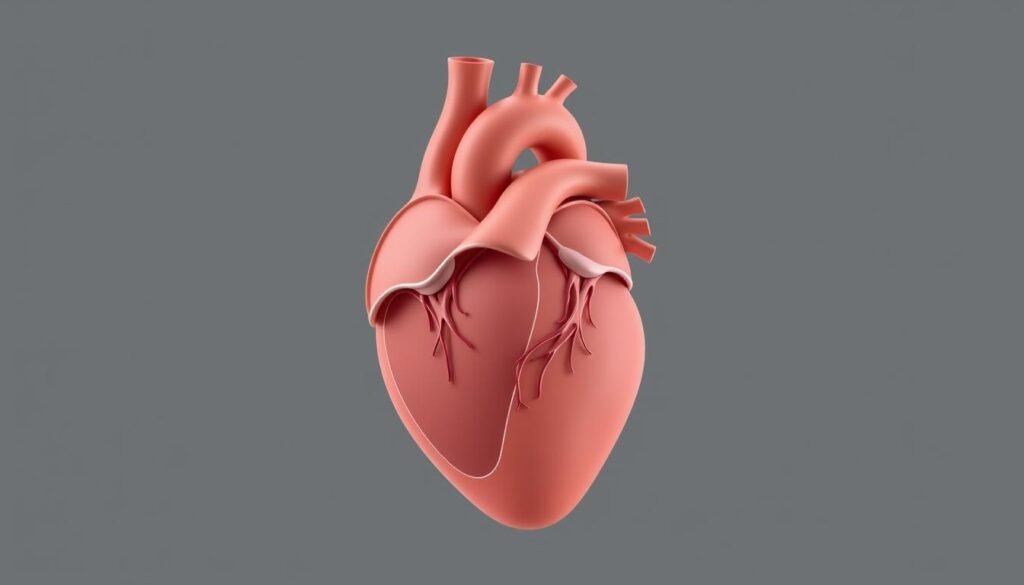
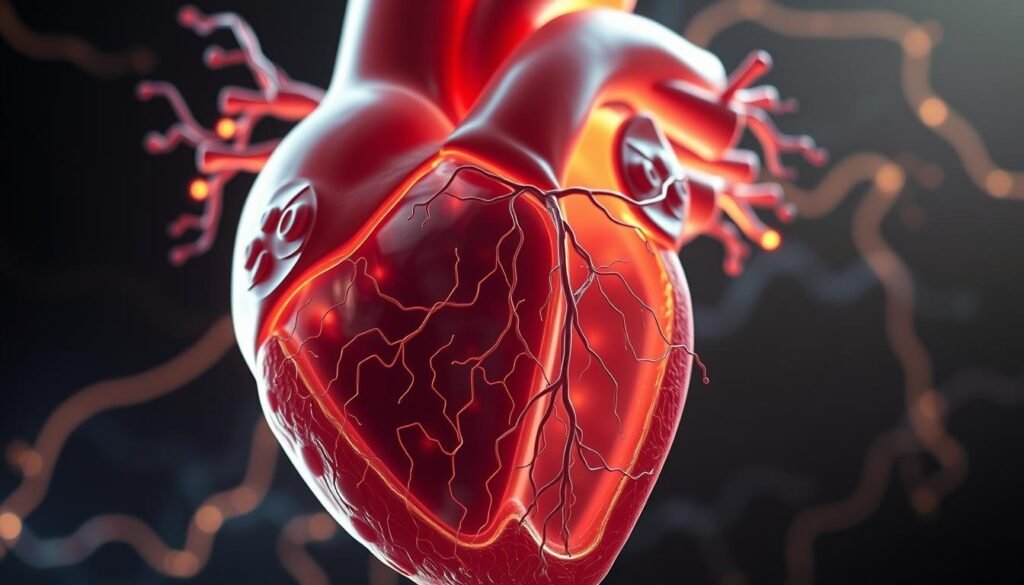
Let’s get real: Your actual ticker looks more like a squishy upside-down pear. And guess what? If you ball up your hand right now, that’s roughly its size. *Cue mind-blown emoji*.
This muscle isn’t just chilling behind your ribs. It’s a blood-pumping ninja—shoving oxygen to your toes, then sprinting it back to your lungs. All day. All night. No sick days. No union breaks. Talk about overachieving.
Fun twist: Your heart’s slightly to the left side of your chest. Not dead-center like cartoons claim. Bet you didn’t see that plot twist coming!
Heart Facts for Kids: Amazing Anatomy and Hidden Details
That ❤️ symbol? Your actual human heart says, “Nope, not even close!” Let’s peek behind the curtain at nature’s most misunderstood organ.
Your Heart: Not as You Imagine
Picture a house with four rooms—two upstairs (atria) and two downstairs (ventricles). That’s your ticker’s real layout. No kidding—those chambers push blood through your body like a hyperactive postal service. And those “doors” between rooms? They’re called valves, slamming shut after each delivery to keep traffic flowing one way.
More Than a Fist-Sized Surprise
Here’s the kicker: Your heart muscle isn’t like other muscles. While biceps take naps, this muscle flexes 100,000 times daily. Imagine doing push-ups every three seconds—while asleep. Isn’t that wild?
This system works because cardiac tissue self-powers. No brain commands needed. Just pure, rhythmic hustle. And get this: If your human heart were a car, it’d circle Earth twice a week on fuel. Talk about mileage!
The Heart’s Tough Muscle: Nonstop Performance
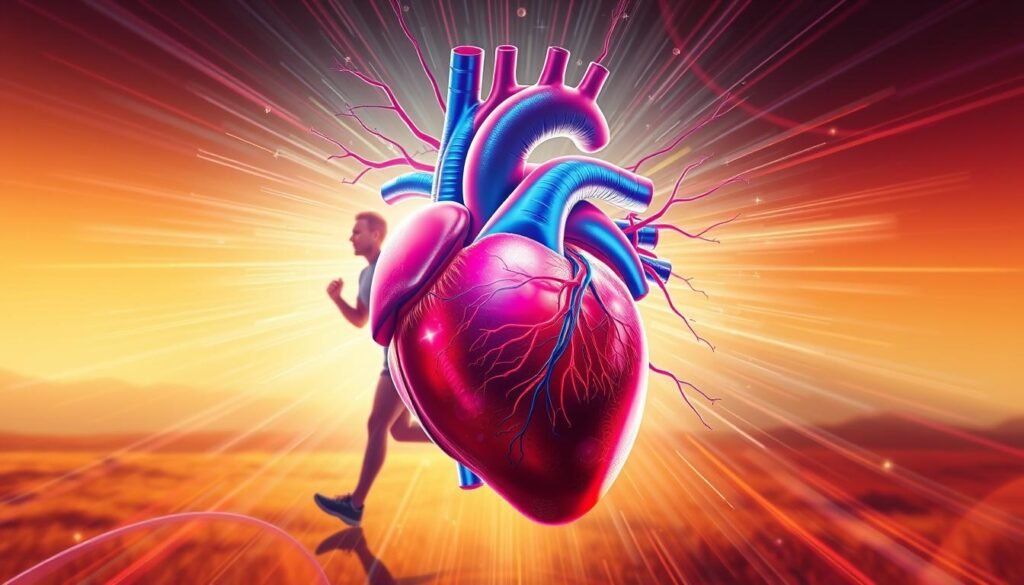
Think your weekend soccer game is tough? Your heart muscle’s been training nonstop since before you were born. This powerhouse moves blood through 60,000 miles of vessels daily—enough to wrap around Earth twice. And guess what? Every jump shot or playground sprint makes it stronger.
Chasing friends in tag? That’s like giving your human heart a gym membership. Active play trains it to pump more efficiently—imagine upgrading from a bicycle to a race car. Studies show regular activity helps this muscle beat slower at rest, saving energy for big moments.
Here’s the kicker: A typical adult’s ticker flexes 100,000 times a day. That’s 35 million beats yearly! But when you’re dribbling a basketball or racing up stairs, you’re teaching it to work smarter. Even a quick walk after lunch keeps the system humming smoothly.
Shooting hoops strengthens chamber walls
Jumping rope boosts oxygen delivery
Dancing improves circulation to extremities
Babies’ hearts actually beat fastest—up to 130 thumps per minute. Yours? It’s cruising at a steadier pace, thanks to growth. But here’s the cool part: Every time you choose stairs over elevators, you’re helping that fist-sized wonder last longer. Not bad for a squishy upside-down pear.
Sound and Rhythm: What Your Heart Tells You
That rhythmic thump-thump in your chest isn’t just background noise—it’s a live concert of biology! Those iconic “lub-dub” sounds you’ve heard in movies? They’re actually the valves in your ticker slamming shut to keep blood flowing one way. Think of it like a high-stakes game of musical chairs, but with your lifeblood.
Lub-dub Beats with a Story
Grab a stethoscope, and you’ll hear two distinct noises. The first “lub” happens when the mitral and tricuspid valves close. The louder “dub” follows as the aortic and pulmonary valves shut. Each pair acts like a security checkpoint, preventing backflow. Miss one beat, and the whole system gets chaotic!
Valves operate faster than TikTok’s algorithm—opening/closing 100k+ times daily
The sound changes if there’s a leak or blockage (like a kinked garden hose)
Doctors listen for crisp “lub-dubs” to confirm everything’s on track
Feel the Thump in Action
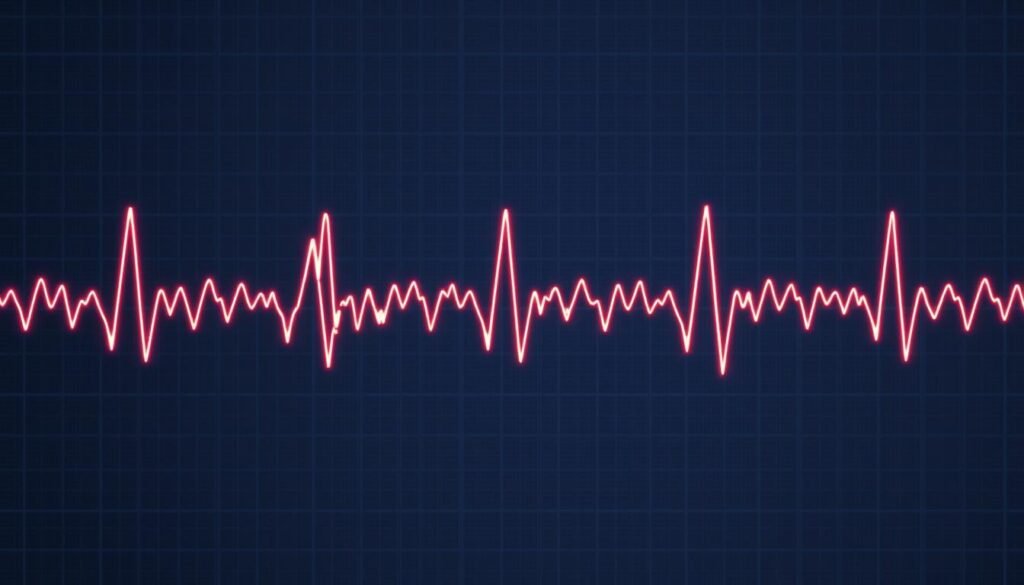
Press two fingers to your wrist. Feel that pulse? That’s your heartbeat pushing blood throughout your body at highway speeds. Even cooler: Your valves create tiny vibrations you can sometimes feel during intense exercise. Pretty wild, right?
Here’s the kicker: This rhythm adapts to your needs. Sleeping? It’s a slow jazz riff. Sprinting? A drum solo. And those vessels we mentioned earlier? They’re the roadways delivering oxygen to every cell. Next time you’re bored in class, remember—your chest’s hosting a nonstop symphony of survival.
Electrical Magic and System Work
There’s a secret power grid inside your chest keeping the beat 24/7. Hidden beneath the muscle lies a heart electrical network more precise than subway timetables. Pair that with chemical messengers zipping through your bloodstream, and you’ve got biology’s ultimate collaboration.
Nerve Sparks and Hormone Hustles
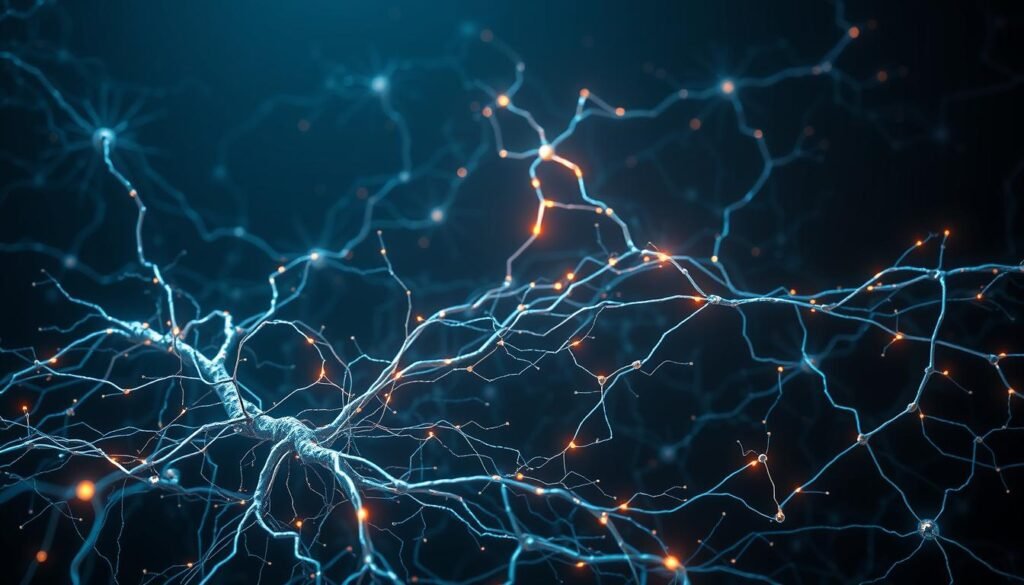
Meet your pacemaker cells—tiny conductors in the heart’s right atrium. These specialized cells fire electrical impulses like clockwork, telling chambers when to squeeze. No brain orders needed. It’s like your body’s own radio station, broadcasting beats without you lifting a finger.
But wait—there’s backup. When you bolt up a tree or face a pop quiz, adrenaline floods your system. This hormone turbocharges your heart rate, prepping muscles for action. Conversely, thyroid hormones adjust the tempo gradually, like a thermostat fine-tuning your health.
Here’s the kicker: This electrical magic balances blood pressure automatically. Faster beats push more oxygen-rich cells through vessels. Slower rhythms conserve energy. Researchers found even subtle changes in these signals affect overall health—proving your ticker’s smarter than any smartwatch.
Pacemaker cells generate 60-100 sparks per minute at rest
Adrenaline can double heart rate in seconds during emergencies
Thyroid imbalances create erratic rhythms needing medical checks
Next time your pulse races, thank this unseen system. It’s running a nonstop light show to keep your blood pressure steady and oxygen flowing—no charging cable required.
Handy Tips and Wrapping Thoughts on a Healthy Beat
Let’s get hands-on with your body’s metronome. Press two fingers to your wrist—feel that steady tap-dance? That’s your pulse keeping score. Track it before breakfast and after recess. You’ll notice how stress or excitement cranks up the tempo. Trust me, it’s cooler than it sounds!
Here’s your starter pack for health hacks:
Race friends to the playground—activity strengthens those hidden vessels
Swap one soda for water daily (your chest’s rhythm will thank you)
Recent studies reveal something wild: Your body’s highways adapt to your habits. Skip stairs for a week? Those pathways get sluggish. Dance daily? They become superhighways. It’s all connected—your rate, your choices, your future.
Here’s my favorite aha moment: That thump beneath your ribs isn’t just biology. It’s a live report card. Craving fries? Your pulse spikes differently than after broccoli. Big test tomorrow? Your chest drumrolls the anxiety. Listen closely—it’s chatting with you 24/7.
Keep exploring. Track how deep breaths steady the beat. Notice how sleep resets the rhythm. What’ll you discover next?