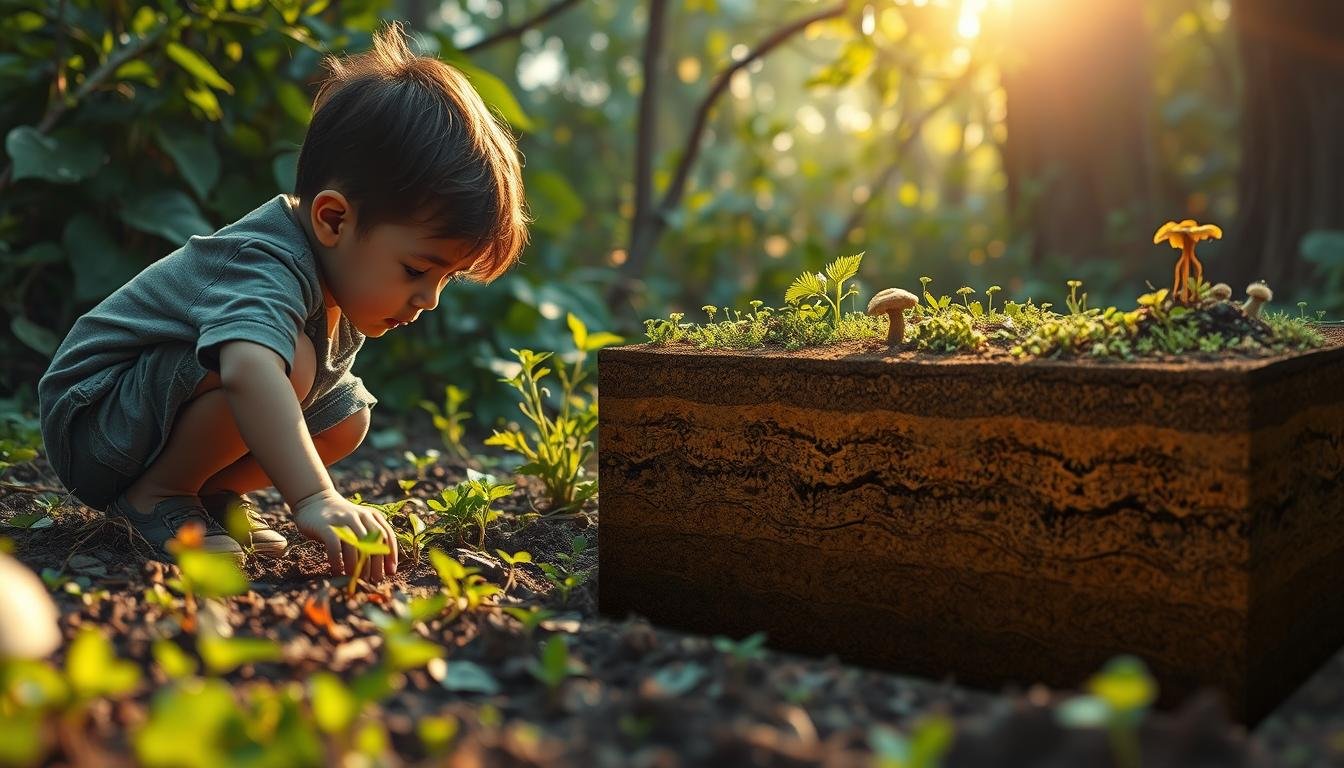
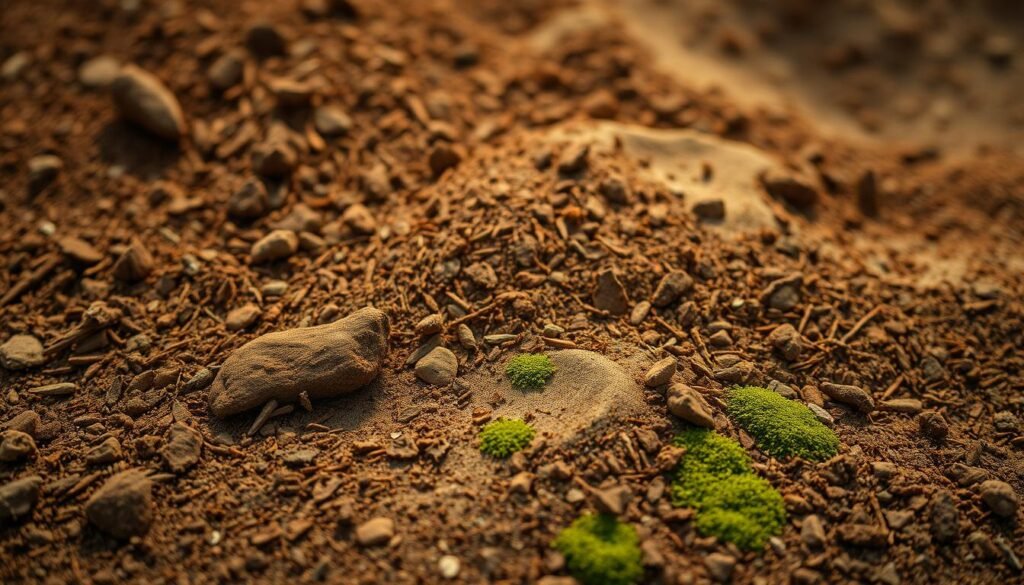
Soil is the living skin of our planet, full of mysteries waiting to be found! It’s not just dirt; it’s a complex world filled with life and secrets.
Soil facts for kids show us a hidden world under our feet. What is soil? It’s a mix of rock, organic matter, water, and tiny living things. They all work together to help plants grow and keep life on Earth going.
Think about it: a small handful of soil has more life than all people on Earth. Microbes, insects, fungi, and tiny animals form a network more advanced than any human tech.
Scientists say soil is the base of our planet’s ecosystems. Every teaspoon of healthy soil has billions of tiny creatures. They break down dead plants, recycle nutrients, and keep our planet healthy.
Are you ready to explore the underground world and learn amazing soil facts? This journey will change how you see the ground beneath your feet. It will show you how it’s a complex, living system that supports all life on Earth.
Understanding What Soil Really Is
Soil is like a living, breathing world beneath our feet. It’s not just rocks and dirt. It’s a complex ecosystem full of life and secrets.
Soil’s makeup is more complex than you might think. It’s like a magical recipe with several key ingredients. These ingredients work together to create something extraordinary.
The Basic Components of Soil
Soil is made up of five main parts:
Minerals: Small rock particles that provide structure
Organic Matter: Decomposed plants and animals
Liquid: Water that helps nutrients move
Gases: Air pockets between soil particles
Living Organisms: Tiny creatures like bacteria and insects
Why Soil Isn’t Just Dirt
Many people confuse “soil” and “dirt.” But they’re not the same. Dirt is dead and sterile. Soil, on the other hand, is alive and vibrant. Think of dirt as loose ground, but soil as a complex habitat.
The Different Layers of Soil
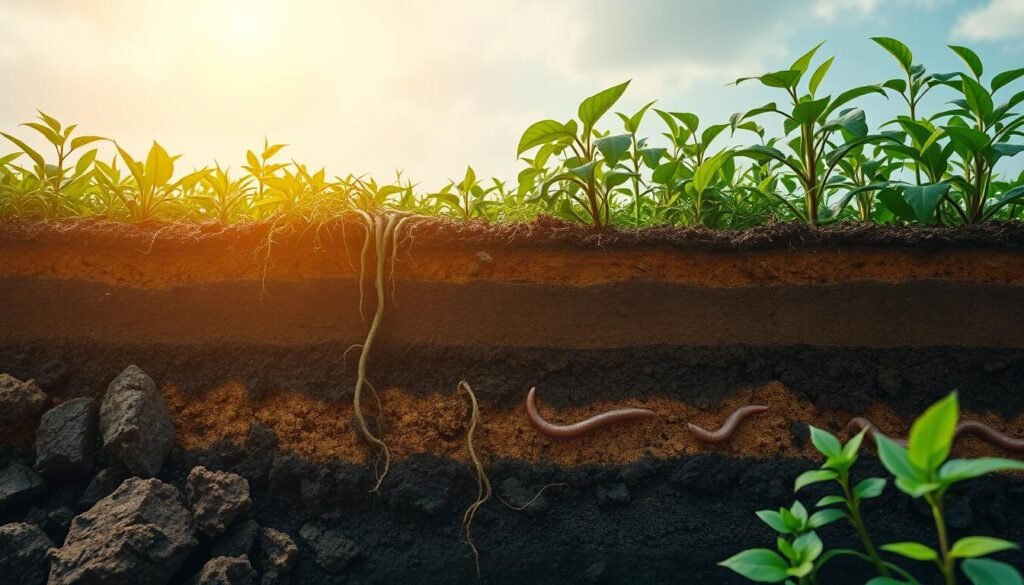
Soil layers are like a multi-level underground apartment complex. Each layer, called a horizon, has its own unique characteristics and inhabitants.
Topsoil: The uppermost layer, rich in organic matter
Subsoil: Contains minerals and fewer living organisms
Parent Rock Layer: The foundation where soil begins
Understanding soil’s composition helps us appreciate the incredible world beneath our feet. This world is essential for life on Earth.
Imagine holding a spoonful of soil and finding a whole universe full of life! Soil is home to a busy microscopic world. A single tablespoon of healthy soil has billions of tiny creatures, each important for our planet’s health.
These tiny beings work together like an underground network. They break down organic matter, recycle nutrients, and help plants grow. They are the hidden heroes of our planet, working in a space smaller than your finger tip.
Bacteria: The most numerous soil organisms, converting nutrients into forms plants can use
Fungi: Creating complex underground networks that connect plant roots
Protozoa: Eating bacteria and releasing nutrients back into the soil
Nematodes: Microscopic worms that help regulate bacterial populations
Soil is like a living, breathing world. Each tiny creature has a special job. They work together to break down dead plants, fight off harmful pathogens, and create a healthy place for plant roots to grow.
The variety of life in soil is amazing. From tiny bacteria to small insects, they all play key roles. They turn dead material into nutrients, improve soil structure, and help plants grow strong and healthy.
How Soil Forms Over Thousands of Years
Imagine rocks turning into rich earth over thousands of years. This slow process is like a magical dance of nature. It turns solid rock into a living ecosystem beneath your feet.
Rock erosion starts with tiny warriors called weathering agents. These include:
Wind that breaks rocks into smaller pieces
Water that chips away at stone surfaces
Temperature changes that crack rocky landscapes
Plant roots that slowly split rocks apart
The Role of Weather and Time
Weathering turns large rock formations into smaller fragments. Water and wind act like patient sculptors. They break down rocks through chemical and physical processes. These fragments become the first building blocks of soil.
From Rocks to Rich Earth
Soil formation involves many stages where rock materials mix with organic matter. Microorganisms, plants, and minerals work together. They create layers of nutrient-rich ground. Each layer shows a different stage of transformation, highlighting the complexity of soil.
First stage: Rock fragments break down
Second stage: Organic materials begin mixing
Final stage: Fertile soil emerges
Creating just one inch of topsoil can take up to 500 years. Nature works slowly but beautifully. It turns barren rock into a living, breathing foundation for life.
Soil Facts for Kids: Mind-Blowing Underground Discoveries
Get ready to have your mind blown by some wild soil discoveries. Soil isn’t just boring old dirt. It’s a superhero fighting climate change right under our noses. Did you know that soil can eat up 5 to 15 percent of global fossil-fuel emissions? That’s like having an underground carbon-eating monster working 24/7!
Check out these jaw-dropping interesting soil facts that will make your science-loving brain do a happy dance:
Soil is older than dinosaurs – some soil layers have been around for millions of years!
A single teaspoon of soil contains more living organisms than there are people on Earth
Some soils can change color based on their mineral content and age
Soil scientists are uncovering mind-blowing secrets every day. These underground detectives are discovering how soil acts like a living, breathing ecosystem. Imagine a world where dirt can communicate, store carbon, and support entire networks of tiny creatures – it’s not science fiction, it’s happening right beneath your feet!
The coolest part about soil discoveries? They’re helping us understand how our planet works and how we can protect it. From fighting climate change to supporting plant life, soil is the unsung hero of our ecosystem. Who knew something so simple could be so incredible?
The Underground Internet: How Plants Communicate Through Soil
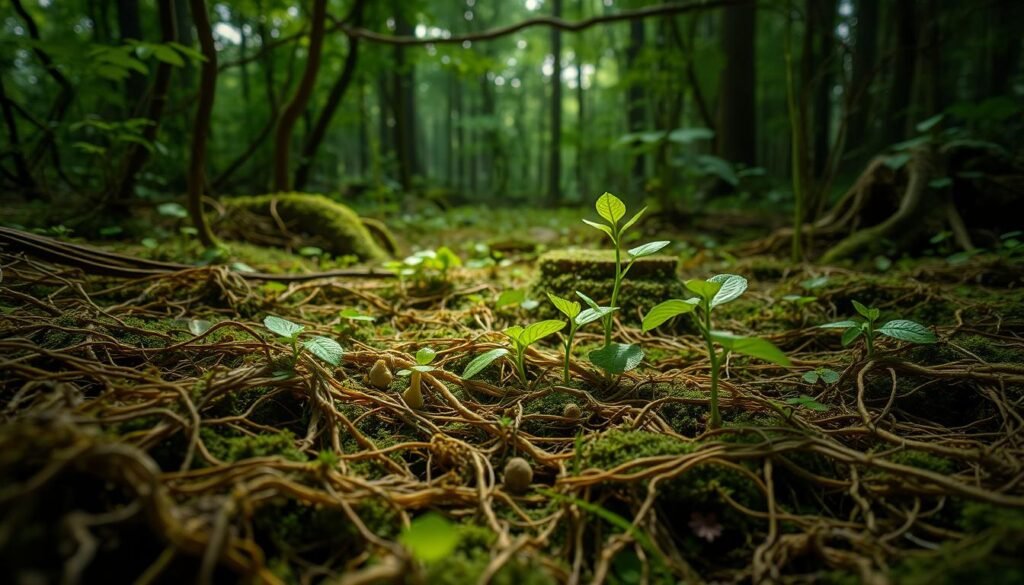
Imagine a secret world beneath your feet where plants have their own communication network. This underground system is more complex and fascinating than you might think! Plants communicate through mycorrhizal networks, connecting trees and plants in magical ways.
Mycorrhizal networks act like nature’s internet. They allow plants to share vital resources and information. These fungal connections create underground pathways that link different plants together. This helps them survive and thrive in challenging environments.
Fungal Networks: Nature’s Communication Highways
Here’s how plant communication through mycorrhizal networks actually works:
Fungi create thin threads called hyphae that connect plant roots
Plants exchange nutrients, water, and chemical signals through these networks
Larger trees can support smaller, weaker plants by sharing resources
Network Feature
Plant Communication Function
Fungal Threads
Create connection between plant roots
Chemical Signals
Warning about possible threats
Resource Sharing
Transfer nutrients between plants
Nature’s Hidden Messaging System
Scientists call this underground network the Wood Wide Web. Just like humans use the internet, plants use mycorrhizal networks to communicate and support each other. These networks show how interconnected and intelligent nature truly is!
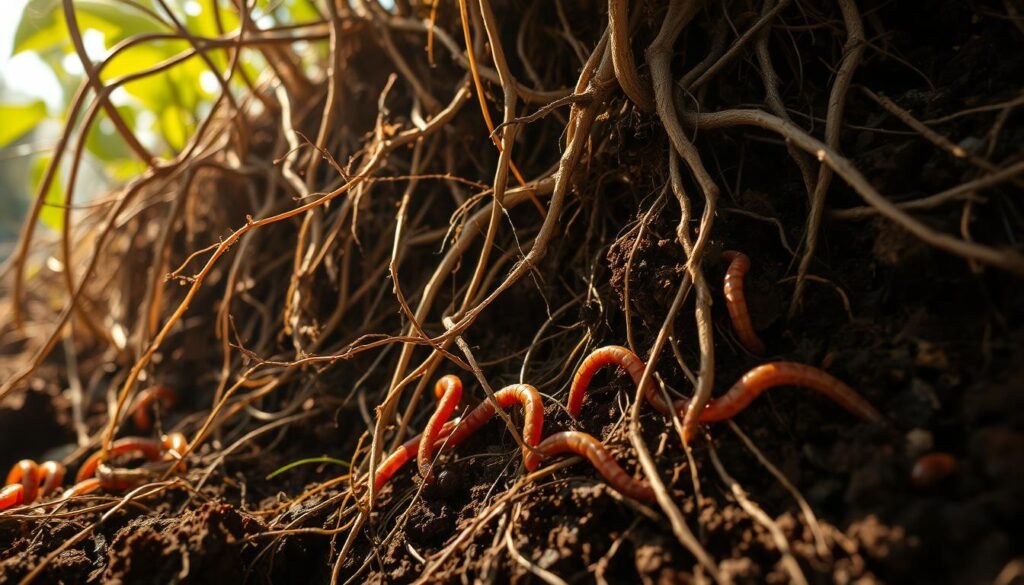
Imagine tiny underground heroes working day and night to keep our soil healthy! Earthworms are incredible soil organisms that play a key role in making soil fertile. They are like nature’s own gardening assistants.
Let’s explore the amazing world of earthworms and see why they’re so vital:
Earthworms create underground tunnels that help air and water move through the soil
They break down dead plant material, turning it into nutrient-rich food for other plants
A single earthworm can process up to its own body weight in soil every day!
These fascinating soil organisms work like tiny bulldozers, mixing and churning the earth. When earthworms move through the ground, they leave behind special waste called castings. These castings are packed with nutrients that help plants grow strong and healthy.
Think of earthworms as nature’s recycling experts. They eat decaying leaves and organic matter, then transform it into super-charged soil food. Without these amazing creatures, our gardens and forests would struggle to stay healthy and vibrant.
Next time you see a little earthworm, remember – you’re looking at a true soil superhero!
Plants and Their Special Relationship with Soil
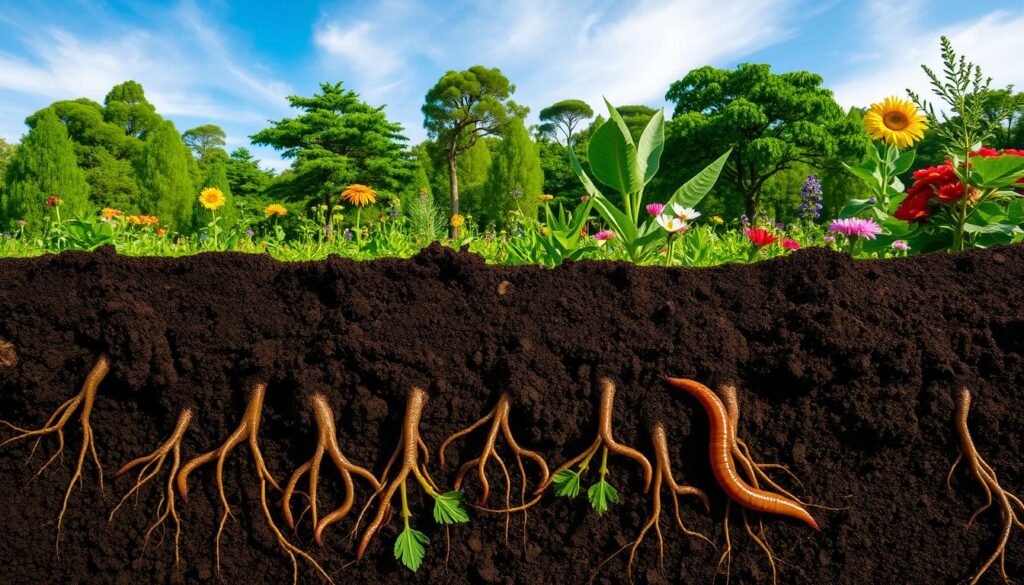
The world beneath our feet is full of magic. Plants and soil work together in a special way. This partnership is key to life on Earth.
Plants need roots to survive. These underground networks connect them to vital resources. Roots do more than just hold plants in place.
How Roots Work Their Magic
Root systems are like nature’s explorers. They play many important roles:
Absorb water and nutrients from soil
Provide stability for the entire plant
Store energy and nutrients
Communicate with surrounding soil microorganisms
What Plants Get From Soil
Soil gives plants everything they need to survive. Let’s see what plants get from their underground home:
Resource
Purpose
Importance
Water
Hydration and nutrient transport
Essential for photosynthesis
Minerals
Nutrient absorption
Growth and development
Oxygen
Root respiration
Metabolic processes
Temperature Regulation
Protect root systems
Survival in different climates
Learning about the plant-soil relationship shows how connected nature is. Each root system is a lifeline, bringing vital resources from the soil’s rich environment.
Soil health is key to our planet’s health. Think of the ground as a powerful system that supports more than just plants. Healthy soil fights climate change and protects our environment in amazing ways.
Soil’s role is much bigger than we think. It can cut 5 to 15 percent of global carbon emissions. This makes it vital for managing our planet’s carbon.
Captures and stores carbon dioxide from the atmosphere
Prevents soil erosion and flooding
Supports diverse ecosystems and wildlife
Filters water and maintains groundwater quality
Soil is like a living, breathing thing. It has microorganisms, minerals, and organic matter that support life. Every handful of healthy soil contains more living organisms than there are people on Earth!
Soil Function
Environmental Impact
Carbon Storage
Reduces greenhouse gas emissions
Water Filtration
Protects water resources
Biodiversity Support
Maintains ecosystem balance
By protecting soil health, we help our planet. We can all help by supporting green farming, avoiding pollution, and valuing this natural treasure.
Soil Colors and What They Tell Us
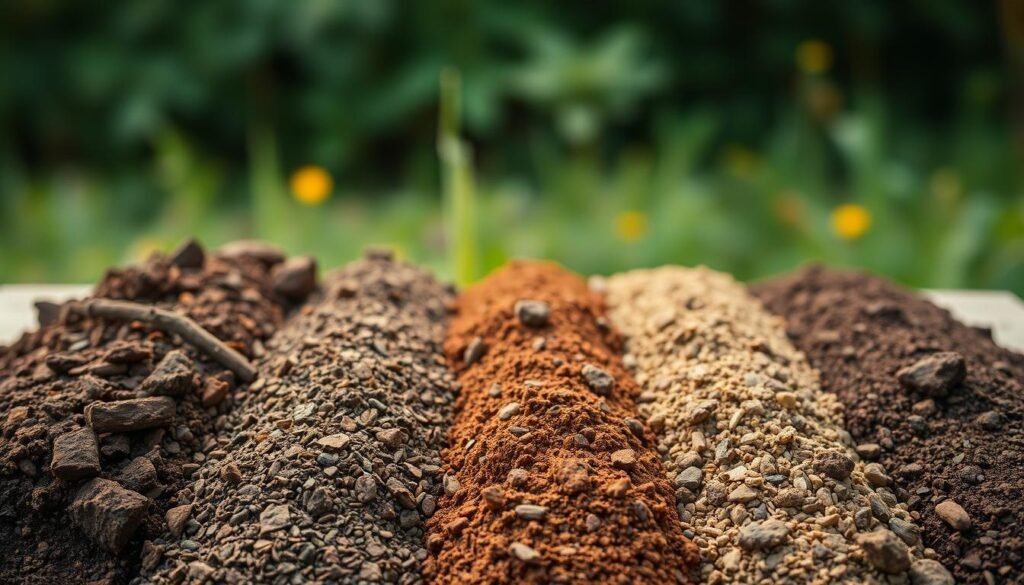
Soil color is like a secret code that reveals fascinating information about its health and composition. When you look at soil, you’re not just seeing a random patch of ground. You’re glimpsing a complex ecosystem with its own unique story.
Different soil colors can tell you amazing things about what’s happening underground. Think of soil color as a detective’s clue about the soil’s personality and its full promise.
Dark brown or black soil: Indicates rich organic matter and excellent fertility
Red soil: Suggests high iron content and good drainage
Gray or pale soil: Often means poor nutrient levels or possible drainage issues
Scientists use soil color as a critical indicator of soil types and health. The color comes from various minerals, organic materials, and chemical processes happening beneath the surface.
Soil Color
Typical Composition
Potential Characteristics
Dark Brown
High organic content
Excellent for gardening
Reddish
High iron oxidation
Good drainage, warm regions
Yellowish
Mineral deposits
Moderate fertility
Next time you dig in your backyard, take a moment to observe the soil color. Each shade tells a unique story about the ground beneath your feet!
The Science of Soil Types
Dig into the fascinating world of soil types, and you’ll discover an underground universe more complex than you might imagine! Soil texture is the secret recipe that determines how plants grow and thrive. At its core, soil is made up of three main ingredients: sand, silt, and clay – each playing a unique role in creating different soil types.
Understanding soil texture helps gardeners and scientists unlock the mysteries of plant growth. The proportion of these tiny particles creates different characteristics that can make or break a plant’s success.
Sandy, Clay, and Everything in Between
Let’s break down the main soil types you might find in your backyard:
Sandy Soil: Feels grainy and falls apart easily. Water drains quickly, making it challenging for plants to stay hydrated.
Clay Soil: Dense and sticky when wet, it holds water tightly but can become hard and compact when dry.
Loam Soil: The superstar of soil types! A perfect blend of sand, silt, and clay that provides ideal growing conditions.
Which Soil is Best for Growing
Gardeners and farmers dream of loam soil because it offers the best of all worlds. This magical soil type provides excellent drainage, retains nutrients, and allows plant roots to spread easily. Think of loam soil as the goldilocks of soil types – not too sandy, not too clay-like, but just right for most plants.
Different plants prefer different soil types, so knowing your soil can help you become a successful gardener. A simple soil test can reveal the secrets hiding beneath your feet!
How Humans Use Soil in Daily Life
Soil is key in our daily lives, connecting us to nature in subtle ways. It affects us from waking up to bedtime. Soil is everywhere in our lives.
Let’s look at how soil impacts our daily world:
Food Production: Farmers use soil to grow crops that become your breakfast, lunch, and dinner
Construction Materials: Bricks, tiles, and pottery come directly from clay and soil compositions
Clothing Manufacturing: Cotton and other natural fabrics grow in specific soil conditions
Medicine Development: Many pharmaceutical compounds originate from soil-based organisms
Soil’s uses are vast and often unseen. Every handful of soil contains millions of microorganisms that help our ecosystems and survival.
Soil Use Category
Daily Life Application
Impact Level
Agriculture
Food Production
Critical
Construction
Building Materials
Essential
Manufacturing
Textile Production
Significant
Pharmaceutical
Medicine Development
Important
Our daily interactions with soil are deeper than we think. From the ceramic mug to the veggies on your plate, soil is vital for our lives.
Protecting Our Precious Soil
Soil is a living resource that needs our care and protection. Soil conservation is not just for farmers or scientists. It’s something everyone can help with. When we protect our soil, we’re protecting our planet’s future.
Soil protection involves several key strategies that anyone can understand and implement:
Reduce soil erosion by planting ground cover
Use compost to improve soil health
Avoid over-tilling agricultural lands
Practice crop rotation
The threats to soil are serious. Soil degradation can happen quickly when land is mismanaged. Imagine soil like a delicate ecosystem – each handful contains millions of tiny organisms working together to support plant life.
Soil Conservation Method
Impact
Terracing
Prevents water runoff and soil erosion
Cover Cropping
Protects soil structure and adds nutrients
Mulching
Retains moisture and prevents erosion
You can become a soil superhero by taking simple actions. Plant trees, create a small compost bin, or support local conservation efforts. Every small step counts in soil protection.
Fun Soil Experiments to Try at Home
Get ready for some exciting soil experiments for kids that will turn your kitchen into a mini science lab! Exploring soil can be thrilling, not boring. With these hands-on activities, you’ll discover the magical world beneath your feet. Each experiment teaches you about soil and its importance to our planet.
Start with a simple soil profile jar experiment. You’ll need a clear glass jar, some backyard soil, water, and patience. Layer different soils and watch them settle. You’ll see amazing layers of sand, clay, and organic matter separating like a natural display.
This technique shows how soil components interact and why different layers matter. It’s a hands-on way to learn about soil.
Another great experiment is creating a mini compost bin. Use a plastic container, kitchen scraps, and yard waste. Watch as worms and microorganisms turn food waste into rich, dark soil. These experiments show the amazing recycling process happening at home, linking science to everyday life.
Each experiment brings soil science to life, making complex concepts exciting. By getting your hands dirty, you’ll learn about the incredible underground world that supports plants. Science has never been this fun!