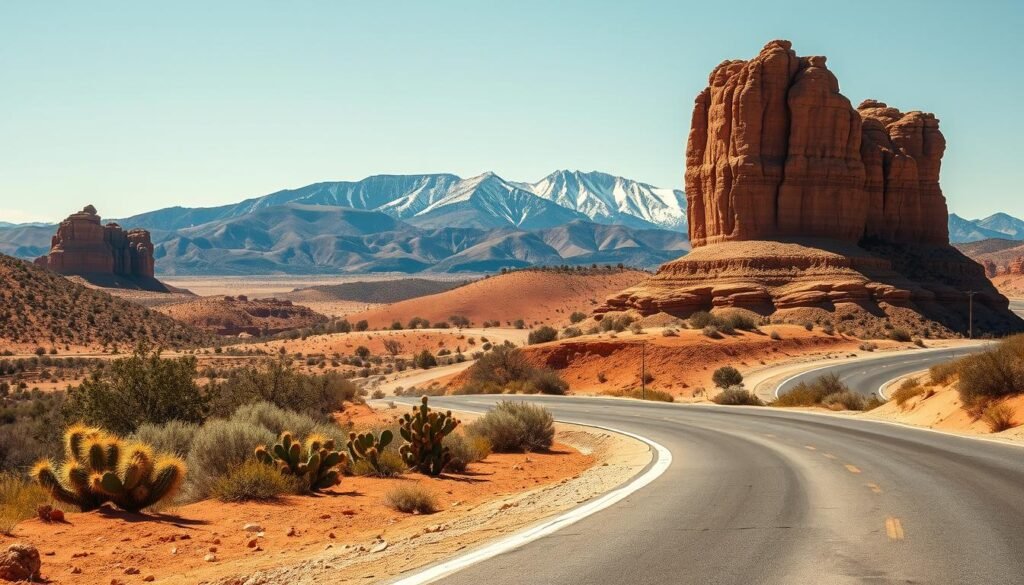
Welcome to the Land of Enchantment! New Mexico is full of amazing adventures for kids. It’s a place where incredible landscapes and fun facts come together.
New Mexico is huge, covering 121,590 square miles. It’s the fifth largest state in the U.S. Kids will love learning about its desert landscapes, volcanic mountains, and rich culture.
Imagine flying in hot air balloons or exploring secret caves. New Mexico offers experiences that make learning exciting. You can visit ancient Native American pueblos, see white gypsum dunes, and taste spicy chili peppers.
Ready to explore a place where history, science, and adventure meet? Your journey through New Mexico starts now!
Uncovering the Land of Enchantment’s Hidden Treasures
New Mexico history for kids is a journey through time. It shows a rich mix of cultures that have shaped this amazing state. The Land of Enchantment’s story is one of resilience, interaction, and vibrant cultural diversity that goes back thousands of years.
The state’s history starts with the indigenous peoples who first lived here. Native American civilizations built complex societies before Europeans arrived. They created sophisticated communities across the landscape.
Ancient Native American History
Groups like the Pueblo, Apache, and Navajo found ways to survive in the desert. Their achievements include:
Advanced agricultural techniques
Intricate pottery and weaving traditions
Complex social and spiritual practices
Architectural innovations like cliff dwellings
Spanish Colonial Heritage
In 1540, Spanish explorers came, changing the region a lot. They brought new technologies, animals, and cultural practices. The Spanish colonial period mixed European and Native American traditions in a unique way.
Modern Cultural Fusion
Today, New Mexico is a blend of cultures. Anglo-American, Hispanic, and Native American influences make it vibrant and dynamic. Young people can see how different cultures live together, respect each other, and create something amazing.
Soaring Through Albuquerque’s Colorful Skies
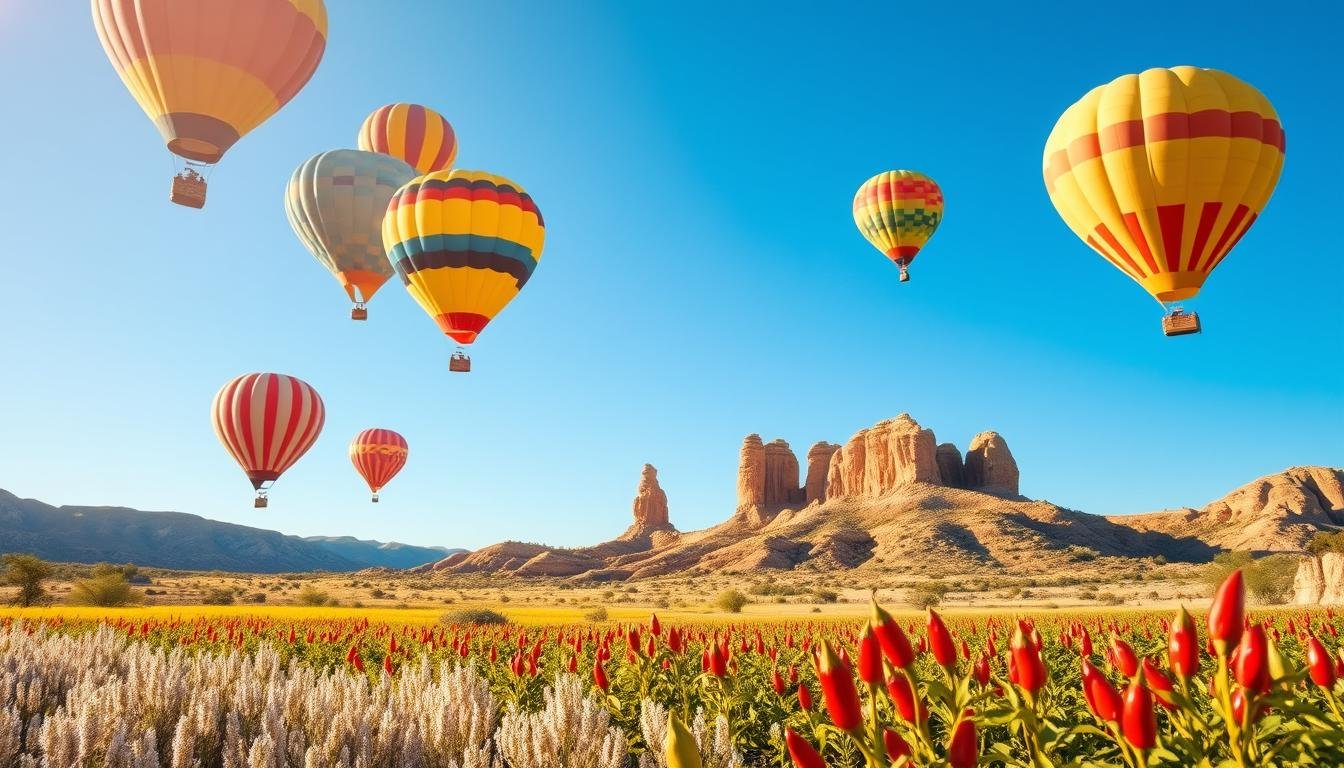
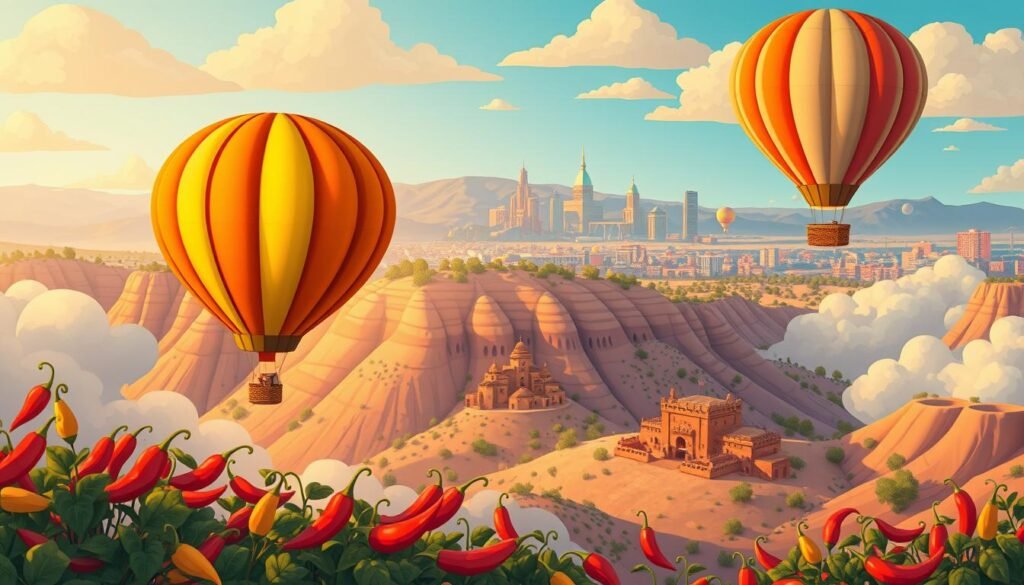
Imagine a sky full of vibrant colors, with hundreds of hot air balloons floating against New Mexico’s beautiful landscape. The Albuquerque Balloon Fiesta turns the city into a magical place of aerial wonder. It attracts thousands of visitors from all over the world.
New Mexico’s unique geography is perfect for hot air balloons. The crisp morning air, gentle winds, and wide-open spaces make for an unforgettable ballooning experience.
International Balloon Fiesta Magic
The Albuquerque Balloon Fiesta is the world’s largest hot air balloon festival. Visitors can see over 500 colorful balloons take to the sky during the nine-day event.
Over 600 hot air balloons participate annually
Attracts nearly 900,000 visitors each year
Takes place in early October
Held at Balloon Fiesta Park
Rainbow-Colored Hot Air Adventures
Hot air balloons in New Mexico come in every color and shape. From traditional designs to whimsical characters, these giants create a mesmerizing display. They captivate both kids and adults.
Balloon Festival Highlights
Details
Festival Duration
9 days
Number of Balloons
500-600
Best Viewing Time
Early Morning Dawn Patrol
World’s Largest Balloon Festival
The Albuquerque Balloon Fiesta is more than a local event. It’s a global celebration of aviation and wonder. Balloon pilots from around the world come to showcase their skills. They create an unforgettable visual experience in the New Mexico sky.
Underground Wonders at Carlsbad Caverns
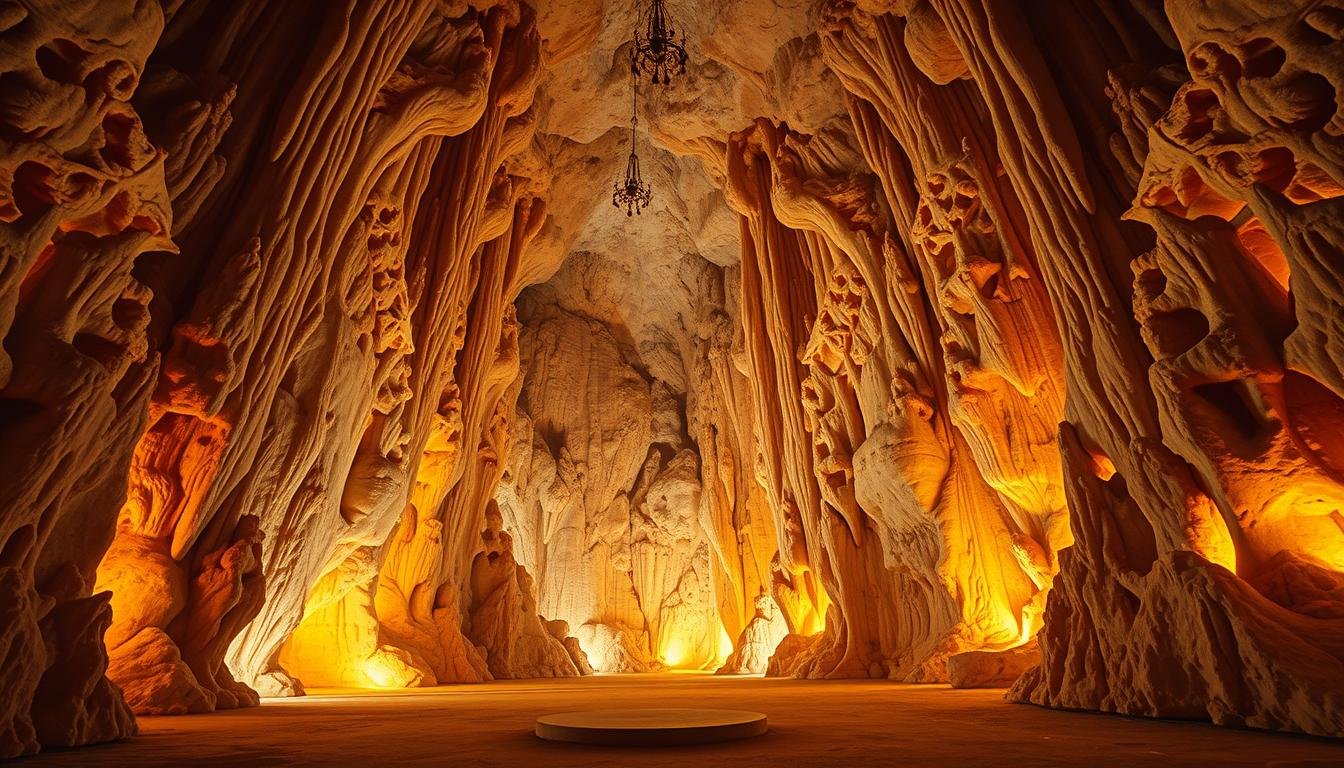
Explore the magical world of New Mexico caves at Carlsbad Caverns. It’s an amazing underground adventure for kids! The caves stretch deep under the Chihuahuan Desert. They have been forming for millions of years.
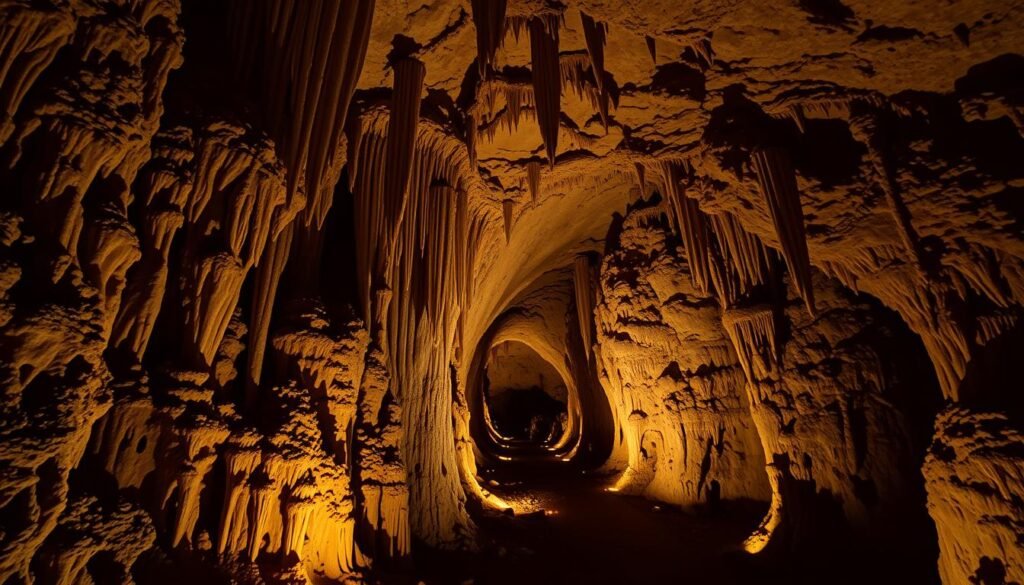
Carlsbad Caverns is a unique playground for kids. The cave system has stunning rock formations that look like nature’s sculptures. Visitors can see huge underground chambers filled with:
Delicate stalactites hanging from cave ceilings
Towering stalagmites rising from the cave floor
Unusual rock formations shaped by water and time
Rare mineral deposits in incredible colors
The caves are home to thousands of Mexican free-tailed bats. They put on a spectacular show in summer evenings. Kids can watch these bats emerge in massive clouds, making Carlsbad Caverns unforgettable.
Scientists see these caves as a treasure trove of geological history. The underground chambers tell a story of water and rock over millions of years. They create breathtaking wonders that amaze visitors of all ages.
New Mexico Fun Facts for Kids
Get ready for some wild and wacky facts about New Mexico! This place is full of cool trivia that will make you the coolest kid in school.
New Mexico is not just another state. It’s a treasure trove of quirky and awesome facts. You’ll want to visit right now!
State Symbols That Shine
Check out these cool state symbols that make New Mexico unique:
State Bird: The speedy Roadrunner (beep beep!)
State Question: “Red or green?” (talking about chile peppers)
State Flower: Yucca flower
State Animal: Black bear
Unique State Records That Rock
New Mexico doesn’t just break records – it smashes them! Here are some mind-blowing achievements:
Home to the oldest capital city in the United States (Santa Fe)
Hosts the world’s largest hot air balloon festival in Albuquerque
Contains the first atomic bomb test site
Boasts the most PhDs per capita in the country
Fascinating Historical Tidbits
Did you know New Mexico has some seriously cool historical moments? It was part of Mexico before becoming a U.S. territory in 1848. Native American pueblos have called this land home for thousands of years.
White Sands National Park’s Mysterious Dunes
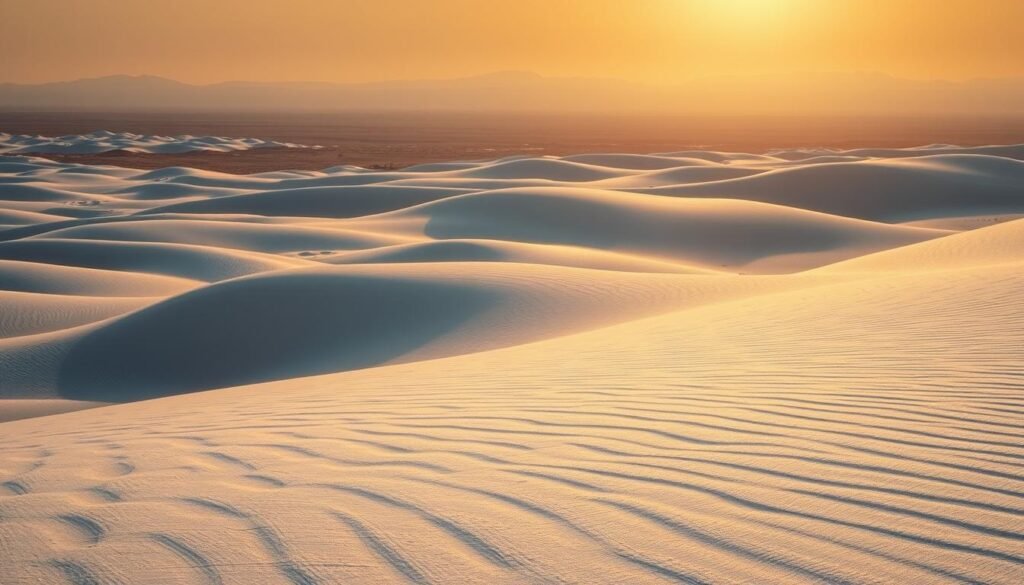
Imagine a place that looks like another planet. Welcome to White Sands National Park, with the world’s largest gypsum dune field in New Mexico. These white dunes cover 275 square miles of desert, creating a unique experience for visitors.
The gypsum dunes form through a cool geological process. Water from ancient lakes evaporates, leaving white mineral deposits. Wind and weather turn these into soft, white dunes that glow in the sun.
Covers nearly 275 square miles of landscape
Contains the largest gypsum dune field globally
Located in southern New Mexico
Established as a national park in 2019
Wildlife thrives in these white dunes. Animals like the bleached lizard and white sands pupfish have amazing camouflage. Plants like the Rosemary skunk bush and soaptree yucca have special roots to stay in the sand.
Visitors can enjoy sand sledding, hiking, and watching wildlife. The park’s magical landscape is like a snow-covered wonderland. It’s a top spot for adventure and nature lovers.
Native American Pueblos and Ancient Dwellings
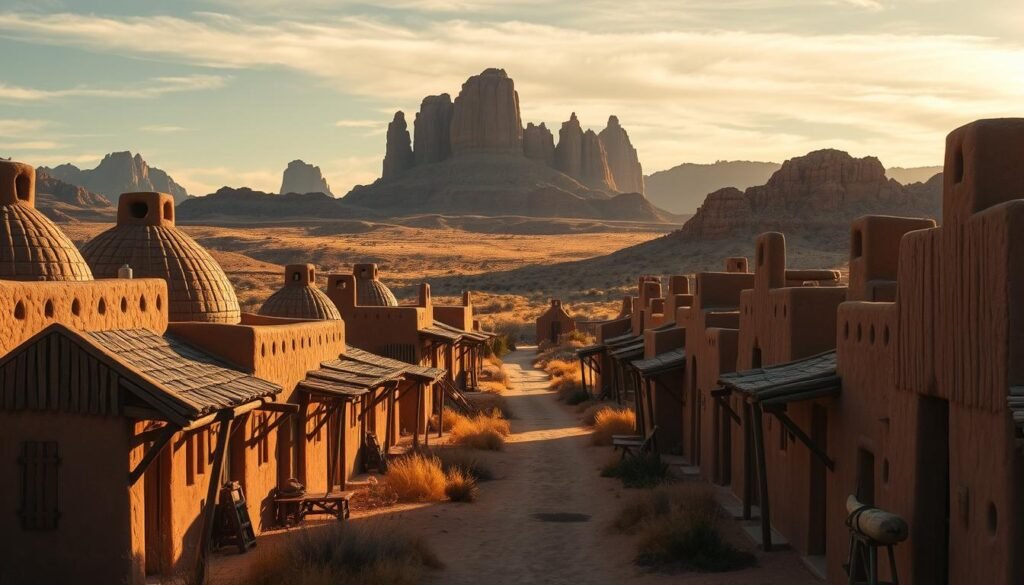
New Mexico is a treasure trove of Native American history. It has ancient pueblo dwellings that tell stories of indigenous culture and resilience. The landscape is filled with remarkable archaeological sites that give us a peek into centuries of Native American civilization.
The Native American history of New Mexico is filled with architectural marvels and cultural significance. These ancient communities built sophisticated living spaces. These spaces continue to inspire archaeologists and historians.
Taos Pueblo’s 900-Year Legacy
Taos Pueblo is a remarkable example of Native American architectural brilliance. This UNESCO World Heritage site is:
Home to continuous human occupation for over 900 years
Known for its multi-story adobe buildings built without modern technology
A living community that keeps traditional practices alive
Chaco Canyon’s Ancient Architecture
Chaco Canyon shows the incredible engineering skills of ancient pueblo dwellings. The site features:
Architectural Feature
Significance
Great Houses
Complex multi-room structures aligned with celestial movements
Astronomical Markers
Precise solar and lunar observation points
Trade Networks
Extensive communication routes across southwestern regions
Modern Pueblo Life
Today’s Pueblo communities work hard to preserve their cultural heritage. They face modern challenges but keep strong ties to their ancestors. They do this through art, ceremonies, and language preservation.
Traditional crafts like pottery and weaving
Annual ceremonial celebrations
Efforts to protect indigenous languages
Spicy Adventures with New Mexican Chili Peppers
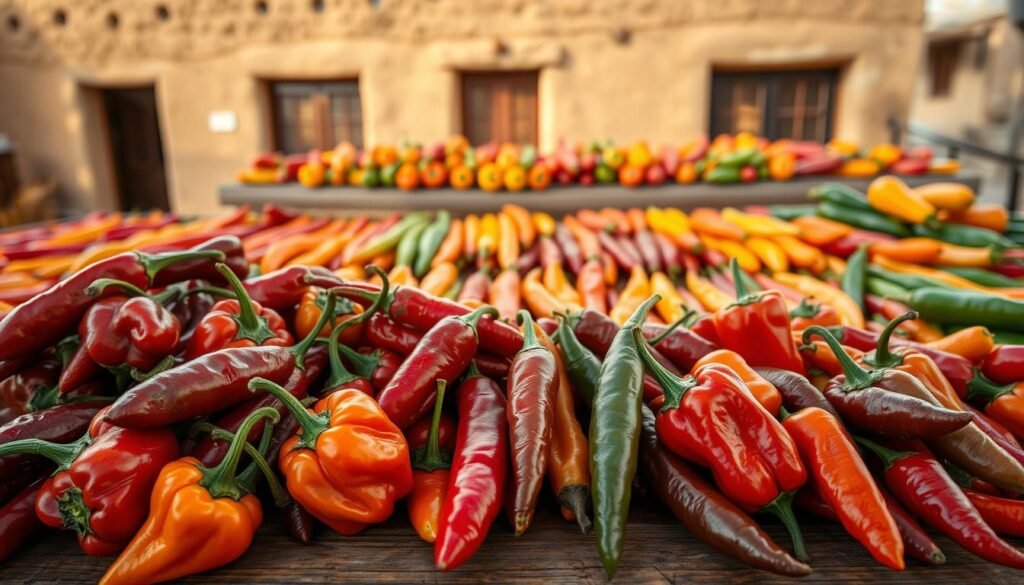
New Mexico chili peppers are a true culinary gem. The state’s unique climate and soil make it perfect for growing these fiery veggies. They add a burst of flavor and heat to any dish.
New Mexico leads the nation in chili pepper production. Farmers grow a wide range of peppers, from mild to very spicy. Green and red chilies are the heart of New Mexican cooking, each with its own unique taste and use.
Green chilies: Typically harvested early and used in fresh dishes
Red chilies: Allowed to ripen fully and often dried for sauces
Hatch chilies: A world-famous variety grown exclusively in the Hatch Valley
Spicy food in New Mexico is more than just hot. It’s a cultural experience. Local restaurants and home kitchens turn these peppers into delicious dishes. These dishes tell stories of tradition and flavor, from enchiladas to stews.
Chili Pepper Type
Heat Level (Scoville Units)
Common Uses
Hatch Green Chile
1,000 – 8,000
Sauces, Stews, Roasted Dishes
Jalapeño
2,500 – 8,000
Salsas, Appetizers, Garnishes
Cayenne
30,000 – 50,000
Spice Blends, Hot Sauces
Visitors and locals celebrate chili peppers at annual festivals. These events let you taste, learn, and experience New Mexico’s pepper passion. Whether you love spicy food or prefer milder flavors, there’s a chili pepper for you!
Volcanic Landscapes and Mountain Peaks
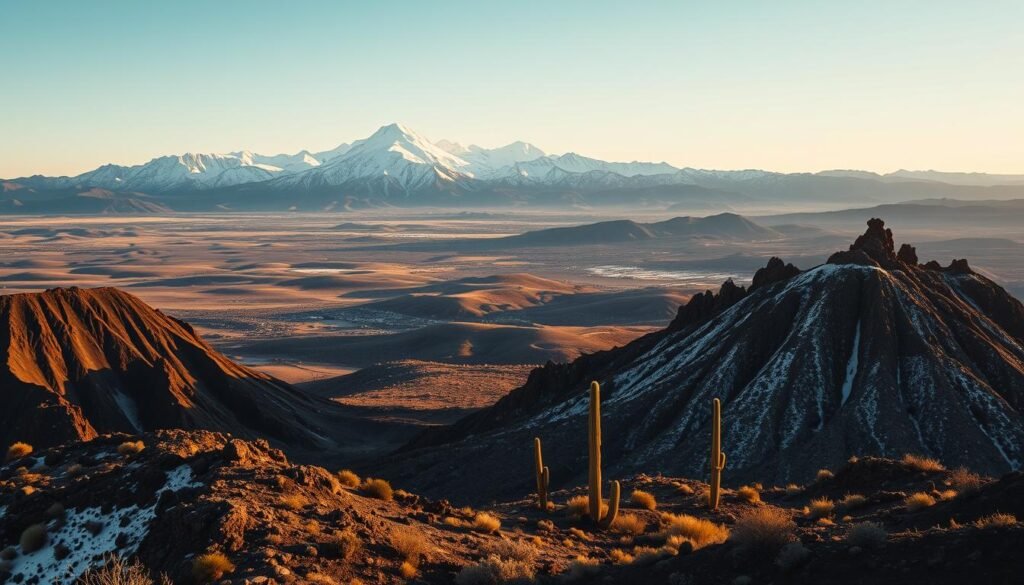
New Mexico’s landscape is a journey through volcanic wonders and majestic mountains. The state’s terrain tells a story of ancient geological processes. These processes have shaped its breathtaking scenery.
New Mexico’s volcanoes are some of the most fascinating in the United States. Visitors can explore remarkable volcanic sites. These sites showcase the state’s dramatic natural history.
Capulin Volcano’s Extraordinary Panorama
Capulin Volcano National Monument is a remarkable treasure. This extinct cinder cone volcano offers a view of five different states:
New Mexico
Colorado
Texas
Oklahoma
Kansas
The mountain ranges in New Mexico create a stunning backdrop. Climbing to the top of Capulin Volcano provides a 360-degree panoramic view. This view captures the essence of the Southwest’s dramatic landscape.
Rocky Mountain Adventures
Northern New Mexico’s mountain ranges offer incredible outdoor exploration. The Rocky Mountains in this region have diverse ecosystems. These ecosystems are home to unique wildlife and plant species.
Elevation ranges from 5,000 to 13,000 feet
Home to diverse wildlife including elk and mountain lions
Hiking trails for all skill levels
Geological enthusiasts will find New Mexico’s volcanic landscapes and mountain peaks an absolute paradise of natural wonder.
Desert Wildlife and Natural Wonders
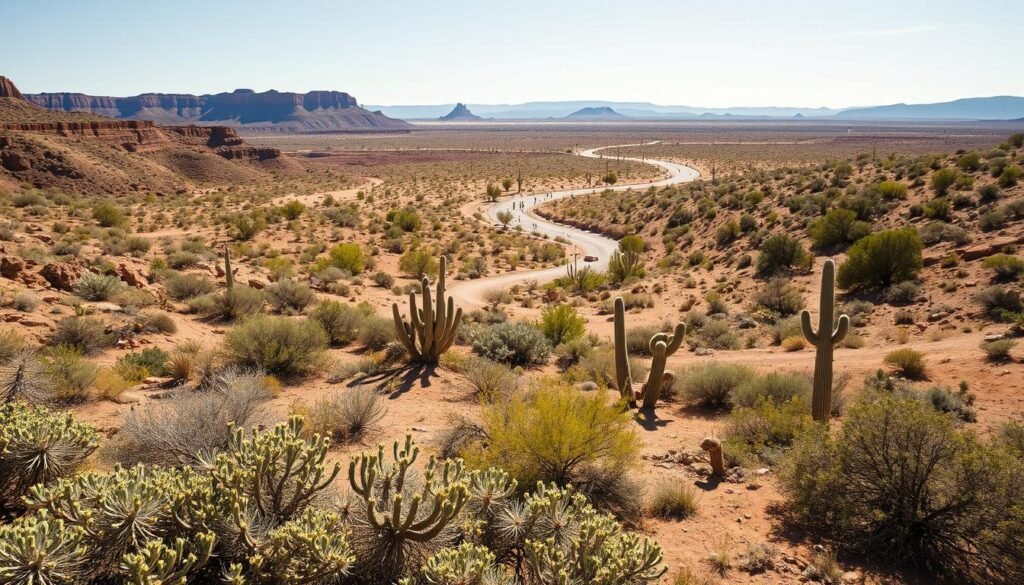
New Mexico’s desert is full of life and survival stories. It’s home to many animals that have learned to live well in tough conditions. These animals have special ways to survive in the desert.
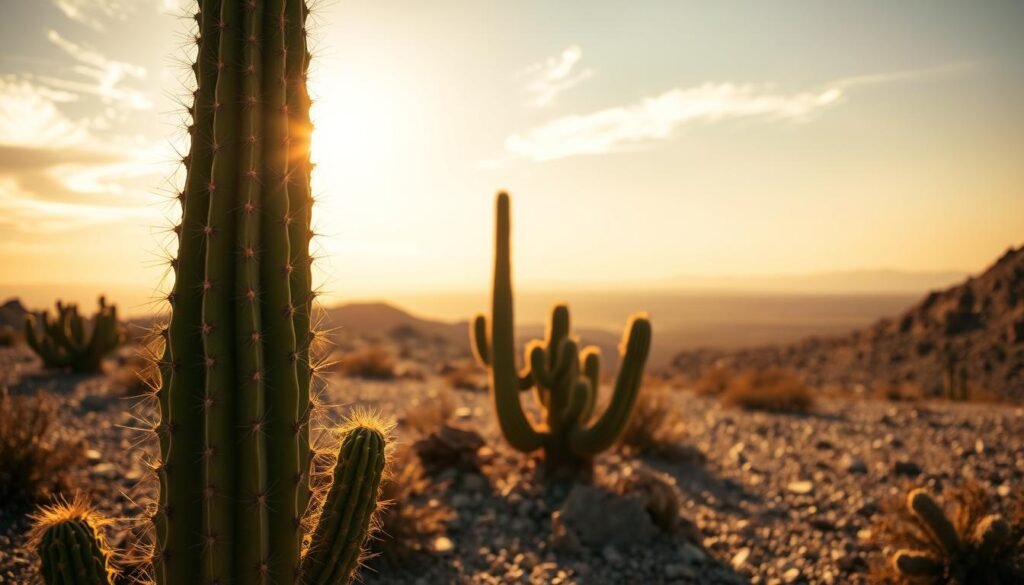
Plants like cacti are key for desert animals. The prickly pear and barrel cactus offer water and shelter. Their thick stems store water, helping them deal with the heat and little rain.
Roadrunners dart across desert terrain
Coyotes hunt in rocky landscapes
Rattlesnakes camouflage among rocky outcrops
Horned lizards blend with sandy backgrounds
Animals in New Mexico’s deserts are amazing at adapting. Small creatures like kangaroo rats can go without water. They get moisture from seeds and plants.
Desert Animal
Unique Adaptation
Roadrunner
High-speed predator, can outrun snakes
Desert Tortoise
Stores water in bladder, survives months without drinking
Chuckwalla Lizard
Wedges body in rock crevices to regulate temperature
New Mexico’s desert animals show how nature can thrive in harsh places. The desert is a place of wonder and learning about survival and resilience.
The Story of Route 66 Through New Mexico
Route 66 New Mexico runs through the heart of the Land of Enchantment. It weaves a rich tapestry of American road trip history. This legendary highway changed the state’s landscape, connecting travelers to unique experiences and unforgettable adventures.
Stretching nearly 400 miles, Route 66 in New Mexico offered travelers a gateway to incredible discoveries. The highway became more than just a road. It was a lifeline of culture, commerce, and connection.
Historic Trading Posts
Along Route 66 New Mexico, travelers found remarkable historic trading posts. These stops told stories of cultural exchange. They were meeting points of diverse cultures.
Gallup’s Trading Post – A cultural crossroads for Native American and Anglo traders
Grants Trading Company – Featuring authentic southwestern merchandise
Albuquerque’s historic trading zones – Preserving traditional exchange practices
Roadside Attractions
Historic roadside attractions became key markers of the Route 66 experience. These quirky landmarks captured travelers’ imaginations and provided memorable pit stops.
The Blue Swallow Motel in Tucumcari – A neon-lit classic
Giant concrete dinosaurs near Santa Rosa
Vintage gas stations transformed into museums
Each historic roadside attraction along Route 66 New Mexico represents a unique slice of mid-20th century American adventure. It invites modern travelers to step back in time and explore the road’s fascinating legacy.
Santa Fe: America’s Oldest Capital City
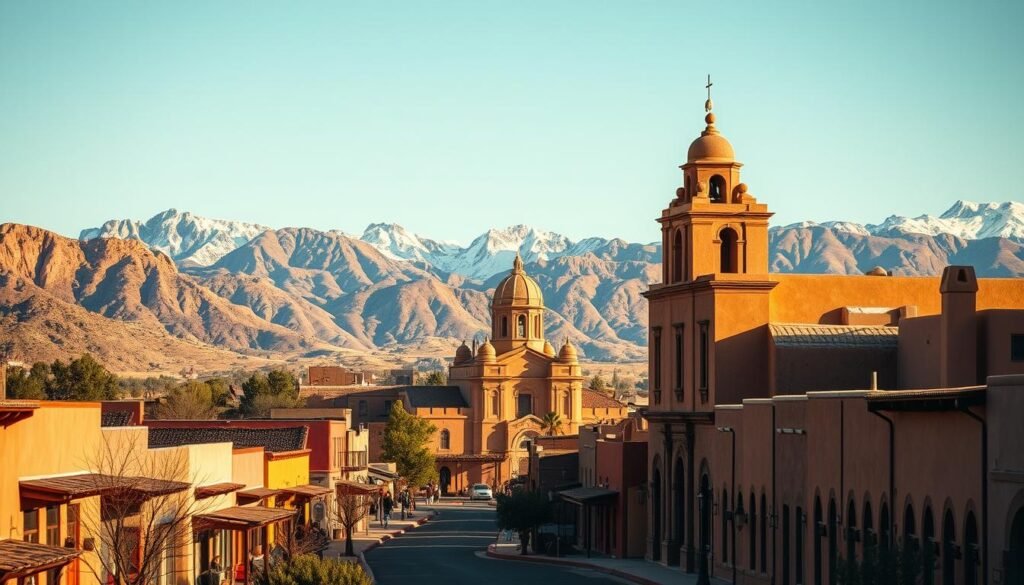
Santa Fe is a treasure in the history of the United States. It’s the oldest US capital, founded in 1610 by Spanish colonists. This city has seen many changes over the centuries.
In the heart of New Mexico, Santa Fe takes kids on a time-traveling adventure. Its adobe buildings tell stories of Native American, Spanish, and Mexican cultures. These stories shaped the city’s unique landscape.
Established in 1610 by Spanish settlers
Oldest continuously occupied state capital in the United States
Kids interested in Santa Fe’s history will find a city that’s both old and new. The downtown area has preserved historic buildings. These buildings take visitors back in time, showing the city’s cultural journey.
The city’s location in the Rio Grande Valley made it key for trade and culture. Spanish conquistadors picked it for its natural protection and trade routes. This mix of cultures shapes Santa Fe today.
Located at the base of the Sangre de Cristo Mountains
Elevation of approximately 7,199 feet above sea level
Population of around 84,000 residents
Walking through Santa Fe feels like a museum tour. The oldest US capital shows off different architectural styles. These styles reflect its rich history, from Pueblo revival to Spanish colonial.
Famous Scientists and Inventions from New Mexico
New Mexico is a hotbed of scientific innovation. It’s home to some of the most advanced research facilities in the U.S. The state’s unique landscape and research centers have led to groundbreaking discoveries. These discoveries have changed how we see the world.
Los Alamos National Laboratory is a symbol of scientific excellence. It’s a leading research facility, known for its work in nuclear research and advanced technologies.
Manhattan Project birthplace
Critical nuclear weapons research
Advanced scientific computing
Sandia National Laboratories is another key place for New Mexico’s inventions. It works on many scientific areas, including:
Renewable energy research
Cybersecurity technologies
Climate change solutions
Some of New Mexico’s scientists have made huge impacts on science:
Scientist
Field of Study
Key Contribution
Richard Feynman
Quantum Physics
Manhattan Project Physicist
J. Robert Oppenheimer
Nuclear Physics
Manhattan Project Director
These brilliant scientists have made New Mexico a global leader in science and technology. They inspire the next generation of scientists and researchers.
Traditional Arts and Crafts of New Mexico
New Mexico folk art is full of color and stories. Native American crafts show a rich artistic tradition passed down through time. From detailed pottery to beautiful textiles, these crafts capture the heart of the Southwest’s heritage.
Pueblo pottery is a standout art form. Artists like Maria Martinez from San Ildefonso Pueblo changed ceramic art. They made blackware pieces that are now museum treasures. These clay vessels have geometric designs and symbols, linking today’s people to their ancestors.
Native American crafts also include amazing textiles. Navajo weavers make stunning blankets and rugs with skills honed over centuries. Each piece tells a story through its patterns and colors. Silver jewelry from Zuni and Navajo artists is also famous, featuring beautiful turquoise stones.
Hispanic artisans also bring their own traditions, like santos wood carvings and tin artwork. These crafts mix indigenous and Spanish colonial styles. Young artists keep these traditions alive, ensuring New Mexico’s cultural expressions stay vibrant for the future.