In AD 79, this fiery giant buried entire cities under ash and pumice—and accidentally created the world’s most fascinating time capsule. You’ll never look at a snow globe the same way again, because Vesuvius didn’t just erupt; it preserved Roman life like a bug trapped in amber.
Picture this: a 13-mile ash cloud moving faster than a TikTok trend, swallowing Pompeii in less than 24 hours. Locals didn’t even have time to grab their sandals. Thanks, Pliny the Younger—your dramatic letters about “terrible black clouds” basically became history’s first Roman gossip column.
But here’s the kicker: the volcano has two peaks (Vesuvius and Monte Somma) that formed a volcanic sandwich over thousands of years. Kids, imagine a mountain playing Jenga with itself—and losing spectacularly every few centuries. Oh, and that ash? It hardened into rock, locking away everything from loaves of bread to grumpy-looking statues.
I’m not joking—this mountain literally reshaped history. One day, people were selling olive oil in Pompeii’s markets. The next? Poof. A 1,300°F pyroclastic surge turned the city into a dusty museum exhibit. Want to know how we cracked the mystery? Grab a snack and keep reading. This story’s hotter than lava.
Examining Mount Vesuvius Facts for Kids
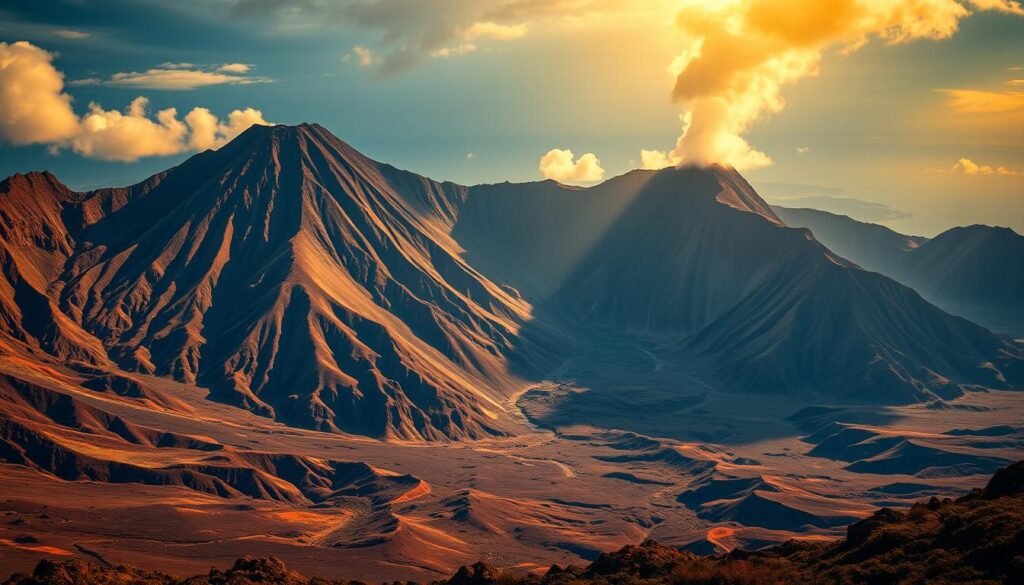
Picture two mountain peaks playing hide-and-seek for millennia. The taller one (Vesuvius) leans against its quieter neighbor (Monte Somma), forming a bowl-shaped valley called a caldera. Think of it like a cereal bowl—if your bowl could occasionally spew molten rock instead of cornflakes.
Peak Performance
Here’s the scoop: Monte Somma isn’t just scenery. This older peak acts like nature’s retaining wall, shaping how lava flows during eruptions. Check out how they stack up:
Feature
Vesuvius
Monte Somma
Height
4,203 ft
3,714 ft
Last Eruption
1944
Prehistoric
Role
Active cone
Caldera rim
Earth’s Subtle Whispers
Romans felt small earthquakes for days before the big boom. But back then, shaking ground was as normal as chariot traffic jams. I mean, would you evacuate if your house rattled like a maraca?
Pompeii sat just 5 miles from the summit—a 90-minute walk today. Herculaneum was closer, about 4 miles. Both towns ignored the warning tremors like unread text messages. By the time smoke appeared? Game over in 18 hours flat.
Modern scientists call these clues “precursors.” Ancient locals called it Tuesday. Sometimes, the most dangerous things are the ones we stop noticing.
A Closer Look at the 79 AD Eruption
August 24, AD 79 started like any other summer day—until the sky went full horror movie. The volcano’s first move? A 10-mile-high ash column that looked like Godzilla’s evil twin. Daylight vanished faster than ice cream in July, replaced by falling pumice chunks the size of baseballs.
Imagine lightning storms inside an ash cloud—nature’s worst magic trick. Survivors reported hot ash raining sideways, turning hair into crispy noodles. The ground shook like a washing machine stuck on spin cycle for 18 straight hours.
Here’s the kicker: that ash traveled 20 miles per hour. Scientists calculate it buried Pompeii under 13 feet of debris. The crater? A gaping 1,000-foot hole where the mountain’s peak once stood. Talk about a bad hair day for geology.
Pliny the Younger’s Raw Account
This 17-year-old basically invented real-time volcano blogging. His letters describe “clouds resembling umbrella pines” and people tying pillows to their heads as helmets. Modern researchers use his timestamps like a Netflix true crime documentary timeline.
Fun fact: Pliny’s uncle died trying to rescue friends by boat. His writings helped scientists classify “Plinian eruptions”—a term still used today. Not bad for a teenager who probably just wanted to play ancient Roman Fortnite.
Other volcanoes have blown their tops similarly, like Santorini’s Minoan eruption. But none froze a civilization in such Instagram-worthy detail. Next time you complain about weather apps being wrong, remember: Romans had zero warning before their last scroll through Pompeii’s Yelp reviews.
The Volcano’s Impact on Local Life and Soil
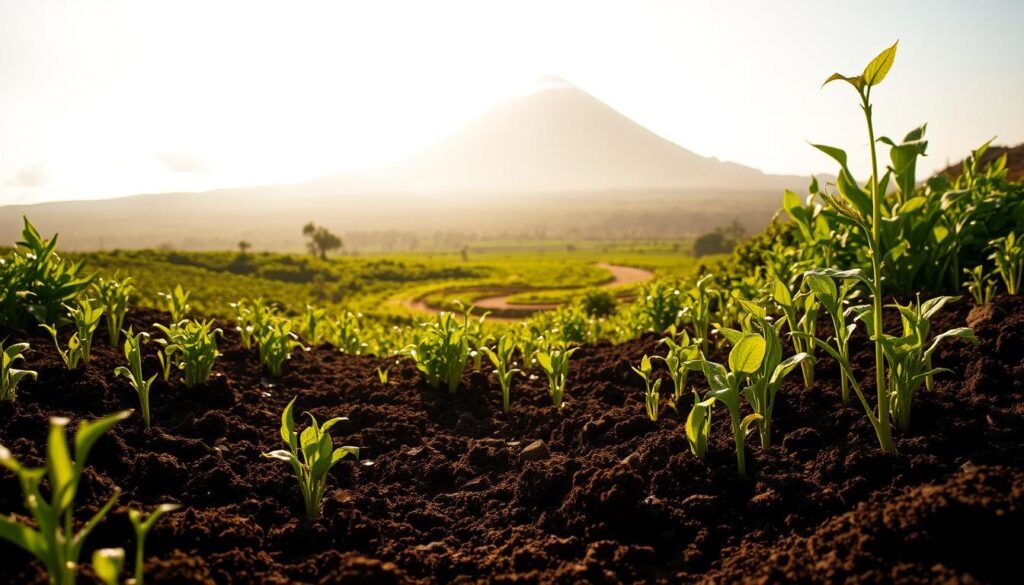
Here’s nature’s plot twist: that apocalyptic ash cloud became a secret sauce for farming. I’ve tasted tomatoes grown in this soil—they’re like candy with PhDs in flavor. Volcanic minerals turned the ground into a buffet for grapevines and lemon trees. Modern farmers basically hit the jackpot with dirt that’s had a fiery makeover.
Fertile Lands from Fiery Deposits
Picture this: ash packed with potassium and phosphorus, like plant steroids. Within decades, new orchards sprouted where charred ruins once lay. Today’s vineyards produce grapes so juicy, they’d make Roman wine merchants weep into their amphoras.
The Sarno River? It got a total reroute. The eruption shoved the coastline 1,500 feet westward—like a giant Etch A Sketch reset. What was beachfront property in AD 79 is now inland real estate. Talk about a glow-up for geography nerds.
Ancient Towns and Modern Agglomerations
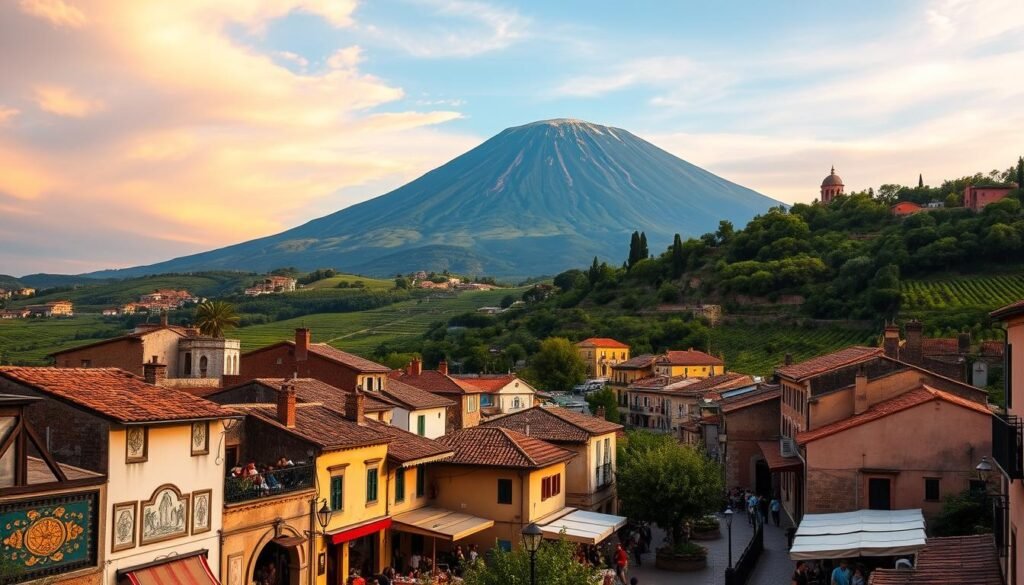
Pompeii’s ash coffin preserved laundry receipts and petrified bread. It’s not just a city—it’s a Bronze Age TikTok feed frozen mid-scroll. Meanwhile, Naples thrives 8 miles northwest, its skyline brushing against the mountain’s shadow.
Here’s the kicker: the crater still whispers threats. Three million people live within 20 miles. But those same folks harvest olives from soil that’s literally death turned delicious. Irony tastes sweet when it’s drizzled on bruschetta.
Imagine living next door to a sleeping giant who snores in seismic waves. Today’s scientists track this grumpy mountain like overprotective babysitters. They’ve got gadgets Pliny the Younger would’ve traded his scrolls for—thermal cameras, gas sniffers, and underground microphones. Let me show you how they play detective with magma.
Temperature Readings and Magma Clues
Here’s the deal: magma moves like a carbonated soda can getting shaken. Sensors buried in the area measure ground heat hourly. In 2023, a 50°F spike near the crater rim sent researchers scrambling. That’s like your forehead hitting 104°F—a clear “I’m sick” signal from the Earth.
Check out their toolkit:
GPS stations that catch the mountain’s subtle shrugs (down to 0.1 inch movements)
Gas analyzers that taste sulfur like a wine connoisseur spots corked bottles
Infrared drones mapping heat patterns invisible to human eyes
Here’s the wild part: eruptions aren’t sudden surprises anymore. When magma rises, it leaves breadcrumbs. Swarms of tiny earthquakes? Check. Ground swelling like rising dough? Double-check. In 1944, they had zero warning. Now? Teams get alerts faster than you skip YouTube ads.
Kids could grasp this: think of magma as a hidden river. Sensors track its ripples. If the river starts racing, scientists know trouble’s brewing. It’s like predicting a thunderstorm by feeling the air get heavy—but with way more math.
Quirky Details and Cultural Tidbits Around Vesuvius
Bet you didn’t know this fiery mountain inspired Italy’s catchiest earworm. The original funicular railway—a steep cable car—opened on its slopes in 1880. Locals loved it so much, they wrote “Funiculì, Funiculà”, a song that’s now blasted at pizza joints worldwide. Talk about a volcanic side hustle!
A Funicular Fact with a Twist
That railway wasn’t just transport—it was a 19th-century Disney ride. Passengers paid to gawk at steaming vents while musicians played mandolins. The track lasted until 1944, when—plot twist—the mountain ate its own attraction during an eruption. Today’s hikers take a modern train that moves slower than a snail carrying a pizza.
Feature
1880 Funicular
2024 Train
Speed
13 mph
5 mph
Duration
12 minutes
30 minutes
Snack Options
Zero
Espresso cart
Strange Comparisons and Unexpected Turns
The crater’s edge today hits 1,281°F—hotter than a wood-fired pizza oven. Yet nearby towns sell lemon granita made with volcano-chilled ice. Locals joke that Vesuvius is like a grumpy uncle: dangerous but great for backyard BBQs.
Check this madness: shopkeepers still find Roman coins in their gardens. One bakery uses 2,000-year-old millstones discovered under ash. The mountain’s top isn’t just a hike—it’s a time machine with killer views.
Quirky Fact
Measurement
Modern Equivalent
Crater width
2,000 ft
6 football fields
Funicular song streams
10M+
3x “Baby Shark” plays
“Lucky” lava rocks taken yearly
1 ton
Enough to pave a gelato shop
Here’s the kicker: Neapolitans still toss a “lucky rock” into the crater during festivals. Because nothing says “good vibes” like chucking stones at a sleeping giant. Some traditions? They’re lava-proof.
Final Reflections on a Volatile Past That Continues to…
Some mountains whisper stories; this one shouts through layers of ash and time. That infamous eruption didn’t just freeze a city—it launched a 2,000-year conversation between dirt and discovery. Every fresco uncovered, every grapevine rooted in volcanic soil, adds another sentence.
I’ve stood where Pliny’s panic once echoed. Modern Naples hums behind you, while ancient Pompeii’s gutters still hold raindrops from AD 79. It’s wild how one geological tantrum became history’s ultimate pause button—capturing market haggles and half-eaten figs mid-bite.
Scientists now count the mountain’s breaths with laser precision. But here’s what gets me: we’re still peeling back its secrets like charred onion layers. Each volcano study published, each article written, feels like decoding a love letter from disaster.
So yeah, Mount Vesuvius keeps teaching us humility. It reminds us that beauty often rises from buried chaos—and that sometimes, the ground beneath your feet has better stories than your history textbook. Just don’t forget your running shoes.