You know what’s wild? The first champions at the ancient Greek games didn’t get shiny gold medals—they won olive wreaths. No kidding! When the modern olympic games rebooted in Athens in 1896, athletes finally got silver medals (gold came later). But here’s the twist: even today’s “gold” medals are mostly silver with a tiny sprinkle of actual gold.
Ancient competitors weren’t just sprinters or wrestlers. They recited poetry and played music too. Imagine Usain Bolt breaking a record and reciting Shakespeare mid-race. Those events lasted five months—way longer than today’s summer olympics—and winners became rockstars. Statues were carved in their honor, and poets wrote odes about their biceps.
Here’s my favorite nugget: modern athletes obsess over podium finishes, but ancient Greeks valued glory over material rewards. No cash prizes. No endorsement deals. Just bragging rights and a leafy crown. Makes you wonder if Simone Biles would trade her medals for a wreath and eternal fame.
Oh, and about those “gold medals”? The 2024 Paris ones will contain iron from the Eiffel Tower. Talk about recycling history! The games keep evolving, but that mix of art, sport, and drama? That’s been there since day one.
Ancient Beginnings: When Olympiad Was a Festival of Athletics and Arts
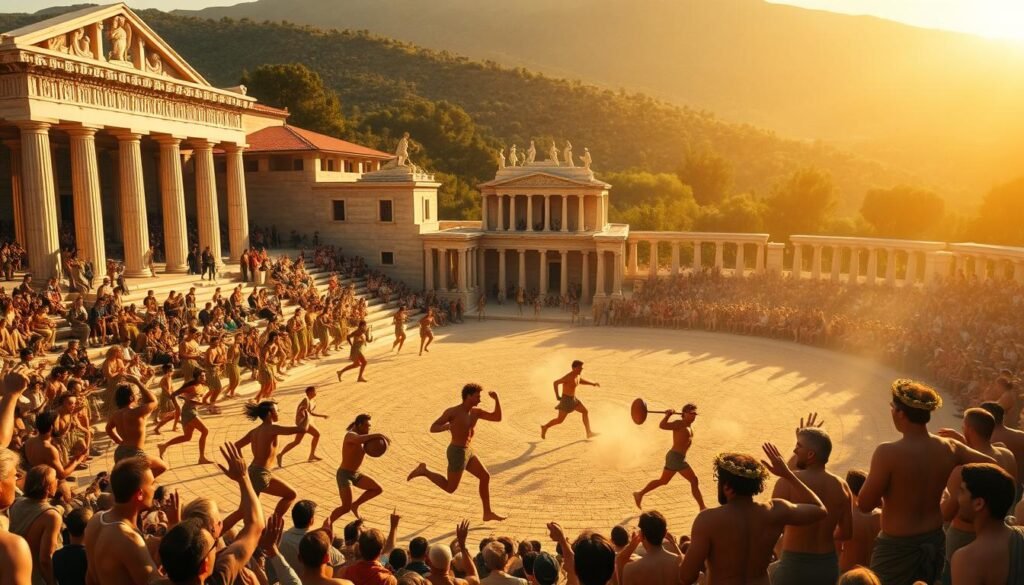
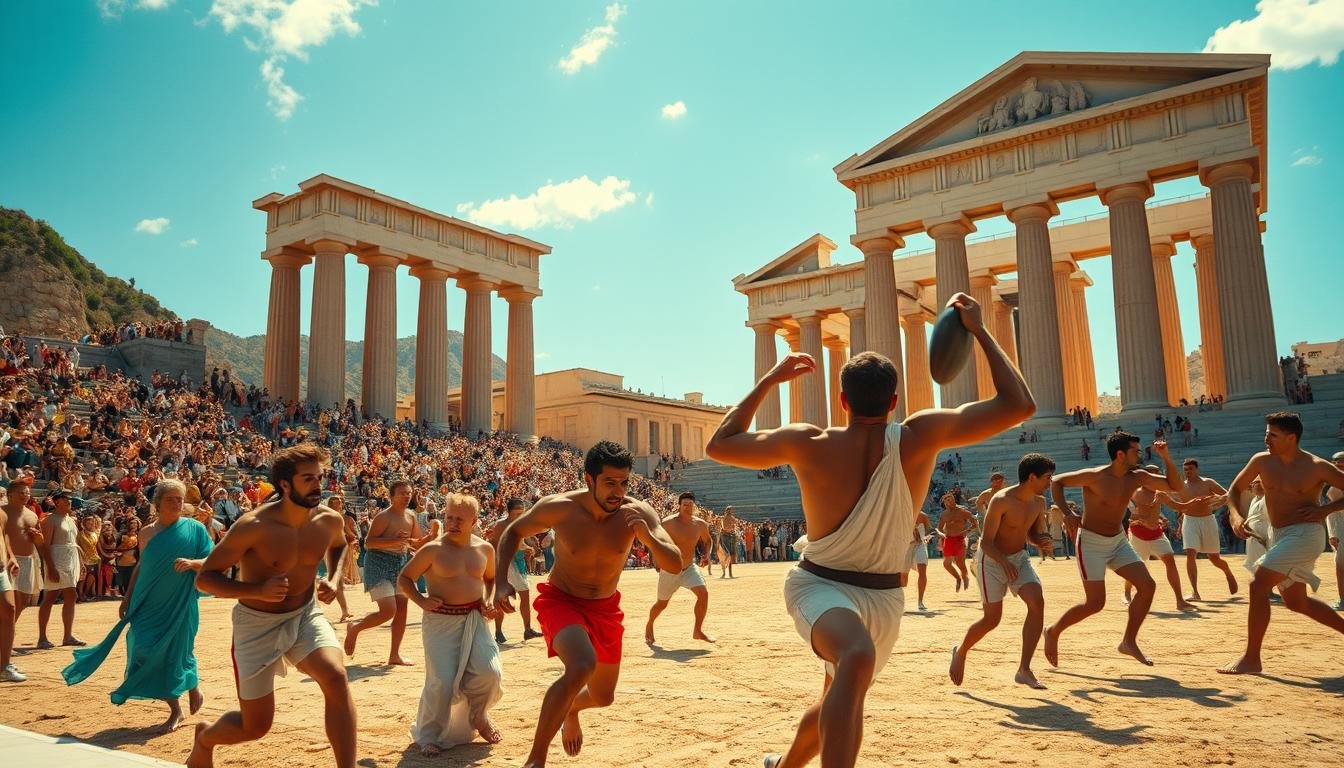
Picture this: a five-month celebration where poets performed alongside wrestlers, and victory meant wearing leaves instead of metal. The original games in Olympia weren’t just about sports—they were a full-blown cultural explosion. Think Coachella meets the Super Bowl, but with more togas and fewer TikTok influencers.
Olive Wreaths and Athletic Triumphs
Winners didn’t just flex their muscles—they wore sacred olive branches from Zeus’ temple. No gold, no silver. Just leaves that symbolized peace and eternal glory. I’d trade a medal for that backstory any day! These athletes competed naked (yep, you read that right) to celebrate pure human achievement. Talk about keeping it real.
The city of Olympia became the ultimate host, transforming into a buzzing hub every four years. Events ranged from chariot races to poetry slams. Every victory was a work of art, literally. Winners got songs written about them and statues carved in their honor. Imagine Lebron James getting a marble monument after a playoff win!
Historic Rituals and Fire-Lit Ceremonies
Here’s the coolest fact: they lit massive bonfires that burned throughout the games. Flames symbolized Prometheus’ gift to humanity—a reminder that greatness requires both spark and effort. Modern opening ceremonies? They’ve got nothing on those fire-drenched nights where the whole world seemed to gather in one valley.
Even today, Olympia’s ruins whisper stories of footraces that lasted hours and discus throws measured by crowd cheers. No stopwatches. No instant replays. Just raw human spirit and the roar of an ancient city hungry for wonder.
Rebel Traditions: Surprising Elements from Ancient Olympic Ceremonies
Let’s get real: ancient champions earned foliage while modern athletes chase metal. That’s not just a style change—it’s a revolution in how we celebrate greatness. Back then, victory meant a twist of olive leaves from Zeus’ sacred tree. Today? We’re handing out 556 grams of bling that jingles like pocket change.
Wreaths vs. Medals – A Testament to Change
The switch-up started in 1896. Athens’ rebooted games gave silver prizes to winners—gold came eight years later at the 1904 St. Louis event. Even now, “gold” medals are 92.5% silver with a 6-gram gold wash. I’d call that a glow-up with commitment issues.
Ancient athletes trained for years to earn a crown that wilted in days. No cash. No sponsorships. Just eternal bragging rights. Modern champs? They get endorsements, viral moments, and medals worth over $800. But here’s the kicker: both eras agree on one thing. Victory is timeless.
Imagine telling a Spartan wrestler his wreath would someday inspire a global event where skiers flip mid-air for shiny discs. The shift from leaves to metal mirrors how we value effort over time. Back then, glory was fleeting. Now? Medals become heirlooms, and records live forever online.
Next time you see a podium moment, remember: that gold started as a humble branch. Some traditions fade, but the hunger to win? That’s ancient—and totally unscripted.
Revival and Revolution: How Baron Pierre de Coubertin Reborn the Games
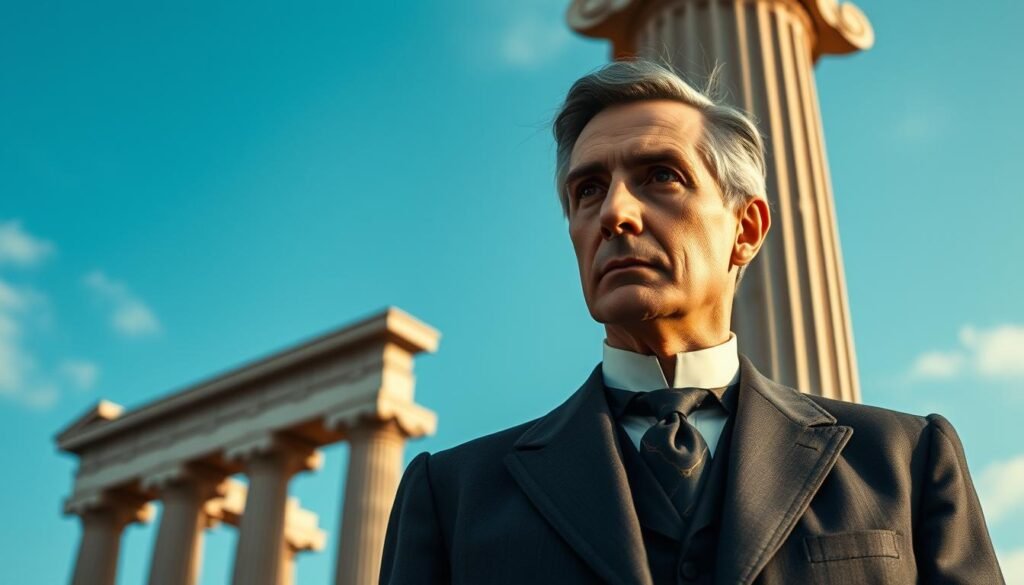
Here’s a name you should know: Baron Pierre de Coubertin. This French educator didn’t just restart the games in 1896—he reimagined them as a global stage where athletes could clash and connect. His vision? Blend fierce competition with cultural exchange. Think World Cup meets United Nations, but with more sweat and handshakes.
Modernization Moves and Cultural Clashes
Step one: Coubertin pitched his idea as a “festival of peace.” Countries hesitated. Some called it too idealistic. Others worried about logistics. But by 1896, 14 nations sent athletes to Athens. The result? A mix of ancient traditions and modern rules. Marathon runners shared tracks with fencers. German gymnasts side-eyed American shot-putters. Chaos? Absolutely. Progress? Unmistakable.
Step two: Standardize the madness. Early events ranged from tug-of-war to live pigeon shooting (yes, really). Coubertin trimmed the weirdness. He prioritized sports that crossed borders, like athletics and swimming. But cultural bumps still happened. British cyclists complained about Greek dust clouds. French judges argued over scoring. Yet somehow, it worked.
My take? Coubertin’s blend of structure and spontaneity felt like jazz—a little improvisation, a lot of rhythm. Sure, watching a Swiss rower race an Italian farmer must’ve been awkward. But that’s the part I love: imperfect humans building something timeless. Next time you see a podium, thank the Baron. His leafy wreath dreams became our golden reality.
Cultural Celebrations: Cities, Countries, and Their Distinct Flavors
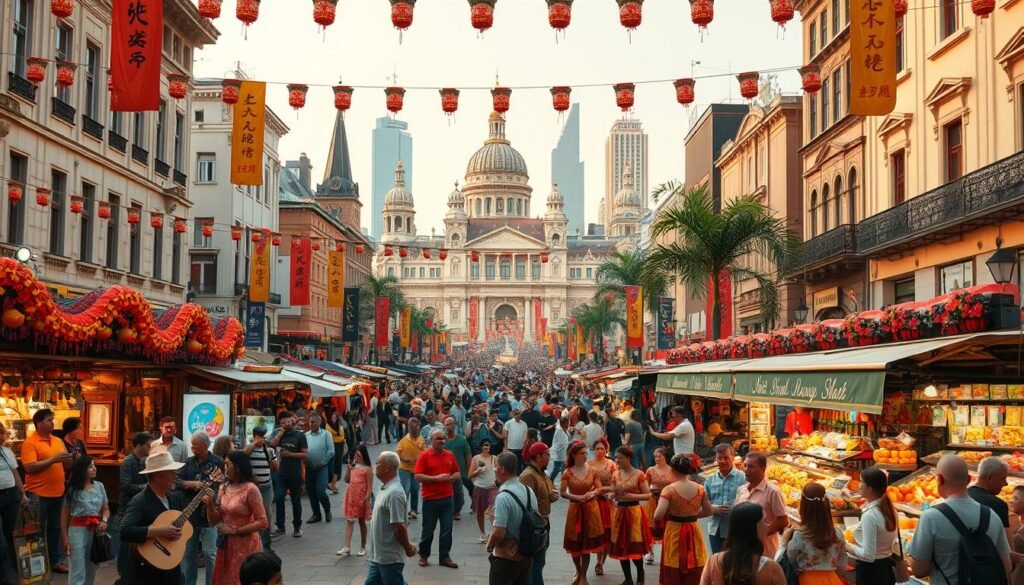
Here’s the secret sauce: every host city stamps the games with its DNA. From Barcelona’s Gaudí-inspired podiums to Sydney’s Indigenous welcome ceremonies, places turn stadiums into cultural canvases. Picture Japan’s 2021 baseball fields serving sushi-shaped mascots—or Brazil’s samba-infused opening acts. It’s like each country throws a worldwide block party with its own playlist.
Take London 2012. They transformed industrial wastelands into neon-lit playgrounds, blending Shakespeare quotes with grime music. Or Athens 2004, where ancient ruins framed diving boards. These silver lining moments—when cities reinvent themselves—often spark national pride. After Seoul ’88, South Korea’s economy boomed. Mexico City ’68? Their black-power salute became a human rights landmark.
| Host City | Year | Cultural Highlight | Lasting Impact |
|---|---|---|---|
| Barcelona | 1992 | Human tower formations | Revitalized waterfront |
| Sydney | 2000 | Aboriginal dance rituals | Boosted tourism by 40% |
| London | 2012 | Punk-meets-royalty aesthetic | Regenerated East End |
| Rio | 2016 | Samba parade finale | Global favela awareness |
Even the summer heat becomes part of the vibe. Atlanta ’96 handed out fans shaped like peaches. Paris plans Seine-side events for 2024—because why swim in a pool when you can backstroke past Notre Dame? These quirks matter. They turn international events into hometown hugfests.
So next time you see a medal ceremony, look beyond the podium. That silver disc? It’s forged from a place’s history, sweat, and wild imagination. And honestly? That’s worth more than gold.
The Electric Torch Relay: From Sunlit Flames to International Spectacles
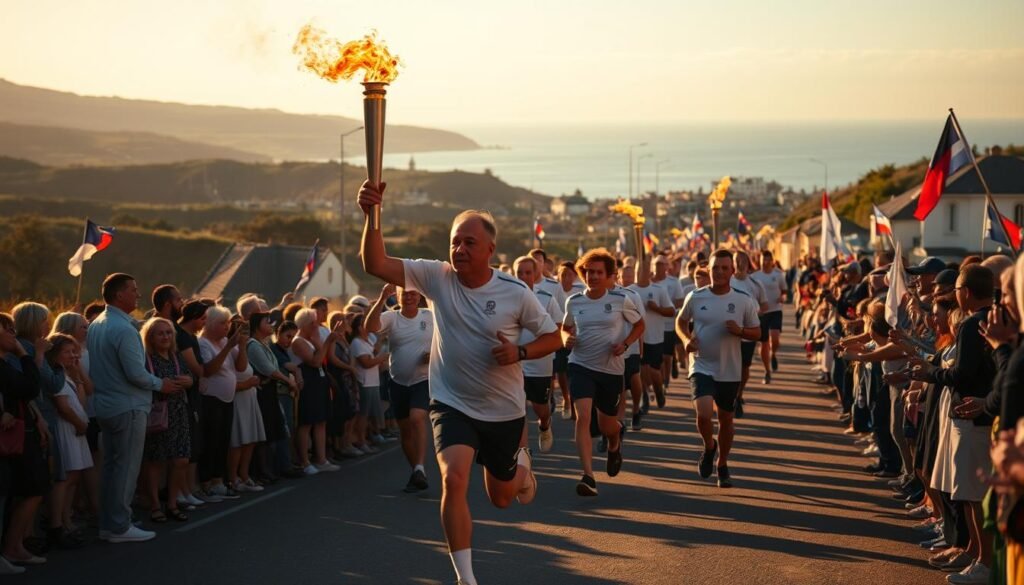
Hold up—did you know the flame starts with a literal sunbeam? Priests in Olympia use parabolic mirrors to ignite it, just like ancient Greeks did. This fiery baton then embarks on a wild global tour, passing through thousands of hands. It’s not just a race—it’s a festival of human connection, where sprinters, skiers, and astronauts all play courier.
Custom Designs and Unexpected Relay Moments
Every torch tells a story. Sydney’s 2000 design mimicked the Opera House’s curves. Beijing’s 2008 version had cloud patterns inspired by bronze artifacts. But the real magic? These metal marvels survive insane times. One torch rode a camel through Egypt’s desert. Another dove 49 feet underwater near Australia’s Great Barrier Reef.
Let’s talk fails and wins. In 2008, a wheelchair athlete nearly dropped the flame mid-air during a zip-line stunt. In 2014, cosmonauts carried it to the International Space Station—zero gravity included. These moments prove the relay isn’t just polished pageantry. It’s messy, human, and occasionally epic.
- Mexico City 1968: First color TV broadcast of the flame
- Atlanta 1996: Muhammad Ali’s trembling hands gripping the torch
- Tokyo 2020: Hydrogen-powered fire to cut emissions
Through rainstorms, protests, and pandemics, that flickering flame keeps moving. It’s more than a symbol—it’s a bronze-age tradition reinvented for TikTok times. And those five rings on every torch? They whisper: “This isn’t just fire. It’s the whole world’s heartbeat.”
Iconic Symbols: Rings, Flags, and the Unmistakable Olympic Vibe
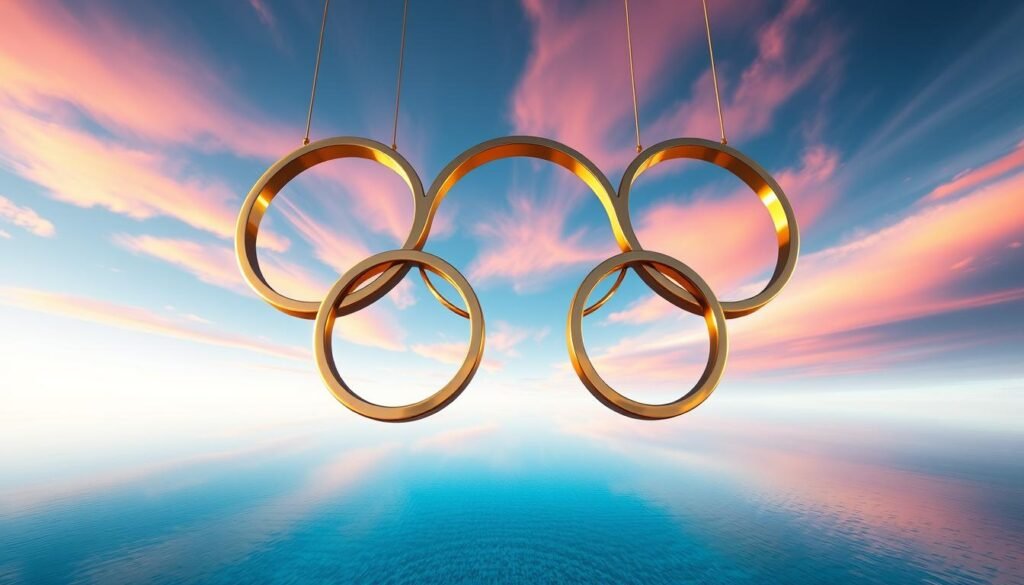
Ever wonder why five rings feel instantly Olympic? Those interlocked circles aren’t just a logo—they’re a secret handshake between eras. Designed in 1913, the rings represent five continents united through sport. But here’s the kicker: their colors (blue, yellow, black, green, red) were chosen because every nation’s flag contains at least one. It’s like a global fist bump hidden in plain sight.
Designs That Represent a World United
The ancient olympic games used simple laurel wreaths. Today’s symbols? They’re a mashup of history and hustle. Take the flag: white background (peace), rings (unity), no text needed. Pure visual poetry. Even the winter olympics added flair—like Sochi’s snowflake motifs or Torino’s neon-lit podiums. Cold weather, hot creativity.
Dig deeper, and you’ll spot nods to the first olympic games. The 2022 Beijing medals? Embedded with jade discs, echoing ancient Chinese rituals. The winter olympic games in PyeongChang blended Korean alphabets into torch designs. Every host layers their DNA into these icons, turning them into a living language.
My favorite quirk? The winter olympics made the flame silver instead of gold. Why? To mirror icy landscapes. It’s details like these that whisper: “We’re different, but we’re family.” Whether carved on Greek pottery or glowing on a ski jumper’s uniform, these symbols remind us—glory has no borders.
Olympics Facts for Kids: Modern Marvels and Historical Oddities
Ready for a time-travel trip? Let’s break it down: the first olympic games took place with zero podiums, while today’s champions stand on recycled metal. Tokyo 2020 medals? Made from 6 million old phones and laptops. Ancient sprinters raced naked; modern snowboarders shred slopes in heated jackets. Wild, right?
Here’s a head-scratcher: those epic ancient olympic contests took place during truce periods. Wars paused so athletes could wrestle in peace. Fast-forward to the winter olympic games—athletes now compete on ice made from rainwater and ski jumps shaped by AI. Progress? Absolutely. But the olympic flame still burns bright, just like in Zeus’ day.
| Era | Quirky Feature | Modern Twist | Impact |
|---|---|---|---|
| Ancient | Chariot races on dirt tracks | Skateboarding on urban ramps | Youth culture meets tradition |
| 1896 | Silver medals for winners | 3D-printed torches | Tech meets heritage |
| 2024 | Eiffel Tower iron in medals | AI judging systems | History meets innovation |
My jaw dropped when I learned about the winter olympic biathlon’s roots. It started as military training—soldiers skied with rifles! Now, it’s a crowd favorite with laser targets. And that sacred olympic flame? In 1956, it rode horseback through Stockholm. This year, it’ll float down the Seine in Paris. Same fire, new tricks.
Craziest fact? The first olympic marathon winner got silver… and a lifelong supply of free haircuts. Today’s champs score sponsorships, but that mix of grit and glory? That’s pure ancient olympic magic—just with better snacks.
Oddball Events: From Chariot Races to Skateboarding in Recent Times
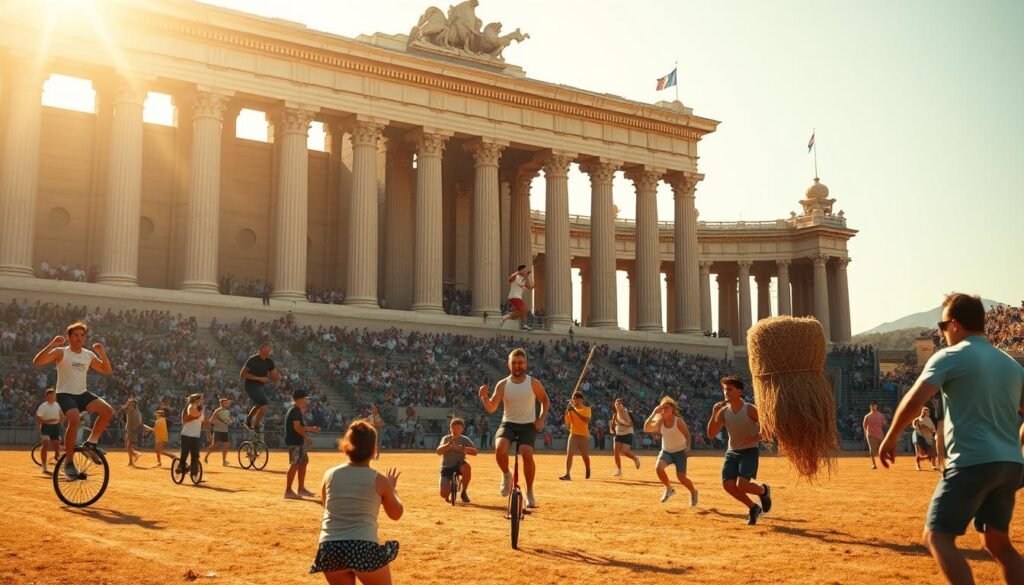
Buckle up, history buffs—we’re diving into the Olympic events that make pineapple on pizza look normal. The games began with charioteers risking life and limb for olive wreaths. Today? Teenagers flip skateboards mid-air for olympic medals. Let’s break it down like a gymnast sticking a landing.
Unexpected Sports Additions Over the Years
Step 1: Start with chaos. Early pierre coubertin-era games featured live pigeon shooting (1900) and tug-of-war (1904). Yes, actual birds were targets. No, PETA didn’t exist yet. Step 2: Add whimsy. The 1900 Paris Games handed out bronze medals for… poetry. Because nothing says “athletic triumph” like rhyming couplets.
Fast-forward to 2020. Skateboarding debuts in Tokyo, complete with neon-haired teens and judges who grade “style points.” How’d we get here? Thank pierre coubertin’s original rulebook: “Sports must evolve every two years.” His words became a loophole for wildcard events.
| Ancient Oddity | Modern Twist | Coubertin’s Verdict |
|---|---|---|
| Chariot races (dust included) | BMX freestyle (aerial tricks) | “Unexpected, but approved!” |
| Poetry competitions | Breakdancing (2024 debut) | “Art meets sport—perfect” |
| Nude wrestling | Snowboard halfpipe (heated jackets) | “Clothing optional?” |
Here’s the kicker: some bronze medals had identity crises. The 1904 St. Louis Games awarded them for… third-place finishes in both team and solo events. Double the bronze, double the confusion. Today’s olympic medals stay in their lanes, but the spirit of surprise? Still alive and grinding rails.
So next time you see a skateboarder land a 540, remember: this madness started with pierre coubertin scribbling “adapt or die” in French cursive. Who knew ancient Greeks and Gen Z rebels could agree on one thing? Keep it weird, keep it wild.
Tumult Behind the Mask: Cancellations, Boycotts, and Political Pivots
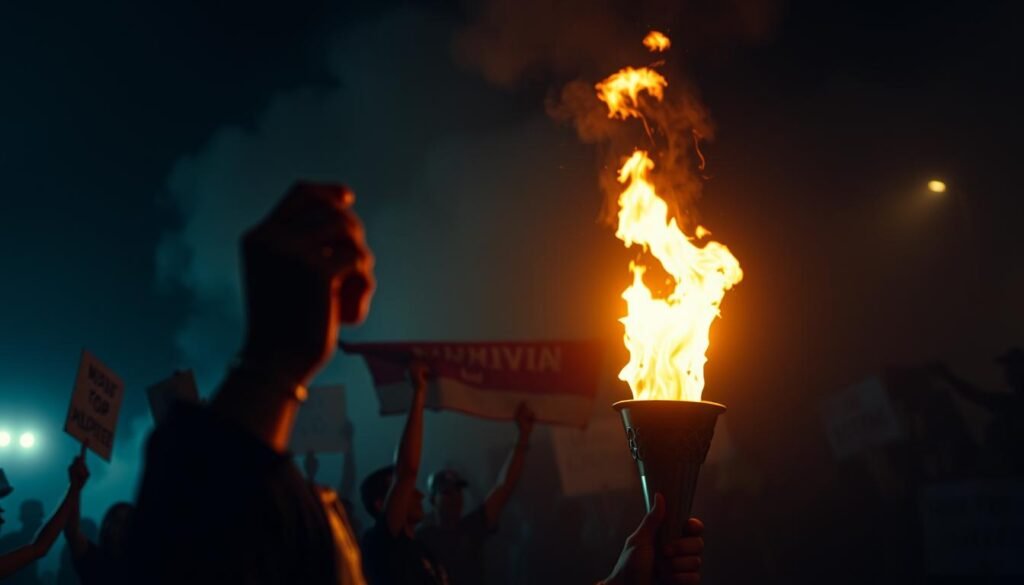
Did you realize peace and politics clashed at the summer and winter events more than athletes? The ancient olympics paused wars for games, but modern history flipped the script. Global conflicts turned stadiums into battlegrounds of ideology.
World Wars, Boycotts, and the Shifting Sporting Landscape
Three times, the flame died before reaching its cauldron. World War I scrapped Berlin 1916. World War II erased Tokyo 1940 and London 1944. Athletes traded tracks for trenches. Imagine training four years only to hear “Canceled.” Let that sink in.
Cold War tensions burned hotter than any torch relay. In 1980, 65 nations skipped Moscow’s summer Games over the Soviet-Afghan war. Four years later, 14 Eastern Bloc countries retaliated by boycotting Los Angeles. Team rosters looked like chess pieces in a geopolitical showdown.
- Neutral athletes debuted in 1992—no flags, just white uniforms
- Beijing’s 2008 olympic torch faced protests over human rights
- Michael Phelps’ 2008 eight-gold haul shifted focus back to sport
Even the winter events couldn’t escape drama. Russia’s 2018 ban over doping forced athletes to compete under “Olympic Athlete from Russia.” The torch relay? It’s been snuffed, rerouted, and redesigned—like when China’s 2008 flame resembled a scroll criticizing Western media.
Through it all, the ancient olympics’ spirit endures. Wars paused. Borders blurred. And that glowing olympic torch? Still carried by hands hoping to outshine politics with pure human grit.
Final Wrap-Up: Olympic Games That Continue to Shape Our World
Think about this for a heartbeat: every flame lit at the games carries 3,000 years of history in its flicker. That fire once burned for poets and naked wrestlers. Now it flares for skateboarders and AI-designed podiums. Wild, right?
Here’s what blows my mind. The medal around a sprinter’s neck? It’s a time machine. Ancient olive wreaths evolved into Eiffel Tower iron discs—same hunger for glory, new materials. Each year adds another layer: recycled tech in Tokyo, hydrogen flames in Beijing.
We’ve seen truces during wars and protests during peace. Watched chariot tracks become halfpipes. Every year whispers, “What’s next?” Maybe holographic judges. Medals grown from algae. Who knows?
But here’s the raw truth. That flame lit in Olympia? It’s not just fire. It’s a baton passed through centuries—from Zeus’ priests to astronauts holding torches in zero gravity. The medal system? A love letter to human stubbornness. We keep reinventing how to say “you crushed it.”
So yeah, the story’s messy. Wars paused. Boycotts happened. Sports got weird (looking at you, live pigeon shooting). But that’s the point. This history isn’t some dusty relic. It’s alive—twisting, adapting, surprising us every four years.
Next time you see a medal ceremony, squint. You’ll spot Spartan wrestlers nodding at skate kids. Baron de Coubertin high-fiving breakdancers. And that fire? Still burning. Still asking: “What’ll we dream up next year?”