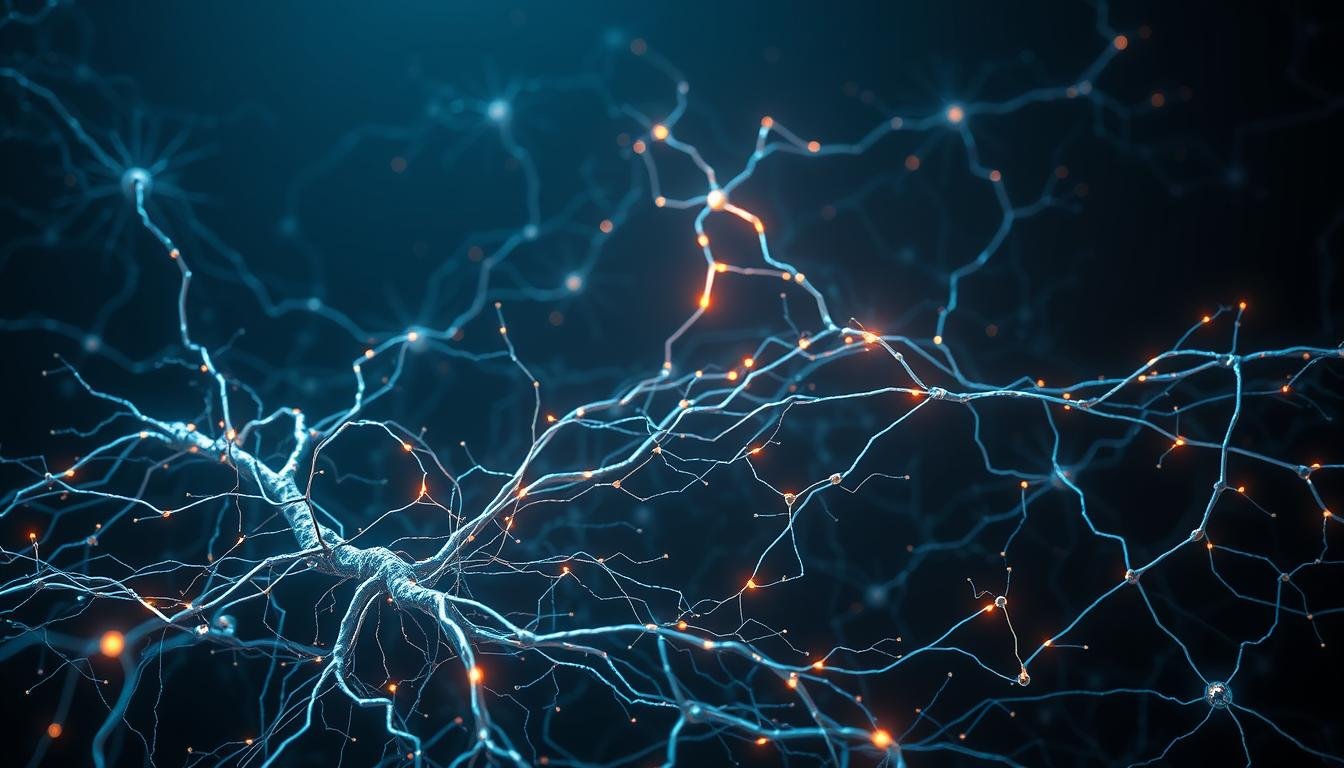
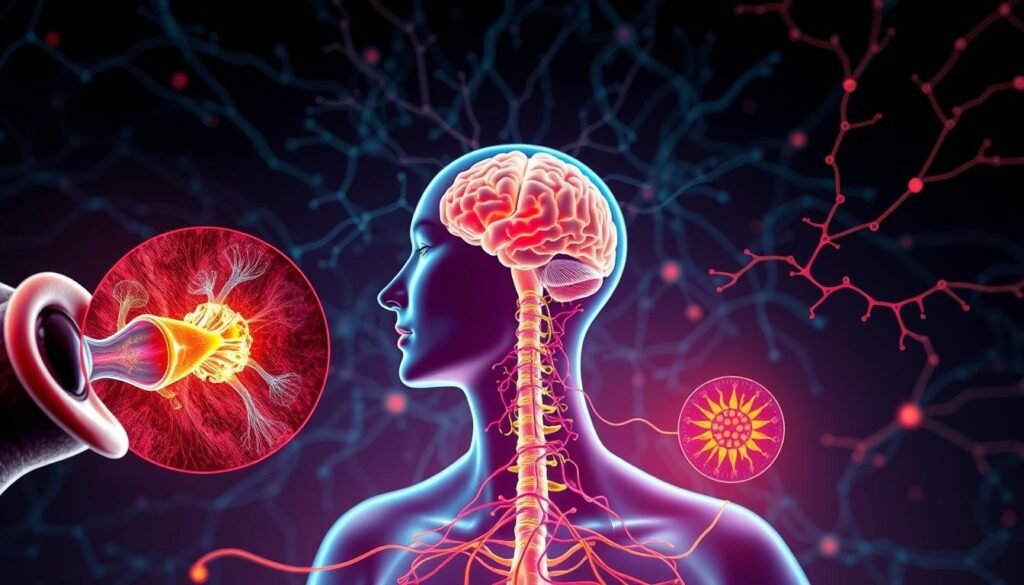
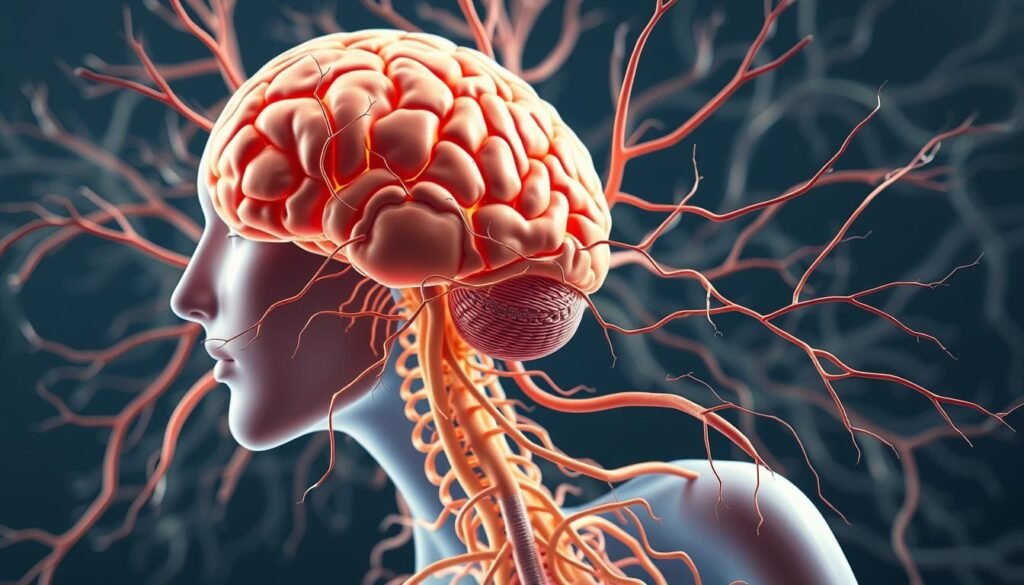
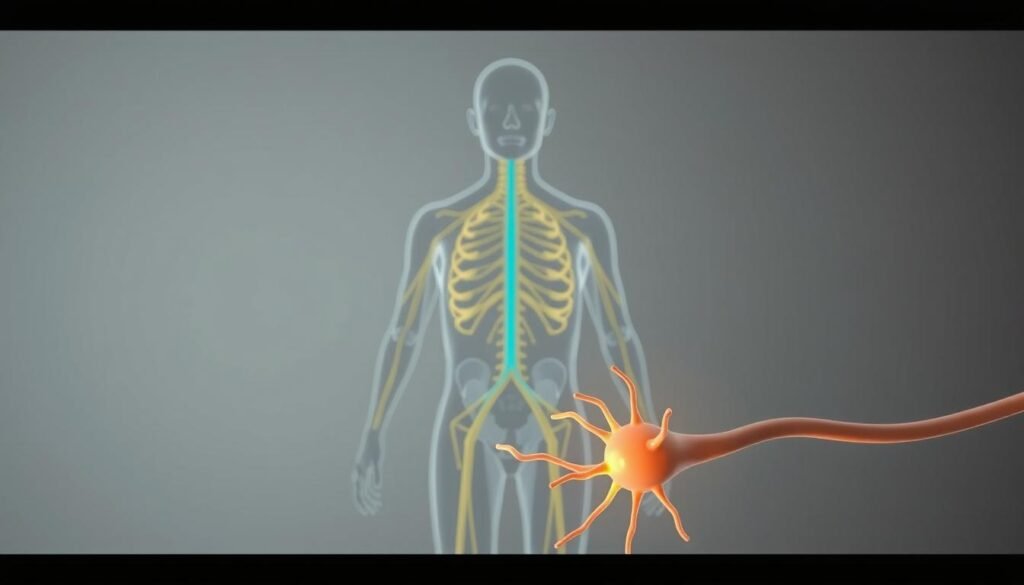
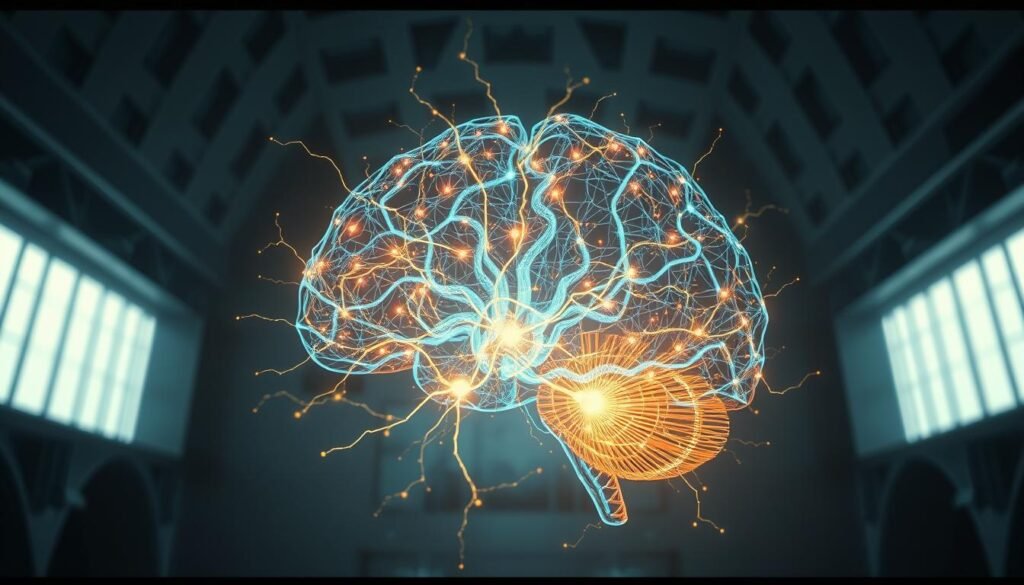
Your nervous system is like the body’s internet. It sends signals across your body in milliseconds. This network controls your thoughts and movements, making it the most advanced messaging system.
Think of your body as a complex digital network. Millions of nerve cells send messages faster than you can think. These cells connect your brain, spinal cord, and every part of your body.
The nervous system works like a superhighway. It processes information from your environment and helps you react. Whether catching a ball or thinking about your next adventure, your body’s internet is always working.
From the smallest nerve cell to the biggest brain regions, this system lets you sense, think, move, and respond. It does all this with incredible precision and speed.
What Is the Nervous System and How Does It Work?
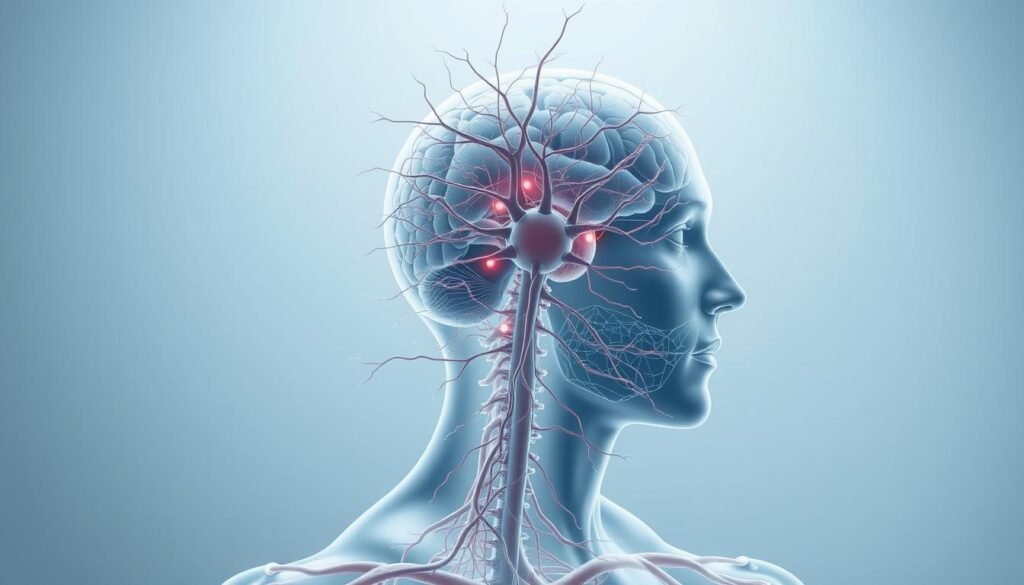
Your nervous system is a complex network that controls your body’s actions. It’s like a superhighway of information, connecting your brain to your body. It manages everything from breathing to thinking, making quick decisions to keep you alive.
The nervous system has two main parts: the central nervous system and the peripheral nervous system. These networks work together to send signals fast across your body.
Exploring the Core Components
The main functions of the nervous system include:
Receiving sensory information from the environment
Processing and interpreting signals
Generating responses to stimuli
Coordinating body movements
Regulating critical bodily functions
Communication Pathways
Neurons are the messengers of your nervous system. These specialized cells transmit electrical and chemical signals across pathways. They work like microscopic telephone lines, sending and receiving messages fast.
System Structure
Your nervous system has two main areas:
Central Nervous System (CNS): Includes the brain and spinal cord
Peripheral Nervous System (PNS): Consists of nerves throughout the body
The nervous system works all the time, processing millions of signals every second. It protects you, helps you interact with the world, and keeps your body running smoothly without you even noticing.
The Amazing World of Neurons: Your Body’s Messaging Stars
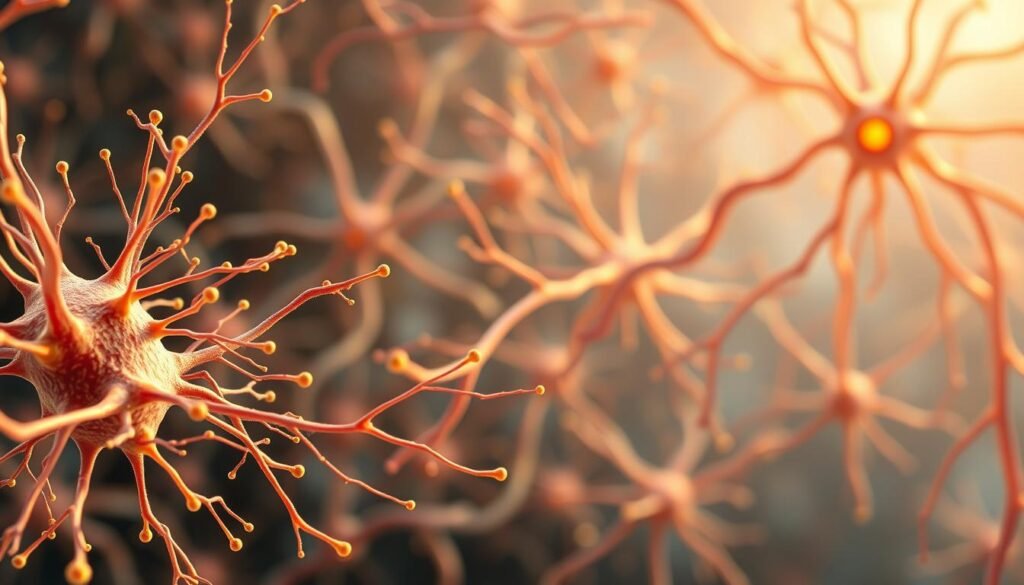
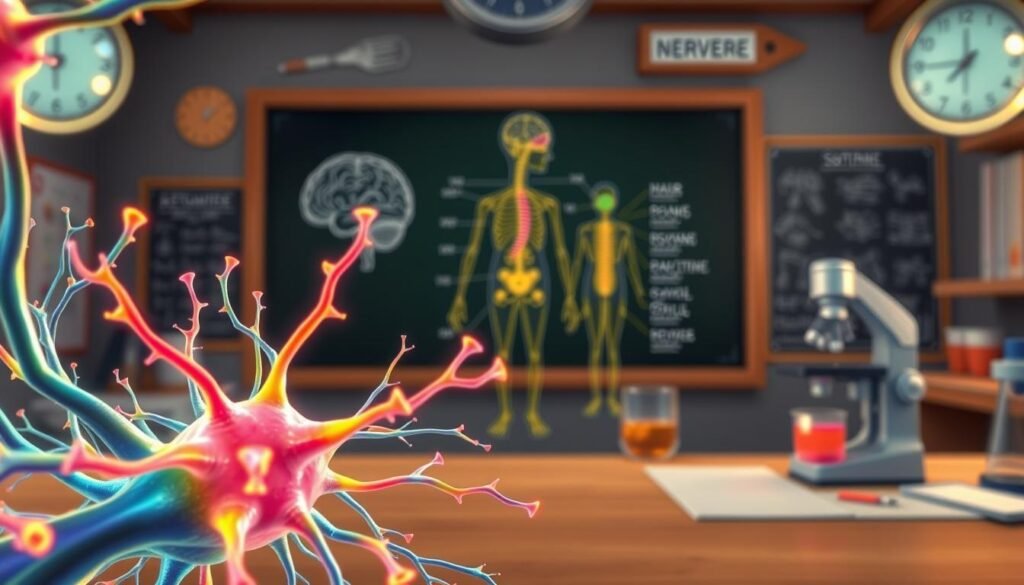
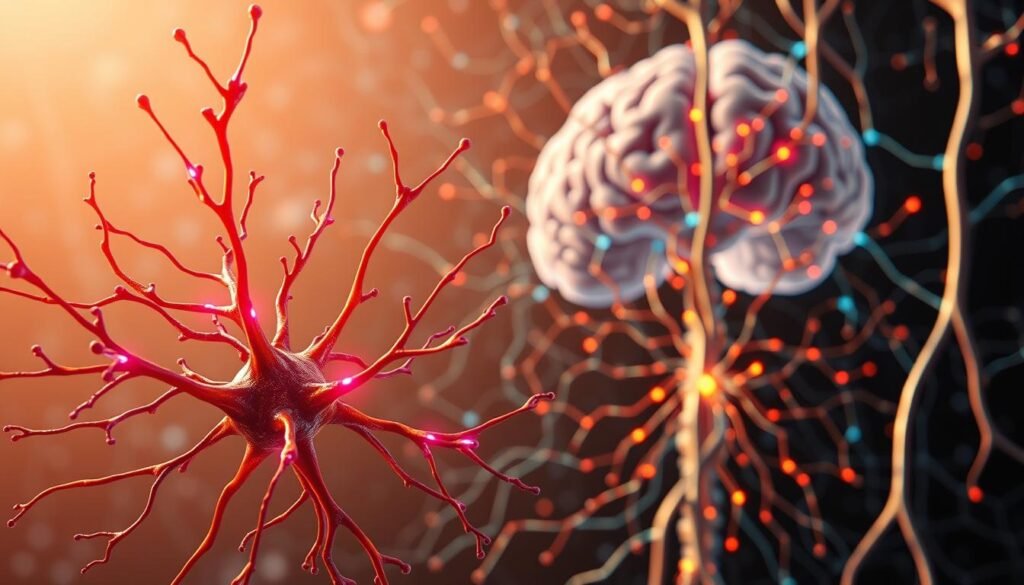
Neurons are the stars of your nervous system. They work fast, like communication experts in your body. These tiny nerve cells send signals quickly and accurately across your brain and body.
Every neuron is a complex machine with three main parts:
Dendrites: Small antenna-like receivers that catch incoming signals
Cell Body: The control center managing neuron operations
Axon: A long cable-like structure that sends messages to other neurons
Some neurons have a special coating called myelin. This coating makes messages travel even faster. Think of these neurons as supercharged digital messengers in your body’s network!
Neuron Part
Function
Unique Characteristic
Dendrites
Receive signals
Looks like tiny branches
Cell Body
Process information
Contains essential cellular components
Axon
Transmit signals
Can be incredibly long
Your body has billions of these nerve cells. They help you think, move, and react fast. Neurons are the heroes behind your nervous system’s smooth operation!
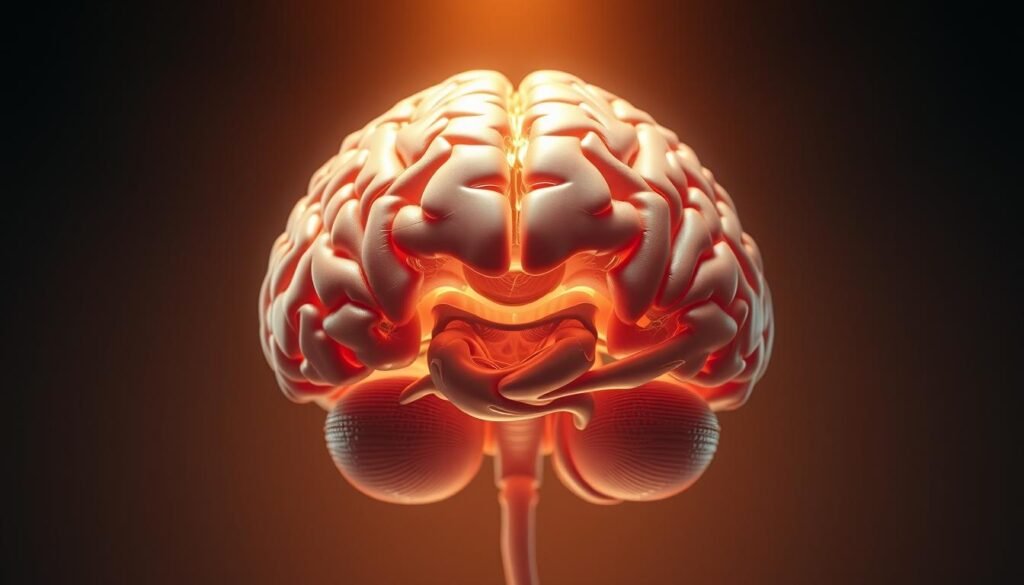
Meet Your Brain: The Control Center of Your Body
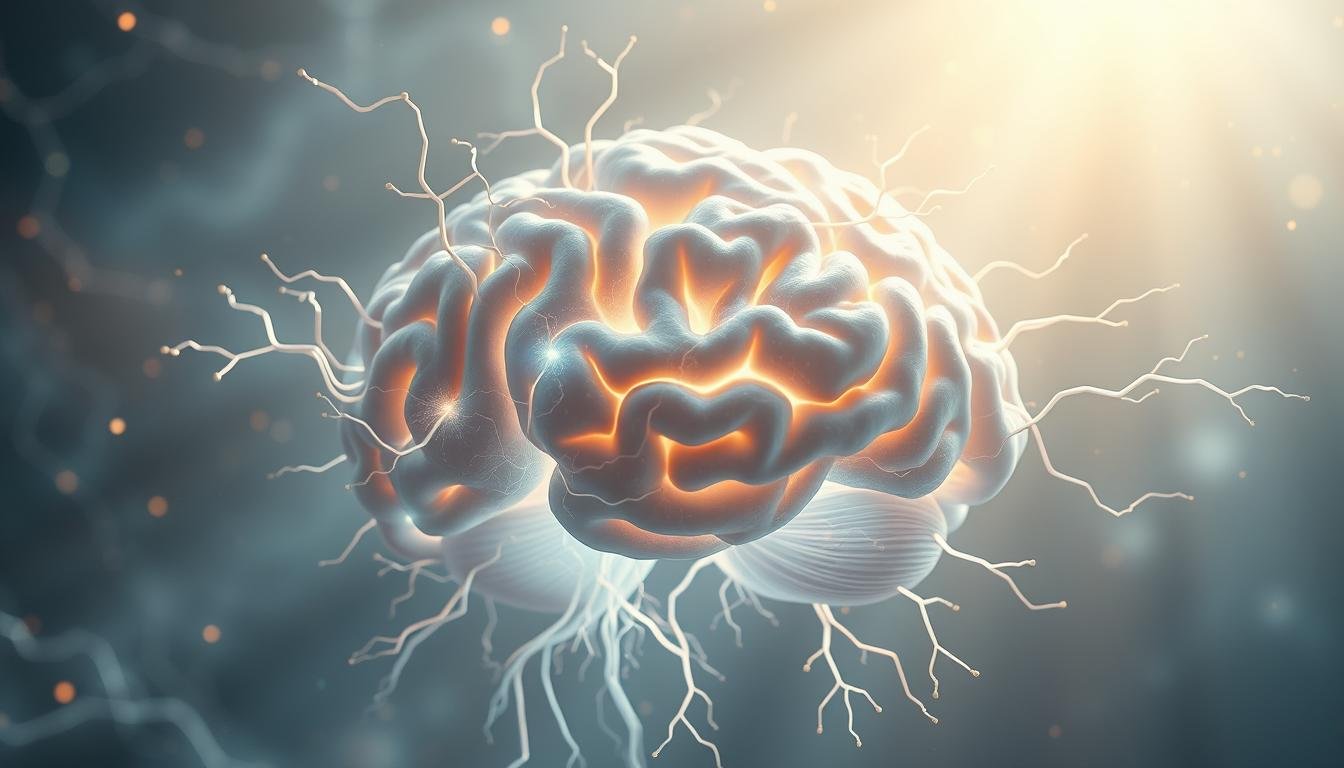
Your brain is the ultimate command center, managing every single action and thought in your body. This incredible organ works non-stop, processing millions of signals every second. It controls everything from your breathing to your most complex emotions.
Brain functions are incredibly complex and fascinating. Weighing just about 3 pounds, this powerful organ contains approximately 86 billion neurons. These neurons communicate through electrical and chemical signals.
Brain Regions and Their Specific Roles
The brain is divided into several key regions, each with unique responsibilities:
Frontal Lobe: Responsible for thinking, planning, and decision-making
Temporal Lobes: Manage memory and hearing processes
Parietal Lobes: Process sensory information like touch and taste
Occipital Lobe: Controls visual perception and interpretation
Brain Information Processing
Your brain processes information through an intricately connected network of neurons. Sensory inputs from your eyes, ears, skin, and other organs are rapidly interpreted. This allows you to understand and interact with your environment.
Brain Protection Systems
Brain protection is key for maintaining optimal neural function. The body has multiple defense mechanisms:
Skull: A hard, protective exterior shield
Cerebrospinal Fluid: Acts as a shock absorber
Blood-Brain Barrier: Prevents harmful substances from entering
Meninges: Protective membrane layers surrounding the brain
These sophisticated brain protection systems work together. They keep your most important organ safe from damage. They also maintain its critical functions.
Nervous System Facts for Kids: Must-Know Information
Your nervous system is like a superhero network inside your body! These facts will amaze you and make learning about your body’s communication system super fun.
Did you know your brain has billions of tiny messengers called neurons? These tiny cells help you move, think, feel, and experience the world. It’s like having more nerve cells than stars in the Milky Way galaxy!
Your brain has about 100 billion neurons
Spinal cord contains approximately 13.5 million neurons
Neurons can send signals up to 268 miles per hour
Nervous system facts show that these cells never stop working. They control everything from your heartbeat to your dreams. Even when you’re sleeping, your nervous system keeps your body running smoothly.
Kid-friendly information about neurons explains how they send messages. They’re like tiny messengers passing notes at lightning speed. This ensures your body works well and efficiently.
Nervous System Component
Number of Neurons
Brain
100 billion
Spinal Cord
13.5 million
The Spinal Cord: Your Body’s Information Highway
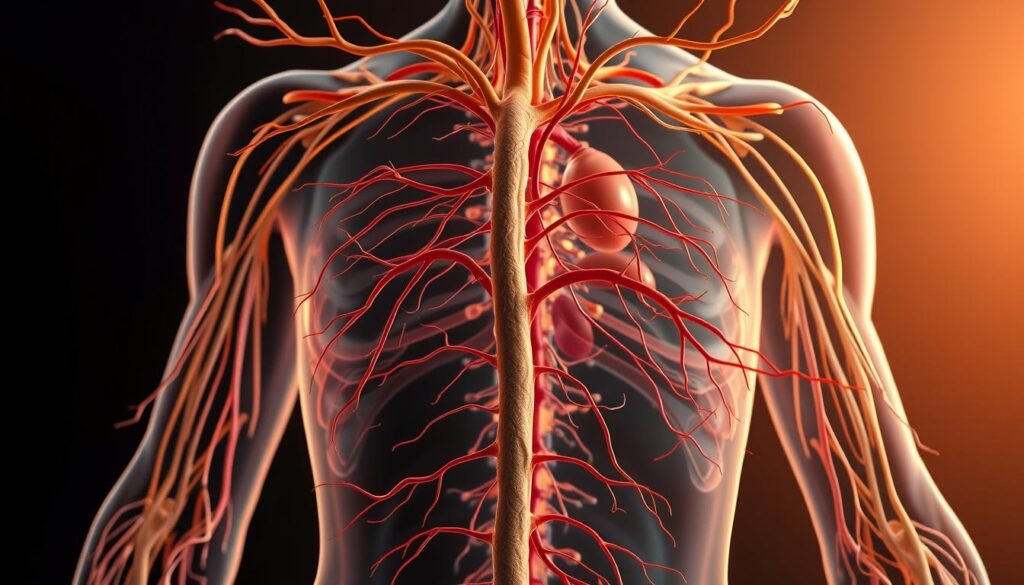
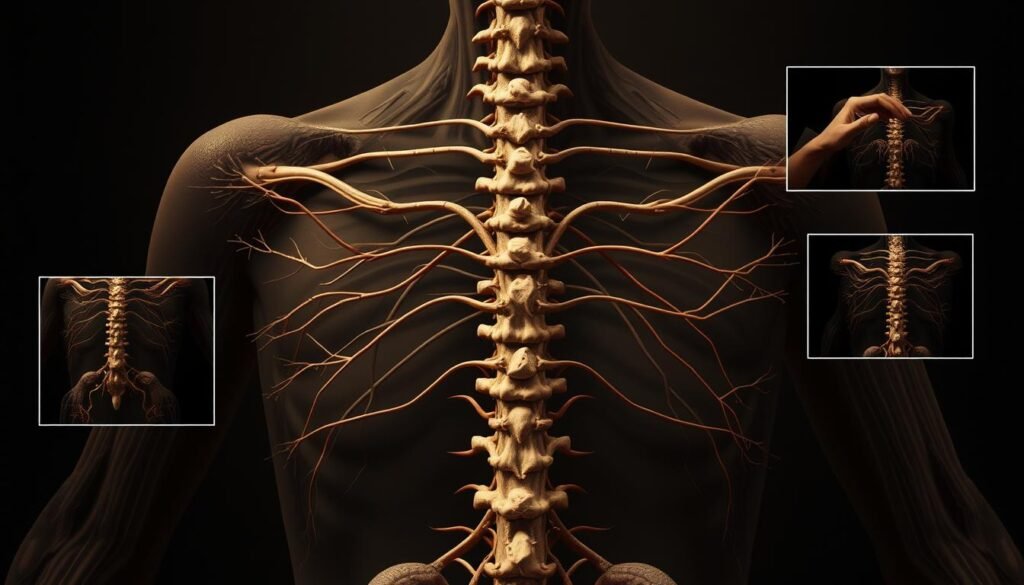
Your spinal cord is a key link between your brain and body. It’s like a superhighway for neural messages, sending signals fast and connecting your nervous system.
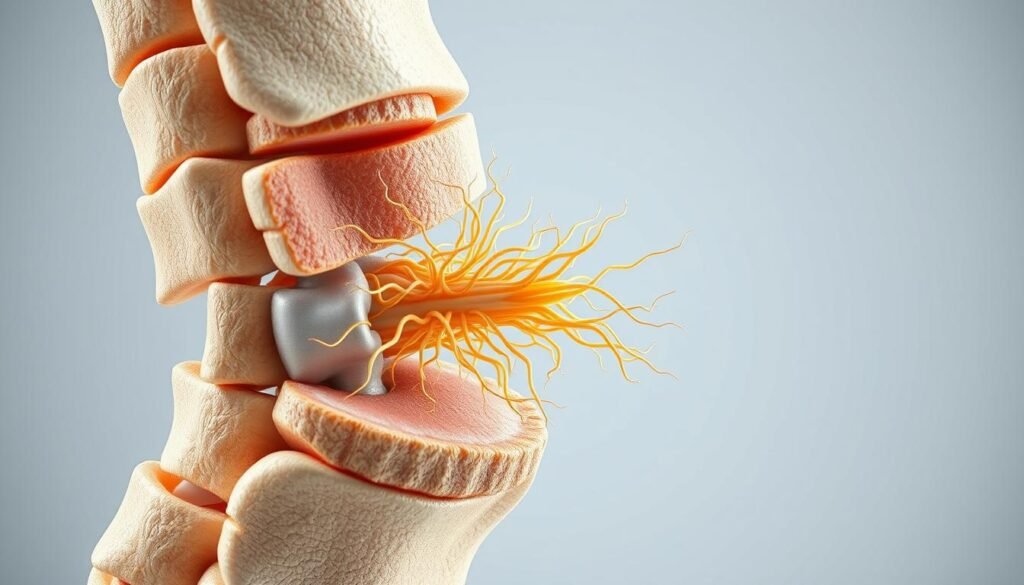
The spinal cord is a vital part of your nervous system. It’s about 18 inches long in adults and has millions of nerve fibers. These fibers work hard to send information.
Structure of the Spinal Cord
The spinal cord’s design is complex but efficient. It has:
Nerve bundles running vertically through the backbone
Specialized neural pathways for sensory and motor signals
Segmented regions corresponding to different body zones
Protection Mechanisms
Keeping the spinal cord safe is essential. It has several layers of defense:
Protection Layer
Function
Vertebrae
Bony exterior shield
Meninges
Protective membrane coverings
Cerebrospinal Fluid
Shock absorption and cushioning
Each vertebra protects the spinal cord like a block. The spinal cord’s design shows nature’s amazing engineering. It ensures constant communication and strong protection.
Your Five Senses and How They Connect to Your Nervous System
Your sensory nervous system is like a superhero network. It keeps you connected to the world. Nerve cells gather information through your five senses, acting as your body’s information gatherers.
Let’s explore how your five senses work with your nervous system:
Touch: Skin receptors send signals about texture, temperature, and pressure
Taste: Taste buds capture flavor profiles and chemical signals
Smell: Olfactory receptors detect complex chemical compounds
Sight: Eye receptors process light and color information
Sound: Ear receptors capture vibrations and audio wavelengths
Each sense has special receptor cells that act like tiny reporters. They collect data constantly. When they detect something, they send signals quickly through your nervous system to your brain.
Your brain then makes sense of these signals. It helps you understand your environment. This system turns raw data into meaningful experiences.
It’s like having a personal communication network. This network helps you navigate the world. It keeps you safe and aware of everything around you.
The Central Nervous System vs Peripheral Nervous System
Your nervous system is like a complex communication network. It keeps your body running smoothly. It has two main parts: the central nervous system and the peripheral nervous system. These systems work together to help you interact with the world.
The central nervous system is your body’s command center. It includes the brain and spinal cord. These parts process and interpret information from various sources. Think of it as the headquarters that makes critical decisions for your entire body.
Major Differences
Key differences between the central nervous system and peripheral nervous system include:
Location: The central nervous system resides within the skull and spinal column, while the peripheral nervous system extends throughout the body
Function: CNS processes and interprets signals, PNS transmits information
Components: CNS includes brain and spinal cord, PNS includes all other nerves
Working Together
The peripheral nervous system acts like a messenger for the central nervous system. It collects sensory information from your environment and sends signals back to the brain. Imagine a complex network of communication lines connecting different parts of your body to the central command center.
Your central nervous system receives input through sensory nerves in the peripheral nervous system. It then processes this information and sends instructions back through motor nerves to trigger responses. This seamless interaction allows you to react to your surroundings quickly and efficiently.
Automatic Body Functions: How Your Nervous System Keeps You Alive
Your autonomic nervous system is like a secret hero inside you. It manages important tasks without you even thinking about them. This network works all the time, keeping you alive by controlling vital body functions.
The autonomic nervous system has two main parts:
It controls your heart rate and blood pressure.
It keeps your breathing steady.
It helps your digestive system work right.
It keeps your body temperature just right.
It manages your body’s metabolism.
Even when you’re sleeping, exercising, or just sitting, these functions keep going. Your heart beats, lungs breathe, and digestive system works—all without you noticing.
Think of your autonomic nervous system as an advanced autopilot. It makes quick changes to keep your body running smoothly. Whether you’re stressed or relaxed, it keeps your body’s systems working well.
It also has quick response systems to protect you. For example, if you touch something hot, your nervous system pulls your hand back fast. You might not even realize it happened until later.
Super-Fast Reflexes: Your Body’s Protection System
Reflexes are your body’s quick defense. They protect you from dangers in a split second. Your reflexes work faster than you can think, keeping you safe.
The nervous system quickly responds to reflexes, starting in your spinal cord. This way, your body reacts fast, like pulling your hand away from hot surfaces. This quick action prevents injuries.
Knee-jerk reflex tests neural health
Blinking protects your eyes from sudden objects
Pulling away from painful stimuli prevents damage
Different reflexes protect you in different ways. Protective reflexes are automatic, triggered by nerves sensing threats. These fast responses can save you before your brain even knows what’s happening.
Reflex Type
Response Time
Primary Function
Withdrawal Reflex
0.1 seconds
Protect from painful stimuli
Blinking Reflex
0.2 seconds
Protect eyes from foreign objects
Startle Reflex
0.15 seconds
Respond to sudden loud noises
Doctors use reflex tests to check your nervous system. A simple knee tap can tell a lot about your nerves and brain health.
The Sympathetic System: Your Body’s Emergency Response
When danger comes, your body has a special survival plan. It’s like having a superhero inside you, ready to act fast. This amazing system gets you ready to face challenges or escape quickly.
Your body’s emergency team is the sympathetic nervous system. It springs into action when stress hits. Your heart races, muscles tighten, and your body goes into high alert.
Understanding Fight or Flight
The fight or flight response is your body’s survival plan. Here’s what happens during this intense reaction:
Heart rate increases dramatically
Breathing becomes rapid and deep
Blood flow redirects to critical muscles
Pupils dilate for better vision
Digestion temporarily stops
Physical Changes During Stress
When the sympathetic nervous system kicks in, your body changes fast. It’s like switching from idle to turbo mode in seconds!
Body System
Stress Response
Cardiovascular
Increased heart rate and blood pressure
Respiratory
Faster, deeper breathing
Muscular
Enhanced strength and reaction time
Metabolic
Rapid energy release
Your sympathetic nervous system is a built-in survival mechanism. It has kept humans safe for thousands of years! It turns your body into a high-performance machine ready for any challenge.
The Parasympathetic System: Your Body’s Relaxation Mode
Your parasympathetic nervous system is like a personal relaxation manager. It works behind the scenes to help you relax and recover from stress. It’s known as the “rest and digest” system and is key to your body’s balance and wellness.
When this system is active, your body goes through some amazing changes:
Heart rate slows down
Breathing becomes deeper and more relaxed
Muscles start to unwind
Digestive processes become more efficient
This system is like your body’s power-saving mode. It conserves energy and promotes healing by reducing stress and supporting important functions. It helps your body focus on recovery.
Key activities of the rest and digest system include:
Stimulating digestive enzyme production
Promoting metabolism regulation
Lowering blood pressure
Supporting immune system function
When you feel calm after eating or relaxing deeply, your parasympathetic nervous system is at work. It helps your body shift from stress mode to a peaceful recovery state.
Understanding Nerve Signals: Your Body’s Electrical Messages
Your nervous system is like a super-fast communication network. It sends nerve signals across your body with amazing accuracy. These messages travel through neurons at incredible speeds, controlling everything from your thoughts to your movements.
Nerve signals are how your body talks to itself. They travel through a complex network of neurons. There are two main types of signals that work together perfectly.
Signal Types in Neural Communication
Neurons send messages in two main ways:
Electrical Signals: Known as action potentials, these signals race along neuron pathways
Chemical Signals: Neurotransmitters bridge the gaps between neurons
Speed of Signal Transmission
Nerve signals travel at incredible speeds. Different neurons send signals at different speeds, based on their type.
Neuron Type
Signal Speed
Function
Sensory Neurons
268 miles per hour
Rapid external stimulus detection
Motor Neurons
180 miles per hour
Movement control signals
Interneurons
90 miles per hour
Processing internal signals
Neurotransmitters are key in turning electrical impulses into chemical messages. They help neurons talk to each other smoothly. This allows your body to function in complex ways.
How to Keep Your Nervous System Healthy
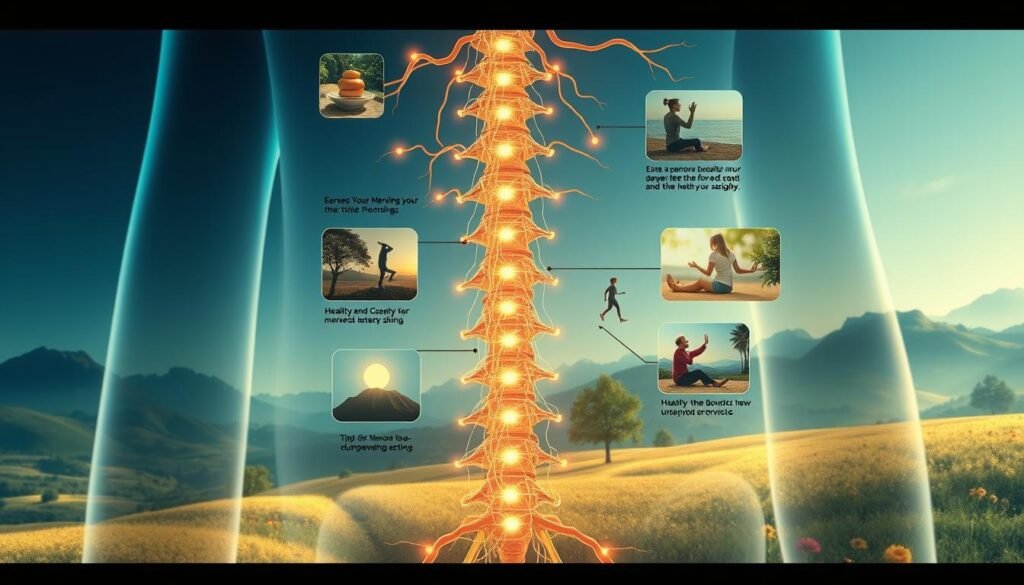
Keeping your nervous system healthy is easier than you think. Your brain and nervous system are like complex computer networks. They need regular care to work their best. Here are some effective ways to keep your brain and nerves in top shape.
Good nutrition is key for brain health. Your nervous system needs specific nutrients to function well. Here are some foods that are great for your brain:
Fatty fish packed with omega-3s
Nuts and seeds rich in vitamin E
Leafy green vegetables
Berries loaded with antioxidants
Exercise is also vital for nervous system health. It’s not just for building muscles. It boosts your brain’s connection power. Even short exercises can help your brain make new connections.
Sleep is essential for your nervous system. While you sleep, your brain cleans itself and strengthens memories. Try to get 7-9 hours of sleep each night to keep your brain sharp.
Managing stress is important for your nervous system. Activities like meditation, deep breathing, and yoga can calm your brain. They help reduce inflammation and keep your brain’s wiring in good shape.
Mental challenges keep your nervous system sharp. Try puzzles, learn a new language, or play a musical instrument. These activities create new pathways in your brain and keep it flexible.
Drink plenty of water and limit alcohol and caffeine. Water helps signals move smoothly through your brain and nerves.
Cool Facts About Your Body’s Neural Network
Your nervous system is truly amazing. It works with incredible speed and complexity, rivaling the best computers.
Your brain has about 86 billion neurons. That’s more than 10 times the number of people on Earth.
Each neuron can connect with up to 10,000 others.
The length of nerves in your body could circle the Earth twice – over 90,000 miles!
Amazing Statistics
Your neural network is incredibly fast. It can detect a touch in just 0.0002 seconds. This is much quicker than any technology made by humans.
Interesting Comparisons
Scientists have mapped the neural network of a tiny roundworm completely. But the human brain is much more complex and is a big mystery.
Think of your brain as a supercomputer. It has billions of parts working together. They send signals to each other faster than you can blink!
Common Problems and Protection of the Nervous System
Understanding nervous system disorders is key. Issues can range from headaches to serious conditions like epilepsy. Protecting the nervous system is vital for brain health.
Brain injuries are a big risk. Wearing helmets and eating right can help. Foods like blueberries and spinach support nerve health.
Regular check-ups are important. Tests like MRI scans can find problems early. Staying fit and managing stress also helps.
Preventing problems is essential. Activities that challenge the brain and a healthy diet are important. Paying attention to your body and getting medical help when needed is also important.