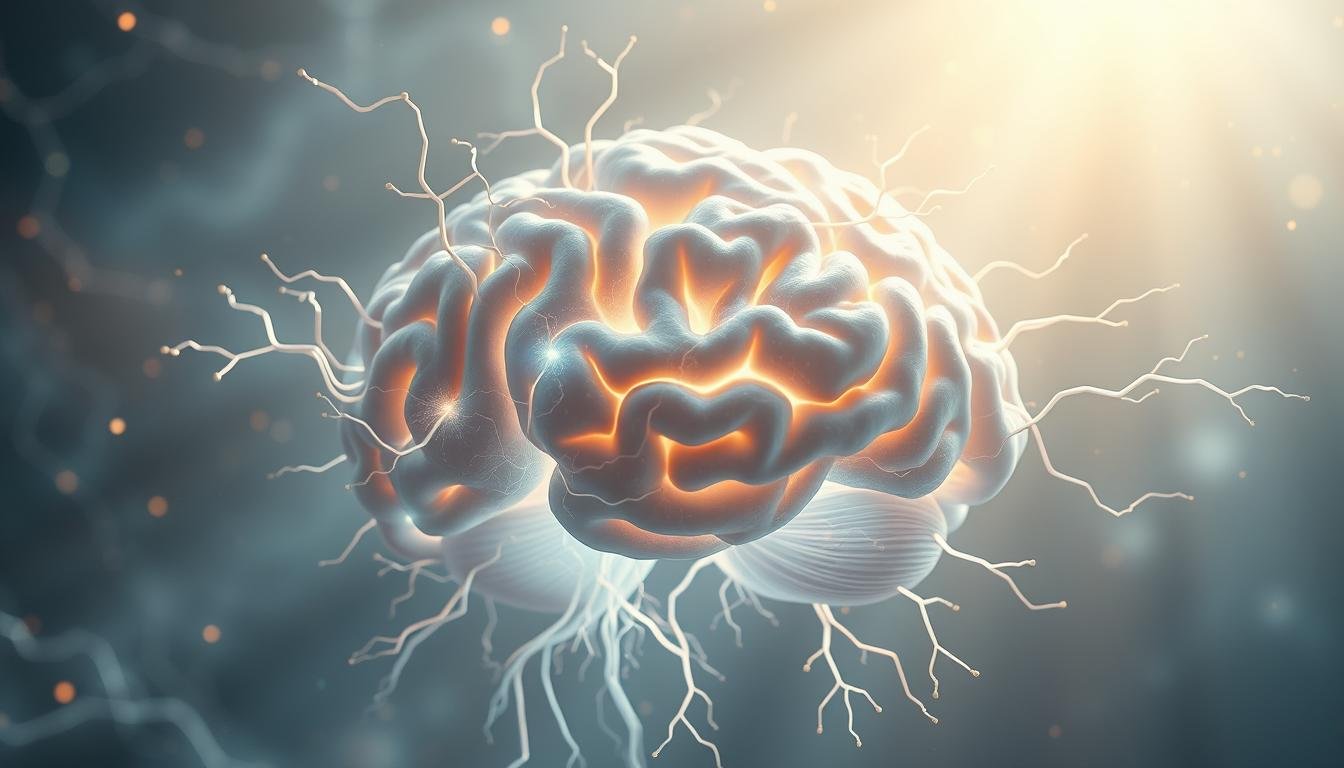
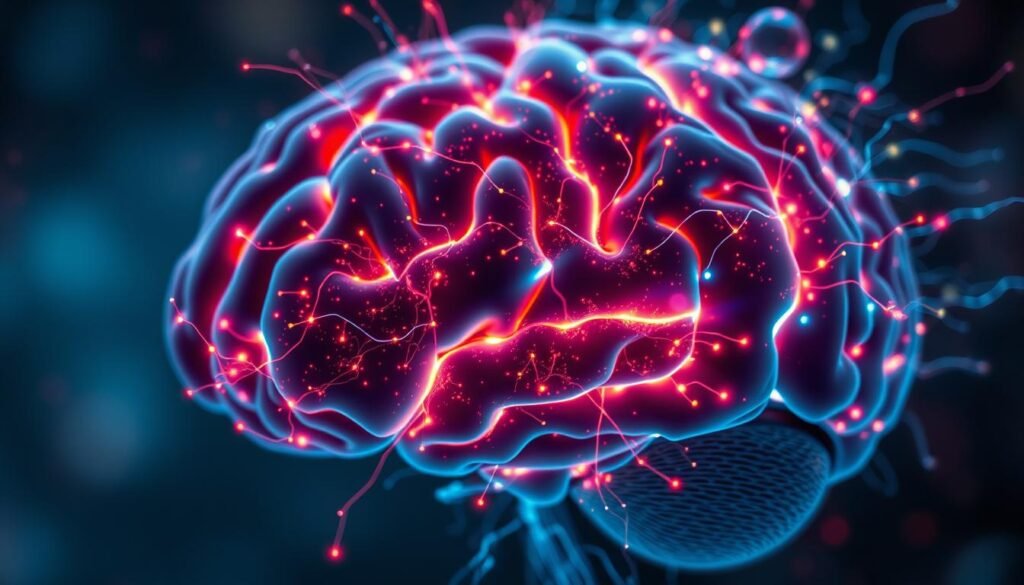
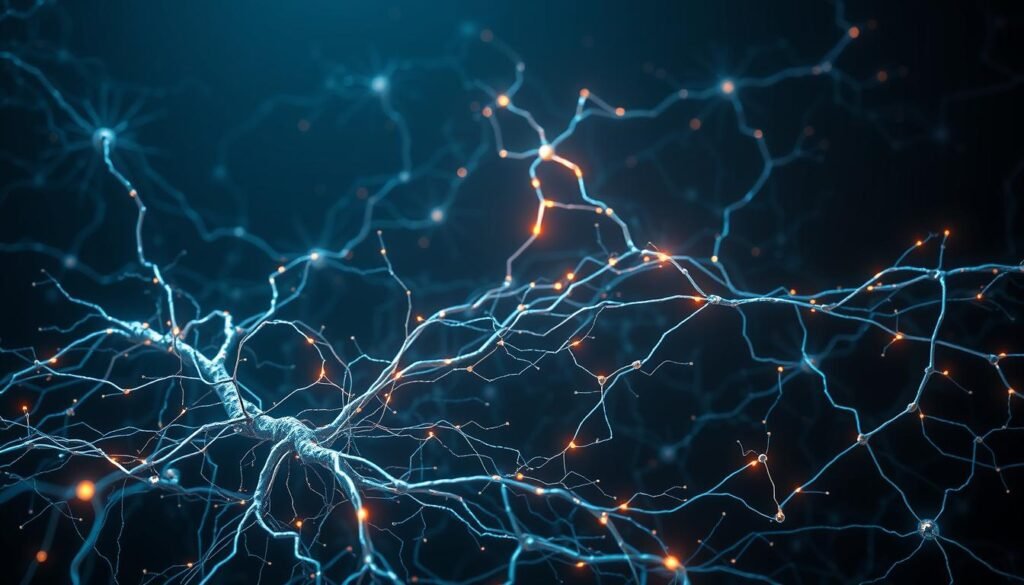
Your brain is a 24/7 powerhouse—even when you’re snoozing, it’s managing your heartbeat, dreams, and tomorrow’s math test strategies. And get this: 60% of this squishy organ is pure fat. Not the kind from donuts, though—healthy fats that turbocharge your thinking skills like avocado or salmon. Bet you didn’t see that coming!
Think of your human brain as a supercomputer that never crashes. While your phone dies at 10% battery, your noggin’s still solving problems, storing memories, and making you laugh at TikTok videos. Seriously, it handles more tasks than Alexa and your WiFi router combined.
Here’s the kicker: those fatty acids aren’t just filling space. They build neural highways so fast, they’d put Tesla’s Autopilot to shame. Every time you learn a new skateboard trick or memorize a song lyric? That’s your brain’s fat-fueled wiring flexing its muscles.
So next time someone calls you a “couch potato,” remind them your squishy supercomputer is grinding harder than a coffee bean. And guess what? We’re just scratching the surface. Stick around—this gets wilder than a popcorn kernel in a microwave.
Unpacking Your Brain: The Fattest, Fastest Organ
Let’s crack open the hood of your head’s command center—it’s running on premium fuel you might not expect. Believe it or not, 60% of this squishy powerhouse is fat. Not the greasy pizza kind, but healthy fats like omega-3s that turbocharge your neurons. Think of them as high-octane gas for your mental racecar.
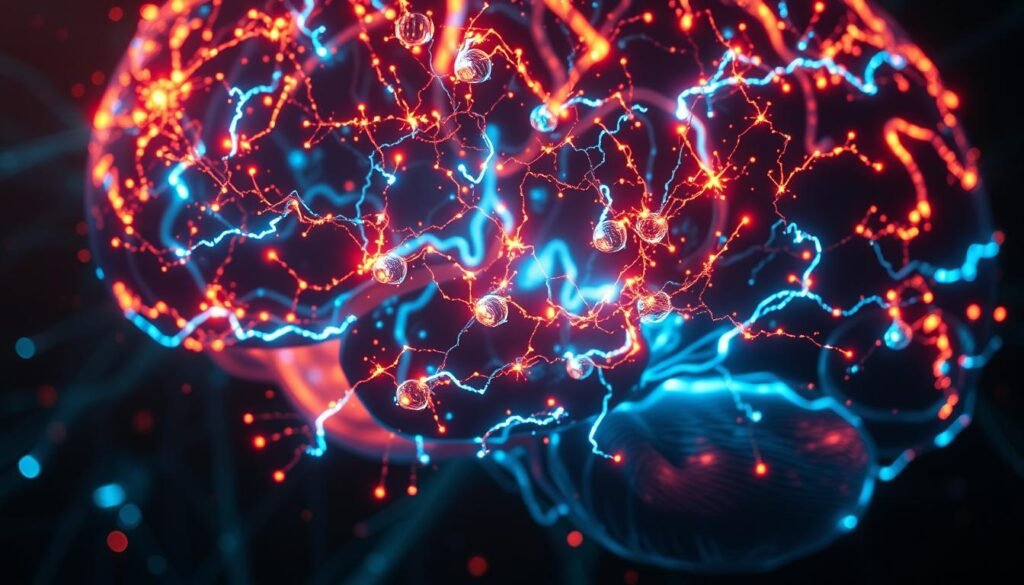
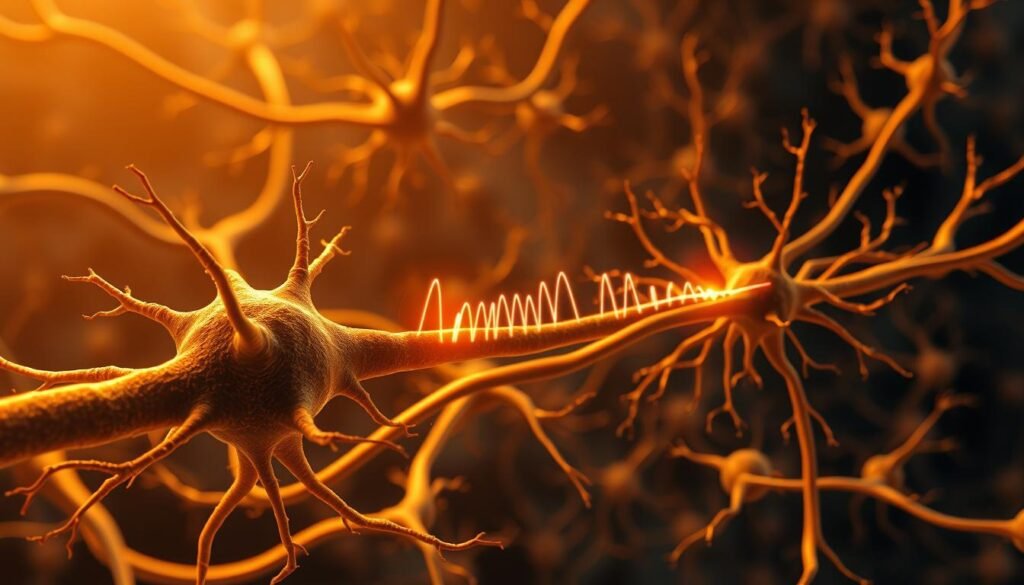
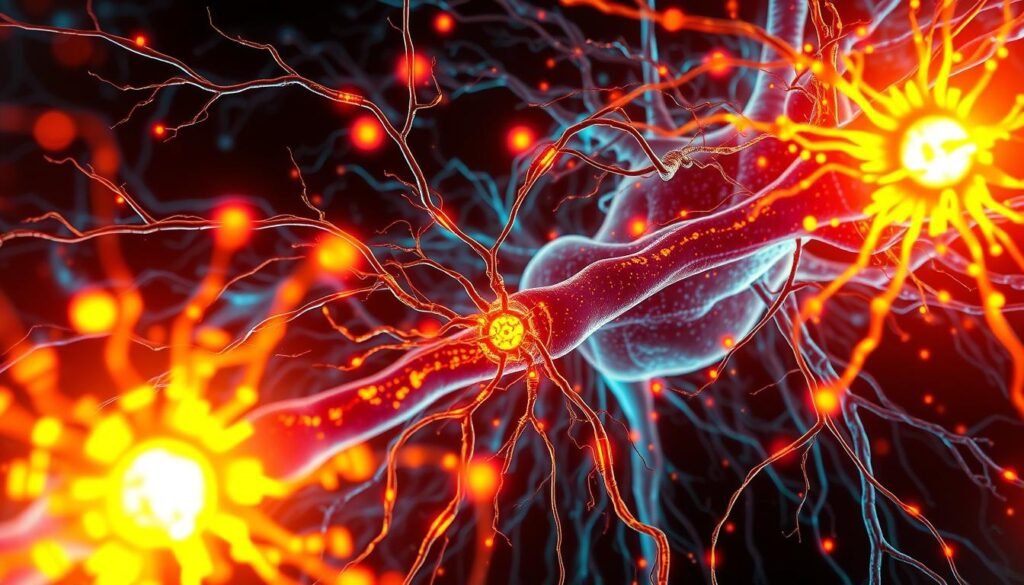
Here’s how it works: neurons shoot electrical impulses faster than a soccer player’s penalty kick—up to 268 mph! But they need specific fatty acids to build their lightning-fast highways. Avocados, nuts, and fish? Those are your neuron’s pit crew, keeping connections slick and responsive.
Healthy fats fueling neural power
Fat Type
Source
Brain Benefit
Omega-3
Salmon, Walnuts
Builds neuron membranes
Trans Fats
Fried Foods
Slows signal speeds
Monounsaturated
Avocados, Olive Oil
Protects cell structure
Every time you memorize a TikTok dance or solve a math problem, millions of cells fire in perfect sync. And get this—your brain’s fat content isn’t lazy padding. It’s active insulation, like the rubber coating on electrical wires. Without it, messages between neurons would fizzle out faster than a Snapchat streak.
So next time you’re choosing snacks, remember: you’re not just feeding your stomach. You’re upgrading the world’s most efficient supercomputer—one that never clocks out, even when you’re binge-watching cartoons.
86 Billion Neurons and a Quadrillion Connections
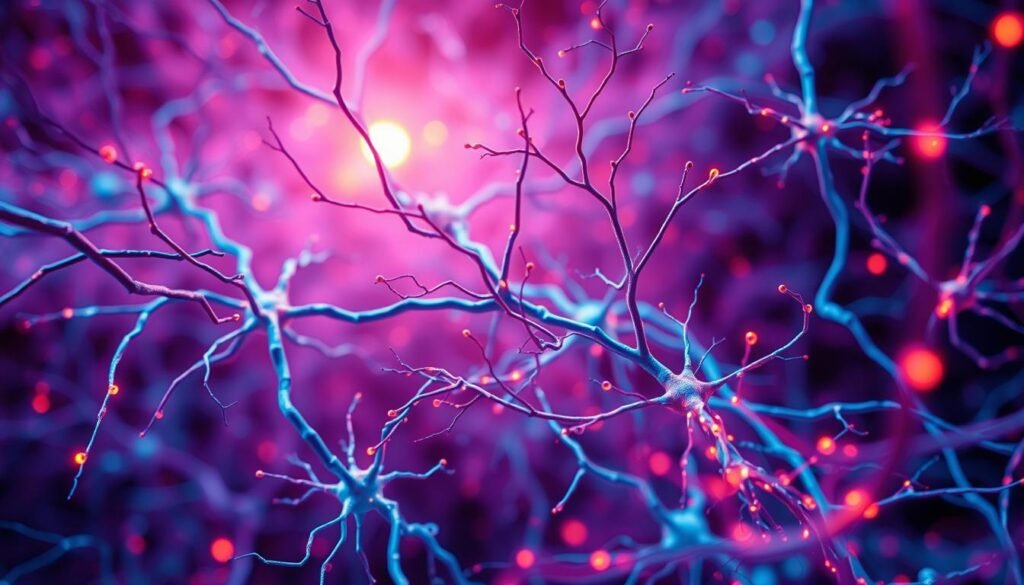
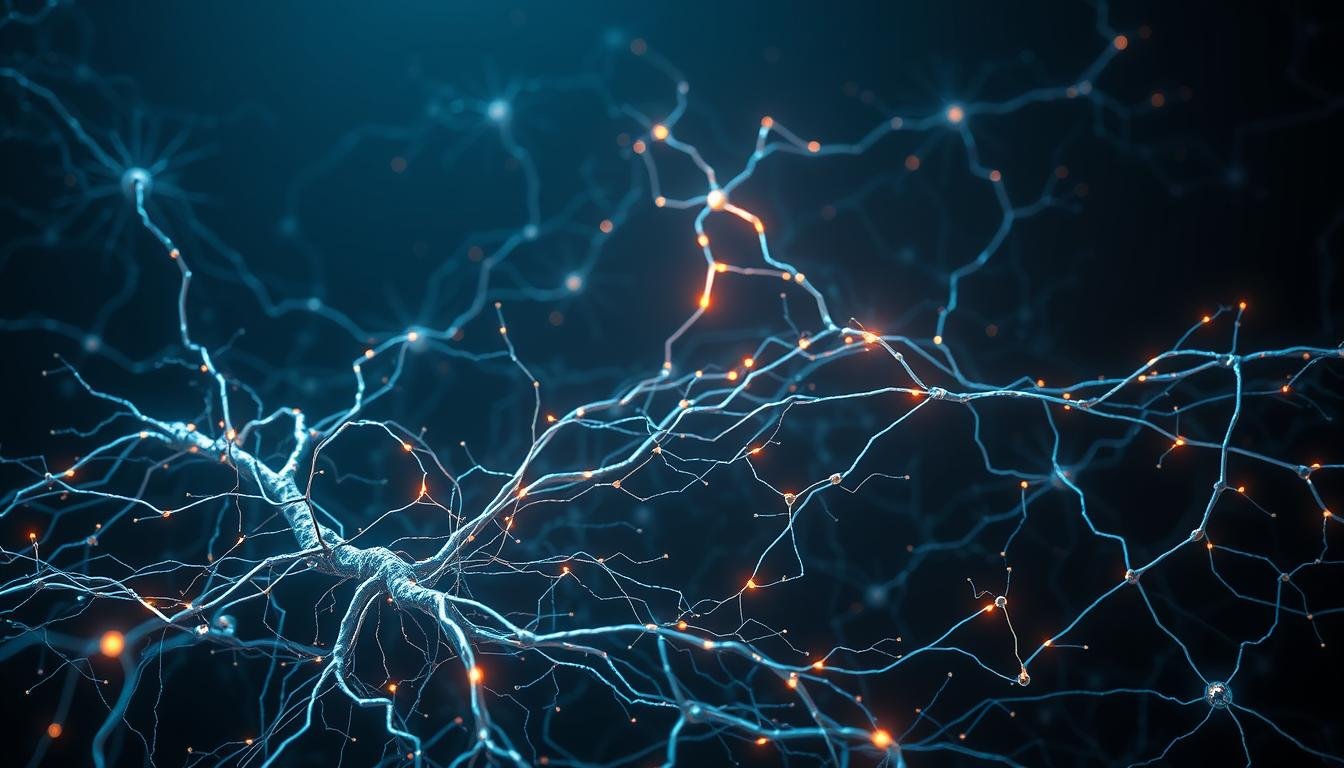
Picture this: your head houses more connections than there are stars in the Milky Way—each one sparking faster than a SpaceX rocket. With 86 billion neurons chatting nonstop, they form over 1 quadrillion links—enough to wrap around Earth four times. Let me break down how this cosmic network operates at speeds that’d make your PlayStation jealous.
Neurons fire signals at 350+ mph—quicker than Japan’s bullet trains. When you touch a hot pan, this system zaps a “DANGER!” alert to your muscles before you consciously feel pain. That’s why your hand jerks back instantly, no thinking required. Evolution’s own emergency response team.
Activity
Speed
Neural Equivalent
Texting a friend
0.5 seconds
1,200+ neurons firing
Solving a math problem
2 seconds
Entire prefrontal cortex lit up
Catching a ball
0.3 seconds
Visual + motor networks synced
Your daily grind = neural fireworks
Remembering your locker combo? That’s thousands of cells strengthening their bonds each time you spin the dial. Every practice session—whether basketball drills or memorizing lyrics—carves deeper pathways. Like hiking the same trail until it’s second nature.
Here’s the kicker: these connections last decades. The reason you never forget how to ride a bike? Those childhood neural highways stay paved, even if you haven’t pedaled in years. Your noggin’s always ready to rev back up.
20 Watts of Brilliance Lighting Up Your Mind
Your mind’s control center operates on the same energy as a dim bulb—but here’s why that’s mind-blowing. Scientists discovered this squishy organ uses just 20 watts daily. That’s less power than your phone charger! Yet it handles everything from calculating homework to nailing cartwheels at recess.
Instant reactions (like catching a falling pencil)
Creative problem-solving (why cats hate water)
Memory storage (your BFF’s birthday + Pokémon types)
Here’s the kicker: your brain activity never stops. Even during sleep, it’s sorting memories and recharging neural batteries. I’ve seen studies where researchers track this nonstop energy burn using fancy helmets. But you don’t need lab gear—just notice how toast crumbs vanish from your plate faster than you can say “hungry.”
Energy Source
Daily Impact
Boost Your Ability
8 Hours Sleep
Resets neural pathways
Sharper focus
Blueberries
Fights oxidative stress
Faster recall
Water
Prevents signal slowdown
Smoother coordination
Pro tip: skip the sugary snacks before tests. Your neurons crave complex carbs and proteins—think eggs or almonds. They’re like premium gasoline for your mental engine. And when you’re grinding through video game levels or soccer drills? That’s your 20-watt powerhouse proving it’s the ultimate multitasker among organs.
Brain Facts for Kids: Unlocking Mental Might
Ever wonder how you catch a falling phone before it hits the ground? That’s your noggin’s secret weapon—ninja-like reflexes powered by nerve cells working overtime. Let’s unpack these split-second miracles that keep you safe daily.
Everyday super highlights in brain activity
Your human body runs on autopilot more than you realize. When you:
Snatch a slipping glass mid-air
Dodge a rogue dodgeball at recess
Blink instinctively when dust flies near
…millions of cells fire faster than TikTok trends. I once timed myself catching a pen I knocked off my desk—0.2 seconds flat. That’s quicker than saying “oops!”
Take rescuing a curious kitten from a hot stove. Here’s what happens:
Heat sensors in your skin scream “DANGER!”
Nerve cells relay the message like an emergency broadcast system
Muscles yank your arm back before you’ve fully processed the heat
Scenario
Reaction Time
Body Parts Involved
Catching phone
0.3 seconds
Eyes, hands, spinal cord
Dodging ball
0.4 seconds
Legs, balance system
Kitten rescue
0.25 seconds
Skin, arms, adrenaline
These reactions prove your organ isn’t just smart—it’s survival-obsessed. Every near-miss with sidewalk cracks or spilled juice? That’s your personal supercomputer flexing its emergency protocols.
The Wrinkly Brain and Its Clever Folds
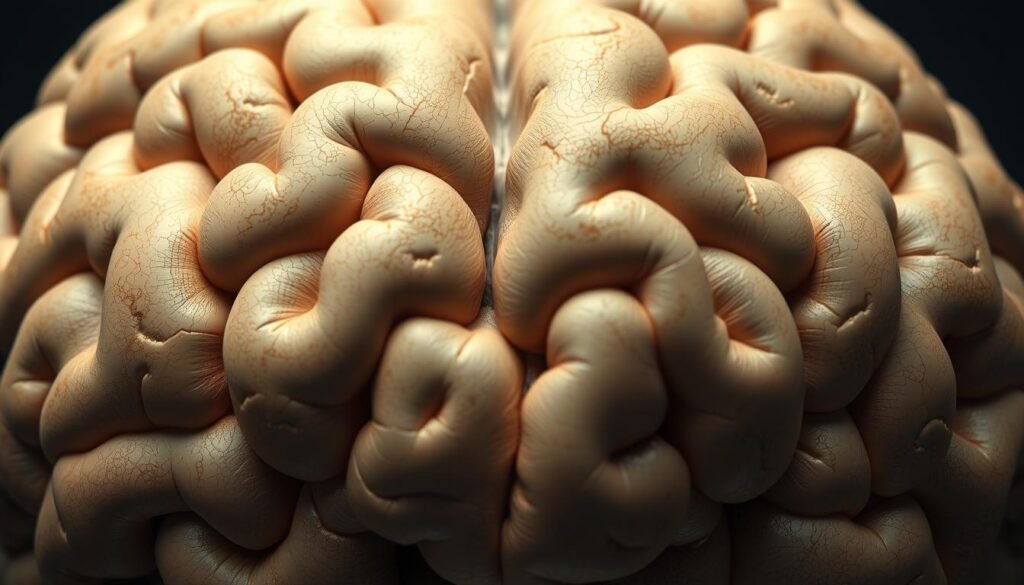
You know what’s cool? Those squiggly lines in your head aren’t just random creases—they’re nature’s ultimate space-saving hack. Picture a crumpled treasure map where every fold hides secret pathways. That’s your noggin’s surface working overtime to cram more power into limited real estate.
Here’s the kicker: if your organ stayed smooth like a baby’s, it’d need a skull three times larger to hold the same smarts. Developmental studies show those ridges—called gyri—start forming fast during childhood. By age 2, your neural landscape already looks like the Rocky Mountains.
How early folds pack more brain tissue
Think of it like origami for geniuses. As your nerve networks expand, the surface folds inward to:
Triple the processing area without busting your head size
Create hidden valleys (sulci) where memories get stored
Let different regions chat through shortcut connections
I once saw a lab comparison that blew my mind. A smooth rat brain handles basic instincts, while our wrinkled wonder manages calculus and comic books. The difference? Those folds add enough surface area to cover a pillowcase—all crammed into your baseball-sized dome.
Brain Type
Surface Area
Cognitive Ability
Newborn
1 sheet of paper
Basic reflexes
Adult Human
2.5 sq ft
Complex reasoning
Dolphin
3.8 sq ft
Echolocation mastery
Every crease acts like a neural express lane. When you solve puzzles or learn guitar chords, these biological shortcuts help people process info faster than an overclocked gaming PC. And get this—researchers found deeper folds correlate with sharper memory recall. Your crumpled cortex isn’t just along for the ride—it’s driving the genius bus.
From Baby Steps to Adult Brain Power
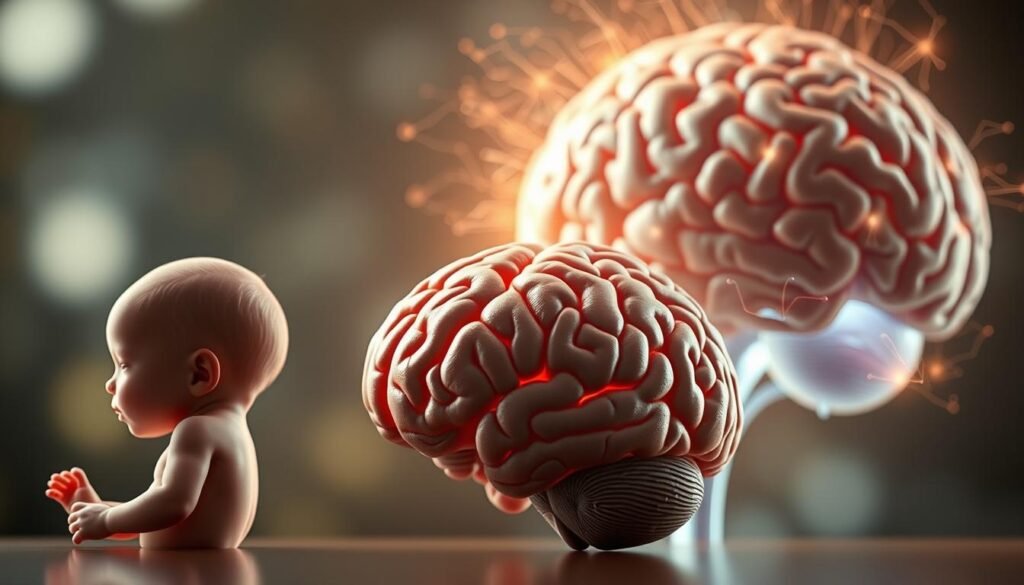
Imagine your head’s command center starts smaller than a melon but grows into a problem-solving beast—no software updates required. That squishy organ you’re rocking began at just 13 ounces (lighter than a football!), then triples in size by age 6. Here’s how your neural network levels up like a video game character gaining XP.
Newborns come preloaded with basic programs: crying when hungry, gripping your finger, blinking at sudden noises. But their neural wiring looks like a quiet suburb—just enough roads for essential trips. By preschool years, it’s transforming into Tokyo at rush hour.
The upgrade timeline: From reflexes to rocket science
Your human body fuels this growth spurt with blood delivering 20% of your daily oxygen and nutrients to the control center. I’ve seen MRI scans where teen brains light up differently than adult ones—less highway, more backroads during decision-making.
Here’s the kicker: those folds and creases we discussed earlier? They’re still forming through your teen years. Every math equation solved or friendship navigated adds new routes to your mental map. And that blood flow? It’s the delivery van bringing building materials for your ever-expanding neural city.
Pro tip: naps aren’t lazy—they’re construction zones. Sleep lets your organs team up to cement new skills. Tomorrow’s breakthrough? It’s being wired tonight while you recharge.
Speedy Nerve Signals and Instant Reflex Responses
Ever jerked your hand back from a hot pan before feeling the burn? That’s your nerve network working overtime—no permission slips required. When surprise visitors like bees or boiling water crash your party, your body’s wiring takes charge faster than a cafeteria lunch line.
When your head plays emergency dispatcher
Here’s how it goes down: sensory cells in your skin scream “CODE RED!” through nerve highways at 150+ mph. The message hits your spinal cord first—no time to wait for brain approval. Muscles fire before you’ve fully processed the danger. I once tested this by “accidentally” touching a warm mug—my hand darted back like it had its own mind.
Threat
Reaction Speed
Body Parts Involved
Bee landing on arm
0.25 seconds
Skin, spinal cord, arm muscles
Slipping on ice
0.4 seconds
Feet, balance system, core
Unexpected loud noise
0.15 seconds
Ears, eyelids, neck muscles
Scientists call this reflex arc your survival shortcut. While your memory banks are still loading the “This is bad” file, your head’s already deployed the escape plan. It’s like having a superhero sidekick who acts first and apologizes never.
Pro tip: these lightning responses need healthy nerve cells. Snack on magnesium-rich almonds or spinach—they’re like premium fuel for your body’s emergency hotline. Next time you dodge a rogue dodgeball? Thank your built-in defense system that’s always on duty.
Brains, Bodies, and the Dance of Communication
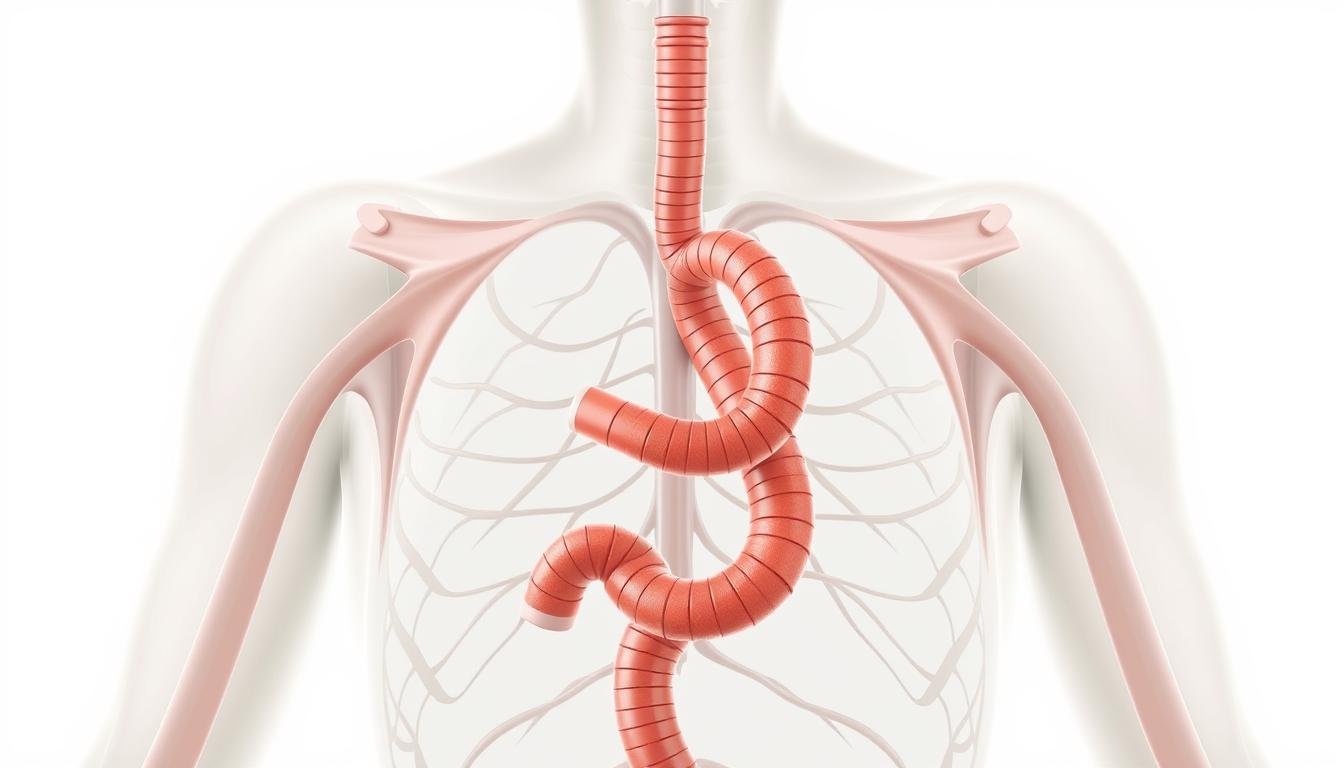
Your head’s command center and your pinky toe are locked in a never-ending tango—no dance lessons required. Every breath, blink, and basketball dunk happens because your organ upstairs sends precise instructions through nerve cells faster than a group chat blowing up. Let me show you how this biological teamwork keeps your whole system grooving.
Think of your brain as the world’s busiest air traffic controller. It manages:
All thanks to 86 billion neurons passing notes like middle schoolers. When I sprained my ankle last summer, these nerve messengers coordinated my hobble-home strategy before I could say “ouch.”
Body Part
Size Comparison
Role in Dance
Brain
3 lbs (cantaloupe)
Choreographer
Spinal Cord
18 inches (ruler)
Lead Dancer
Nerve Network
62,000 miles long
Backup Crew
Here’s the kicker: damage one pea-sized part of your head’s control tower, and the whole show stumbles. Strokes reveal this brutally—when oxygen-starved areas go dark, speech or movement abilities might vanish mid-sentence. Yet healthy regions often learn new steps to compensate.
Your body’s communication ability isn’t just biology—it’s art. Every time you high-five a friend or dodge a rogue Frisbee, millions of nerve cells perform a routine they’ve rehearsed since before you took your first step.
Coping with Brain Freezes and Neural Hiccups
Ever gulped a slushie so fast your forehead staged a protest? That’s your brain hitting a temporary speed bump. Scientists call it sphenopalatine ganglioneuralgia—but let’s stick with “neural hiccup.” Here’s why cold treats sometimes crash your mental party.
When icy drinks hit the roof of your mouth, nerve connections freak out like overworked firefighters. Cold sensors scream “ALERT!” making blood vessels swell rapidly. This sudden size change presses on nearby nerves—hello, forehead vise grip!
Your human body’s response team jumps into action:
Pain signals ricochet through your partial nerve network
Blood flow shifts to protect vital memory centers
Your tongue sends “ABORT MISSION!” messages to swallowing muscles
Trigger
Body Response
Duration
Ice cream sprint
Palate nerves overdrive
30-60 seconds
Frozen drink race
Blood vessel expansion
45-90 seconds
Smoothie challenge
Brain-to-mouth miscommunication
Up to 2 minutes
Here’s the kicker: pressing your tongue to the roof of your mouth warms those panicky sensors. I’ve tested this mid-freeze—works faster than blaming your sibling for finishing the last popsicle.
Next time frosty treats ambush your connections, remember: it’s your human body’s quirky way of saying “Slow down, champ.” Now pass the napkins—we’ve got melted evidence to clean up.
Brain Maintenance Tips—Keep Your Supercomputer Running Smoothly
Think your mental machine runs on autopilot? Straight up—it needs tune-ups like your favorite bike. Your squishy organ thrives when you fuel its pathways with smart habits. Let’s break down the ultimate care package for your 24/7 thought factory.
Sleep isn’t lazy time—it’s VIP treatment for nerve cells. Your neurons rebuild pathways during deep Zzz’s, like road crews fixing potholes overnight. Miss those 8 hours? Signals get fuzzy, like trying to text with cracked screens.
Food choices matter big time. Omega-3s from salmon or walnuts act like premium oil for your neuron engines. I’ve seen studies where teens eating leafy greens boosted memory recall by 15%—that’s straight As without extra cramming.
Get moving! Exercise pumps blood to your head faster than espresso shots. Just 20 minutes of dribbling drills or dance battles sharpens emotions and reaction speeds. Your cells literally throw confetti when you break a sweat.
Pro maintenance plan:
1. Hydrate like a cactus in rainstorms
2. Swap candy bars for almond-stuffed dates
3. Challenge your messages system with new skills weekly
Small tweaks = huge payoffs. Protect those lightning-fast signals, and your personal supercomputer will outlast every gadget in your backpack. Ready to level up?