Think Alabama’s just sweet tea and football? Think again. This southern state packs more punch than a Moon Pie at a tailgate – it’s where civil rights heroes changed the world and NASA engineers literally shot for the stars. Let me tell you why this place is cooler than a popsicle in July.
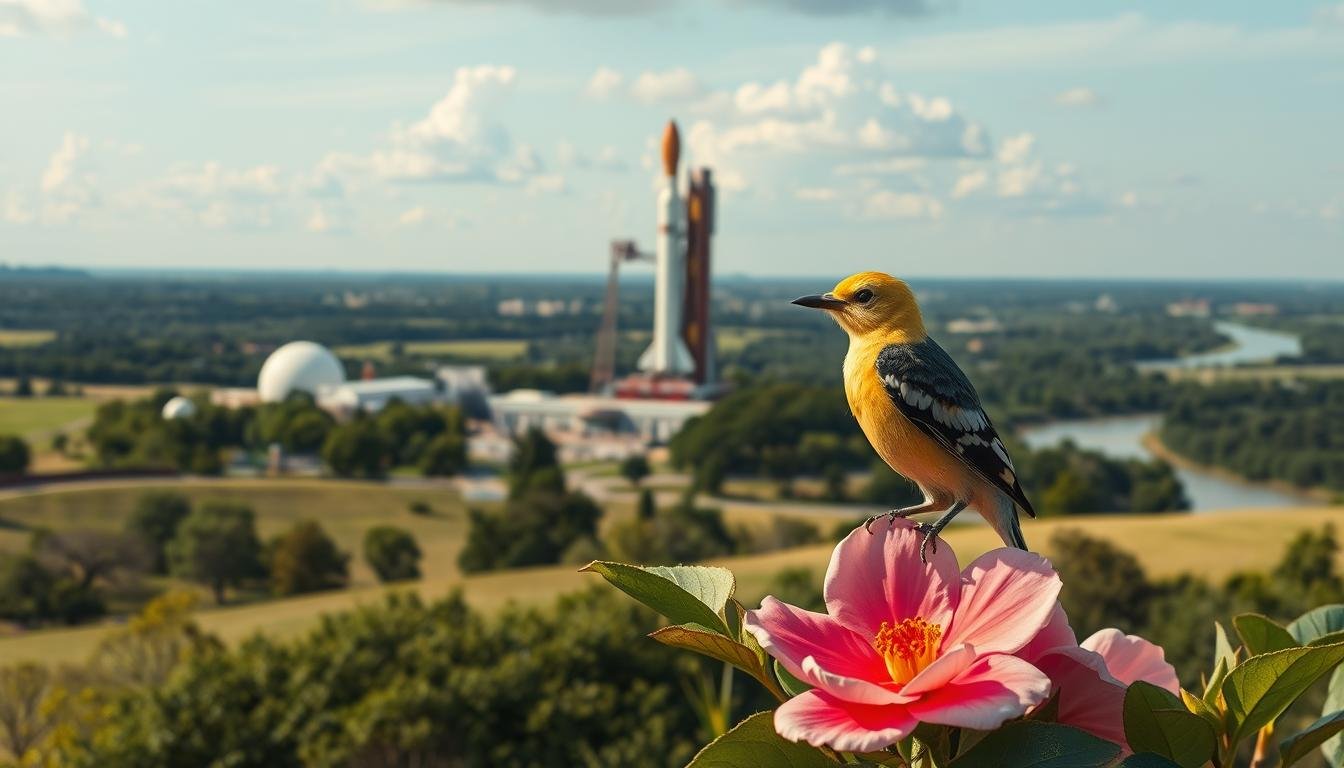
Back in 1819, this chunk of Dixie became the 22nd member of the united states club. Today, nearly 5 million people call it home, including the feisty yellowhammer (our flashy state bird) and camellias so pretty they’ll make your grandma’s garden jealous. But here’s the kicker – Montgomery isn’t just any capital city. It’s where Rosa Parks told segregation to take a hike, sparking a movement that reshaped history.
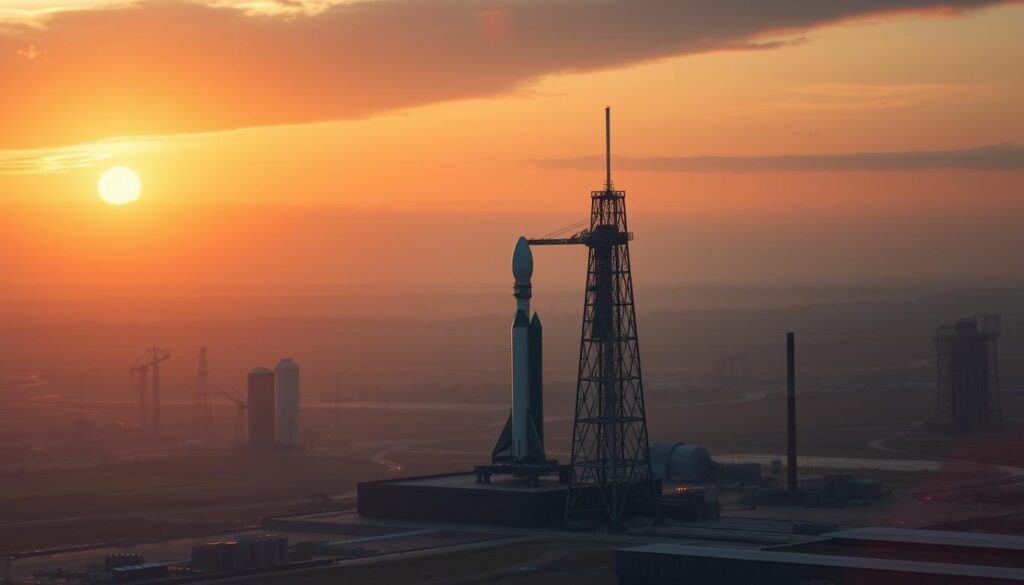
Want weird science? Huntsville’s Space & Rocket Center houses actual Saturn V boosters – the same kind that put boots on the moon. Picture this: cotton fields on one side, rocket test sites on the other. Only in Alabama does southern charm meet space-age ambition.
Oh, and that state flower? It’s not just for looks. Locals will tell you camellias thrive here because they’re stubborn – just like the folks who turned lunch counter sit-ins into national headlines. Ready to dig into more stories where grit meets gravity? Let’s roll.
Alabama’s Civil Rights and Cultural Milestones
You think making history requires a loud voice? Sometimes it starts with a quiet “no.” That’s exactly what happened when Rosa Parks stayed put on a Montgomery bus in 1955. Her defiance wasn’t just about a seat—it lit a fire under the civil rights movement, proving ordinary folks could rewrite the rules.
Rosa Parks sparking bold change
Picture this: December 1st, downtown Montgomery. A 42-year-old seamstress becomes human steel. When the driver demanded her seat, Parks later recalled thinking, “Why should we have to go through this?” Her arrest sparked the 381-day bus boycott—black riders walked through rain and Alabama heat until segregation cracked.
Booker T. Washington and local legends
Decades earlier, another giant shaped the heart dixie. Born enslaved, Booker T. Washington founded Tuskegee Institute in 1881. His “lift as we climb” philosophy turned dirt roads into classrooms. Ever seen peanut-based plastics? Thank George Washington Carver, his star scientist who revolutionized Southern farming.
Leader
Contribution
Year
Rosa Parks
Montgomery Bus Boycott catalyst
1955
Booker T. Washington
Tuskegee Institute founder
1881
John Lewis
Selma voting rights marches
1965
These stories aren’t dusty museum pieces. Walk Montgomery today, and you’ll feel the rights movement pulsing in the brick sidewalks. From church basements where strategies were whispered to courthouses where justice finally shouted back—this is where the civil rights playbook got written.
Rocket Ships, Space Centers, and Industrial Prowess
Ever wonder how a state known for cotton fields ended up launching rockets? Let’s break it down: Alabama’s dirt contains more than just red clay. It’s laced with iron ore and limestone – the steel-making superheroes that built skyscrapers and moon rockets alike.
Picture a 363-foot Saturn V rocket lying on its side. That’s what greets you at Huntsville’s U.S. Space & Rocket Center. But the real magic happens next door at Marshall, where engineers cooked up the propulsion systems for every crewed NASA mission since 1961. Fun fact: The center employs over 6,300 people – enough to fill three football stadiums’ worth of brainpower.
Huntsville’s role in launching dreams
This city didn’t just help put men on the moon. It’s still cranking out space-grade hardware today. Want numbers? Alabama’s aerospace industry pumps $12 billion into the economy annually. Not bad for a place locals call “Rocket City.”
Industry
Contribution
Year Started
Steel Production
4.3M tons annually
1870s
Iron Mining
2.8M tons extracted
1830s
Pipe Manufacturing
40% of U.S. supply
1950s
Here’s the kicker: Those same steel mills making water pipes also shaped rocket gantries. Alabama’s secret sauce? Turning iron into ambition – one smelting furnace at a time. Next time you stare at the stars, remember: Some of that starlight bounced off Made-in-Alabama metal first.
Native American Heritage, Colonial Shifts, and Tribal Legacies
Think Alabama’s history started with settlers? Not even close. Long before cotton dominated the land, this area thrived with vibrant tribes whose fingerprints still shape daily life. Let’s dig into stories you won’t find in dusty textbooks.
Cherokee, Creek, and Choctaw influences in local life
Ever bite into a juicy peach? Thank the Creek people. They perfected orchard farming here centuries ago. The Cherokee? Masters of the “Three Sisters” method—corn, beans, and squash growing together like best friends at summer camp. These agricultural geniuses didn’t just farm the land; they partnered with it.
Art tells another story. Choctaw basket weavers still use river cane techniques passed down through 15 generations. I’ve held one—the patterns feel like secret codes whispering, “We’re still here.”
Tribal traditions influencing agriculture and art
Here’s the kicker: Modern Alabama owes its BBQ sauce obsession to native americans. They invented slow-cooking meats over hickory coals. Next time you lick sauce off your fingers, tip your hat to the original pitmasters.
Let me put it this way: Drive through the area today, and you’ll spot:
Road signs bearing Muscogee Creek words
Festivals where stomp dances outnumber TikTok trends
Farmers reviving ancient crop rotation methods
Tribe
Modern Legacy
Cultural Impact
Cherokee
Language preservation programs
3 public schools teaching syllabary
Choctaw
Basket weaving cooperatives
200+ active artisans statewide
Creek
Land stewardship initiatives
17 protected heritage sites
These aren’t relics—they’re living traditions. At Moundville Archaeological Park, kids literally walk on 800-year-old earthworks. That’s the real Alabama land: layers of history stacked like grandma’s pancake breakfast.
What do a feisty bird and a winter-blooming flower have in common? They’re the symbols that shout “Alabama” louder than a marching band at halftime. Let’s start with the yellowhammer – not just any woodpecker. This flashy flicky-bird earned its stripes during the Civil War, when soldiers’ uniforms matched its golden-winged swagger. Today, it’s the official mascot of grit with feathers.
The significance of the yellowhammer and camellia
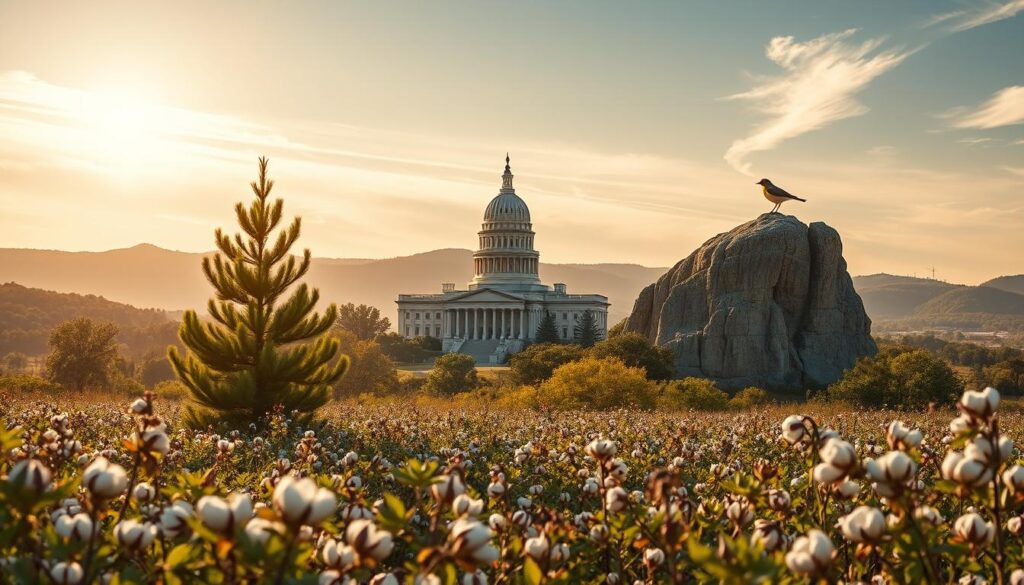
Then there’s the camellia. Southern belles love it because it blooms when frost nips the air – a middle finger to winter. But here’s the kicker: This flower wasn’t even the original pick. Lawmakers swapped out goldenrod in 1959 after sneezing fits ruined its reputation. Smart move – camellias don’t trigger allergies, just state pride.
Head to the capital, Montgomery, and you’ll see these emblems everywhere. The First White House of the Confederacy? Camellias frame its columns like living history books. At the state Capitol building, stained-glass yellowhammers watch over lawmakers. It’s like the name “Alabama” – borrowed from Choctaw words meaning “thicket clearers” – comes alive here.
Symbol
Significance
Year Adopted
Yellowhammer
Civil War unity emblem
1927
Camellia
Winter resilience icon
1959
Longleaf Pine
Timber industry backbone
1997
Don’t forget the unsung heroes. That cotton boll on license plates? It’s a nod to the crop that built towns and sparked innovations. And the state’s name? More than just a label – it’s a story of people shaping land, then land shaping people. Next time you sip sweet tea, notice the camellia on the mug – that’s Alabama whispering, “We bloom where we’re planted.”
Geographical Wonders: Rivers, Mountains, and Forests
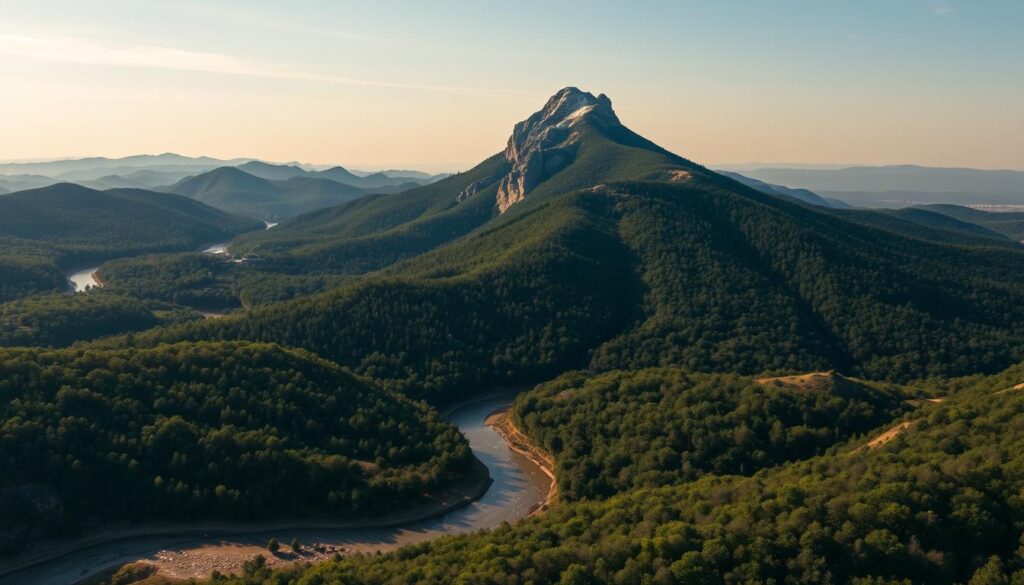
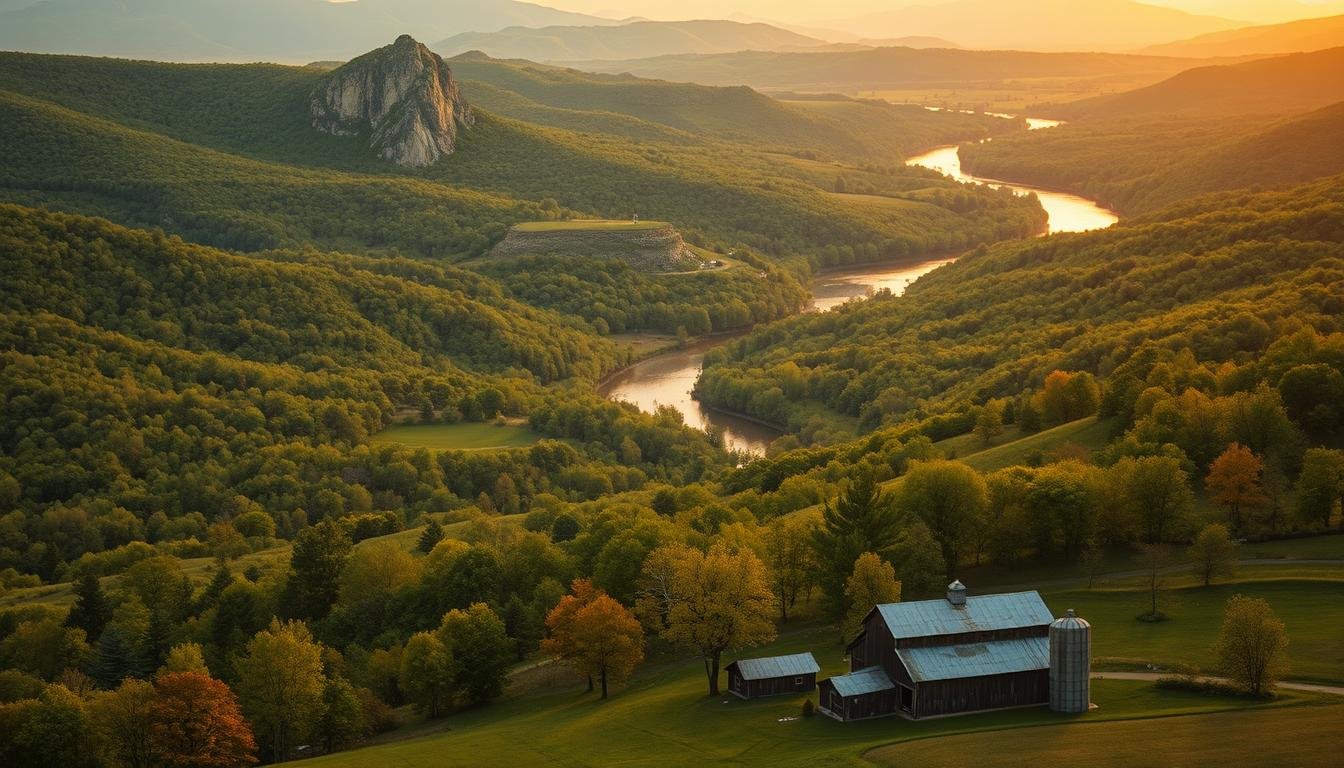
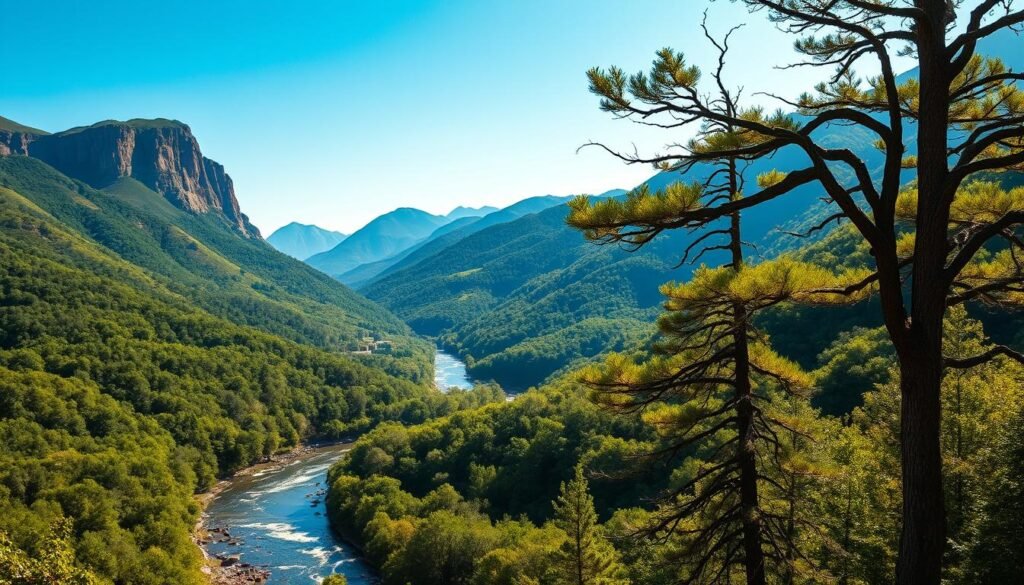
Ever stood on ground so high you could fist-bump a cloud? Alabama’s Cheaha Mountain dares you to try. At 2,407 feet, this Jurassic-looking ridge isn’t just the state’s rooftop – it’s where ancient quartzite cliffs glare down at pine forests like grumpy grandparents. I’ve hiked here in July; trust me, the breeze up top tastes like nature’s air conditioning.
The rugged peaks of Cheaha Mountain
This beast formed 480 million years ago – back when trilobites were the hot new trend. Today, its geography serves up boulder fields that’ll make your knees wobble and vistas stretching 75 miles on clear days. Pro tip: Check out Pulpit Rock. It’s not a metaphor – actual preachers once shouted sermons from this natural podium.
Now let’s talk liquid highways. The Tennessee River carves 652 miles through northern Alabama, while the Alabama River threads 318 miles southward. Together, they’ve shaped more than just landscapes. These waterways host 325 fish species – enough to make aquariums jealous. Ever seen an Alabama sturgeon? They’re living fossils that outlasted dinosaurs.
Down where the rivers kiss the Gulf Mexico, something magical happens. Longleaf pine forests – nature’s skyscrapers – tower over wiregrass seas. These trees aren’t just tall; they’re fireproof superheroes. Their bark thickens like armor, surviving blazes that clear out weaker plants. Walk through one at sunset, and you’ll understand why early settlers called these woods “cathedrals.”
Cheaha’s rock layers: Older than bones
Tennessee River depth: Up to 9 freighters stacked
Longleaf pine lifespan: 500 years (if lightning doesn’t argue)
Here’s the kicker: Alabama’s geography plays chess while others play checkers. Mountains guard rivers that feed forests that buffer the Gulf Mexico. It’s all connected – like some giant ecological Rube Goldberg machine. Next time you sip sweet tea, remember: The water probably did time in these wild places first.
Alabama Fun Facts for Kids: Civil War Echoes and Electric Innovations
History books love shouting about battles, but Montgomery whispers secrets of reinvention. Walk these streets today, and you’ll trip over civil war cobblestones while dodging electric scooters. The city became the Confederacy’s first capital in 1861 – a fact etched in every wrought-iron balcony. But here’s the twist: Those same streets birthed America’s first electric trolley system 25 years later.
From cannon smoke to streetcar sparks
Let’s break it down step by step. 1886: Workers string copper wires above clay roads. By May, clanging trolleys replace horse-drawn carriages. The system covered 11 miles initially – enough to connect waterfront docks to emerging suburbs. Think of it as 19th-century Uber, minus the app.
Here’s where time plays tricks. The trolley’s success funded modern water systems, piping clean H2O to homes by 1890. But progress had sharp edges. Segregationists later weaponized public transit, setting the stage for Rosa Parks’ rights stand six decades on.
Era
Innovation
Legacy
1861
Confederate capital established
28 historic markers downtown
1886
Electric trolley debut
15 original rail segments preserved
2023
Smart traffic systems
37% reduced congestion
Modern Montgomery juggles these layers like a street performer. Civil War museums share blocks with AI startups. The water treatment plant? It’s powered by solar panels now. Even the rights movement evolved – today’s activists use TikTok instead of pulpits.
So next time someone calls this a “sleepy Southern town,” laugh. Places don’t get this complex by napping through history.
Wrapping Up with Alabama’s Unexpected Gems
You think you’ve seen all this place’s got? Try explaining why a 33-foot-tall office chair guards a small-town field. That’s Aniston’s claim to fame – 10 tons of steel welded into the world’s largest throne for desk jockeys. Only here does roadside weirdness become civic pride.
Dig deeper, and numbers tell their own tales. Nearly 40 percent of America’s farm-raised catfish swim in Alabama ponds. Mobile’s Boll Weevil Monument? It honors the pest that forced farmers to ditch cotton for peanuts. Turns out disaster can be delicious – the state now produces 65 percent of U.S. peanut crops.
What really makes this home? It’s the details. Like the Dismals Canyon’s glow-worm caves – 85 percent of North America’s bioluminescent larvae sparkle there. Or the town that outlaws ugly buildings (looking at you, Mountain Brook).
Here’s the kicker: These quirks aren’t exceptions. They’re the rule. From rocket gardens to civil rights landmarks, Alabama’s magic lives in contradictions. One minute you’re marveling at space-age tech, the next you’re eating pie at a diner where MLK plotted change. That’s the real southern comfort – surprises served daily.